
Fish are pets that are advertised as not needing much care. It is not until research is done that it becomes clear that not only do fish require high levels of care, but also that if their environment or diet is not on par with their needs, fish can become sick rather quickly.
If not educated on what signs indicate an ill fish, it can be a shock to see a fish alive one day and not the next. Recognizing the signs of a dying fish and taking immediate action to get them on the road to recovery can help avoid heartbreak and allow fish to live a full and happy life with their tankmates as a result.
Signs to Watch Out For
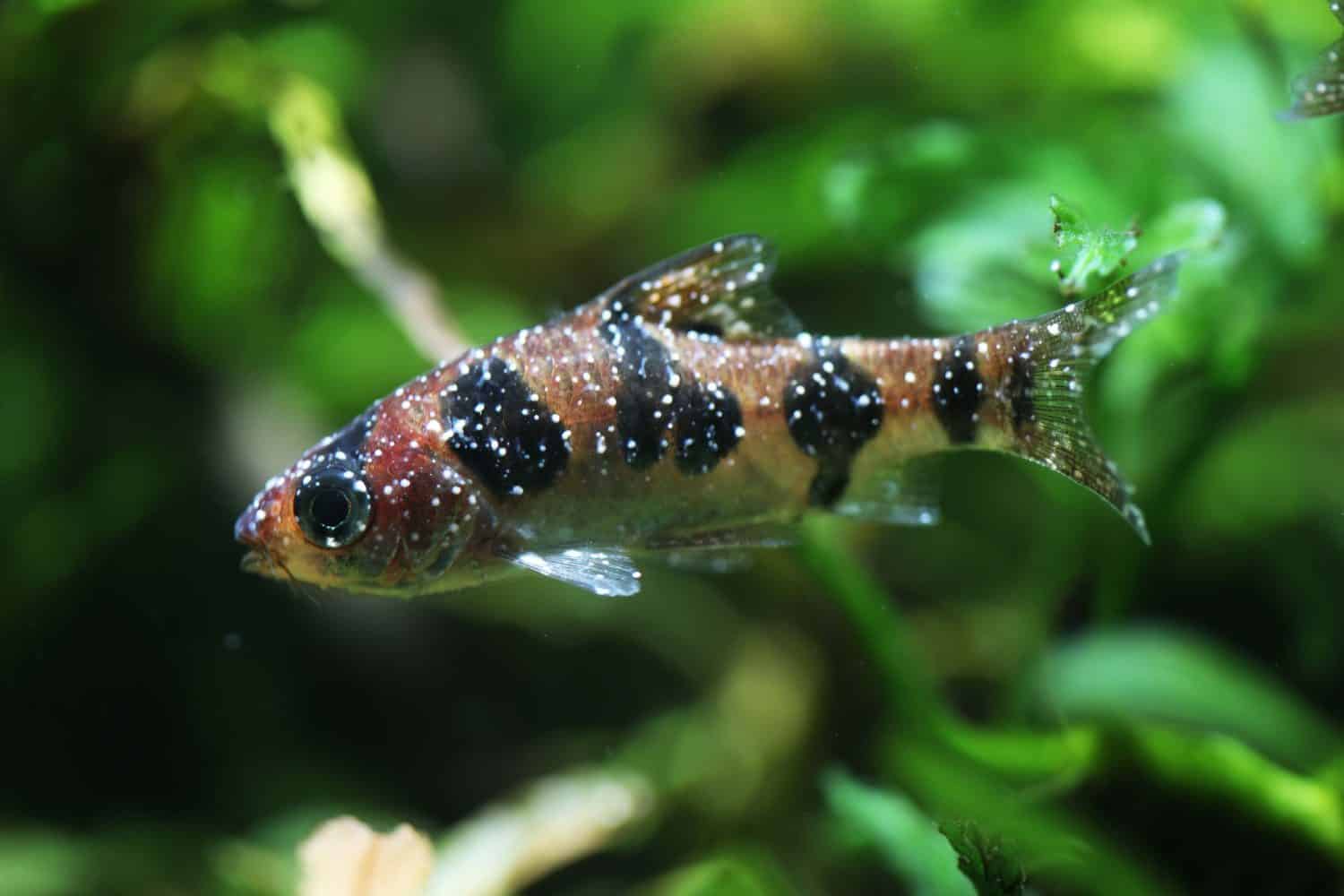
Changes in appearance or behavior are signs of a sick or dying fish.
©Pavaphon Supanantananont/Shutterstock.com
Fish may be one of the most difficult animals to read when it comes to their health. But for those who have been fish parents for some time, there are some telltale signs that fish are not only sick but that they are on the verge of dying without some quick treatment. Unfortunately, unlike dogs and cats, where it is easy to make an appointment for a veterinarian, vets for fish are few and far between. In most instances, fish veterinarians work at zoos, aquariums, universities, and fisheries. With their schedules, it can be difficult to get an appointment with them, and for many, those appointments are too expensive to justify. This is why when there are signs that a fish, such as a betta, is dying, many pet parents take matters into their own hands and attempt to treat the fish themselves.
Some of the most common signs that a fish is dying include:
- Erratic swimming
- Gasping for air at the surface of the water
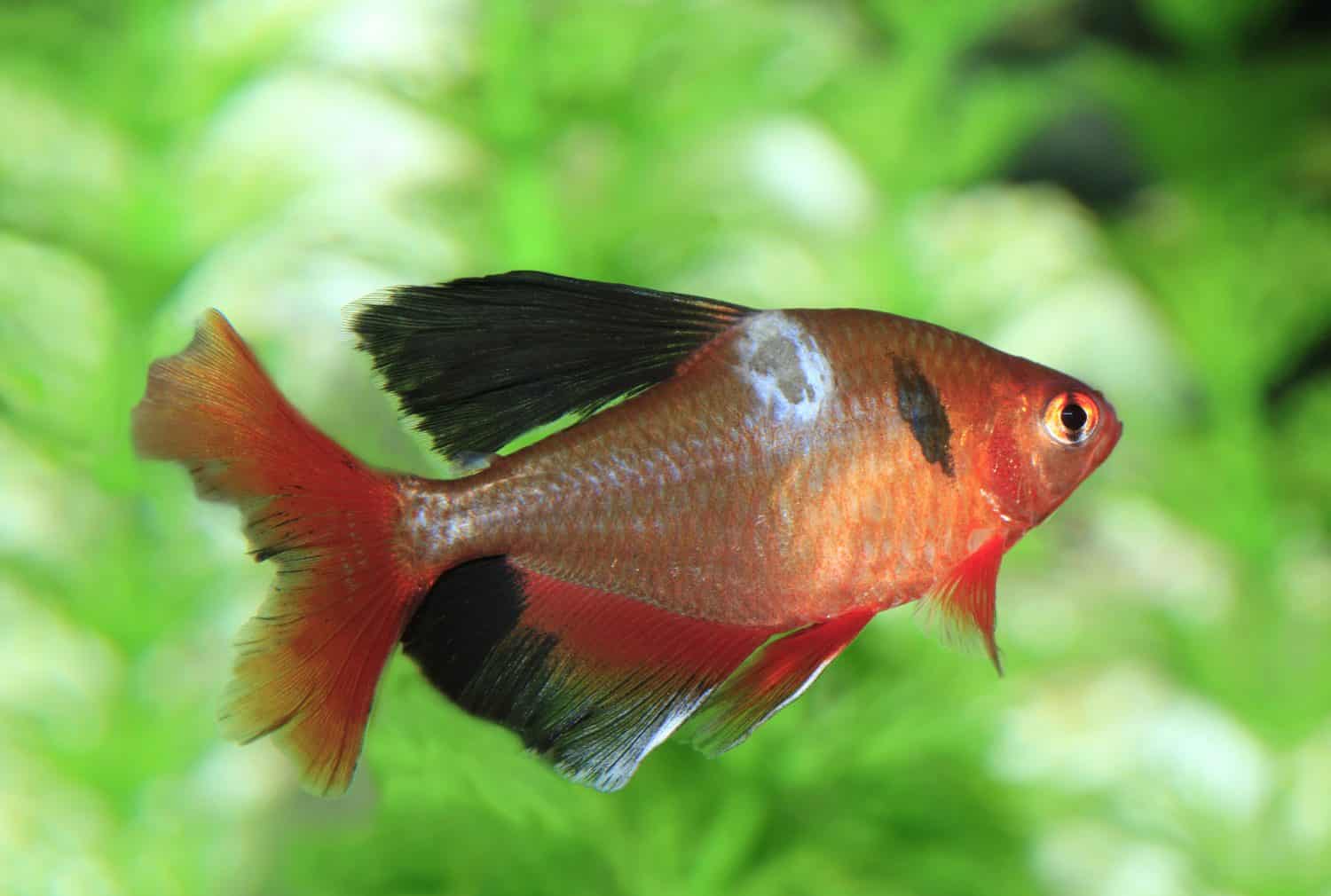
- Change in color or texture of fins and scales
- Bumps or lumps on the fish
- Bulging eyes
- Cloudy eyes
- Not eating or severely reduced appetite
- Distended abdomen
- Lethargy begins to set in
- Fish are no longer responsive to their pet parents
- Suddenly spending most of the time at the bottom of the tank
Different species of fish will have symptoms that vary from one another when it comes to failing health. It is recommended to research specific species to know both the signs of a healthy and ill fish so that treatment can be rendered immediately if indeed a fish is on the brink of death.
Change the Tank Water
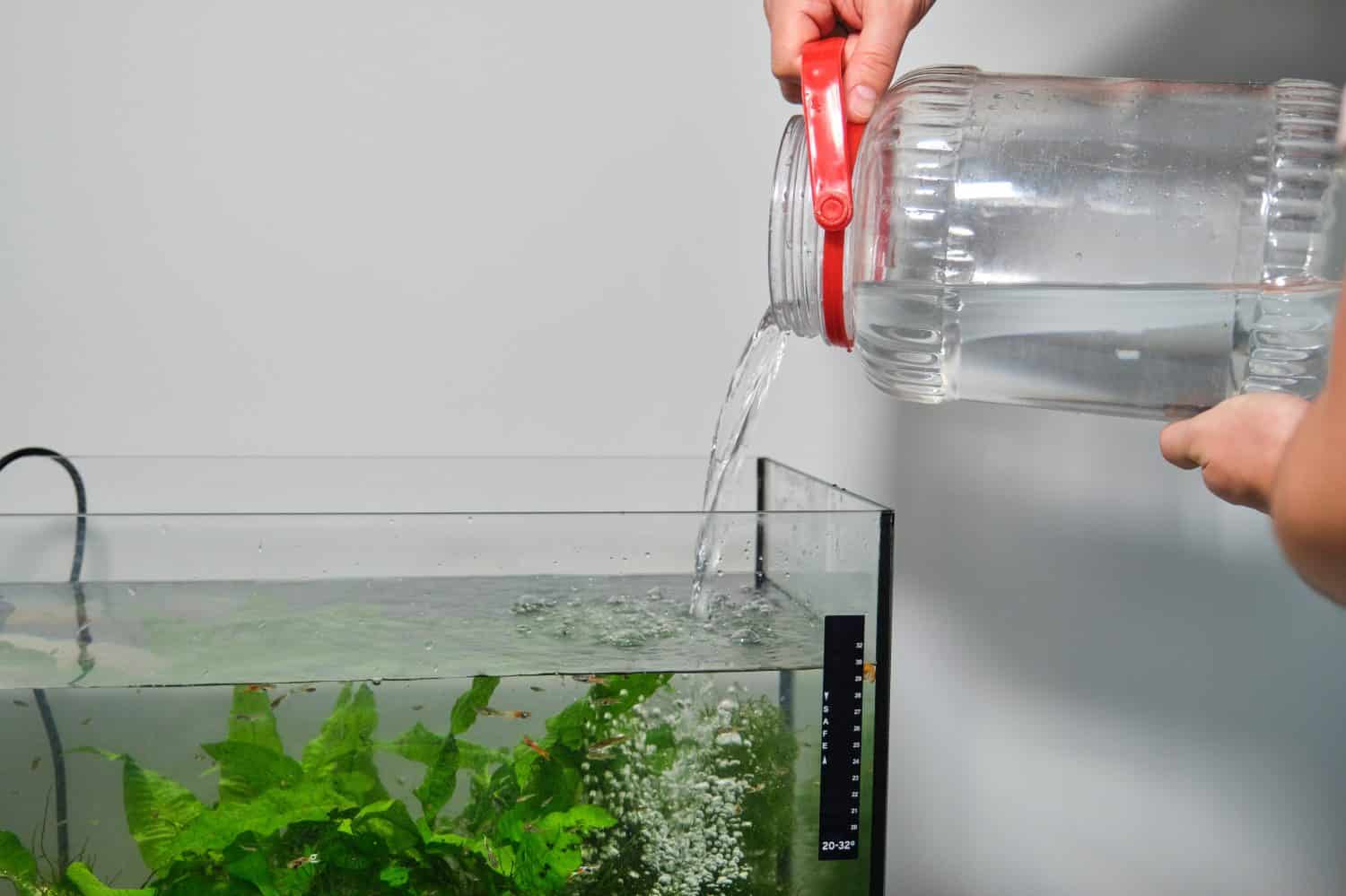
Changing fish tank water can reduce ammonia and increase oxygen in the water.
©Ladanifer/Shutterstock.com
Because fish can become stressed during a water change, it seems counterintuitive to change the water if a fish is appearing sick and potentially dying. However, if the fish is indeed gravely ill, a water change may be just what they need to breathe a little easier and begin the process of getting better.
The theory behind changing the water when a fish is sick is to ensure that the ammonia levels are not too high. When fish are in a fragile state, they are at a higher risk of ammonia poisoning. This will happen more often in a tank where there are several fish, which can make ammonia levels higher, faster. A change in water can ensure that the ammonia levels are low, allowing fish to work a little easier to oxygenate their bodies.
Additionally, fresh water is more oxygenated. The longer the water is in the tank, the more oxygen it loses. Just how quickly it loses oxygen varies based on how many fish are in the tank, the number of plants, temperature, and more. Therefore, changing water as recommended is necessary to ensure the biome of a fish tank is healthy. But even then, fish can get sick, which is why the water should be tested as well.
Test the Tank Water

Testing fish tank water can provide some, but not all, information about the health of the aquatic environment.
©Ladanifer/Shutterstock.com
Testing the water is a way to ensure that levels of ammonia and nitrate are low and the pH, among other things, are balanced for specific fish. However, even with testing the water, some pet parents find that their fish still do not make it.
Unfortunately, water tests may not tell the entire story about what is happening with the water. While the tests do give readings for the nitrate, nitrite, pH, ammonia, and water hardness, it does not test for levels of organic waste, bacteria, or heavy metals. Therefore, while testing the water can be a good starting place to help a dying fish get better, making sure the tank is clean and that water being introduced to the tank does not have high levels of heavy metals and the like is also important if a fish is to begin a road to recovery after being close to death.
Consider a Change in Diet
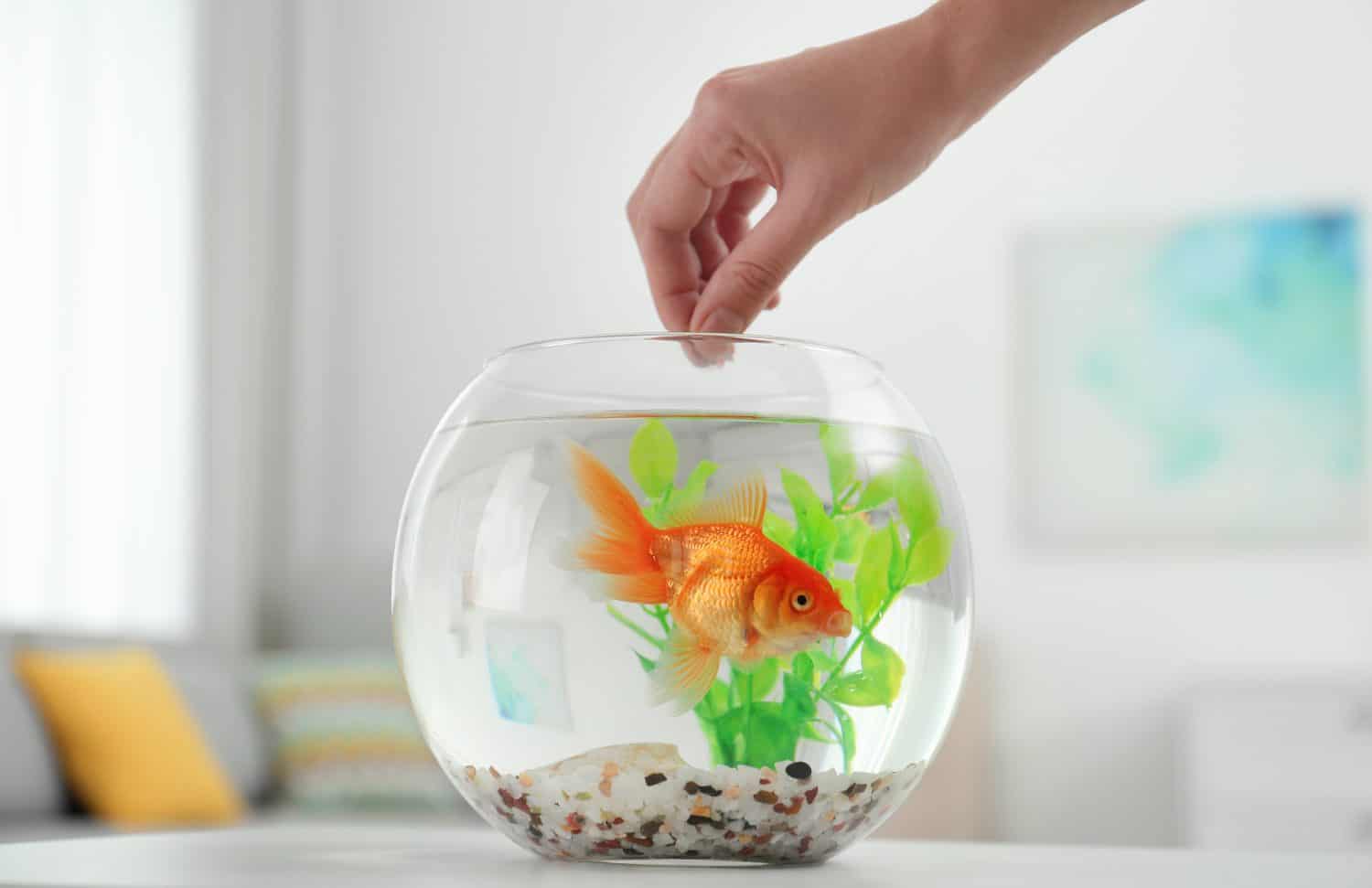
Changing a fish’s diet can help with the recovery process.
©New Africa/Shutterstock.com
If a fish is not eating, changing the diet can be hard to do. However, a new food introduced to the environment can be just the support fish need as they fight to live after reaching the point of nearly dying.
When fish are sick, providing them with a protein-rich diet with high-quality food can help their bodies fight back after being so ill. However, it is important to make sure to feed fish the quantity of food they need. If too much is fed, it will not be eaten and will build up on the bottom of the tank, causing water quality issues. If too little is fed, fish will be too weak and their immune systems will be incapable of strengthening.
Therefore, when looking for a quality food for a particular species of fish, it is recommended to seek advice. While a veterinarian is the standard when looking for guidance, reputable online sources, as well as pet store employees well-versed in fish care, can also be helpful when selecting food that can ultimately help a fish survive.
Quarantine the Sick Fish
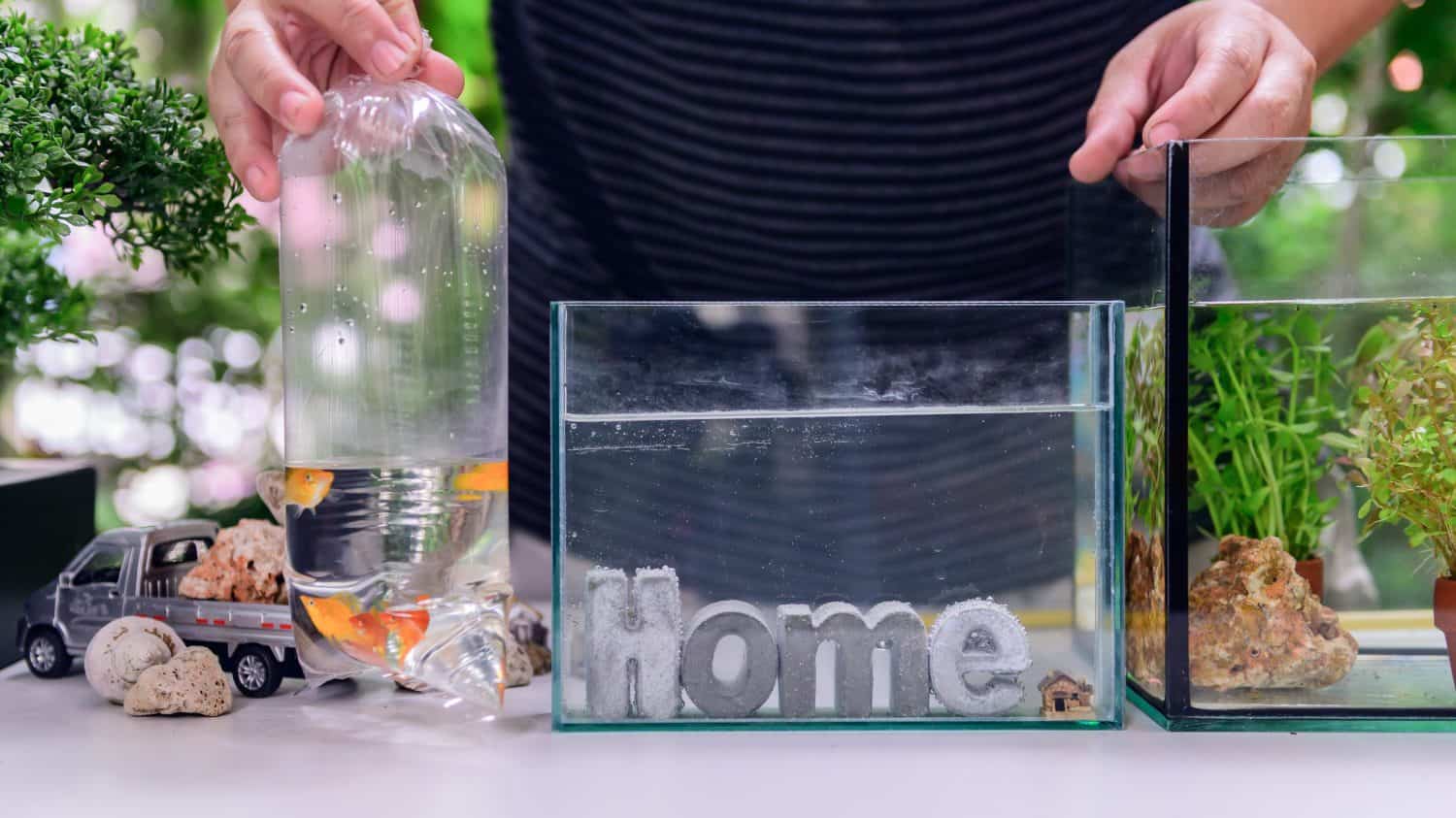
Quarantining sick fish can keep others in the main tank from getting sick and help sick fish recover peacefully.
©Theera Disayarat/Shutterstock.com
Fish that are sick need to be quarantined. This is not only beneficial to the ailing fish but can keep the fish’s tankmates from becoming ill as well.
Depending on the issue with the potentially dying fish, quarantining it will help prevent the spread of any disease that may be affecting it. Just as with people, fish can spread disease. Therefore, the quicker the sick fish is removed from the main tank, the less likely other fish are to get sick.
Additionally, when a suffering fish is removed from the main tank, it allows them to have some quiet time as they work to recover. Knowing that other fish are not going to be competition for food or become a bother as they swim past will allow the sick fish to relax and focus only on getting better.
Some fish will require medications as part of their treatment plan. However, the medicines can be harmful to fish that are not sick, as well as live plants in an aquarium. By keeping ill fish quarantined, the medication will go directly to the fish that needs it, keeping all other life in the main tank from being exposed to unnecessary medications.
For those with multiple fish in the main tank, monitoring the health of the fish on the brink can be challenging. By placing the sick fish in quarantine, it is easy to note any progress the fish is making. This allows for any tweaking to the healing plan to be done promptly to best facilitate a speedy recovery.
When to Consider Euthanasia
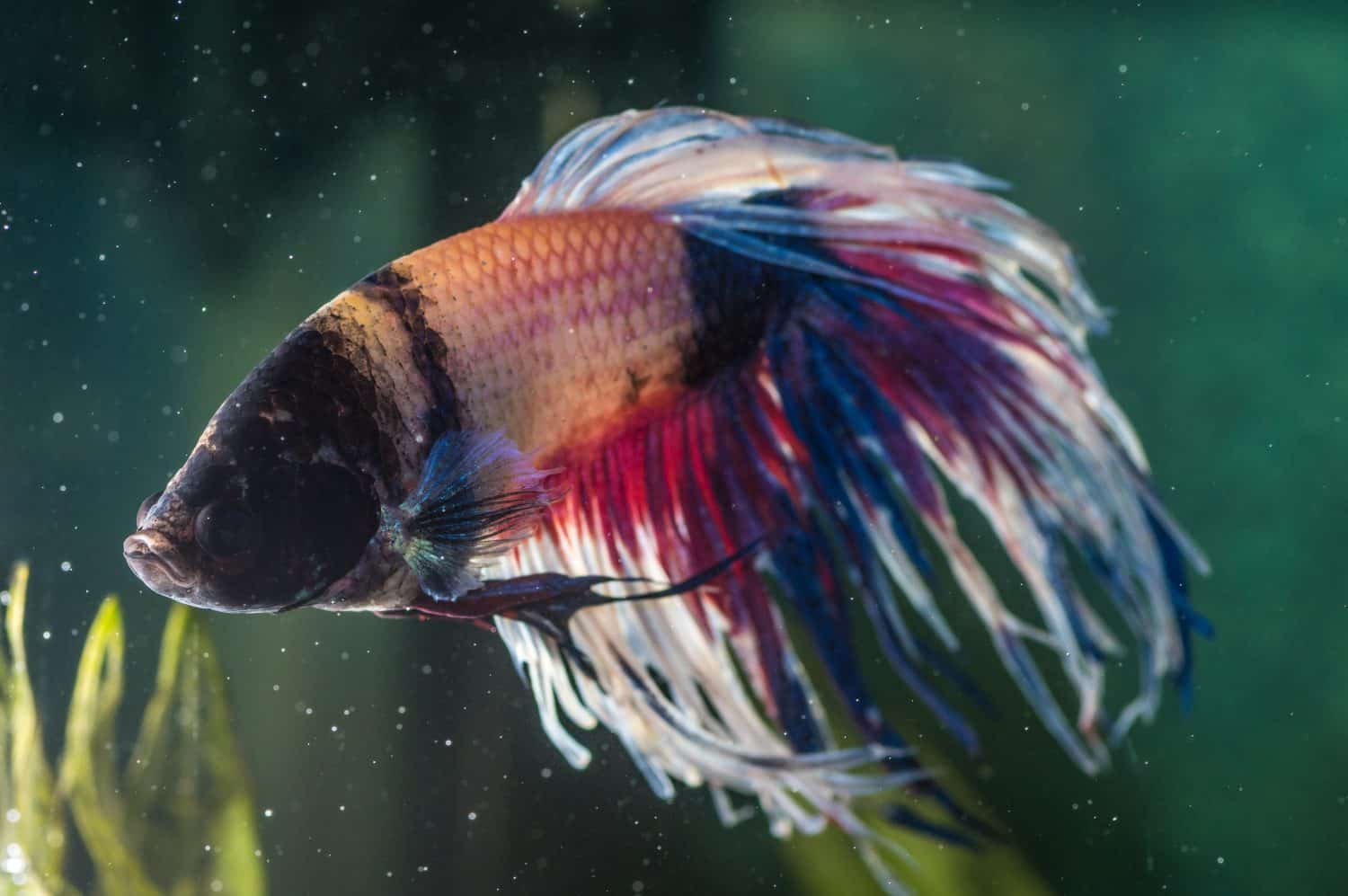
If everything has been tried to save a fish on the brink of death, euthanasia may be the best option to keep the fish from suffering.
©Wirestock Creators/Shutterstock.com
Unfortunately, even after all treatment options have been offered to a fish, there are times when they do not respond. At that point, pet parents need to consider what is best for their fish, which ultimately comes down to whether or not the fish is suffering.
If fish do not appear to have signs of suffering, some pet parents will choose to make their fish as comfortable as possible as they end their time on Earth. This could be keeping them in their own tank, lowering light levels significantly, and providing places for fish to hide so that their stress is kept to a minimum.
For those fish that are suffering because they have an injury that will not heal, they have a severely distended abdomen that will not get better despite treatment, are gasping for oxygen, or any other issues that are causing a fish to struggle to live, euthanasia may be the most humane course of treatment.
While multiple platforms offer step-by-step DIY euthanasia tips, experts recommend taking a fish to a veterinarian who is versed in fish euthanasia to handle the process. This way, the fish will not undergo any further suffering should the DIY euthanasia go wrong, and fish parents will be allowed to remember their fish swimming happily in the tank, rather than their last memory being their fish as it passes away.
No one adopts one or more fish with the thought of what will happen if they get sick and begin to decline rapidly. To prevent fish from passing away prematurely, research should be done beforehand to become knowledgeable about what care is needed for each species of fish. Recognizing whether that level of care can be provided is necessary to acknowledge so that fish can live their best and hopefully long lives while in captivity.