
Quick Take
- A wolf pup frozen in the Siberian tundra for 14,000 years had woolly rhino meat in its stomach.
- It took a decade for researchers to run a more detailed genome analysis of the wolf pups’ stomachs.
- Their findings suggest that these ancient rhinos maintained stable genetics right up to their extinction.
- Such results give further insight into the trajectory of doomed species and what might lead to their extinction.
Imagine someone digs you up in 15,000 years and discovers what you had for lunch the day that you died. That’s more or less what happened in the northeastern corner of Siberia, thanks to tissue samples dug up deep out of the tundra’s permafrost. Researchers recently completed the world’s first sequence of the entire genome of an Ice Age animal—all from the contents of a wolf pup’s stomach.
The study, recently published in Genome Biology and Evolution, analyzed tissue samples from a woolly rhinoceros that were recovered from the stomach of an ancient wolf. The research yielded some surprising results. The woolly rhino DNA was surprisingly stable compared to samples thousands of years older, and notably, these tissue samples were recovered from a wolf cub’s stomach. Let’s learn more about this research, where the ancient tissue samples came from, and what the results tell us about Ice Age ecosystems and predator‑prey relationships.
A Long Time Coming

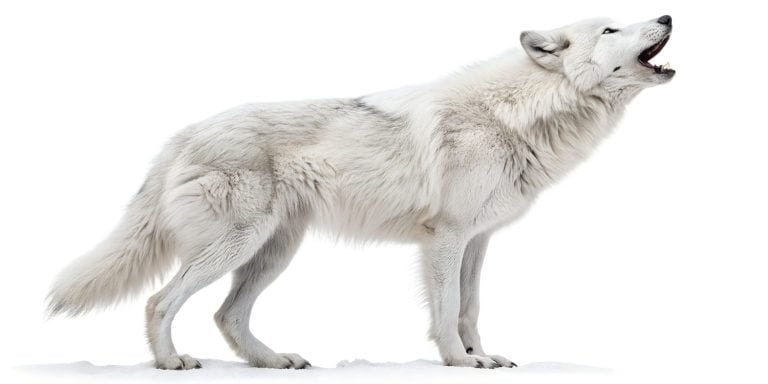
A group of mammoth hunters found the preserved remains of a wolf pup in Siberia from over 14,000 years ago.
©Starover Sibiriak/Shutterstock.com
Untold secrets lie buried out in the frozen ground of northeastern Siberia, ones that shed light on life in ancient times. Back in 2011, a group of mammoth ivory hunters found the mummified remains of a wolf puppy in the tundra that had been lying there for over 14,000 years. An autopsy showed that the puppy had a belly full of gray meat chunks covered in matted hair. According to Camilo Chacón-Duque, an evolutionary geneticist who previously worked at the Centre for Palaeogenetics in Stockholm, the samples looked fresh. He said, “The tissue was so intact, it looked like the wolf had just swallowed it before it died.”
Mammoth hunters found the puppy, along with its sibling, outside the Siberian village of Tumat. Researchers gave them the name “Tumat puppies.” A collapsed den or landslide buried them in ice shortly after their deaths, preserving them to a remarkable degree. This included their stomachs, which featured bird feathers, parts of a dung beetle, and plant material. The most intact material, however, was chunks of furry woolly rhino meat.
While the initial autopsy provided some clues, it took another decade for researchers to conduct a more detailed examination. These efforts led to surprising insights, which were recently published by researchers at the Centre for Palaeogenetics in Stockholm in the journal Genome Biology and Evolution. Their findings suggest that Siberia’s woolly rhino population was still stable in the thousands of years leading up to the species’ extinction. It also suggests that climate change, rather than human hunting, is the primary cause of the woolly rhino’s extinction.
Gigantic Grazers
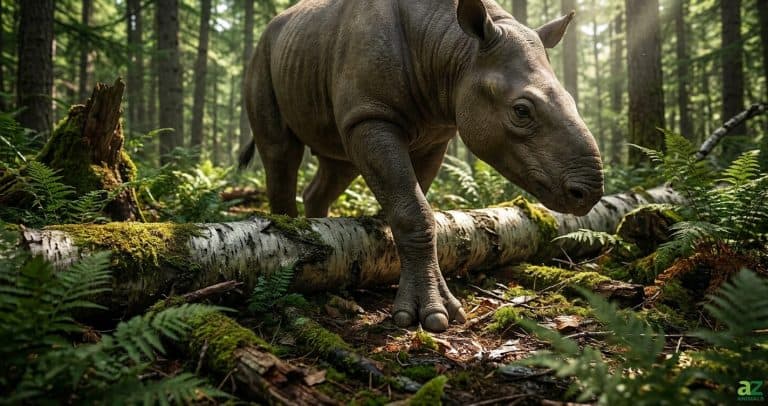
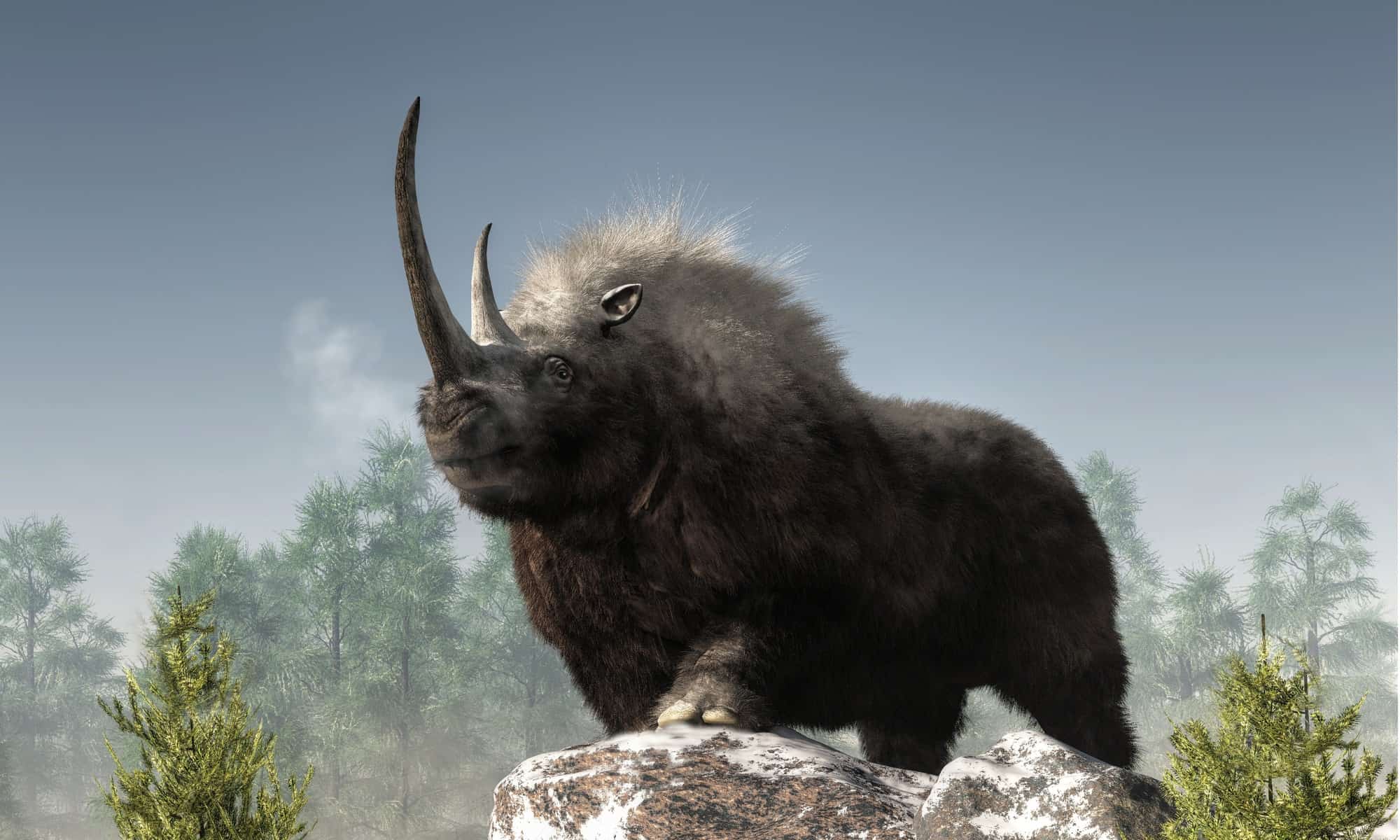
Woolly rhinoceroses lived in northern Eurasia, including what is now Siberia, during the Pleistocene epoch. While they were comparable in size to modern rhinos, their horns were even larger. For example, one ancient horn found in the Siberian tundra measured five feet five inches long. That makes it the largest horn ever found of any known animal.
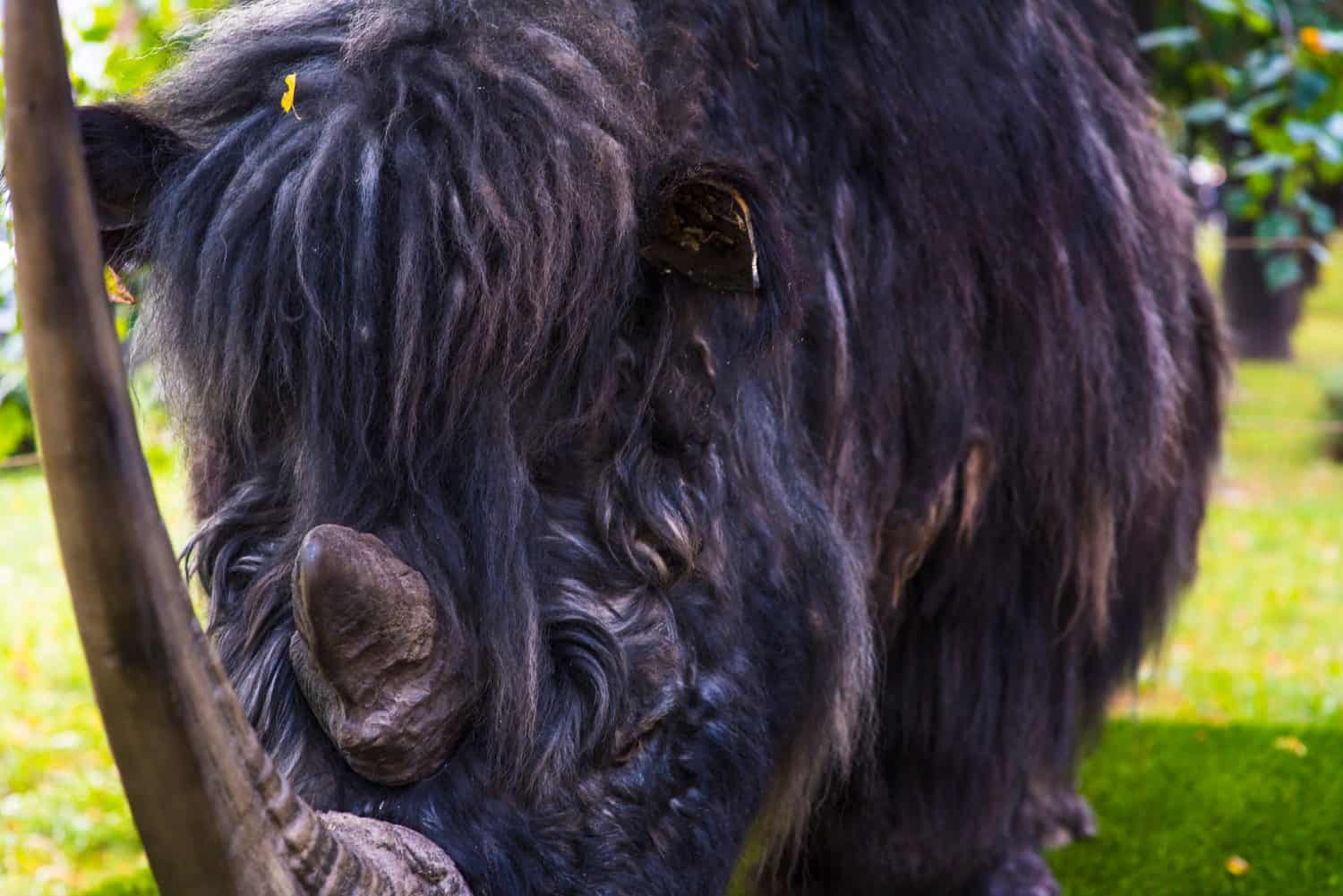
One woolly rhino horn found in Siberia remains the largest horn found on any known animal.
©Denis Starostin/Shutterstock.com
Though woolly rhinos were once spread across Eurasia, Siberia during the Ice Age was their last real stronghold before extinction. Considering their fossil record ends around 14,000 years ago, the horn likely belonged to an individual from one of the last generations of woolly rhinos in world history. Researchers were excited to find a sample of preserved rhino meat in the wolf puppy’s stomach, believing that such tissue samples could retain enough genetic information to provide insights into the species’ extinction.
Fickle Findings
However, analyzing the samples proved challenging because the DNA in the meat chunks was poorly preserved. Researchers in Stockholm first compared genetic sequences to the genome of Sumatran rhinos, the woolly rhino’s closest living relative. They then analyzed gray wolf DNA, which confirmed that the genetic traces in the sample belonged to the woolly rhino, not the wolf that consumed it. From there, they compared the ancient rhino genetics with even older specimens also found in Siberia, dated between 49,000 and 18,000 years ago.

Genetic sequencing suggests that woolly rhinos were not inbred, even in the centuries right before their extinction.
©gopixa/Shutterstock.com
Surprisingly, the genomes of rhinos separated by thousands of years were stable, showing little evidence of inbreeding even in the millennia leading up to their extinction. Typically, species experience population declines before extinction, which limits genetic diversity. However, woolly rhinos did not appear to suffer from this genetic bottleneck. The findings also suggest that woolly rhinos were wiped out by climate change, as their disappearance coincided with a period of warming at the end of the last Ice Age. Advait Jukar, a vertebrate paleontologist at the Florida Museum of Natural History, suggests that these rhinos were pushed “into parts of their range that were sub-optimal, making them more vulnerable to climate or human hunting.”
Looking for Causes
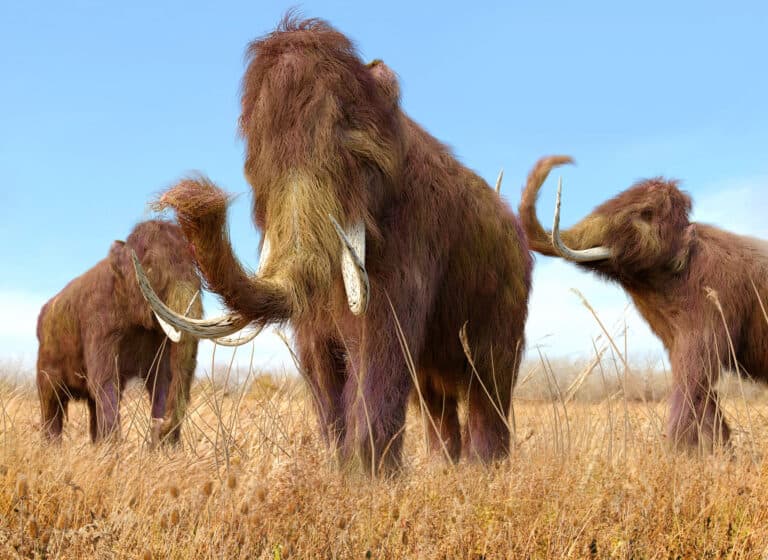
In 2024, the same Swedish researchers analyzed the genetics of woolly mammoths. The results showed that, although the last mammoths were inbred, they survived for about 6,000 years before being “abruptly wiped out by a tundra fire or disease outbreak,” though the exact cause remains uncertain. The researchers point to the mammoths as a model for understanding sudden extinction events. As Camilo Chacón-Duque told National Geographic, even populations that appear stable can disappear rapidly. He said, “It could be a similar story with the woolly rhinoceros. The rhinos seem to be stable, and then something sudden happens, and they just disappear.”