
Quick Take
- The Falkland Islands wolf wasn't hunted because it was dangerous. In fact, the very trait that made settlers welcome it is exactly what got it killed. See how trust led to extinction →
- Explorers couldn't even agree on what kind of animal the Falkland Islands wolf was, and modern science eventually gave a surprising answer. Explore the DNA classification →
- How a wolf with no natural way to cross open ocean ended up as the only land mammal on a remote island has two competing explanations, and neither has been ruled out. See the competing origin theories →
- A last-ditch effort to save the species was made before the final wolf was killed, and it failed in a way nobody anticipated. Read about the failed rescue →
Across the planet, islands are homes to species of animals that cannot be found anywhere else. Isolated from the mainland, these species become genetically different from close relatives simply because of how they have evolved over time.
Not surprisingly, isolation makes animals leery of humans. But one such animal was different. Instead, the curiosity of this island canid eventually led to its demise. Humans exploited the Falkland Islands wolf’s personality, driving the once-thriving canid into extinction.
Falkland Islands Wolf Was the First Modern Canid Driven to Extinction
Thousands of years ago, a medium-sized canid made the Falkland Islands its home. This canid, the Falkland Islands wolf, was the only land mammal on the islands. Yet it thrived. This changed when European settlers arrived in East and West Falkland. In a matter of a century, the wolves went extinct, all as a result of their trusting personalities.
When settlers arrived on the Falkland Islands in the 18th century, they were greeted by wolves. Some stories suggest that the wolves were curious enough to approach the settlers near their boats in the water to inspect them and take meat from their hands. They were a curiosity.
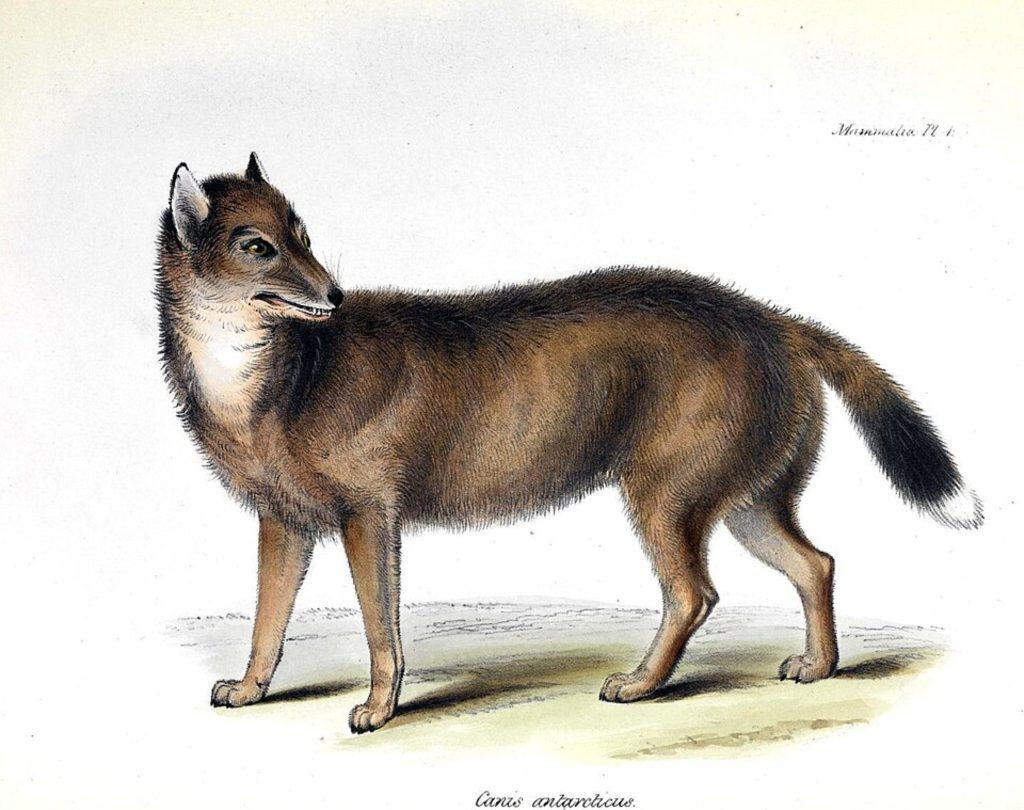
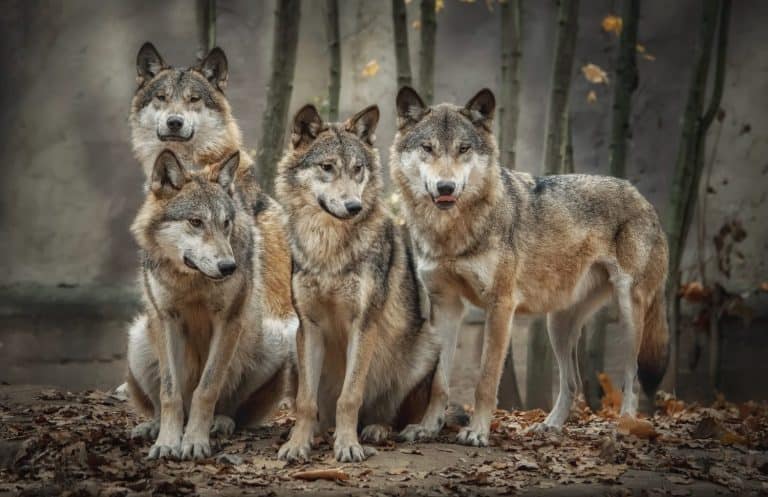
Falkland Islands wolves were killed by European settlers within a century of them coming to the islands.
© – Original
However, when sheep were brought to the islands, the view of the wolves changed. They were seen as a threat to the sheep. To protect livestock, herders reportedly lured the wolves close with meat before killing them.
Those who were not killed to keep livestock safe were targeted for their fur.
The magnificent Falkland Islands wolves were decimated by needless fear and monetary greed. Consequently, they became the first canids to go extinct in modern history, with the last wolf killed in 1867.
What Did the Falkland Islands Wolf Look Like?
The Falkland Islands wolf did not resemble today’s wolves. Instead, the appearance was so remarkable that those who encountered the wolf were unable to determine just what type of animal they were looking at.
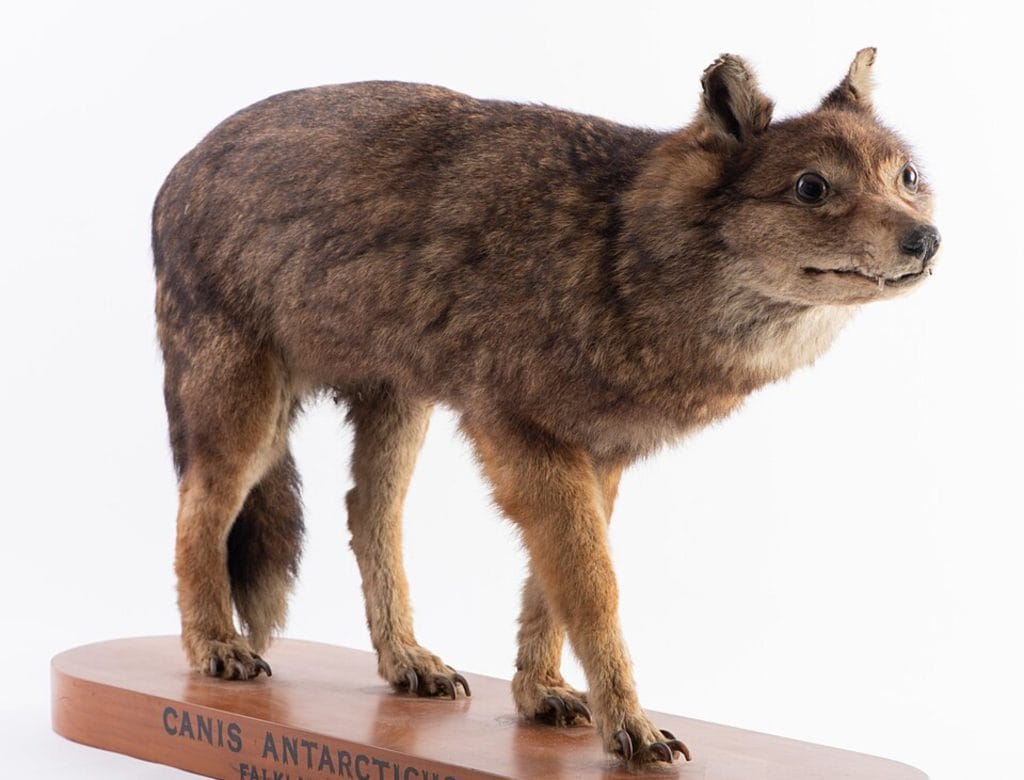
Falkland Islands wolves were smaller than Golden Retrievers and weighed about 33 pounds.
© – Original
Early explorers of the Falkland Islands described the wolves as a cross between a fox and a wolf. The wolves were smaller than Golden Retrievers, measuring about 23 inches tall and weighing no more than 33 pounds.
The wolves were covered in reddish-brown fur and had a bushy tail. Because of its appearance, it was understandably difficult to classify the canid hundreds of years ago. But thanks to modern science, the Falkland Islands wolf was determined not to be a true wolf but a foxlike canid.
How the Wolves Got to the Falkland Islands
The Falkland Islands wolf was the only native land mammal of the Falkland Islands. Their presence was a curiosity to all who saw them, given that they lived in a place that was so isolated and far from any mainland. At the time of their discovery, there were very few theories about how the wolves ended up on East and West Falkland. Today, two theories are widely debated, but neither can be proven as accurate.
A 2013 study published in Nature Communications seemingly identified the origins of the Falkland Islands wolf. Charles Darwin and crew brought back a few specimens of the wolf on the SS Beagle. While researchers were barred from drilling into the specimens to collect DNA, a sinus hole in a skull contained dried blood and nerve vessels. This was all that was needed to run a DNA profile on the wolf. Once complete, the species was named Dusicyon australis.
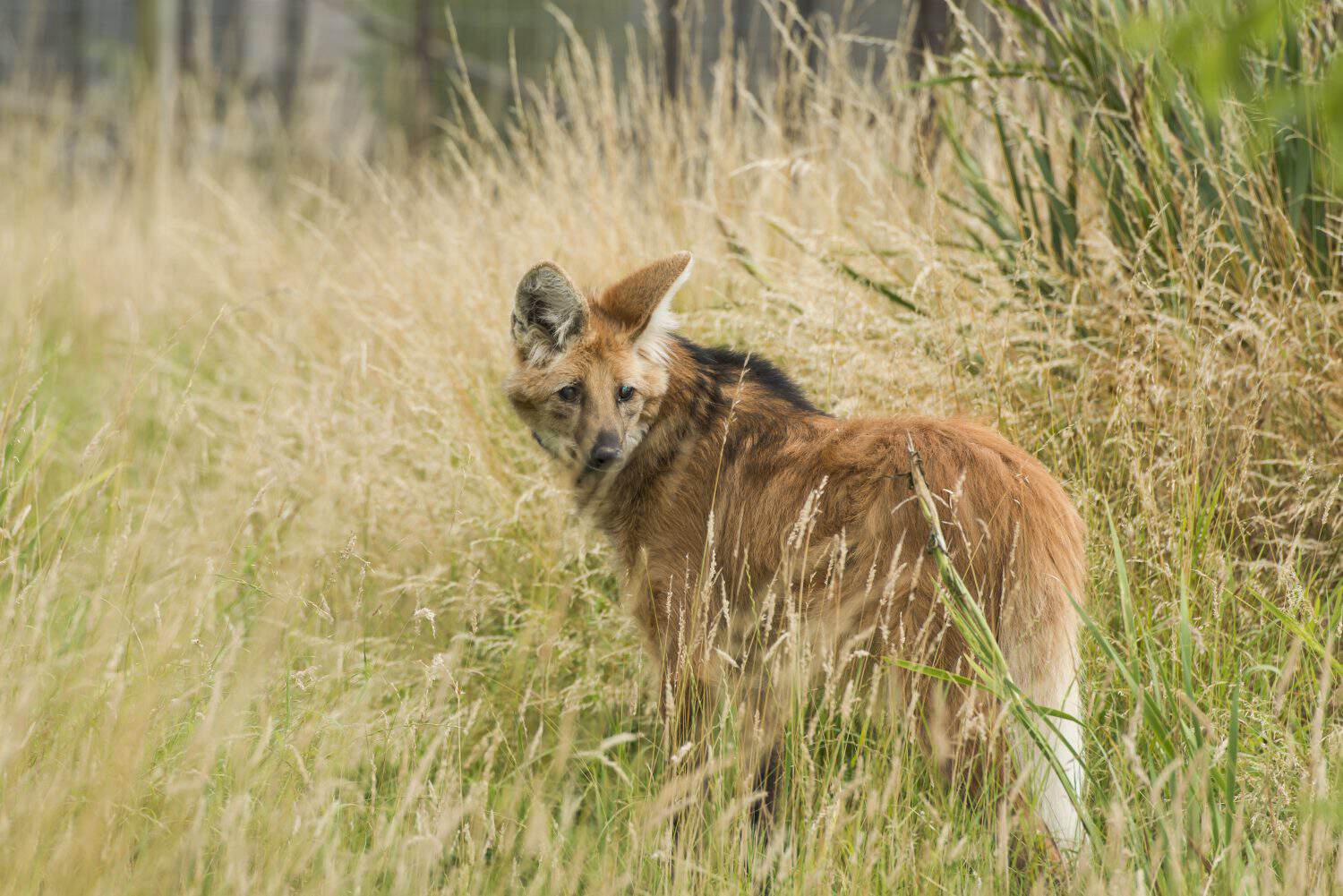
It was believed that the wolf was related to wolves of a similar size and look that lived in South America. The only one that has not gone extinct is the maned wolf. Based on DNA comparisons, the two were related. However, the maned wolf diverged from the Falklands wolf more than seven million years ago.
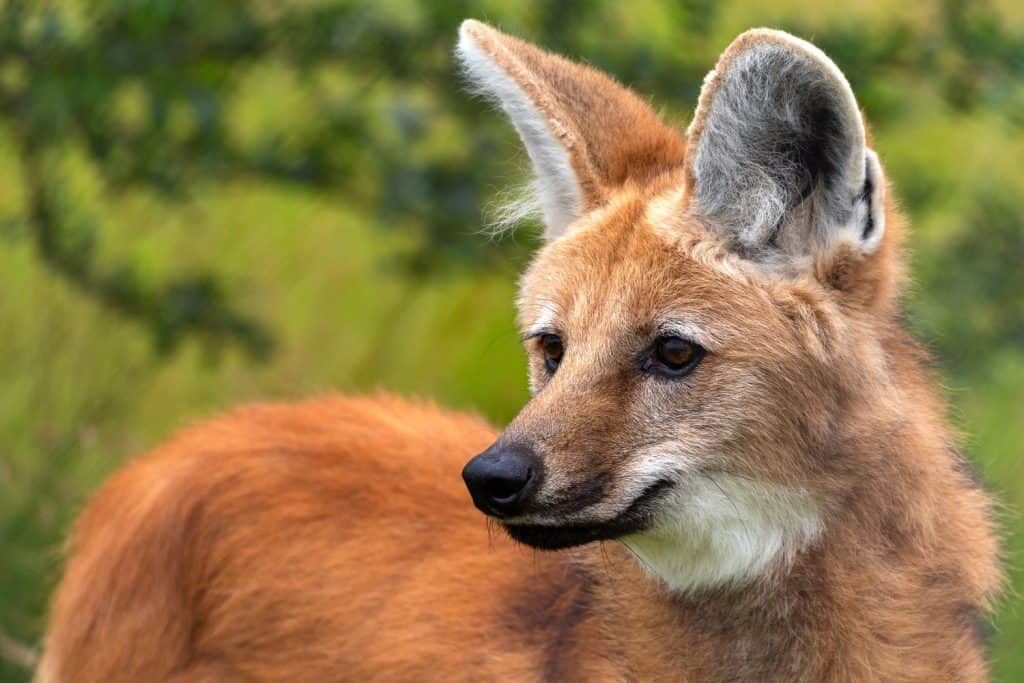
The maned wolf is a distant relative of the Falkland Islands wolf.
©Kev Gregory/Shutterstock.com
Researchers, working with paleontologists in Argentina, compared the DNA from the Falkland Islands wolf to that of a similar-looking species that lived in Argentina and Chile until 3,000 years ago. This species was the Dusicyon avus. As it turns out, D. australis and D. avus split from one ancestor 16,000 years ago. The timing coincided with the Last Glacial Period.
This is important because the Last Glacial Period was a time when sea levels fell dramatically and froze from time to time. It is believed that the Falkland Islands wolf population migrated from South America to the islands during this time on a sheet of ice. When the ice melted, the wolves became full-time residents of East and West Falkland.
An additional study was published in 2021 in Science Advances. This study shows that the wolves did not travel on an ice sheet from South America to the Falkland Islands. Instead, it is believed the wolves were brought with indigenous South Americans who visited the islands hundreds of years ago.
Using archaeological evidence, researchers discovered locations on East and West Falkland with increased levels of charcoal and piles of bones. The researchers were able to timestamp the charcoal, likely from fires, to as far back as 1,800 years ago. Other charcoal dating was as recent as 400 years ago. The bones were also from different time periods, indicating that a group of people visited the islands long before Europeans did, even though they did not live there.
A 2025 study published in the Biological Journal of Linnean Society proposes that D. australis and D. avus are one and the same species. The study also follows the same school of thought that Falkland Islands wolves were brought to the islands by indigenous South Americans, given that D. avus skeletons were found in gravesites with those who had passed away in prehistoric times. This would also explain why Falkland Islands wolves were friendly. They were not isolated, as the study points out, but lived with people generations ago.
To date, there has been no way to rule out either theory. Consequently, both remain valid as to how the Falkland Islands wolves became native to the islands.
Conservation or Curiosity Efforts Were Too Little, Too Late
The Falkland Islands wolf population declined rapidly after Europeans came and settled the islands. When Darwin visited the Falkland Islands in 1833, he noted that wolves were found on both East and West Falkland. However, the population was dwindling on West Falkland, and numbers were almost non-existent on East Falkland.
Darwin returned to the Falkland Islands in 1864. By that time, the Europeans had decimated the wolf population. No longer found on East Falkland, Darwin predicted it was just a short time before the wolf would go extinct. The wolves went extinct in 1867.
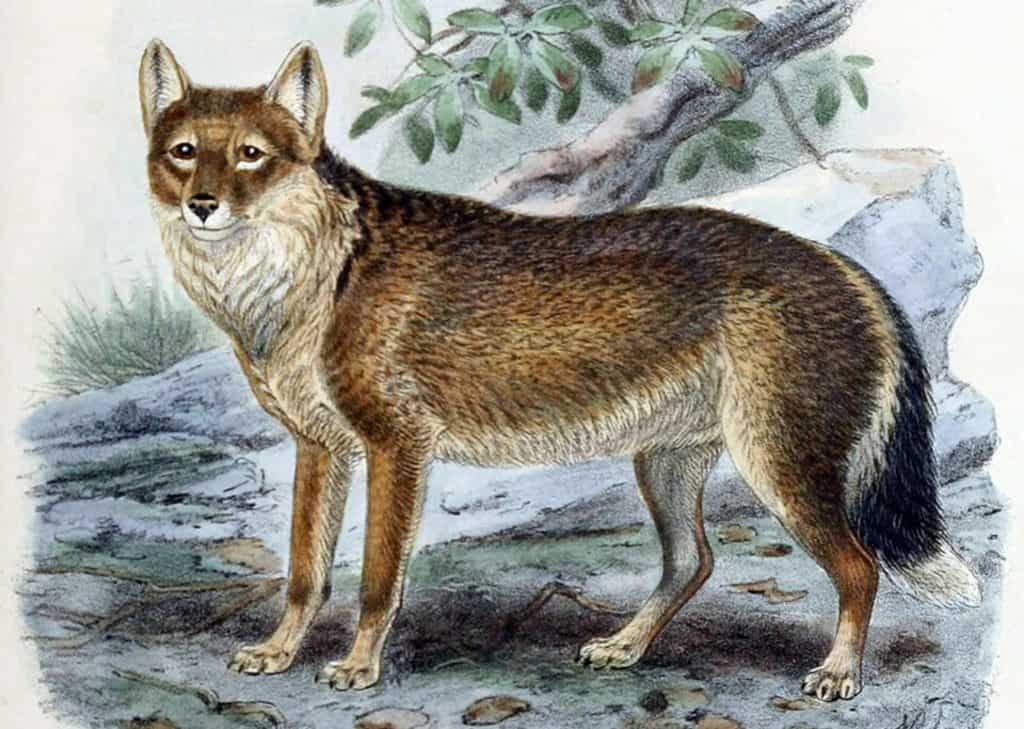
Attempts to capture Falkland Islands wolves for breeding failed.
© – Original
Perhaps in an effort to conserve the wolves or to send them abroad for display, a few were captured and taken to the London Zoo before their extinction. The last potential breeding pair placed on a ship to make the voyage from the islands to England did not survive the journey. One of the wolves died on the way. However, the lone survivor from that voyage and any others that made it to London were never successful with captive breeding and ultimately died.
In less than two centuries, the Europeans hunted the Falkland Islands wolf to extinction. This theme recurred repeatedly during this period, with multiple species that had thrived for millions of years going extinct. Unfortunately, even with an understanding of why conservation is important, many animals continue to face the threat of extinction today. Will those animals face the same fate as the Falkland Islands wolf? Only time will tell.