
Quick Take
- Sudan, the last male northern white rhino, died, underscoring extinction and the emotional toll on caretakers.
- Interspecies embryo transfer and IVF offer potential to revive endangered species, but require surrogates and further research.
- Preservation and proactive action are key, including cryopreserving gametes and urgent climate measures to prevent future losses.
Grief for an animal at the end of its life is unlike any other emotion. It cleaves a depthless void that feels empty and hollow. It’s a feeling that animal keepers and caretakers know well, but it’s one that never gets easier. Despite the passage of time, not all wounds heal as each day passes. When we’re forced to say goodbye to the last animal of its kind, this grief feels insurmountable.
The caretakers of Sudan, the world’s last remaining male northern white rhino, likely felt this way as they said goodbye to the majestic animal. It wasn’t only Sudan’s life they mourned, but the fact that his kind no longer walks among us. There’s an emptiness at Kenya’s Ol Pejeta Conservancy following his passing, but there’s also a lingering question. If we don’t do our part to save species from extinction, then who will?
What Causes a Species to Go Extinct?
“Extinction is simply the end of a species, which is often a slow process due to changes within its environment or human impact, like habitat loss, hunting, and pollution, but can also occur rapidly from disasters as well,” Will Weise, DVM, and Infinity Exotics’ Lead Vet explains. “Essentially, when animals can’t adapt fast enough to environmental changes, it can lead to complete reproductive failure, and the species can no longer survive.”
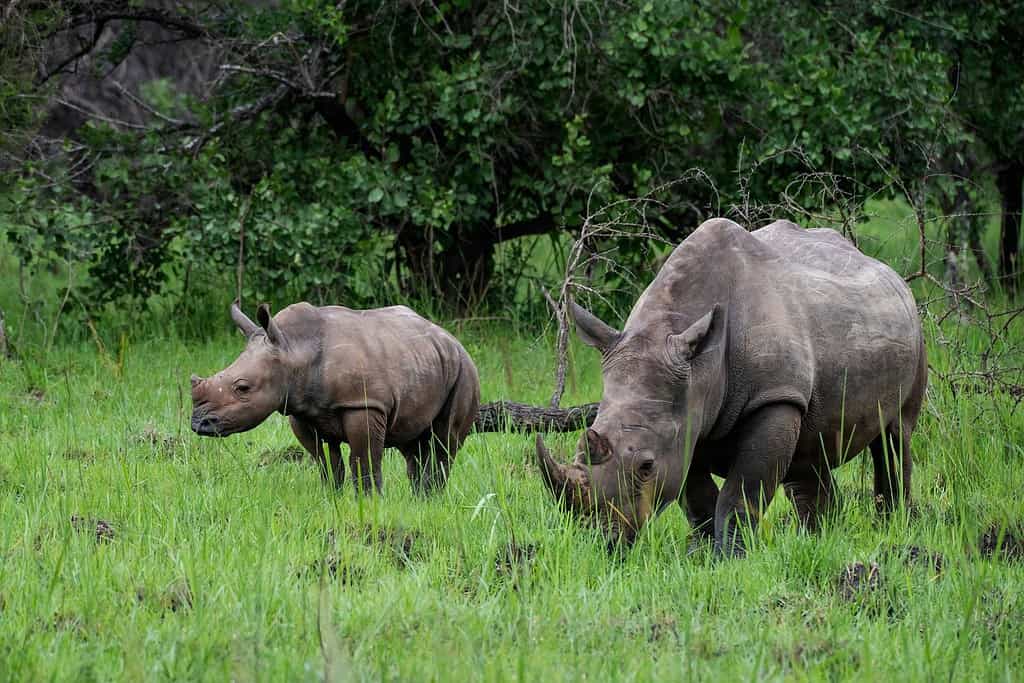
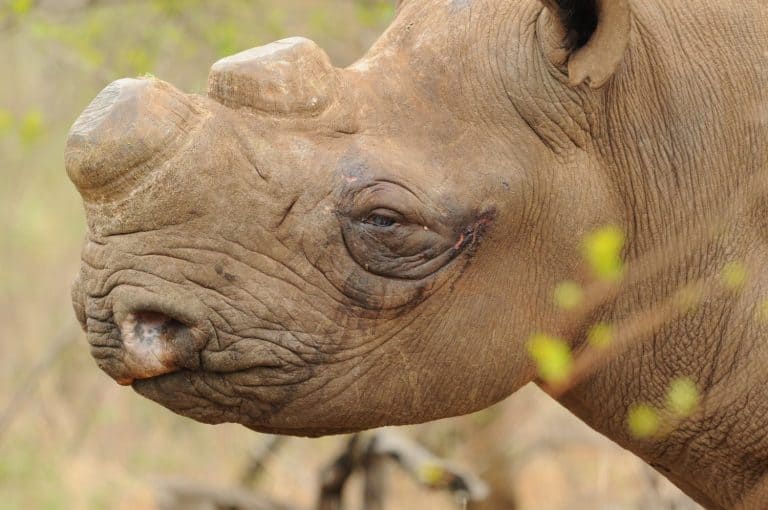
Sudan was the last male northern white rhino in the world, and he died surrounded by caretakers who loved him.
©Tharuka Photographer/Shutterstock.com
Infinity Exotics is a private conservation and reproductive science facility pioneering breakthrough technologies. It specializes in interspecies embryo transfer, aiming to help save endangered and exotic species from extinction. It was founded by Brent Teeter, who recently saw the successful birth of a bongo calf through interspecies embryo transfer. This historic moment marks one of the most significant conservation breakthroughs in nearly 40 years. Now, he and his team are not only pioneers in conservation but are experts on extinction and its effects.
Fewer than 100 eastern, or mountain, bongos exist in the wild, making this a critical success in wildlife conservation.
How Do You Bring an Animal Back From the Brink of Extinction?
Weise’s response to the question of whether it’s possible to revive a species gives us hope. “Yes. Absolutely,” he says. “In general terms, to bring a species back to existence, such as the Northern White Rhino, you need two things: male gametes (sperm) and female gametes (eggs). Through a process called IVF (in vitro fertilization), which simply involves fertilizing an egg with sperm in a laboratory, scientists can grow embryos and implant them into surrogates, such as the Southern White Rhino.”
He continues, explaining revival methods that could be a viable option. “There are also other techniques, such as cloning, stem cell technology, and gene editing, that can be used. Research on all of these techniques is very important, and I believe it holds the key to saving many endangered species around the world.”
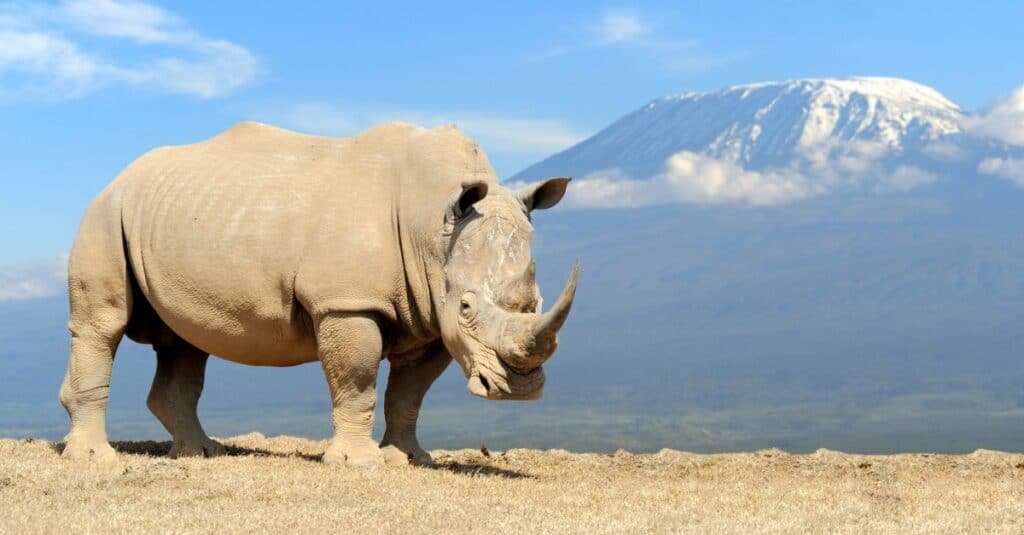
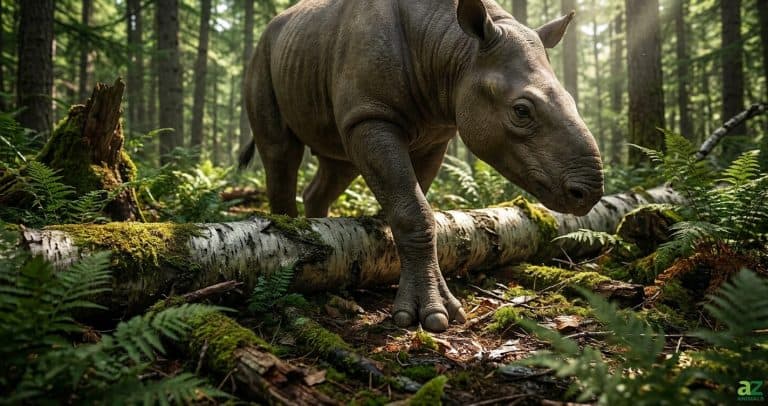
Southern white rhinos are genetically similar to northern white rhinos.
©iStock.com/Byrdyak
While these processes sound simple, in reality, Weise tells us, they come with challenges. “The reality is that these technologies are unfortunately in their infancy. Scientists have a long way to go to harness their full potential and efficiency, and much more research is needed,” he says. “Even with technologies like IVF, cloning, and gene editing, there still needs to be a viable surrogate that can carry the pregnancy of the extinct species.”
However, Infinity Exotics still holds onto hope. “Perhaps we will one day be able to grow animals in an artificial womb, but that day is in the distant future. Each species also has its own particular reproductive nuances, which have to be taken into account. In short, there is a lot that goes into the process, but as technology increases, so does our ability to bring animals back from extinction,” says Weise.
Challenges Behind Species Comebacks
Weise tells us that, even with the success of a baby bongo calf, bringing a species back from the brink is difficult. “The reality is that this has not been an easy process. There have been moments of joyous excitement and moments of heartbreak along the way,” he shares. “Leading up to the birth, we knew we were getting very close to parturition, as the Eland started producing milk and showed other signs of going into labor. We performed many sonograms and lab tests and had no reason to believe that the Bongo calf wouldn’t be healthy, but it was still very stressful.”
Even so, the miracle birth was life-changing for those who witnessed it. For the rest of the world, it’s also proof that a species can come back. “It is hard to explain how incredible it was to see an Eland Antelope deliver a calf of a completely different species. It’s a moment that none of us will ever forget. It really is indescribable.
Humans have completely put living ecosystems and the delicate balance of interdependent ecosystems at risk of collapse. That’s why we must do more with climate action, at the speed and scale this crisis requires.
Maya Lilly, producer with The YEARS Project
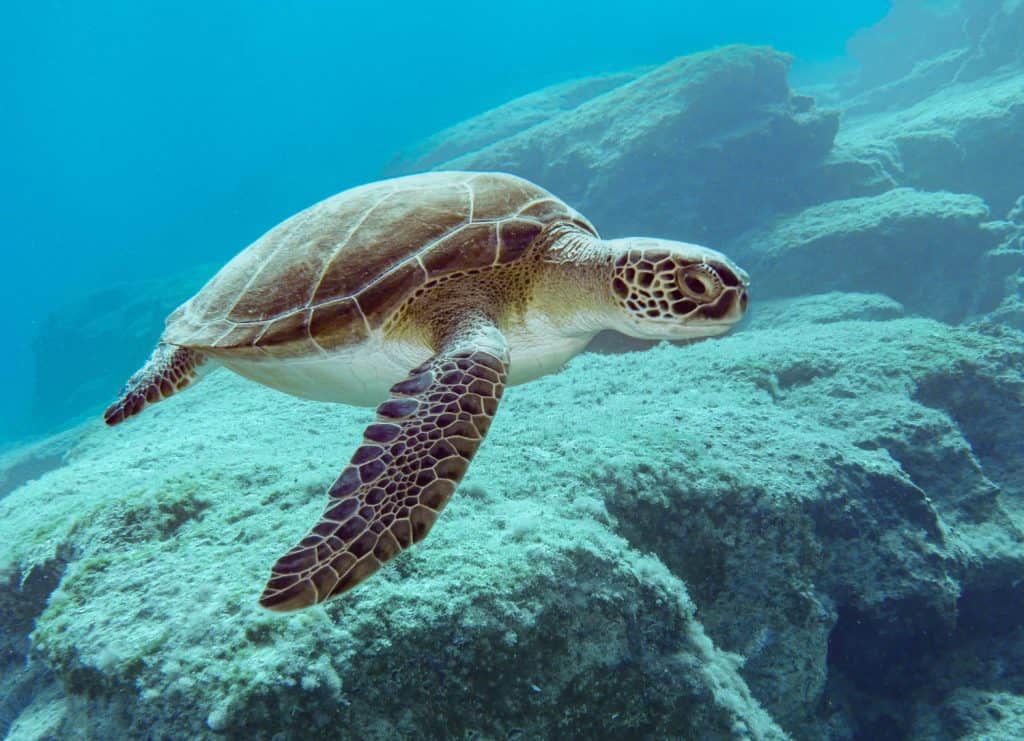
Thanks to conservation efforts, green sea turtles were recently reclassified from Endangered to Least Concern by the IUCN in 2025.
©Sakis Lazarides/Shutterstock.com
The Eland completely took the Bongo calf as her own, and we couldn’t have asked for a better mother. She nurses him, guards over him, and takes care of him just as if it were her own biological offspring. She is a wonderful mother, and the baby is doing so well!” Weise says.
He adds that interspecies embryo transfer is a game-changer because many endangered and extinct species have closely related species. “These species can be used as surrogates for their extinct relatives. However, there is much more research and work to be done in this area,” Weise explains. “We are hoping that this is just the start, and that we will have support from charitable foundations and conservation organizations to get us to the next level.”
Prevention Vs. Action: The Key to Reversing Extinctions in the Future
At one point, bringing an animal back from extinction was merely a science fiction genre. Now, it’s a reality. Interspecies embryo transfer has been proven successful, but there’s still plenty of science and testing to be done before it’s widely adopted. The alternative to this is prevention. Maya Lilly, producer with the Emmy-winning non-profit production company The YEARS Project, shares more on how to do this amid climate change and growing human activity.
“We are going to have to adapt to rapidly rising temperatures, because even if we halted all emissions today, all that heat in the global system doesn’t just go away overnight. Many people are already adapting to extreme heat, rising seas, flooding, and increased hurricane intensity. And species are too, since biologists are reporting changes to their territories, migration patterns, and even physical changes,” Lilly shares. “Humans have completely put living ecosystems and the delicate balance of interdependent ecosystems at risk of collapse. That’s why we must do more with climate action, at the speed and scale this crisis requires.”
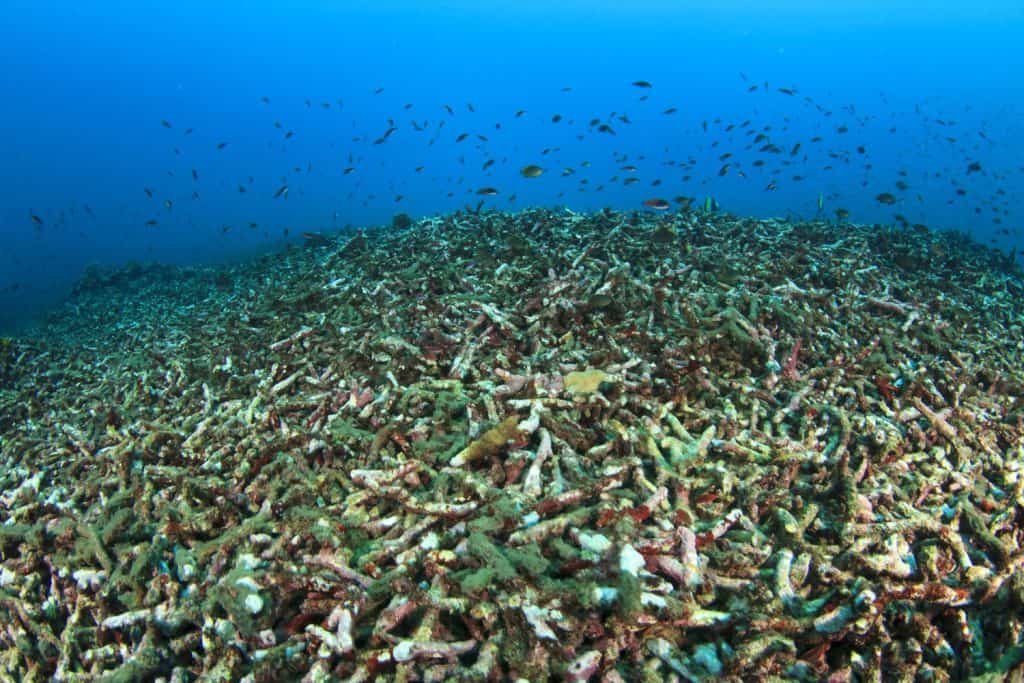
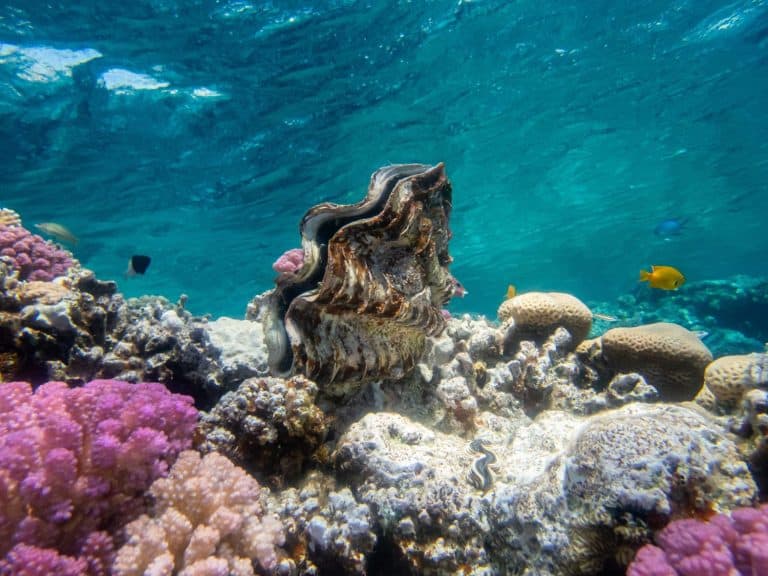
Mass coral bleaching is a result of climate change affecting marine environments.
©Rich Carey/Shutterstock.com
Regarding establishing a new population of endangered species, Wiese also shares his experience. I see the key to preventing future extinctions as two-fold: one, we need to ensure that we provide the right environment and conditions for endangered species to reproduce as efficiently as possible, and two, we need to collect and cryopreserve the gametes and cells of endangered species,” he says. “The second point is basically an ‘insurance plan’. As technology continues to advance, these cryopreserved samples can help bring back extinct species for future generations.”
“We must use the biggest levers we have, which is changing systems: Vote in climate politicians. Support world interventions, like the UNFCCC COP climate talks. Divest our homes, towns, states, businesses, countries, means of travel, and wallets from fossil fuel money. Become more plant based. Push or boycott companies that intentionally stall climate action or are making profits off the destruction of non-human species. It’s never been more critical that everyone do absolutely everything they can. I know I am.”
Maya Lilly, producer with The YEARS Project