
Quick Take
- The Gabriel Foundation was born from personal tragedy and provide education, sanctuary, adoption services, and lifelong care for parrots. Learn how it started →
- Most parrot owners get one thing fundamentally wrong before they even bring a bird home, and online videos are only making the problem worse. See what owners get wrong →
- Sanctuary isn't the right answer for every parrot, and placing the wrong bird there can actually cause it harm. Explore the intake process →
If you’re an animal lover, you know the importance of programs and organizations that support the welfare of our animal friends. One such organization is The Gabriel Foundation, which operates as a bird sanctuary for parrots in need.
We got the chance to interview the founder and CEO of The Gabriel Foundation about the organization’s history, process, and general mission. Keep reading to learn all about the foundation.
About The Gabriel Foundation
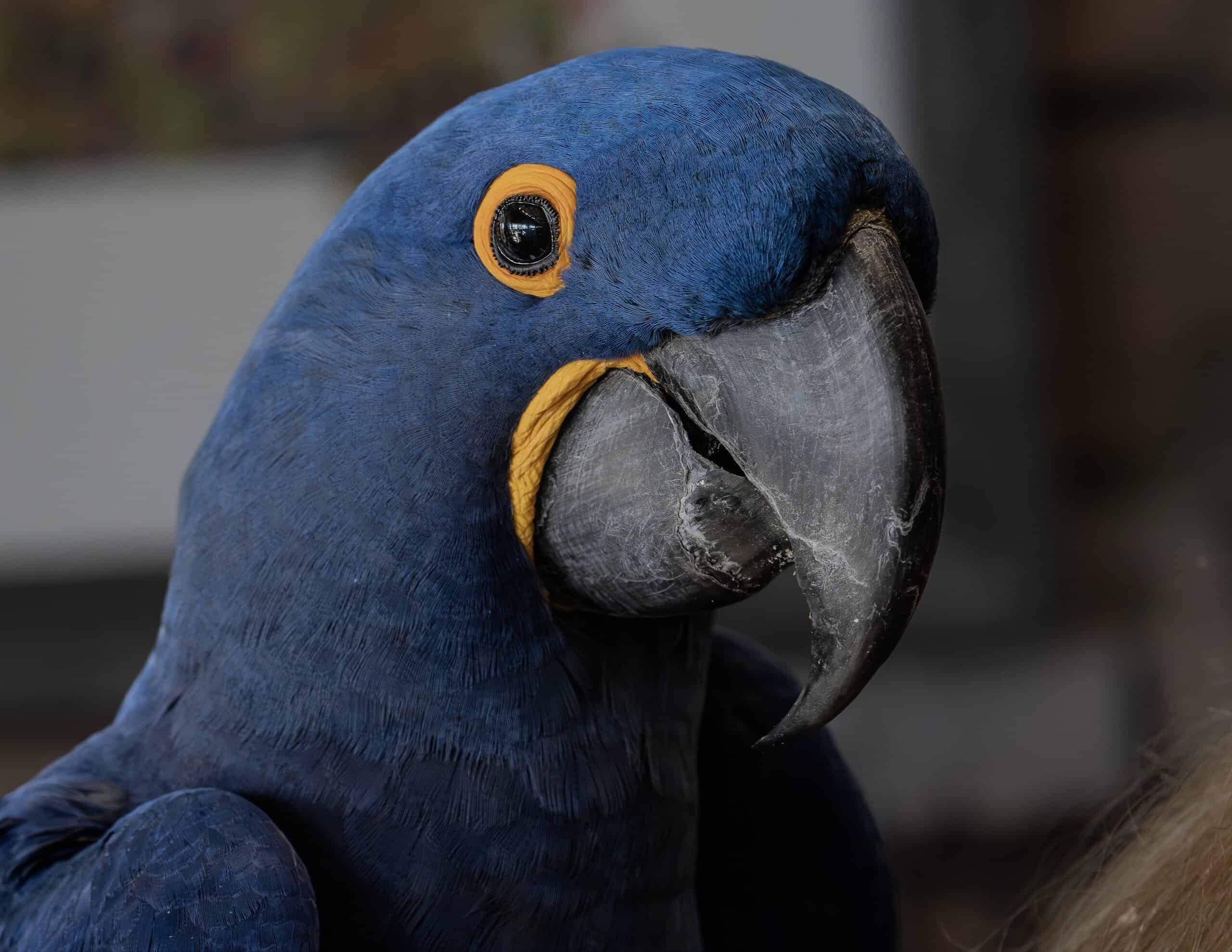
The Gabriel Foundation was founded on October 25, 1995, marking nearly 31 years in business this year. President and CEO Julie Murad founded the organization following the death of her beloved Hyacinth macaw named Gabriel. After losing Gabriel to a prolonged battle with bacterial and fungal infections, she decided to create a 501(c)3 avicultural and veterinary-affiliated parrot welfare organization (licensed in Colorado and certified by the USDA) that offers safe sanctuary and care for parrots in need. The program also matches eligible birds with the right adopters.
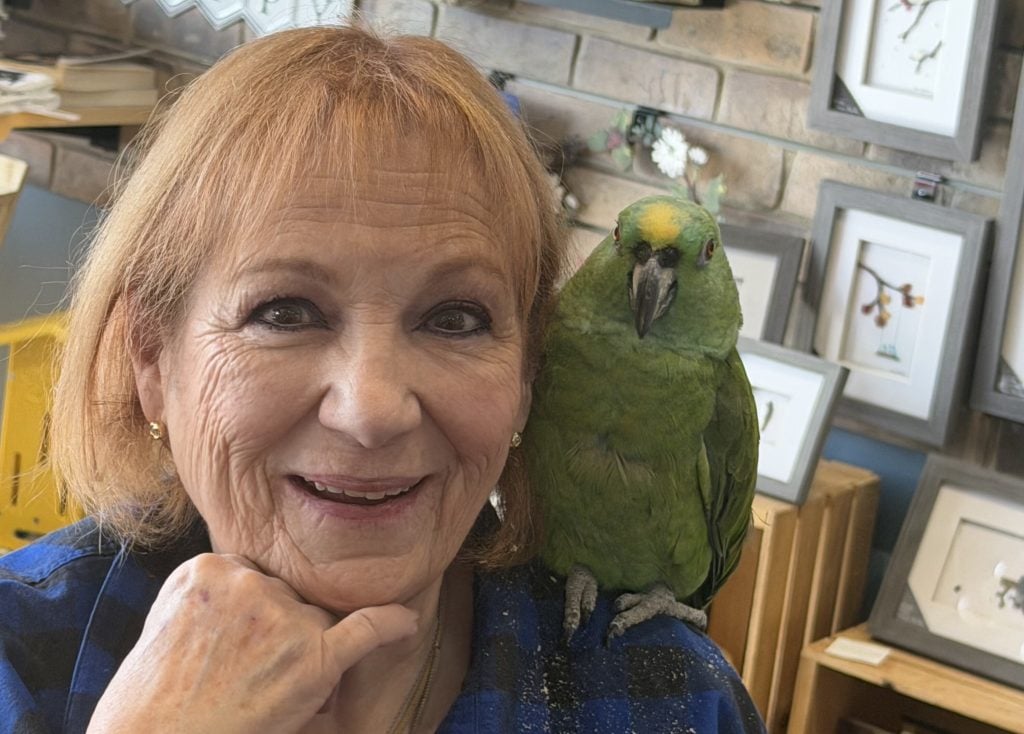
Julie Weiss Murad, founder of The Gabriel Foundation, with Koko (Amazona A. auropalliata).
©©The Gabriel Foundation
“We also serve as a research and educational model to the public-at-large, the veterinary medical community, the pet industry, humane/animal shelters/welfare and rescue organizations, and to the avicultural community and affiliated organizations about the need to provide appropriately for the welfare of parrots in captivity,” Murad tells A-Z Animals. “We believe that public education is the tool of choice to better the quality of life of parrots in captivity and to help preserve the world’s parrots in their wild habitats.”
What Parrot Owners Often Miss
According to Murad, many parrot owners fail to properly support their pet bird, as they don’t accurately anticipate its needs.
“People often fail to understand the specialized diets, exercise, behavior, relationships, enrichment, and stimulation that parrots need to live full and active lives,” Murad tells A-Z Animals. “The proliferation of online ‘cute’ videos, and now even more unrealistic expectations, arise because of AI and what many people believe is true about these highly intelligent and sentient beings that the media’s infatuation with parrots fails to convey.”
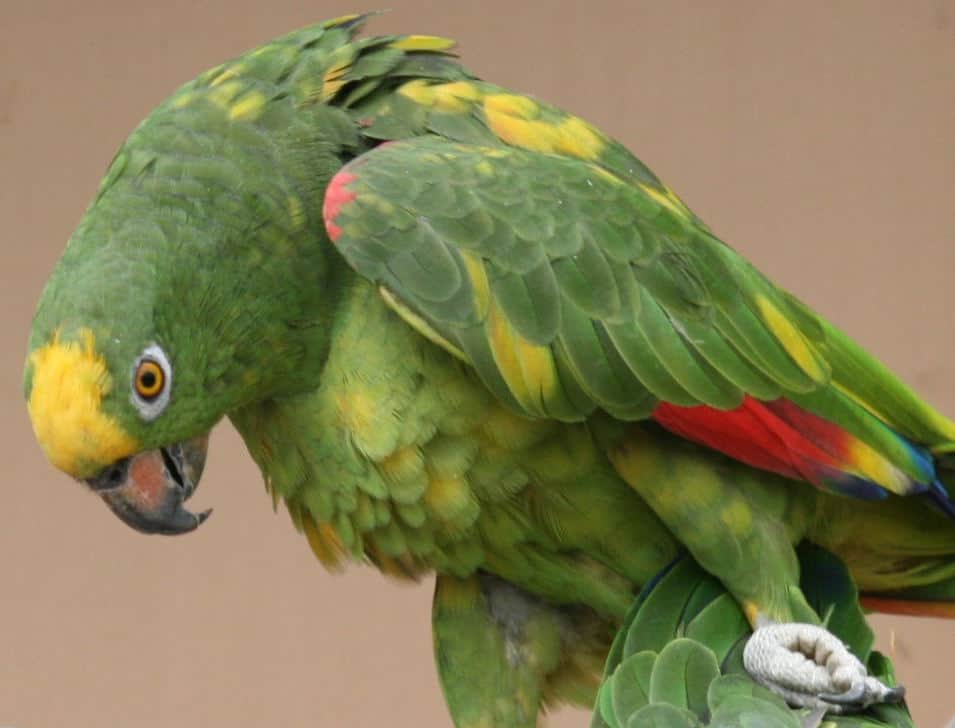
The Yellow-fronted Amazon (Amazona ochrocephala ochrocephala) is known for being outgoing.
©©The Gabriel Foundation
This often creates a false idea of parrot adoption. Aspiring parrot owners might not consider the commitment involved in caring for the bird. In fact, some assume the birds have similar needs to other companion animals.
“Life in the wild for a parrot is vastly different [from] that for those that live in our homes, zoos, aviaries, or other collections,” Murad says. “With more than 450 species, from countries around the world, parrots have highly developed and specialized needs. It becomes our responsibility to learn what quality care, welfare, [and] physical and nutritional needs a bird [requires] to thrive. Living with a parrot means learning for the rest of that bird’s lifetime and providing for your bird’s future when you are no longer able to do so.”
The Gabriel Foundation’s Process
From intake and evaluation to rehabilitation and adoption, The Gabriel Foundation has an extensive process for each bird they meet. According to Murad, there are various reasons a parrot might end up at the foundation, including the death or disability of their owner, behavioral problems, medical needs, and sometimes even animal cruelty.
“All incoming birds receive a comprehensive intake wellness exam, which includes diagnostic and other testing,” Murad explains.
These exams also help determine the best time and pace to integrate the bird into its new life/home.
“Evaluating that incoming parrot’s life involves a biopsychosocial history of the bird, its life and activities with the relinquisher whenever possible, [and] veterinary medical records for the bird whenever possible or available,” says Murad. “Then, our job becomes one of providing for that bird’s unique needs in line with the five domains of animal welfare and providing safe and strong relationships based on choice and respect for that bird.”
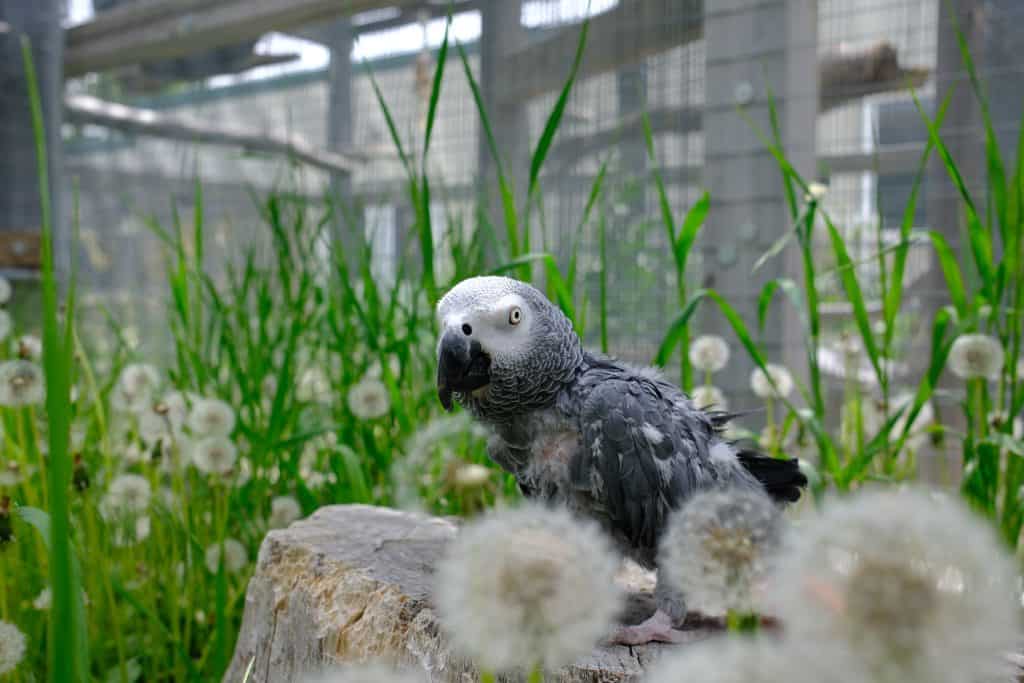
Grey parrot, aka African Grey parrot (Psittacus Erithacus), rests in the sanctuary.
©©The Gabriel Foundation
The five domains include health, nutrition, environment, behavior, and biopsychosocial needs and fulfillment.
“We have developed a series of checklists that help us gauge a parrot’s adoption readiness, and that is also integrated with the rehabilitation process,” says Murad. “Many of our birds come from caregivers no longer able to provide for their bird; others come in as shelter transfers. Rescue and sanctuary are two other programs that we provide when a parrot needs assistance. Our adoption process is structured over several weeks [with] multiple visits and a timeframe that varies from adopter to adopter.”
According to Murad, the foundation’s skilled adoption counselors meet with every adopter to find the most ideal matches for parrots. Additionally, they evaluate the individual parrot’s comfort level around new people before finding them a new home.
What Lifelong Sanctuary Looks Like for Parrots
Some birds end up at The Gabriel Foundation for a lifetime, receiving the quality care and environment necessary to thrive. According to Murad, however, lifelong sanctuary varies depending on the bird.
“We have birds whose humans made the decision that they want to place their bird in a sanctuary environment for the rest of that bird’s life,” she says. “To do this, several things must happen. It is our job to help owners understand that sanctuary is not for every bird. Birds that have had long-term successful relationships with their humans can feel stress and experience loss when deprived of more one-on-one direct contact. Any bird placed [in] permanent sanctuary must be financially supported for that bird’s lifetime. We also have birds in our care that have long-term medical needs that make them sanctuary candidates.”
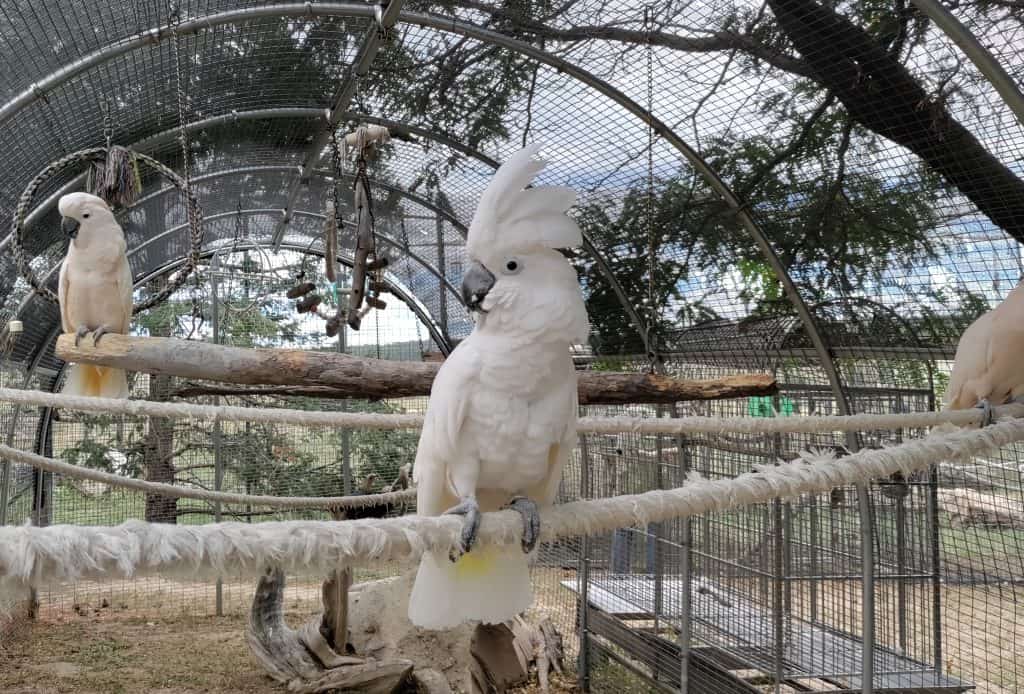
The parrot sanctuary is home to many parrot species, including the above Moluccan, aka Salmon-crested cockatoo (Cacatua molucenssis) and Umbrella cockatoo (Cacatua alba).
©©The Gabriel Foundation
Another common reason birds end up in The Gabriel Foundation’s sanctuary program is their age.
“We want to make certain that the remainder of a geriatric bird’s life is the best it can be,” says Murad. “We see many of the same ailments in parrots that we are familiar with in humans. Currently, our eldest bird is an Orange-winged Amazon whose documented hatch date is 1942, which makes him 84 years old. In our 31-year history, Eric, a blue and gold macaw (Ara Ararauna), was the eldest bird to pass away in our care; he was in his late 80s.”
The Gabriel Foundation provides a sanctuary, adoption services, and/or lifelong care to each of its parrots, ensuring a life well spent.