
Quick Take
- Smugglers hid live reptiles in socks, foil wrapping, and bathtubs, and that is just one case. The methods authorities uncovered get stranger from there. See the smuggling methods →
- Australia's black market price for native reptiles can dwarf what they sell for domestically, and the margin between the two would surprise most people. Explore the black market prices →
- A brand-new federal agency made a jaw-dropping seizure within its first month of existence, with reptiles being only part of what they found. See the agency's first seizures →
Australia faces a growing crisis, and it involves the illegal trade and export of its native reptiles. The recent conviction of a Chinese national who attempted to illegally export wildlife to Hong Kong highlights this problem. Species include Cooper Creek turtles, blue-tongued lizards, and magnificent tree frogs. This arrest and subsequent conviction, however, would likely not have been possible without the efforts of the National Environmental Protection Agency (National EPA).
The National EPA, established on July 1, 2026, is Australia’s newest federal environmental regulator. Created with a mission to strengthen oversight and modernize national environmental regulation, the agency quickly set its sights on the hidden but lucrative illegal wildlife trade. The formation of this agency couldn’t have come at a better time, as a string of arrests linked to the illegal wildlife trade soon followed. This article examines these recent arrests, how Australia’s new federal regulator helped capture the suspects, and what these cases reveal about a black market worth more than a billion dollars.
Recent Arrests
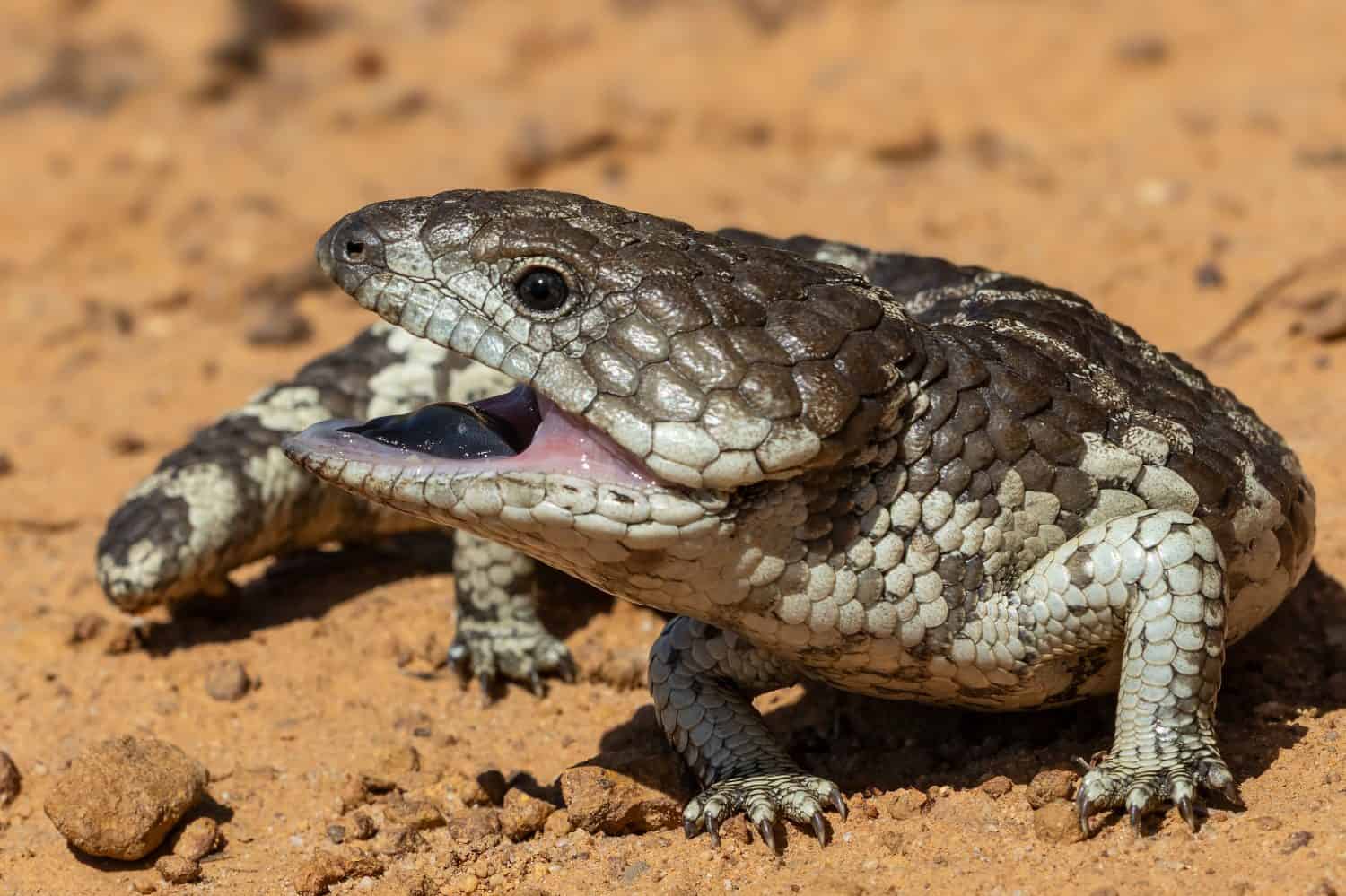
Recent high-profile cases have highlighted the growing demand on the black market for Australia’s native reptiles.
©Ken Griffiths/Shutterstock.com
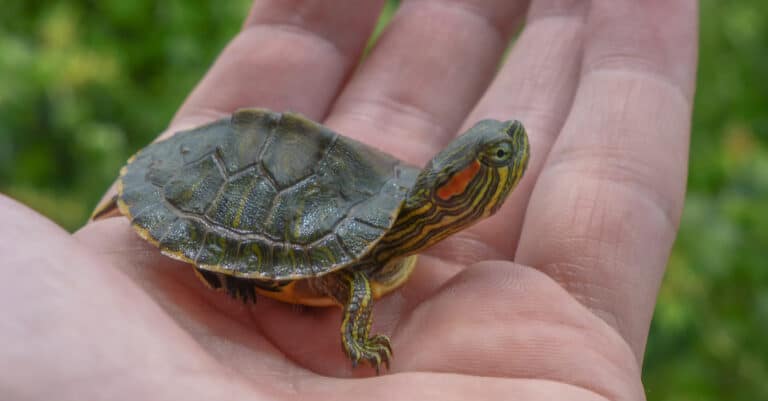
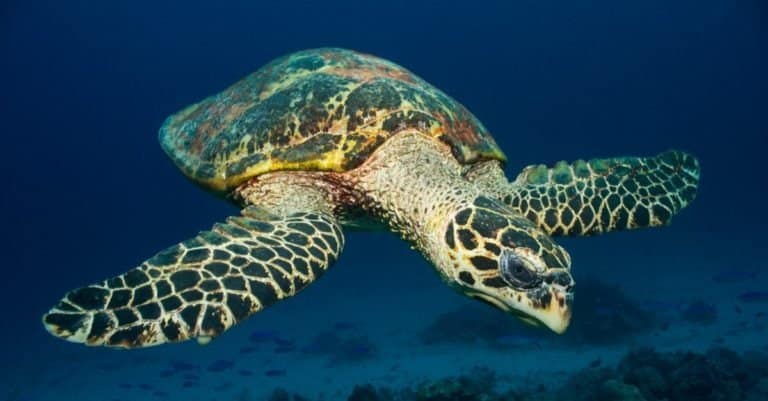
Australian law bans the export of native wildlife, including eggs, without a permit. These restrictions, however, don’t stop bad actors. Case in point: a 28-year-old Chinese national who came to Australia to smuggle wildlife was sentenced to two and a half years in prison in May 2026. The conviction involved nine charges related to illegal wildlife export to Hong Kong. According to Australia’s Department of Climate Change, Energy, the Environment and Water (DCCEEW), Zeng used a fake animal keeper license to obtain reptiles for export. These included saw-shelled turtles, blue-tongued lizards, and magnificent tree frogs.
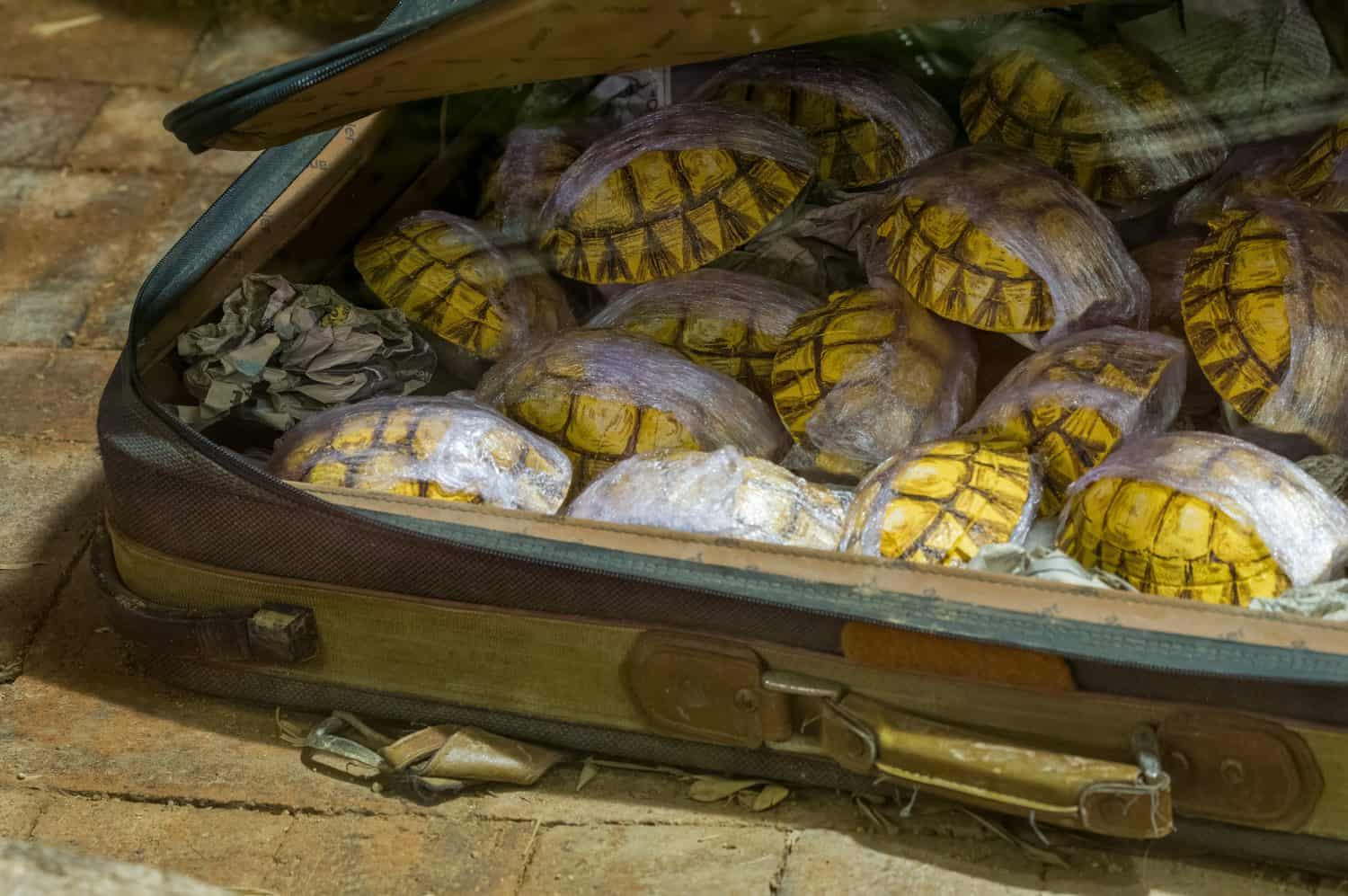
According to authorities, Zeng ran something of a wildlife syndicate. He and his collaborators stuffed reptiles in socks and hosiery, wrapped them in foil, and hid them in ordinary-looking parcels for export to destinations like Hong Kong. During a search of a property, investigators even found three saw-shelled turtles and two long-necked turtles swimming in a bathtub. Several more high-profile cases followed in the ensuing months. Another Chinese national was sentenced to two years and 10 months in prison for attempting to mail 27 Australian reptiles to Hong Kong. More recently, courts convicted a 42-year-old Vietnamese woman for attempting to smuggle over 50 fertilized emu eggs between Australia and Vietnam.
While sentencing for such crimes varies considerably, 61-year-old Sydney resident Neil Simpson received years in prison for running what amounted to a wildlife crime enterprise. Whatever the punishment, the fact remains: Australia is full of fascinating and rare creatures that are highly sought after overseas. Australia, however, has a new approach to combating the illegal wildlife trade.
Fighting Back
With a growing problem on its hands, the Australian government began increasing efforts to combat the illegal wildlife trade by expanding the DCCEEW’s Environmental Crime team in 2023. This produced more than 200 export seizures over the following 18 months. Criminals are crafty, however, and try to stay one step ahead of authorities. That is part of the reason why Australia recently launched its newest federal agency, the National Environmental Protection Agency (National EPA).
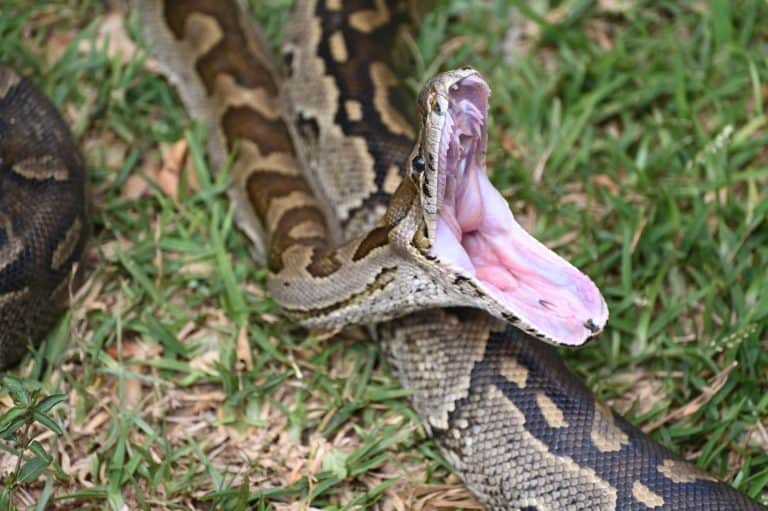
The agency moved quickly. Less than a month after its founding, the new National EPA seized a collection of native and exotic reptiles, $215,000 in cash, as well as gold and silver bullion. The seizure featured 28 native species, as well as a North American hognose snake and a ball python.
In a media release published in late August, the National EPA made its mission clear. Dani Yannopoulos, who heads the agency’s environmental permitting and compliance division, said, “Illegal trade of Australia’s native wildlife is a serious crime. Australia’s native wildlife is precious, and we are working closely with [Australian] Border Force and international partners to stop those who attempt to exploit it through the illegal wildlife trade.”
Raising Awareness
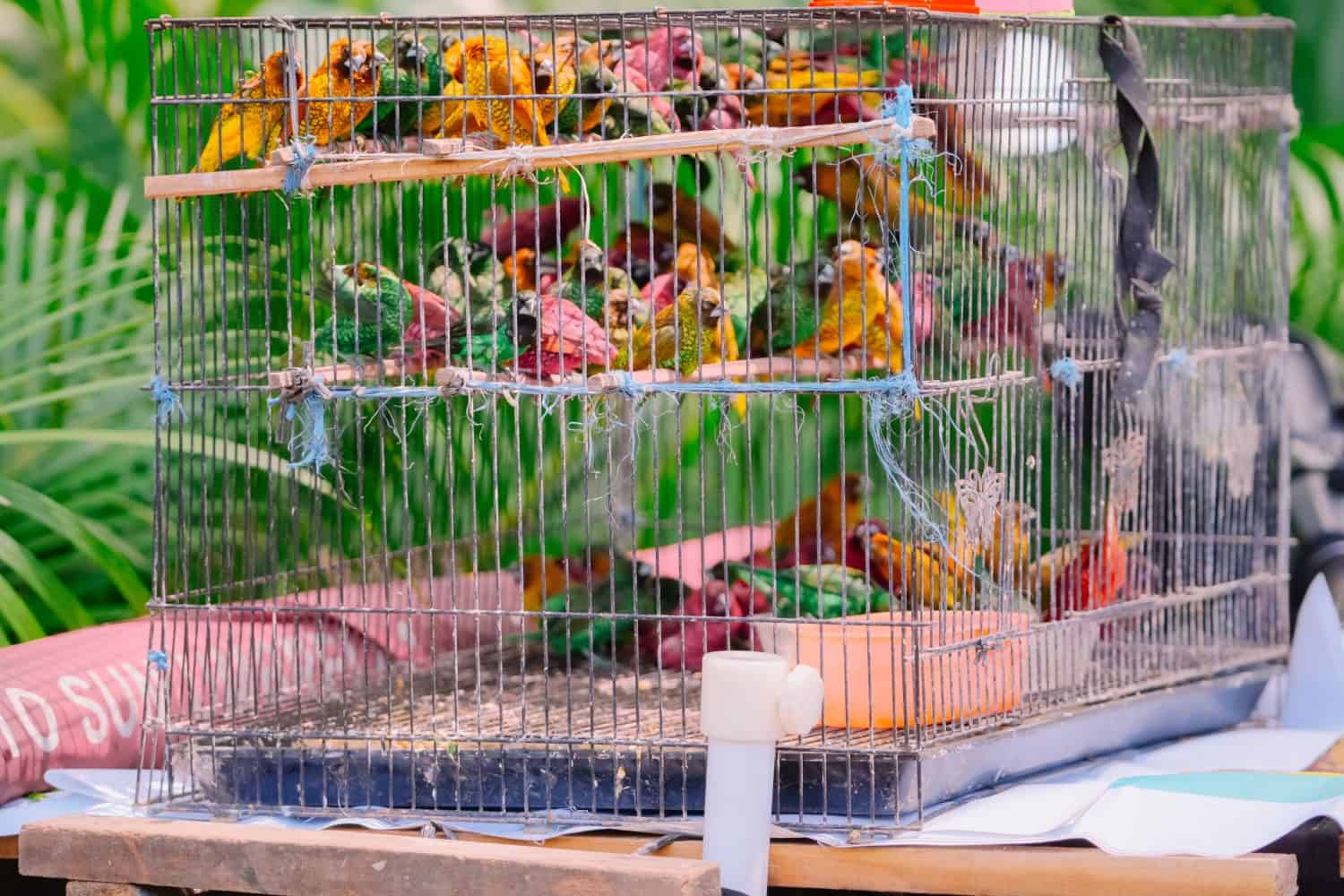
The illegal wildlife trade is worth about billion a year in East Asia and the Pacific region alone.
©purnomorpl/Shutterstock.com
Many Australians are aware of their country’s problem with illegal wildlife trafficking. Most, however, don’t realize the scope and scale of the problem. Authorities believe that raising awareness about the issue is the first step in combating the wildlife trade. And while the average citizen may be largely unaware of the full extent of the situation, criminals are profiting.
In a press release, Minister for the Environment and Water, Tanya Plibersek, said, “Wildlife trafficking is worth about $30 billion a year in the East Asia and Pacific region alone. The price of Australian reptiles on the international black market can be more than 28 times the domestic price.”
Nevertheless, the trade continues to grow. Demand increases year by year, so criminals find increasingly novel ways to elude capture. Part of the reason the Australian government established the National EPA was to make the consequences of wildlife trafficking impossible to ignore.
As the National EPA’s Dani Yannopoulos said, “This sends a clear message: If you take part in the illegal wildlife trade, you risk serious penalties.”