
Quick Take
- Releasing millions of mosquitoes into the wild is actually the plan to get rid of them, and the biology behind why it works is stranger than it sounds. See the biology behind it →
- Flooding neighborhoods with millions of mosquitoes won't produce a single extra bite, and the reason why reveals something most people don't know about the insect. Find out why males don't bite →
- The hardest part of this project isn't the biology. It's a logistical problem that Google's robotics and AI were specifically built to crack. Explore the tech solution →
- The biggest threat to this project isn't science or regulation. It's a public misconception the data directly contradicts. See what the data shows →
When you think of Google, you likely think of search engines, smartphones, and artificial intelligence. You probably don’t think of millions of buzzing insects. Yet, the tech giant’s parent company, Alphabet, is heavily invested in a project that involves breeding and releasing massive swarms of mosquitoes into the wild.
Known as the “Debug” initiative, this project was launched in 2016 by Alphabet’s life sciences subsidiary, Verily. Now, Google is making waves with an ambitious proposal submitted to the U.S. Environmental Protection Agency (EPA) to release up to 32 million specially treated mosquitoes across California and Florida over the next two years.
Why is a tech company getting into public health, and how can adding more mosquitoes to the environment actually help solve a disease crisis? The answer lies in a fascinating blend of microbiology, robotics, and advanced data analytics.
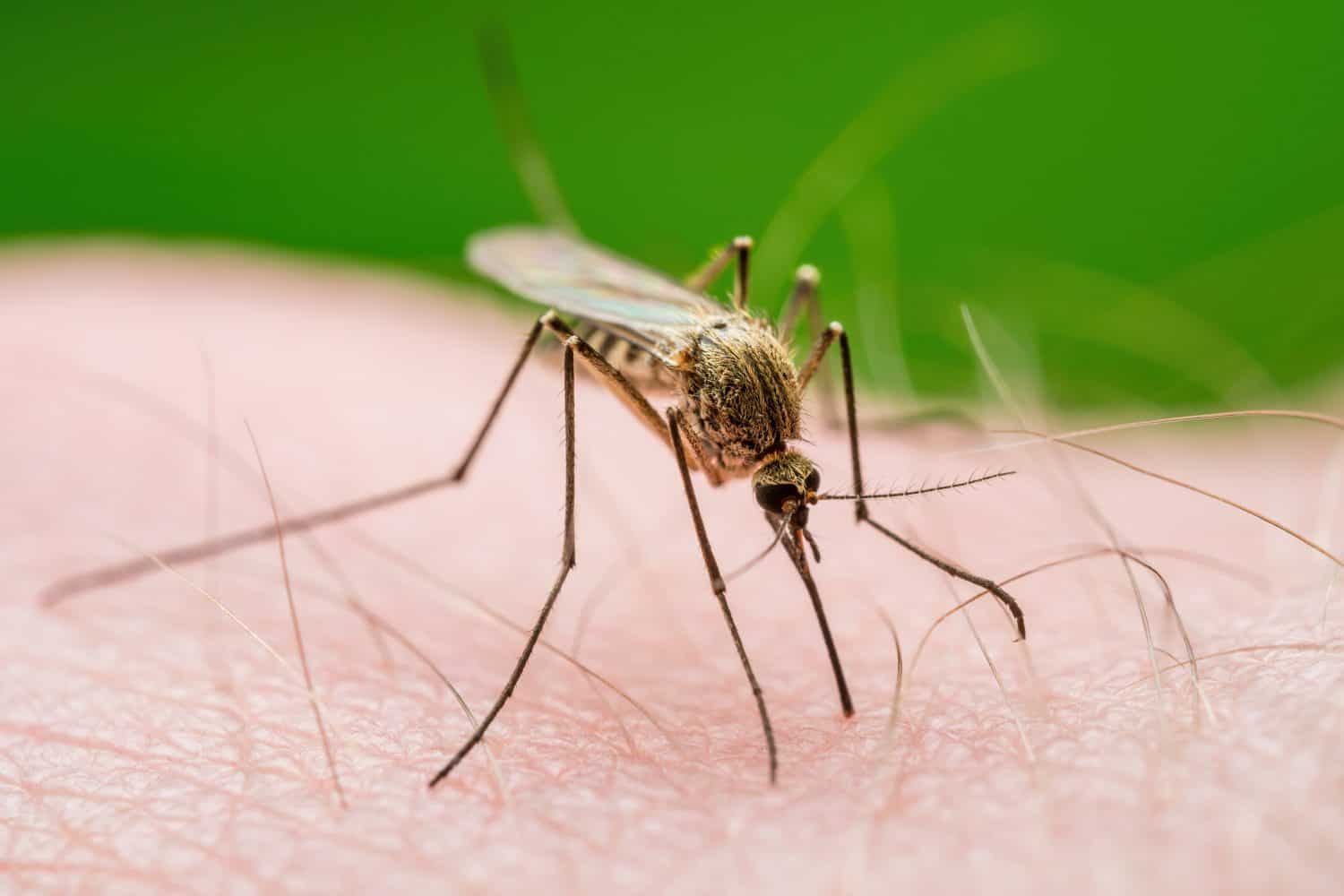
Google is proposing to the EPA that releasing 32 million specially treated mosquitoes across California and Florida over the next two years can help fight mosquito-borne diseases.
©Narupon Nimpaiboon/Shutterstock.com
Using Good Bugs to Fight Bad Bugs
The Debug initiative relies on a specialized variation of the Sterile Insect Technique (SIT). Instead of modifying the insects’ DNA or using harsh chemical pesticides, the project uses a naturally occurring bacterium called Wolbachia.
When male mosquitoes are infected with Wolbachia and mate with wild female mosquitoes that do not carry the same bacterial strain, a biological incompatibility occurs. The resulting eggs are completely non-viable and never hatch. Over time, as more treated males successfully compete for mates, the local wild mosquito population plummets.
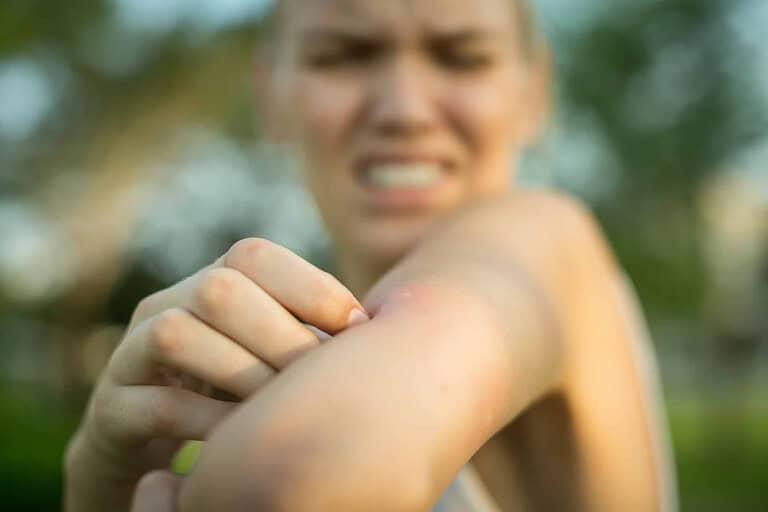
Perhaps most importantly, this method does not increase the risk of mosquito bites or itchy welts for residents. In the mosquito world, only females bite humans to get the blood required to develop eggs; male mosquitoes feed strictly on plant nectar. Because the project exclusively releases male mosquitoes, the introduction of millions of insects will not result in a single extra bite on humans.
Scaling Up with Tech
While using Wolbachia is a proven scientific concept, executing it on a massive scale has traditionally been difficult. This is where Google’s technological expertise changes the game.
To make the program effective, millions of mosquitoes must be reared, sorted by sex, and distributed efficiently. Debug utilizes proprietary artificial intelligence, automated rearing robots, and high-precision visual sorting systems to separate the non-biting males from the biting females with extreme accuracy. By integrating sensors and advanced data analysis, the team can deploy the “good bugs” in the precise locations and quantities needed to outnumber the wild population.
Target Diseases and Geographic Scope
The primary objective of the latest EPA proposal is to curb the spread of dangerous, vector-borne illnesses. While previous international Debug trials focused on Aedes aegypti mosquitoes (the primary vectors for dengue, Zika, and yellow fever), this latest U.S. push specifically targets Culex mosquitoes. This genus is notorious for transmitting West Nile virus and St. Louis encephalitis.
California and Florida are the chosen testing grounds for practical reasons. Both states possess warm, humid climates where Culex mosquitoes thrive, presenting a persistent public health challenge. Local agencies, like the Florida Keys Mosquito Control District, have already logged promising results with smaller-scale Wolbachia trials, observing notable drops in wild populations. Google’s initiative seeks to take these localized successes and scale them up dramatically.
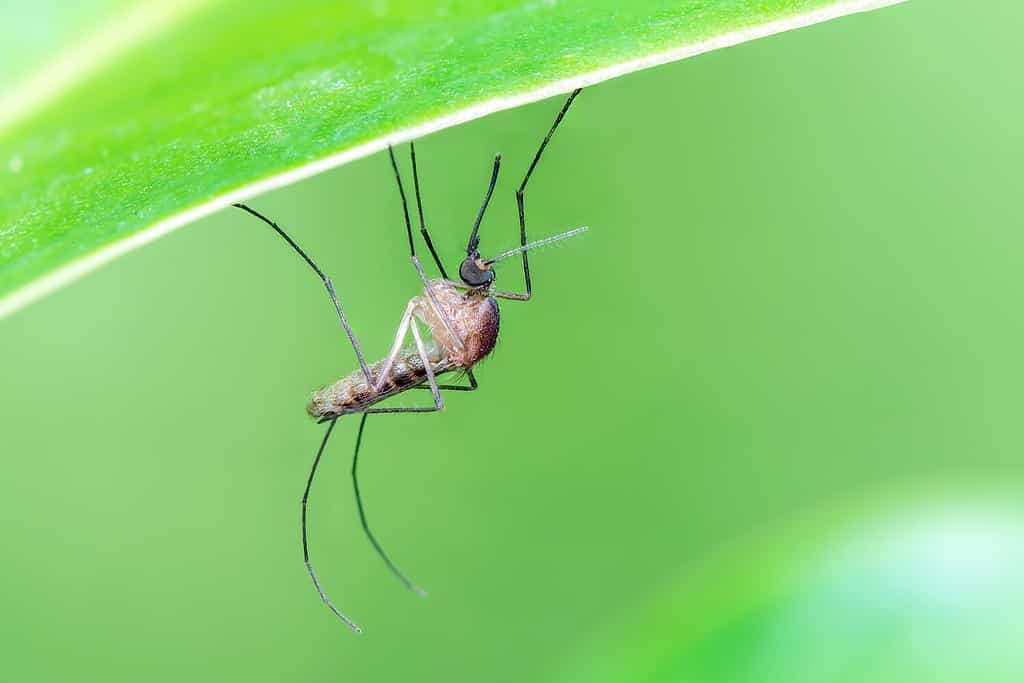
If successful, this initiative may reduce the need for harmful chemicals to get rid of disease-spreading mosquitoes.
©Stockah/Shutterstock.com
Public Reception and Regulatory Approval
As with any project involving the mass release of insects, public reception is a mix of enthusiasm and skepticism. While many residents welcome an eco-friendly alternative to chemical spraying, others express hesitation. Some community members have voiced concerns about potential unknown health risks or the long-term ecological impacts of suppressing a species.
In response, scientists point out that Wolbachia is only a danger to the mosquitoes themselves and cannot be transmitted to humans. Furthermore, because target species like Aedes aegypti are often invasive in urban ecosystems and are not a primary food source for local wildlife, the ecological disruption of removing them is considered minimal.
To address public concerns, the project undergoes a rigorous regulatory approval process. The EPA is managing the current proposal under an experimental use permit, which includes a public comment period running through early June. Federal regulators will thoroughly review environmental safety data before identifying the exact release locations and granting final permission.
A Forward-Looking Perspective
If approved, Google’s Debug initiative could redefine the future of vector control. By combining cutting-edge automation with biological insights, the project offers a glimpse into a world where communities are protected from debilitating diseases without relying heavily on chemical intervention. It could prove to be a powerful example of how tech innovation can be applied to solving some of the planet’s oldest and deadliest biological threats.