
Quick Take
- A shark fishing ban in the Bahamas has been in place for over a decade, but Caribbean reef sharks are still in trouble for a reason that often receives less attention. Current threats and protections →
- Where sharks choose to hunt reveals a survival strategy that scientists didn't expect, one that changes everything about how we should protect them. See the surprising findings →
- Overfishing the wrong species could doom Caribbean reef sharks even if no one ever targets a shark directly. Why prey fish matter →
- Coral bleaching isn't just a reef problem. It turns out it's quietly dismantling one of the shark's most critical survival advantages. How climate change hits sharks →
As of 2021, Caribbean reef sharks are categorized as Endangered by the IUCN Red List. To protect them, we need to stop exploiting them by introducing shark fishing bans. A new Florida International University (FIU) study, however, has indicated that simply controlling shark fishing may not be enough. We also need to make sure that the sharks have access to enough food and suitable habitats. Here, we explain what the scientists found.
Caribbean Reef Sharks – What You Need to Know
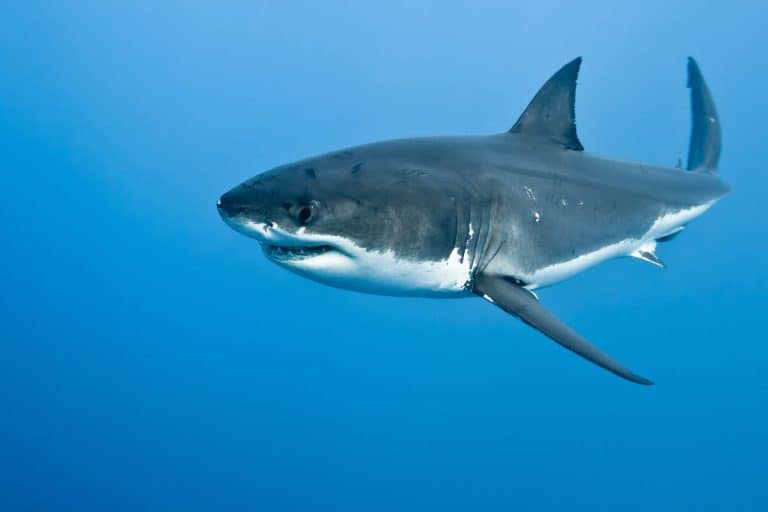
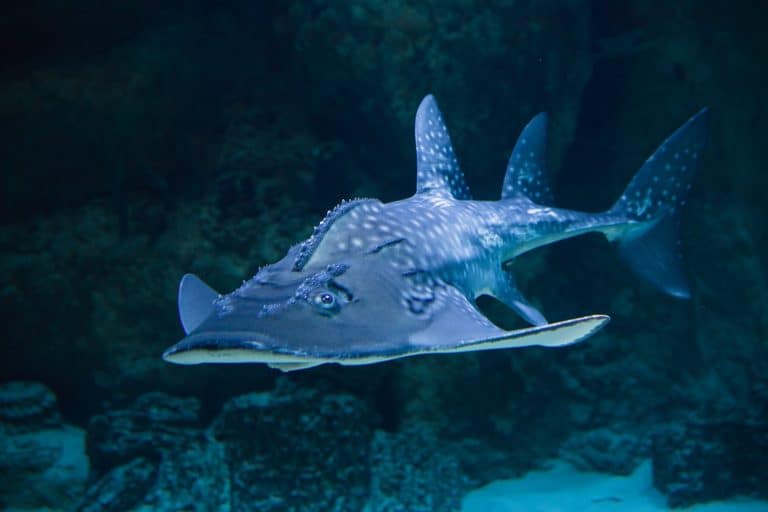
Caribbean reef sharks (Carcharhinus perezi) are sturdy reef sharks found in tropical waters. They have a short, bluntly rounded snout, large and narrow pectoral fins, and a small first dorsal fin. These sharks can grow to a maximum of 116 inches in length.
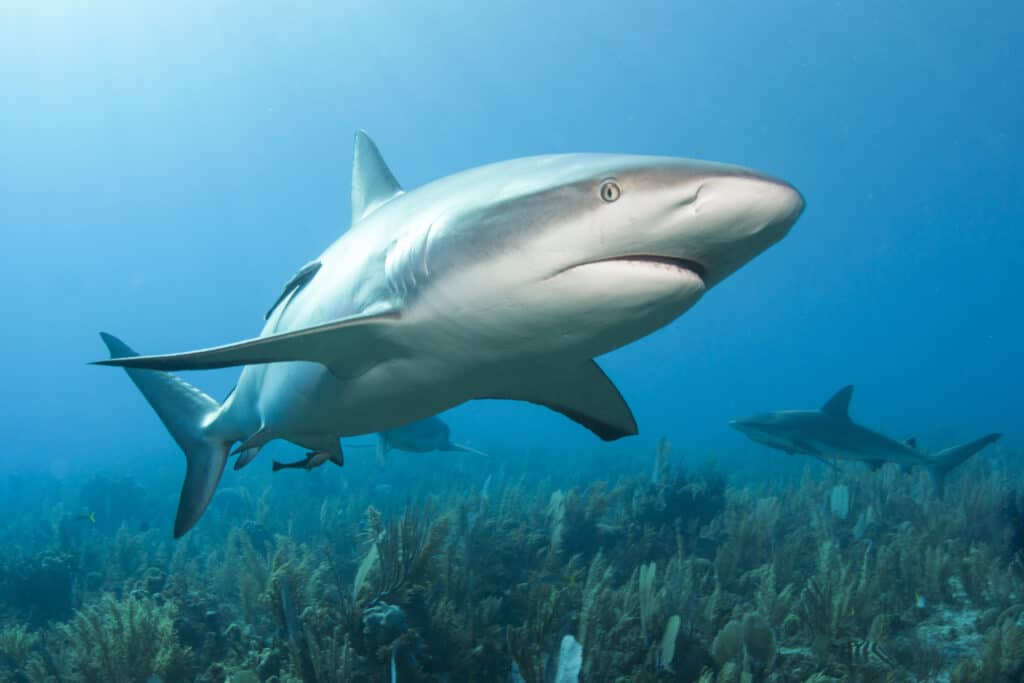
Reef sharks can grow quite large, but they are not especially aggressive and dangerous to humans.
©Konstantin Novikov/Shutterstock.com
Their range includes the coastal waters of Florida, Bermuda, the northern Gulf of Mexico, Yucatan, Cuba, Jamaica, Mexico, Puerto Rico, Colombia, Venezuela, and Brazil. They are also one of the most abundant sharks around the Bahamas. As their name suggests, they like to live on or near coral reefs on continental and insular shelves. Occasionally, they have been spotted in deeper waters, down to 98 feet. You can often see them close to drop-offs on the outer edges of coral reefs or on the ocean floor.
Preferred Prey and Predators
The Caribbean reef shark feeds on bony fish. It locates prey using its keen sense of smell and can also detect water vibrations through its lateralis canal system. These sharks also have keen auditory (hearing), gustatory (taste), and electric reception. They are excellent at picking up the low-frequency sounds made by struggling fish.
Smaller and younger Caribbean reef sharks are hunted by larger shark species, such as tiger sharks and bull sharks.
Protecting Reef Sharks
As of 2026, commercial fishing for Caribbean reef sharks is illegal in US waters, but it may be allowed in other countries. The IUCN describes how they are caught either accidentally or on purpose in artisanal and commercial gillnets and longlines. Gillnets are walls of netting that hang in the water column, typically made of monofilament or multifilament nylon. The sharks can get their heads through the holes, but not their bodies. They can’t reverse out as their gills get caught in the net, and so they are trapped.
The term ‘artisanal fisheries’ refers to small and traditional fishing operations. In many parts of the shark’s range, these are widespread and are not managed or controlled. In several areas, this has led to overfishing and a decline in shark populations.
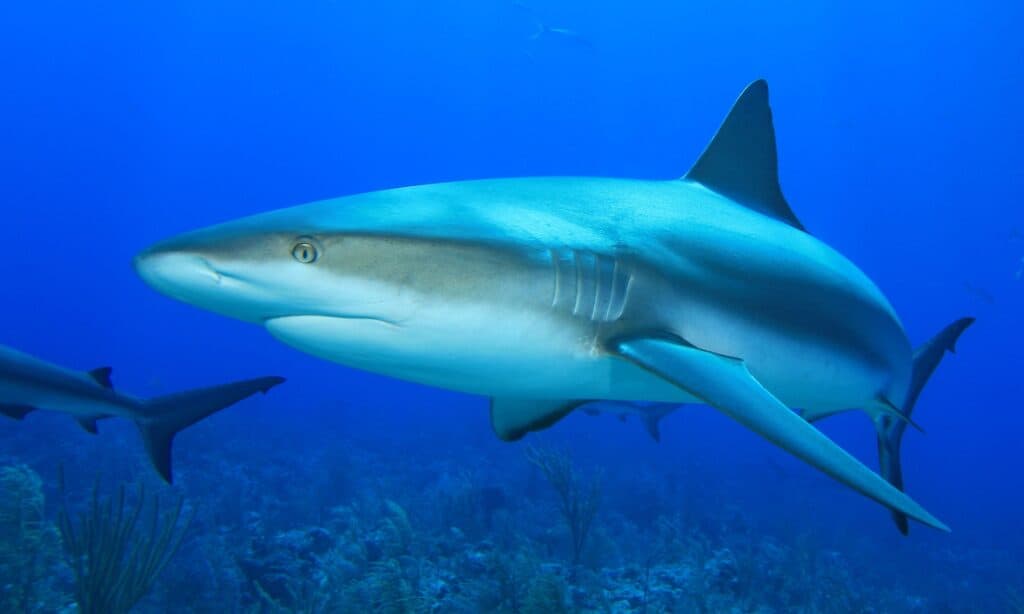
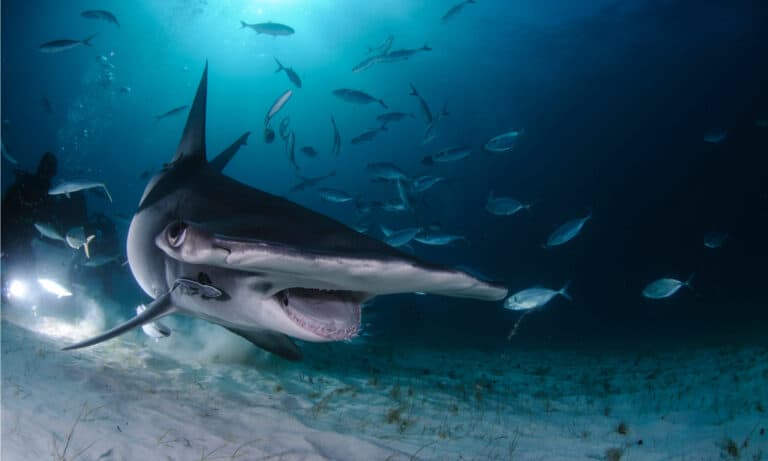
Caribbean reef sharks have been overfished in the past.
©iStock.com/richcarey
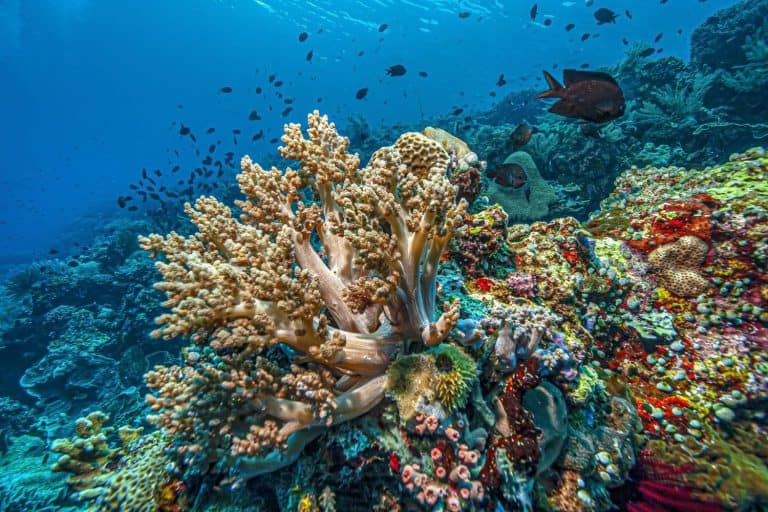
However, the declining health of coral reefs is also a challenge for these sharks. This is due to climate change, specifically coral bleaching, disease, invasive species, and coastal pollution. Coral bleaching occurs when the seawater gets too warm, and the corals expel the zooxanthellae algae living in their tissues. This turns the coral completely white, but it is not dead. It is, however, a sign of stress and makes the coral more vulnerable. Other causes of coral bleaching are pollution, over-exposure to sunlight, extreme low tides, and exposure to air.
Studying Sharks in the Bahamas
FIU scientists used 631 baited remote underwater video stations across eight island groups in the Bahamas to study where Caribbean reef sharks were hanging out. The Bahamas is home to the first shark sanctuary in the Atlantic Ocean, created in 2011, and shark fishing here has been banned. In addition, 85 underwater visual surveys and 23 biophysical parameters were used to create a model of reef fish prey biomass. Basically, this recorded where the shark’s prey was found in the greatest concentrations. This allowed the researchers to determine whether sharks appeared in areas with abundant prey or if other factors influenced their movements.
What Did the FIU Shark Study Find?
The study showed that, understandably, the sharks liked to spend time where there was a lot of prey fish, but that was not all. The sharks favored smaller reef habitats with high concentrations of prey fish. This means that they don’t have to work hard and expend a lot of energy to get a tasty meal. It also allows them to access other habitats and stay away from predators who are found more often around the larger reefs.
The findings suggest that we need a more holistic approach to conservation for species like the Caribbean reef shark. We need to look at the reefs that play such a vital role in their ecology and at the fish that make up their prey. Overfishing smaller fish species deprives these amazing animals of their natural nutrition. Furthermore, the health of reefs is intrinsically linked to sustaining the populations of reef fish that these sharks rely on.