
Quick Take
- The new python hotspot didn't spread from the Everglades, which makes the threat far more alarming than scientists previously assumed. How the new hotspot emerged →
- A wildlife ecologist has a specific term for what pythons do to an ecosystem, one that is bleaker than 'invasive species' begins to capture. See the ecosystem damage →
- Florida lets python owners surrender their snakes with zero legal consequences, but the snakes keep showing up in the wild anyway. Florida's amnesty program details →
- The 1992 hurricane that helped seed Florida's python crisis isn't the reason pythons are appearing somewhere new today. The real cause is more preventable. The real cause of spread →
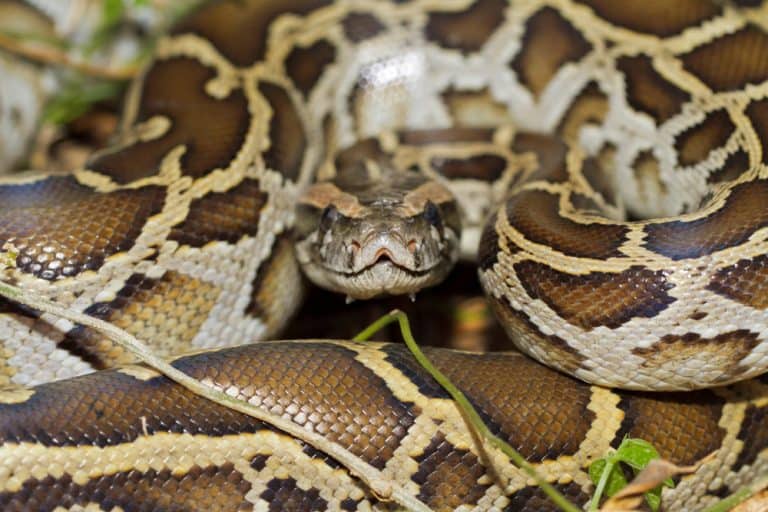
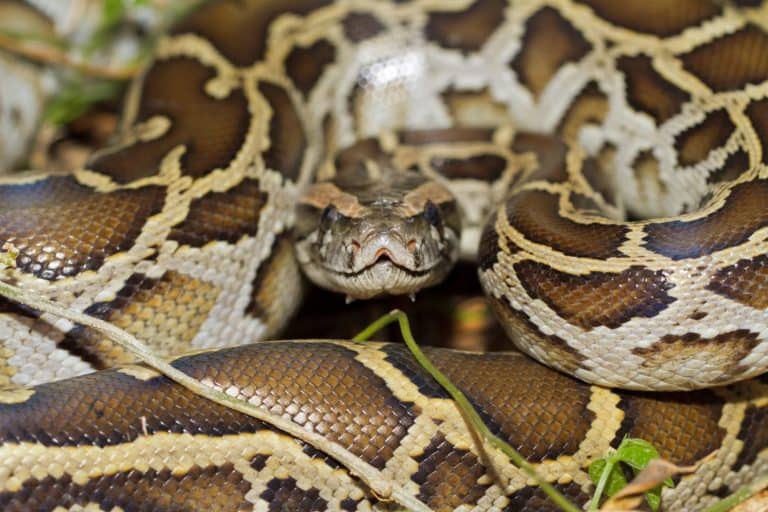
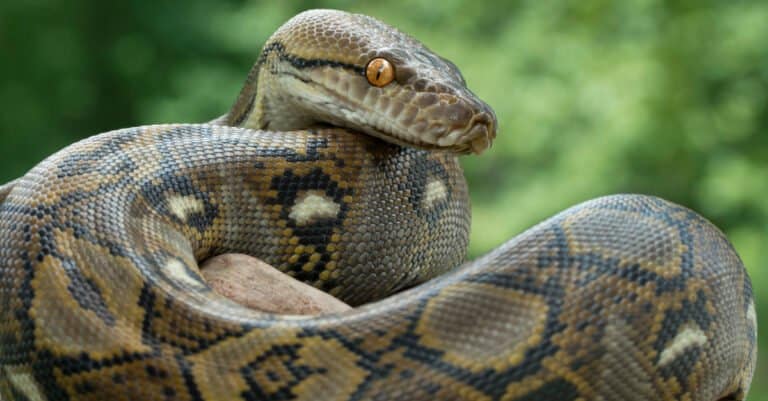
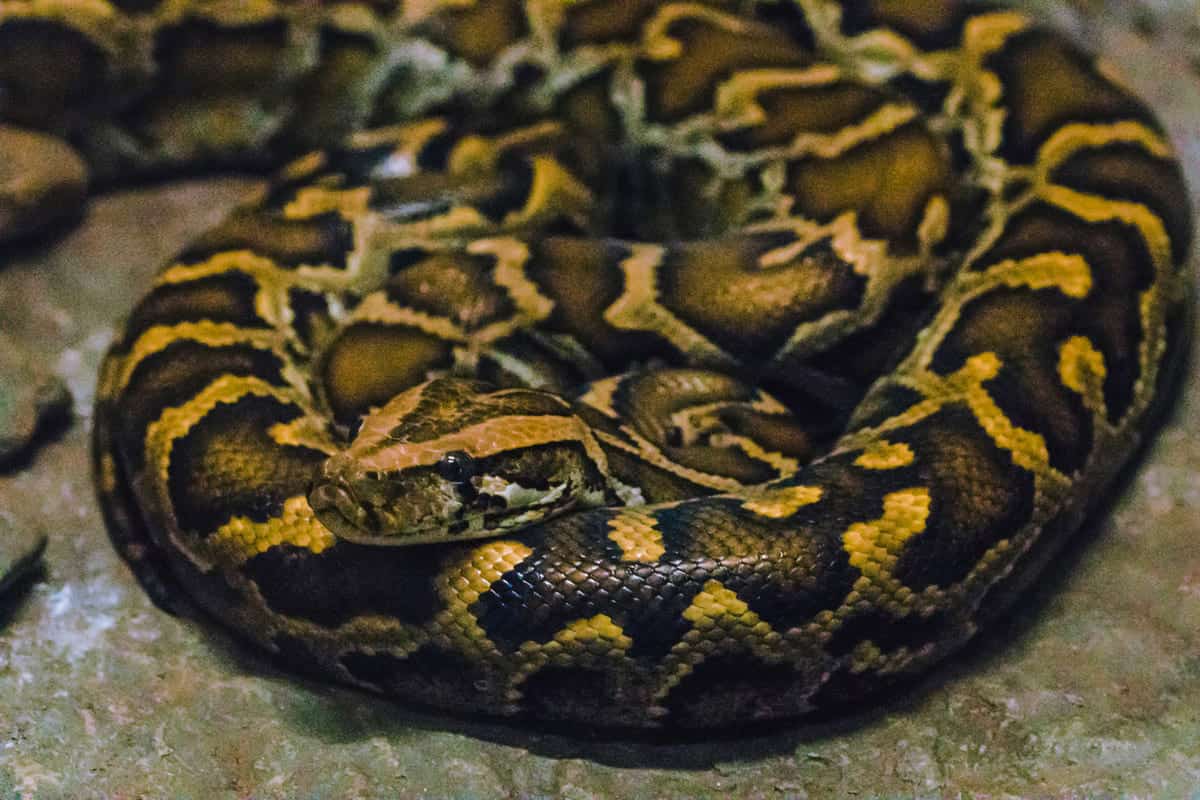
Burmese pythons aren’t native to Florida. These massive constrictor snakes hail from Southeast Asia, but decades of the exotic pet trade brought them stateside. A key moment in their spread came in 1992, when Hurricane Andrew reportedly tore apart a python facility, sending captive snakes loose into the wild outside Miami.
Continue reading
Ever since, these non-venomous predators have mostly been contained within a broad range stretching from just south of Lake Okeechobee down to Key Largo, and from western Broward County west to Collier County. That’s what the Florida Fish and Wildlife Conservation Commission (FWC) has tracked: stray pythons showing up outside this area were typically assumed to be former pets, isolated escapes, not signs of a spread.
Surprising Signs North of the Usual Range
This summer, that thinking hit a turning point. In July, the FWC confirmed to ABC News the existence of a new “hotspot” for Burmese pythons north of Naples and Fort Myers, in Charlotte County. The new population sits well beyond the established python zone.
Investigating python sightings is a challenge for state officials. Pythons blend into their environments; it takes time and evidence to declare an established population. The FWC says it only confirms new areas once enough sightings are verified.
The Ecological Impact of a Spreading Predator
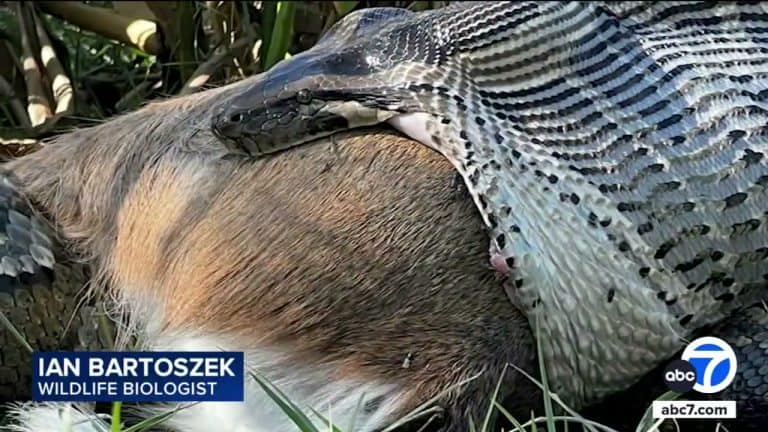
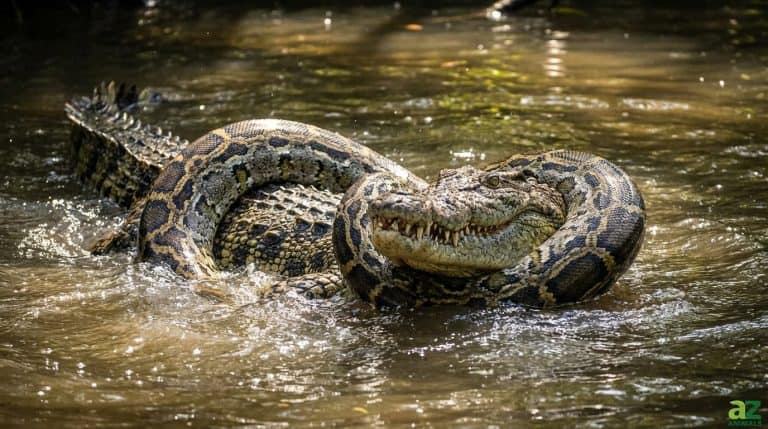
The news alarms biologists. These snakes are apex predators with few threats except humans. The FWC notes their unchecked presence allows them to prey on native animals and compete for already limited resources, disrupting the delicate food webs of South Florida habitats.
Robert McCleery, a wildlife ecologist at the University of Florida, explained to ABC that pythons don’t just compete; their arrival can result in a “simplified ecosystem.” With an invasive species at the top of the food chain, native diversity suffers.
Not Migration, but New Introduction
So far, the FWC doesn’t believe pythons migrated north from the Everglades region to Charlotte County. The evidence suggests this new outpost arose because of pythons freed or escaped from captivity, not from the steady crawl of established populations.
This distinction matters. If python populations can form independently in new areas, not just by slow expansion, the threat to Florida’s broader ecosystem could be greater than previously assumed.
Human Response and Future Challenges
Florida’s laws reflect a growing urgency. Possessing a Burmese python as a pet is illegal, but people who can’t care for them can surrender these snakes, no questions asked, through the Exotic Pet Amnesty Program. The aim: keep nonnative species out of the wild.
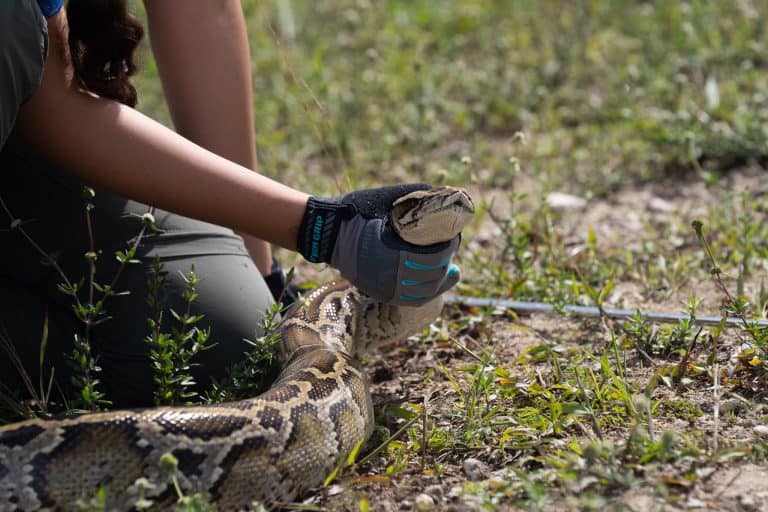
There’s also the annual Python Challenge, which encourages licensed hunters to capture and kill pythons humanely. Every snake removed from the land is a step toward defending Florida’s native animals.
The appearance of Burmese pythons in new and unexpected places is a reminder that invasions don’t always follow the rules. The actions people take, intentionally or by accident, may shape the future of Florida’s wildlife as much as the creatures themselves.