
Quick Take
- Ghana has created its first-ever marine protected area, marking a major milestone for ocean conservation in West Africa. See why fish matter →
- The Cape Three Points sanctuary protects a vital nursery ground for fish that support food security across Ghana. See how zoning works →
- No-take core zones and regulated multiple-use areas are designed to help depleted fish stocks recover. Learn the spillover mechanism →
- The reserve follows more than 15 years of planning involving scientists, officials, and coastal communities. See the 15-year journey →
Ghana has recently achieved a historic milestone; the African country has created its first-ever marine protected area, a region of the ocean specifically designated with legal protections to protect vital species and their habitats. The new reserve focuses on the Cape Three Points area, which is considered one of the most ecologically important regions in the country. This move is one of the most significant conservation developments for Ghana so far. Keep reading to find out why.
Why the Area Matters
Ghana’s first ever marine protected area is a 271-square-mile sanctuary located off the country’s southern coast, near Cape Three Points. The waters around this area are some of the most important marine habitats in the country because they are a vital spawning and nursery ground for small pelagic fish. Pelagic fish are those that live at depths of up to 655 feet.
A nursery ground is essentially a place where young fish can grow during the most vulnerable stage of their lives. They remain in the nursery, feeding and growing, until they are large enough to join adult populations. Nurseries are essential for fish reproduction and the recovery of damaged populations, providing a safe space where risks are lower and predators are fewer than in surrounding waters. If these areas are damaged or disturbed, far fewer young fish survive to maturity, further damaging populations. However, when these sanctuary areas are healthy, they support numerous generations of young fish.
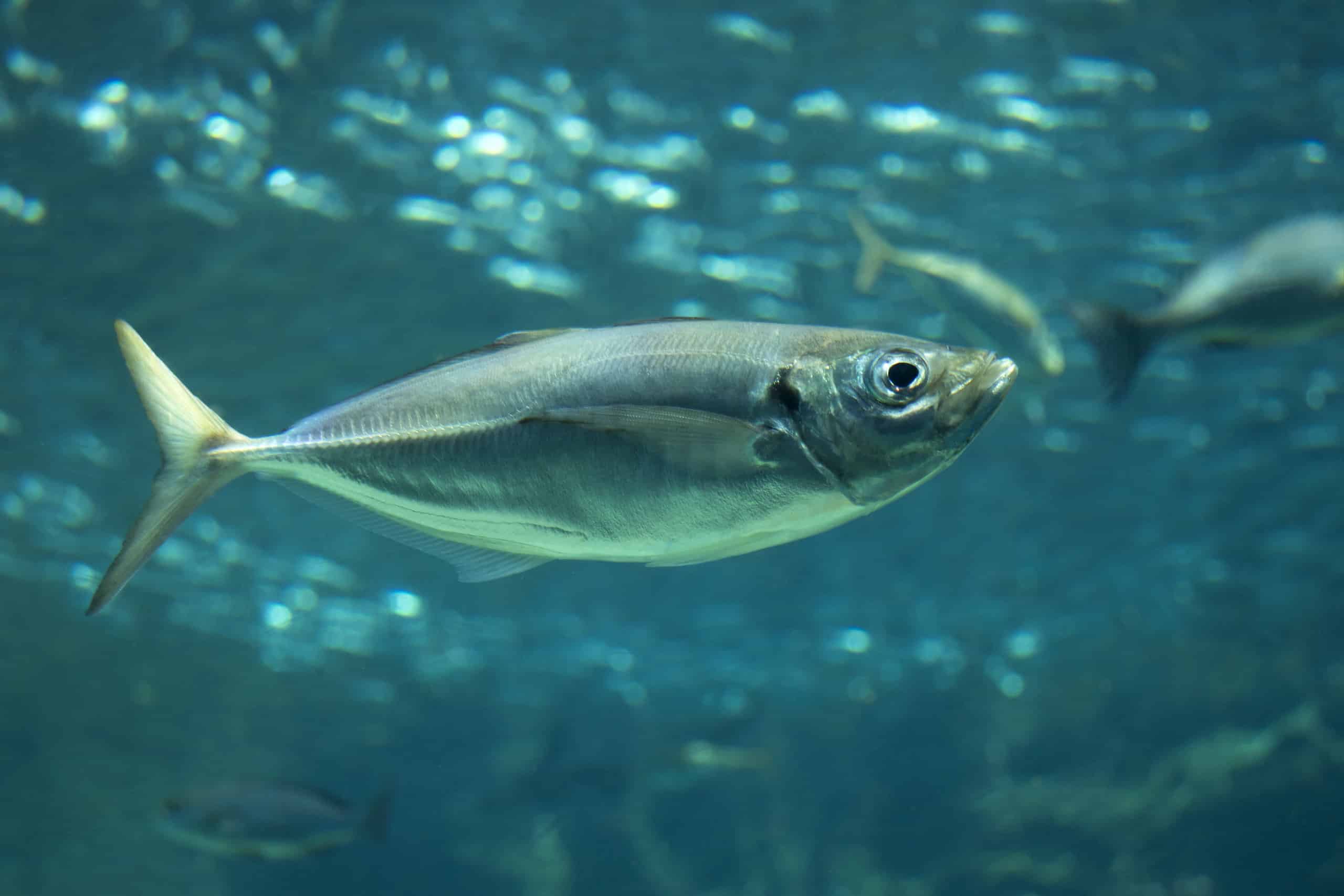
Some of the most important pelagic fish in Ghana are anchovies, mackerel, and sardinella, which are collectively known as “The People’s Fish”. Especially important in Ghana, these fish are a vital source of affordable protein for much of the locals. If populations of these fish are depleted, then communities relying on them for food and income are at risk of starvation. The main threats to these species include overfishing, illegal fishing practices, climate change, and pollution.
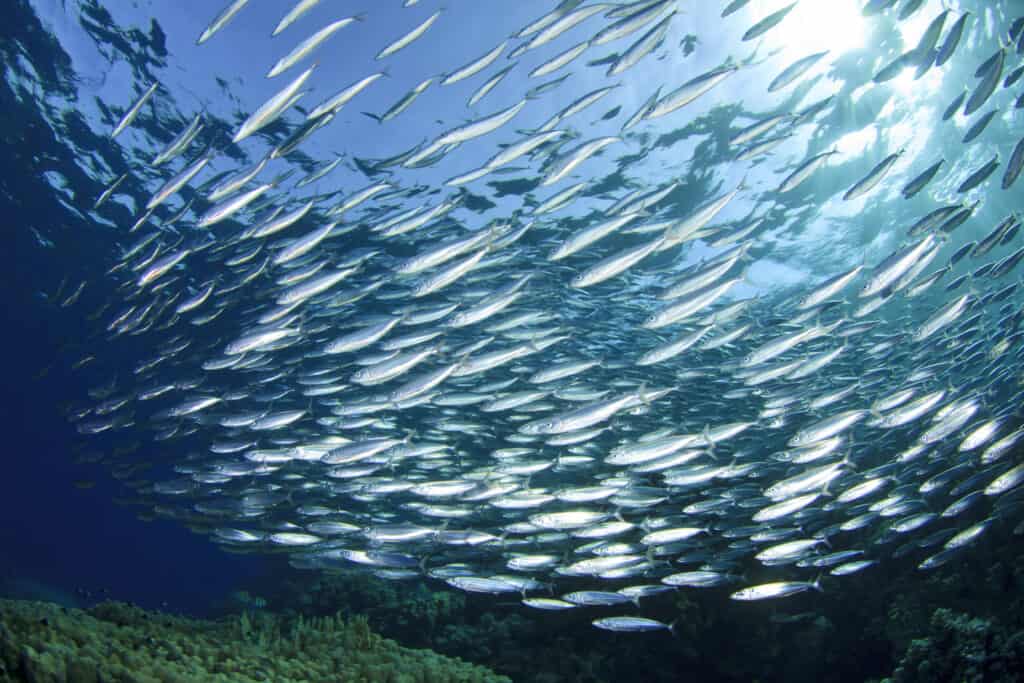
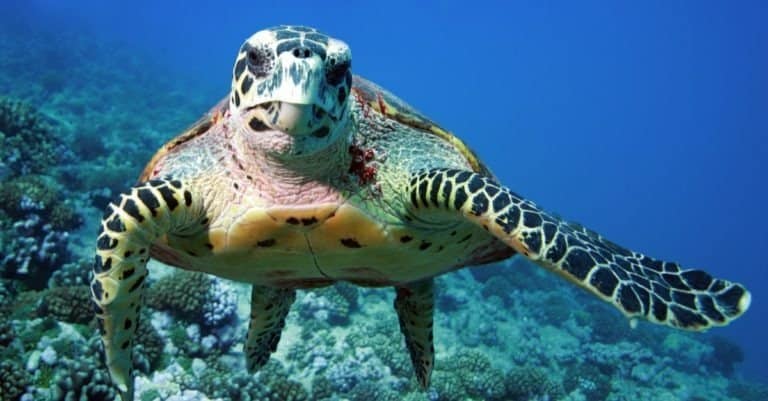
The marine protected area protects vital nurseries for fish such as sardines and mackerel.
©iStock.com/richcarey
The Road to Protection
The designation of Ghana’s first marine protected area is the result of more than 15 years of research and planning between scientists, conservation groups, and local fishing communities.
During this time, evidence continued to show that Ghana’s small pelagic fish stocks were in serious decline. In response, the government began introducing a series of measures aimed at reducing pressure on the vital species. These included seasonal fishing closures, regulations on the types of fishing gear used, and limits on the number of boats in the fishing areas. However, although these measures helped slow the decline, they were not enough on their own to fully protect the fish populations and the critical habitats that they need to survive. It became evident that further help was needed to preserve the long-term health of the fish.
Cape Three Points was highlighted as the best place for the MPA, due to its productive feeding grounds and history as a known fish nursery. However, the creation of the MPA suffered a setback in 2025 when the US government cut funding for USAID, an aid agency that was supporting the movement. Nonetheless, efforts continued and succeeded, with the involvement of twenty-one different communities, which form part of the management group. This means that the MPA will be co-managed through community effort rather than by a single organization.
How the Protected Area Works
Ghana’s marine protection area will protect the fish species in several ways. However, it will not include a complete ban on fishing within the area. Instead, the MPA will be divided into several different zones, with the most critical areas having harsher restrictions than others.
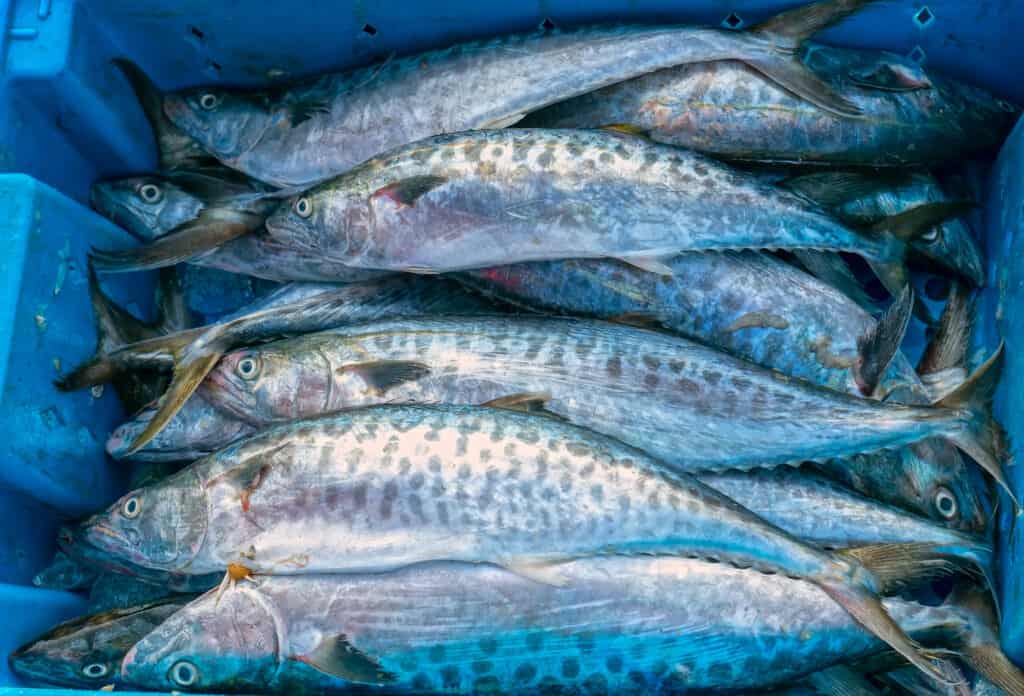
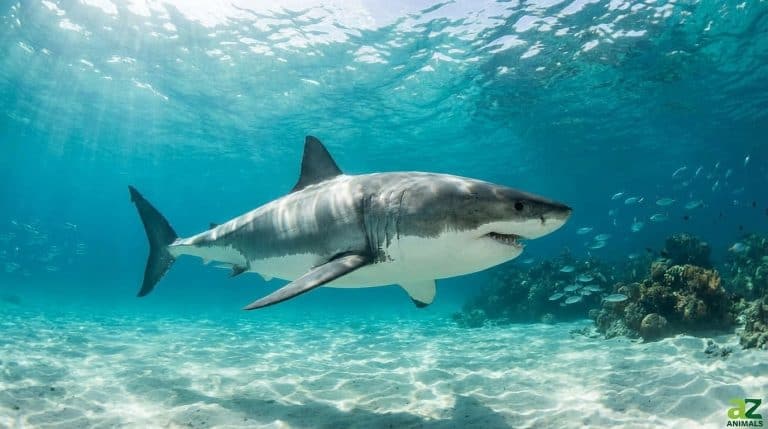
Fishing will be allowed in the multiple-use zones but will be prohibited in the core area.
©iStock.com/HuyThoai
The core zone will have a strict “no-take” policy applied, where fishing is completely prohibited. These areas are considered the most important parts of the MPA, where fish are left to grow undisturbed by external pressures. However, core zones aren’t just a benefit to the fish. Once they reach adulthood, larger fish move into the nearby waters outside the protected core, leading to an improved population of fish in the surrounding areas. This is considered a “spillover” effect.
Other areas within the MPA are designated as “multiple-use zones”. Fishing and other activities are allowed within these areas. However, they are closely monitored to ensure that only sustainable practices are used and that fish stocks aren’t negatively affected. By using this approach, the MPA will allow fish populations to recover while still supporting people who rely on fishing for their livelihood.