For nearly a century, Brookfield Zoo Chicago has been a trailblazer in wildlife care and conservation. Since opening its doors in 1934, the zoo has achieved a number of remarkable firsts — from welcoming the first panda in the United States in 1937 to launching the nation’s first Zoo and Aquarium Radiology Database in 2024. Among the zoo’s many milestones, however, one special species stands out: the okapi (Okapia johnstoni).
Known as the “forest giraffe,” the okapi is a rare and elusive animal native to the Democratic Republic of Congo. Brookfield Zoo has a particularly rich history with this endangered species, having housed 54 okapi since 1955 and successfully raised 24 calves.
A-Z Animals spoke with Carrie Jung, Brookfield Zoo’s lead animal specialist for ungulates, to learn more about these fascinating animals and the zoo’s ongoing role in okapi conservation.
A Peek Into the Life of the Okapi
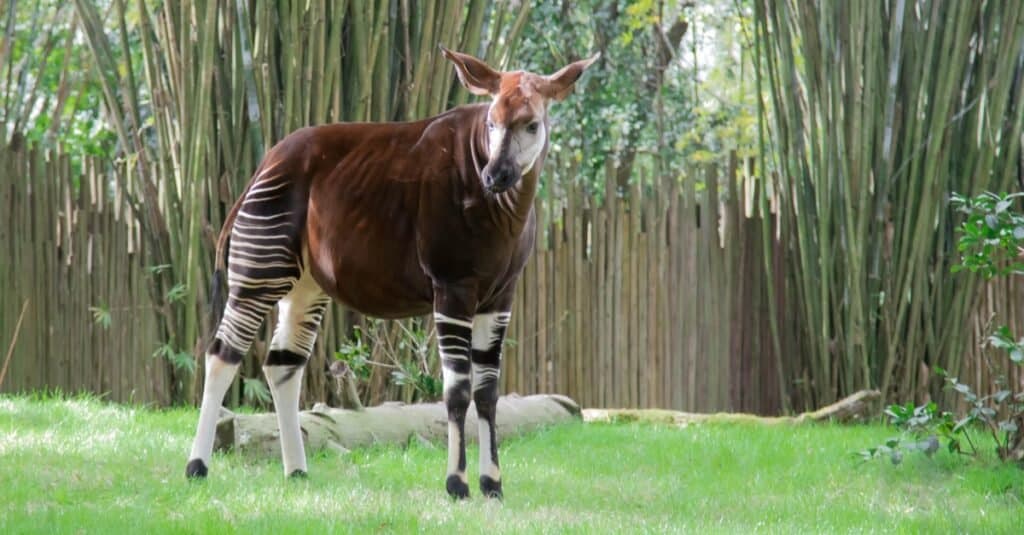
Okapi reach their full size when they are around three years old.
©seth miles/Shutterstock.com
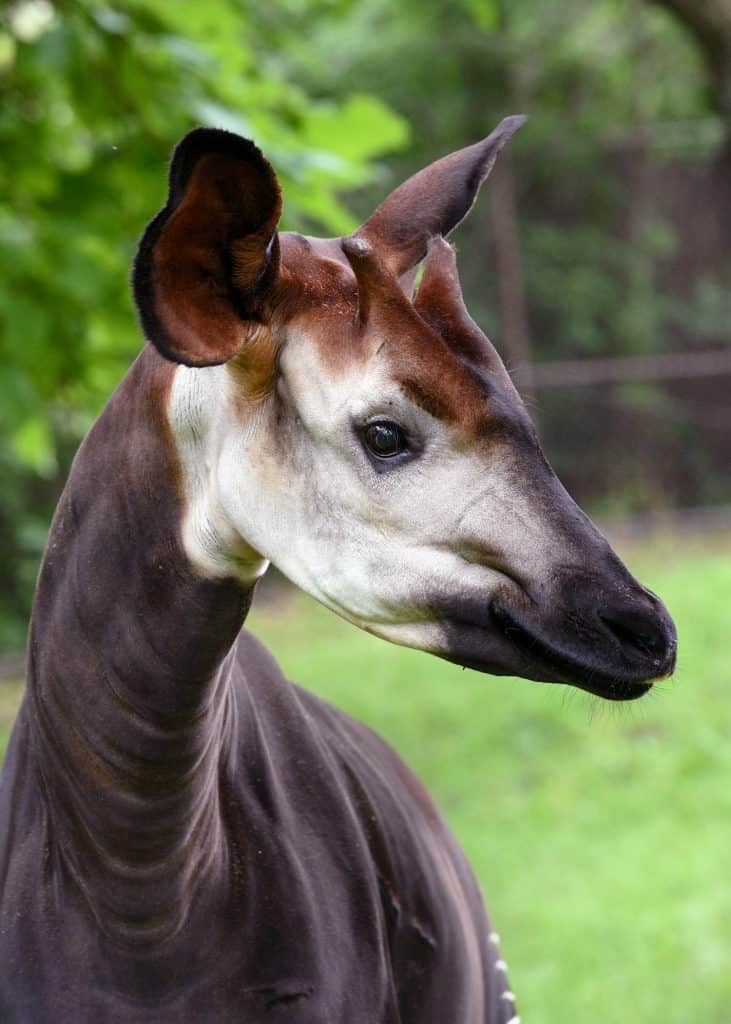
The okapi is unlike any other animal on Earth. With the striped legs of a zebra, the body of a horse, and the face of a giraffe, it looks almost like a mythical creation. However, each of its unique features is finely tuned for life in the dense rainforests of the Democratic Republic of Congo. “Okapi are the closest living relatives of the giraffe,” explains Carrie Jung, lead animal specialist for ungulates at Brookfield Zoo. “While they share traits such as their purple, prehensile tongues, long limbs, and long necks, okapi are specially adapted to life deep in the rainforest.”
Smaller than their giraffe cousins, okapi stand about 5 to 6 feet tall at the shoulder. Males weigh between 450 and 650 pounds, and females weigh between 500 and 750 pounds. Only males have ossicones — small, skin-covered horns similar to a giraffe’s.
Their most striking feature is their coat: deep, mahogany-brown hair accented by bold white-and-black stripes on the legs and rump. The pattern might seem conspicuous, but it provides exceptional camouflage, helping okapi blend into the dappled light of the forest. “Their hair feels like greasy velvet,” Jung says. “The short coat prevents them from becoming snagged in dense vegetation, and their oily secretions help waterproof their skin and protect them from the moisture of the rainforest.” This allows okapi to slip quietly through thick undergrowth.
Eating Leaves and Lightning-Struck Ash
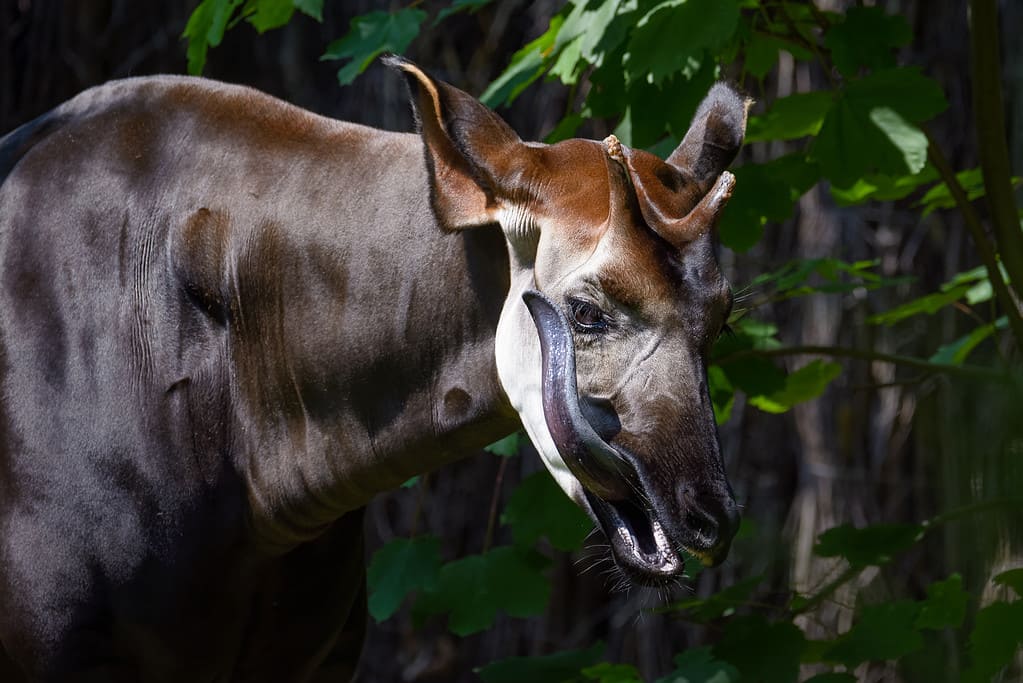
An okapi’s tongue is 14 to 16 inches long.
©Thorsten Spoerlein/ via Getty Images
Like their giraffe relatives, okapi are strict browsers, feeding primarily on leaves from trees and shrubs. Their remarkably long tongues are flexible and prehensile, allowing them to grasp and strip leaves with ease. “Fun fact: their tongues are so long they can lick their own eyelids and ears to groom themselves,” says Jung.
While their diet may sound simple, the plants okapi eat are often tough to digest. Fortunately, okapi have a specialized, four-chambered stomach, just like cows, sheep, and other ruminants. Jung explains, “After they initially consume a meal, they’ll later bring ‘cud’ back up into their mouths to chew it further and aid in the digestion process.”
Many of the plants okapi eat are poisonous to other animals, yet these curious creatures have developed an ingenious solution. “Many of the plant species they consume can contain toxins,” Jung explains. “Okapi manage this by consuming ash and charcoal from tree stumps that have burned after lightning strikes.”
How Okapi Stay Hidden in the Rainforest
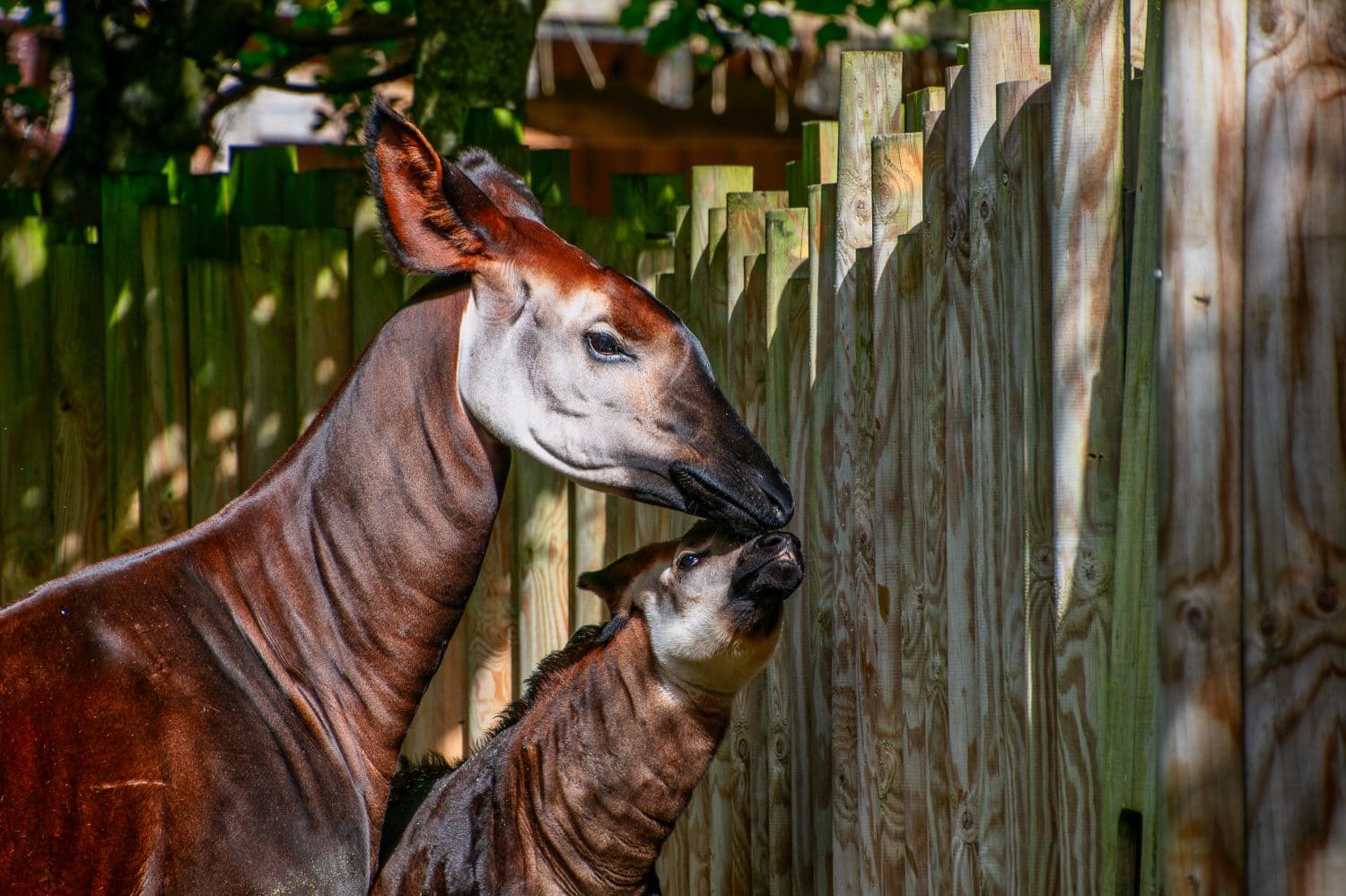
Okapi calves stay close to their mothers for the first year or two of life.
©Craig Russell/Shutterstock.com
Found only in the dense rainforests of the Democratic Republic of Congo, okapi are among the world’s most elusive animals. Solitary by nature, they have evolved many remarkable adaptations to stay hidden from predators — mainly leopards and humans. Males mark their territories using scent glands located between their toes, while their unusually quiet behavior helps them avoid detection. “Okapi communicate through infrasound, which is a frequency typically below the range of human hearing,” explains Jung. This allows them to communicate during mating or while raising calves without alerting predators.
Okapi mothers have also developed extraordinary strategies to protect their young. After a 14-month gestation period, females give birth to a single calf, which they carefully hide in a secluded ‘nest’ for the first several months. Because adult okapi spend long hours foraging, this nesting behavior helps keep calves safe and out of sight. “Interestingly, okapi milk is so efficient that calves don’t defecate for the first several weeks of life,” Jung explains. “This helps prevent predators from finding the calves when they are most vulnerable.”
How Okapi Keep the Rainforest Alive
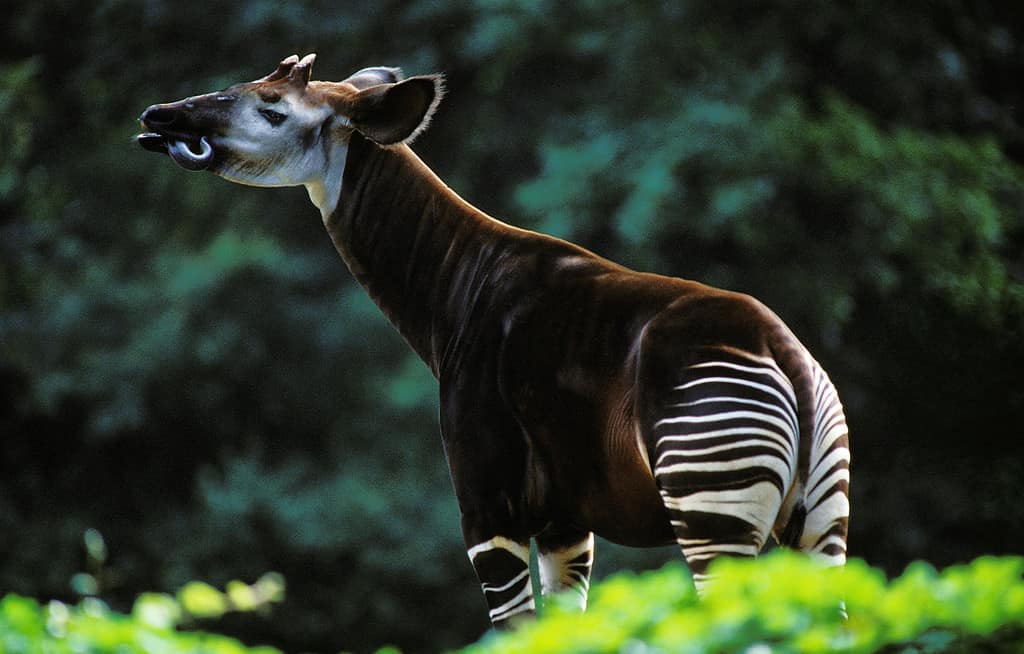
Okapi eat around 40 to 65 pounds of food each day.
©slowmotiongli/ via Getty Images
Sadly, okapi are considered an Endangered Species on the IUCN Red List. As a keystone species, okapi play a vital role in maintaining the health of their ecosystem. Protecting their vast rainforest territories also safeguards countless other species. These include forest elephants, chimpanzees, bongo antelope, forest buffalo, and hundreds of bird and insect species.
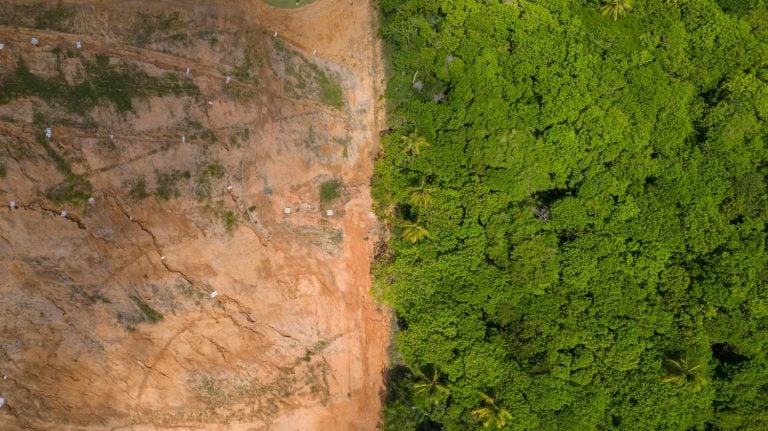
All of these species depend on the same fragile rainforest habitat as the okapi. Unfortunately, these forests increasingly face threats from human activity, including poaching, urban expansion, slash-and-burn agriculture, and mining for gold, diamonds, and coltan for cellphones and other electronics. Ongoing civil unrest adds further strain, making okapi conservation both urgent and complex.
Fun fact: their tongues are so long they can lick their own eyelids and ears to groom themselves.
Carrie Jung, Brookfield Zoo’s lead animal specialist for ungulates
How Brookfield Zoo Is Shaping Okapi Conservation
JP is a male okapi who lives at Brookfield Zoo.
©Courtesy of Brookfield Zoo Chicago
Since welcoming its first okapi in 1955, Brookfield Zoo in Chicago has been a leader in both hands-on animal care and global conservation. “Brookfield Zoo Chicago has been home to 54 okapi since they first arrived in 1955,” Jung says. “It has also successfully raised 24 okapi calves, including the very first successful okapi birth in North America in 1959.” These breeding programs are vital to the species’ survival as wild populations continue to decline drastically. Insights gained from observing okapi mothers and calves at the zoo have deepened scientific understanding of their relationships and development, and have contributed to the development of successful husbandry methods for okapi.
Jung told A-Z Animals that former director Dr. George Rabb and his colleagues were instrumental in advancing okapi conservation, spearheading the first-ever Species Survival Plan (SSP) for okapi in 1982 and guiding its management from the start. The Okapi SSP manages breeding, genetic diversity, and demographic stability for the species across North America and has contributed significantly to the healthy, self-sustaining population under human care. The zoo’s leadership also extended to the creation of the Association of Zoos and Aquariums’ (AZA) Okapi Husbandry Manual, the definitive guide for the species’ care in captivity. The zoo’s staff continues to help update this manual, sharing their expertise on everything from nutrition and health to habitat design.
Brookfield Zoo is also strongly connected to the Okapi Wildlife Reserve in the Democratic Republic of Congo. “The Okapi Wildlife Reserve, managed by the Okapi Conservation Project, is home to 101 mammal species — including the largest populations of forest elephants and chimpanzees in the DRC — along with primates, leopards, forest buffalo, bongo antelope, water chevrotain, 376 documented bird species, and countless insects,” says Jung.
By nurturing okapi and supporting conservation efforts abroad, Brookfield Zoo Chicago helps safeguard both the species and the rainforest ecosystems they depend on. As threats to wildlife continue to grow, the zoo demonstrates that proactive science, global collaboration, and thoughtful innovation can make a real difference for these extraordinary animals.