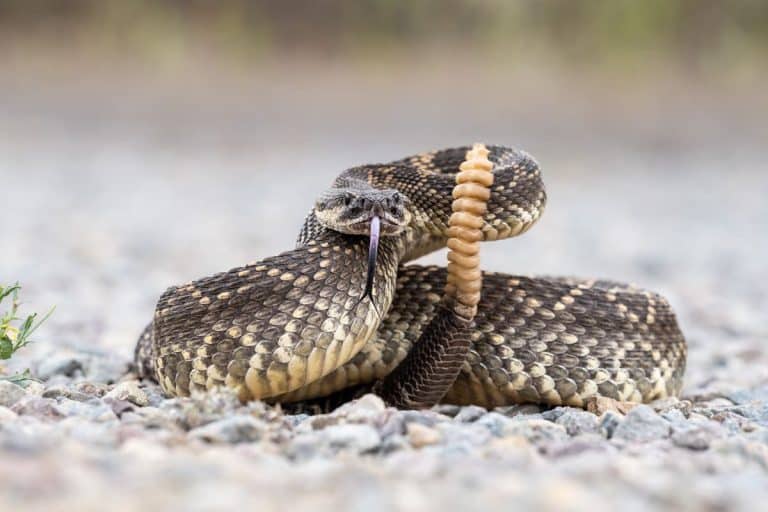
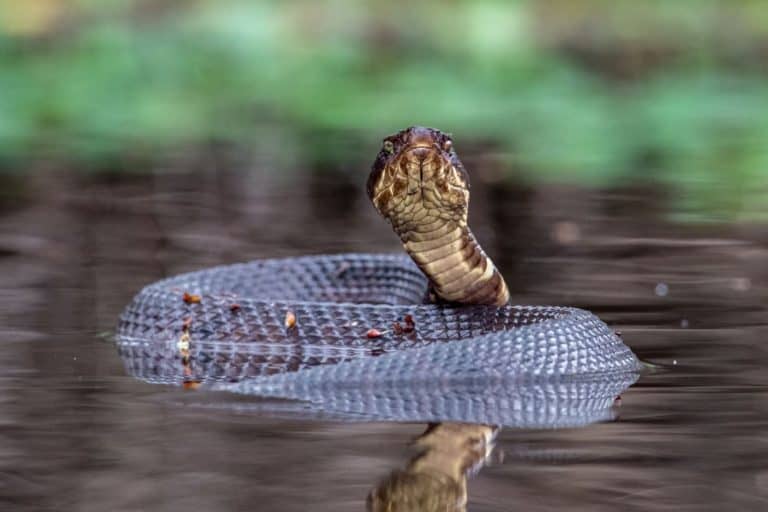
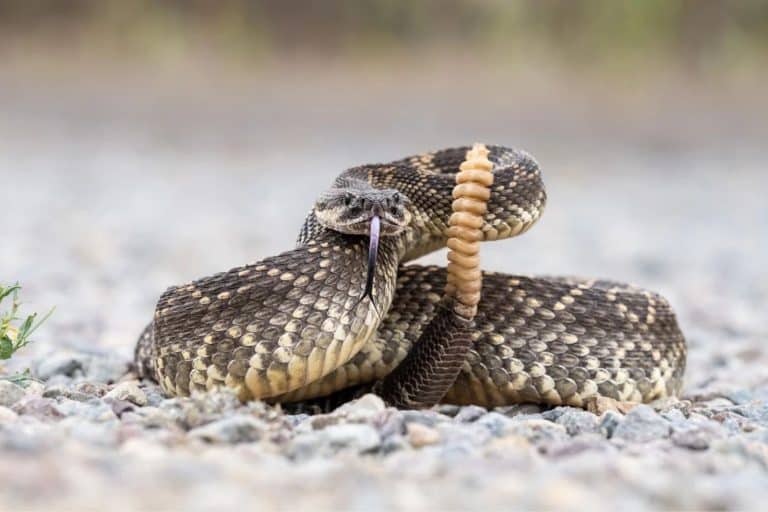
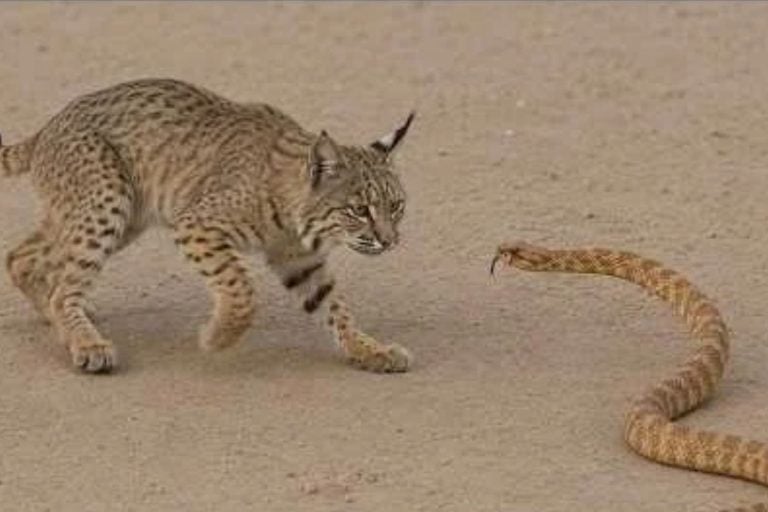
There are dozens of snake species in Florida. The type of snake people encounter depends on the habitat nearby. Florida is home to both massive, invasive snakes and small, yet deadly, species. Living in Florida means there is a greater likelihood of being bitten by a venomous snake than in most other states, as statistics have proven. Fortunately, most who are bitten survive, given the high number of hospitals in the state that carry antivenom. However, most bite victims experience significant pain, as 63% of snakebites in Florida affect the hand or finger.
Nearly 63% Of Those Bitten By Snakes In Florida Were Bitten On The Hand And/Or Finger
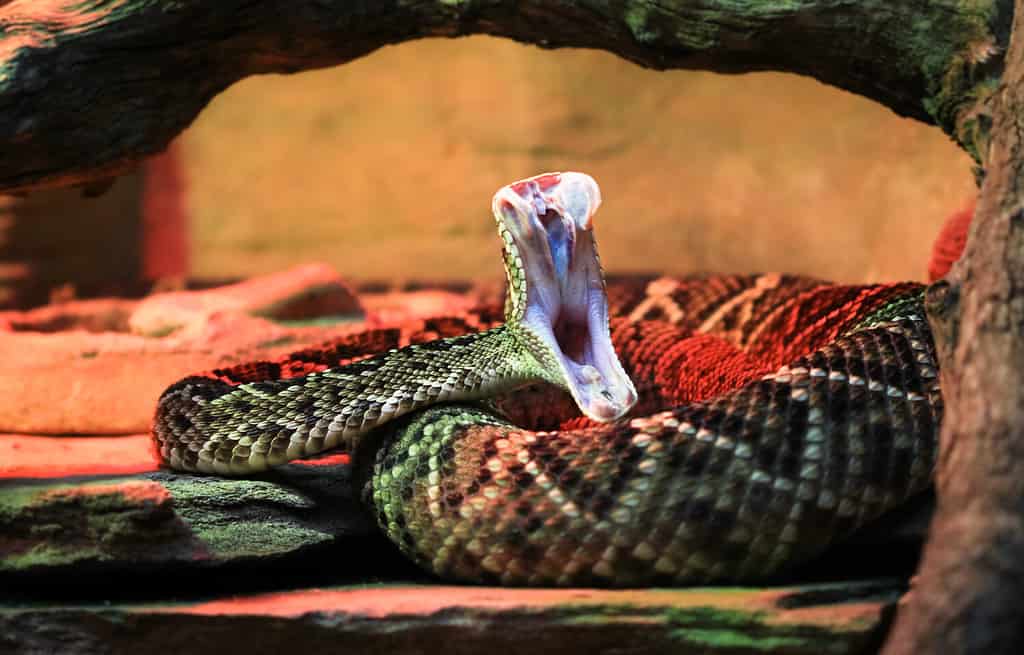
The hand and fingers far exceed other body parts snakes strike when biting victims.
©Kevin Wells Photography/Shutterstock.com
Snakes get a lot of attention in Florida. From the python hunts in the Everglades to the non-native species wreaking havoc in the state, such as the common boa and the yellow anaconda, snakes are widespread throughout the state. However, it is not these non-native snakes that pose the greatest threat to people. The real danger comes from venomous species.
According to a recent study published in Transactions of the Royal Society of Tropical Medicine & Hygiene, the population of venomous snakes over the last two decades (2002 to 2022) has shown a preference for one area of the body to bite over others. The data show that nearly 63% of bite victims in Florida were bitten on the hand or finger. While there are specific reasons for this general occurrence, it is interesting to note that other areas of the body are far less frequently targeted. The percentage of venomous snakebites that occur on each part of the body in Florida includes:
| Body Part Bitten By A Venomous Snake | Percentage Of Time Body Part Is Bitten By A Venomous Snake |
| Hand or finger | 62.7% |
| Foot or toe | 28.4% |
| Leg | 6.6% |
| Arm | 1.5% |
| Other | 0.8% |
This information indicates that venomous snakes do not randomly bite people. Instead, snakes bite when a body part is within striking range, indicating that people are often too close to venomous snakes.
Those Who Were The Most Likely To Be Bitten Were Men
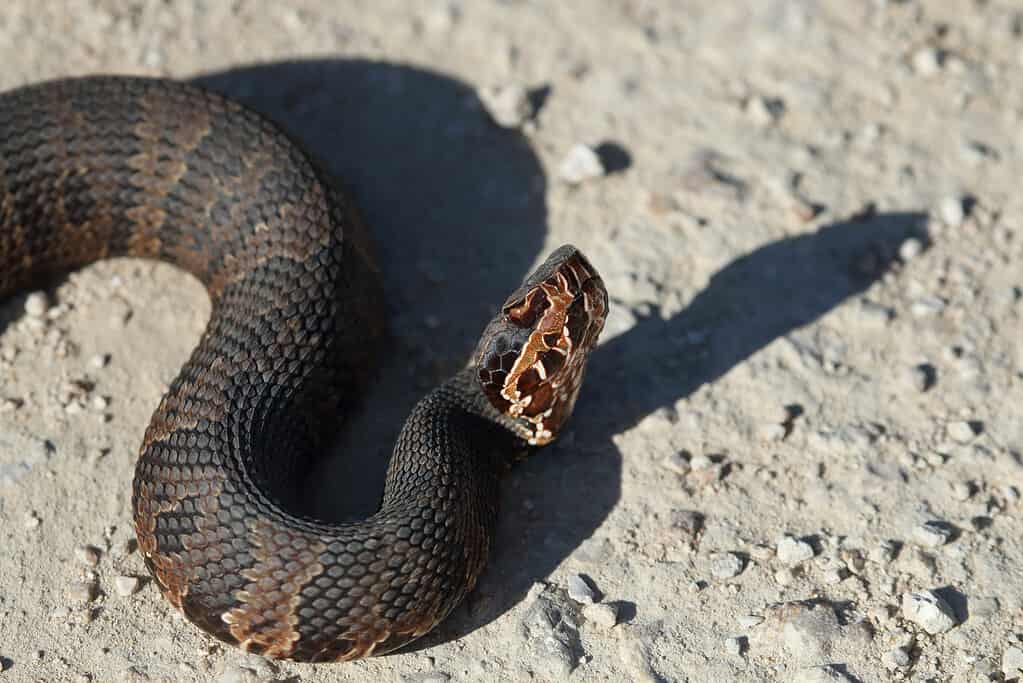
Men were found to be snakebite victims far more often than women in Florida.
©iStock.com/ArendTrent
Risk factors associated with snakebites have long been anecdotally identified through the “T’s of snakebites.” These ‘Ts’ include testosterone, teasing, touching, trucks, tattoos, toothless (poverty), Texas, tequila, teenagers, and tanks.
In a 2019 study published in Trauma Surgery & Acute Care Open, the researchers found that the majority of snakebites occurred in white males between 18 and 44 years old, who were on the lower end of the poverty scale. These males were most often bitten on an upper extremity and lived in the rural South. What is interesting is that, although the 2019 study took place in Texas, the findings for those bitten in Florida are similar. The majority of snakebite victims in Florida were young to middle-aged males living in the rural South.
| Common Factors Found In The Majority Of Florida Snakebite Victims | Percentage Of The Victims In The Study |
| Male | 77.8% |
| 21 to 65 years old | 64.9% |
| Alachua County | 19% |
While race and intoxication status were not included in the study, the majority were also bitten on an upper extremity. Consequently, a trend has been identified among the majority of snakebite victims, which suggests that there may be a way to decrease the number of victims. This suggests that victims should avoid intentionally putting themselves in dangerous situations.
The Majority Of Those Bitten Put Themselves In Harm’s Way

Bites do not occur because venomous snakes stalk people. Instead, most bites happen when people bother venomous snakes, causing the snakes to defend themselves.
©Jay Ondreicka/Shutterstock.com
Snakes do not go out of their way to attack people. In fact, they generally avoid human contact. According to the study, the majority of those bitten by snakes in Florida were bitten because they were “intentionally handling or harassing a wild snake.” This means that snakes were defending themselves in situations where they felt threatened.
The breakdown of the situations in which people were bitten by venomous snakes in Florida include:
| Reason People Were Bitten By Snakes | Percentage Of People In The Study |
| Intentionally Handling A Snake In The Wild | 33.5% |
| Walking/Passing By A Snake | 23.4% |
| Unspecified | 14.39% |
| Accidentally Grabbing A Snake | 13.4% |
| Accidentally Stepping On A Snake | 7.9% |
| Other | 5.8% |
| Intentionally Handling A Snake In Captivity | 1.6% |
If people left snakes alone in the wild, the number of snakebites in Florida would decrease significantly. Given that the bite rate is rising, giving snakes a wide berth is an easy way to reduce the number of bite victims across the state.
Snakebites In Florida Are On The Rise
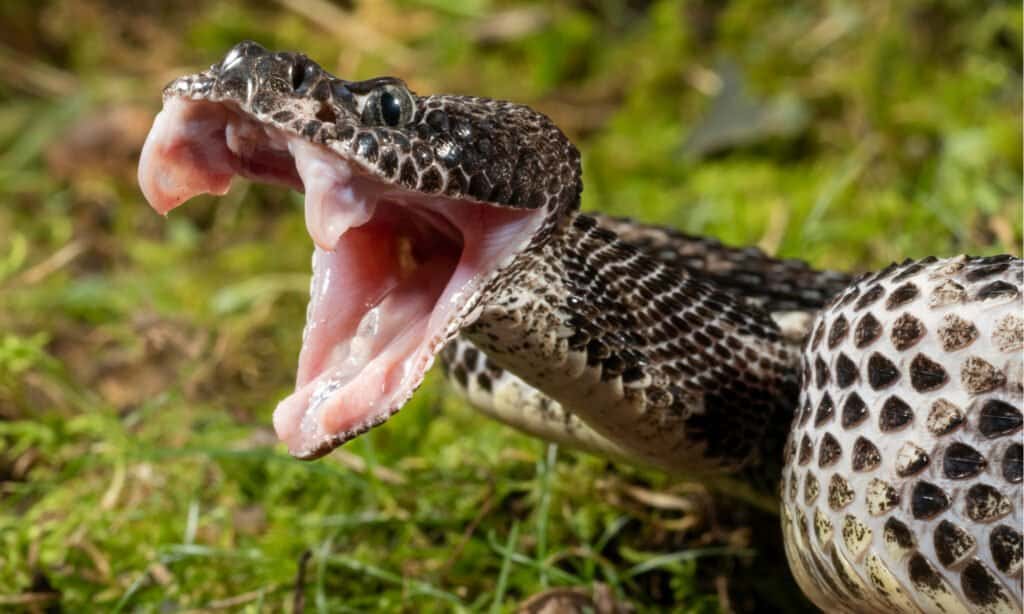
Snakebites in Florida are on the rise as people live closer to snakes’ natural habitats.
©Joe McDonald/Shutterstock.com
Florida may not be the snakebite capital of the United States (that title goes to Texas), but the number of snakebites in the Sunshine State is on the rise. As a result, during the warmer months, emergency personnel are responding to more snakebite emergencies than ever before. According to Lt. Chris Pecori of the Miami-Dade Venom Response Team, snakebites have increased exponentially in the areas the Venom Response Team covers, which include Broward and Palm Beach counties. Where there used to be two snakebites per month, the number has nearly doubled.
“We actually had a significant increase,” Pecori explains to the Sun Sentinel. “We usually average two bites a month. In 2020, there were a total of 27 bites. In 2021, it was 27. In 2022, it was 25, and this year I’ve had 42 bites. So I am up.”
The snakebite increase has also been reflected in the number of calls the poison control centers in Florida have received. Operators had previously contended with an average of 300 snakebite calls per year. The most recent information from 2024 indicates that the number of calls increased to 322 for snakebites.
Why is the number of snakebites increasing? According to Pecori, it has to do with developers expanding into areas of Florida where there were previously only wetlands, not housing developments.
“We’re expanding so far west, into our Everglades,” Pecori tells the Sun Sentinel. “I see cottonmouth bites mostly in Southwest Broward and Northwest Dade, in the areas where developers have expanded into swampy Everglades regions.”
While snakebites are up in some areas more than others in Florida, it is important to know which snakes are venomous and what to do if bitten by one.
What To Do If Bitten By A Venomous Snake
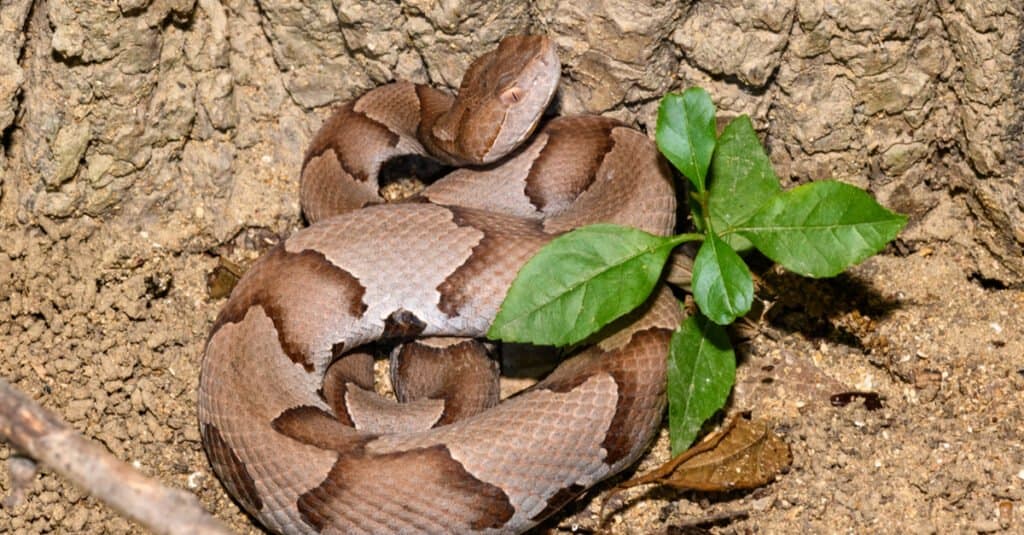
There are six venomous snakes in Florida to be aware of. If bitten, seek medical attention immediately.
©Jeff W. Jarrett/Shutterstock.com
Florida has a large population of snakes. There are 46 that are indigenous to the state. Fortunately, most of those snakes are non-venomous. However, venomous snakes can be deadly in some cases, requiring immediate emergency attention and antivenom to prevent serious injury or death.
The six venomous snakes in Florida include:
- Florida Cottonmouth
- Eastern Diamondback Rattlesnake
- Harlequin Coralsnake
- Eastern Copperhead (found only in the western Panhandle)
- Pygmy Rattlesnake
- Timber Rattlesnake (limited to northern Florida)
If you are bitten or suspect you have been bitten by one of these snakes, it is crucial to seek medical attention immediately. In addition to calling 9-1-1, the following steps should be taken:
- Move away from the offending snake
- Immobilize the bite area
- Remove jewelry near the bite area
- Wash the snakebite with soap and water
- Note the time the bite happened
There are old wives’ tales suggesting the use of a tourniquet, cutting and sucking the bite, or applying electric shock. None of these methods work; instead, they can cause infection, worsen the victim’s condition, and delay proper medical treatment. Therefore, it is recommended to rely on antivenom to avoid becoming one of the few who do not survive venomous snakebites in Florida. Remember, time is of the essence. The sooner the antivenom is received, the better the outcome for those who experienced a snake encounter they will not soon forget.