
Quick Take
- The animal responsible for the most human deaths each year isn't a predator you'd ever think to fear, and it's likely near you right now. Meet the top killer →
- One creature on this list has a kill count that dwarfs lions, sharks, and wolves combined, and most people consider it to be completely harmless. See mosquito death tolls →
- Sharks top most people's list of nature's deadliest killers, but their actual ranking will genuinely surprise you. See sharks' true ranking →
- One entry on this deadly list isn't an animal in the traditional sense, a fact that reframes everything we think we know about human vulnerability. Discover the surprising entry →
Danger in the animal kingdom wears many faces. From the tiniest insects to massive mammals, certain species claim thousands of human lives each year, sometimes in ways that confound expectations or simply unfold with devastating speed.
Unseen Killers: The Deadliest Creatures Are Often Small
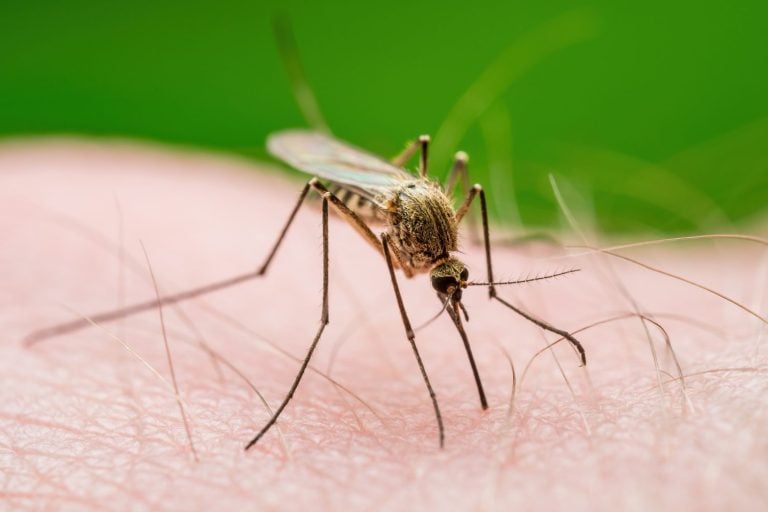
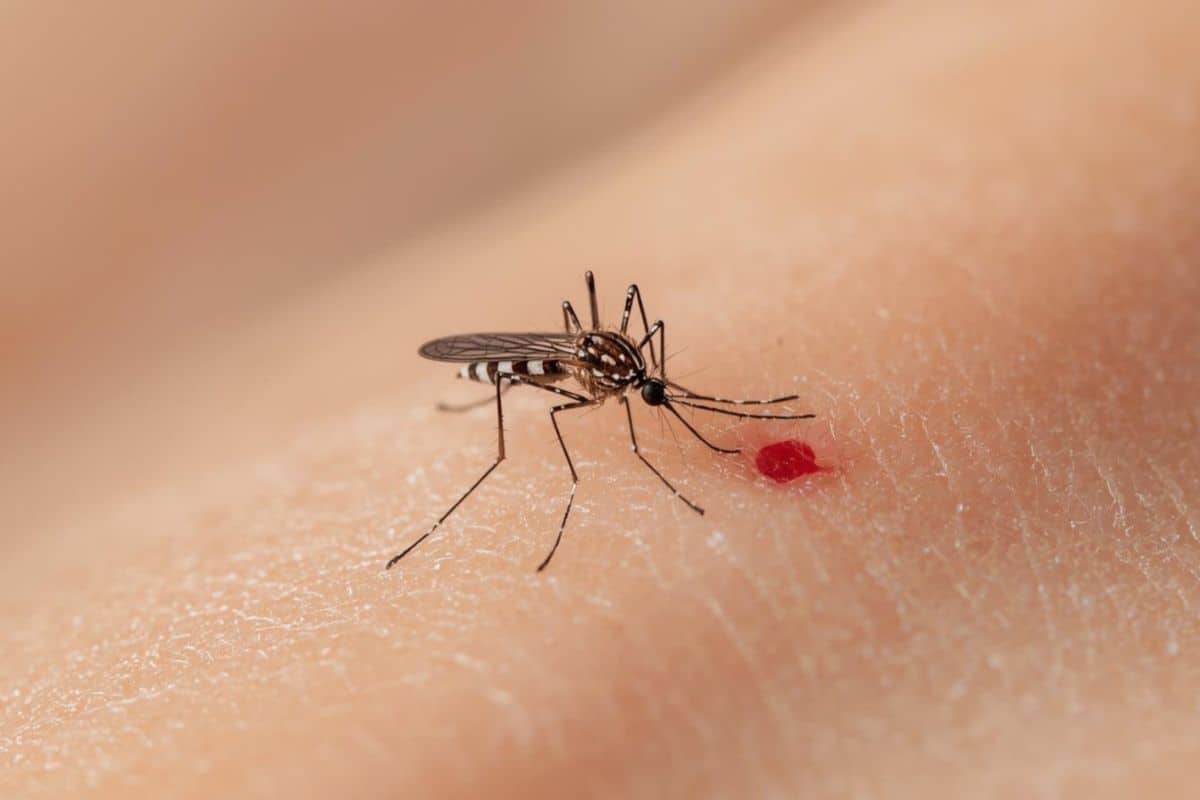
Surprisingly, the world’s most dangerous animal is not a hulking predator but the mosquito. Each year, mosquitoes are responsible for an estimated 725,000 deaths worldwide. Children in sub-Saharan Africa, where malaria remains prevalent, bear the brunt of this toll. A single species, Aedes aegypti, is particularly infamous for its resistance to insecticides and its role in spreading diseases like yellow fever, dengue, and Zika. Public health campaigns have tried to rein in their impact, but controlling their spread remains a constant challenge.
An even more unexpected contender holds the second spot: humans themselves. Experts point to human activities, overexploitation of resources, deforestation, pollution, and climate change, as drivers of a biodiversity crisis. Over the last century, humans are thought to have caused the extinction of 200 vertebrate species. The toll extends to fellow humans, too: more than 475,000 people die each year as a result of actions by others, according to some scientific assessments that have called this moment a sixth mass extinction.
Venom, Infection, and a Race Against Time
Snakes rank as the third deadliest threat. The World Health Organization notes that 200 out of 600 venomous snake species are classified as “medical emergencies.” These snakes’ bites cause between 30,000 and 40,000 deaths annually, often hitting hardest in regions where rapid medical treatment isn’t available. Among the most lethal are the Malayan krait, Malayan pit viper, and several species of cobra. Sometimes, victims die within minutes.
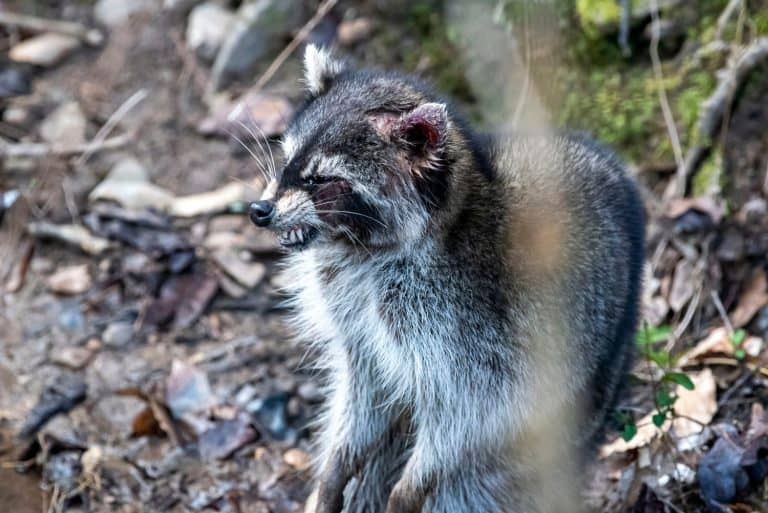
The common dog’s place on this list may surprise many. Rabies, transmitted mostly by dogs in vulnerable areas, still causes about 25,000 deaths each year. Nearly 95% of these are in Africa and Asia, where access to vaccinations and rural health care remains limited. With half the world’s population living in these continents, the challenge is enormous. While rabies accounts for just 1% of deaths from infectious diseases, education and vaccination programs are critical to pushing this death toll lower.
Several insect and parasite species round out the upper ranks. The tsetse fly, native to Africa, transmits the parasite Trypanosoma, causing sleeping sickness, which can kill unless diagnosed and treated early. Congo and the Central African Republic record most fatalities, totaling about 12,000 per year. Meanwhile, assassin bugs (family Reduviidae) spread the parasite Trypanosoma cruzi, responsible for Chagas disease in Latin America, killing between 10,000 and 20,000 annually.
Parasites and Prey: Unlikely Threats in Plain Sight
Freshwater snails may look harmless, but they’re hosts to Schistosoma worms, leading to schistosomiasis, a disease that afflicts more than 200 million people, mostly in Africa. About 10,000 deaths each year are attributed to this infection. Limited sanitation allows the snail and its parasite to thrive. Similarly, the intestinal nematode Ascaris lumbricoides causes ascariasis, a disease especially dangerous for children in tropical climates, and is estimated to kill around 2,500 people per year.
Scorpions have earned their deadly reputation for a reason. Of more than 1,000 venomous species, just 25 are fatal to humans, and most of these belong to the Buthidae family. Still, scorpion stings take roughly 3,250 lives annually. Fast access to treatment is vital for survival.
Large Animals and the Risk They Pose
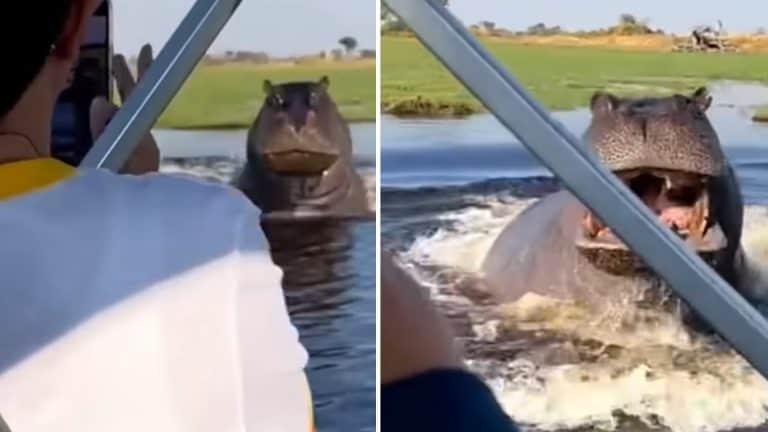
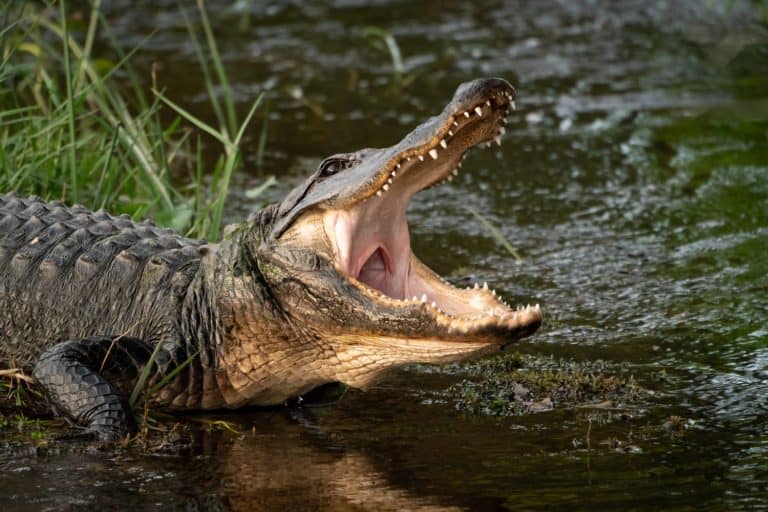
Once the list turns to vertebrates, the dangers become more familiar. Crocodiles, especially the Nile and saltwater varieties, are responsible for about 1,000 deaths a year, although only those measuring longer than 8 feet truly threaten humans. Hippopotamuses, despite their plant-based diet, are remarkably aggressive. They attack boats, trample crops, and are estimated to kill over 500 people each year as human encroachment stokes their territorial reactions.
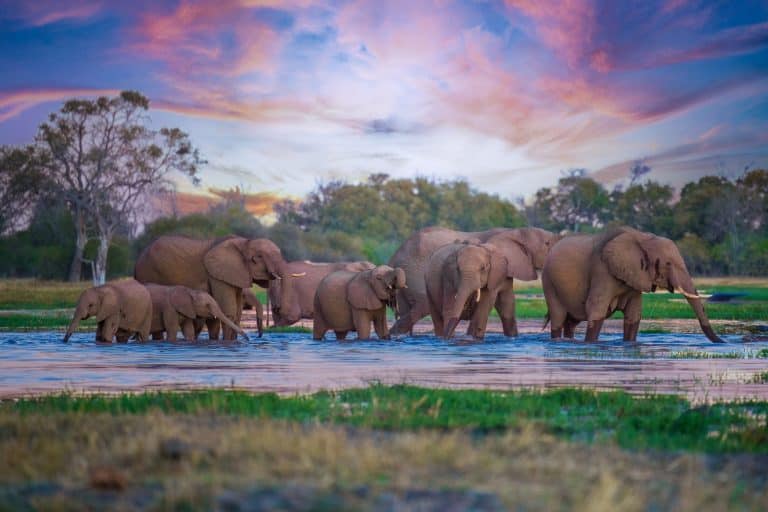
Elephants, revered for their intelligence and sensitivity, can nonetheless become deadly when provoked or startled. Evidence of fatal encounters exists, particularly in Kenya, and these massive animals are estimated to kill about 450 people annually.
Lions, the so-called “kings of the jungle,” also claim lives: about 250 people die each year from lion attacks, usually victims of their powerful charge and deadly bite.
Predators With Mythical Status
Wolves seldom attack humans, preferring to avoid conflict. A notable case in Europe occurred in 2016, when a young man escaped a wolf by climbing a tree. Human fatalities worldwide from wolf attacks number only around ten each year, significantly fewer than commonly feared, and usually linked to habitat disturbance such as deforestation.
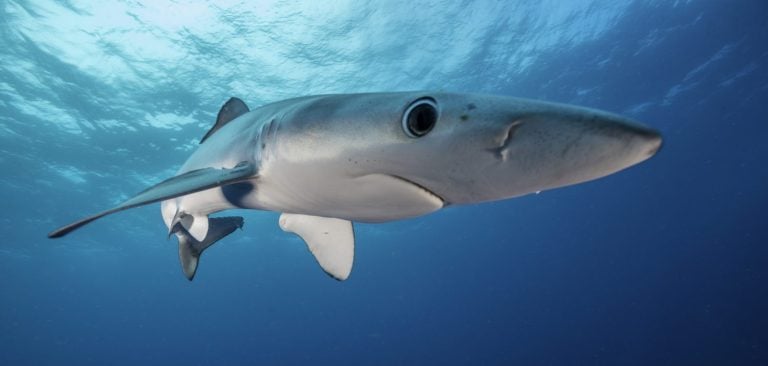
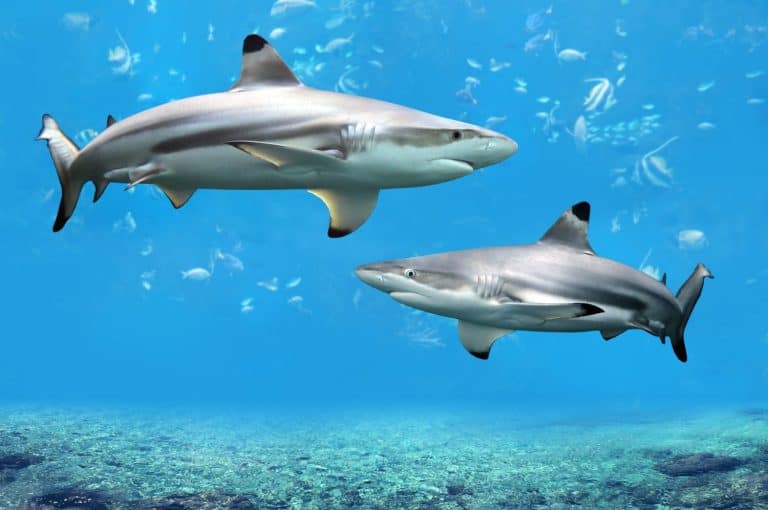
The last spot belongs to one of popular culture’s great villains: the shark. Despite the dramatic headlines, only three species, great white, tiger, and bull sharks, are responsible for fatal attacks on humans. Over the past century, there have been six fatal attacks per year on average, with Australia recording the highest incidents. Despite their fearsome reputation, the actual risk of dying from a shark attack remains exceptionally low.
It’s a sobering perspective: some of the world’s deadliest creatures are virtually invisible, while familiar animals or unseen parasites silently shape mortality on a global scale. Often, the most effective defense is education, sustainable healthcare, and renewed respect for the balance of nature itself.