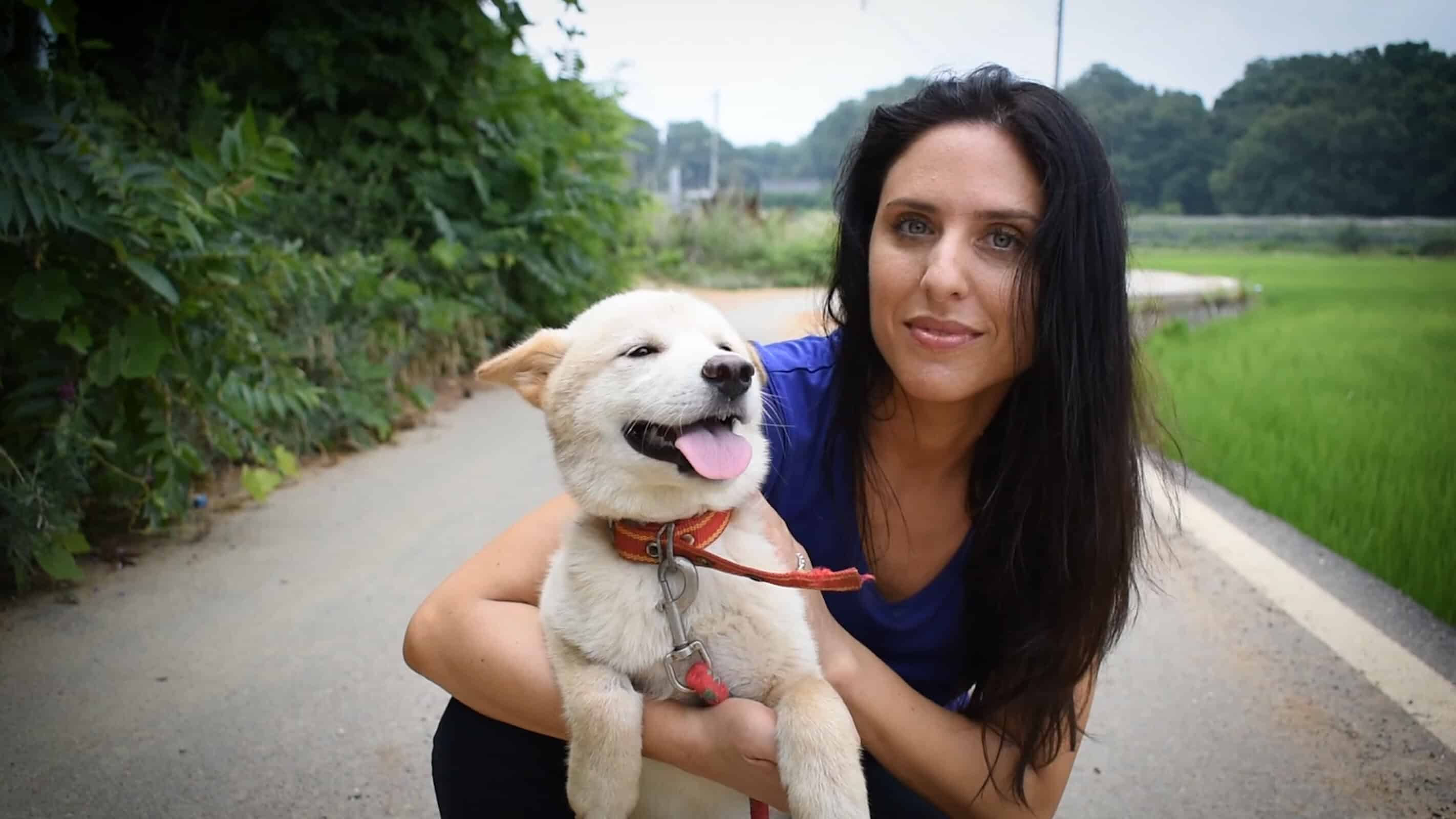

Quick Take
- A seasoned animal advocate watched an octopus and admitted she was still surprised. What did it do?
- One everyday food habit never struck her as a problem, until a single set of images changed her mind.
- The film introduces a word most viewers have never heard, and it may describe a bias you already hold.
- How do you show harsh truths without making audiences look away? The filmmakers made a deliberate choice.
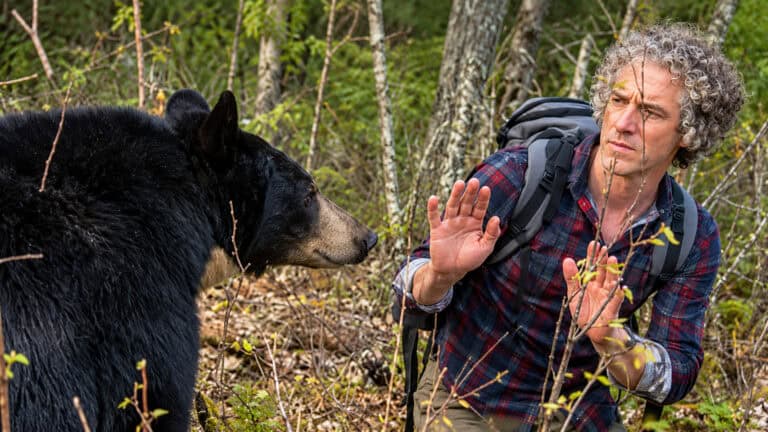
An octopus gathering coconut shells might seem like an unlikely scene to surprise someone who has spent years advocating for animals. But for Nina Jackel, watching one assemble its own hiding place was a reminder that there is always more to learn about the creatures sharing our world.
“I always knew they were smart,” she says. “That’s really clever.”
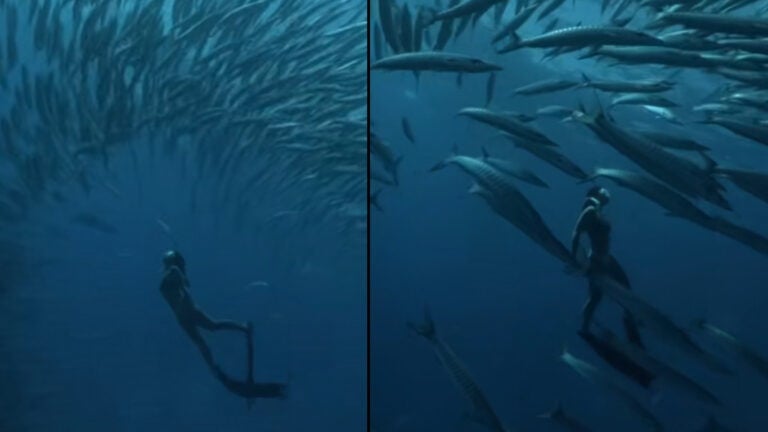
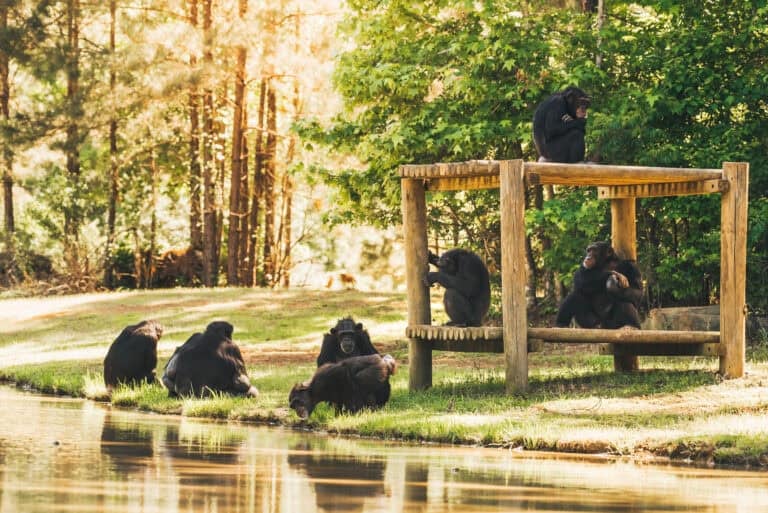
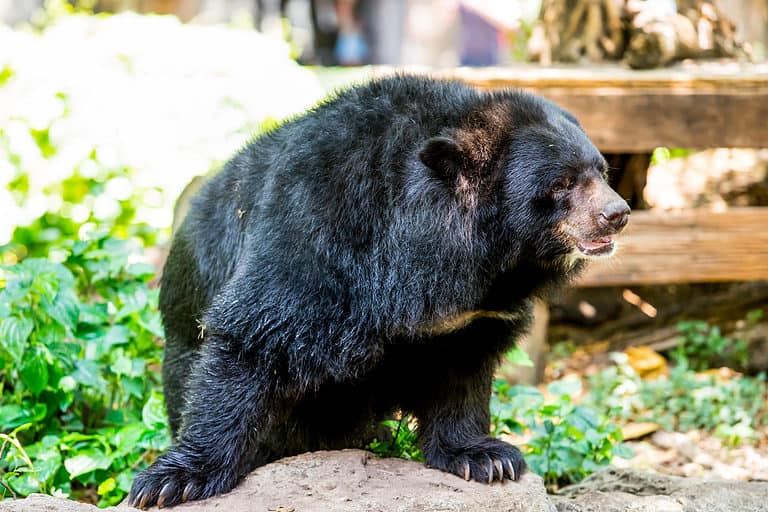
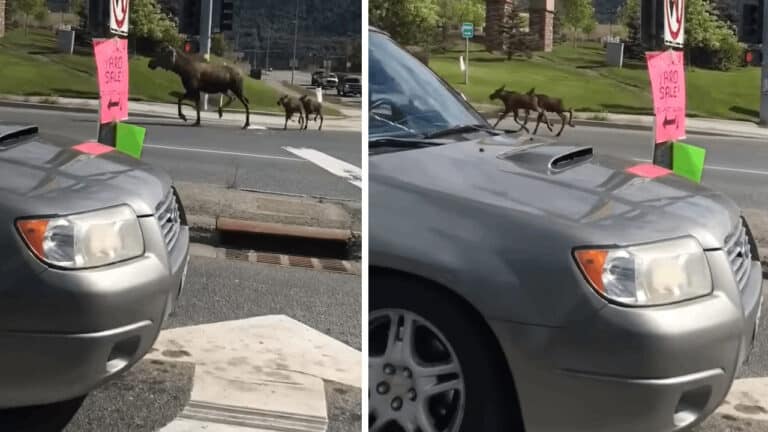
The moment appears in We Are Animals, Jackel’s documentary exploring the connections between humans and other animals, and the uncomfortable questions those connections raise. As the founder of Lady Freethinker, a nonprofit media and animal protection organization, she has spent years working to expose cruelty. With this film, she wanted to give viewers a reason to reconsider animals they might rarely think about.
Jackel began developing the documentary around the start of the pandemic. She had seen how films could shift someone’s perspective by making a hidden reality impossible to ignore. Her starting point was our tendency to regard other animals as fundamentally separate from ourselves.
Recognizing similarities, she believes, makes it harder to dismiss their suffering. The question she hopes viewers will ask is simple: Can we do better?
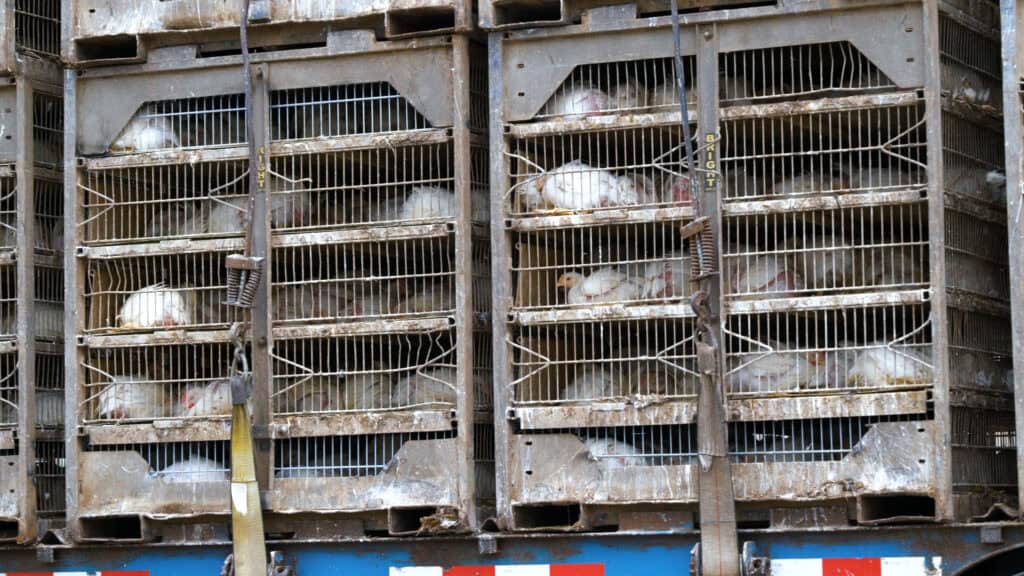
We Are Animals exposes the atrocious conditions factory-farmed animals must live in.
©
That invitation comes with some difficult viewing. The film includes footage and photographs of animal suffering, including scenes involving industrial farming. Jackel says the filmmakers deliberately limited the most distressing material and distributed it throughout the documentary, giving viewers room to absorb what they were seeing.
The challenge was to show enough to make the circumstances clear without overwhelming the audience. Looking away may be understandable, she says, but it also allows the distance between a product and the animal behind it to remain intact.
“It’s just important to recognize what is actually happening to them,” Jackel says.
At the time of the interview, early festival audiences had responded largely positively. She acknowledges, though, that many attendees already supported animal protection. Reaching people who would not ordinarily choose a documentary about animal welfare presents a bigger challenge.
One obstacle, in her experience, is the gap between people’s feelings about cruelty and their understanding of everyday purchases.
“I think people inherently are generally against animal cruelty,” she says. “They don’t want to harm animals.”
I think people inherently are generally against animal cruelty.
Jackel recognizes that disconnect because she once experienced it herself. After she stopped eating meat, she initially saw no reason to question dairy.
“When I stopped eating meat, I never saw any issue with dairy at the time,” she says.
Learning about the separation of cows and calves changed her perspective. In the interview, she describes those images as among the most emotionally difficult parts of confronting the industry. For her, they challenge the reassuring picture of cows grazing in fields while humans simply collect their milk.
The film also introduces a word that may be unfamiliar to viewers: speciesism. The discussion examines how people assign different levels of importance to animals’ lives, often extending greater consideration to some species than others.
Jackel approaches the subject as a dilemma people participate in, including those who care deeply about animals. Ordinary activities can cause harm. Drawing ethical boundaries is rarely straightforward.
Her emphasis is on decisions people can reconsider when alternatives are available. Viewers do not need to resolve every philosophical question before making a change.
That practical approach also shapes her advice for anyone who feels concerned but would never call themselves an activist. Signing petitions gives decision-makers a visible indication that people care, she says. Sharing educational material can help someone else encounter information they would otherwise miss.
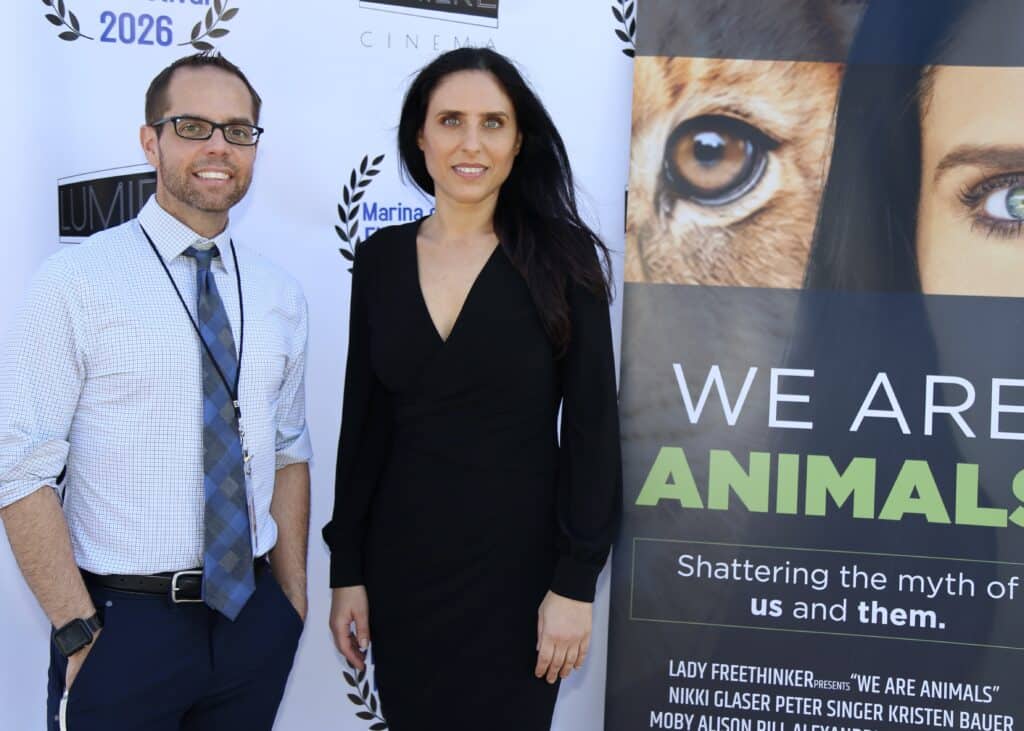
We are Animals director Kirk Murray and Producer Nina Jackel at the film premiere
©
“Awareness is step one, right?” Jackel says.
She understands that the sheer number of animal welfare issues can feel overwhelming. Learning more, in her view, helps people make choices that better reflect their own values.
For all the difficult material involved in making the documentary, Jackel found encouragement in the people who contributed to it. Advocates and scientists brought different experiences to the project. Their willingness to engage reinforced her belief that concern for animals reaches beyond any single organization or movement.
She also sees a starting point in the affection people already feel for their pets.
“People are most affected by the animals they know,” she says.
The hope behind We Are Animals is that this concern can extend further, toward animals whose lives unfold outside our homes and beyond our view. Jackel expects that change to take time. She nevertheless remains optimistic about the people she is trying to reach.
“I do believe in the goodness of humans as a whole.”
Watch the complete interview with Nina Jackel in the video above or click here. Learn more about Lady Freethinker at ladyfreethinker.org.