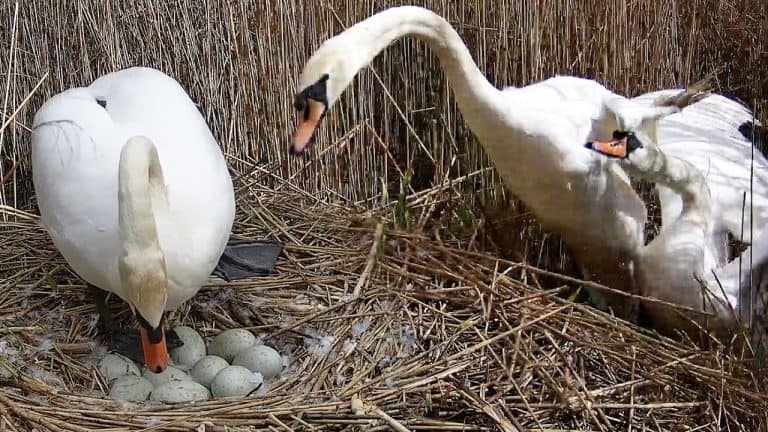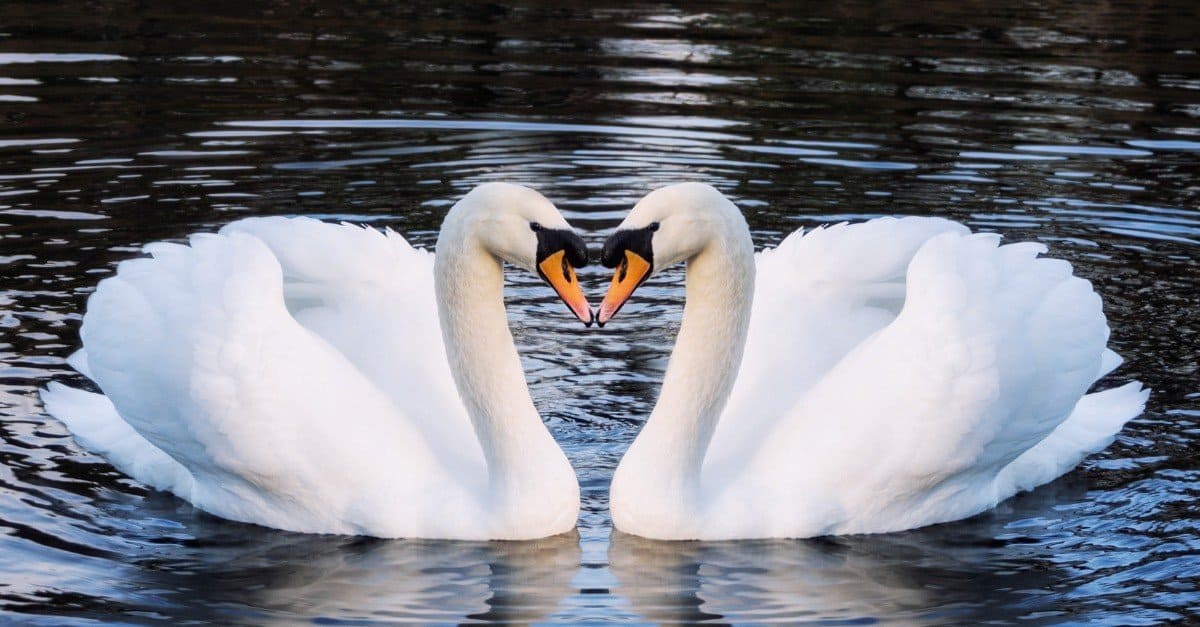

In a recent viral video, a pair of swans captured hearts around the world after being reunited following a brief separation. The emotional moment, which initially brought joy to visitors at a local nature reserve, has since touched millions online. One of the swans had been taken to a wildlife rehabilitation center for treatment, temporarily leaving its mate behind. The moment they see each other fills you will feel such love and joy. It really demonstrates the bond that swans have with one another.
About the Reunion
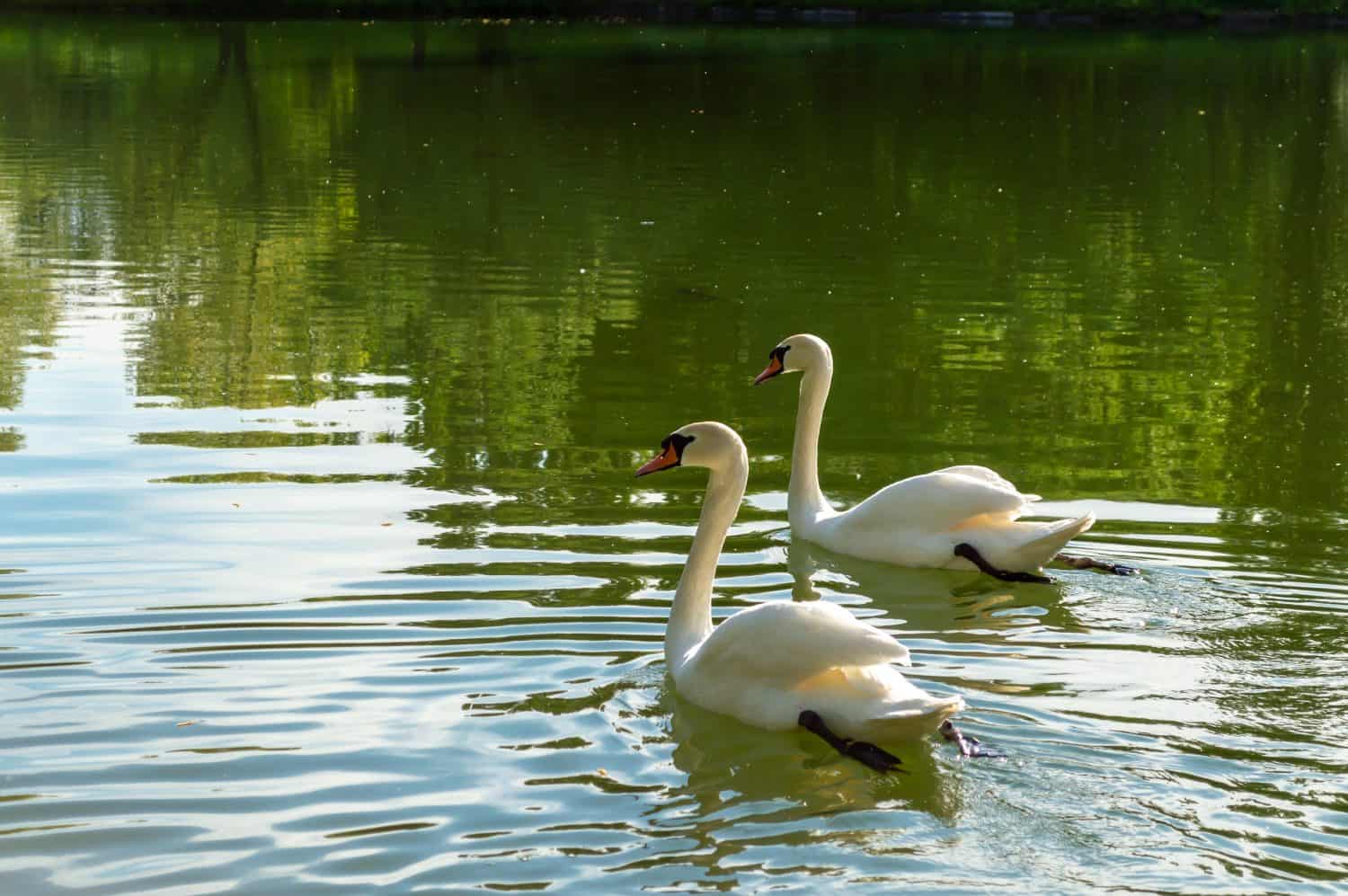
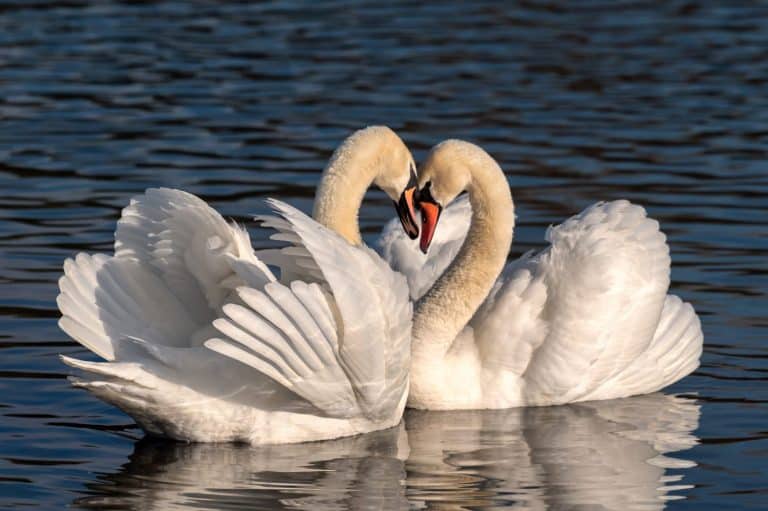
Swans recognize their mates, offspring, and familiar neighbors by calls and subtle body language.
©Alexandr Macovetchi/Shutterstock.com
Witnesses describe the scene as the separated swan approached its partner with a series of soft calls. A few tentative steps brought them side by side once again, showcasing the strong bond that swans are known for. The video shows the swans seeing each other and making a mad dash to be together. They stood face to face, expanding their wings and wiggling in joy. Then they start bobbing their heads almost in unison.
These magnificent birds form lifelong bonds, and their reunion was a testament to the emotional depth of their relationships. Swans have a remarkable ability to recognize each other through specific calls and nuanced body language, even after extended periods apart.
Swan Bonding
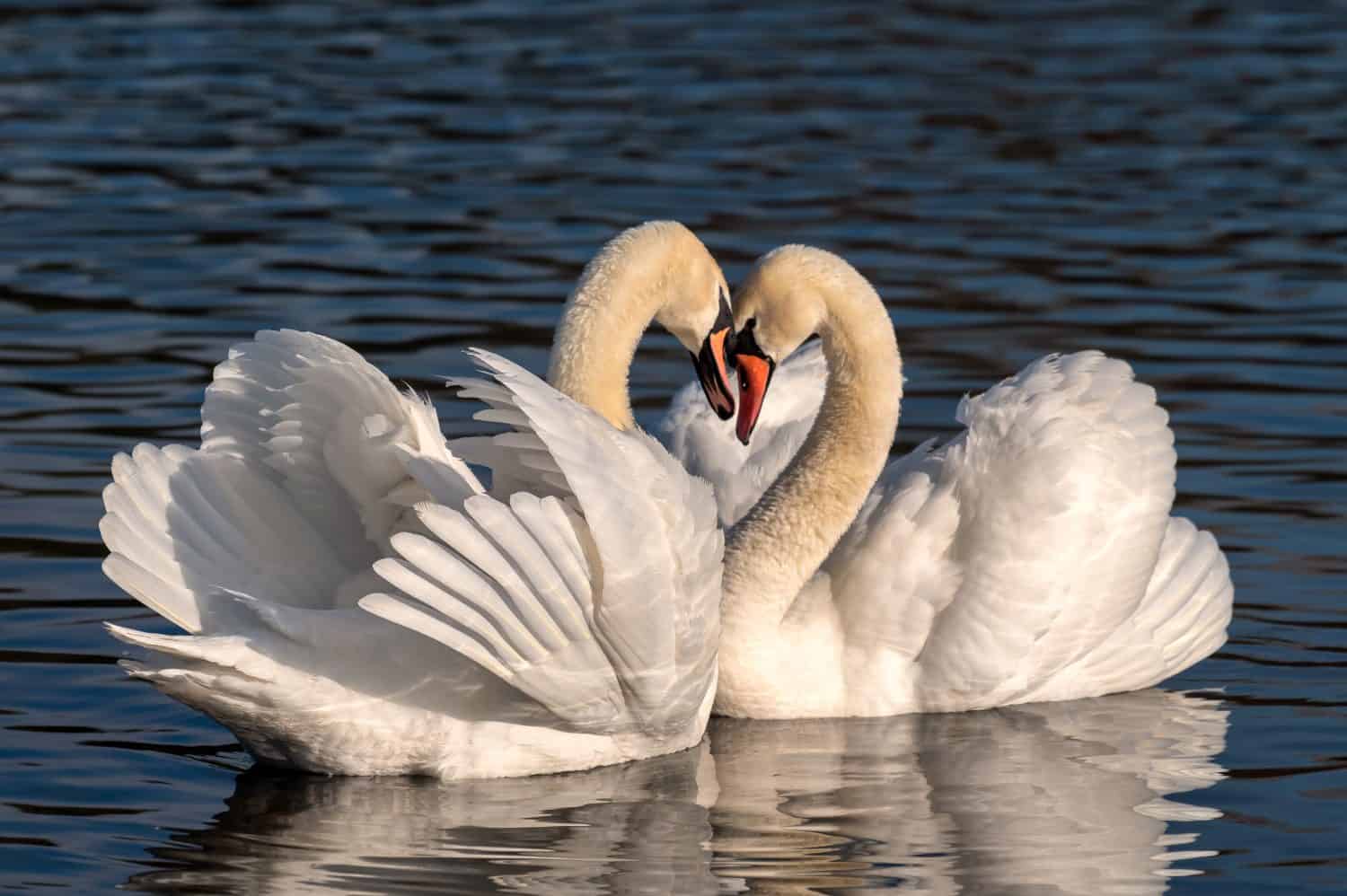
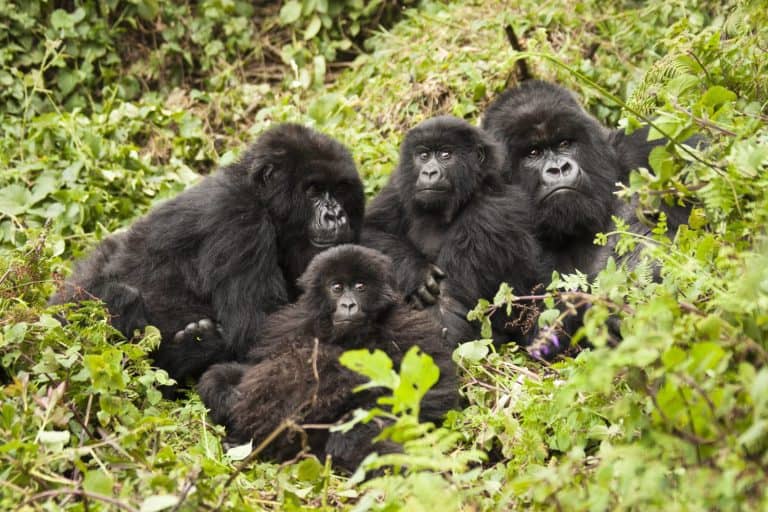
Swans in love evoke a powerful symbol of devotion, grace, and enduring partnership.
©oliver magritzer/Shutterstock.com
Swans are known for forming lifelong bonds. They are, in fact, monogamous. They often choose a single partner to share their lives with. This dedication to a lifelong partnership is evident in their behaviors and interactions, which extend far beyond mere reproduction.
Swans engage in a variety of rituals and social behaviors that reinforce their connections. For instance, they are famous for their graceful courtship displays, which often involve synchronized swimming, head bobbing, and elegant posturing. These displays not only attract mates but also serve to strengthen the emotional ties between partners, reinforcing their bond through shared experiences.
The Family Unit
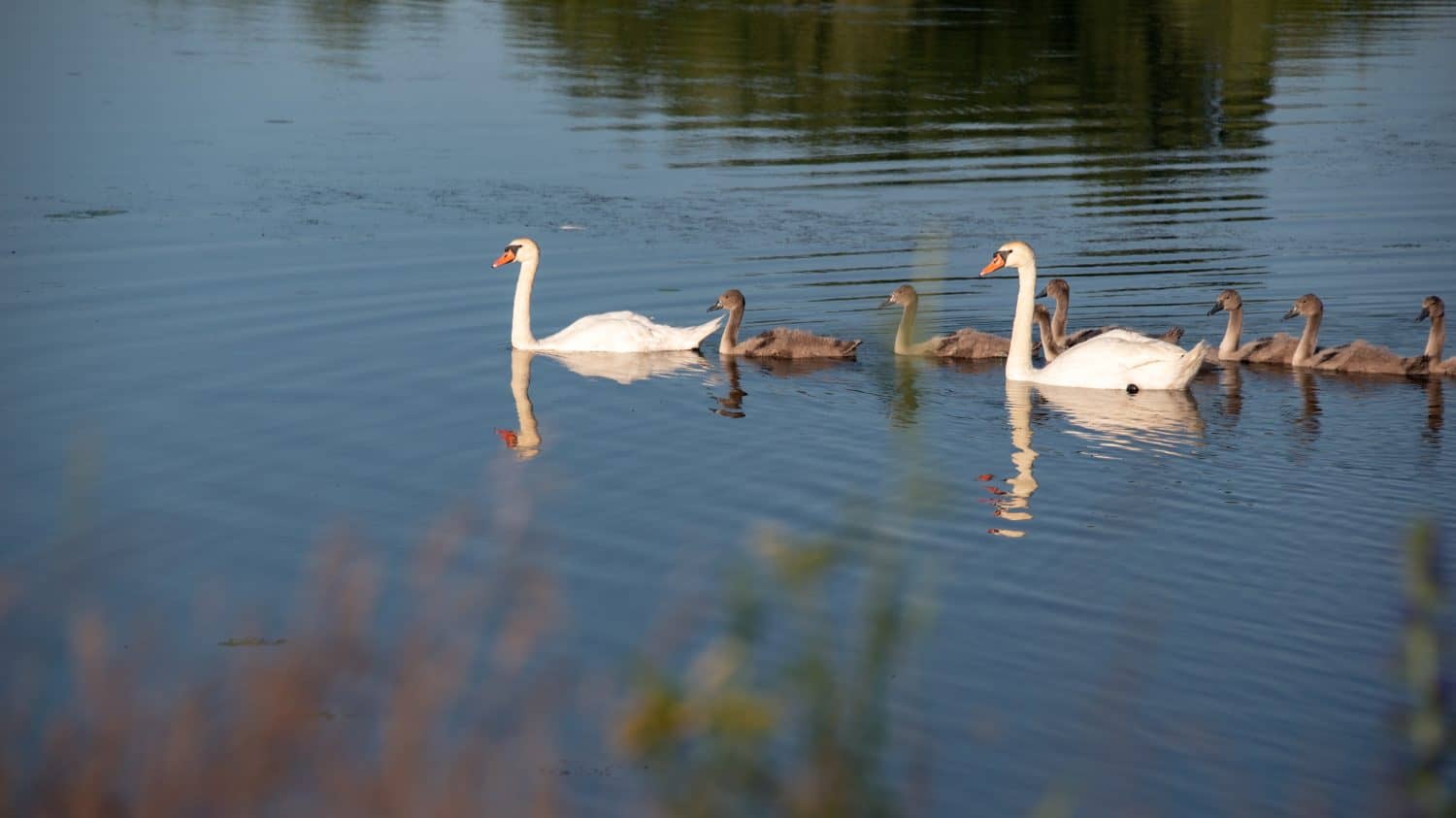
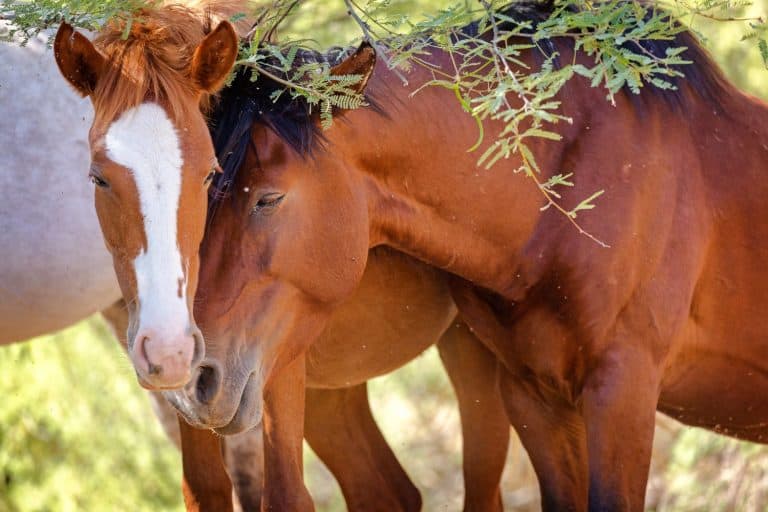
Swans are great at co-parenting, displaying cooperation, communication, and shared responsibility.
©beholding333/Shutterstock.com
Swans form a bond, and the newly paired swans embark on the journey of establishing their own territory. This new territory serves as a safe haven for nesting and raising their young, perpetuating the cycle of love and commitment that defines swan relationships.
Once their cygnets, or young swans, hatch, both parents are actively involved in their upbringing. They take turns protecting and guiding their young, teaching them essential survival skills and ensuring they are well-fed and safe. This shared responsibility is vital for the survival of the offspring, and it further exemplifies the strength of the bond between the adult swans.
Cygnets typically remain within a flock until they reach adulthood at around four years of age. Once mature, they begin searching for a mate, often choosing a partner from within their existing flock. Together, the newly bonded pair sets off to establish their own territory where they can nest and eventually raise young.
After Loss
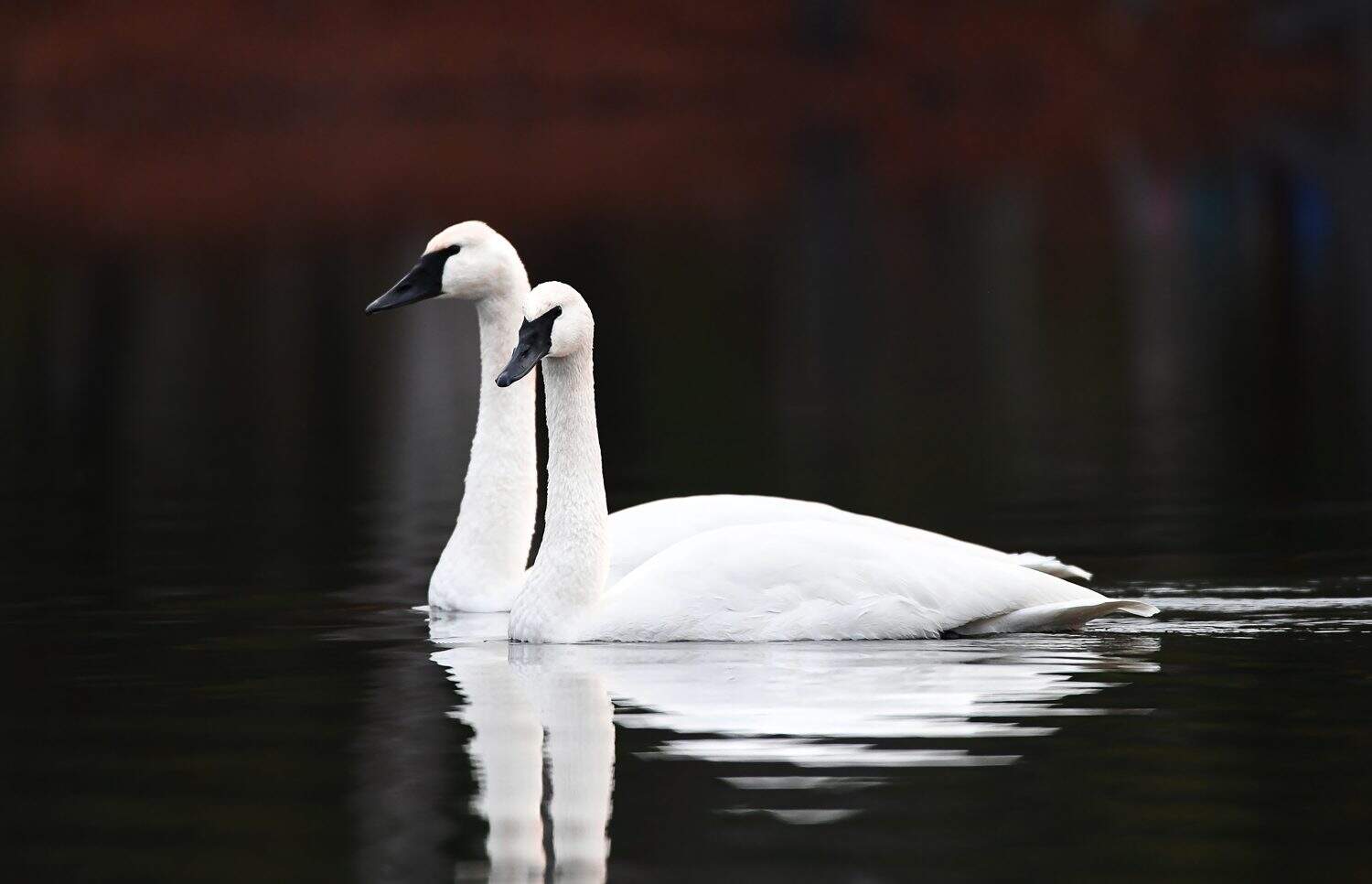
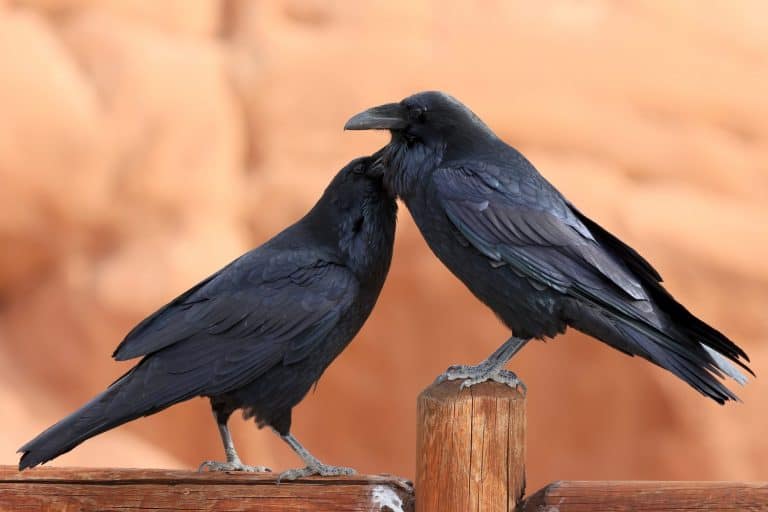
Swans experience grief when they lose a partner, often displaying emotional distress and mourning.
©Miranda Brunette/Shutterstock.com
If a swan loses its mate, the impact is profound. The surviving swan typically undergoes a period of mourning, displaying signs of grief similar to those seen in humans. They become withdrawn, lose their appetite, or wander aimlessly. After this period, the swan may choose one of several paths. Some remain alone in their familiar territory, living quietly without seeking a new partner. Others may leave and find a new stretch of water, where the possibility of attracting a new mate arises. In some cases, the swan may rejoin a flock, integrating back into a more social environment before forming a new pair bond…if ever.
While not every swan will choose to mate again, many eventually do. Still, the strength of their original bond and the depth of the grief that follows its loss speak to the emotional lives these birds lead. Their relationships offer a striking reminder that love, loyalty, and even loss are not uniquely human experiences.
Conclusion
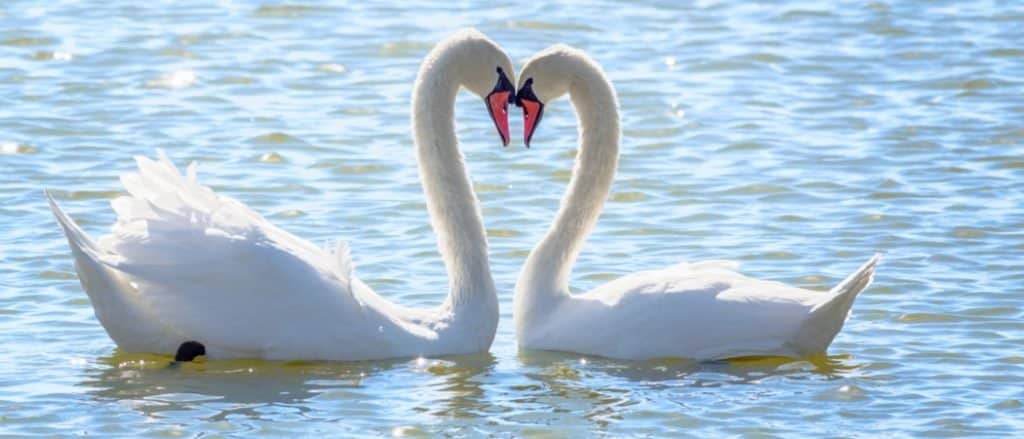
A swan’s love story is a sweet one, graceful, enduring, and filled with quiet devotion.
©Dark_Side/Shutterstock.com
The reunion of this swan pair is more than just a touching moment captured on video; it’s a powerful reflection of loyalty, resilience, and emotional connection in the animal world. From their lifelong partnerships and nurturing family dynamics to the way they grieve and heal after loss, swans remind us that love is universal. Their story has resonated so deeply because it speaks to something timeless: it is the joy of reunion, the pain of separation, and the quiet strength of enduring bonds. Ultimately, the story of these swans is a testament to the power of love in its many forms.