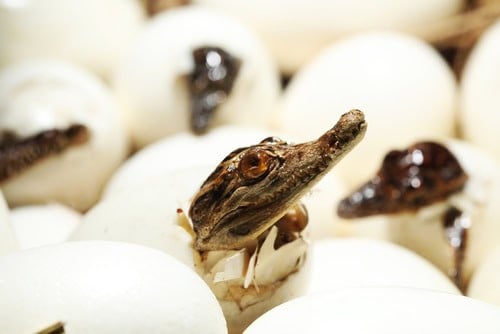

Quick Take
- The Siamese crocodile was saved from extinction thanks to conservation groups and Indigenous people working together in Laos.
- The Xe Champhone Ramsar site has become the home of the largest population of Siamese crocodiles.
- Siamese crocodiles were only saved from total extinction decades ago thanks to protection by Indigenous peoples in Southeast Asia.
- Siamese crocodiles are head-started as part of their release program to give them the best chances of survival.
Every day, up to 200 species go extinct. Some of these animals have been threatened with extinction for years, while others have never been discovered. Unfortunately, as the planet continues to change and habitats are threatened, this is a trend that does not appear to be changing.
There is a glimmer of hope that not all is lost, however. A rare crocodile has rebounded in Laos thanks to an Indigenous-led program. This initiative has been so successful that the Siamese crocodile, once thought extinct, is now thriving in the country.
Indigenous-Led Program Brings Siamese Crocodile Back from Brink of Extinction
Until about 25 years ago, Siamese crocodiles were believed to be extinct. The species was not rediscovered in remote regions of Southeast Asia until 2000. Indigenous people in Cambodia, Thailand, Vietnam, and Laos protected Siamese crocodiles because they were considered sacred. It is only because of their efforts that these docile crocodiles were not permanently removed from the planet.
In each of these countries, conservation efforts have helped to increase the Siamese crocodile population. Laos, in particular, has enlisted the help of the Wildlife Conservation Society to work with both the local government and Indigenous peoples to save the crocodiles. Not only have the crocodiles been saved, but their population has also increased from virtually nothing to hundreds in the Xe Champhone Wetlands in just a few decades.
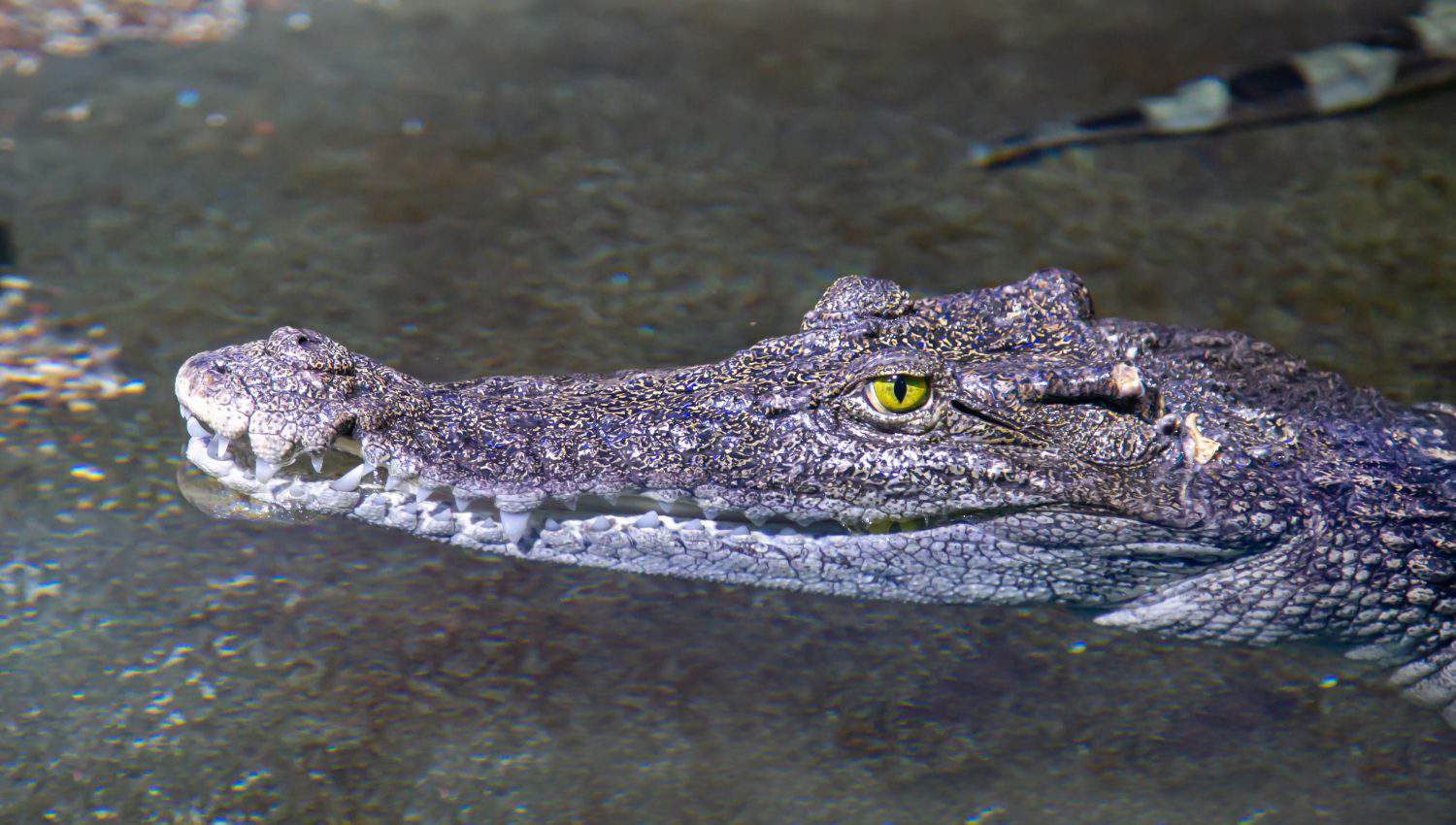
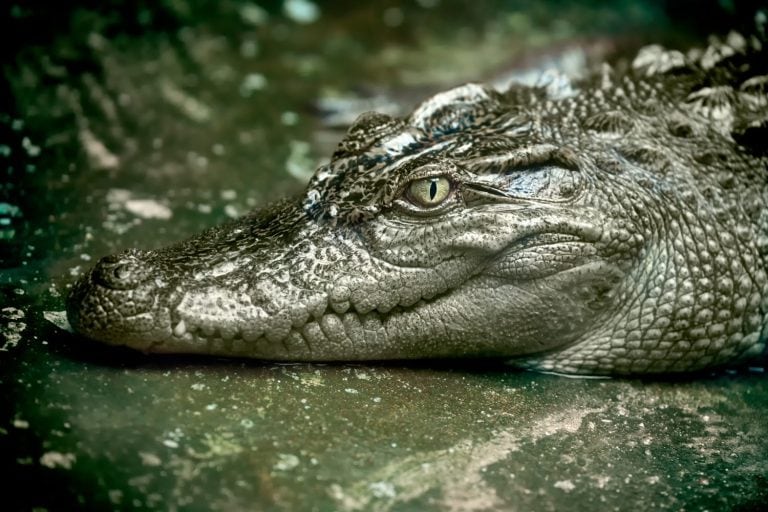
Siamese crocodile populations have grown substantially in Laos thanks to efforts by Indigenous peoples, the government, and conservation groups.
©Victor1153/Shutterstock.com
Although conservation groups initiated the campaign to restore Siamese crocodile populations in Laos, it would not have been possible without the help of Village Conservation Teams made up of local people, according to Santi Saypanya, country director for the WCS Laos Program.
“These locally recruited groups are trained and supported by WCS to monitor crocodile nests, protect eggs from flooding or poaching, and assist with incubation and release efforts,” Saypanya tells WCS. “The teams build on long-held cultural beliefs that crocodiles are spiritual guardians, creating powerful incentives for protection.”
With protectors present around the clock, poachers are kept at bay, eggs are taken to safe locations to hatch, and the Siamese crocodile population benefits. The program has been so successful that the wetlands are now home to the largest wild populations of Siamese crocodiles, which continues to grow annually, thanks to the efforts of all involved.
Siamese Crocodiles Are “Head-Started” Before Being Released
Since 2011, when the first clutch of 20 Siamese crocodile eggs was hatched with the help of The Wildlife Conservation Society (WCS), it became clear that the species needed extra support to reach adulthood and recover from the brink of extinction. Because of this, all Siamese crocodiles are given a head start before being released into the Xe Champhone Wetlands to live.
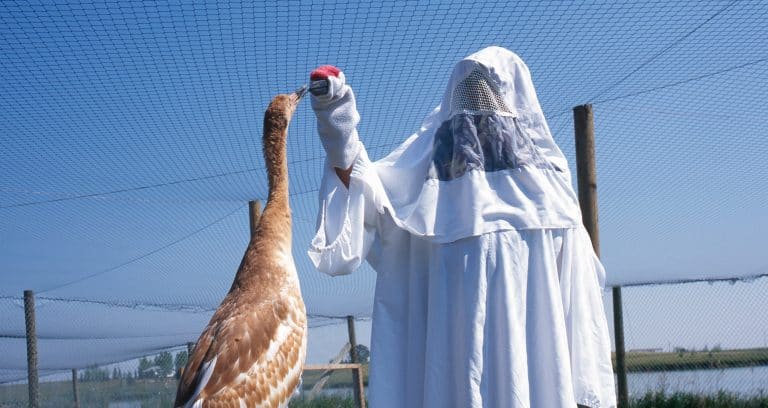
Each nesting season, conservationists search for Siamese crocodile nests. With the help of conservation groups and Indigenous people, nests are spotted before wild animals or poachers have a chance to find them. The eggs are carefully gathered and taken to a safe location for incubation. When the eggs hatch, the hatchlings are placed in WCS’s care, where they are reared until they reach three years of age.
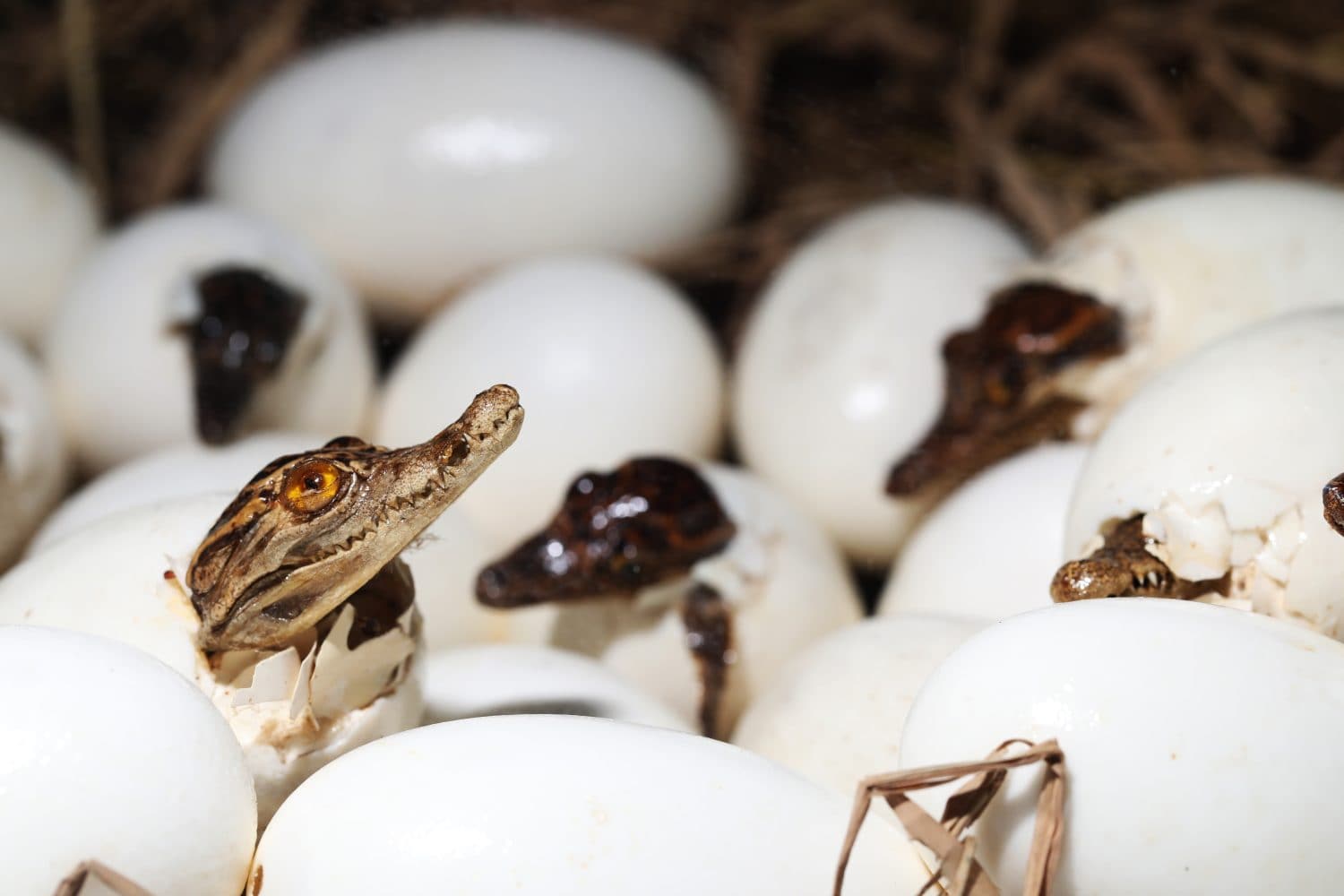
Siamese crocodiles are cared for in captivity until they are three years old, and then introduced into the Xe Champhone Wetlands to live as wild crocodiles.
©Pavaphon Supanantananont/Shutterstock.com
Although Siamese crocodiles are large enough to defend themselves against most predators, they have never had to survive on their own. Therefore, releasing them directly from captivity into the wetlands would be irresponsible. Instead, the crocodiles are given a chance to acclimate to the Xe Champhone Wetlands before being set free to live independently in the protected region.
To date, 238 Siamese crocodiles have been released into the wetlands. Another 247 are scheduled for release between March 2026 and March 2028. Those that have been released are not only surviving but thriving, with head-started Siamese crocodiles laying eggs in the wild. The program does not diminish the wild instincts of the crocodiles. Instead, it gives the Siamese crocodiles the best chance of survival by releasing them when they are no longer as vulnerable, increasing the odds of not going extinct.
Why Did Siamese Crocodiles Nearly Go Extinct?
Today, many animals that are on the brink of extinction got there for a multitude of reasons, rather than one event that caused the population to plummet. This was also true for the Siamese crocodile, a species that received little attention until about 15 years ago, partly because it is not a typical ‘charismatic’ animal that evokes strong emotional responses.
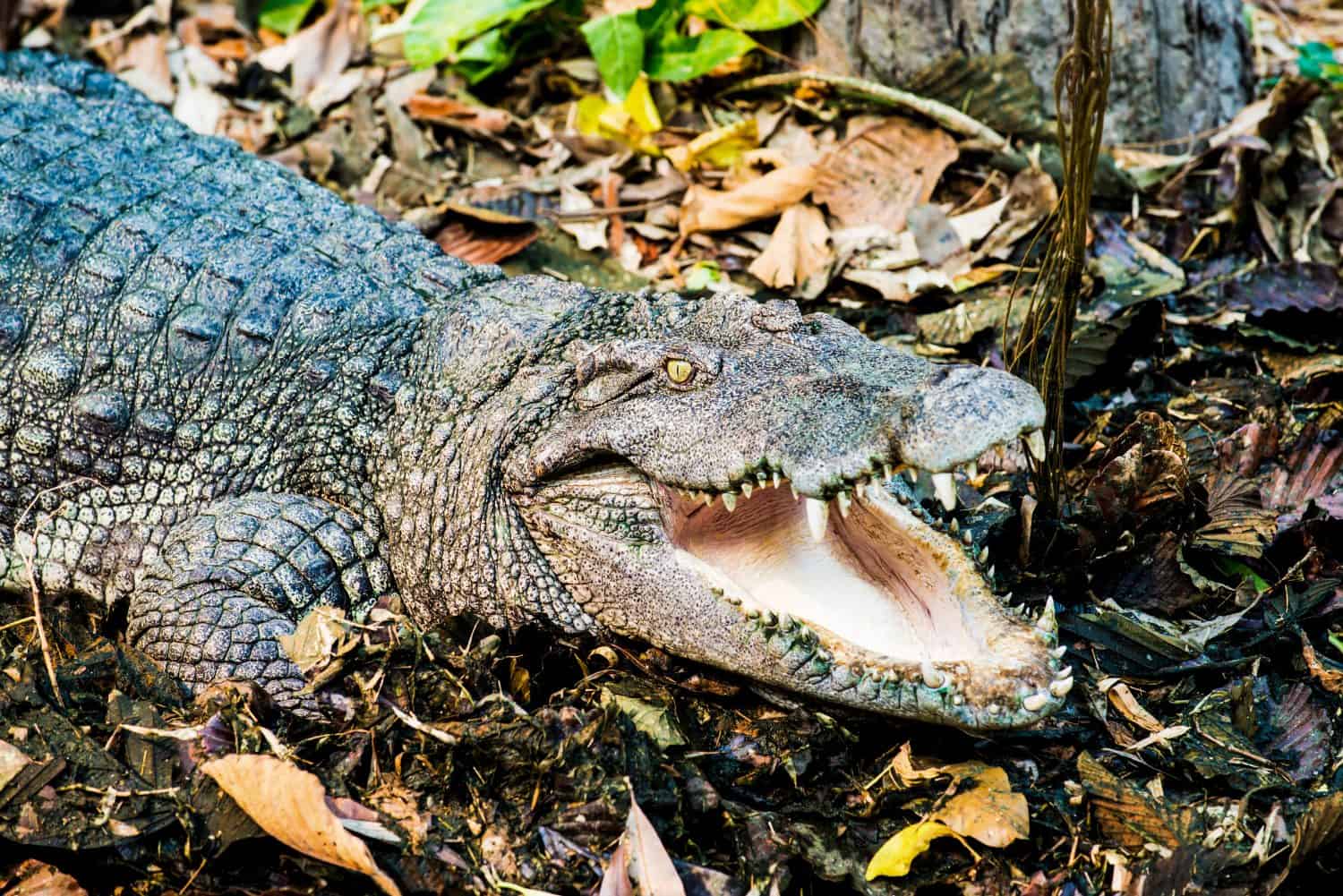
From being hunted to habitat loss, the list is extensive as to why the Siamese crocodiles nearly went extinct.
©KobchaiMa/Shutterstock.com
Siamese crocodiles were once widespread across Southeast Asia. There is no accurate count of how many there were across Laos, Cambodia, Thailand, and Vietnam, but the number was substantially higher than it is today. Beginning in the 1950s, this began to change. This is because the Siamese crocodiles went from being creatures treated with respect to ones feared or viewed only as something worth profiting from.
The main reasons that Siamese crocodiles nearly went extinct include:
- Poaching
- Illegal trade
- Habitat loss from draining wetlands to convert them to rice fields
- Daming rivers leading to habitat degradation
- Water pollution from industrial and agricultural runoff
- Killing crocodiles is believed to be involved in livestock killing
Because only a small portion of their traditional habitat remains, Siamese crocodiles cannot be released just anywhere; suitable habitats must be carefully selected to support their survival. This is why suitable habitats need to be chosen that have been proven capable of supporting populations of Siamese crocodiles as they continue to grow.
Siamese Crocodiles Need to Be Released into Habitats That Can Support Them
The news is exciting that Siamese crocodiles are increasing in population in Laos after, for all intents and purposes, being extinct in the country for decades. However, with the Siamese crocodile now extinct in 99% of its former range, simply hatching more Siamese crocodiles will not sustain the population’s growth. There must be suitable habitats to support the crocodiles. Without these, Siamese crocodiles will not survive for multiple generations in the wild.
Fortunately, the area where the crocodiles are being released in Laos is protected. The Xe Champhone Wetlands were designated as a Ramsar site in 2010. This means that several criteria had to be met for the Xe Champhone Wetlands to be deemed wetlands of international importance. Once this happened, Siamese crocodiles had a real chance to recover from near extinction.
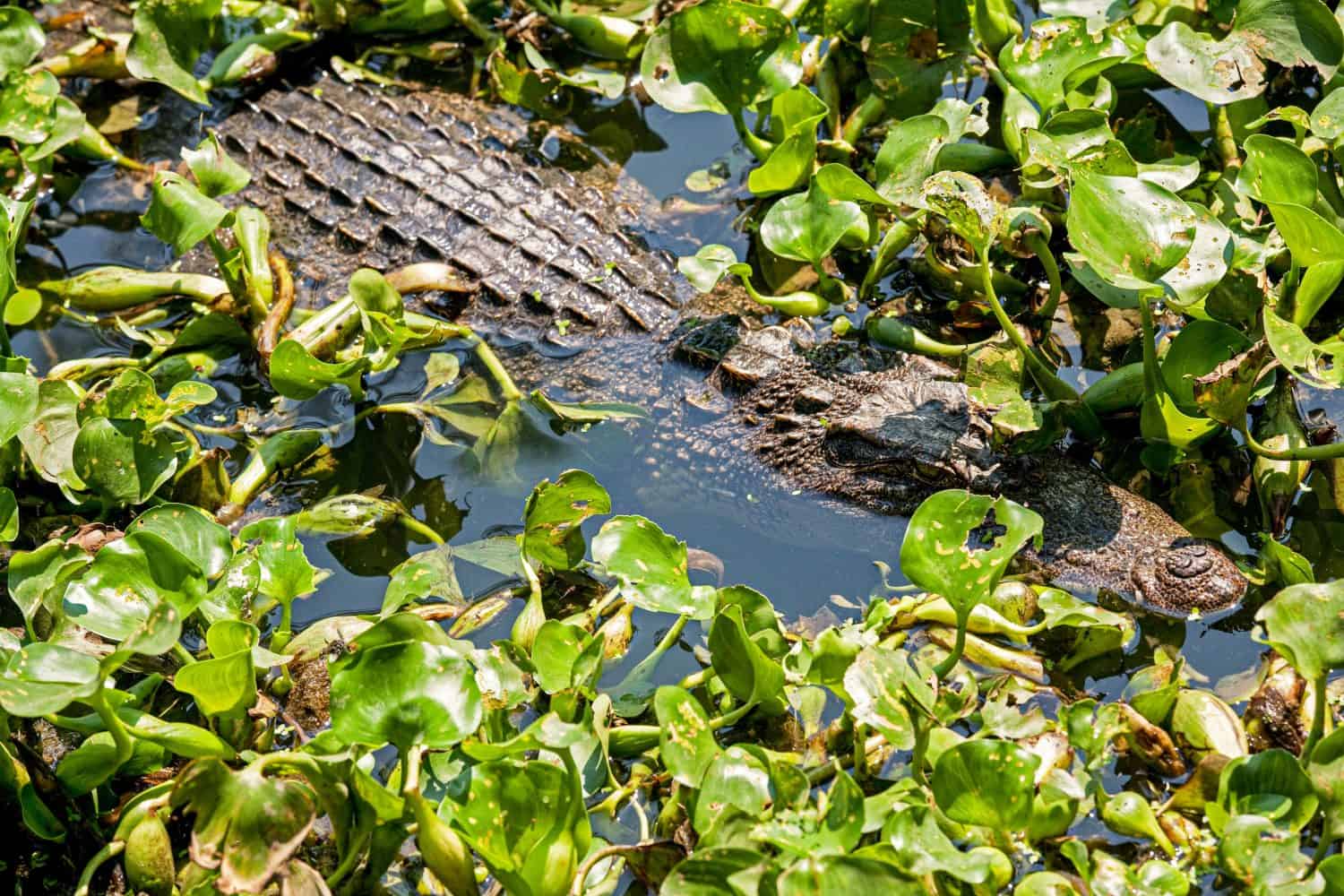
The Siamese crocodiles are released into habitats that can support them, such as the Xe Champhone Wetlands, which is also protected under the Ramsar Convention.
©DnDavis/Shutterstock.com
Under the Ramsar Convention on Wetlands, sites designated as Ramsar sites must use the wetlands in a way that ensures “the maintenance of their character, achieved through the implementation of ecosystem approaches, within the context of sustainable development,” at all times. This has been accomplished in Xe Champhone Wetlands not only by carefully managing all aquatic species, but also through habitat management.
The clearest example of this is that nests of Siamese eggs are consistently found in the wetlands. This was not considered a possibility just over a decade ago. But thanks to the support of Indigenous peoples, who do not fear but revere the Siamese crocodiles, the species stands a chance of survival.
Why Are There Not More Siamese Crocodiles Born by Local Crocodile Farms?
Siamese crocodiles have been collected for crocodile farms for years. The goal was to breed crocodiles and then sell them for various reasons, the most popular being their hides. However, there is increasing scrutiny of animal use in fashion, and some brands are moving away from exotic leathers. Therefore, it would make sense for the farms with Siamese crocodiles to assist with repopulation efforts. Unfortunately, it is not that easy.
While Siamese crocodile hides are beautiful and buttery soft, they are not very large. Consequently, the Siamese crocodiles were bred with larger (and ultimately more aggressive) crocodiles, resulting in a hybrid species. The hybrid species enabled crocodile farm owners to sell larger skins but left very few purebred Siamese crocodiles on the farms.
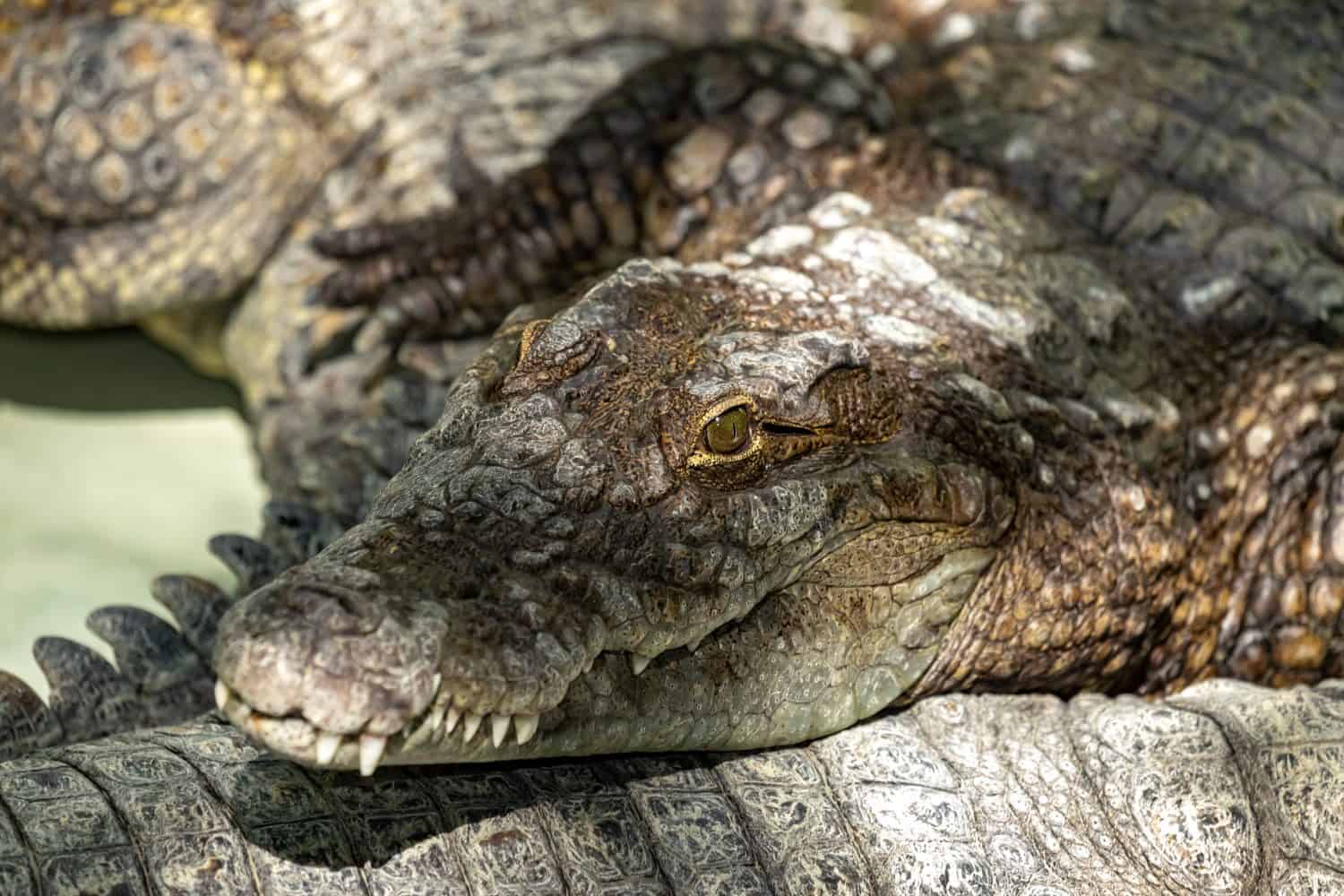
Siamese crocodiles cannot be taken from crocodile farms, as those crocodiles are hybrids.
©Pavel Filatov/Shutterstock.com
When conservationists sought to increase Siamese crocodile populations, they contacted farms in Cambodia, Vietnam, and Thailand to see whether they would be interested in selling purebred Siamese crocodiles. The problem was not a lack of interest from farmers; they were interested. The problem was that there were very few purebred Siamese crocodiles on the farms. Those identified were removed from the crocodile farms over a decade ago and used to help breed purebred Siamese crocodiles that could eventually be released into the wild.
Laos is not known for having commercial crocodile farms, unlike neighboring Cambodia, Vietnam, and Thailand. However, locals in the region claim that farms in Cambodia, Vietnam, and Thailand imported Siamese crocodiles from Laos for their own farms. Therefore, while Siamese crocodile populations are increasing in those countries, it is very possible that this is due to the Laotian population of Siamese crocodiles, which, with the help of conservationists, is making a significant comeback.