
Quick Take
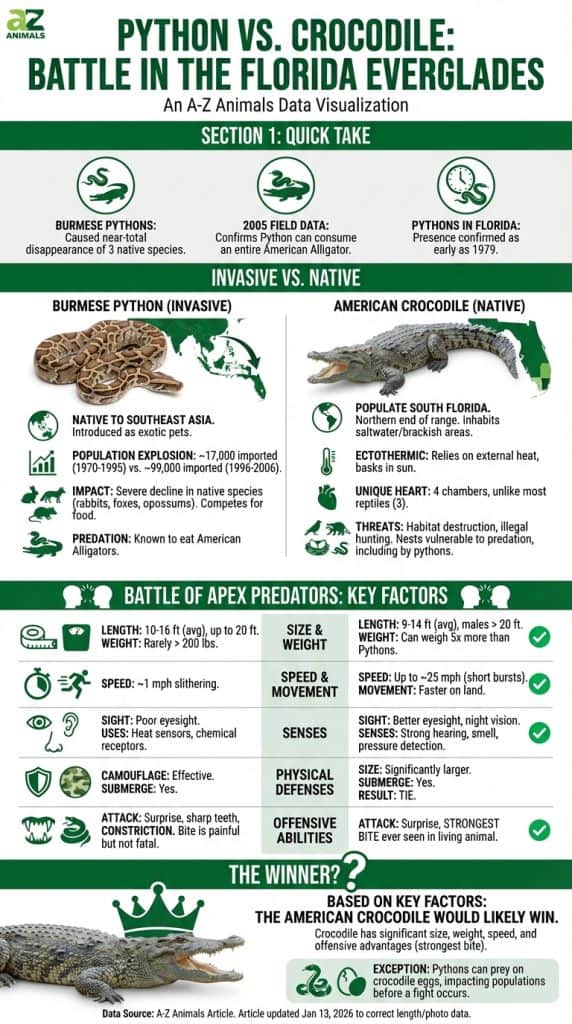
- Burmese pythons achieved the near-total disappearance of three native species in the Florida Everglades.
- 2005 field data counterintuitively confirm that a Burmese python can consume an entire American alligator.
- The presence of wild Burmese pythons in southern Florida was confirmed as early as 1979.
Who do you think would win a fight between a python and a crocodile in Florida?
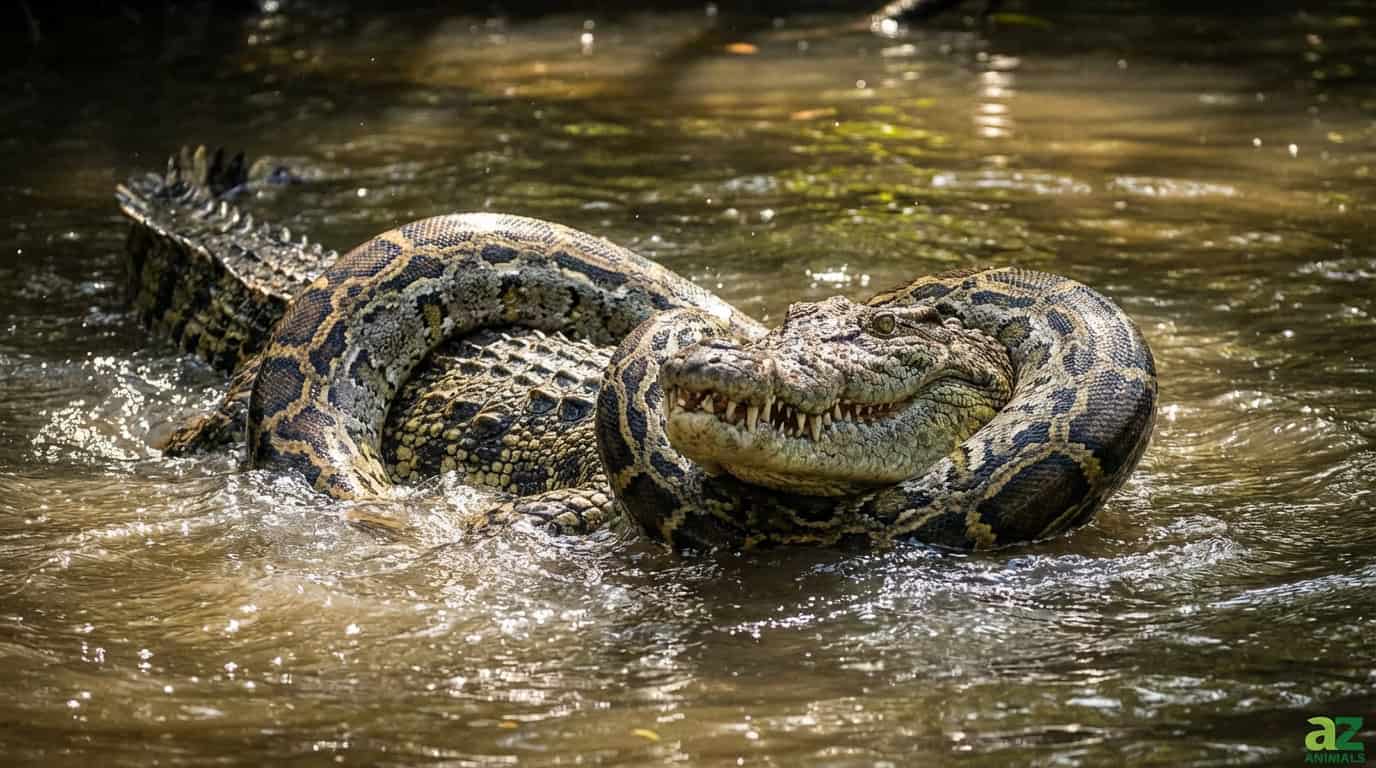
Generally, we would look to real-life examples for clues, but surprisingly, there isn’t very much of that. While there are a few examples of pythons getting into it with alligators in Florida, they don’t seem to have many significant interactions with crocodiles.
One is an invasive giant devouring native wildlife; the other packs the strongest bite force on Earth. See how Florida’s apex predators stack up in the ultimate swamp showdown.
©A-Z Animals
This doesn’t mean that we can’t wager a pretty good guess on our own, though. We can actually take a look at pythons and crocodiles in Florida and see who would emerge victorious in an encounter between them.
Let’s dive in!
Pythons: An Invasive Species in Florida
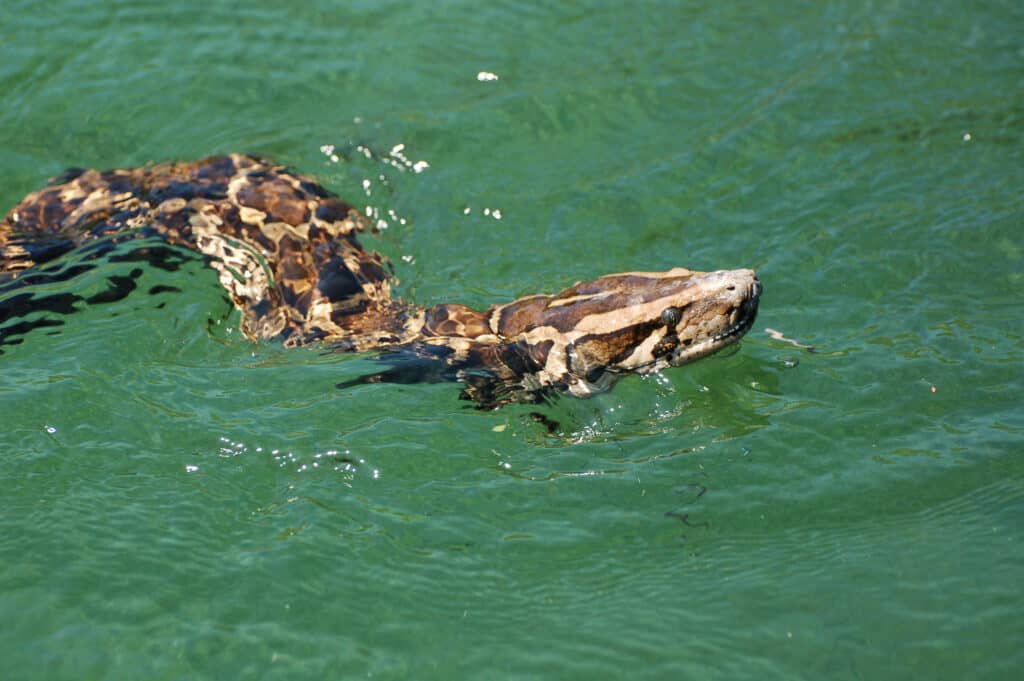
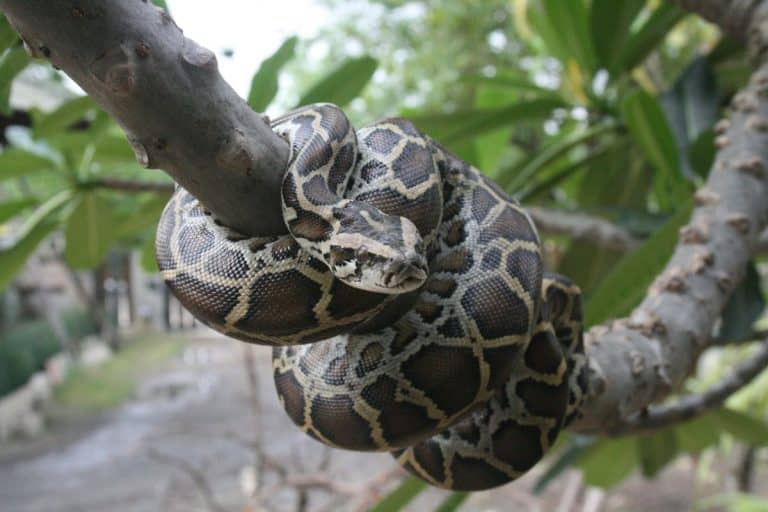
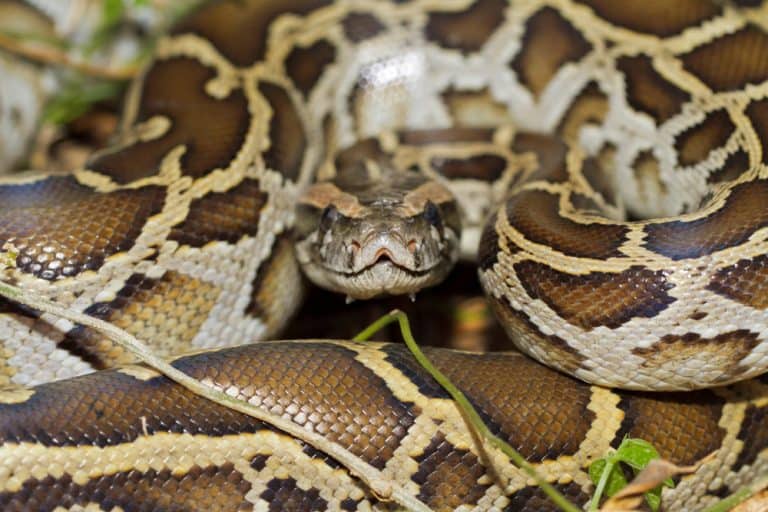
The Burmese python is an invasive species in Florida that has upset the balance of the ecosystem.
©Heiko Kiera/Shutterstock.com
The Burmese python is not a native species in Florida. However, they are often found around the Everglades in South Florida. Native to Southeast Asia, Burmese pythons were first brought to the United States as exotic pets. Between 1970 and 1995, about 17,000 Burmese pythons were imported into the United States, according to U.S. Fish and Wildlife Service. That number pales in comparison to the 99,000 imported in the following decade, 1996-2006.
It is believed that these invasive snakes got their foothold as early as 1979, likely because some pet owners ended up releasing their heavy and lengthy pet snakes into the wild. Others speculate that Hurricane Andrew, a Category-5 storm, was the source as a reptile breeding facility near Miami in Homestead was destroyed in the 1992 storm. However, since Burmese pythons were spotted prior to the hurricane, it’s likely that there have been several introduction events, before and after the hurricane, over the years.
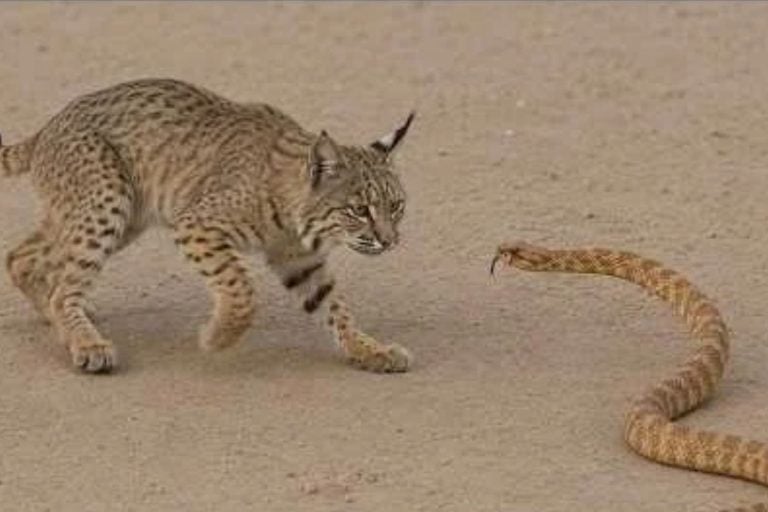
The Burmese python is now considered to be a nuisance to the Everglades ecosystem, and for good reason. These pythons compete with native animals for food. They have also caused severe declines in many native species, including bobcats, opossums, and raccoons. Some species, such as foxes, marsh rabbits, and cottontail rabbits, have almost completely disappeared because of pythons.
In fact, they’ve even been known to eat alligators. In 2005, in the Florida Everglades, the body of a Burmese python was found with an American alligator in its stomach.
Crocodiles in Florida
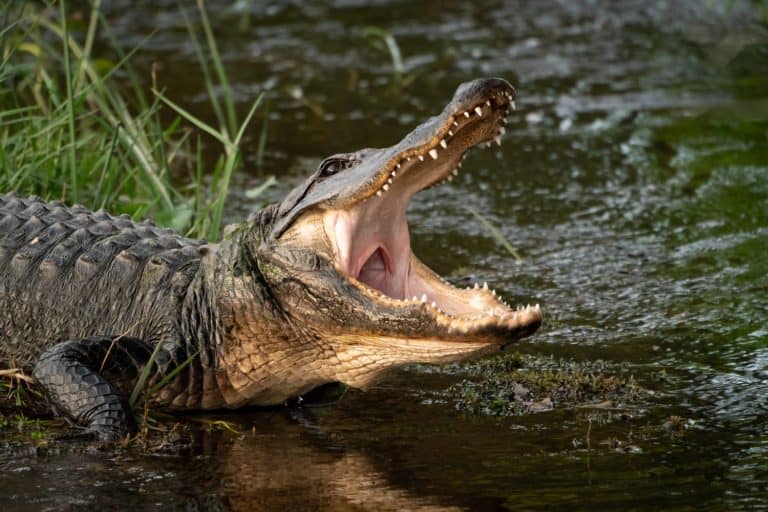
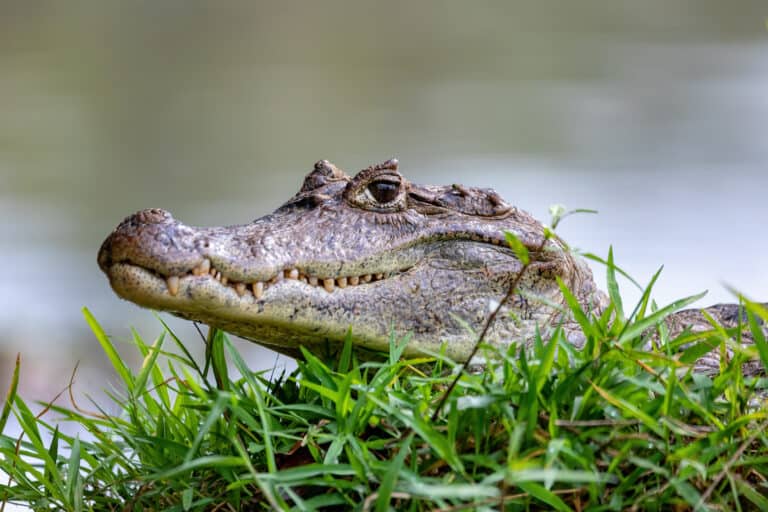
The American crocodile, or Crocodylus acutus, generally populate South Florida. This is the northern end of the crocodile’s range in most cases. They can be found in coves, ponds, and creeks in mangrove swamps, and they typically inhabit saltwater or brackish areas.
Floridians will often see crocodiles basking in the sun. Because they’re ectothermic animals, they rely on external heat to regulate their body temperatures.
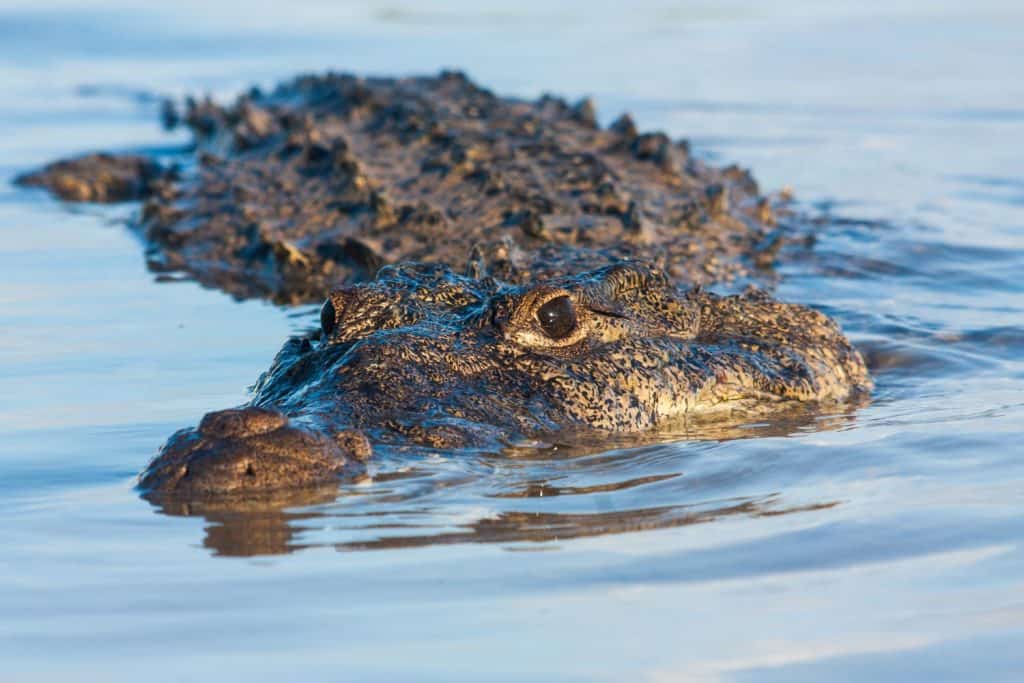
American crocs live in the salty and brackish waters of south Florida.
©Leonardo Gonzalez/Shutterstock.com
This species of crocodile is one of the largest reptiles on earth and is said to be able to produce tears. They can’t chew their food, and to improve digestion, they have been known to swallow rocks. Crocodiles also have special hearts. Their hearts have four chambers just like humans do. Reptiles usually have three.
Shy and reclusive, they’re generally not a danger to people. If they’re approached by a person while basking in the sun, they’ll usually just quickly escape into the water.
American crocodiles typically eat small mammals, frogs, fish, turtles, and birds. Humans are the main threats to crocodiles because of habitat destruction and illegal hunting.
Crocodile nests are also in danger due to predators, such as birds, crabs, and raccoons. In some cases, pythons will even eat alligator and crocodile eggs.
Where Do Burmese Pythons and Crocodiles Live?
Burmese pythons live in tropical areas of Asia and Africa. They can thrive in either wet or dry environments; however, they are freshwater and fully marine. They like it where it is hot and wet so their bodies can stay warm. They are usually found in rainforests, woodlands, grasslands, swamps, and shrubs.
These types of environments are home to many different creatures, such as the crocodile. That’s why these creatures are natural enemies because they share the same waters and wetlands.
The Key Factors in a Battle Between a Burmese Python and a Crocodile
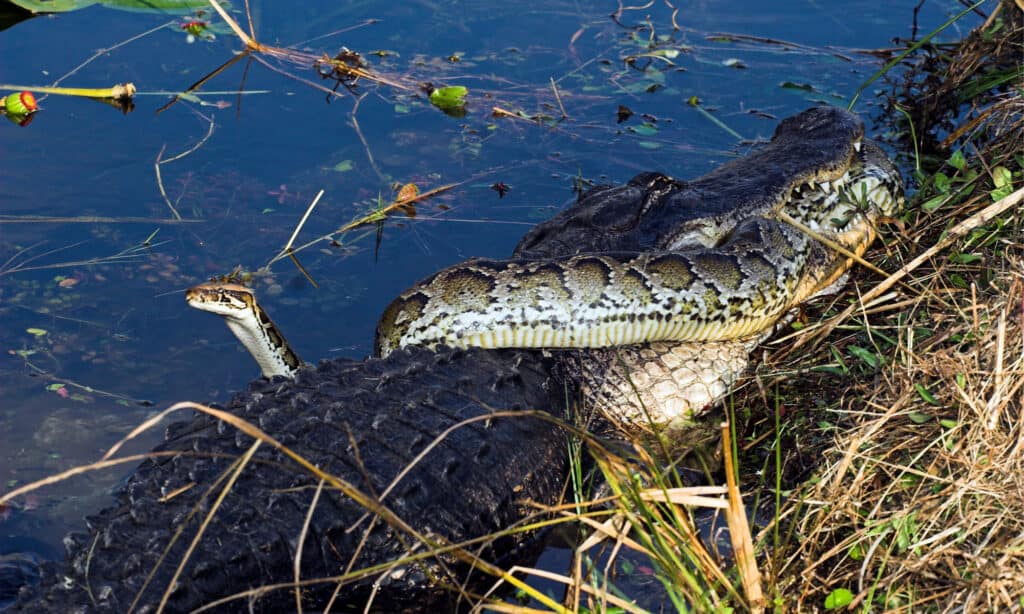
When two apex predators do battle, who will win?
©iStock.com/oshun
When predicting who would win in a battle between a python and a crocodile, we need to consider all of the factors. Knowledge of the physical features of both of these animals is very helpful in this process.
Size
Burmese pythons and American crocodiles tend to grow to similar lengths. On average, these pythons grow to be 10-16 feet long, although there are specimens as long as 20 feet. American crocodiles are typically 9-14 feet long, but some males can exceed 20 feet. Despite their similar lengths, Burmese pythons and American crocodiles do not weigh comparably to each other. These pythons rarely weigh more than 200 pounds, whereas American crocs weigh five times that amount.
Crocodiles have the size advantage due to their significant weight advantage over Burmese pythons.
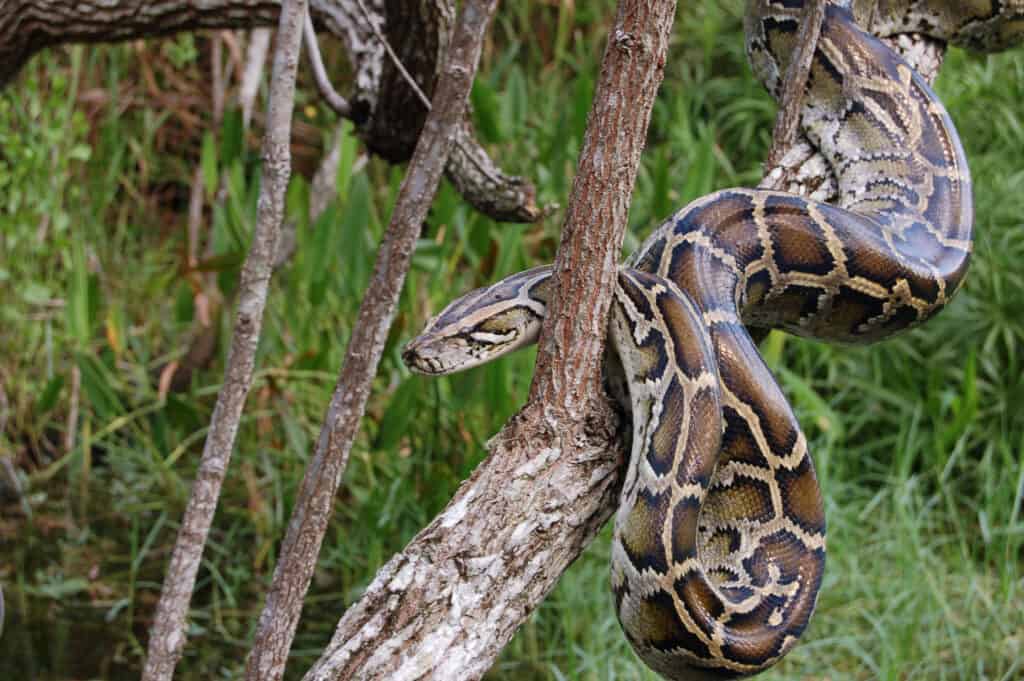
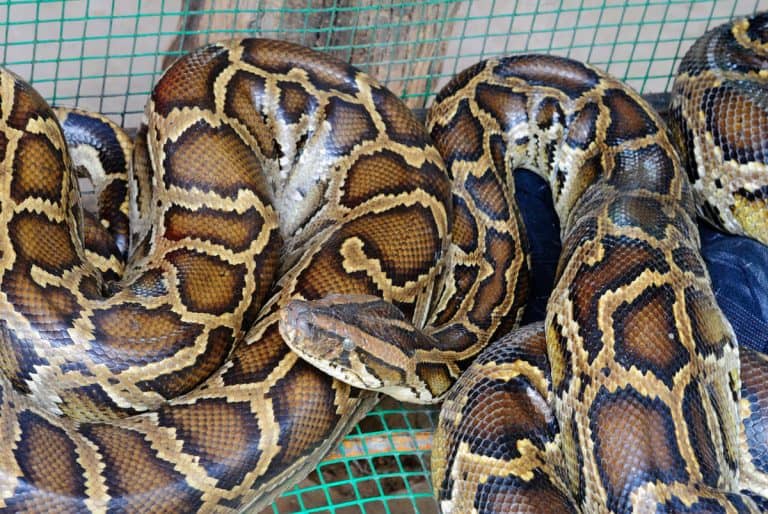
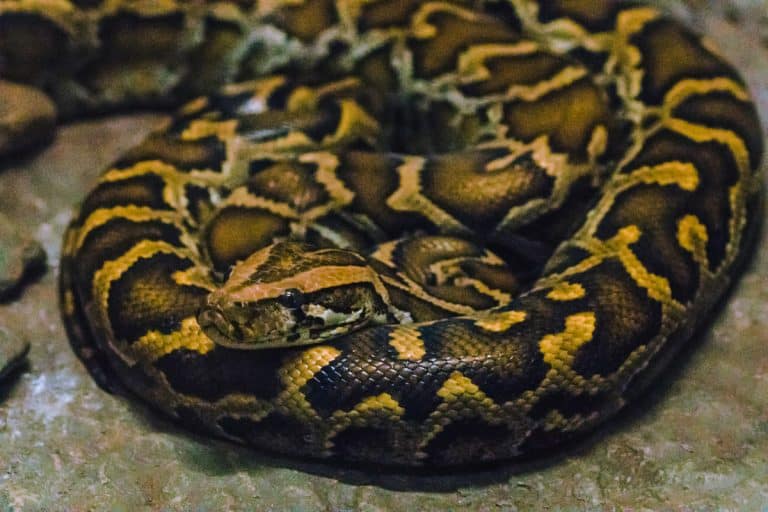
The Burmese python is an invasive species wreaking havoc on the Florida Everglades’ ecosystem.
©Heiko Kiera/Shutterstock.com
Speed and Movements
Both Burmese pythons and American crocodiles have the ability to stay submerged under water for stretches of time. However, crocodiles are much faster, being able to run up to about 25 miles per hour in some cases. Pythons only slither at about one mile per hour. Even if crocodiles can only run for short distances, they can easily catch up to a python in most cases.
Crocodiles have the speed advantage over pythons.
Senses
Pythons do have the ability to use heat sensors and chemical receptors to stalk their prey. However, they typically have poor eyesight. Crocodiles have better eyesight and are able to see in the dark. They have strong senses of hearing and smell, as well as the ability to sense even subtle changes in pressure.
Crocodiles have keener senses than pythons.
Physical Defenses
Pythons and crocodiles are both relatively large animals, although crocodiles are significantly larger. Pythons can camouflage themselves fairly effectively. Pythons and crocodiles both have the ability to submerge themselves underwater.
In terms of physical defenses, it’s a tie between pythons and crocodiles.
Offensive Abilities
Both pythons and crocodiles are known for surprise attacks. Pythons have sharp teeth and the ability to constrict their prey with their bodies. Their bite is painful, but they’re not venomous, and it is not a strong enough bite to be fatal in most cases. Crocodiles, on the other hand, have the strongest bite ever seen in a living animal.
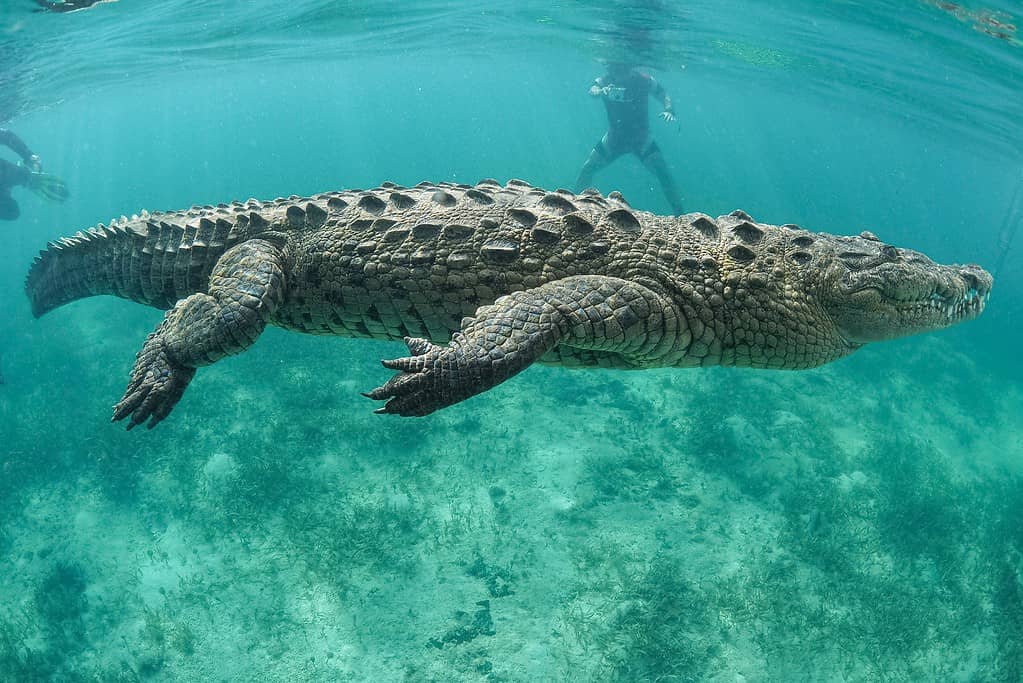
The American crocodile would likely win the “heavy-weight belt” in an unlikely, but not entirely impossible, bout with the Burmese python.
©Jesus Cobaleda/Shutterstock.com
The Winner in the Battle
Given the vital stats of both competitors in this fight, we’d have to say that in an encounter between a Burmese python and an American crocodile in Florida, the crocodile would probably be the winner.
Of course, Burmese pythons are not completely powerless. If they’re able to get past a crocodile mother and eat crocodile eggs, they can prevent crocodiles from even getting to the fight in the first place.
Burmese pythons can clearly hold their own, which is why they have been so successful in gaining a foothold in Florida. But given the size and strength of the American crocodile, it would likely be no contest between the two. Perhaps at some point, we’ll see evidence of crocodiles helping to control this invasive species.
CORRECTION: This article was updated on January 13, 2026, to correct a photo that showed a carpet python, which is a medium-sized python native to Australia and New Guinea. Also, it was incorrectly stated that Burmese pythons can grow to be 26 feet long. Typically, they are 10-16 feet long.