
Quick Take
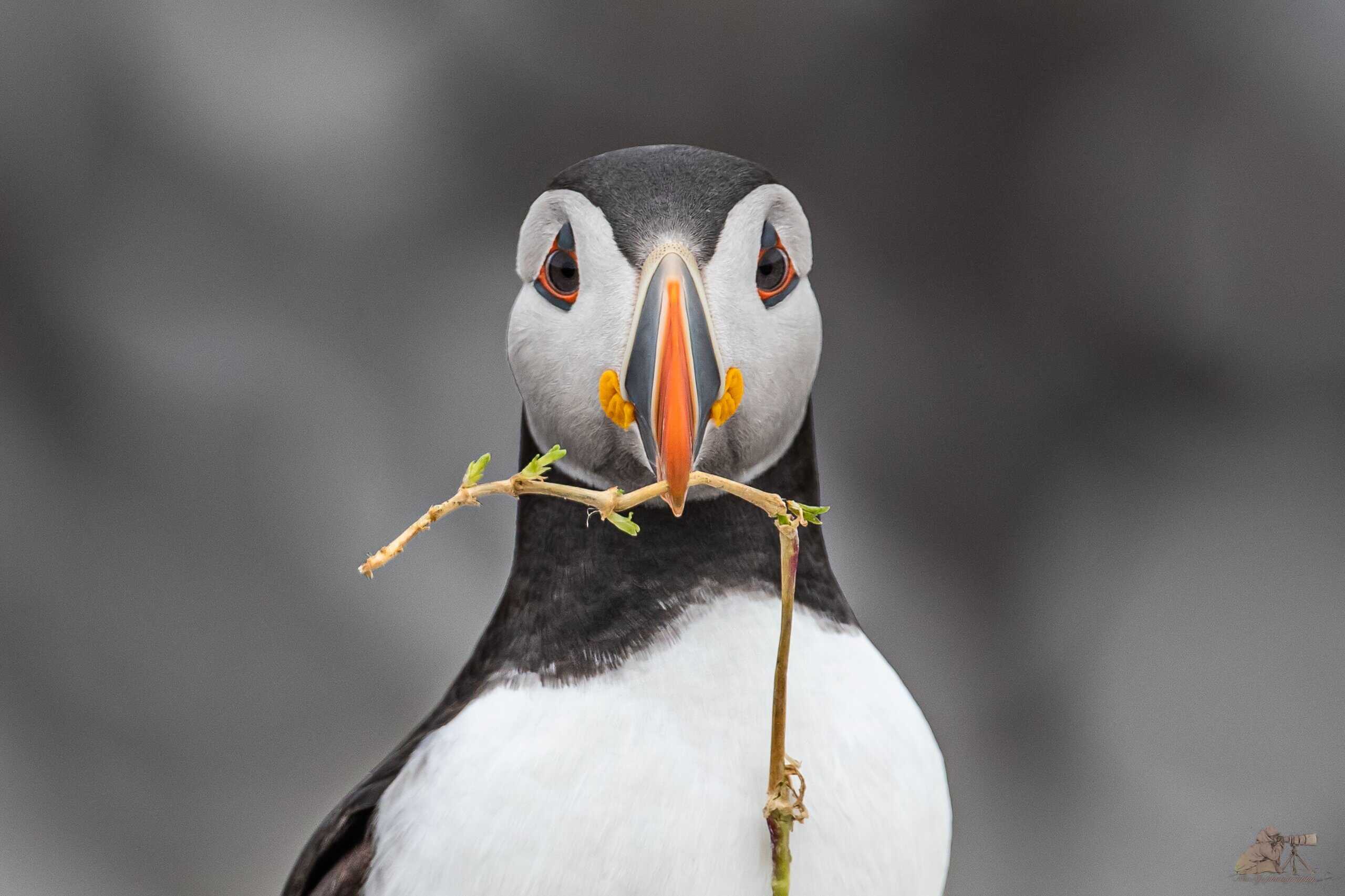
- There have been rare observations of puffins using sticks in a way that may indicate tool use, a behavior not previously documented in this species.
- Using a stick once thought to be just for nest building, puffins have been observed scratching hard-to-reach or persistently itchy places.
- While rare observations suggest puffins may occasionally use sticks to scratch their bodies, the primary use of sticks and other materials in puffin burrows is for lining and insulation, not for decoration or regular body care.
- Observation during the material selection stage revealed that puffin nests can change year after year, likely due to available materials and the needs of their chicks.
Atlantic puffins spend a surprising amount of time on two very domestic problems: keeping their feathers preened and making their nest comfortable. While these may seem like normal bird activities, the puffin manages to put its own spin on both. In fact, puffins use the same sticks lining their burrows to itch their bodies, too.
Unassuming on the best of days, puffins actually notice and improvise a great deal of their lives, living in their messy, crowded colonies where every burrow becomes a private world. The more scientists observe these creatures, the more it seems like puffin life includes an abundance of small choices, including ones that seem to involve home design.
Recent evidence suggests that these birds may use tools for multiple purposes. Decor is part of the story, hygiene is another. Let’s dive into what puffins are doing with sticks and why this behavior has captured the attention of scientists.
Puffins and Sticks
While it may be a let-down, research shows that puffins line their burrows with various materials such as grass, feathers, sticks, and occasionally sea debris, but primarily for insulation and comfort rather than for decorative or aesthetic purposes.
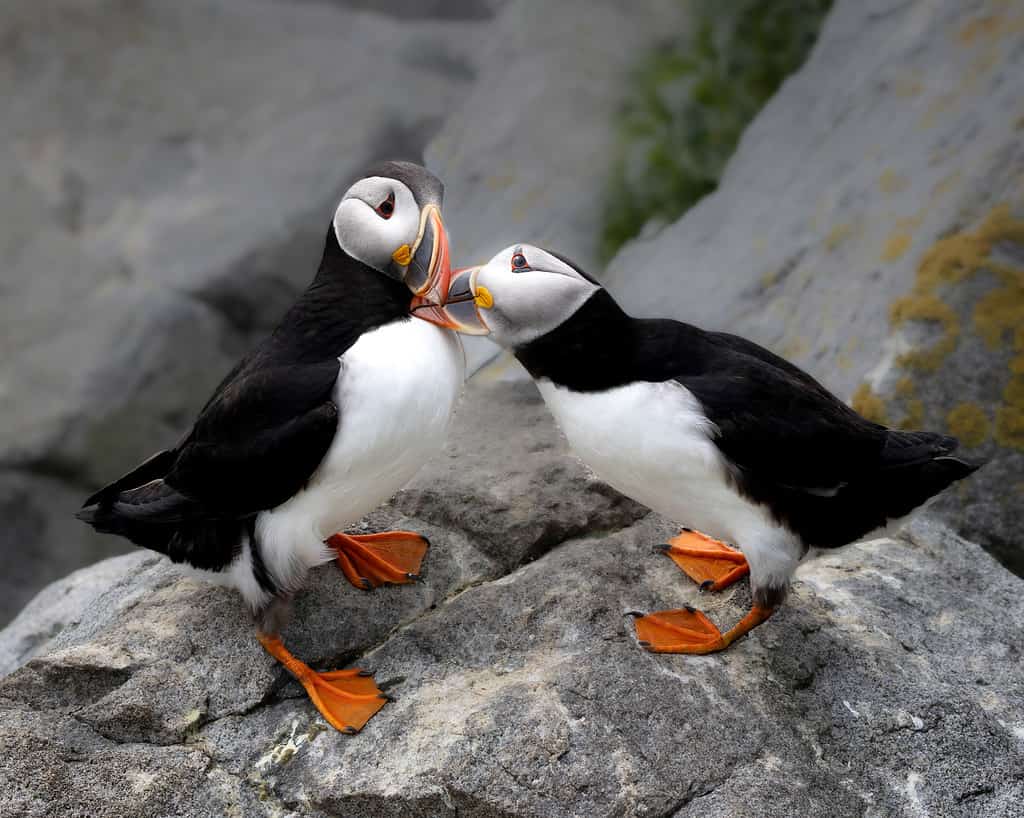
Do puffins understand how to use tools? That’s what scientists are attempting to figure out.
©Jessica Lutz/iStock via Getty Images
In two separate observations, both of which are years and over a thousand miles apart, researchers documented Atlantic puffins holding small sticks in their bills, rubbing them into their feathers in a way that looked like deliberate scratching. One of those observations was even captured on video by a motion-sensitive camera, which makes it an incredibly difficult capture given the puffins’ home turf on windy cliffs. But what did this behavior indicate, and how did researchers classify it?
What Did Researchers See Puffins Doing?
While puffins use sticks for their burrows, this behavior wasn’t nest-building. It also wasn’t a puffin bringing construction supplies home to use at a later date. Ultimately, the bird used a stick and directed it toward its own body to change something about its condition, appearing to scratch its feathers and skin, likely to relieve irritation.

While puffins use their beaks for scratching, they may also use sticks.
©bzzup/iStock via Getty Images
Puffins often deal with seabird ticks and other external parasites, which is why the stick may have helped dislodge them more effectively than a beak alone. Still, researchers were shocked to observe the behavior, as puffins were thought to only use sticks for their nests and burrows, primarily for insulation and comfort.
Are Puffins Capable of Tool Use?
Scientists are actually quite picky about using the word tool when referring to animal capabilities, and for good reason. A bird holding a stick while preening could be an observable coincidence, so this puffin observation triggered immediate debate.
Research argues that seabird beaks are already well-adapted for feather care, which makes the use of sticks fairly unnecessary, suggesting the behavior could be accidental. However, the movements reportedly looked goal-directed rather than incidental. Plus, these behaviors are ultimately rare to observe at all, given that puffins spend so much of their lives at sea or underground, in their burrows.
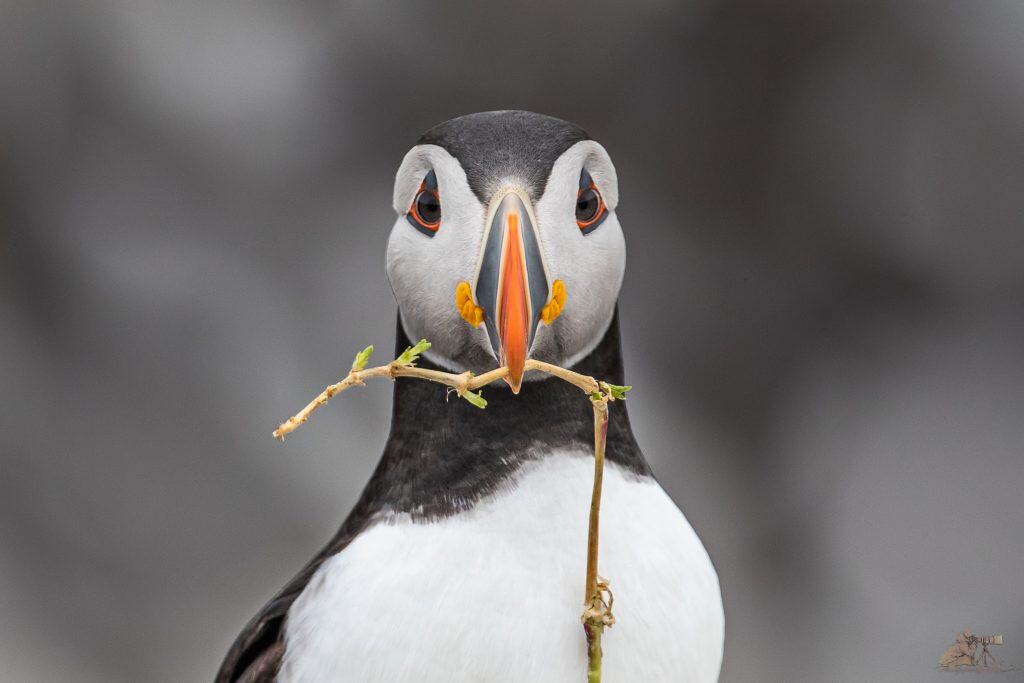
Puffins may understand the benefits of tool usage, but research still needs to be done.
©Wirestock Creators/Shutterstock.com
So, what did scientists conclude? The observed puffin is actually strong evidence for tool-like scratching in this species, but it’s based on a select few observations, meaning it’s an intriguing premise, not necessarily a fact.
Why a Puffin Would Need a Back Scratcher
Even if puffins can reach an itch using their beak and feet, it doesn’t make it the most optimized way of handling it. A small parasite bite in an awkward spot, or a patch of irritated skin under dense feathers, is the kind of annoyance that makes an animal try something new, like tool usage.
Additionally, it matters where these puffins live, as breeding colonies can be crowded and inherently itchy. When combined with salt spray, mud, frequent water contact, and parasites, puffins may have no choice but to resort to maintenance behaviors that happen quickly and rarely get filmed. A stick may work better, and why second-guess it?
Puffin Burrow Decor: Practical Comfort
Sticks are a routine addition to a puffin’s life, outside of their potential use as backscratchers. In fact, puffins invest heavily in their burrows, adding trinkets and substance in order to better insulate their interiors.
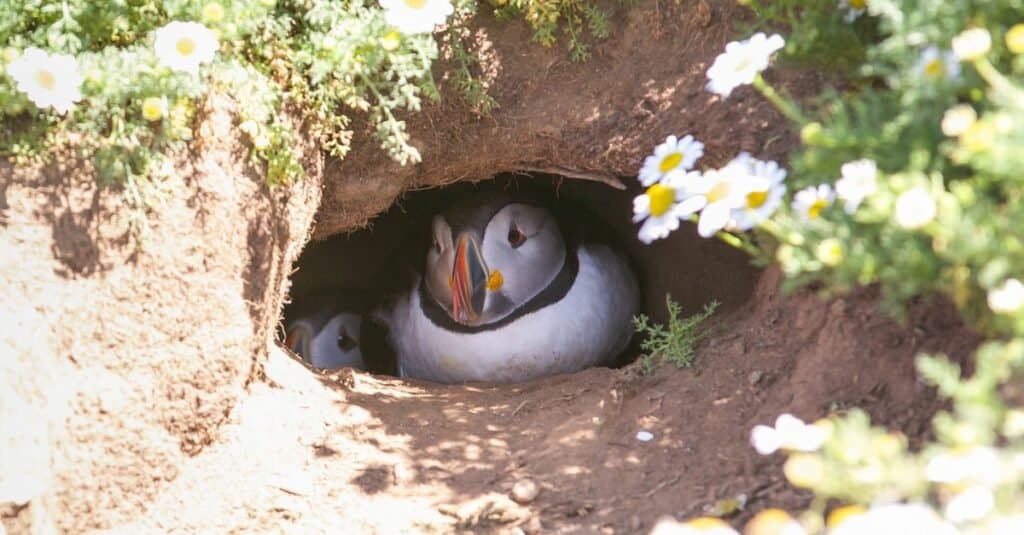
Puffins nest in deep burrows and may appear to decorate them accordingly.
©iStock.com/Henfaes
Atlantic puffins typically nest in burrows or crevices, and the nest chamber is often lined with soft material such as grass, feathers, twigs, and other plant substances. They’re seeking cozy, comfortable trinkets and materials so that their burrows can remain comfortable all year long.
For example, seabird biologist Stephen Kress said in an Audubon article about monitoring puffin nests that, “This year’s nest is made almost entirely of grass…But it can include bits of seaweed or moss.” This implies that a puffin’s burrow changes year to year, partially based on available supplies, but likely largely due to what they need to improve insulation, especially if they have chicks sleeping within.
What About Shells?
Shell fragments and fish bones can also be found in burrows, but that doesn’t automatically mean puffins are decorating. An older report on puffin burrows noted that collapsed, former burrow layers can contain shell fragments along with other remains like fish bones and feathers. It’s ultimately accumulated material in the soil over time; this is especially obvious when you realize that a puffin’s nesting site doubles as a place where prey remains, and feathers build up over the years.
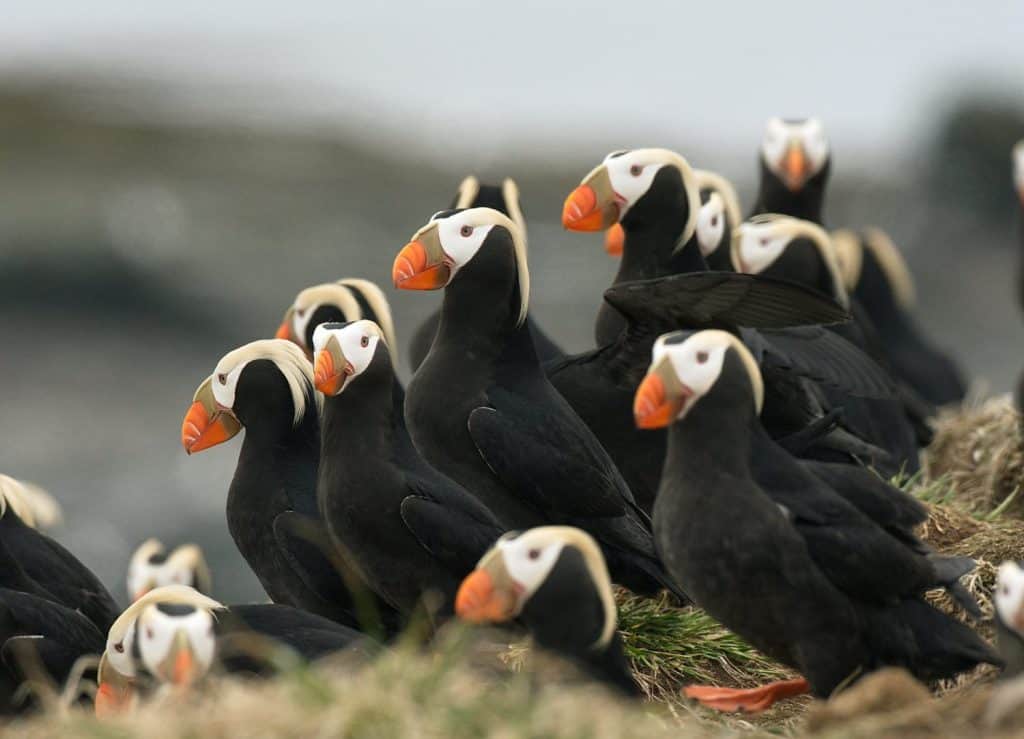
Shells show up in puffin dens not for design, but simply because they occasionally eat indoors.
©tryton2011/Shutterstock.com
While it may seem adorable, and shells can still show up around burrows, it isn’t necessarily a puffin vying for an HGTV special. It’s a puffin keeping its burrow warm with purposeful lining, with soft plant material and feathers, and the shells just occur over years of occupancy.
What Does This Say About Puffin Brains?
Tool use doesn’t automatically mean puffins are smarter than we first anticipated, but it does suggest they may be more aware than past research suggests. Overall, this research means that animals living in difficult-to-observe places may have underreported behavioral flexibility, a theme explored in this broader analysis of the puffin.
Puffins also have to navigate a complex world: offshore foraging, timing returns to avoid predators, managing a burrow in a dense colony, and raising a chick on a single egg. That’s a lot of decision-making involved, which may mean they’re predisposed to make other inventive decisions, too.
Puffins and Sticks: Practical, or Aesthetic?
Puffins are proof of how much of an animal’s behavior can hide in plain sight when a species spends its life on remote cliffs or underground. Additionally, while puffins build comfort and function into their burrows using grass and sticks, it’s more about having a warm nesting ground instead of an aesthetically pleasing one.
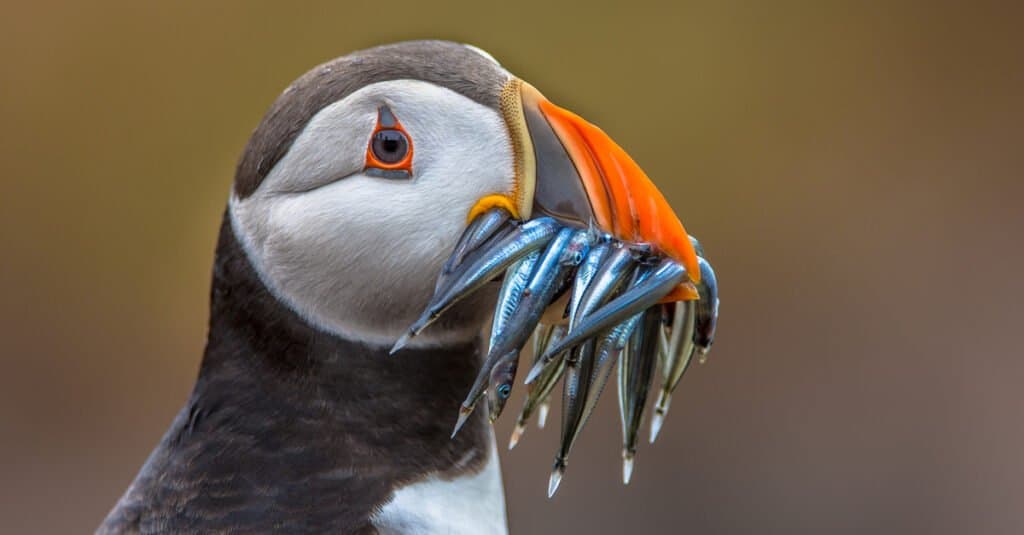
Puffins may be more intelligent than previously thought, but research is difficult to do on animals that spend most of their time in underground and isolated areas.
©Rudmer Zwerver/Shutterstock.com
Still, puffins using sticks to scratch their bodies when they have a perfectly good beak speaks to our lack of understanding of many animal species. Who knows? Perhaps puffins opt for certain home decor. Perhaps they’re utilizing a variety of tools we have yet to observe!