
Quick Take
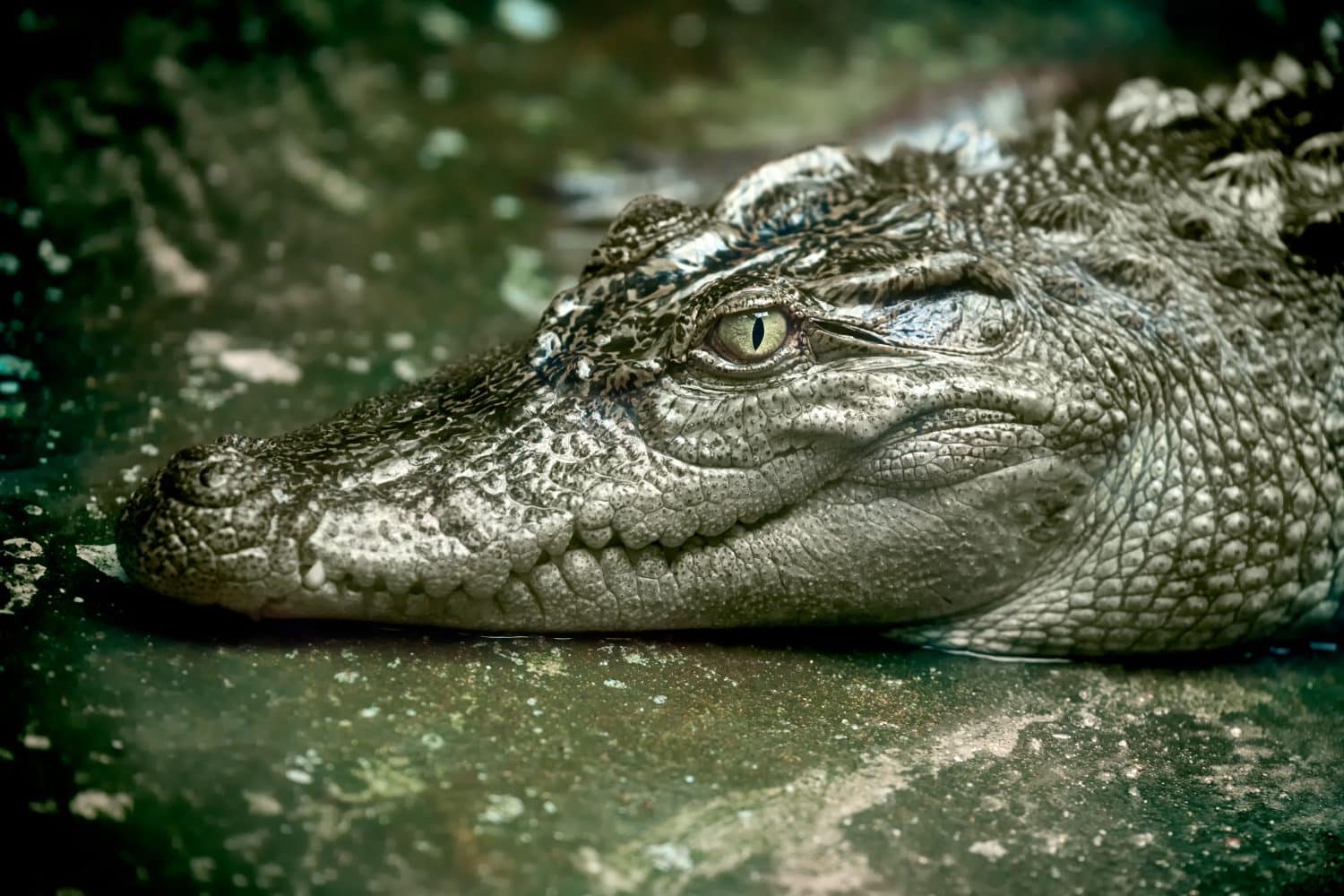
- The Siamese crocodile is a freshwater crocodile native to Cambodia, Laos, Thailand, Vietnam.
- Throughout the 20th century, demand for crocodile skins drove intense hunting, while live animals were removed for farms supplying the leather trade.
- Numbers of the Siamese crocodile were once so low that scientists thought the species no longer existed in the wild.
- After villagers in Laos reported crocodiles living in local wetlands used for fishing and farming, conservation efforts began anew.
- The slow recovery of this crocodile shows what conservation can achieve when funding, science, and local participation align.
Imagine encountering a crocodile so rare that scientists once believed it no longer existed in the wild. This is the reality of the Siamese crocodile, a freshwater reptile native to Southeast Asia that persisted quietly in remote wetlands, while populations collapsed elsewhere. Heavy hunting, habitat loss, and illegal trade pushed the species close to extinction. Over the last two decades, however, a careful recovery effort has begun to change that outcome. Community partnerships, targeted protection, and long-term planning now offer the Siamese crocodile a fragile but genuine opportunity to recover.
A Crocodile You’ve Never Heard Of
The Siamese crocodile is a freshwater crocodile native to Cambodia, Laos, Thailand, Vietnam, and possibly parts of Indonesia. Adult males usually measure about 8 to 10 feet long, while females are slightly smaller, making this species far smaller than saltwater crocodiles, which often exceed 16 feet. Where these species overlap, the Siamese crocodile is smaller and less dominant. It lives in calm waters such as slow rivers, marshes, oxbow lakes, reservoirs, and flooded rice fields, feeding mainly on fish, frogs, crustaceans, and small reptiles caught by ambush.
Despite being a crocodile, it has an unusually docile record with people. Verified attacks on humans are extremely rare, and there is no evidence that these reptiles regularly target people as prey. In areas where they historically lived, children fetching water and adults working in rice fields did so without routine fear of attack. Basic caution around water is sensible, but this species has never earned the reputation of a dangerous “man-eater” like larger crocodiles.
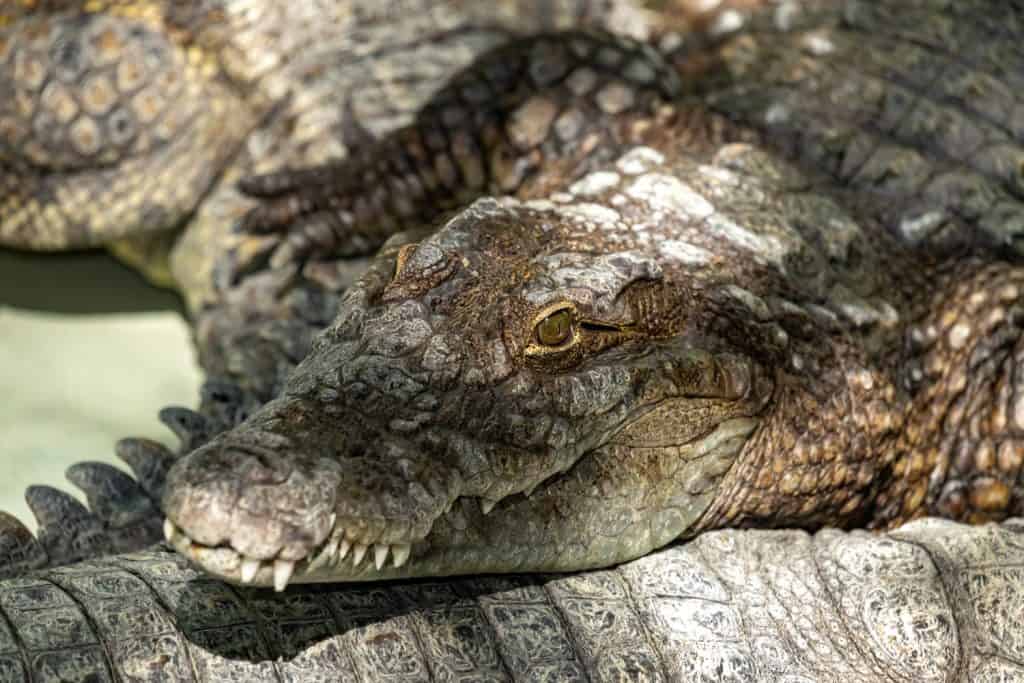
The Siamese crocodile often rests quietly in slow freshwater areas, where it waits for fish and frogs to pass nearby.
©Pavel Filatov/Shutterstock.com
Decline Toward Extinction
By the late twentieth century, wild Siamese crocodiles had nearly disappeared. Demand for crocodile skins drove intense hunting, while live animals were removed for farms supplying the leather trade. At the same time, wetlands were drained or converted for agriculture, dams altered river flows, and marshes were fragmented into isolated patches. These pressures erased breeding sites and disrupted movement between habitats.
In many parts of Cambodia, Laos, Thailand, and Vietnam, sightings stopped completely. Scientists conducting surveys found only scattered individuals or small groups in difficult-to-access wetlands. With so few animals left and threats continuing, the species was listed as critically endangered. Conservationists faced a narrow window to locate surviving populations and stabilize them before natural reproduction failed entirely.
Rediscovery in Rural Laos
Because the species avoids people and rarely displays aggressive behavior, it often lived unnoticed near rural communities. This low visibility complicated research and protection efforts. Many villagers did not realize the animal’s global status, even though it shared their water sources. That combination of secrecy and proximity created risks but also opened the door to community-based solutions once awareness grew.
A turning point came in Laos, where villagers reported crocodiles living in local wetlands used for fishing and farming. Further investigation revealed these animals were Siamese crocodiles, not farm escapees or more common species. They had survived beyond the notice of international researchers by remaining in quiet, lightly disturbed ponds.
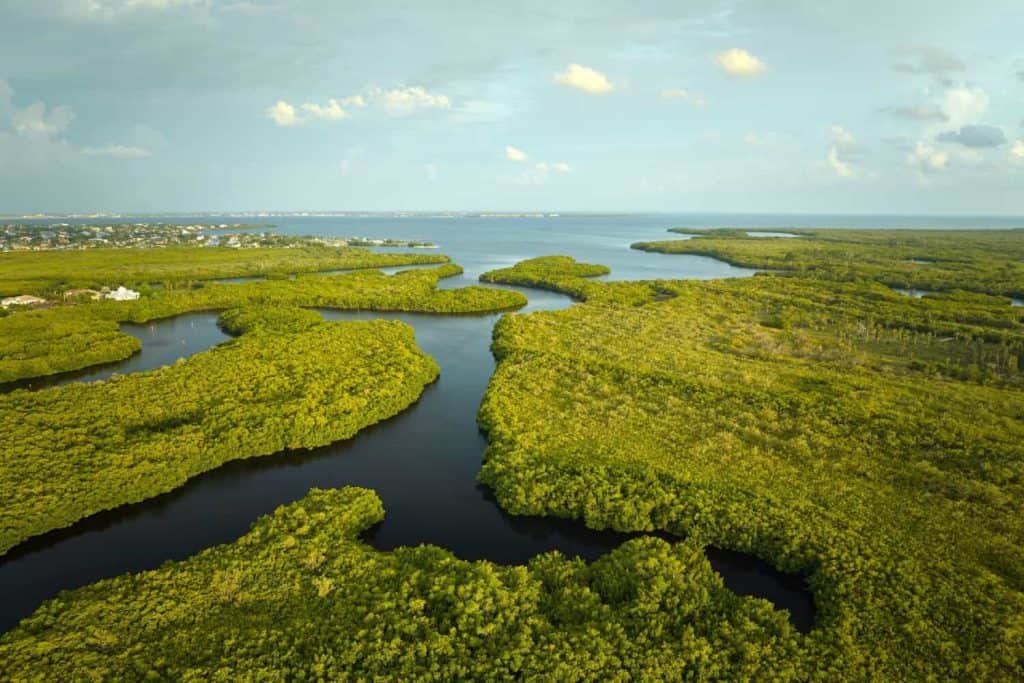
Quiet wetlands like these in rural Laos became important refuges after villagers reported rare crocodiles living alongside fishing areas.
©Bilanol/Shutterstock.com
Once conservationists partnered with the community, the area became recognized as a major refuge for the species. Villagers viewed the crocodiles not as intruders but as part of their local environment. This shift transformed the wetlands from overlooked water sources into a priority conservation site. The discovery demonstrated that recovery could not succeed without the knowledge and cooperation of people living closest to the habitat.
Community-Based Protection and Nest Care
Local involvement soon became the foundation of protection efforts. Villagers agreed on shared rules to limit disturbance near breeding ponds and restrict activities during nesting seasons. One of the most effective measures involved nest care. When eggs were found, community members guarded the sites, marked boundaries, and reduced foot traffic from people and livestock.
Conservation teams supported these efforts with training and occasional equipment, but daily monitoring remained local. In high-risk situations, eggs were relocated to safer nearby locations, but still within the natural environment. These actions greatly reduced losses from trampling, flooding, and poaching. Because the methods relied on local participation rather than enforcement alone, compliance remained strong over time.
Headstarting Young Crocodiles
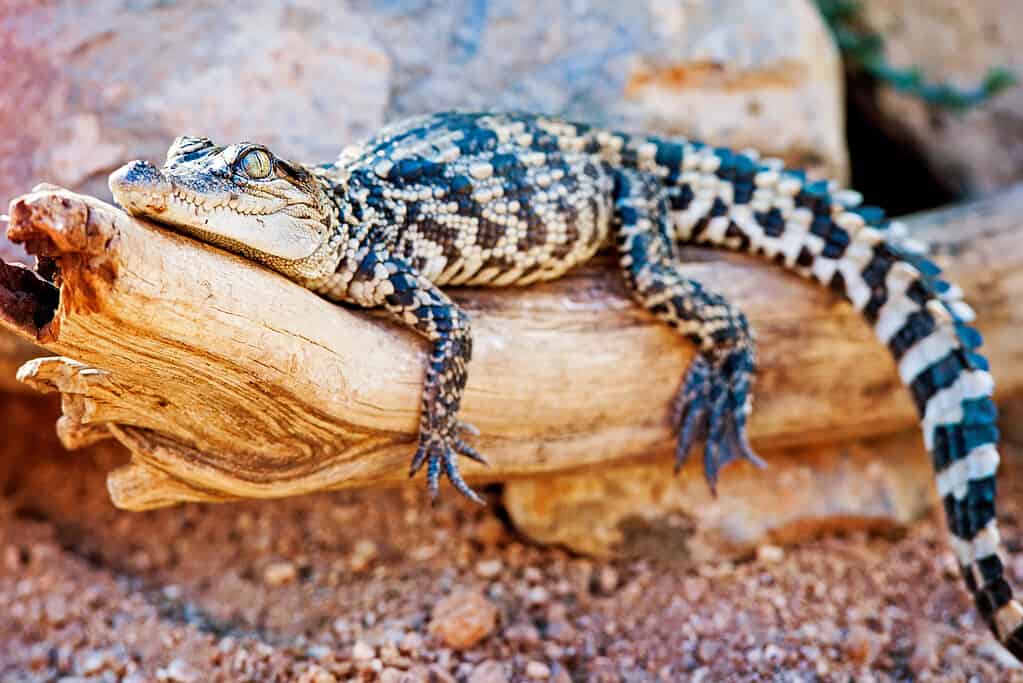
Young Siamese crocodiles raised in protected settings can grow large enough to survive after returning to the wild.
©GoodFocused/Shutterstock.com
Hatchlings face high mortality in the wild due to predators and environmental hazards. To improve survival, conservation programs adopted headstarting. This approach involves collecting eggs or hatchlings and raising them in protected ponds or facilities for several years. During this period, young crocodiles grow large enough to avoid most predators.
Once released back into secure wetlands, these juveniles have a much higher chance of reaching adulthood. Headstarting accelerates population recovery while maintaining natural behaviors, as the animals eventually return to wild conditions. Local caretakers often assist with feeding and monitoring, strengthening community ties to the species. Although not a replacement for habitat protection, headstarting provides a critical boost where populations are dangerously small.
Current Population Estimates
Despite progress, the Siamese crocodile remains one of the rarest crocodilian species. Estimates suggest that between 400 and 1,000 Siamese crocodiles survive in the wild, with Cambodia supporting the largest remaining populations, followed by Laos and Thailand. Numbers in Vietnam are uncertain, and there is little evidence of significant wild populations in Indonesia.
Accurate counts remain difficult. The crocodiles live in murky water, dense vegetation, and remote regions that limit visibility. Researchers rely on nighttime spotlight surveys, camera traps, nest counts, and interviews with local residents. In areas with consistent protection and releases, numbers show slow improvement. Still, the overall population remains fragmented, making each breeding site essential to long-term survival.
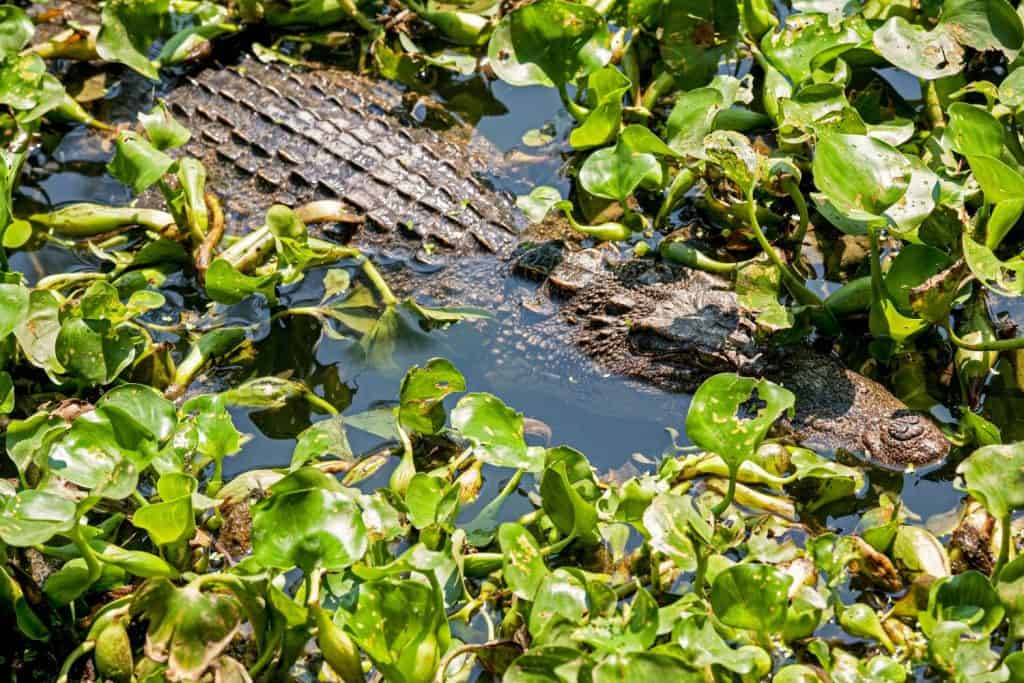
The future of the Siamese crocodile depends on continued wetland protection and long-term cooperation with local communities.
©DnDavis/Shutterstock.com
Ongoing Threats
Many dangers that caused the original decline still exist. Wetland loss continues as land is converted for farming, hydropower, and development. Changes in water flow can flood nests or dry out breeding ponds. In some cases, fear or misinformation leads to accidental killing when crocodiles are mistaken for more aggressive species.
Hybridization with saltwater crocodiles and other farmed species is a primary concern because escaped farmed crocodiles can interbreed with wild Siamese crocodiles and threaten the species’ genetic integrity. Climate change adds further uncertainty by altering rainfall patterns and seasonal flooding. Without constant attention, these factors could undo recent gains.
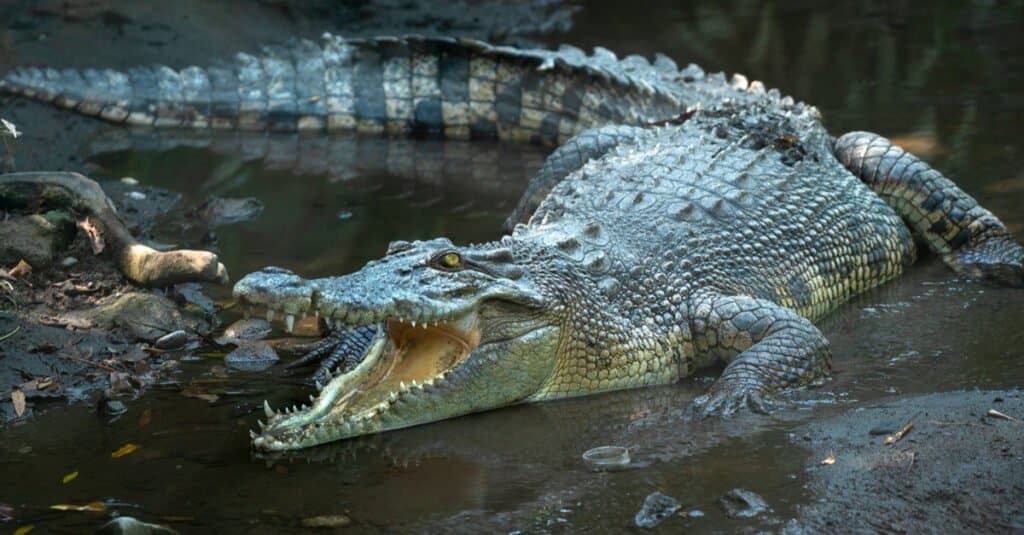
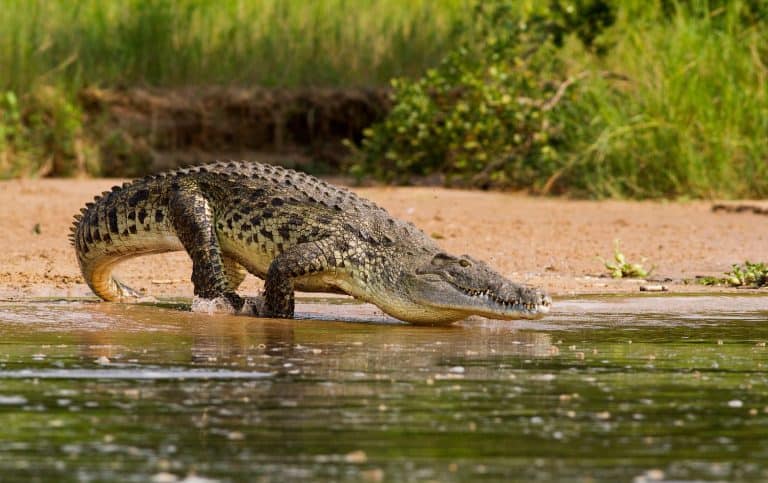
The Siamese crocodile can hybridize with the much larger and more aggressive saltwater crocodile, pictured here, which could eventually cause the extinction of the less prolific species.
©Pius Rino Pungkiawan/Shutterstock.com
How the Conservation Effort Is Funded
Conservation of the Siamese crocodile is supported through a combination of national government wildlife budgets, international conservation organizations, and development-linked grants. Funding commonly comes from environment ministries, NGOs such as WWF and Fauna & Flora, zoo-based conservation programs, and foreign aid agencies that support biodiversity as part of rural development and climate-resilience initiatives. Captive-breeding facilities and reintroduction efforts are typically co-funded by conservation charities and zoos, rather than by local villages.
This funding structure allows long-term planning without shifting financial risk onto rural communities. Instead of relying on unpaid local tolerance, successful programs allocate resources to monitoring, habitat protection, education, and infrastructure that reduce conflict between people and wildlife.
How Local Communities Are Involved
Local communities are central partners in conservation rather than passive observers. Residents bring detailed knowledge of seasonal water levels, fishing patterns, and wildlife behavior that outside organizations lack. In many regions, villagers participate through paid monitoring roles, reporting nests or sightings, adjusting fishing practices during nesting seasons, and helping define informal conservation zones. Compensation programs for livestock loss, as well as investments in alternative water sources such as wells, further reduce pressure on crocodile habitat.
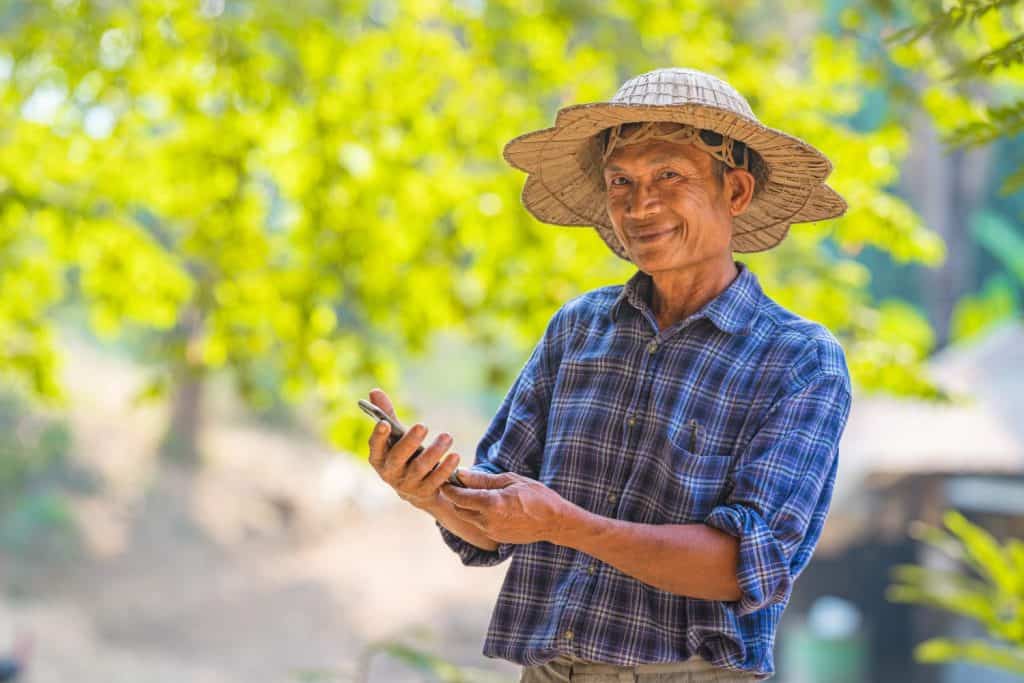
Local people are an essential element of the conservation effort for Siamese crocodiles in Laos.
©Background Photo/Shutterstock.com
Where collaboration is strong, conservation groups support these efforts with training and modest funding instead of strict enforcement. These partnerships often produce broader benefits, including healthier wetlands, more stable fish populations, and improved trust between communities and conservation organizations. Education programs, especially those aimed at children, also play a key role by replacing fear with understanding and encouraging long-term coexistence.
Why This Recovery Matters
Protecting the Siamese crocodile protects far more than a single species. The wetlands it depends on support fish, birds, amphibians, aquatic plants, and the human communities that rely on clean water and flood control. When these ecosystems remain intact, they provide food, income, and environmental stability while signaling a functioning, resilient landscape.
The slow recovery of this crocodile shows what conservation can achieve when funding, science, and local participation align. It stands as evidence that even species pushed close to extinction can persist when people are treated as partners and when conservation is designed to benefit entire ecosystems, not just one animal.