
Quick Take
- World Wildlife Conservation Day mobilizes action to protect endangered species amid a biodiversity crisis.
- Recent breakthroughs include microbial conservation, ocean protection goals, and indigenous leadership, along with gains for bald eagles, pandas, and white rhinos.
- People can celebrate by joining local wildlife events or, if none exist, taking simple local actions to support ecosystems and wildlife.
Today’s headlines are filled with issues plaguing the planet. Whether it is climate change, permafrost melt, or even discussions about the sixth mass extinction event, the news about Earth is rarely positive.
Related to all of these topics is wildlife conservation. Although efforts have been made over the past several decades to help wildlife—especially species on the brink of extinction—species continue to be lost every day. To raise awareness of this topic globally, World Wildlife Conservation Day was created over a decade ago. While discussions of wildlife conservation have become more mainstream, some question whether the planet is in any better shape to protect species from going extinct than it was when the day of awareness was created. This is why conservationists emphasize that action must be taken now, making Wildlife Conservation Day more important than ever.
Why World Wildlife Conservation Day Matters
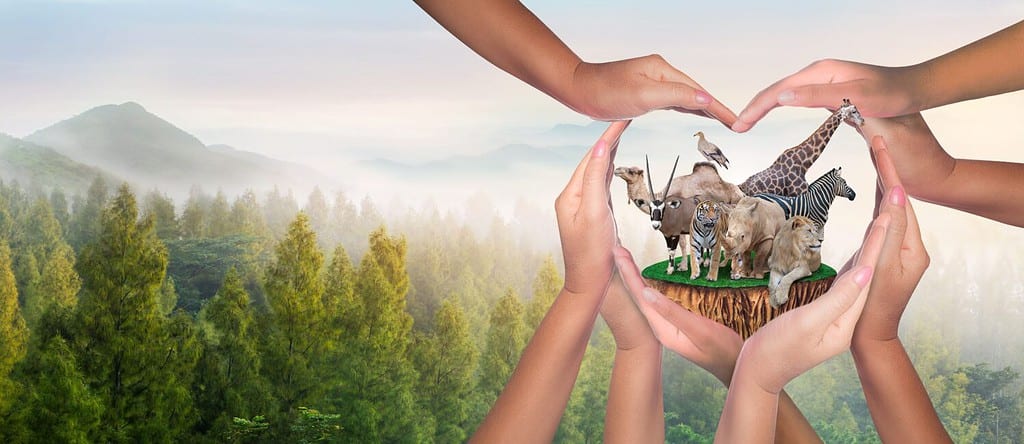
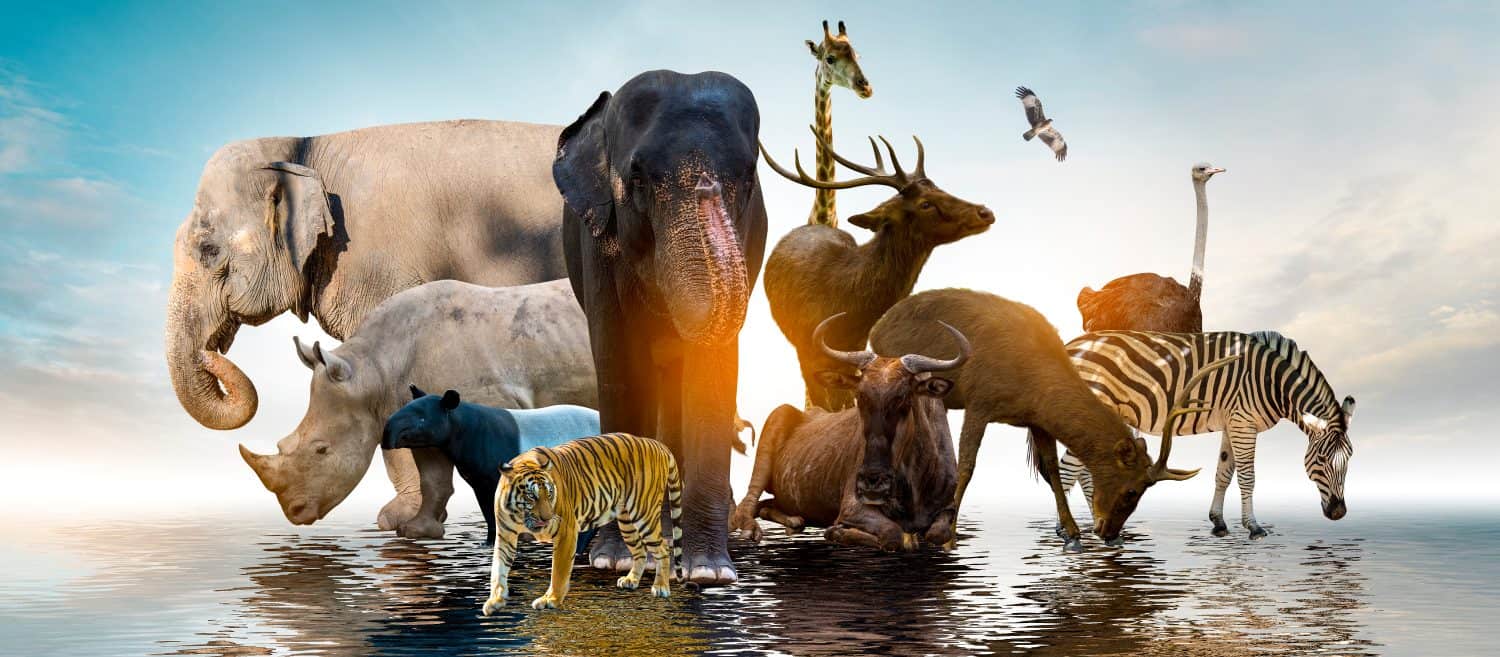
World Wildlife Conservation Day is significant today, given that 200 species go extinct every day.
©gan chaonan/Shutterstock.com
World Wildlife Conservation Day was first honored on December 4, 2012. Hillary Clinton, then the U.S. Secretary of State, initiated the day to support and raise awareness of international laws that conserve wildlife and protect endangered species. This was specifically targeted to combat illegal animal trafficking, which is an $8 billion to $10 billion industry today.
Today, World Wildlife Conservation Day is about more than just raising awareness of laws and fighting illegal animal trafficking. It serves as a warning that, unless more is done soon, species on the planet will continue to go extinct. With 200 species going extinct daily and another one million threatened with extinction, this highlights just how severe the biodiversity crisis has become.
As governments, organizations, and individuals continue to fight to save species from extinction, there have been breakthroughs in the conservation world worth celebrating. However, until the biodiversity challenges facing Earth today are better understood and under control, there is still much to do. The top priority is improving the health of the planet and its species, so that endangered or threatened species have a chance at survival.
International Biodiversity Challenges
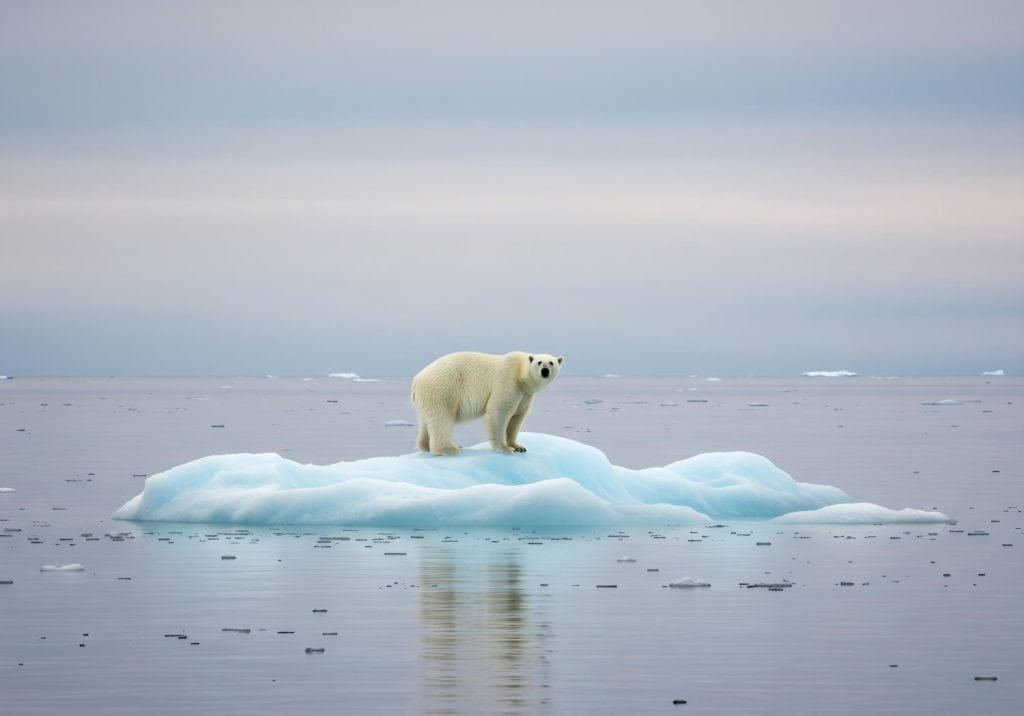
The major biodiversity challenges the planet faces today are overexploitation, climate change, habitat loss, pollution, and invasive species.
©Andrewfel/Shutterstock.com
Unfortunately, despite all the innovations touted as “progress,” not everyone has benefited. In many cases, the planet has suffered, with wildlife paying the price for human advancements over the last few centuries. Therefore, it should come as no surprise that there is an abundance of international biodiversity challenges plaguing wildlife today.
Individual countries face specific biodiversity challenges. However, the overarching obstacles account for the majority of biodiversity challenges, which are easily identified. The difficulties with survival that wildlife faces today fall into the following categories:
| Biodiversity Challenge | Description |
| Overexploitation | Overhunting or overfishing has led to the demise or near demise of hundreds of species. When practices are unsustainable, wildlife suffers. |
| Climate Change | Some species have dealt with changing temperatures, altered weather patterns, and the intensification of catastrophic weather events better than others. Unfortunately, due to loss of ice, increased ocean temperatures, and unpredictable seasonal changes, many animals are suffering. |
| Habitat Loss | As people continue urban sprawl, animal species are displaced. In some instances, this means smaller habitats, while in others, it means fractured habitats. All of it leads to species struggling to survive, both to find food and mates to propagate future generations. |
| Pollution | Pollution has caused air-quality problems for people for decades. That same pollution not only seeps into waterways, harming aquatic life, but can also contaminate soil and affect air quality for wildlife. |
| Introduction of Invasive Species | Whether it is wildlife brought to the United States centuries ago or non-native animals introduced to an environment after pets could no longer be cared for, all contribute to habitat loss and increased competition for resources with native wildlife. |
These challenges with biodiversity are massive. To achieve substantial global change, governments around the world must participate to make a large-scale difference. While there has been some progress—such as increasing the range elephants have to roam in Africa, changing shipping routes in the ocean to save endangered whale species, or restoring habitats in Australia after devastating wildfires in 2019 and 2020—there is still much to do if wildlife is to be conserved on the planet. Fortunately, there have been some significant conservation breakthroughs in recent years that are helping to make this happen.
Conservation Breakthroughs That Could Help Save the Planet

Saving giant pandas is one of the most incredible conservation breakthroughs in recent decades.
©Dark_Side/Shutterstock.com
News about wildlife conservation can be bleak at times. However, there are also glimmers of hope that fuel those fighting to save threatened and endangered species before they are permanently eradicated from the planet.
Some of the recent conservation breakthroughs that are helping to combat wildlife biodiversity loss include:
| Conservation Breakthroughs | Description |
| Creation of the Microbial Conservation Specialist Group | By conserving microbes, which is the “invisible 99% of life,” the shift goes from saving individual species to saving all species, including those that are the building blocks of life and biodiversity health. |
| Ocean Breakthrough and Marine Conservation Breakthrough | Developed in 2023 to create “five major pathways to achieve a healthy and productive ocean by 2050.” The first major milestone toward achieving this goal is to be completed by 2030. Additionally, by the same year, 30% of the oceans are to be protected, restored, and conserved for the “benefit of people and climate.” |
| By conserving microbes, which are the “invisible 99% of life,” the shift goes from saving individual species to saving all species, including those that are the building blocks of life and biodiversity health. | Created to ensure Indigenous and coastal people’s “knowledge, rights, and leadership” when working to conserve marine environments sustainably. |
| Previous Individual Wins for Wildlife | Increased populations that are either still growing or have stabilized for bald eagles in the United States, Bengal tigers in India, and the giant panda in China. |
| Recent Wins for Wildlife Conservation 1. Greater Adjunct Stork 2. White Rhino 3. Santa Cruz tortoise 4. Chimpanzee | 1. Two captive-bred Greater Adjutant Storks were released in Cambodia in November 2025 as part of ongoing conservation efforts for the species. 2. Seven white rhino embryos were successfully fertilized in November 2025, which may be able to bring the species back from extinction. 3. Nine critically endangered Santa Cruz tortoises were born at the Philadelphia Zoo in August 2025. 4. A March 2025 discovery that chimpanzees “have evolved genetic differences to adapt to their local habitats” has led researchers to understand that different methods will be necessary for conservation of individual chimpanzee species rather than chimpanzees as a whole. |
With these breakthroughs in conservation, there is still far more to do to help species around the world recover and eventually stabilize. By participating in events to celebrate World Wildlife Conservation Day, more people become informed about the challenges wildlife faces today, and changes can be made to support wildlife recovery efforts.
How to Celebrate World Wildlife Conservation Day
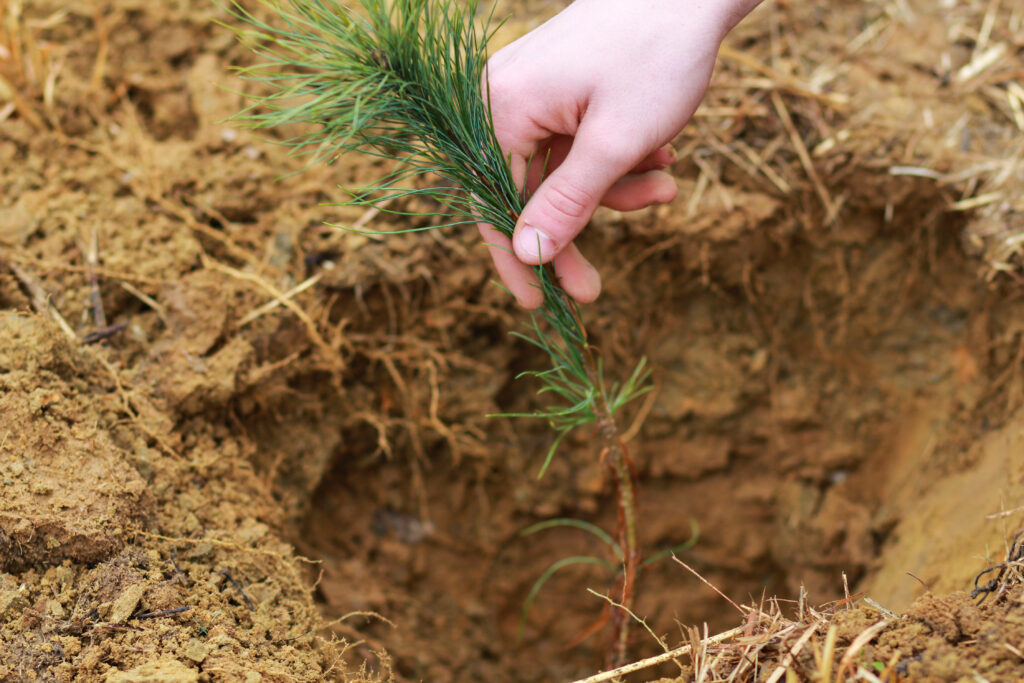
Planting trees is one of the events generally offered for participants on World Wildlife Conservation Day.
©Christopher Byrne/Shutterstock.com
Cities and towns throughout the United States and the world will host a variety of events on December 4 to raise awareness of wildlife conservation. It is recommended to check with state and local wildlife organizations to find meaningful events in which to participate.
Some of the most common events planned to bring awareness to wildlife conservation include:
- Planting trees
- River and beach cleanup meetups
- Presentations at wildlife sanctuaries
- Screenings of documentaries that speak to the state of wildlife conservation
- Rallies with local experts speaking about wildlife conservation
- Sanctioned events with expert guest speakers regarding what can be done and the current status of global wildlife conservation
There may be many more events planned for World Wildlife Conservation Day. Community calendars will outline what is being done to observe the day. However, if there are no events, do not worry. There is still plenty that can be done individually and locally to make a positive change for wildlife.
How People Can Make an Impact on a Local Level

Implement using recycled materials to celebrate World Wildlife Conservation Day.
©Juicy FOTO/Shutterstock.com
For those without any events locally to celebrate World Wildlife Conservation Day, there are plenty of ways to make a positive impact on wildlife at the local level. Even if there are no sanctioned events, resident wildlife can still be helped by those who make changes that benefit ecosystems and animals alike.
Some of the easiest ways people can make strides to benefit local wildlife include:
- Adopt sustainable practices, such as using products made from recycled materials, reducing the use of single-use plastic, and not using plastic straws
- Create backyard habitats that support native wildlife
- Eat a plant-based diet or incorporate more plant-based foods into your diet
- Create an area cleanup to make ecosystems clean for wildlife to thrive
- Donate to organizations committed to saving wildlife
- Use social media to spread the word not only about global wildlife issues, but local ones as well
- Learn about what species are on the cusp of going extinct and what can be done to stop that from happening
World Wildlife Conservation Day affects the entire planet. By making both large and small changes, wildlife around the world will benefit. No effort is too small to make a difference. However, making no effort at all will continue to lead wildlife down the path they are currently on—a path to extinction.