
Quick Take
- An unprovoked shark bite is a bite that occurs when the shark is not approached or disturbed by the human. How experts define bites →
- The United States and Australia record the highest number of incidents, largely because so many people use their coastal waters. See the global hotspots →
- Despite the attention they receive, shark attacks remain exceptionally rare compared with the millions of people who enter the ocean each year. Why sharks bite humans →
- Shark bites often occur because they mistake the human for prey, but simple safety precautions can reduce the risk of it occurring. Precautions swimmers can take →
Every year, Shark Week puts sharks back in the spotlight with dramatic footage and reports of close encounters. This often makes bites seem more common than they really are, causing widespread fear of sharks. However, experts say that the overall risk to swimmers remains extremely low, as the latest data from the International Shark Attack File shows.
What Counts as an Unprovoked Shark Bite?
Not every shark bite falls into the same category. The International Shark Attack File (ISAF) separates incidents into different types so that we can better understand how people and sharks interact. The statistic that is most often mentioned each year is the number of unprovoked bites. Unprovoked bites are incidents that occur when a person is in the shark’s natural habitat and has not approached, fed, touched, or otherwise disturbed the shark.
In comparison, a provoked shark attack is an incident that occurs when a person has deliberately interacted with the shark in some way. These can be situations such as trying to touch or feed the shark, attempting to remove it from a hook or net, or other similar events. This distinction is particularly important when recording the number of shark attacks, as it gives a much clearer idea of the risk that is faced by ordinary swimmers and divers. Without separating the two types of shark bites, the statistics can make the overall risk appear much higher than it really is.

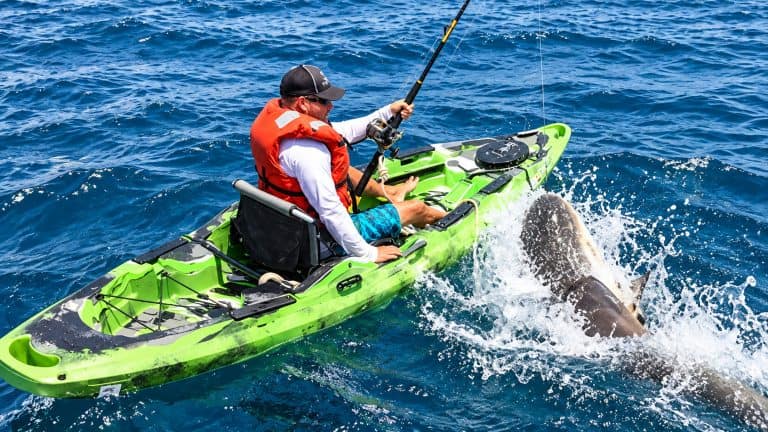
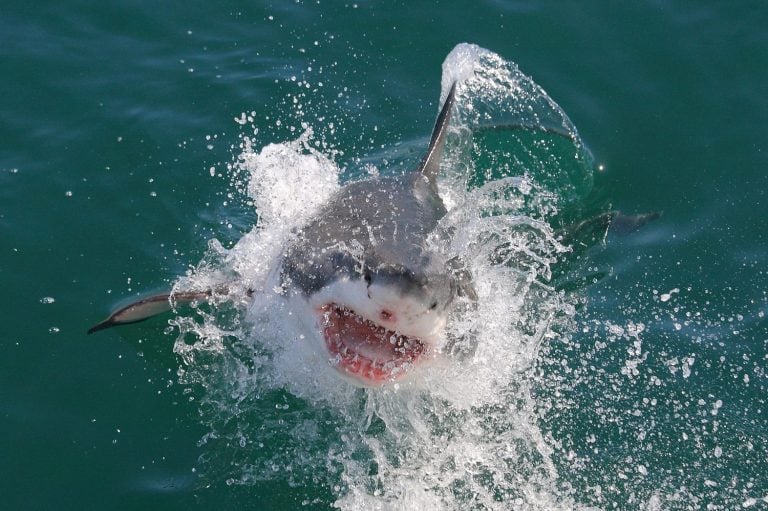
Unprovoked bites occur when the shark is not approached or disturbed.
©Thierry Eidenweil/Shutterstock.com
Where Do Most Incidents Happen?
The latest ISAF report recorded 65 unprovoked shark bites worldwide in 2025, with nine unprovoked fatalities. Although slightly higher, these figures are still in line with the recent five-year average, which recorded an average of 61 unprovoked bites and eight fatalities per year between 2020 and 2024.
The United States reported the highest number of incidents, with a total of 25 unprovoked bites and one fatality. This was closely followed by Australia, with 21 bites and five deaths. Three of the deaths in Australia are attributed to attacks on surfers by great white sharks. Within the United States, Florida recorded the highest number of unprovoked bites, with eleven, although none were fatal. California was second, with five bites and the only US fatality for the year.
An increase in the number of great white sharks in warm coastal regions where recreational activities are popular is considered to be one of the leading reasons for unprovoked bites. This includes activities such as surfing and snorkelling. However, the number of shark bites also fluctuates each year due to factors such as weather, ocean conditions, prey locations, and even the amount of tourism and human activity in the area.

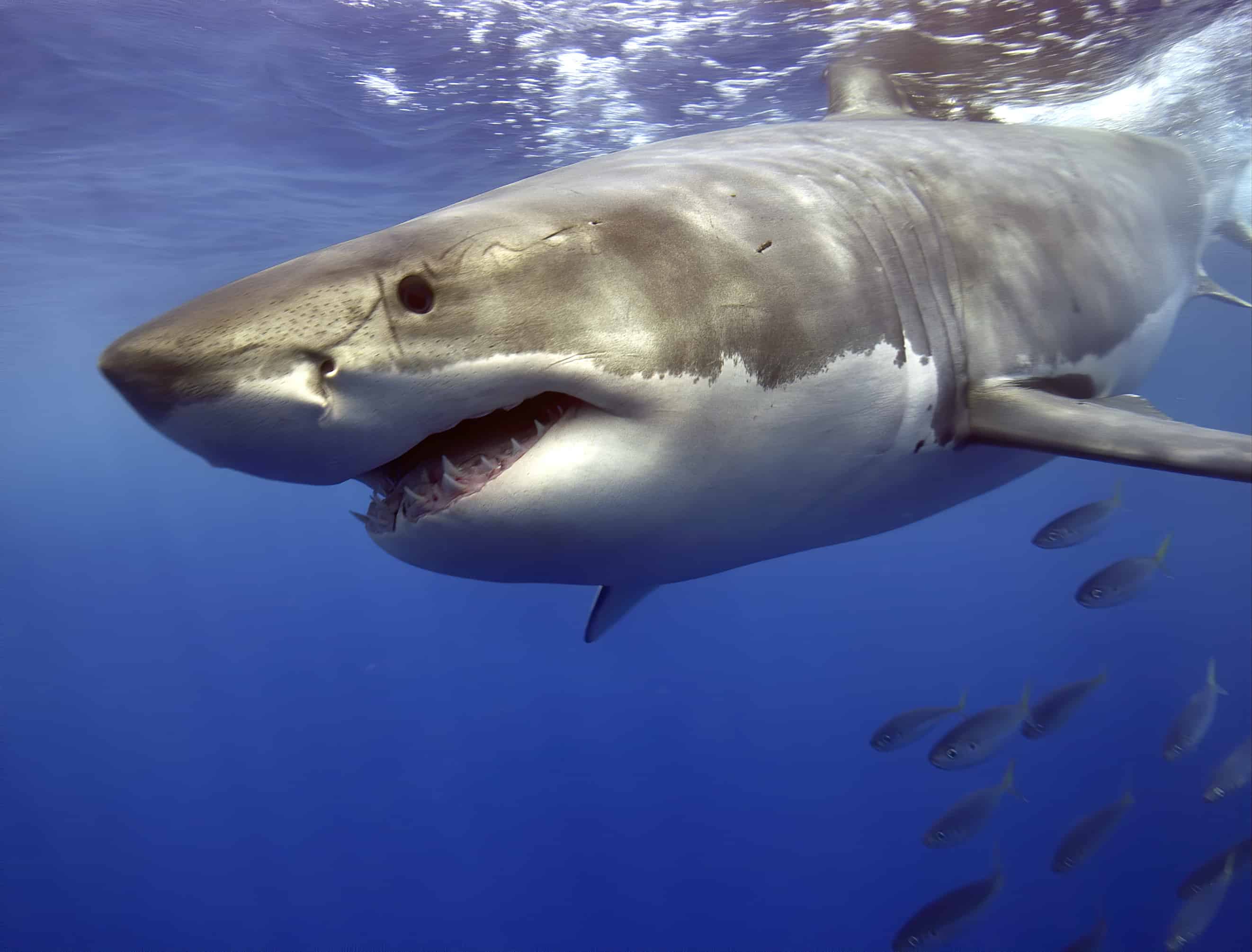
More shark bites occur in popular coastal waters.
©Aquabluedreams/Shutterstock.com
Why Experts Say the Risk Is Still Low
Despite the attention that shark bites receive, experts continue to describe the actual risk of a shark bite as being extremely low. Even a higher number of bites or fatalities in one year does not suddenly mean that the risk has increased. As the total number of incidents is relatively small, even a difference in a few cases from one year to the next can make the totals appear higher. However, it doesn’t always indicate any long-term change in shark behavior. Millions of people still enter the water every year without ever encountering a shark, let alone receiving a bite from one.
Most sharks are not interested in humans and do not see us as prey. This is because their diet mainly consists of fish and other marine animals. Many of the unprovoked bites that occur happen due to the shark mistaking the person for its usual prey, particularly in murky water or low light. These are considered “test bites”, where the shark bites unfamiliar objects to see if they are edible. Typically, the shark then releases and swims away after the initial bite when it realizes it is not actually prey.
There are also some precautions that can be taken to minimize the risk even further. This includes things such as avoiding murky water and low light conditions at dawn and dusk. Staying close to shore and avoiding swimming alone are also advised. Additionally, you should avoid wearing jewelry as it can reflect light and mimic the appearance of fish scales.