
Quick Take
- True animal sanctuaries are non-profit and GFAS-accredited, do not operate for public entertainment, and do not breed animals.
- AZA accreditation evaluates animal welfare, conservation, education, and veterinary care; roadside zoos are unaccredited and may exhibit poor conditions.
- Sanctuaries acquire animals that cannot survive in the wild and do not buy, sell, or trade animals.
Why do many animal activists support sanctuaries but oppose zoos? Although accredited zoos participate in conservation efforts and breeding programs of endangered animals, they are still in the business of entertaining the public. Sanctuaries, on the other hand, care for animals that can’t be released back into the wild, or, if possible, they rehabilitate and release wild animals. Sanctuaries may offer tours for visitors, but their primary function is not to put the animals on display.
While accredited zoos have standards of animal care, zoos that are not accredited often call themselves “sanctuaries” but don’t follow proper guidelines. Many of these places have been found to abuse animals or keep them in cramped, crowded conditions. How can you tell a true sanctuary from a fake one? And how do sanctuaries differ from zoos? Let’s take a look.
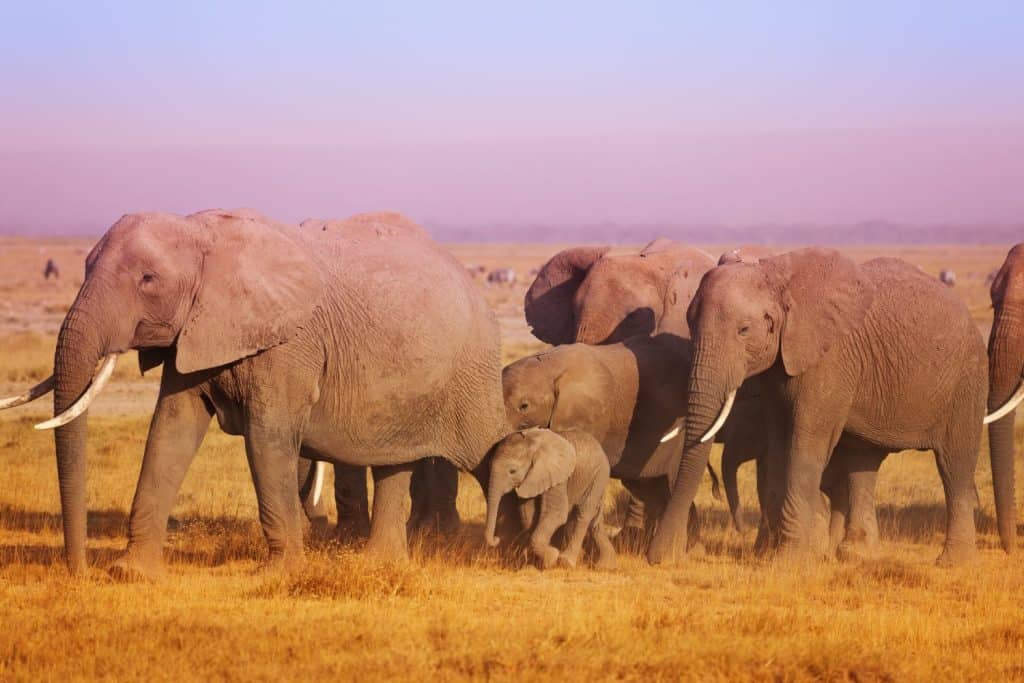
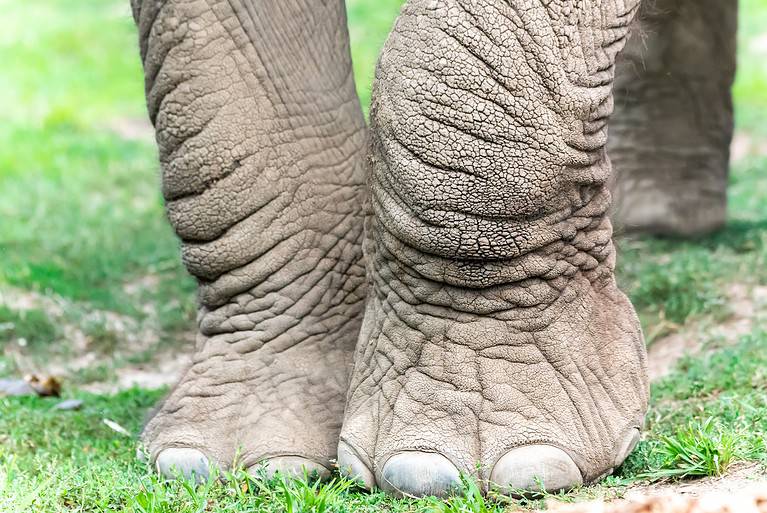
Sanctuaries for elephants care for elephants that were held captive or have been retired from performance and exhibition.
©Sergey Novikov/Shutterstock.com
True Sanctuaries Hold Themselves to High Standards of Care
True sanctuaries do not operate for public entertainment by showcasing animals. You can be sure you are at a true sanctuary by checking for accreditation by the Global Federation of Animal Sanctuaries (GFAS). GFAS is a non-profit organization that accredits and supports animal sanctuaries, rescue, and rehabilitation centers around the world. According to the website, the GFAS mission is, “To accredit and recognize sanctuaries and rescue centers, support them to achieve the highest Standards of Excellence, promote collaboration, and raise awareness of their work.”
Non-Profit
Some of the standards required by GFAS include not operating as a for-profit entity. These organizations are non-profit and must have ethical standards in fundraising.
No Captive Breeding
To be accredited, sanctuaries must not breed animals in captivity. However, there may be possible exceptions. For example, rescue organizations that breed endangered species to be released into native habitats may still meet the standards.
Animal Treatment
Sanctuaries can offer tours to the public, but these should be conducted in a way that doesn’t stress the animals. The public will typically be some distance from the animals, and the animals should always have a place to retreat. You also won’t see direct contact between the public and wildlife at a sanctuary, with a few exceptions for small reptiles and birds. Animals must have proper nutrition, veterinary care, and be housed in adequately sized enclosures with room for enrichment, depending on the animal’s needs.
Acquiring Animals
Unlike zoos, sanctuaries don’t buy, sell, trade, or capture animals from the wild. Sanctuaries acquire animals that can’t survive in the wild, often because they are injured or have been confiscated as illegal exotic pets. Animals in a sanctuary may need to live there for life, although some may be able to be rehabilitated and returned to the wild.
Skip Your Visit to Roadside Zoos
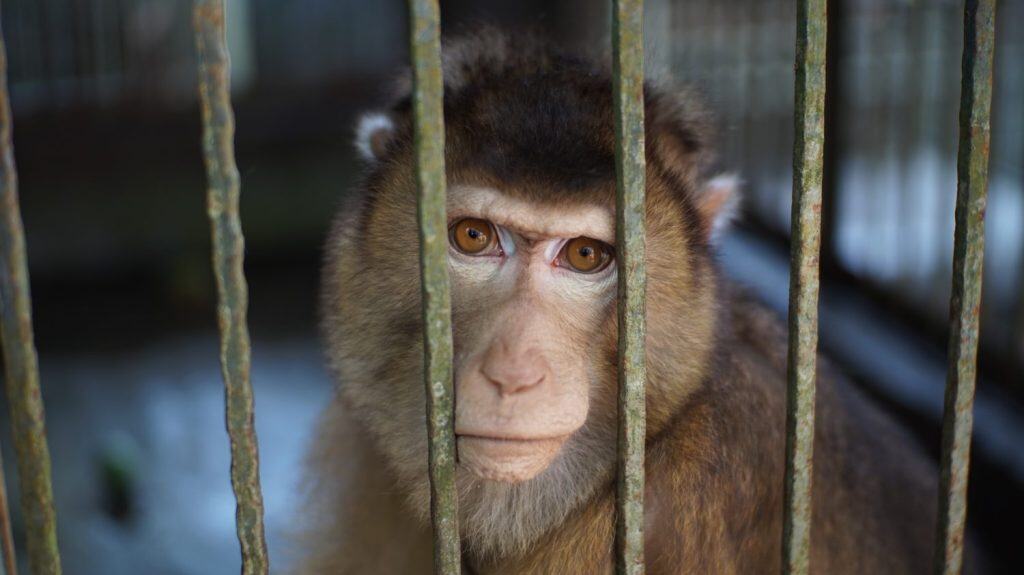
You will know you are at a roadside zoo if the animals are housed in cramped enclosures without much room for their natural behavior.
©adestya hari nugroho/Shutterstock.com
According to the Humane Society of New York, roadside zoos are “unaccredited and where wild animals, such as lions, tigers, monkeys, and bears, are kept in small cages, fed inadequate food, provided with little mental stimulation, and deprived of necessary medical care.” For the most part, roadside zoos are poorly regulated. However, there has been some good news recently in the protection efforts of big cats. The Big Cat Public Safety Act, enacted on December 20, 2022, bans private ownership of big cats and ends the practice of cub petting at roadside zoos.
If you find yourself at a sanctuary or wildlife rescue zoo, and you’re wondering if it’s a true sanctuary or an exploitative roadside zoo, here are some signs from the World Animal Protection of Canada that you can watch out for:
- Enclosures are cramped and/or dirty without offering enrichment for the animals.
- Enclosures offer no place for the animal to hide, but put them on display constantly.
- The organization offers direct contact between the public and the animals. A true sanctuary won’t let visitors take selfies, pet, or feed the animals.
- Does the organization seem focused on profit rather than rescue and rehabilitation?
- Animals were born there, or they are currently breeding wild animals.
How to Tell If a Zoo Is Accredited
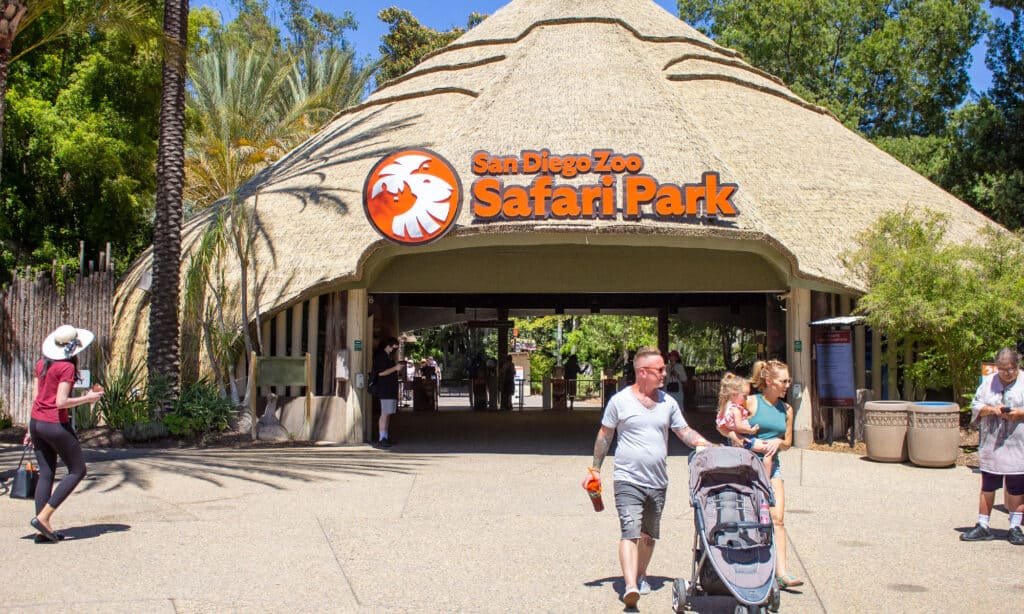
The San Diego Zoo is accredited by the Association of Zoos and Aquariums (AZA).
©The Image Party/Shutterstock.com
Unlike roadside zoos, accredited zoos are held to high standards of animal care. You can find out if a zoo is accredited by checking the website of the Association of Zoos and Aquariums (AZA). To be accredited by the AZA, a zoo is rated on multiple standards, including animal welfare, conservation, education, and veterinary care. Despite ongoing controversy over whether zoos are ethical today, given our current understanding of animal behavior, supporters argue that zoos are important for education, public awareness, and conservation efforts.