
Quick Take
- A new study has examined parrot feathers taken from funerary bundles in an elite Ychsma culture tomb in Peru.
- The scientists concluded that the birds had hatched in the Amazon region but had spent a long time in the area around the tombs.
- Evidence also showed that they had been captured in the Amazon rainforest and then traded.
- The trading routes crossed the Andes mountains and pre-dated the Incas.
Parrots are vibrant, charismatic, and fascinating creatures. They have become popular pets, but they are a huge responsibility. A recent survey showed that bird ownership among Gen Z (people born in the late 1990s and early 2000s) increased by 22 percent between 2023 and 2025. Our fascination with parrots, however, is far from a modern phenomenon. New DNA analysis of ancient parrot remains has revealed that they were being traded over long distances even before the Inca Empire.
The Cultural Significance of Parrots
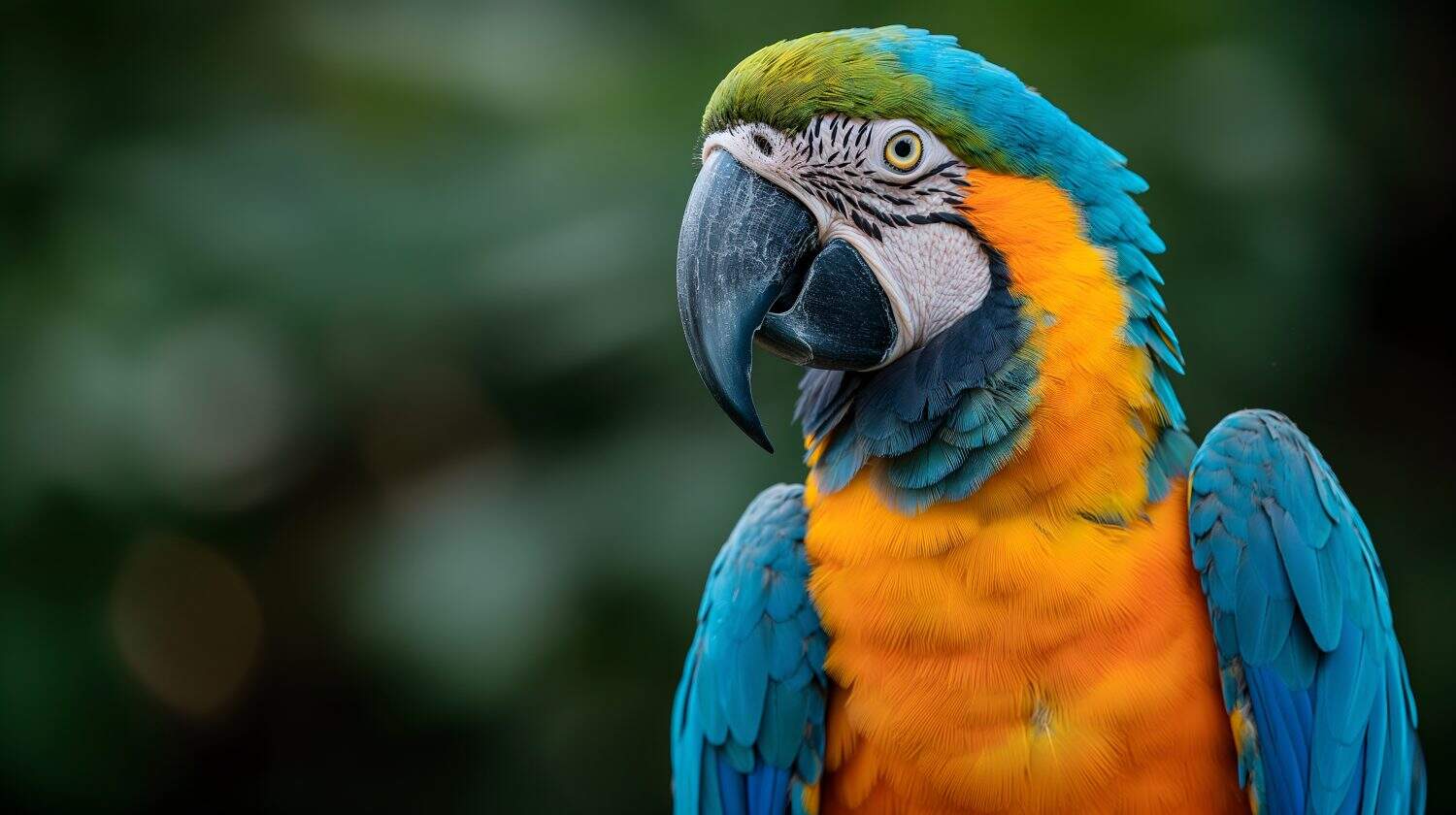
There are almost 400 parrot species, but the ‘true’ parrots are the Psittacoidea family, which includes the macaws, lorikeets, and budgerigars. They don’t just look good; with their striking and brightly colored feathers, they are also highly intelligent. Some parrots can talk, some can sing, and many can use tools.
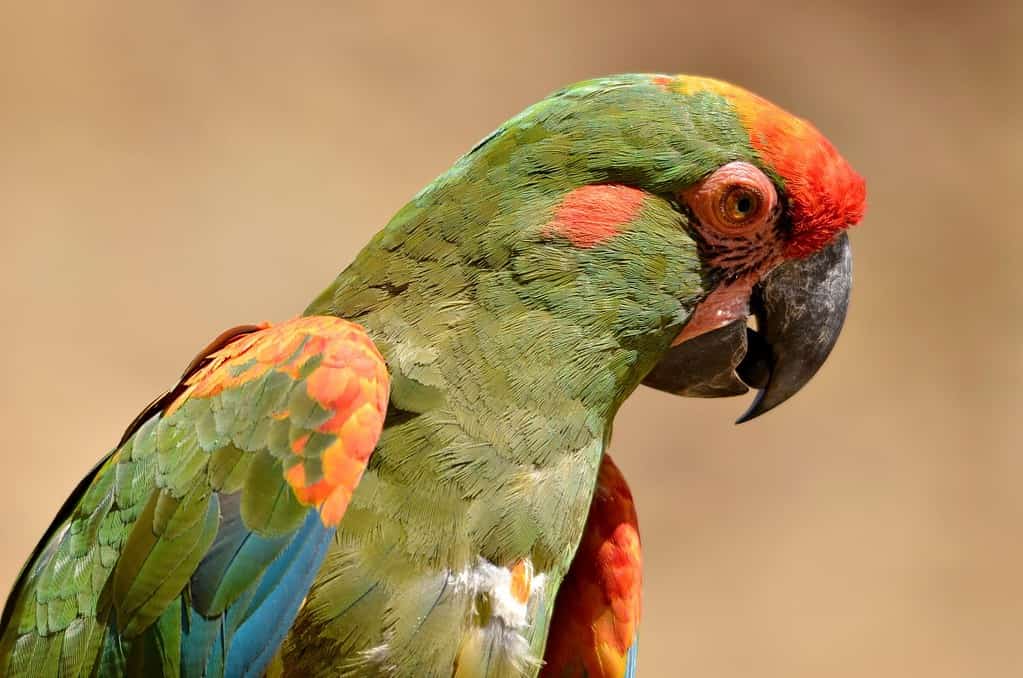
Parrots have had a cultural significance for thousands of years.
©Christian Musat/Shutterstock.com
Parrots have been featured in human writings, art, and music for thousands of years. They have also played an important part in many cultures. For example, jade artifacts from the ancient Chinese Shang dynasty have been found, which were crafted in the shape of parrots. Amazonian parrot feathers were also highly prized by ancient cultures of coastal Peru. Here, they symbolized status and power. The pre-Hispanic cultures of the Andes, Mesoamerica, and the American Southwest extensively used parrot feathers. Parrots appear in sculptures, paintings, and pottery on both the north and south coasts of ancient Peru. The fact that parrot feathers were so rare and were so highly valued meant that it was worth going to a lot of effort to transport them from a long way away!
Study of Ancient Parrot Feathers
A recently published study has focused on a unique collection of feathered ornaments. They had been retrieved from a tomb dating from 1000–1470 CE. The elite Ychsma culture tomb was located at the ancient religious center of Pachacamac, around 25 miles southeast of Lima, Peru. Within the tomb, there were 34 funerary bundles. The five largest bundles were decorated with brilliant feathers. These were clearly highly prized objects, but which birds did they come from?
The investigators used a combination of archaeological data and advanced biomolecular, geochemical, and computational modeling techniques to find out. Using advanced techniques, they extracted ancient DNA from feather barb fragments. At the same time, they used isotope investigation to determine the birds’ diet and modeled both ancient species distribution and routes between the birds’ home in Amazonia and the Andes.
Parrots in Pre-Inca Societies
The study showed that the bird feathers had been used in high-status burials dating from 1000 to 1400 CE. This means that the tombs were created by the Ychsma people who lived on the central coast during the Late Intermediate Period. This is before the local people were subjugated by the Inca people.
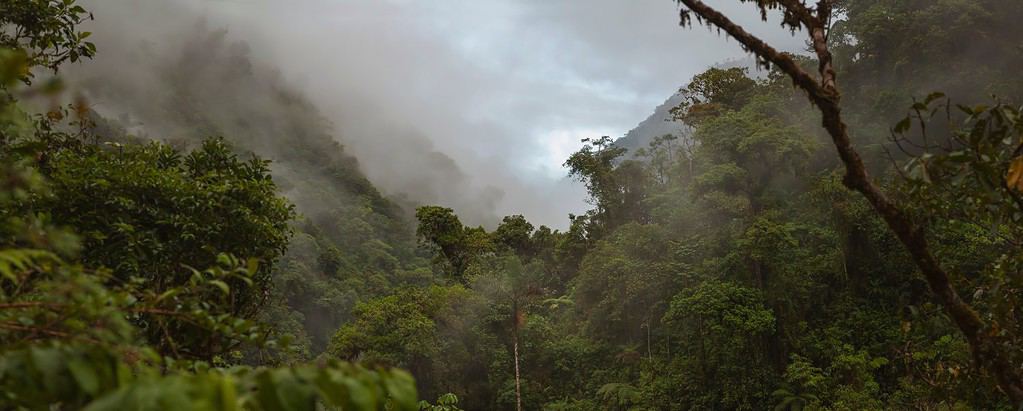
Ancient Peruvian civilizations prized parrot feathers.
©alvarobueno/Shutterstock.com
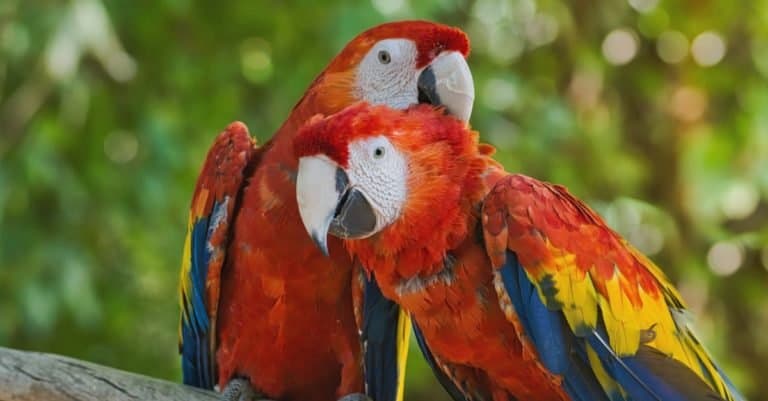
So, which birds did these feathers belong to? A genomic analysis of 25 feathers revealed that they came from the Scarlet Macaw (Ara macao), the Red-and-green Macaw (Ara chloropterus), the Blue-and-yellow Macaw (Ara ararauna), the Mealy Amazon (Amazona farinose), and the Sabine’s Gull (Xema sabini).
In the case of the Sabine’s Gull, there is an easy explanation for how the Ychsma obtained the feathers. This is an arctic breeder, but it winters along the Peruvian coast, so it would have been a local bird for them to use. In contrast, the four parrot species are native to lowland tropical rainforests and palm swamps. These are located hundreds of miles east of where the feathers were found. Humans were clearly behind the arrival of the parrots in the location of the tombs, specifically a trans-Andes connection between ancient civilizations. One tantalizing question remains. Were the parrots being bred locally, or were they taken from their natural habitats?
Were the Parrots Wild or Locally Bred Birds?
It is possible that the parrots were being bred in captivity on this arid coastline. This is plausible because we know there is evidence of ancient macaw breeding programs in Paquimé in Mexico and in the Mimbres region of the American Southwest. Archeologists found direct evidence of cages, eggshells, and skeletons of captive birds. Importantly, these captive birds have a very low genetic diversity because they only have a small number of other birds to breed with.
However, when the mitochondrial genomes of the three ancient Scarlet Macaw feathers in this study were examined, scientists found that their genetics were highly diverse. This makes them much more like wild macaws obtained from other sites. They concluded that the birds whose feathers were in the tomb had been taken from a wild Amazonian population. They were not from a small local breeding program.
How Did Ancient Parrots Get From the Amazon to the Peruvian Coast?
Further evidence gives us a clue about how these birds got from their Amazonian home to the tomb. Analysis of carbon isotopes in the feathers reveals more about the birds’ diet. When the feathers were growing, the birds were eating plants such as maize, possibly fertilized by seabird guano. This strongly suggested that they were living on the Peruvian coast when the feathers were being formed.

The Andes Mountain Range is difficult to traverse.
©Jujubier/Shutterstock.com
The most plausible model to explain these findings is as follows. The birds were hatched in the wild (hence the high genetic diversity) but then kept in captivity on the coast (hence the dietary isotopes) for a long time. They were captured and transported across the Andes. And they are not alone! Previous studies have found evidence that exotic parrots in the Atacama Desert of Chile were also fed a maize-based diet. What’s more, there is no evidence in the area around the tombs of a captive bird breeding program. The arid coastal climate is also unsuitable for breeding tropical parrots.
Tracing the Ancient Trans-Andes Bird Trade Routes
The Andes are one of the most formidable mountain ranges in the world. To try to establish how the Ychsma transported wild parrots from the Amazon across the Andes, scientists constructed two models. The first model identified where the parrots would have been living around 1000 CE. Then, they used landscape resistance modeling to map the best path that humans could take between the Ychsma heartland and 10 contemporary sites in the Andes and Amazon. These models took into account elevation, how navigable the rivers were and whether sea routes were available.
They concluded that the parrots would have been living in wet tropical areas in the Amazon basin, on the eastern side of the Andes. From here, there were only two plausible corridors for traversing the mighty mountain range. The first was a northern route connecting the Ychsma to the powerful north-coast polities of the Chimú and Sicán. Moreover, there is archaeological evidence for a connection between these centers and the Amazon. The Chimú and Sicán are known to have trade relationships with the Chachapoya people of the upper Amazonian slopes, where parrots live. The Chachapoya people were also known for their bird-capturing skills, so they likely sourced the birds and traded them with the Chimú and Sicán, who then transported them south to Pachacamac.
The second route was more direct, connecting Pachacamac eastward across the Andes to the highlands. Previous evidence has shown that an Arawak-speaking group living in the Amazonian region travelled along these very paths for trade.
Pre-Inca Trading Routes
This finding is significant because it shows that there was a managed trade network operating over the Andes mountain range before the Inca. It was sophisticated and involved intermediaries. It also challenges previously held assumptions that pre-Inca societies were isolated from each other.
The study also shows just how long Andean societies have prized parrots. These ancient people were just as fascinated by them as we are today.