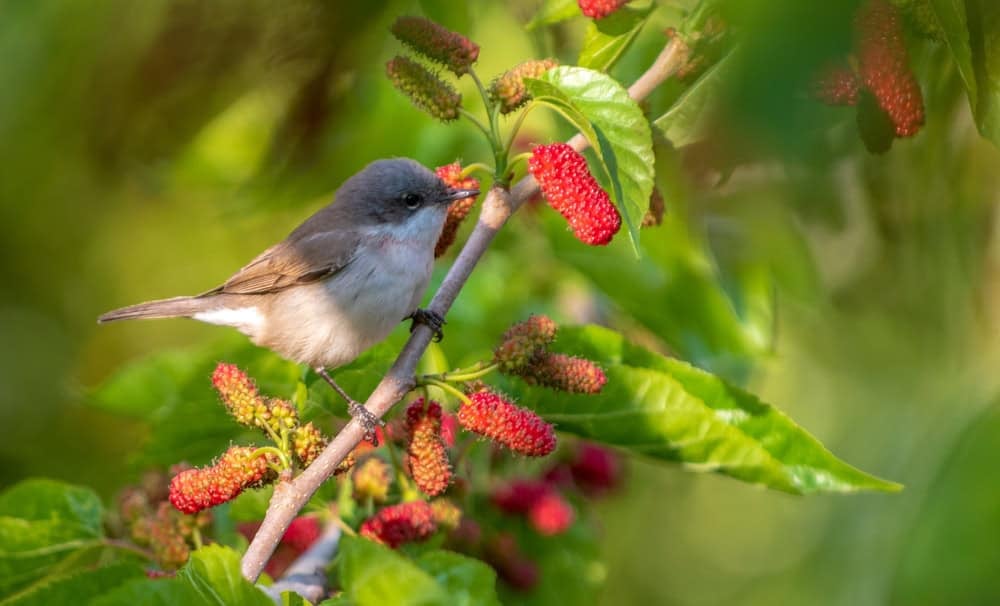

Quick Take
- The birds scientists long labeled as seed destroyers may actually be doing something that benefits forests, a discovery that took 402 hours of field observation to catch them in the act. See the 402-hour study →
- A bird's feeding style doesn't tell the whole story, and the same species can flip from plant enemy to forest ally depending on one overlooked variable. See how context shifts roles →
- Most seed dispersal research has been built on a category of bird that experts now admit was the wrong starting point. Revisit the flawed baseline →
- Parrots, corvids, and starlings are pulling double duty in ways seed dispersal ecology has only just started measuring, and the implications reshape how we understand forest regeneration. Explore polychory findings →
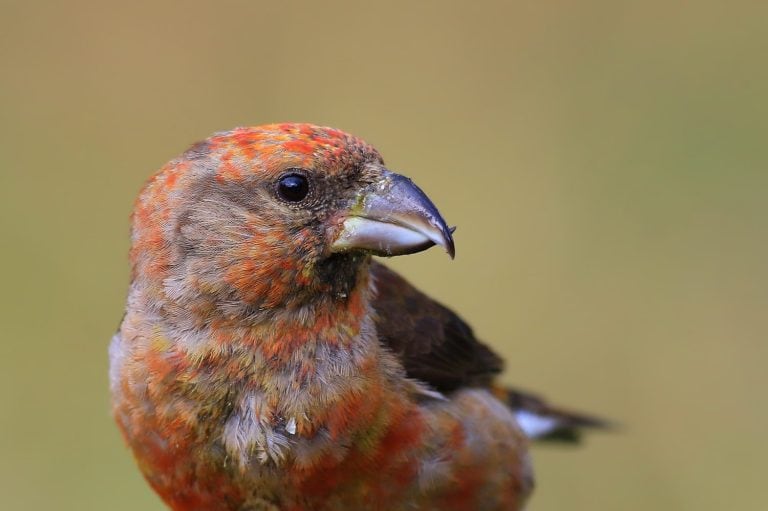
From a plant’s point of view, birds are a mixed blessing. While some birds crush and destroy a plant’s flowers and seeds as they eat them (antagonism), others are very useful in dispersing plant seeds while getting a meal (mutualism). The diverse roles that birds play in plant interactions are complex, and we are only beginning to understand them. A fascinating new study has revealed that 24 out of 25 of the observed bird species combined multiple interaction outcomes with plants, and that these varied according to the context. Here, we explain what these findings mean for future studies of seed dispersal ecology.
The Basics of Birds and Plants
Seed dispersal is one of the most extensively studied plant-animal interactions. The relationship is essential for both parties, so it is described as mutualism. The plants benefit from enhanced gene flow and the ability to colonize new habitats. Meanwhile, the animal gets the nutrition provided by the fruit pulp. However, there is another facet to this interaction.
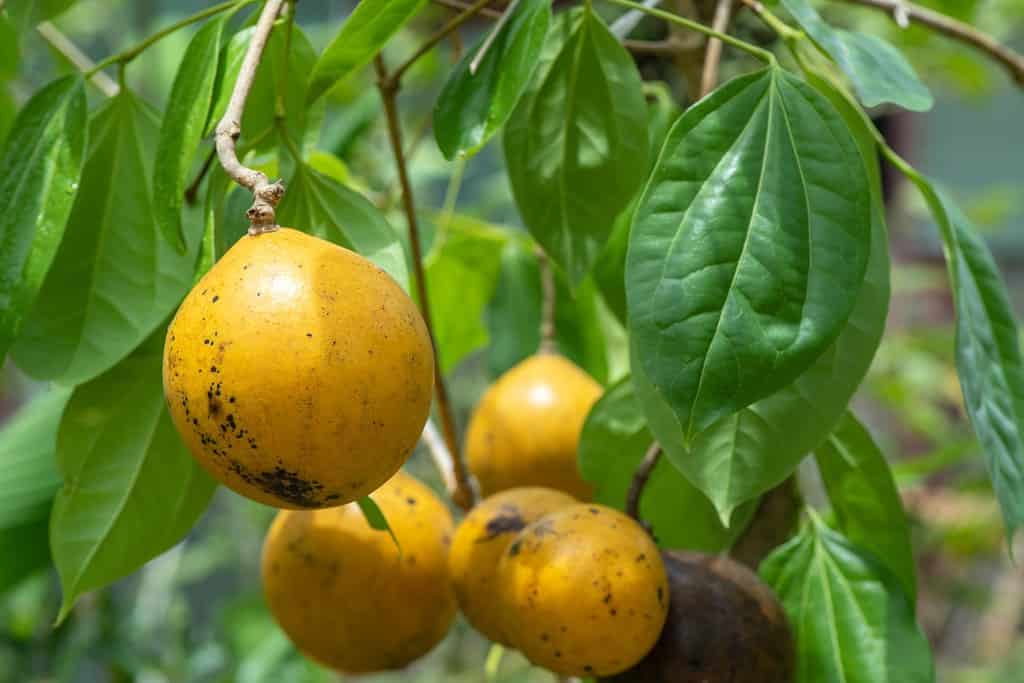
Birds get nourishment from fruit pulp.
©pisitpong2017/Shutterstock.com
Plants also attract some animals that destroy seeds—these animals are termed antagonists. Plants face a continual trade-off between protecting their seeds while also needing to disperse them. To achieve this balance, they have evolved a range of defensive strategies. These include physical measures, such as hard seed coats, and chemical deterrents, such as phenolic compounds. A single plant can deploy a range of measures that change as the fruit ripens. Therefore, the balance between antagonism and mutualism is constantly changing.
Are Birds Helpful for Plants?
Yes, they are, sometimes! Birds can be both antagonists (they crunch flowers and seeds) and mutualists (they disperse seeds). In the past, classification has been based on how the particular bird feeds. Birds that swallow fruit whole (termed gulpers) digest the fruit flesh but excrete or regurgitate intact seeds. They are viewed as dispersers, and this type of dispersal is called endozoochory. On the other hand, birds that grind, crush, or peck seeds were considered antagonists. Experts also thought that the type of fruit dictated the type of interaction. So, most research was carried out on birds that eat fruit (frugivorous). Now, however, that is seen as an oversimplification.
Many birds that were previously categorized as antagonists actually disperse seeds too! It’s just that they do it in ways that were not recognized before. Some carry seeds externally (often in their mouths) without swallowing them (stomatochory), some cache seeds (hiding them to retrieve later), and others transport seeds attached to their bodies (epizoochory). When seeds are dispersed via multiple mechanisms, it is called polychory.
At the same time, some fruit-eating birds that were thought to be dispersers sometimes crush the seeds as well. This further blurs the lines between mutualism and antagonism. Experts now agree that there is a continuum between antagonism and mutualism in the relationship between birds and seeds.
New Research Into Plant-Bird Interactions
A new study has investigated bird foraging activity on fruiting plants, looking specifically at seed predation, fruit defleshing, and seed dispersal mechanisms. The researchers accumulated 402 hours of field observations and systematically monitored 6,012 foraging visits by 25 bird species interacting with 40 plant species over one year. The study included 21,906 fruits from 578 individual plants, varying in type, size, and ripeness stage.
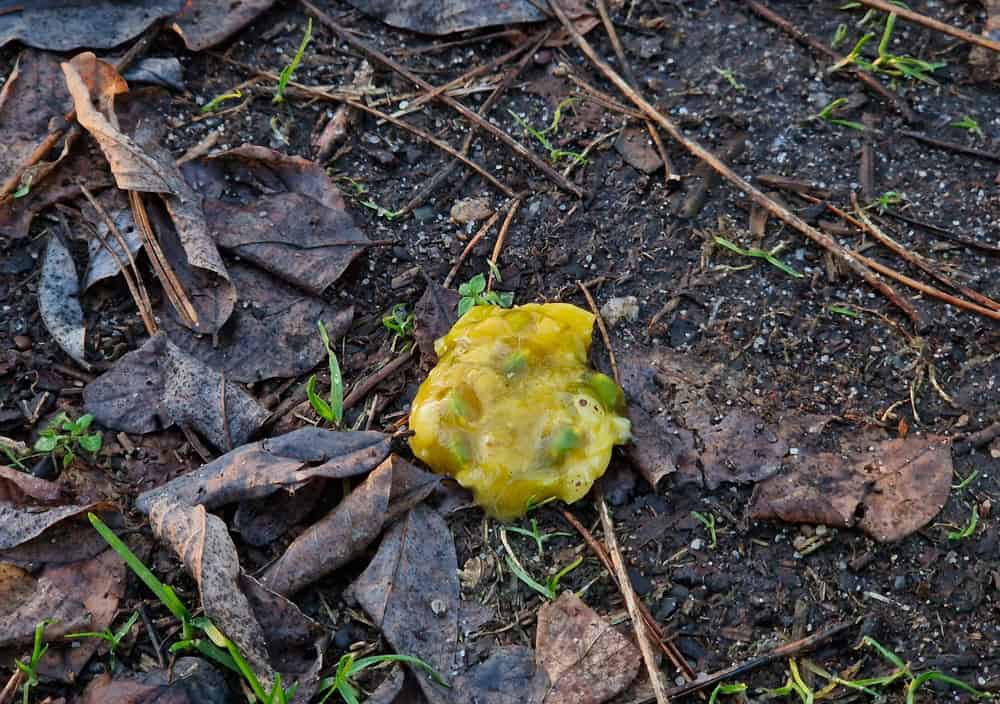
Birds spread seeds in their excrement (poop).
©Beekeepx/Shutterstock.com
Most significantly, the observations showed that plant-bird interactions are more variable and more dependent on context than previously thought. For example, the fruit size in relation to the bird’s size is significant. Fruits that are small relative to the bird’s size are generally swallowed whole and dispersed by excretion or regurgitation (endozoochory). Seeds in larger fruits are more likely to be predated or spread via stomatochory.
What’s more, seeds in unripe fruits experience greater predation and less dispersal via excretion, probably because they are more vulnerable to damage or are not yet developed enough to produce a new plant.
Birds Switching Between Predation and Dispersal
Nearly all of the bird species observed in the study (and 10% of individual foraging visits) exhibited multiple types of interactions. It turns out that seed predators can also be effective dispersers! Overall, 50 percent of the plant species exhibited polychory, meaning their seeds were dispersed by birds through multiple mechanisms.
Additionally, 47.5 percent of plants had their seeds dispersed solely by stomatochory or epizoochory. For example, key dispersers like parrots, corvids, thrushes, or starlings regularly performed endozoochory combined with stomatochory.
While it’s true that dispersal by eating seeds dominates for small fruits that are swallowed whole and for berry-like fruits that are pecked apart, larger and drier fruit seeds were spread differently. These findings have major ecological implications, as it shows that polychory is far more common than previously thought. They show that multiple interactions often occur simultaneously at the species level and within individuals. Future studies of seed dispersal ecology will need to take this into account. These findings are also crucial for understanding how birds and plants have evolved together and the roles they play in supporting each other.