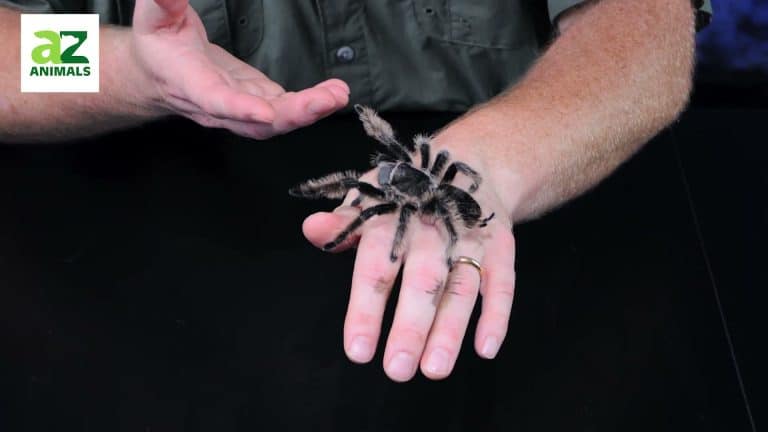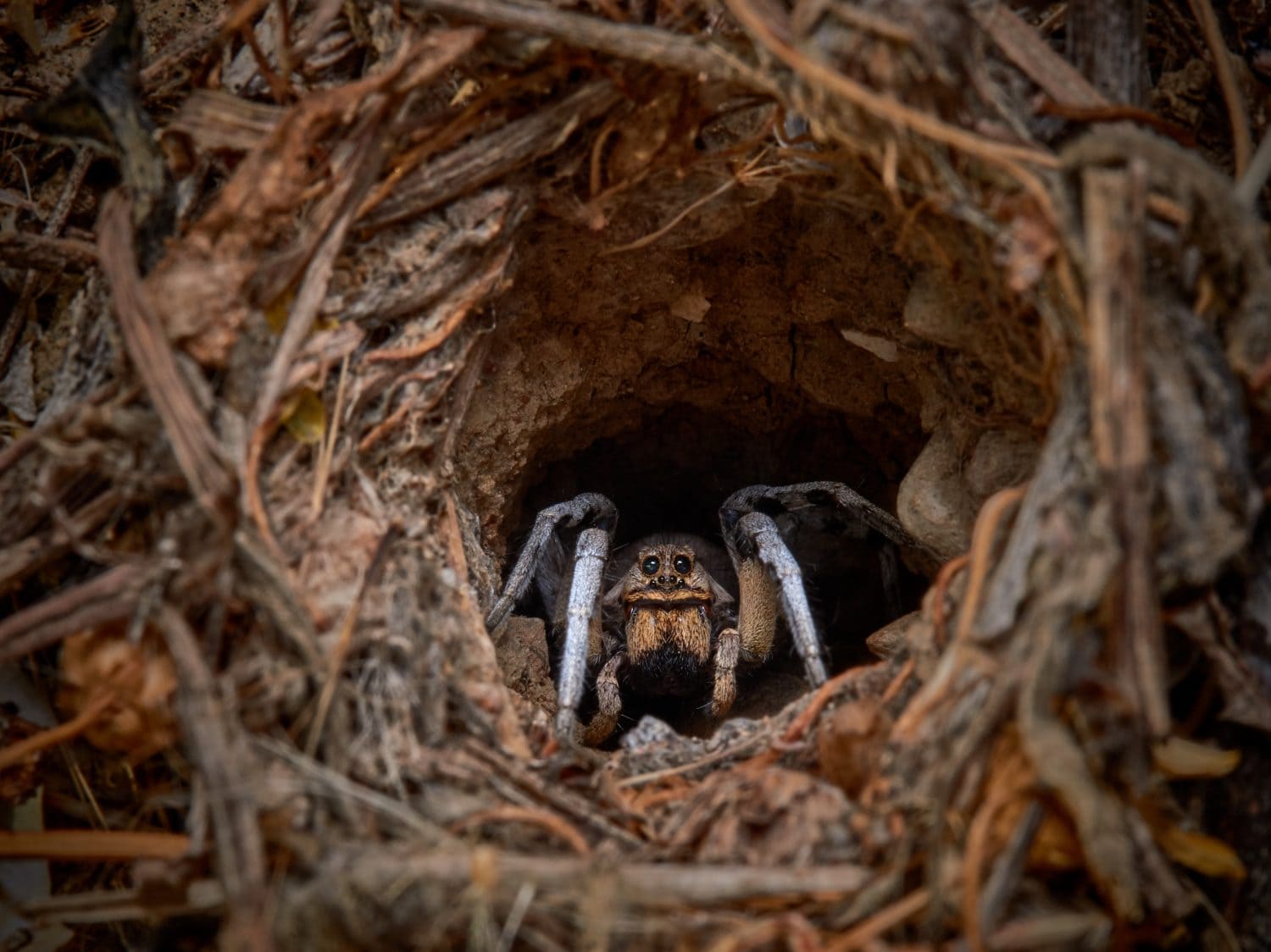

In a quiet corner of western Thailand, researchers recently uncovered a spider so unique it defies conventional understanding. Not only is this extraordinary spider a member of an entirely new species previously unknown to science, but it is visibly and genetically half male and half female.
Meet Damarchus inazuma, a small, burrow-dwelling wishbone spider that’s capturing the attention of the entire scientific community — and not just for its impressive colors and fascinating biology. This discovery also highlights just how much we have yet to learn about the countless species scattered across the globe. It shows how nature continually surprises even the most experienced researchers, revealing new life forms that defy long-established assumptions.
A Rare Discovery
Researchers discovered this phenomenal arachnid during a field survey in Kanchanaburi, Thailand. The survey was led by Chawakorn Kunsete, an entomologist from Chulalongkorn University, along with Sarunphat Amuntailkul, Patiphan Chamnanpa, and Surin Limrudee. They published their findings in Zootaxa.
The team’s original goal was to find ambush predators, like spiders, hiding in small burrows in the area. However, they could not have imagined discovering a pocket-sized spider split so neatly down the middle — half of its body orange and the other half gray.
At first, the spider’s two-toned appearance seemed like a simple oddity. However, upon closer inspection, the team realized the creature was something far stranger than just an unusual color variation. The division was anatomical and precise: the left side of the spider’s body was a bright orange color with the larger, more robust chelicerae of a female. The right side, in contrast, featured a pale gray color and the smaller, more delicate legs of a male.
This exact split also extended to the spider’s internal structures: the left side housed the female reproductive organs, while the right side lacked them entirely. This confirmed that the spider was a true case of gynandromorphism — a real-life half-male, half-female creature.
Understanding the Two-Gender Split
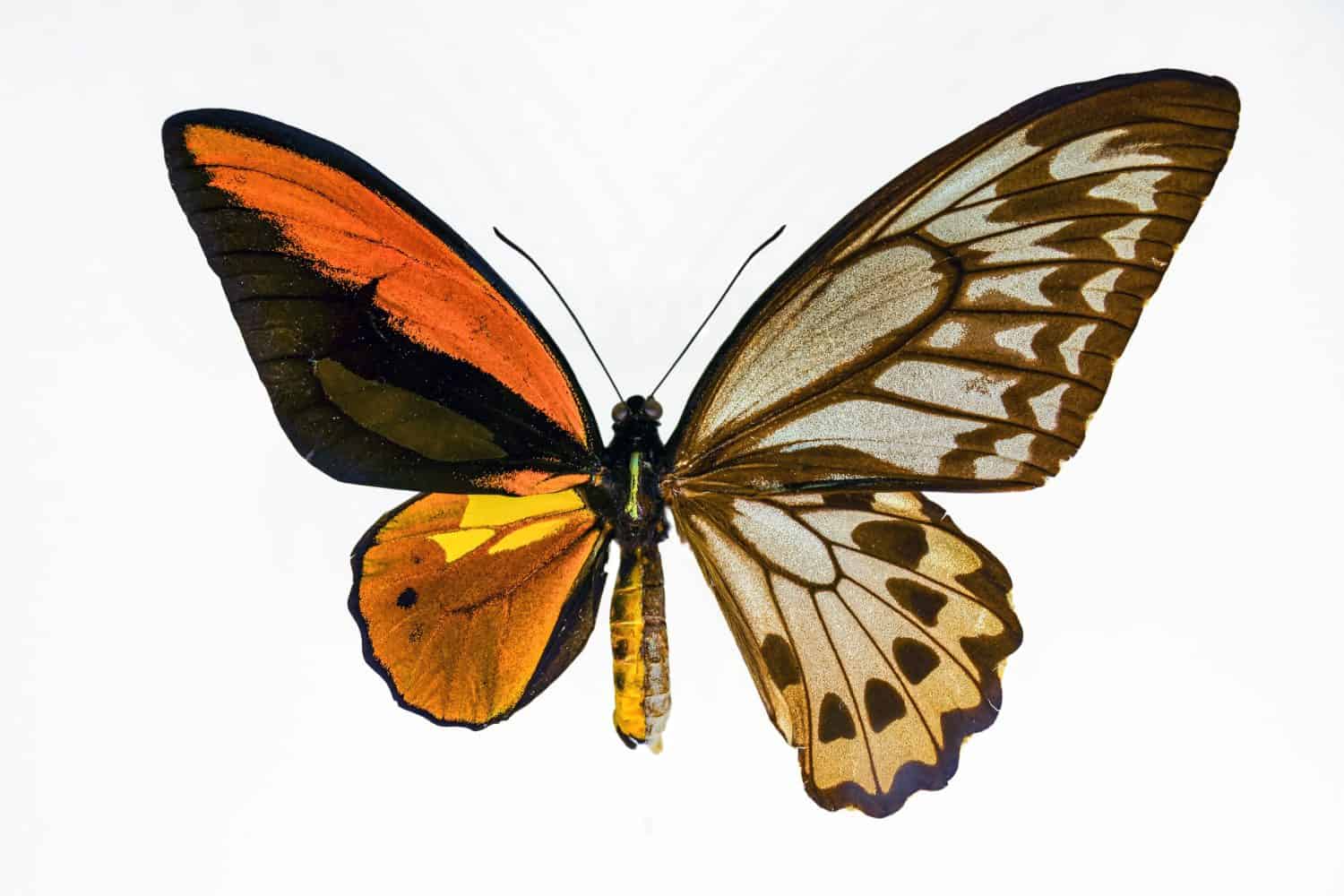
Individuals affected by bilateral gynandromorphism often struggle with mating or cannot reproduce.
©Tommy Larey/Shutterstock.com
The extraordinary half-male, half-female condition of this unusual spider is called bilateral gynandromorphism. This is a rare phenomenon where one side of an animal’s body is genetically male and the other side is female.
It is important to distinguish gynandromorphs from hermaphrodites. While hermaphrodites (such as certain plants and earthworms) naturally possess both male and female reproductive organs as a regular part of their species’ biology, gynandromorphs are extremely rare and only occur in species where individuals are normally either male or female.
Although scientists do not fully understand the exact cause of gynandromorphism, they believe it likely stems from disruptions to the sex chromosomes early in development, possibly during the zygote stage. These disruptions may be influenced by various factors, such as diseases, viruses, parasites, or environmental stress.
Gynandromorphs have been documented in other species, such as butterflies and certain birds, but this condition is exceptionally rare in spiders. In some spider species, scientists estimate the odds of a gynandromorph are about one in 17,000 individuals. For burrowing spiders like Damarchus inazuma, researchers believe the probability is much lower, which makes this discovery especially groundbreaking. Damarchus inazuma is the first known gynandromorph ever observed in the spider family Bemmeridae.
What Can We Learn From This Spider?
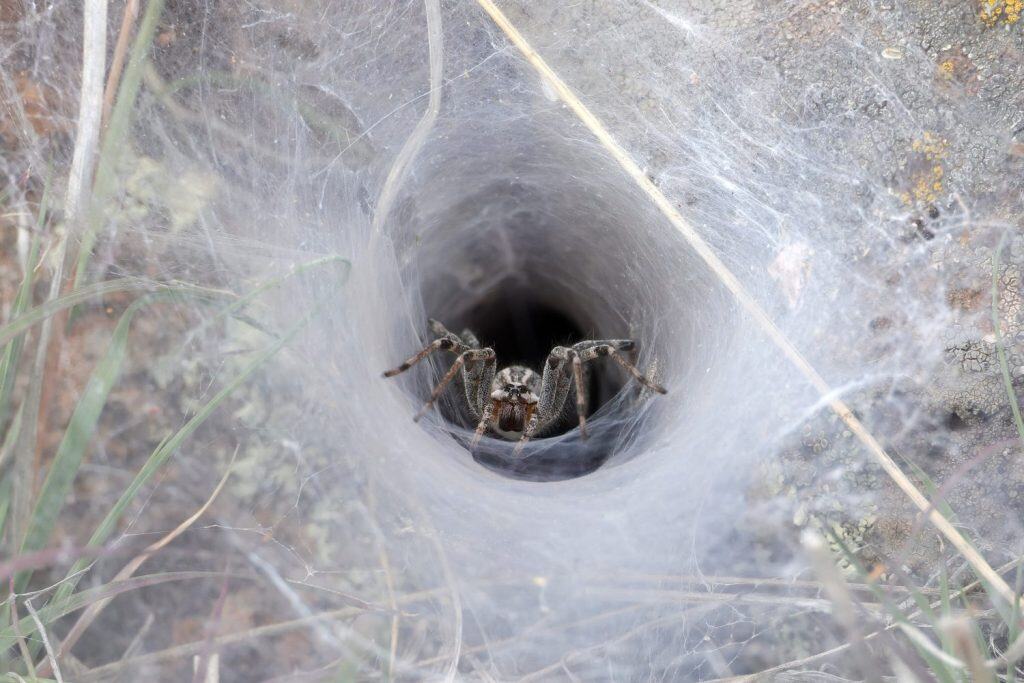
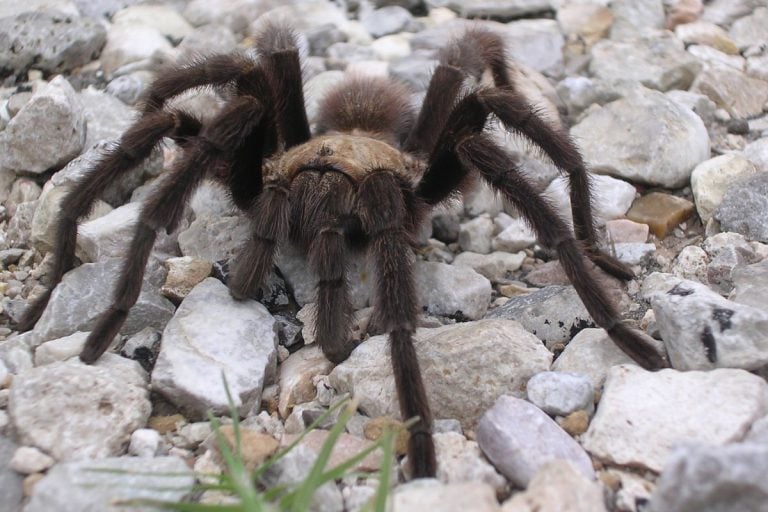
Mygalomorphs include many species of trapdoor, tarantula, and funnel-web spiders.
©Mark Breck/Shutterstock.com
The spider’s species name, inazuma, is a clever tribute to a character from the Japanese manga, One Piece, who can switch between male and female forms.
Damarchus inazuma is a type of wishbone spider (mygalomorph), making it a distant relative of tarantulas. The sexes in this species display stark differences in size and color. Females grow up to about an inch long, with orange legs and a dark charcoal abdomen. Males, in contrast, are closer to 0.6 inches long, with gray bodies covered in a peculiar white coating. Both male and female spiders live underground. They ambush unsuspecting prey from silk-lined burrows shaped like tiny wishbones (hence their common name).
The research team observed that these spiders, despite their small size, display impressive aggression when disturbed. They will bear their fangs and sometimes even produce droplets at the tips of their fangs. Kunsete believes the spiders are venomous, though likely only potent enough to immobilize small insects.
While Damarchus inazuma is certainly a spectacular curiosity, its value extends far beyond that for evolutionary biologists. The spider offers a unique and invaluable glimpse into the mechanisms that determine sex and development in arachnids. These fundamental processes are currently poorly understood in spiders, making this rare specimen a critical tool for advancing our understanding of arachnid biology and evolution.