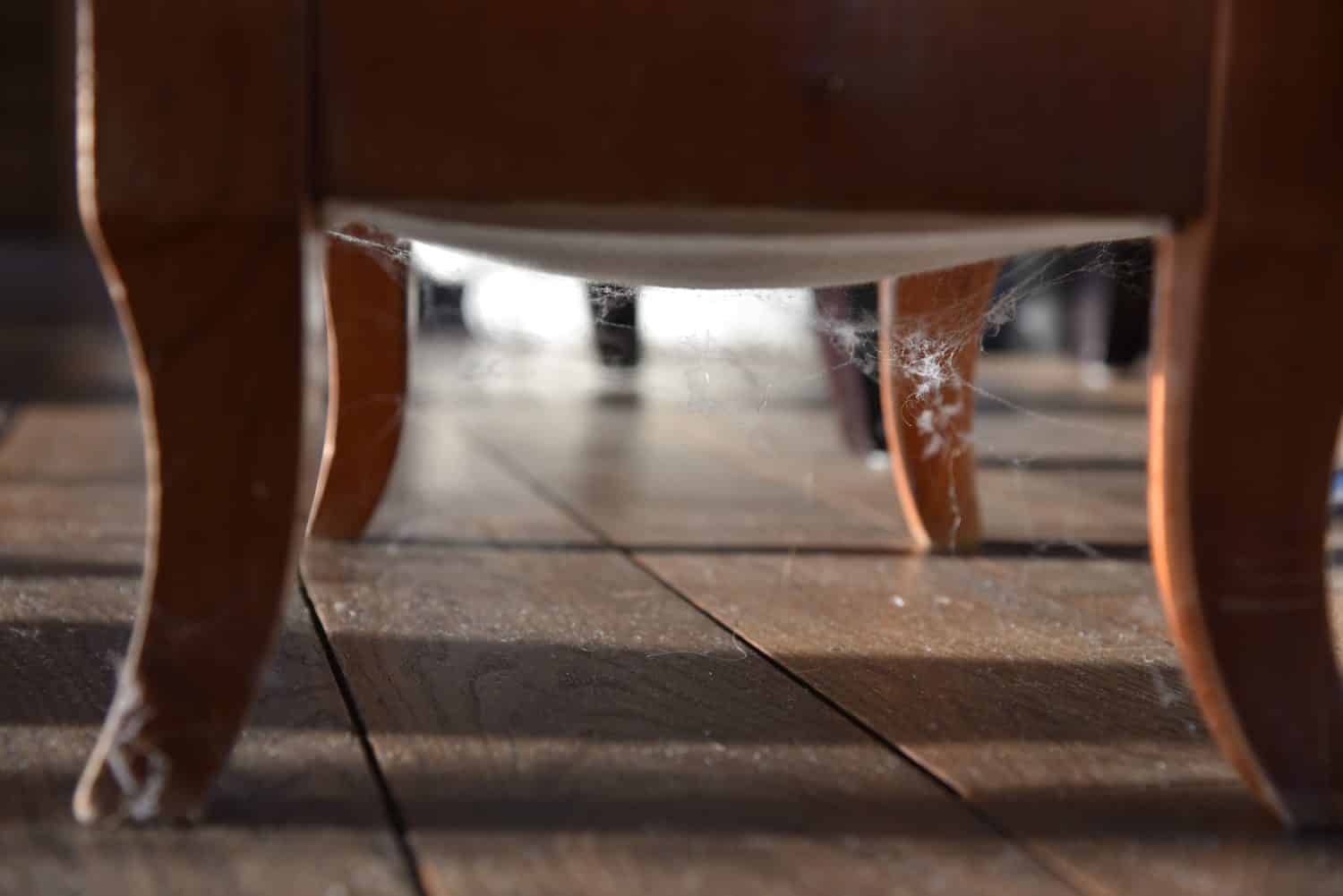

We associate cobwebs with neglect and decay, and there’s no denying they can be a bit spooky. Many of us also use the terms ‘cobweb’ and ‘spider web’ interchangeably, but there are actually important differences between them. In this article, we set out exactly what each of them is and how you can tell them apart.
What Are Spider Webs?

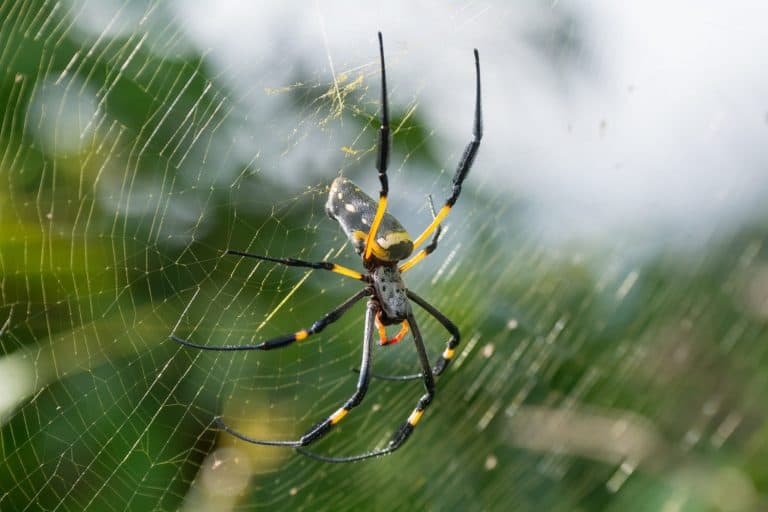
Not all webs are used to catch prey.
©Mark Breck/Shutterstock.com
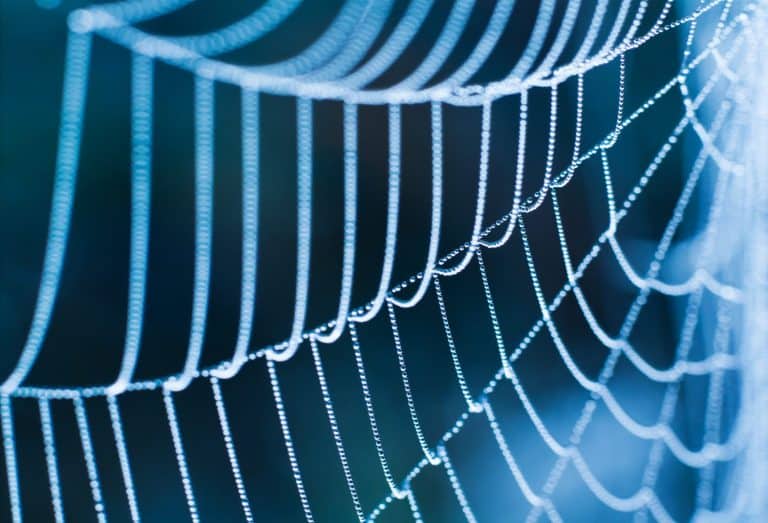
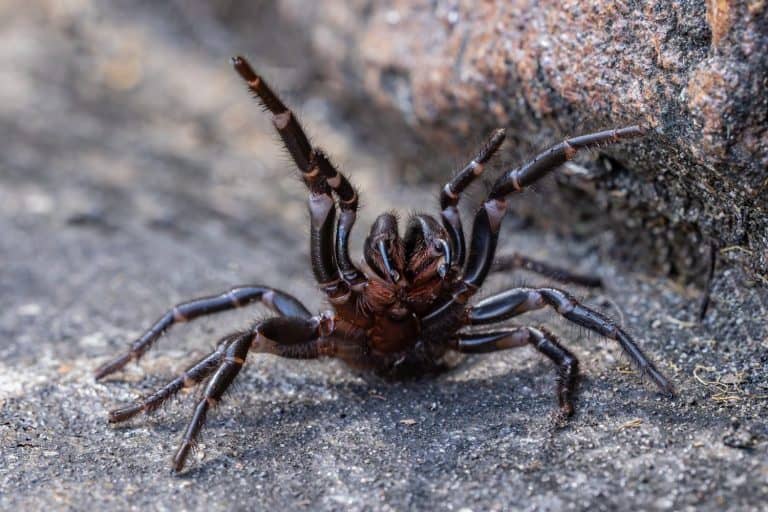
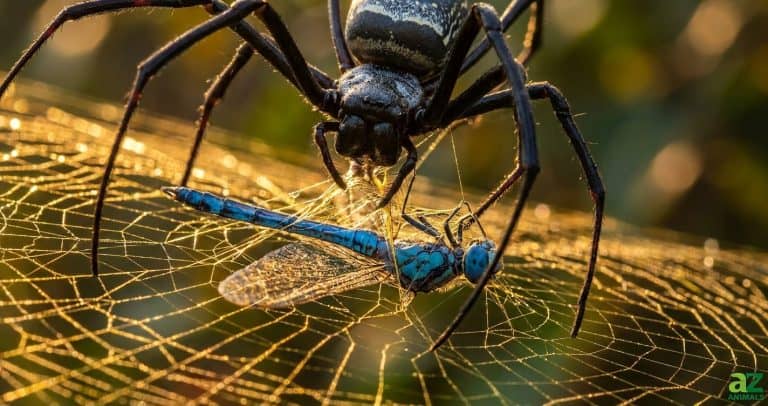
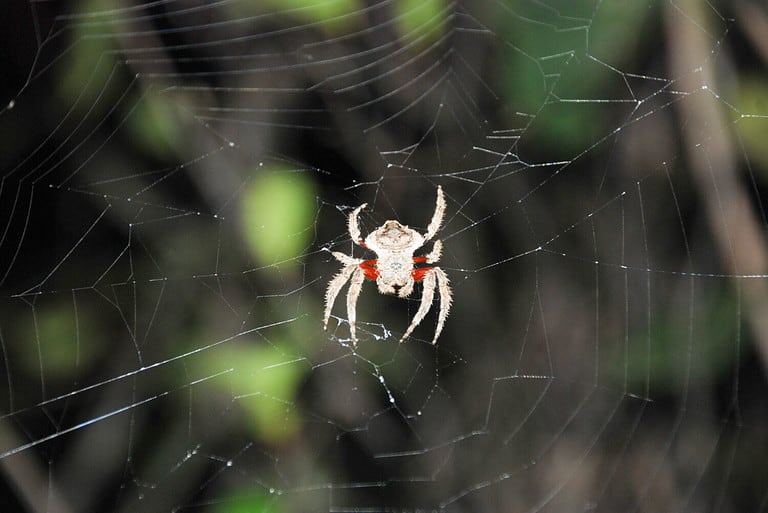
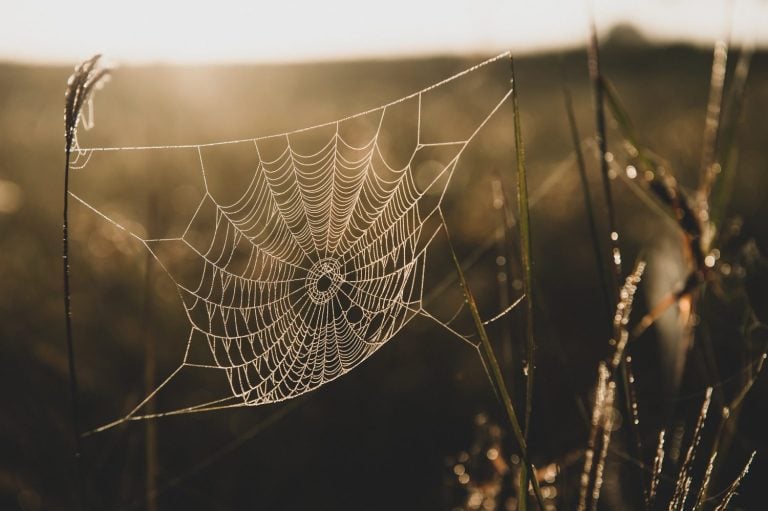
Spider webs are the intricate structures made out of silk by spiders. Spider silk is an extraordinary substance and rivals manmade materials. All spiders can make silk, but they don’t all use it to create webs. Also, not all spider webs are the classic orb webs, which have a spiral pattern on radial threads and can look like intricate works of art. Many spider webs are messy and disorganized structures. Some spiders use their webs to catch prey, while others build webs primarily for shelter. Some silk is sticky, but not all of it is. It also varies in thickness and strength. The intricate webs can take hours to weave, and they are repaired rather than abandoned if they get damaged. Some spiders are even named after the types of webs they weave; the funnel-web spider is a typical example. They build long, tubular webs that look like a funnel.
How Are Cobwebs Different From Spider Webs?
Cobwebs are also spider webs, but they are no longer in use by a spider. They have been abandoned and indicate that a spider once lived in that area. Cobwebs are rarely complete; instead, they are often broken and may even be folded in on themselves. Cobwebs are also covered in dust and dirt. A spider would never allow this to happen to an active web. They remove particles and keep the web in a pristine condition so that it can fulfill its function properly. You often find cobwebs in hard-to-reach areas or in parts of a home that are infrequently dusted. Abandoned webs in busier parts of the home are quickly swept away. So, in summary, all cobwebs are spider webs, but only some spider webs become cobwebs!