
Copperheads and kingsnakes both inhabit much of the eastern and central United States, but their habitats may be the only thing they have in common. If you’ve ever wondered how to tell these snakes apart, what each one eats, and which would win in a head-to-head encounter, this guide will explain it all.
Before we dive into the competition, let’s get a clear overview of both snakes, including how to identify them if you ever encounter one in the wild. One is much more dangerous to humans than the other, but does that make it the clear winner in a snake-on-snake battle? Let’s find out!
Basic Taxonomy

One is venomous and the other is not.
©Dennis W Donohue/Shutterstock.com
- Copperhead: Agkistrodon contortrix (venomous pit viper).
- Kingsnake: Lampropeltis spp. (nonvenomous colubrid; common examples include Eastern kingsnake, California kingsnake, prairie kingsnake).
Appearance: Pattern, Color, and Head Shape
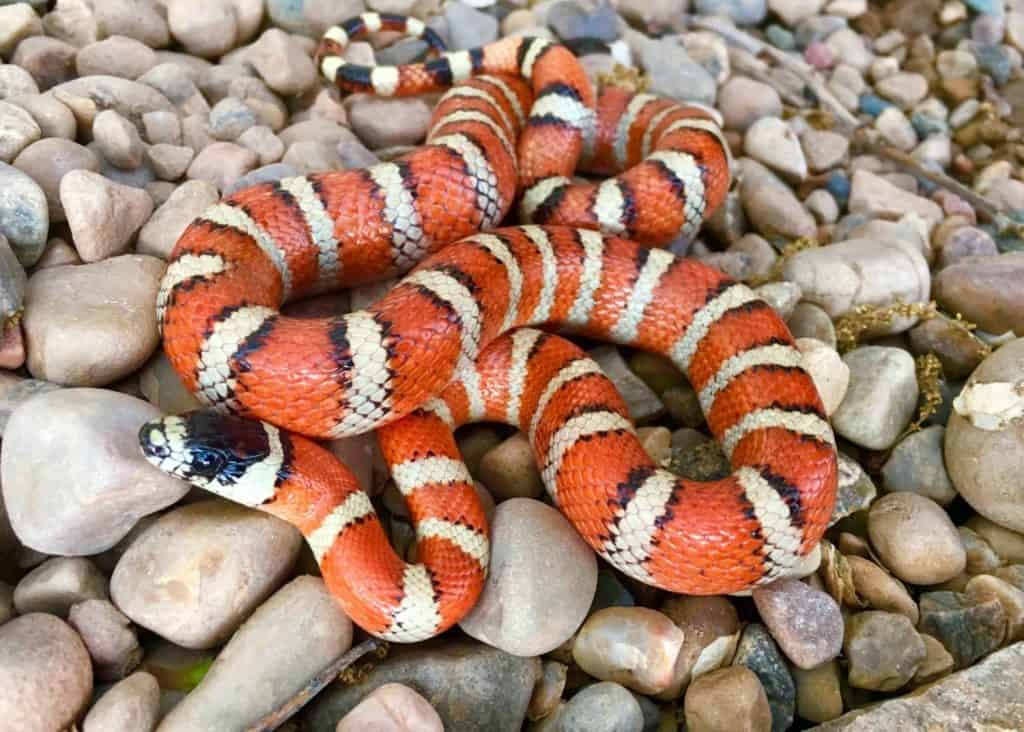
This is a king snake.
©Matt Jeppson/Shutterstock.com
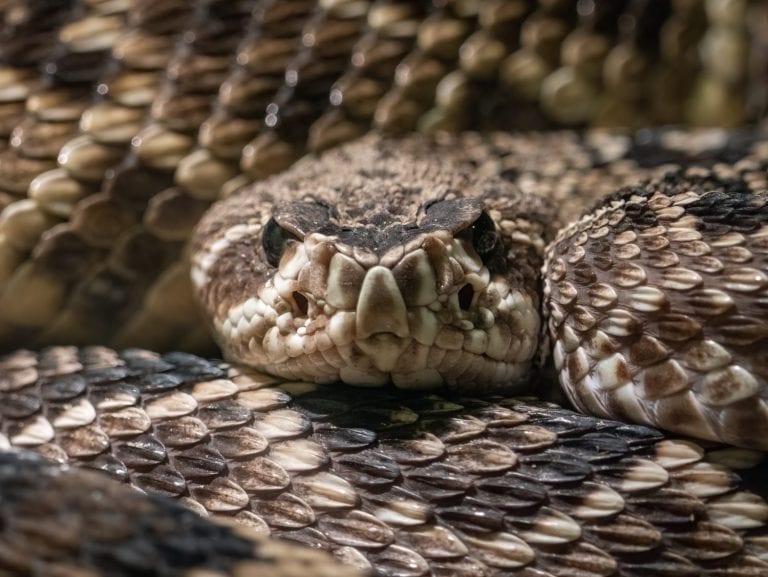
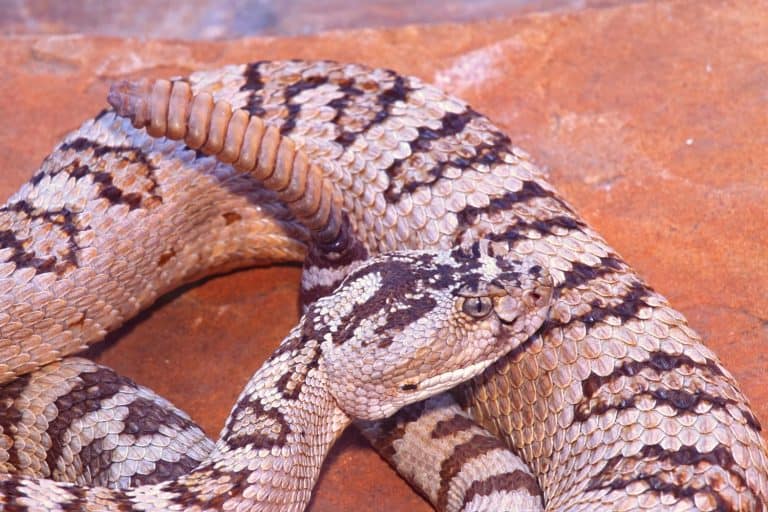
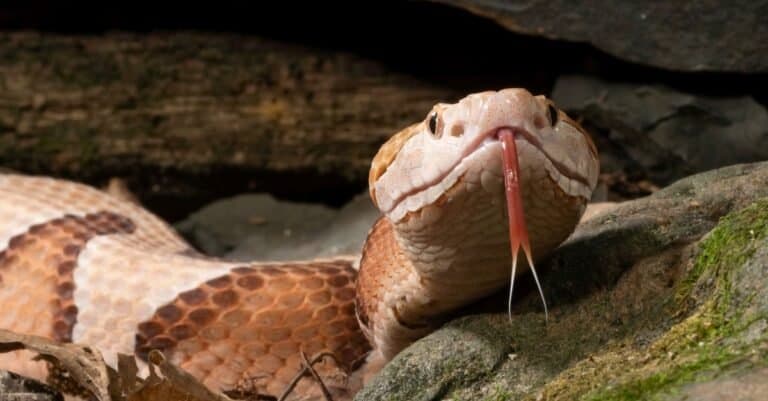
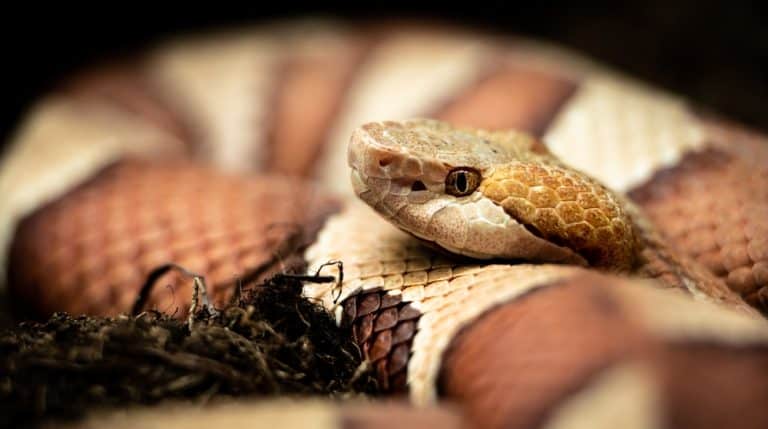
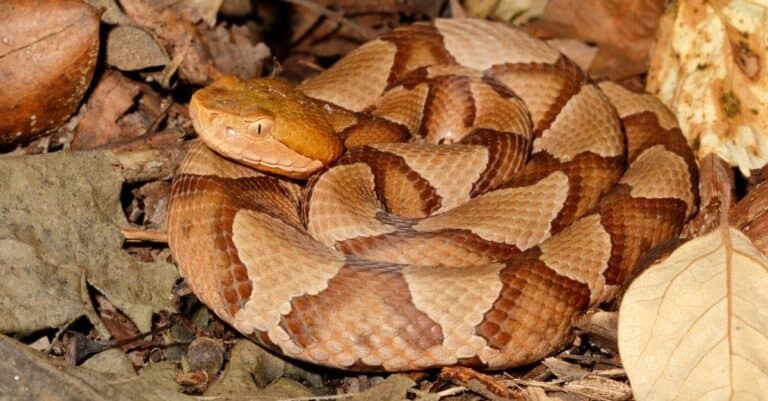
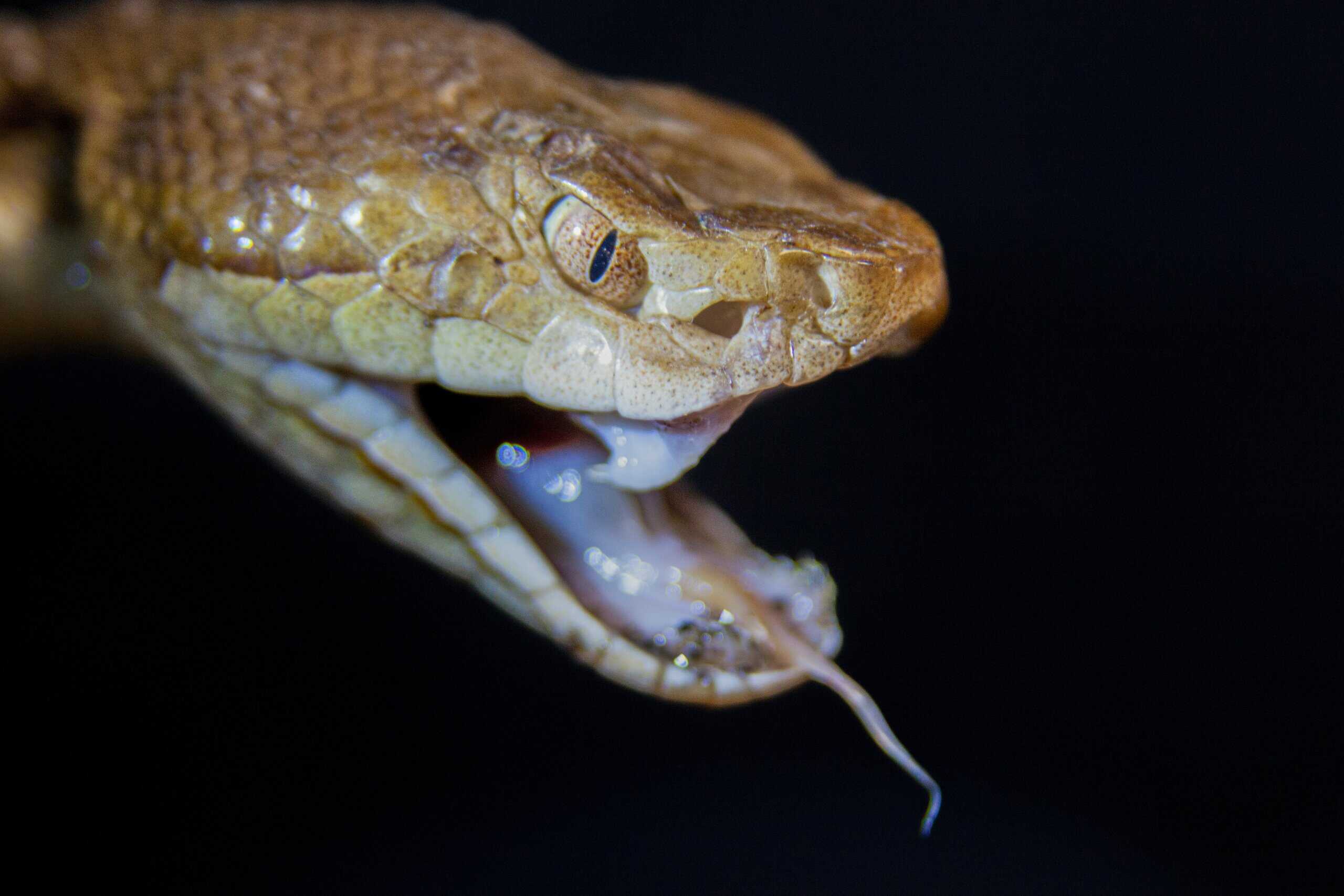
Copperheads are best known for their warm, coppery heads and hourglass-shaped crossbands that are narrow along their spines and wider on their sides. The colors act as camouflage that often leads people to step close before noticing it. A triangular head, vertical pupils, and heat-sensing pits between the eyes and nostrils confirm it’s a type of pit viper.
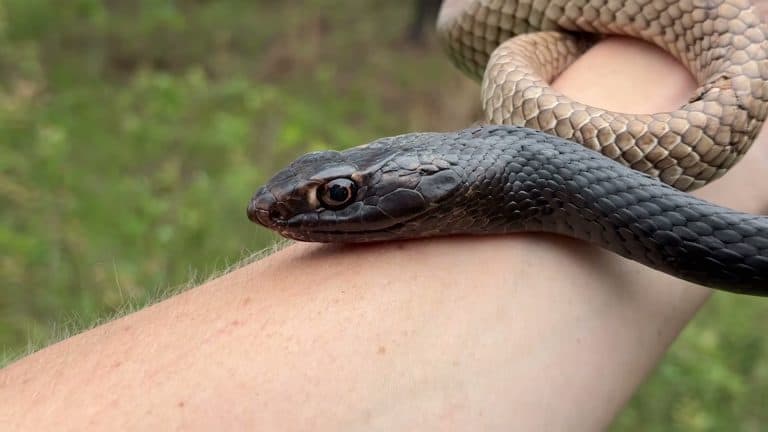
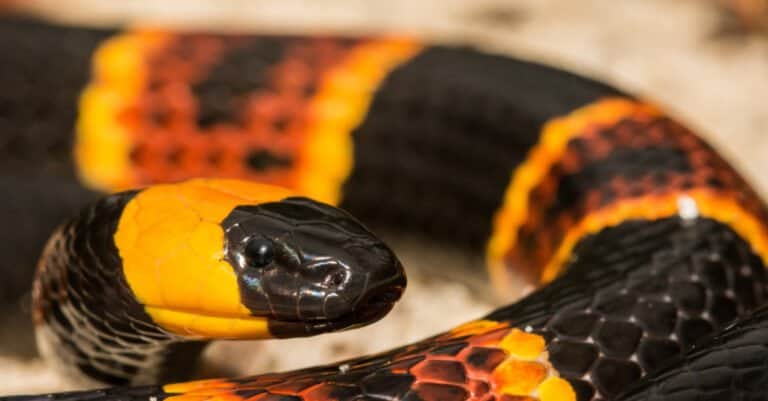
Kingsnakes vary by species but typically show bold patterns, including chain-like rings, bands, or speckles on a contrasting background. Their heads are more oval than triangular, the pupils are round, and there are no heat pits. Although patterning varies, kingsnakes almost always look cleanly banded or speckled.
Size and Lifespan
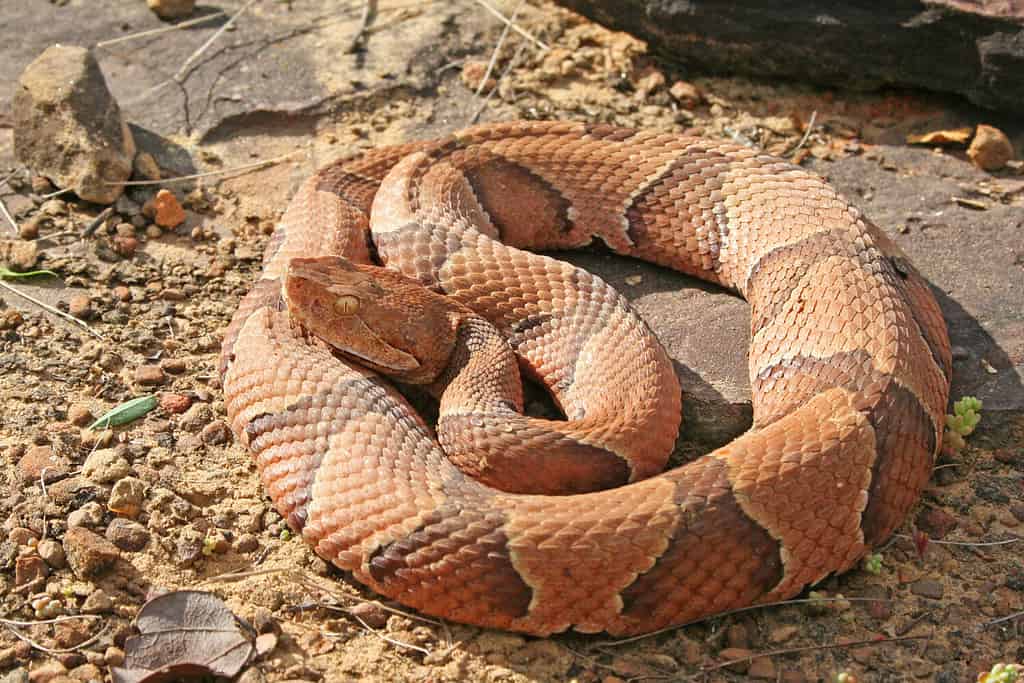
This is a copperhead.
©Creeping Things/Shutterstock.com
Adult copperheads typically measure 2 to 3 feet long, with females larger than males. In the wild, they can live well over a decade, with even longer lifespans documented in captivity. Their bodies are fairly stout for their length, and their growth is steady, with juveniles quickly shifting from eating insects to vertebrates.
On the other hand, kingsnakes often run 3 to 4 feet as adults, but some individuals can exceed 5 feet, depending on species and region. They’re slender to moderately built, and wild lifespans commonly reach 10–15 years. Captive individuals can live much longer with proper care, much like copperheads.
Range and Habitat
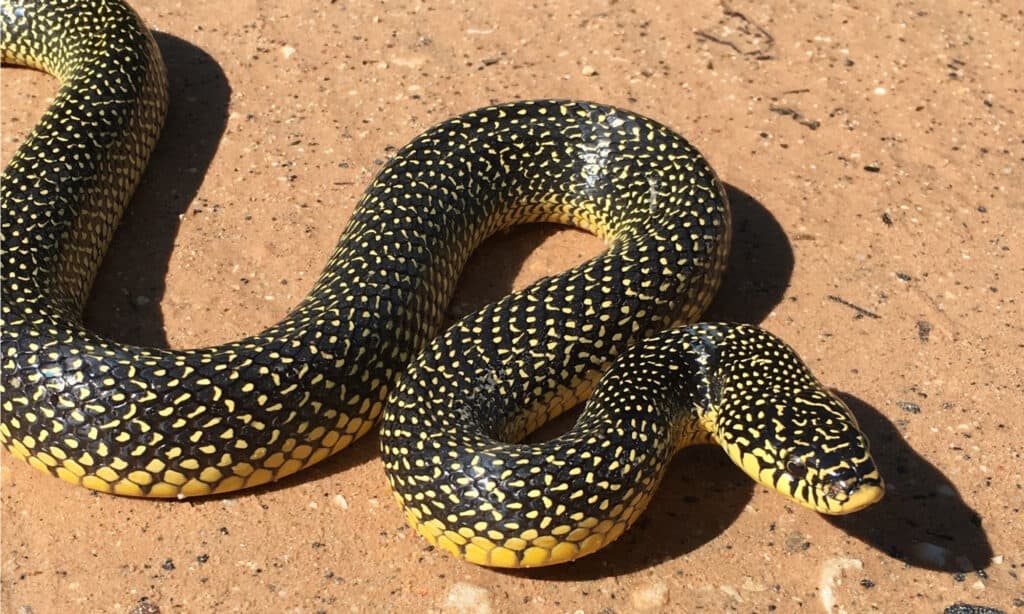
This is a speckled kingsnake.
©Joe Farah/Shutterstock.com
Copperheads range widely through the eastern and central United States, preferring hardwood forests and leaf-littered areas that hide them well. They tolerate suburban edges, turning up near woodpiles and old foundations or abandoned properties. Seasonal activity peaks from spring through fall, with hot midsummer days pushing them to crepuscular or even nocturnal hours.
Kingsnakes occupy a similarly broad footprint as copperheads, though the exact species shifts by region. They use forests, grasslands, and riparian corridors for shelter and to make their homes.. Many populations overlap copperhead territory, setting the stage for predator-on-predator encounters.
Behavior
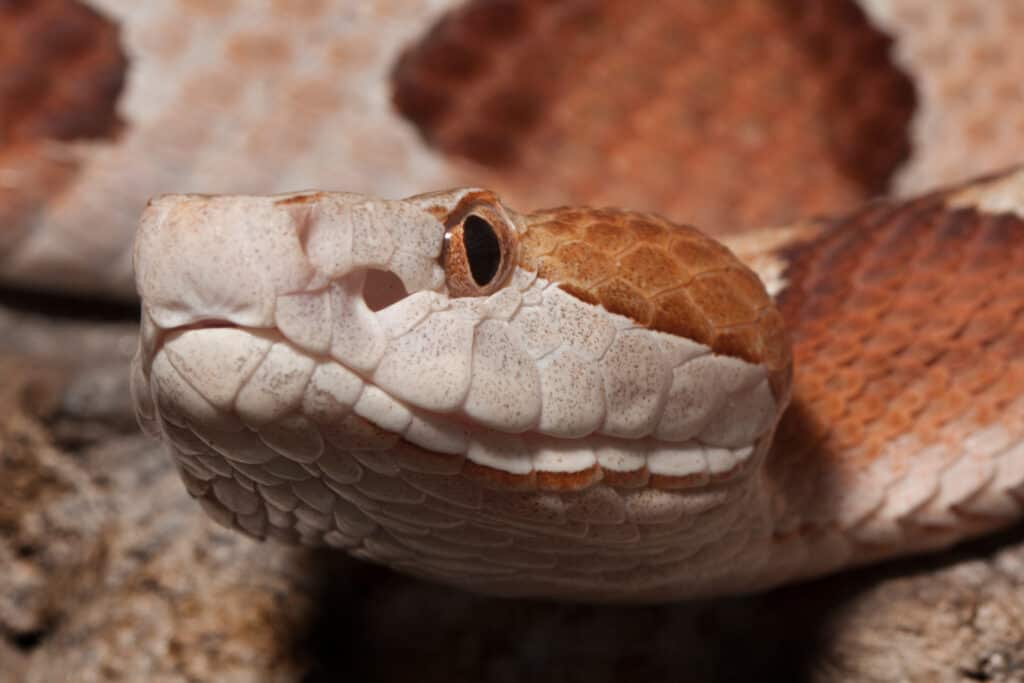
The copperhead is an ambush hunter.
©Mark_Kostich/Shutterstock.com
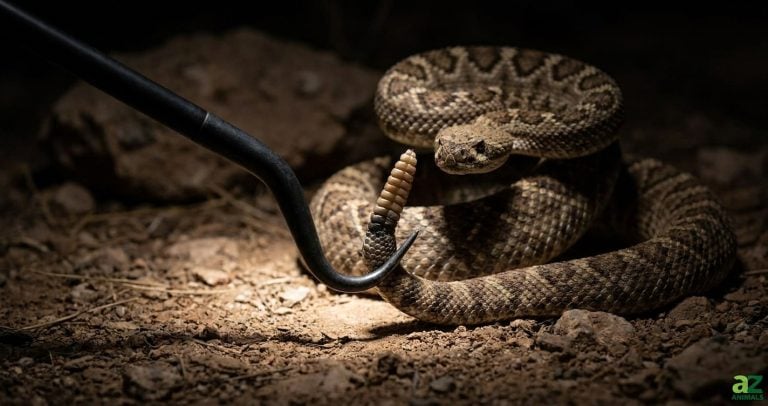
When it comes to their natural behavior, copperheads are classic ambush hunters. They rely on camouflage and heat-sensing pits to line up their powerful strikes. When threatened, they often freeze first; if pressed, they may vibrate their tail, issue a warning strike, or bite immediately.
Kingsnakes are active foragers that cruise edges, logs, and debris in search of food. They are secretive but persistent, using constriction to subdue their next meal. When threatened, a kingsnake may bite defensively, but it has no venom. Many kingsnakes are surprisingly tolerant of disturbances and will try to retreat rather than escalate, even faking a rattle on their tail to ward away enemies.
Diet: What They Eat
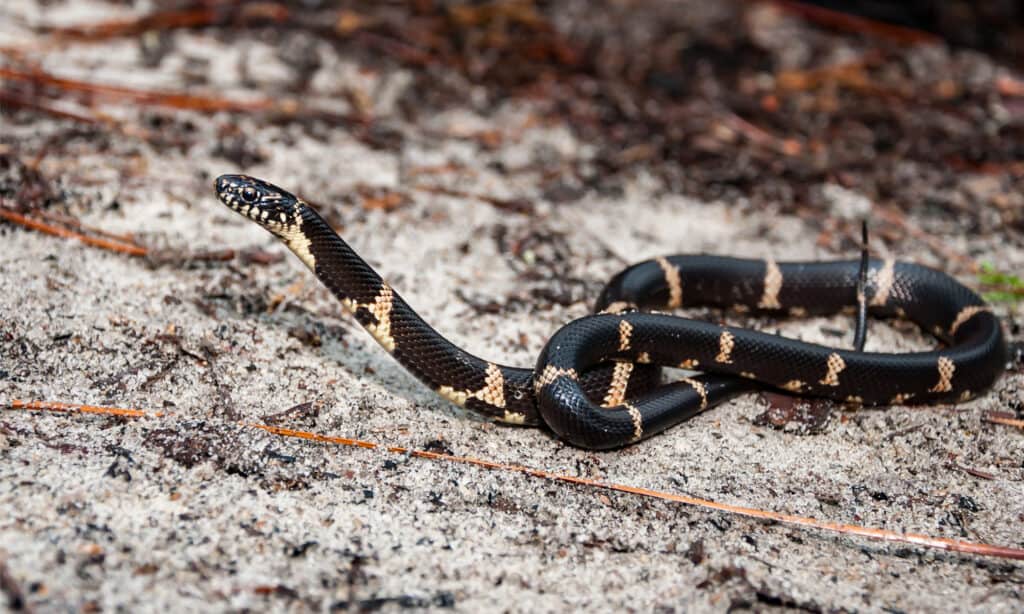
Kingsnakes eat other snakes.
©iStock.com/JasonOndreicka
Copperheads are not picky, eating whatever fits in their mouths. This includes small rodents, lizards, frogs, small birds, and occasionally large insects like cicadas. Their sit-and-wait strategy means food items are ambushed rather than chased, reducing the snake’s energy costs in cooler mountain or forest habitats.
Kingsnakes are also generalists when it comes to food, but they are also formidable snake eaters. They commonly consume rodents, lizards, birds, eggs, and other snakes, including rattlesnakes, cottonmouths, and copperheads. Their resistance to pit viper venom lets them take on dangerous prey that most snakes avoid.
Weapons and Defenses: Venom vs. Constriction
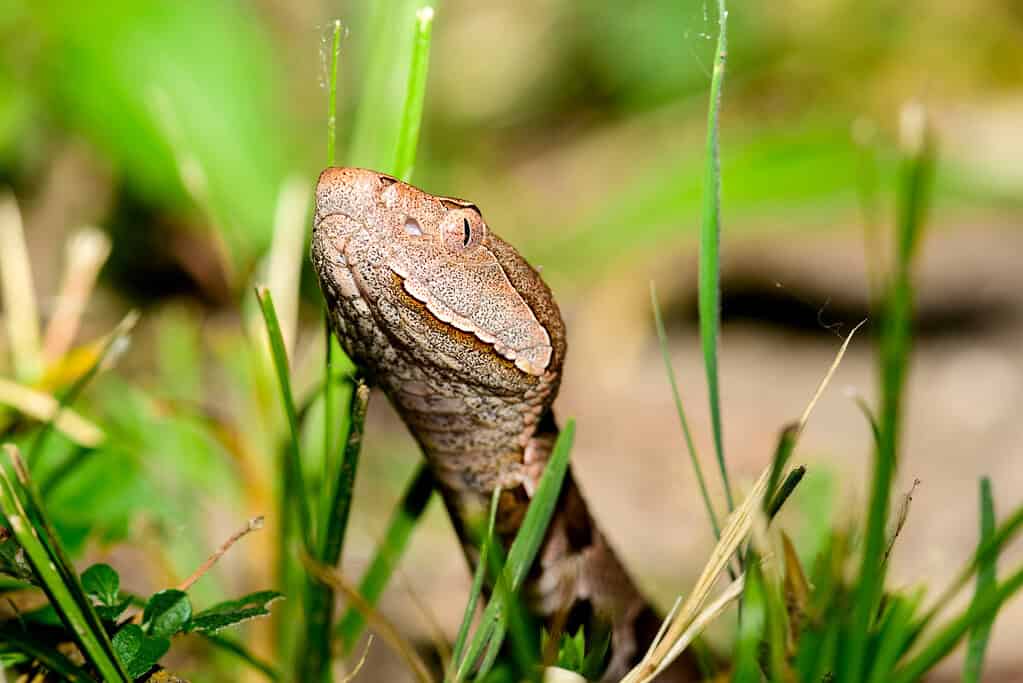
Copperheads have killer venom.
©JWJarrett/iStock via Getty Images
One of the primary differences between these two snakes is how they attack. Copperheads wield front-hinged fangs and hemotoxic venom designed to immobilize prey. For humans, copperhead bites are painful and medically significant, causing swelling and tissue damage. While fatalities are rare, prompt care is vital should you ever get bitten by these snakes.
Kingsnakes are very different, bringing muscle to the fight. As constrictors, they rely on their coils and exceptional squeeze power for their size. Research shows kingsnakes produce unusually high constriction pressures relative to their body mass, even out-squeezing larger snakes on a pound-for-pound basis. They do not depend on a powerful bite for damage, like the copperhead; their jaws are for holding while the coils do all the work.
Reproduction and Seasonality
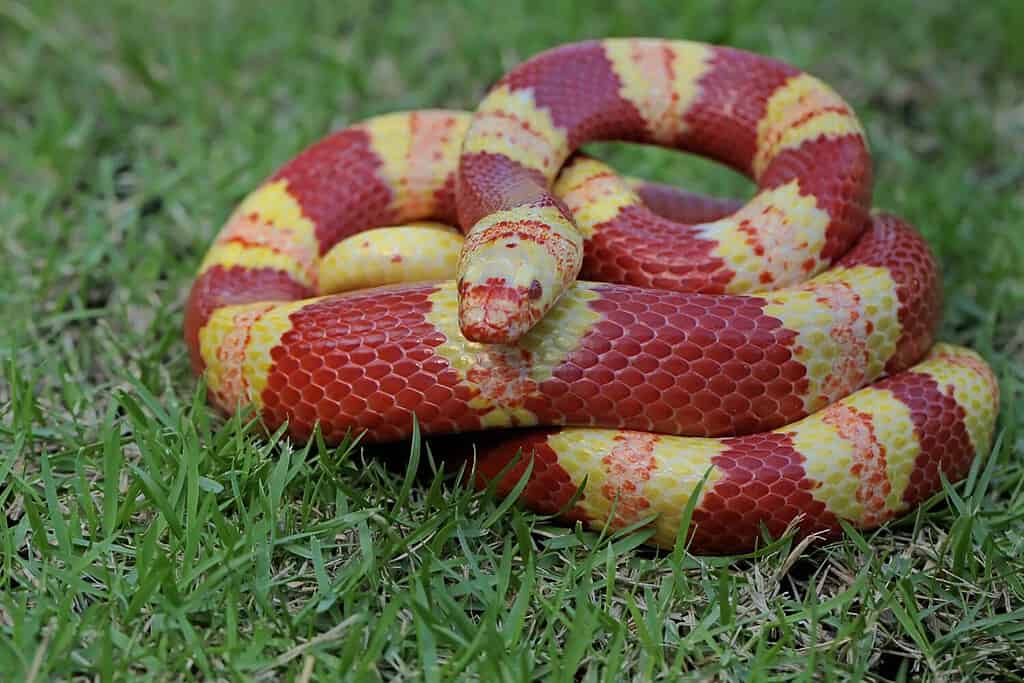
This king snake is brightly colored.
©I Wayan Sumatika/Shutterstock.com
Copperheads are viviparous, meaning they give birth to live young in late summer or early fall. In opposition, kingsnakes are oviparous, which means females lay clutches of eggs in early summer in rotting logs, burrows, or other hidden sites. Courtship and mating for both species vary by region and weather, but tend to cluster in spring when snakes are most active.
Who Would Win in a Match-Up?

The copperhead may be formidable, but the kingsnake would likely beat it in a fight.
©BonnieMarquette/Shutterstock.com
In most real-world encounters, the kingsnake wins against the copperhead. Its substantial resistance to pit viper venom means a copperhead’s strike isn’t the end of the fight, and kingsnakes are specialized to subdue other snakes quickly with constriction.
Copperheads, for their part, are capable predators with potent defenses, and a large, healthy adult copperhead can be dangerous prey to tackle. However, the kingsnake’s combination of venom resistance, offensive strategy, and exceptional constriction strength usually decides the outcome.
Who Would Win? The Bottom Line
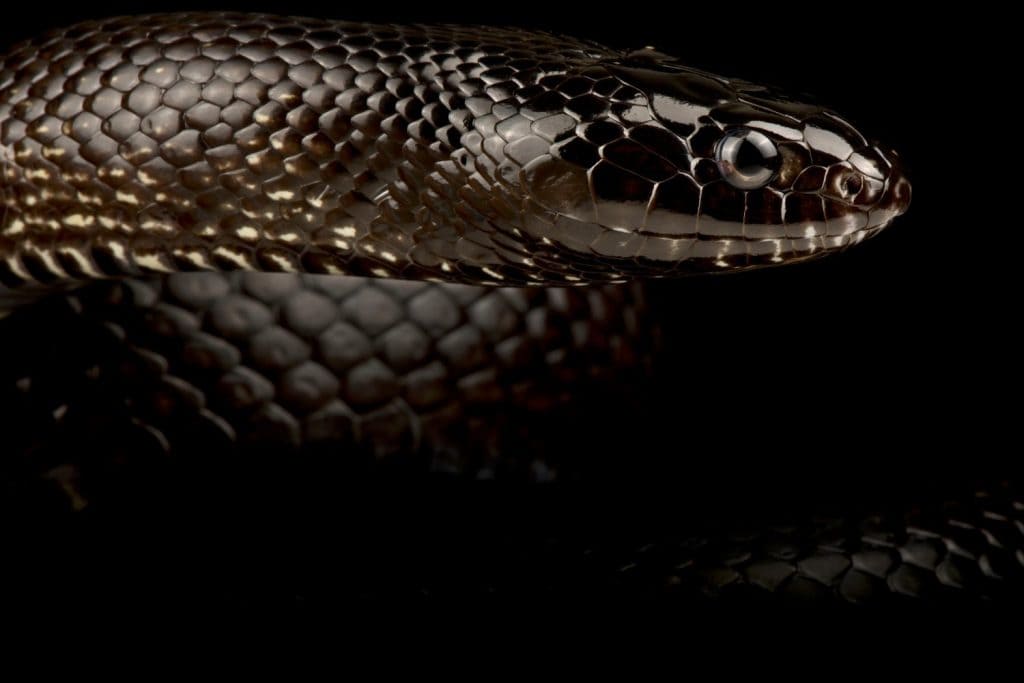
This kingsnake is an inky black color.
©reptiles4all/Shutterstock.com
When it comes to which snake would come out victorious, the answer depends on the circumstances of the fight. To humans, the copperhead is the snake that poses the most medical risk. However, in a snake-on-snake showdown, the kingsnake’s design and behavior give it the clear edge. Kingsnakes are named such for a reason: they aren’t afraid to eat other snakes for breakfast, including copperheads.