
Quick Take
- Scientists extracted DNA from this spider and ran it against every known species, but the result raised more questions than it answered. See the DNA mystery →
- Two theories exist for why this spider builds its tiny Stonehenge, but evidence has been found that undermines both of them. Explore the competing theories →
- Parasitic wasps have been found emerging from inside the very structure believed to keep them out. Read about the wasp evidence →
Silkhenge spiders were an unknown species until just over a decade ago. This is why when scientists stumbled upon a silkhenge spider birth, they were excited by the discovery. However, the birth of the spiders has left more questions than answers. The biggest of these are: What species of spider is this, and why do they create elaborate silk structures?
Silkhenge Spider Birth Caught on Video for the First Time
In 2013, an odd discovery was made by Troy Alexander near the Tambopata Research Center in Peru. A small, circular, silk-woven structure surrounded a silk tower. Just which sort of creature created it was a mystery.
Six months after the structures were discovered, scientists Phil Torres and Aaron Pomerantz journeyed to Ecuador. Not only did they locate the structures, but they also became the first to see what emerged from them. The creature behind the architecture was a spider.
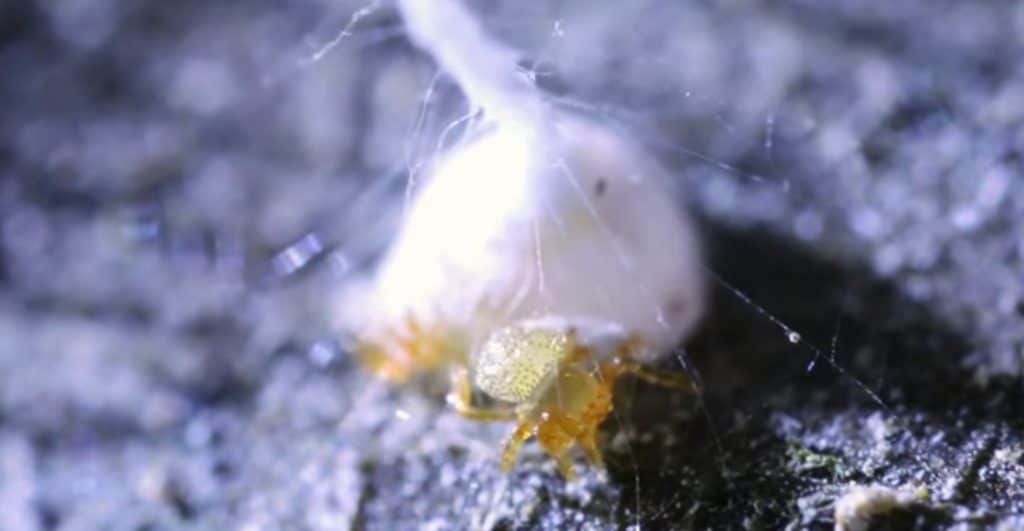
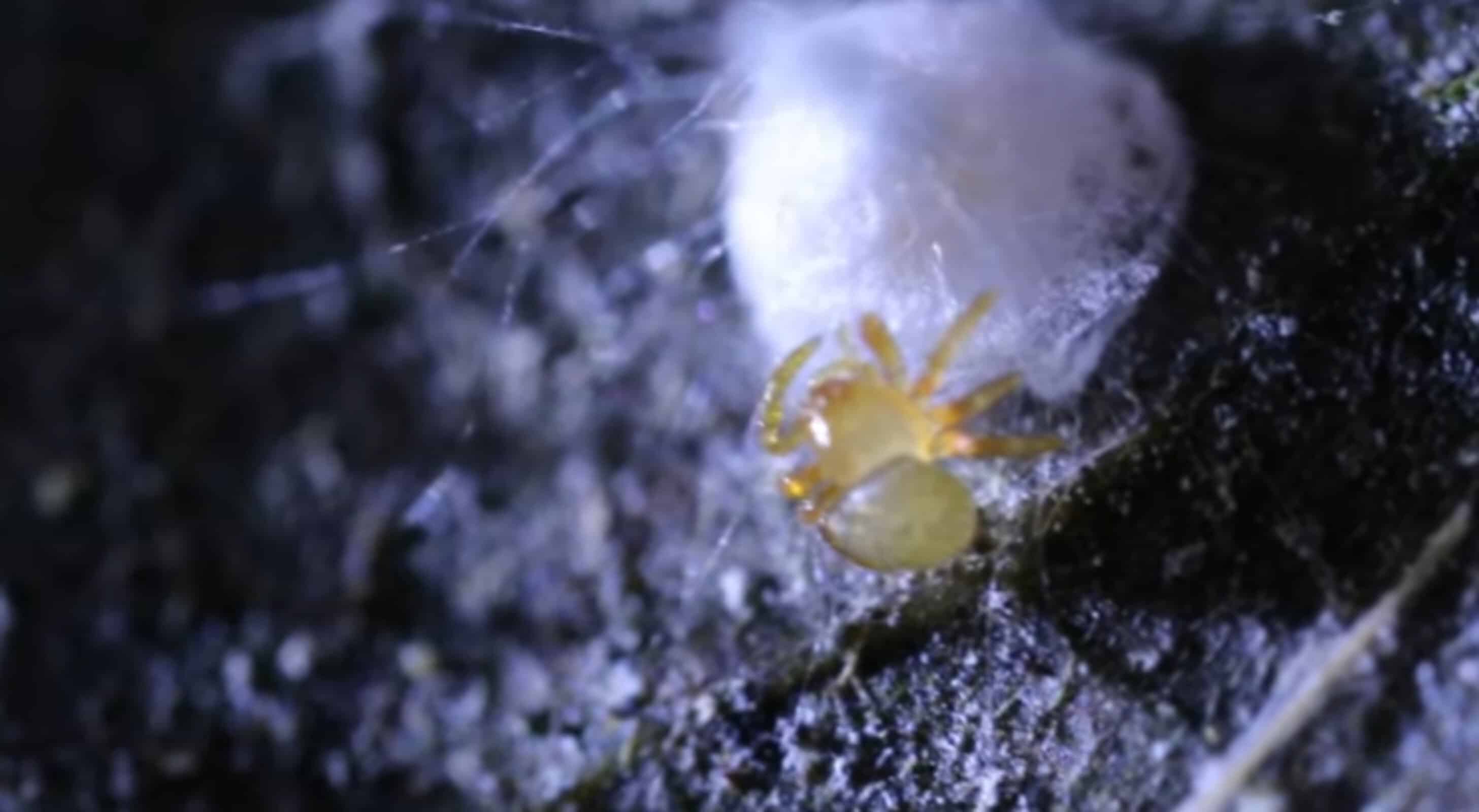
A silkhenge spider emerges from the egg sac.
© – Original
As seen in the YouTube video posted on the Jungle Diaries channel, two light amber-colored translucent spiderlings emerge from the tower. However, the spiderlings are not identifiable at their young age. With no adult spiders guarding the structure or egg sacs, scientists have been left scratching their heads about which spider species this is. Has it been discovered before, or is this a new species altogether?
Is the Silkhenge Spider a New Species?
In addition to witnessing the spiderlings emerge from the egg sacs for the first time, scientists were able to retrieve DNA from the spider. A DNA barcode was created and compared to all other spider species in the database. When compared, the DNA did not match any other spiders.
Does this mean the silkhenge spider is a new species? Not necessarily, according to Pomerantz. Instead, Pomerantz explained in the YouTube video, it “could mean one of two things.”
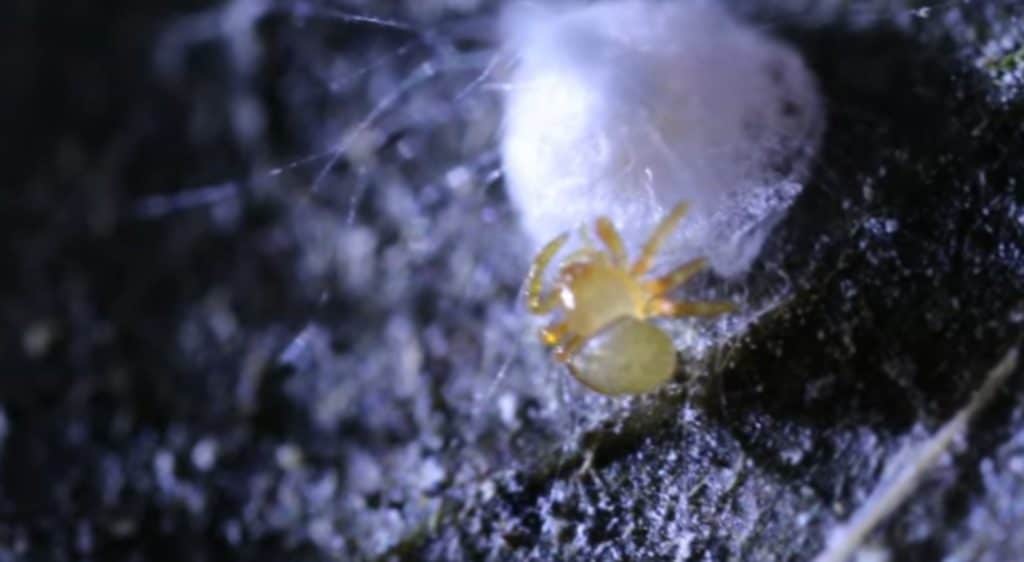
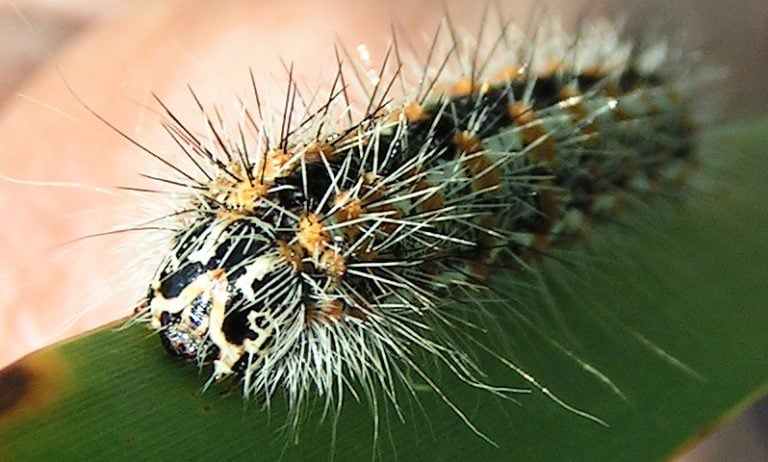
It is not yet known if this spiderling is a new species.
© – Original
“It could mean that our spider is a completely new species, so its DNA doesn’t match the DNA of any other species,” Pomerantz stated. “But there can also be this second option, where perhaps the spider has been described from its morphological characteristics, and its DNA just doesn’t exist in this database right now.”
Pomerantz believes either could be a viable option and that more information about the spider is needed to determine which is correct.
Structure Built Around the Silkhenge Spider Egg Sac Is a Mystery
The silkhenge spider got its name because the structure around its egg sac tower resembles Stonehenge. But, just as with Stonehenge, there are hypotheses about why the structure was built. However, the actual reason the structure exists remains a mystery.
One theory is that the fence-like structure around the egg sac is built to protect the eggs from predators. Predators can get stuck in both the webbing of the circular barrier and the tower covering the eggs, specifically, parasitic wasps.
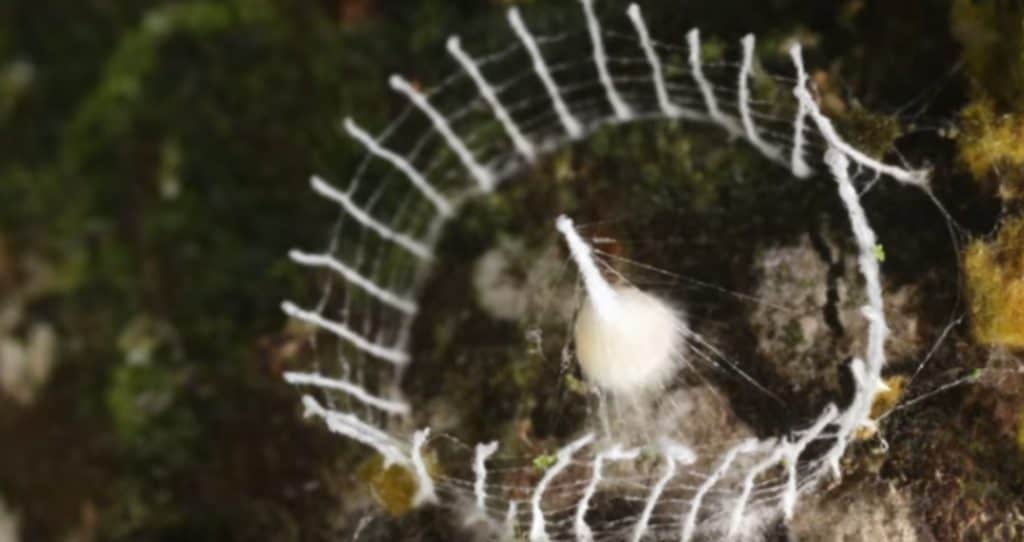
The use of the fencing and tower created by the silkhenge spider is still not completely understood.
© – Original
“That could be a sign of what that defense is for,” Torres explained to Live Science. “It could be some sort of barrier to a wasp being able to land on it.”
However, as Torres noted to the publication, these wasps have been observed emerging from the egg tower. Therefore, in those instances, the structures failed if their purpose was to keep predators out.
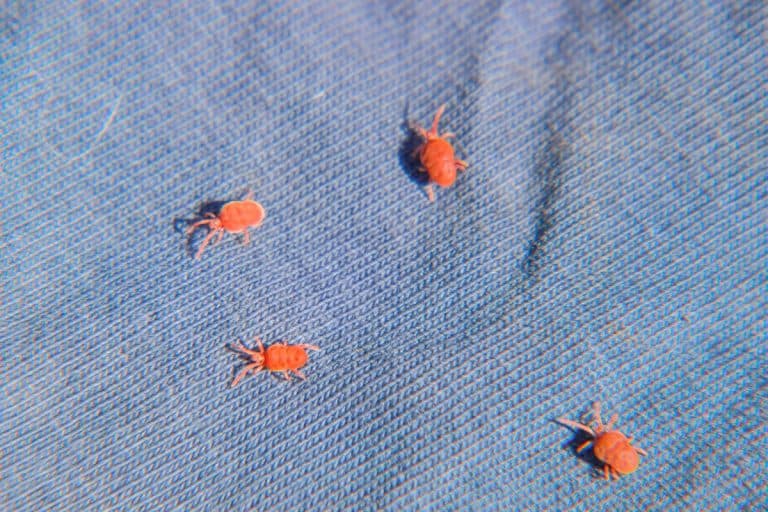
Additionally, it is believed that the barrier around the tower is used to trap prey for the spiderlings. Small creatures, such as mites, have been observed caught in the silk. However, since no spiderlings have been observed consuming the mites, this remains a working theory until it can be proven or disproven.
Adult Silkhenge Spider Never Identified
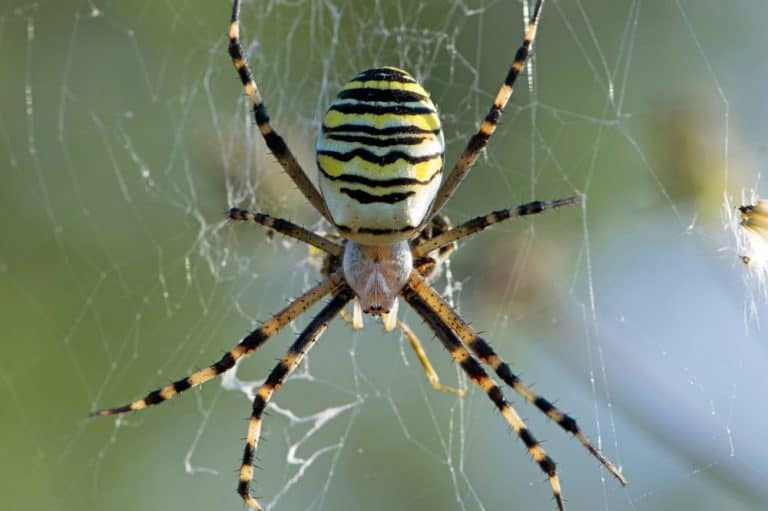
It has been nearly a decade since the YouTube video showing the silkhenge spiders being born was posted. Since that time, scientists have had theories about which spiders are responsible for the egg sac and the elaborate structure surrounding it. However, no identification has been made.
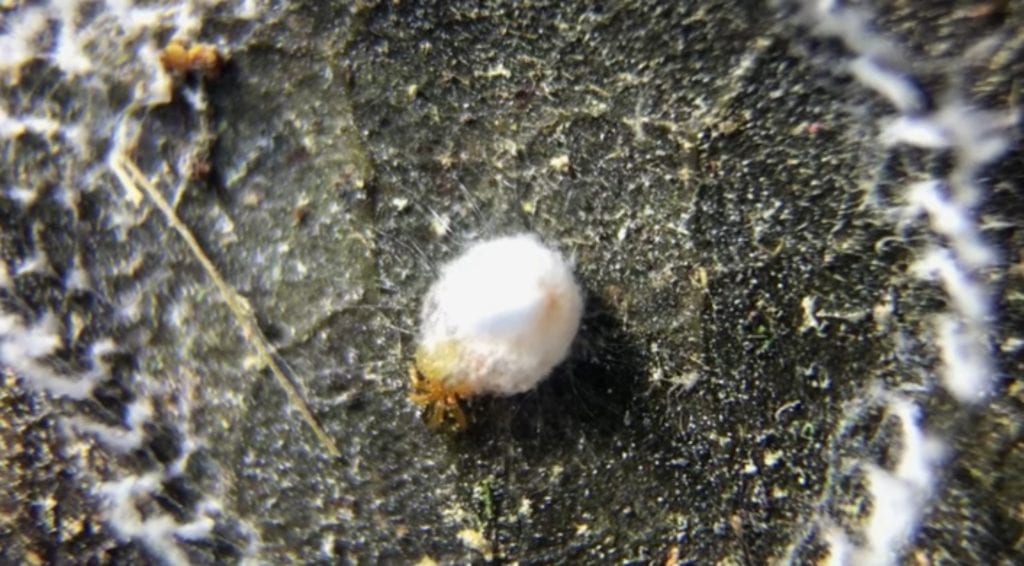
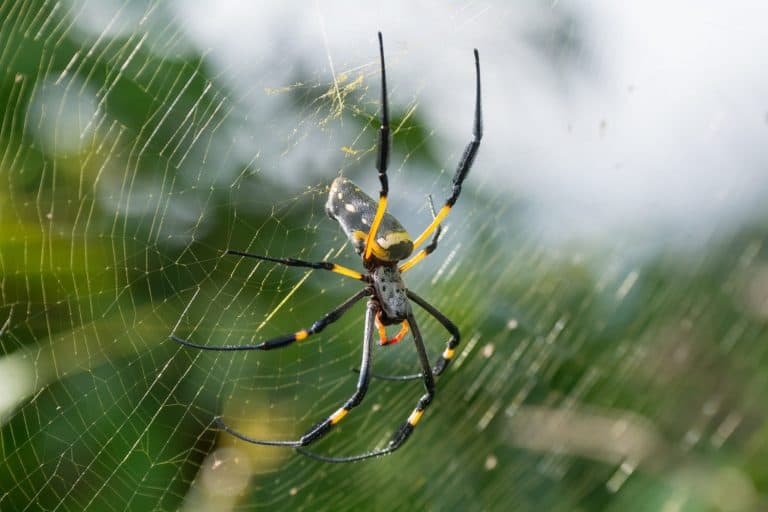
The adult silkhenge spider has never been identified.
© – Original
When the spiders emerged from the egg sac in the YouTube video, it was the first time the silkhenge spider had ever been seen. To date, there have been no sightings of an adult silkhenge spider creating the egg sac or its perimeter. Therefore, it remains a mystery what the adult silkhenge spider looks like and what its habits are after it is born.
There have been 50,000 different species of spider identified. By the next century, it is believed another 50,000 will be discovered. Scientists hope that one of these will be the adult silkhenge spider. But for now, the spider continues to elude scientists, who are working to crack the mystery of the adult silkhenge spider’s identity and the reasons behind its elaborate structures.