
Quick Take
- How an animal with zero teeth manages to devour thousands of insects every single day will change how you think about digestion. See how they digest →
- Female anteaters possess a reproductive trick so biologically unusual it once made certain captive births appear scientifically impossible. Discover the reproductive trick →
- An anteater's most powerful sense isn't what most people guess, and that sense shapes every hunting decision they make. Explore their dominant sense →
- Anteater pups stay tethered to their mothers far longer than nearly any comparable wild mammal, and the reason behind this behavior reveals something unexpected about their survival strategy. Learn about pup survival →
Anteaters belong to the suborder Vermilingua and consist of four distinct living species: the giant anteater (Myrmecophaga tridactyla), the Northern tamandua (Tamandua mexicana), the Southern tamandua (Tamandua tetradactyla), and the silky anteater (Cyclopes didactylus). These unique mammals are distributed across Central and South America, where they are found in tropical rainforests, savannas, and open grasslands. Their unique appearance consists of a furry body, a tubular snout, a long sticky tongue, no teeth, and powerful forelimbs with massive curved claws for ripping open insect nests. The silky anteater is the smallest extant anteater. Adults are 14 to 18 inches long, including a tail that makes up about half of that length, and they weigh under one pound. The average tamandua weighs about 7 to 10 pounds and is 21 to 31.5 inches long with a 15 to 23-inch tail. Giant anteaters are the largest of the four anteater species, measuring 6 to 8 feet long from nose to tail and weighing 60 to 110 pounds. While ants make up most of their diet, anteaters also eat termites, grubs, and occasionally ripe fruit or berries. Continue reading to discover more astonishing facts about anteaters.
They Don’t Have Teeth
Anteaters are toothless. They are edentate animals, which means they don’t have any teeth. How do anteaters eat more than 30,000 termites and ants a day without any teeth? Since they don’t use their teeth to break up their food, anteaters rely on strong muscles and digestive juices to break down each meal. They also use super long tongues to scoop up their tasty insect snacks.
Their Sense of Smell is Astonishing
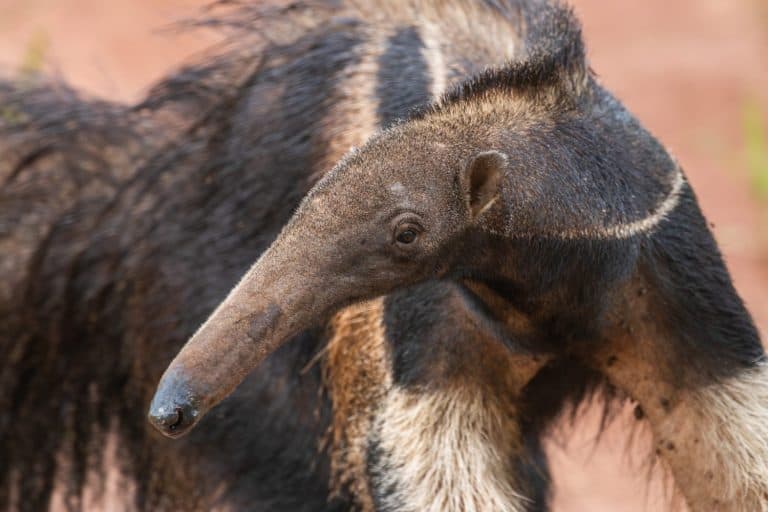
Anteaters have incredible olfactory senses. An anteater’s snout can smell 40 times better than a human nose. Their heightened sense of smell makes up for the fact that anteaters don’t have the best hearing or vision.
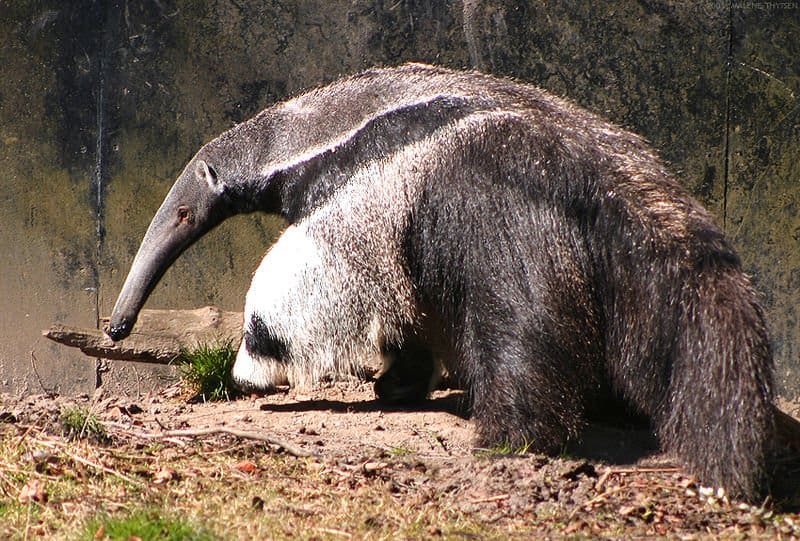
Anteaters sniff out their prey.
Anteaters use their noses to identify different termite and ant species before they rip open the nest.
Female Anteaters Can Pause Their Pregnancy
Embryonic diapause, or delayed implantation, is a reproductive strategy found in true anteaters where a fertilized egg halts its development at the early blastocyst stage. Instead of immediately embedding into the uterine wall, the tiny cluster of cells remains in a temporary state of dormancy within the uterus.
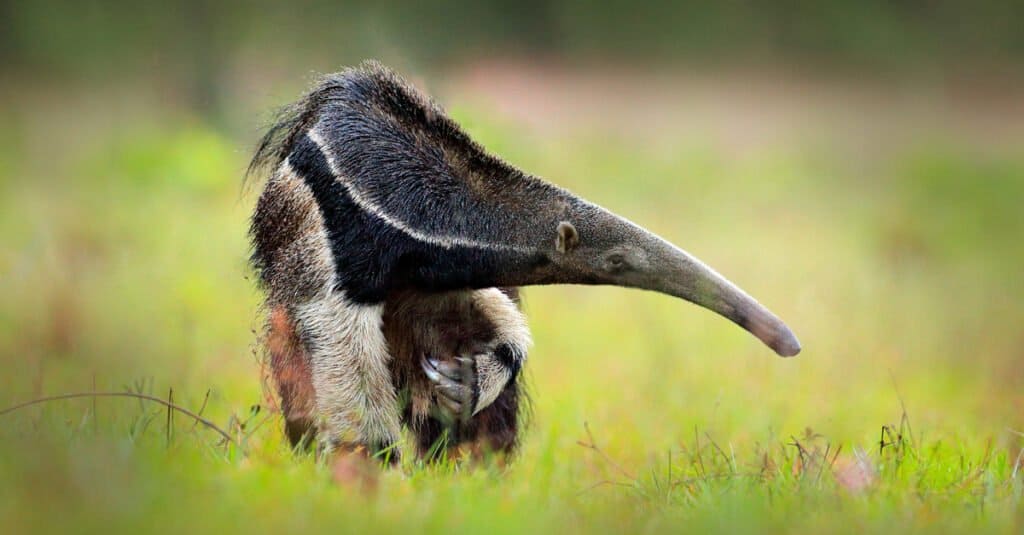
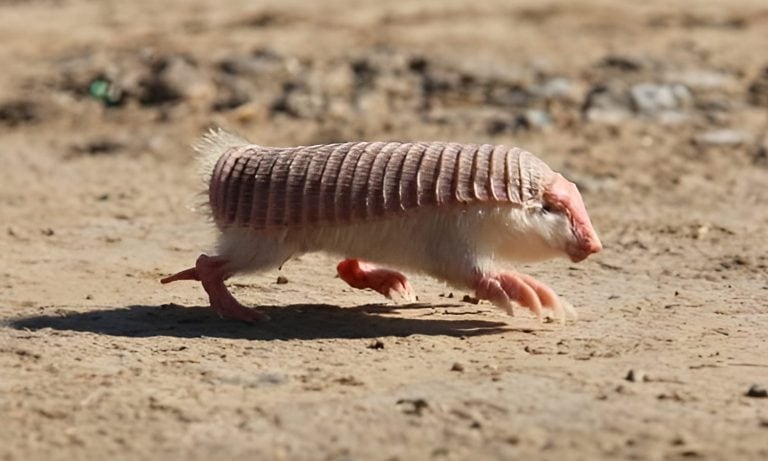
Anteaters can save fertilized eggs, which is a common ability used by armadillos.
©Ondrej Prosicky/Shutterstock.com
This acts as a physiological safety net when a female experiences environmental stress, poor nutrition, or changes in seasonal food supplies. Once conditions shift and become favorable to supporting a newborn, the embryo reactivates, implants, and resumes a normal gestation period. This adaptation explains why some captive anteaters have experienced highly unusual, seemingly impossible gestation lengths or surprise pregnancies.
They are Related to Sloths and Armadillos
Anteaters, sloths, and armadillos all belong to the same taxonomical superorder, Xenarthra. It is believed that this animal group is one of the oldest extant groups of mammals.
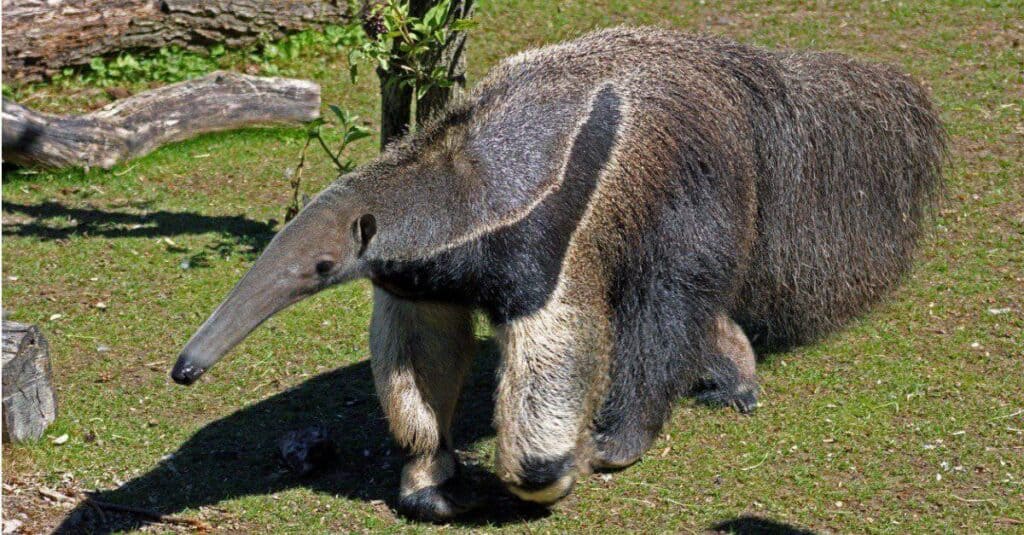
Anteaters are members of one of the oldest animal families in the world.
©iStock.com/Ivan Mattioli
Armadillos and sloths adapted and branched off before anteaters evolved to eat ants. As vegetarians and scavengers, their anatomy developed differently.
There Are Giant Anteaters
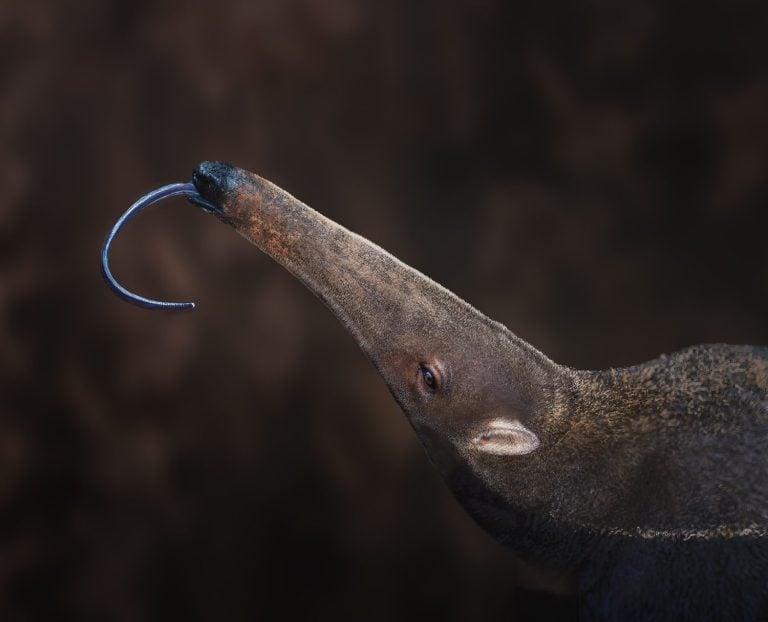
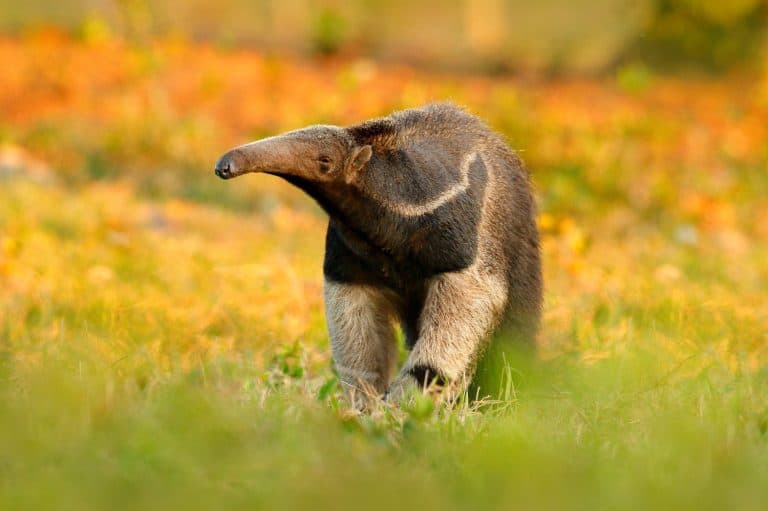
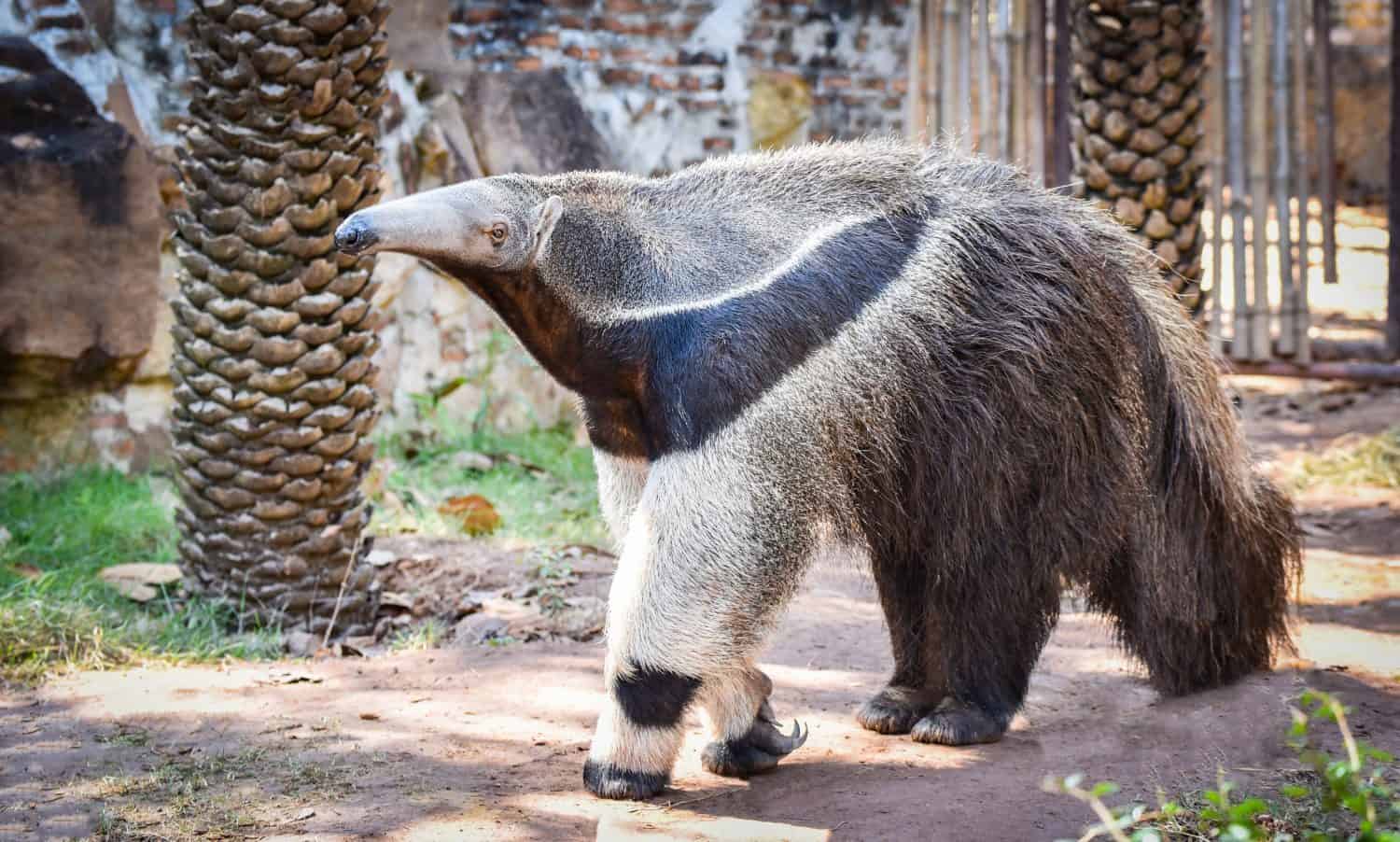
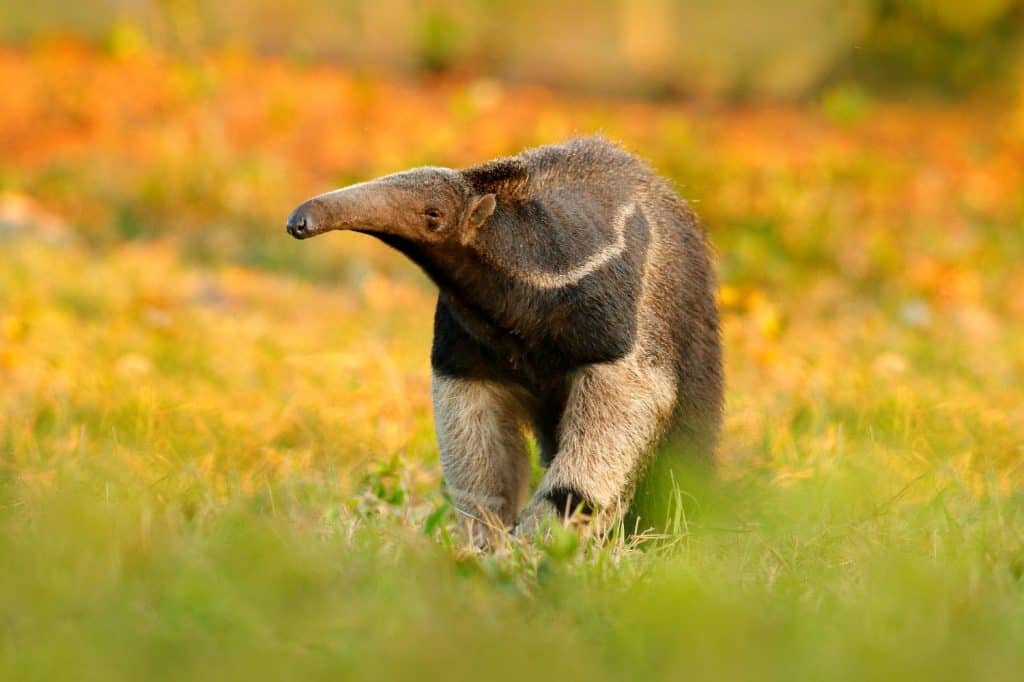
Giant anteaters are large mammals that can weigh from 40 up to 140 pounds. The tail of a giant anteater can be as long as 35 inches, which is one inch shy of three feet. Their tongues can measure up to 2 feet (24 inches) long. Attached directly to their breastbone rather than their throat, this worm-like tongue is coated in sticky saliva and covered in tiny, backward-facing spines, which keep ants from slipping out.
©Ondrej Prosicky/Shutterstock.com
Because they lack teeth, anteaters use their knife-like front claws to tear open solid termite mounds and anthills. Insects can fight back with painful stings, so giant anteaters only spend about one minute raiding a single nest, flicking their tongues in and out an astonishing 150 times per minute to vacuum up insects and consuming up to 30,000 insects a day.
Their Tongues Are Up to Two Feet Long
Another incredible fact about anteaters is that their tongues can stretch. The giant anteater, for example, can extend its tongue as far as two feet to grab a snack. Anteaters can also flick their tongue in and out of their mouth approximately 150 times per minute.
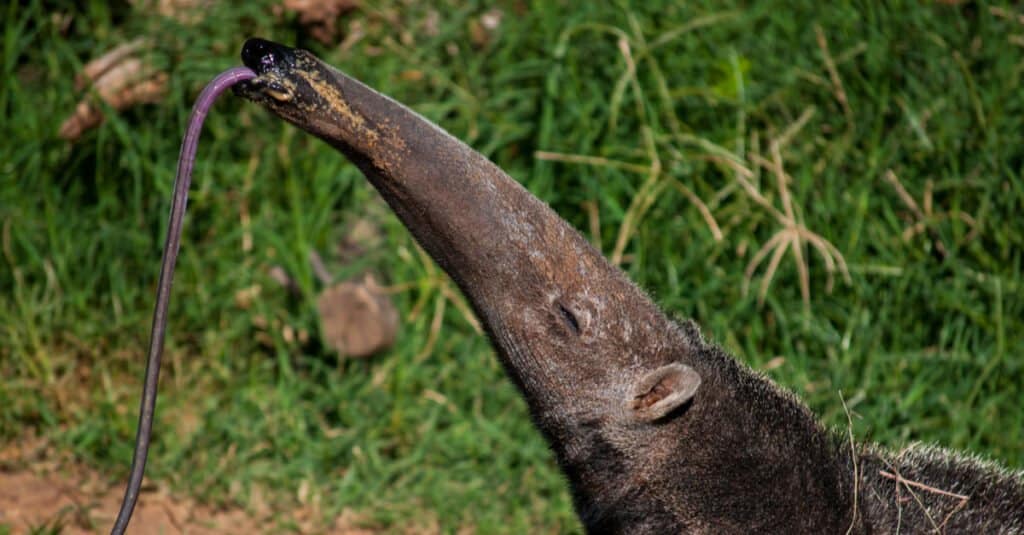
Anteaters have tongues which can reach 2 feet long.
©esdeem/Shutterstock.com
Pups Ride On Their Mom’s Back
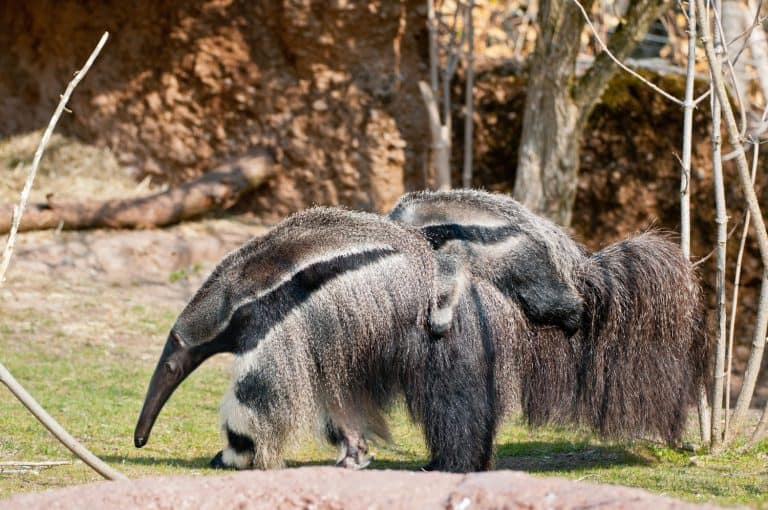
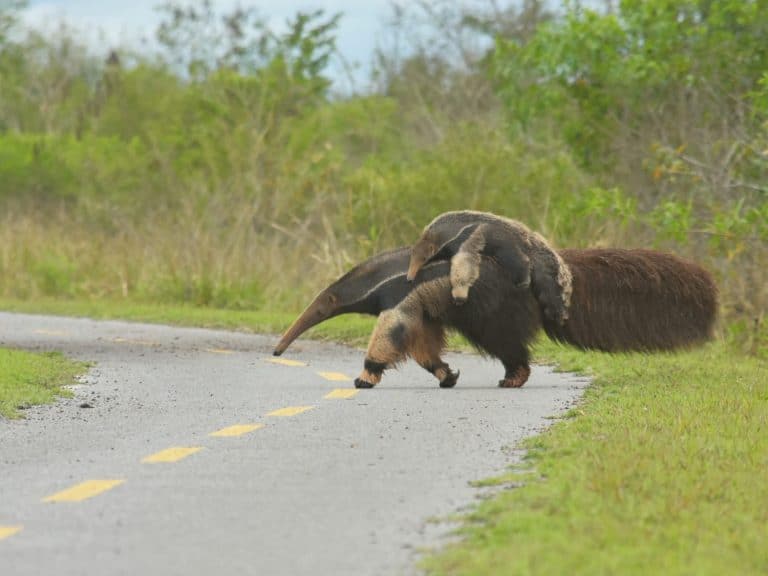
Anteaters have a special relationship with their young. Because female anteaters have a single pup each year, they can devote all of their time and attention to it, creating the perfect opportunity for the mother to care for her only child.
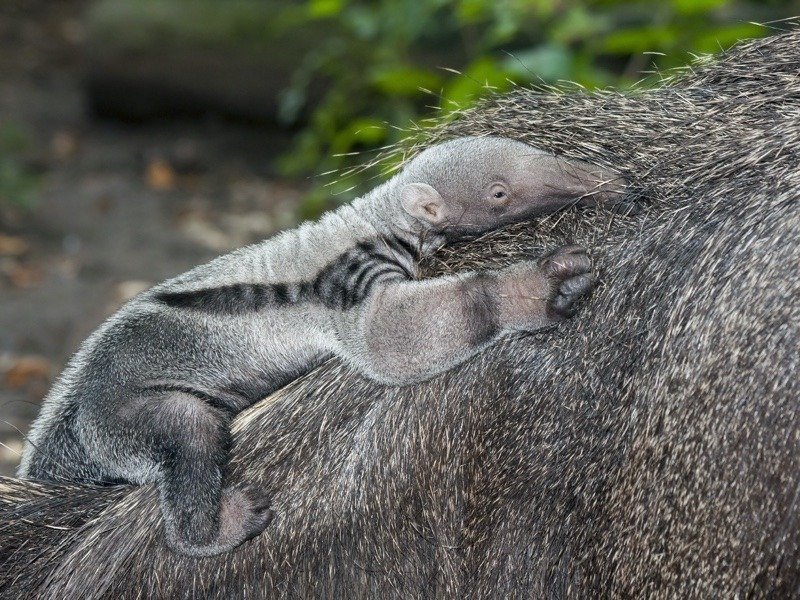
Anteater pups ride on their mother’s back.
©belizar/Shutterstock.com
It’s normal to see an adorable anteater pup riding around on its mother’s back, even if it can walk. They also spend a long time with their mother. Unlike other mammals that spend a year with their offspring, anteater pups ride on their mother’s back for 6 to 12 months and may remain with their mother until they are about two years old.