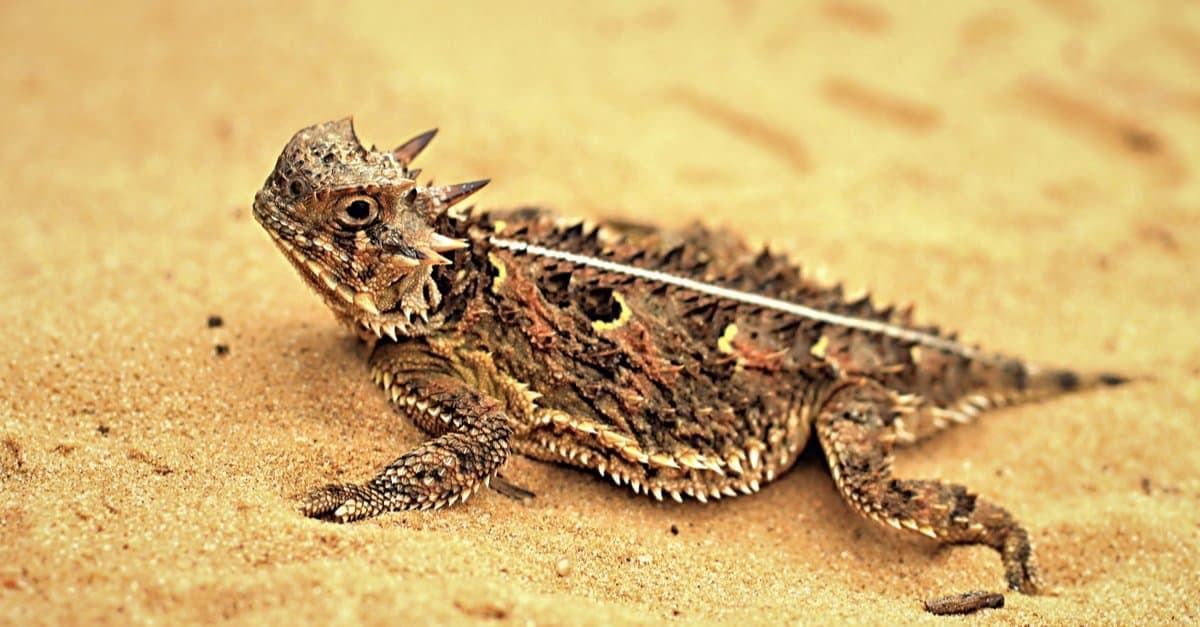

Quick Take
- One lizard researchers found in the field wasn't from the zoo, and what that could mean for the species represents a massive conservation milestone. See the conservation milestone →
- Seven separate forces pushed the Texas horned lizard toward extinction, and at least one of the culprits is something most Texans would never suspect. Discover the seven culprits →
- This lizard is so small it fits in your palm, but entire Texas ecosystems would unravel without it. See why ecosystems depend on them →
- Researchers braced for a long, grueling search across the grasslands, but their search wasn't as difficult as expected. Read what researchers found →
The Texas horned lizard has been an important part of Texas’s history and culture for centuries. Once a staple in habitats across the state, the horned lizard has not fared well over the last 30 to 40 years. But thanks to efforts from the San Antonio Zoo, Texas horned lizards are making a hopeful wild comeback.
Captive-Born Texas Horned Lizards Are “Thriving” in the Wild
The Texas horned lizard has been associated with Texas for generations. With its distinct appearance and cultural and historical ties to the state, making the reptile an official symbol of Texas was not a hard-fought battle.
Unfortunately, in the decades since the creature was named the state’s official reptile, populations of Texas horned lizards have continued to decline. While there is no official count, the lizards have gone extinct in some regions of the state.
Fortunately, the Center for Conservation & Research at the San Antonio Zoo has stepped in to combat the issue. Thanks to their efforts, the Texas horned lizard may stand a chance at survival.
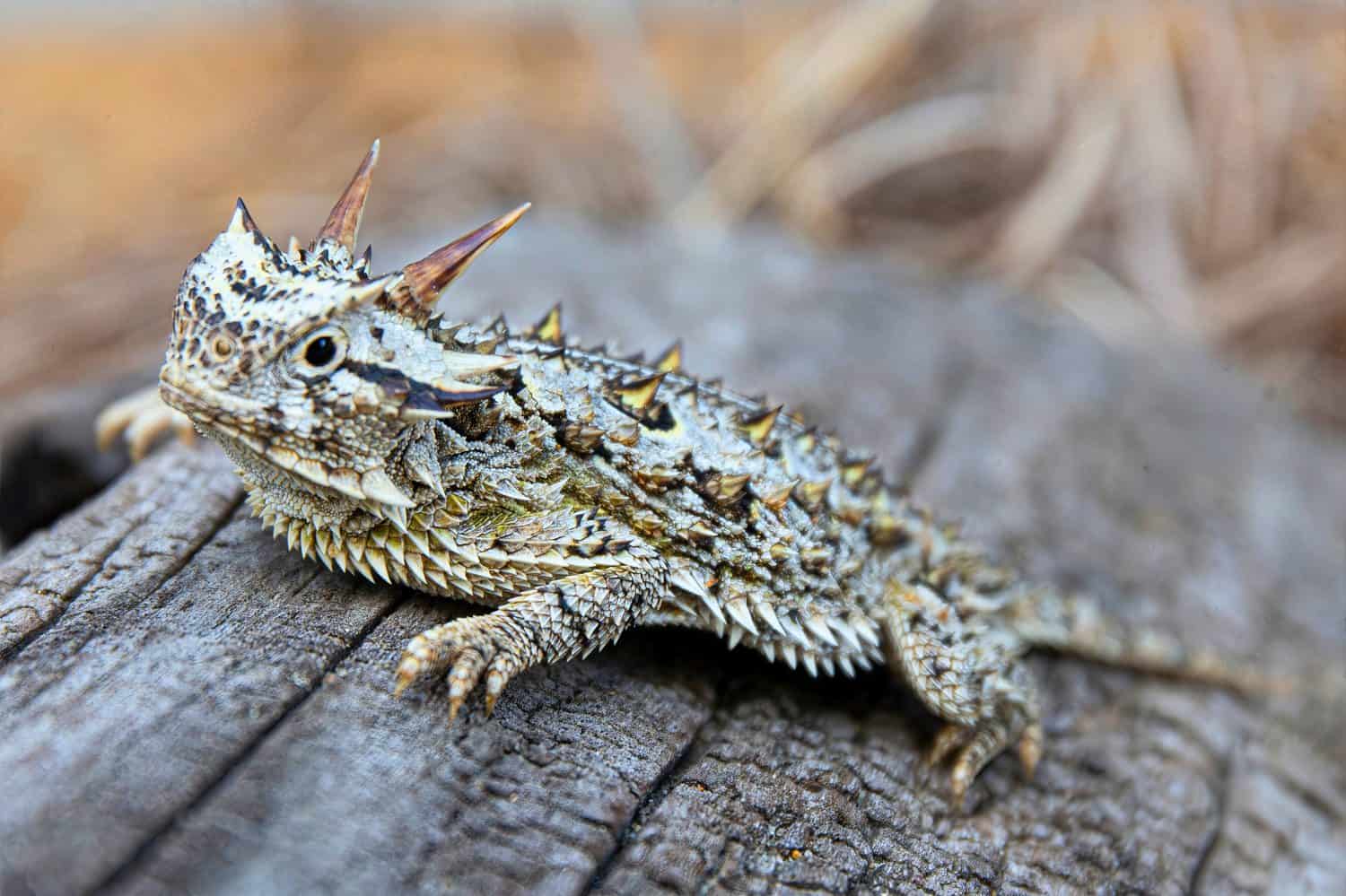
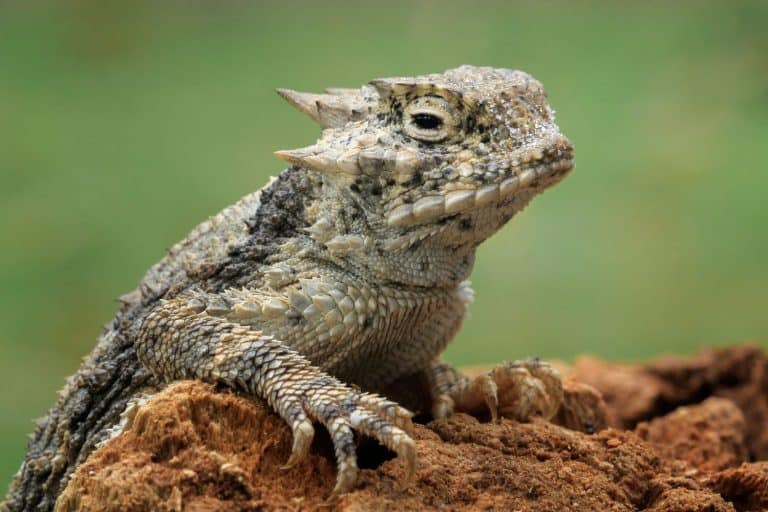
Captive-born Texas horned lizards are thriving in portions of Texas they have been released into.
©Martens Coyotes/Shutterstock.com
The San Antonio Zoo announced earlier this week that the Texas horned lizard release program has been a rousing success. Field observations confirmed that the lizards hatched at the zoo in 2024 and 2025 and released to grasslands in the central part of the state are still alive. Not only are they alive, according to the Vice President of the Center for Conservation & Research, Dr. Danté Fenolio, but they are “thriving.”
“These moments are why we do this work,” Dr. Fenolio explained to WOAI San Antonio. “It’s one thing to release animals. It’s another to see them thriving in the wild, growing and dispersing naturally. That’s real conservation impact.”
Researchers were anticipating spending long hours attempting to track down the elusive horned lizards. But as the Manager of the Center for Conservation & Research, Bekky Muscher-Hodges found out, the lizards were not as difficult to locate as imagined.
“I set the collection container down and suddenly saw part of a horned lizard right next to me,” Muscher-Hodges told the news outlet. “It was incredible. We always hope to find them, but moments like that never get old.”
That particular lizard found by Muscher-Hodges was confirmed to have hatched at the San Antonio Zoo in 2025. Later in the day, another lizard was spotted a third of a mile away from the initial release site. This Texas horned lizard was determined to have hatched at the zoo in 2024.
More incredible still, a third lizard discovered by researchers was not a lizard released from the zoo. Instead, it is believed to be one of the first wild-born lizards from the reintroduced population. Genetic testing is still waiting to confirm whether this is the case. If proven to be so, then the Center for Conservation & Research has truly done its part to help increase the population of Texas horned lizards in regions where many thought they would never be seen again.
What Caused the Texas Horned Lizard Population to Plummet?
Those who have lived in Texas for generations likely remember a time when the Texas horned lizard was seen frequently. Today, that is not the case. Instead, regions where the lizards were seen in abundance are now devoid of them. It is not just one factor that has led to the lizards’ decline. Instead, multiple factors have compounded the problem.
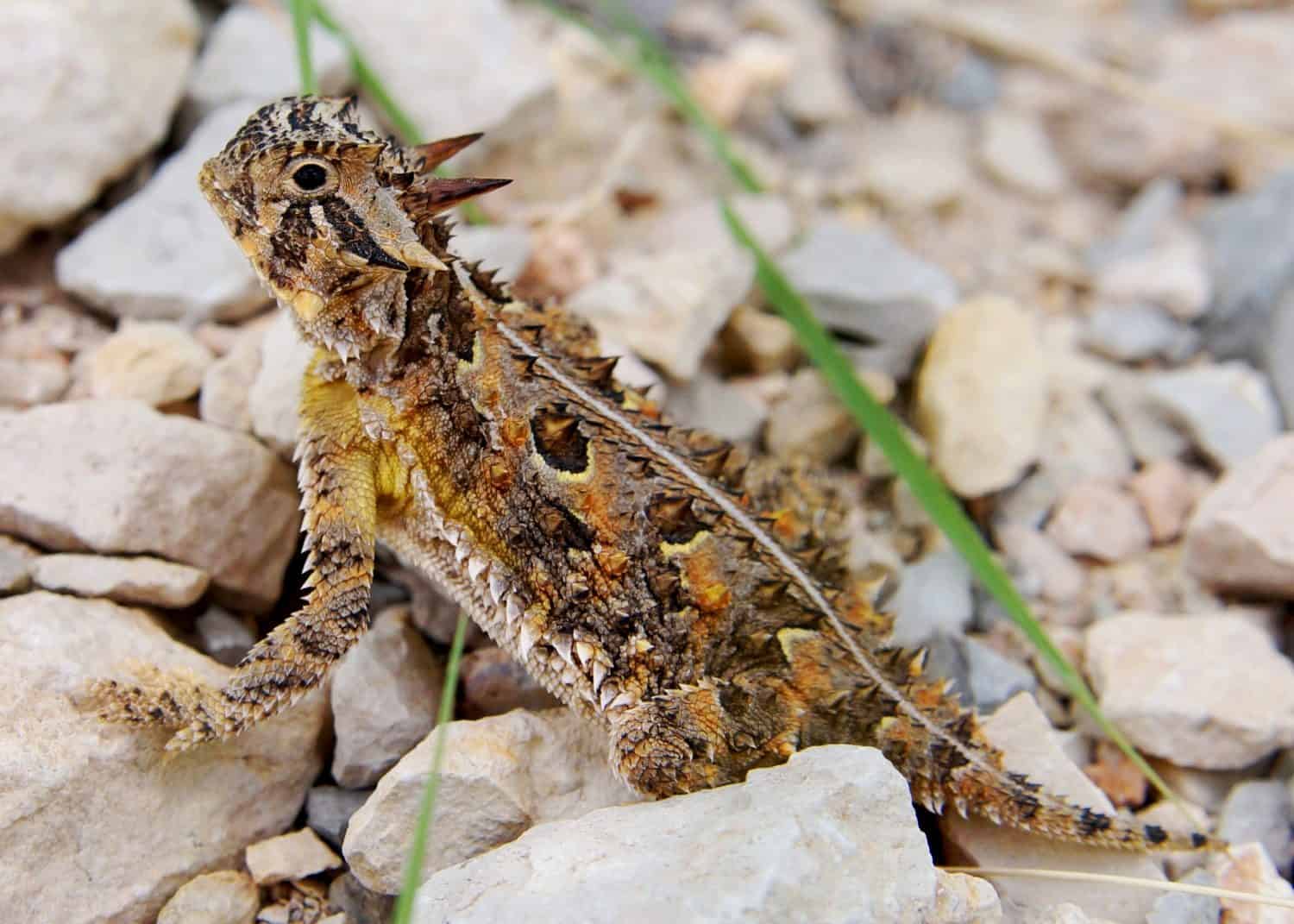
Multiple factors, including habitat loss and fragmentation, led to the loss of Texas horned lizards in portions of Texas.
©Matt Jeppson/Shutterstock.com
The reasons the Texas horned lizard population is just a fraction of what it used to be is due to:
- Habitat loss
- Habitat fragmentation
- Decreased harvester ant population
- Use of pesticides
- Invasive pest species, such as non-native fire ants
- Climate change
- Pet trade
Today, Texas horned lizards are already regionally extinct in eastern and central Texas. Populations can still be found in the southern and western parts of the state. However, without real change and a turnaround or elimination of the factors that caused the overall population to decline, the likelihood that these populations can be sustained over the long term is low.
Ecosystems Would Collapse Without Texas Horned Lizards
It may seem hard to believe, but even small creatures can be keystone species in their habitat, and the Texas horned lizard is one such creature. If it were to go extinct, their ecosystem would collapse.
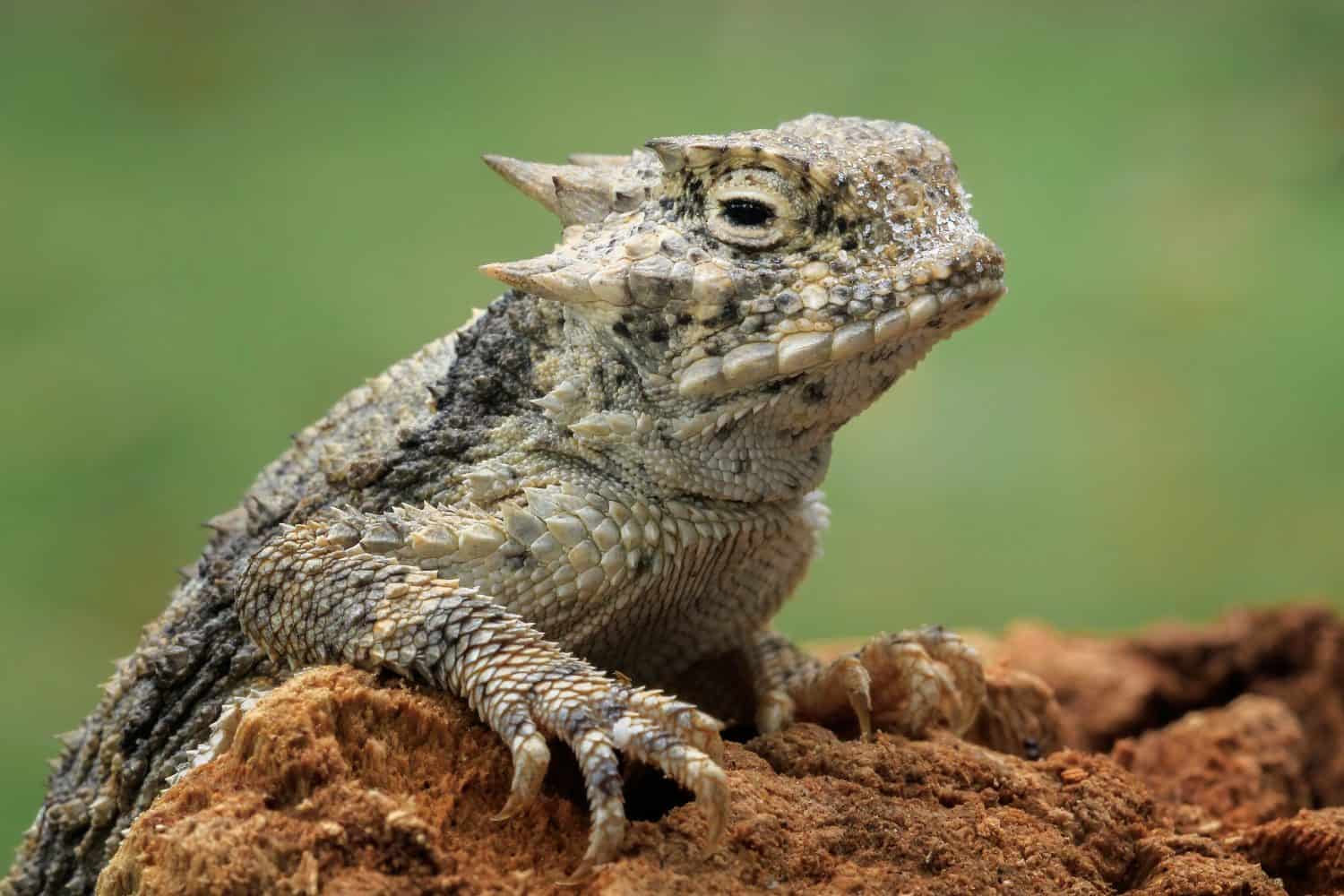
Entire ecosystems would collapse without Texas horned lizards, given that they are a keystone species.
©Lauren Suryanata/Shutterstock.com
Texas horned lizards are adept insect connoisseurs. They especially enjoy harvester ants, which are also important to the shared habitat because they effectively aerate the soil. However, were Texas horned lizards not there to consume them, the harvester ant population would explode. This would lead to certain flora and fauna flourishing, while others would eventually disappear.
Texas horned lizards help create a healthy ecosystem. Whether grasslands or prairies, rocky outcrops, foothills, or desert environments, none of these would function as effectively without the lizards. They help keep everything in balance, which is why conservation efforts to save them have increased over the years.
What is Being Done to Conserve the Texas Horned Lizards
The Texas Horned Lizard Reintroduction Project has played a large role in increasing the population of these reptiles in the Lone Star State. This, however, is not the only way that the species has been making a comeback. Other steps have been taken to help ensure that regions where the lizards have vanished can once again support their presence.
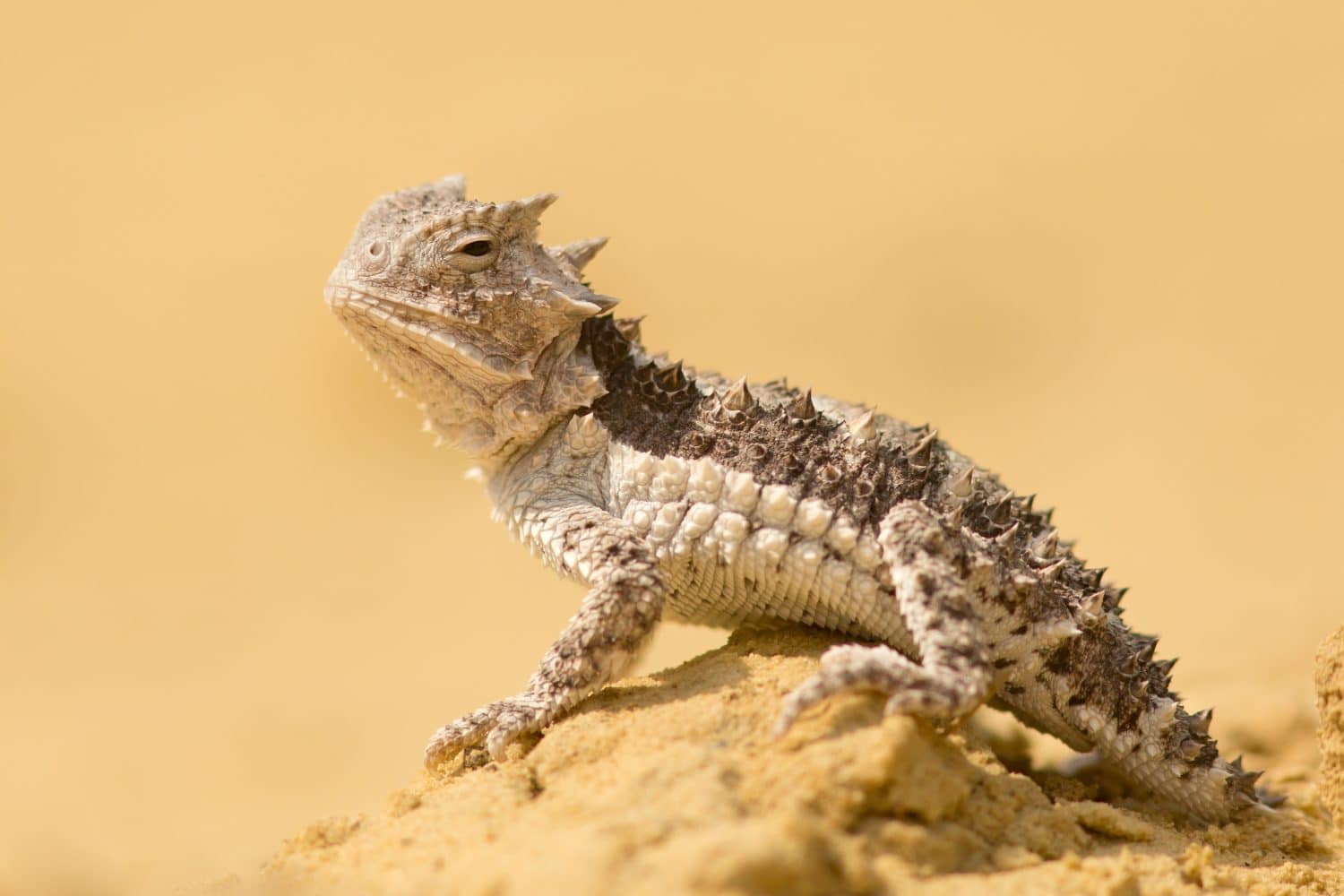
Conservation efforts, such as removing invasive plant and insect species, are helping the Texas horned lizard population to recover.
©Milan Zygmunt/Shutterstock.com
Some of the ways that conservationists are working to save the Texas horned lizards include:
- Restoring natural vegetation, complete with harvester ants, to support the species
- Removing invasive grasses
- Removing fire ant populations
- Tracking released Texas horned lizards to analyze their health
- Educating locals about practices other than pesticides to control the insect population
By raising Texas horned lizards in a controlled environment until they are old enough to be released into wild habitats, the population can hopefully rebound. It is only through continued support of these efforts that the lizard stands a chance of being declassified as a threatened species in Texas. The alternative is eventual extinction and the permanent loss of the state’s beloved lizard.