
Quick Take
- West Nile virus spreads through a cycle that makes humans a biological dead end, and that quirk shapes everything about how you can and cannot catch it. See the transmission cycle →
- Most infected people never feel a thing, while for some the outcome is far more serious than a fever, and there is no reliable way to predict which group you will fall into. Explore the full symptom range →
- With no vaccine and no cure available, the only real defense hinges on a few specific behaviors most people overlook entirely. See prevention strategies →
- If you're over 65, your risk profile for severe illness shifts, and a handful of common health conditions push it even further. Check the risk factors →
Malaria may be the best-known mosquito-transmitted disease, but cases of malaria acquired from local mosquitoes are rare in the U.S. West Nile virus, on the other hand, is the leading cause of mosquito-borne disease in the contiguous United States. This is what you need to know about it.
How Do You Catch West Nile Virus Disease?
West Nile virus disease is caused by a virus in the family Flaviviridae, genus Flavivirus. It circulates in the environment, getting passed between birds and mosquitoes. Infected birds often have high levels of the virus in their bloodstream. Crows and jays are more likely to die of the infection, but most other bird species survive. So far, the virus has been detected in over 300 bird species.
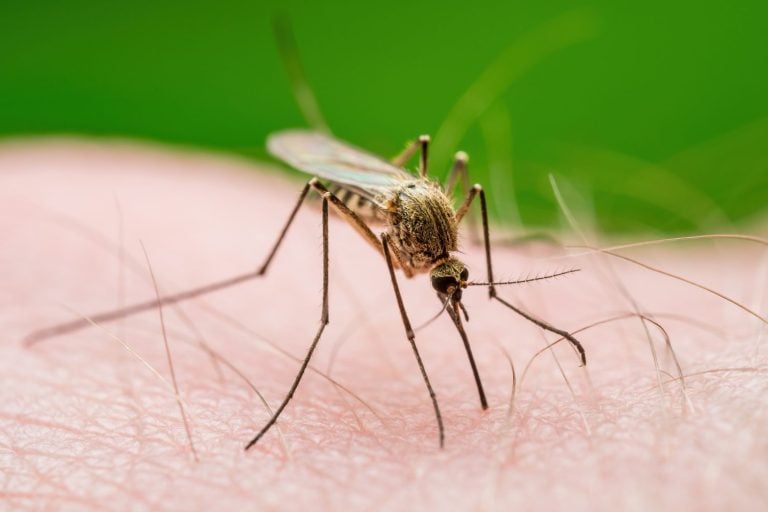
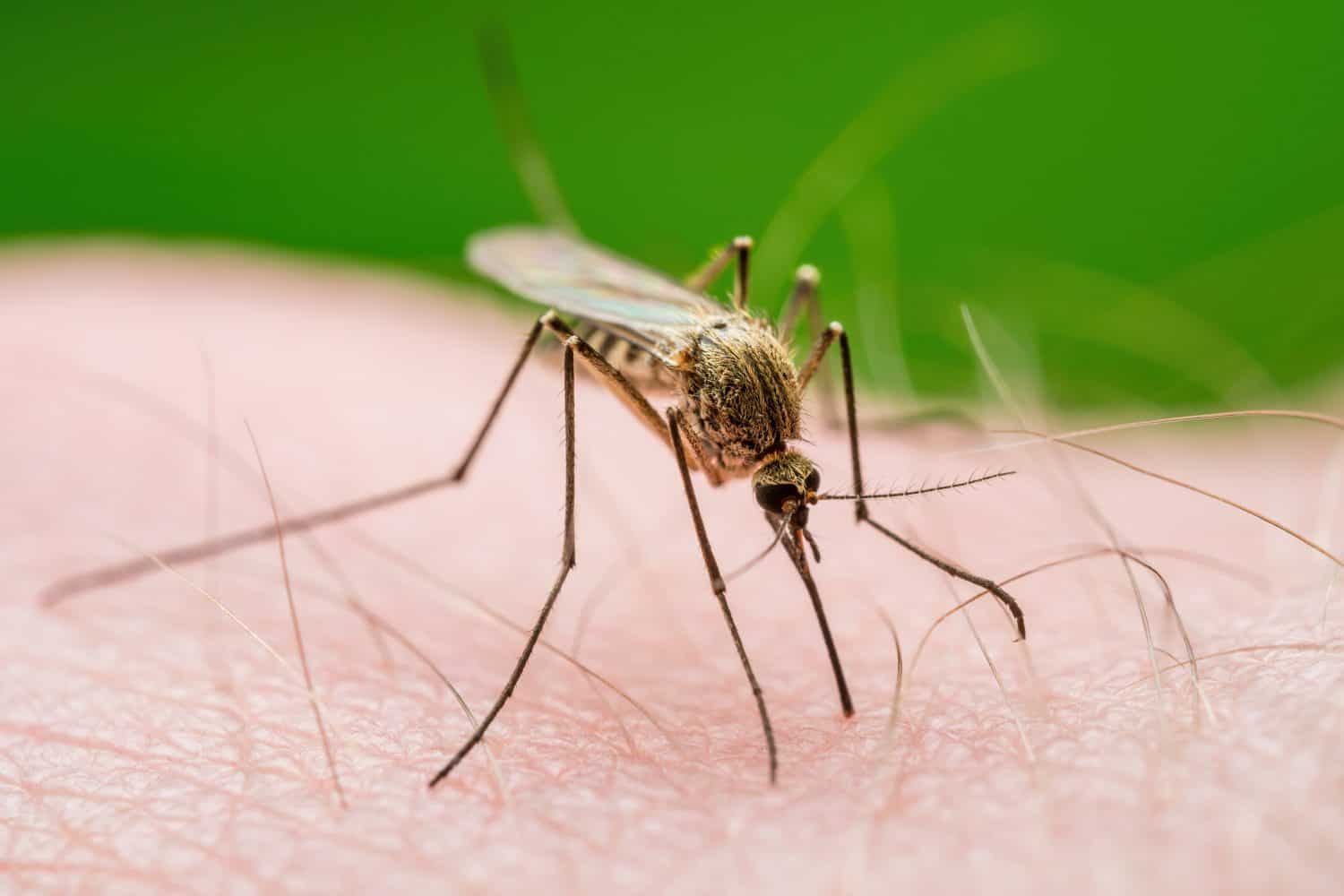
Mosquitoes become infected by biting birds. Most often, mosquitoes in the genus Culex are implicated in its spread. Culex pipiens, Culex quinquefasciatus, and Culex tarsalis mosquitoes live in the United States and some U.S. territories. These mosquitoes lay their eggs on the surface of permanent standing water, such as ponds.
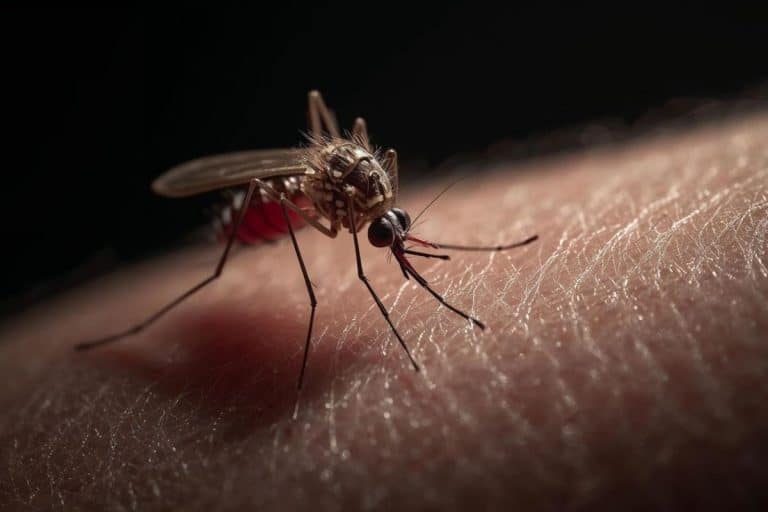
West Nile virus is transmitted via mosquito bites.
©iStock.com/globalmoments
When a mosquito bites an infected bird and then bites you, it can infect you with the virus. They can also pass it to horses and other mammals. However, the virus does not reach high enough levels in the human bloodstream for humans to transmit it to other mosquitoes. Rarely, humans can pass it on to other humans via blood transfusions, organ donation, and childbearing.
There is currently no evidence that you can get West Nile virus from handling live or dead infected birds. That said, it is always advisable to use gloves or double plastic bags if you need to handle a bird carcass.
What Are the Symptoms of West Nile Virus Disease?
Most people infected with the West Nile virus will not get any symptoms at all. If you do get symptoms, they will typically start between 2 and 6 days after the mosquito bite. In some people, especially those with a weakened immune system, it can take longer.
Some people develop a mild flu-like illness, which may include fever, headache, body and joint pains, vomiting, diarrhea, and a rash. Most people recover quickly, but some may experience fatigue and weakness for weeks or even months.
The severe form of the disease may affect the central nervous system. Patients may develop a high fever, headache, and neck stiffness. These symptoms can be accompanied by stupor, disorientation, coma, tremors, convulsions, muscle weakness, vision loss, and numbness. This illness can be severe enough to require hospitalization and may lead to paralysis or even death. About 10 percent of people who develop severe illness affecting the central nervous system die from the disease. For those who survive, recovery can be slow, and some effects may be permanent. The good news is that most people who have had West Nile virus disease are believed to have long-lasting or lifelong immunity and are generally protected from getting the disease again. However, immunity may decrease over time in some individuals.
Who Will Most Likely Get the Disease?
Anyone who lives in or travels to areas where the West Nile virus is circulating among birds and mosquitoes is at risk of getting the disease. This includes anyone who lives in or visits the contiguous United States.

Older people are more likely to get serious West Nile disease symptoms.
©dragana991/iStock via Getty Images
It’s not possible to accurately predict who will have no symptoms and who will develop the severe form of the disease. However, there are risk factors that make it more likely that you will get a more serious illness. In general, older people get more serious symptoms. If you are over 65, you are three times more likely to develop a neurologic illness than people younger than 65. People with cancer, diabetes, high blood pressure, kidney disease, or a weakened immune system are also at higher risk.
West Nile Virus Disease Diagnosis and Treatment
You should contact your health care provider immediately if you think you may have contracted the disease. They will use a combination of clinical history and laboratory tests to make the diagnosis.
There are no specific medicines to treat the disease. Mild symptoms are treated with rest, staying hydrated, and over-the-counter medication. People with severe illness receive supportive treatment in a hospital, such as intravenous fluids and pain medications.
How Can You Prevent West Nile Virus Disease?
No licensed vaccines or medicines are currently available to prevent West Nile virus disease in humans. Therefore, the only way to protect yourself is to prevent mosquito bites.
The CDC recommends that you use an insect repellent that is registered with the Environmental Protection Agency. Additionally, wearing long, loose-fitting shirts and pants makes it harder for mosquitoes to reach your skin. Avoid being outside between dusk and dawn, as this is the time when the mosquitoes that spread West Nile virus are most active. Finally, install screens on your windows and doors, and use air conditioning instead of opening windows if possible.
If you have small areas of standing water around your home, consider applying mosquito dunks or other larvicides to reduce mosquito breeding. Mosquito dunks are a formulation of bacteria that produce a toxin that kills mosquito larvae but is not harmful to people, pets, or other insects such as bees.