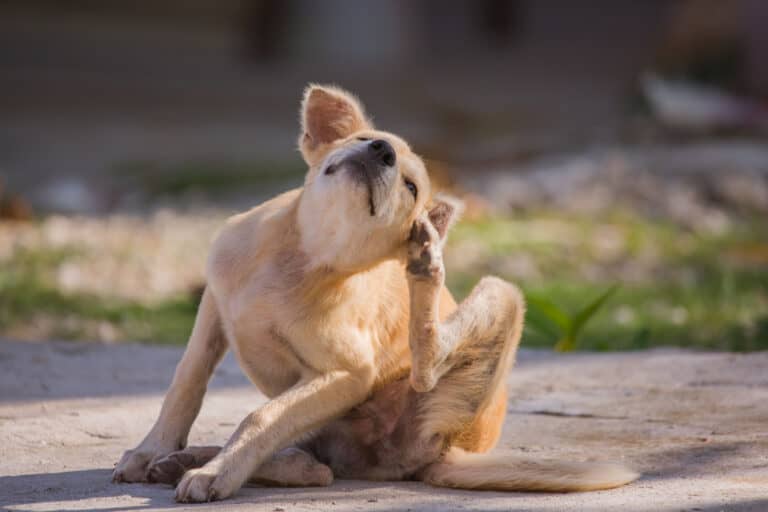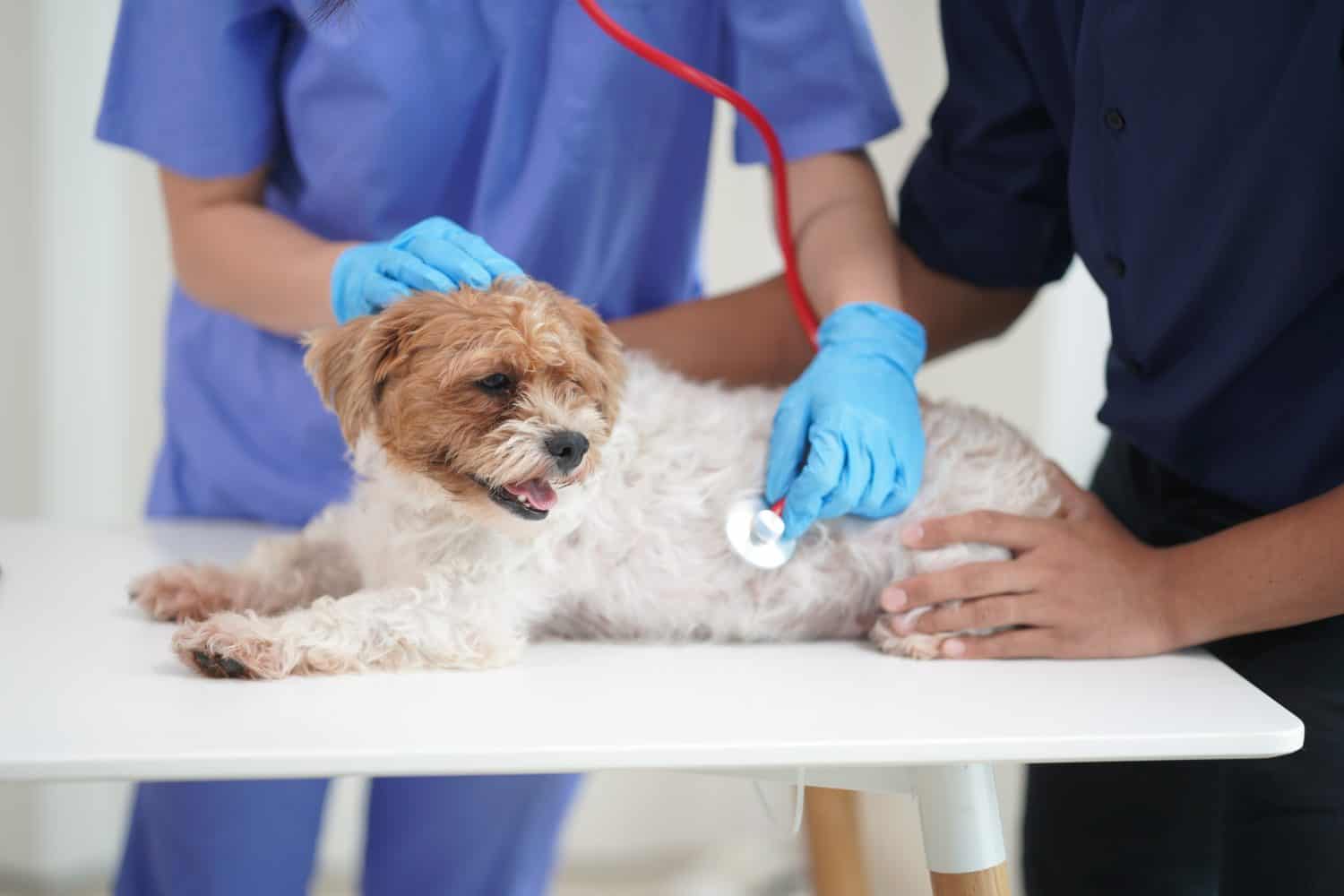

Quick Take
- Top non-check-up vet visits for dogs include itchy skin and allergies.
- Vomiting and diarrhea drive vet visits, as GI issues range from mild to life-threatening conditions.
- Ear infections are common and often linked to allergies, requiring veterinary treatment.
While most dog owners may expect to only see their vet for vaccines and annual exams, the actual bulk of everyday appointments come from sudden, surprising problems. There are many common medical reasons dogs end up in the exam room, and none of them are particularly fun. What are the most common reasons owners rush their dogs to the vet, outside of routine care?
We’ve uncovered five of the top non-check-up reasons dogs visit the vet, what causes these issues, and what signs you should watch for at home before making a trip. Utilizing scientific sources and an in-house expert interview, we’ve built a comprehensive plan for what might be on the horizon if you own a dog, even if he’s up to date on shots.
Certified vet technician and professional dog trainer Teagan Coleman of NLR Explore Dog Training shares what she sees most often in her line of work, as well as what she wishes every client knew before they arrive at the vet. Now, let’s identify the top reasons Fido may need more than a check-up.
1. Itchy Skin and Allergies
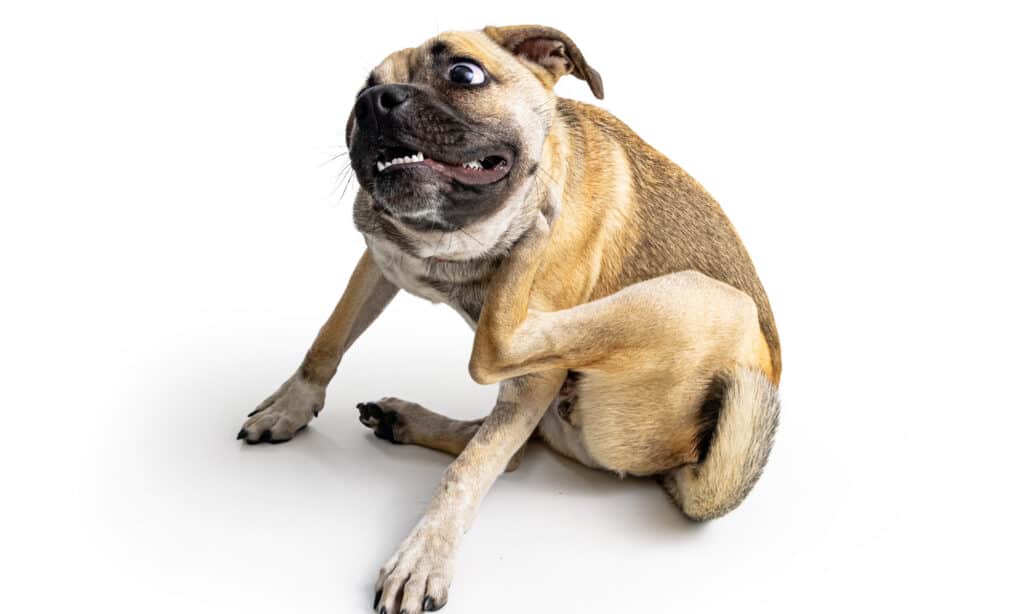
Allergies and itchiness are some of the main reasons dog owners visit the vet.
©iStock.com/adogslifephoto
Among all of the reasons for veterinary visits, skin problems and allergies consistently rank at the top of the list for dogs. Skin allergies, rashes, and infections are some of the most frequent diagnoses and conditions Coleman deals with often.
In dogs, the most common allergy symptom is itching, which is sometimes concentrated in one area (like paws or ears), or all over the body, making diagnosis difficult. Veterinary dermatology resources like VCA Animal Hospitals note that dogs may lick, chew, scratch, or rub against furniture, and can develop redness, hair loss, hot spots, or skin infections due to how itchy they are.
Underlying causes of these symptoms can include:
- Fleas and other parasites
- Environmental allergies (pollen, dust mites, molds)
- Food allergies or sensitivities
- Contact irritants (shampoos, cleaners, certain grasses)
- Secondary bacterial or yeast infections
Coleman noted, in her experience, “Owners will tell me, ‘He’s always been a little itchy,’ as if that’s normal. Constant scratching, staining on the paws from licking, that yeasty smell we all know: those are all red flags that their skin or ears are miserable and they may need treatment.”
Home Care vs. Vet Care for Allergies/Itching:
- You can do some basic home care to help your pup, including consistent flea control, gentle hypoallergenic shampoos, wiping paws after walks, and avoiding obvious irritants.
- It’s time to see your vet if itching is frequent, you see red or raw areas, your dog is losing hair, you notice odor, or they can’t settle because they’re scratching so much.
Coleman added, “If itching is waking your dog up at night or they’re chewing on themselves nonstop, that’s a medical problem that needs addressing. The sooner you get in to see your vet, the easier it will be to calm your dog’s skin down.”
2. Vomiting and Diarrhea
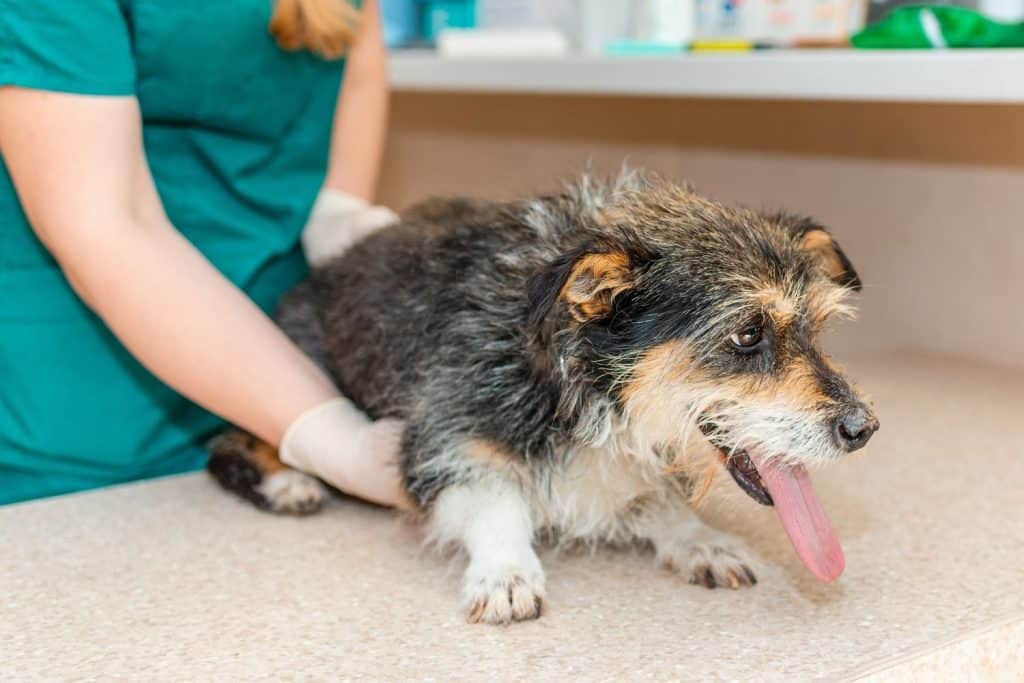
Tummy troubles plague most dogs at some point in their lives.
©ARVD73/Shutterstock.com
Gastrointestinal issues like vomiting, diarrhea, or both are another leading reason dogs wind up at the vet. Urgent care and general practice clinics list tummy troubles among their most common complaints, and it’s largely because GI upset happens faster than many dog owners realize.
Mild cases might occur after your dog gets into something it shouldn’t or a sudden change in diet. More serious cases can involve pancreatitis, toxin ingestion, intestinal obstruction, or systemic illness, which is why it’s important to know the differences between basic GI symptoms. Signs to watch for include:
- Repeated vomiting or diarrhea
- Blood in vomit or stool
- Refusing food or water
- Abdominal pain (hunched posture, crying when belly is touched)
- Lethargy, fever, or collapse
“Every single dog will have diarrhea or puke at some point,” Coleman stated. “What worries me most is when we all pick up on patterns: multiple episodes, blood, a dog that suddenly refuses food, or a pup that seems in pain. That’s when it’s time to go to the vet, and right away.”
Home Care vs. Vet Care for GI Issues:
- One or two episodes of vomiting or diarrhea in an otherwise bright, hungry dog is safe to monitor at home.
- No blood, no abdominal pain, and normal drinking and urination means your pup should recover fine.
- Vomiting or diarrhea is repeated or continues beyond 24 hours means it’s time for the vet.
- There’s blood, black/tarry stool, or coffee-ground material should cause concern.
- If your dog is very young, very old, or has other medical conditions, a vet visit is always a good idea.
- If your dog may have eaten something dangerous, always go to the vet in case there’s a blockage.
Owners will tell me, ‘He’s always been a little itchy,’ as if that’s normal. Constant scratching, staining on the paws from licking, that yeasty smell we all know: those are all red flags that their skin or ears are miserable and they may need treatment.
Teagan Coleman, Certified vet technician and professional dog trainer at NLR Explore Dog Training
3. Ear Infections
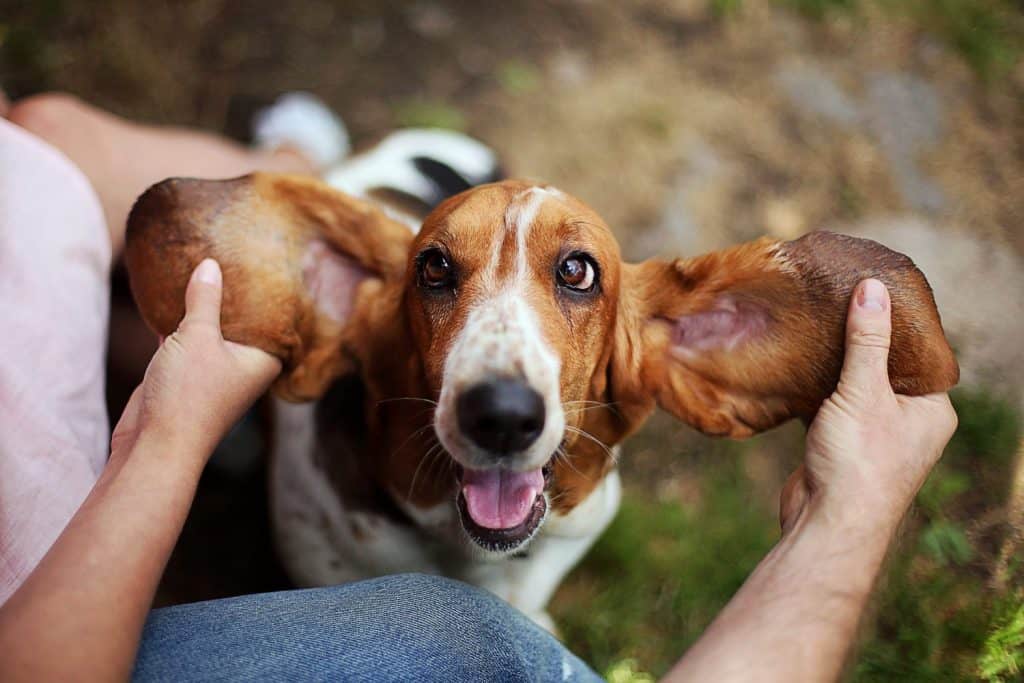
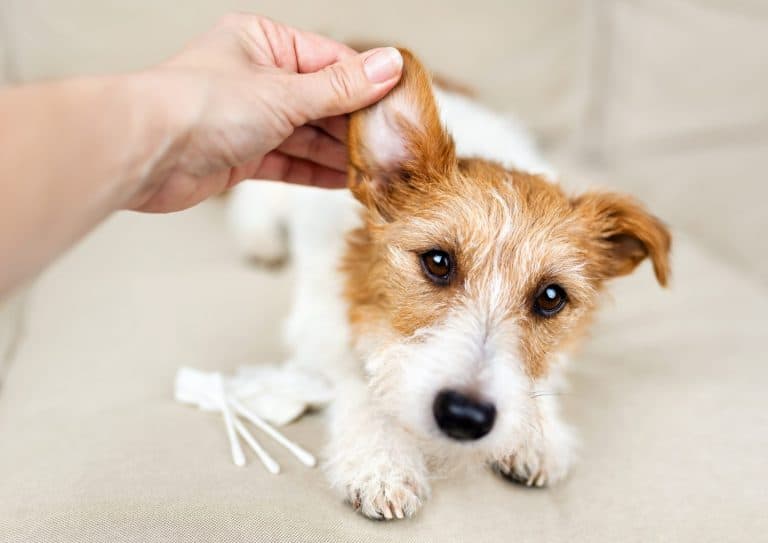
The signs of ear infections in dogs can be difficult to see at first.
©Siberian spring/Shutterstock.com
Ear infections are extremely common in dogs and often land in the top diagnoses in general practice. Known as otitis externa, or outer ear inflammation or infection, this disease affects approximately 1 in 7 dogs seen in veterinary clinics, though prevalence estimates range from 7% to 14% depending on the study.
Veterinary handouts from VIN/Veterinary Partner describe the classic signs of an ear infection: scratching at the ears, head shaking, foul odor, redness or swelling in the ear canal, and discharge that may be brown, yellow, or bloody.
Common triggers of ear infections in dogs can include:
- Underlying allergies
- Moisture in the ears from swimming or bathing
- Ear shape and anatomy
- Bacteria, yeast, or ear mites
“Most ear infections are really allergy cases in disguise,” Coleman explained. “We can always treat an infection, but if we don’t address the underlying itch or moisture, that dog will be back in the clinic before you know it.”
Home Care vs. Vet Care for Ear Infections:
- Keep ears dry after baths or swimming.
- Use a vet-approved ear cleaner in healthy ears to reduce wax and moisture.
- Visit your vet if your dog is shaking their head, scratching, or yelping when the ear is touched.
- If you see redness, swelling, discharge, or smell a bad odor from the ear, call your vet.
- If your dog tilts their head, seems off-balance, or has eye movements that look unusual, don’t handle the issue at home.
Additionally, certain home remedies, like pouring hydrogen peroxide, alcohol, or random oils into painful ears, can make things far worse. Coleman’s rule for ear infections is this: “If an ear looks red, gooey, or stinky, that’s an ear that needs to be seen by a vet, not handled at home. Your job is to get them seen and then follow the cleaning and drop routine exactly as prescribed.”
4. Limping, Pain, and Arthritis

Pain can be difficult to diagnose in dogs, which is why visiting your vet may be your best bet.
©Yobab/Shutterstock.com
Limping is another frequent reason owners rush their dogs to the vet, as it typically signifies some type of injury or chronic pain. This is especially the case as dogs age, so keep an eye on your senior pups.
Causes range from minor sprains or injuries to serious problems like:
- Ligament tears
- Arthritis and degenerative joint disease
- Paw injuries
- Hip or elbow dysplasia
- Spinal issues or neurologic disease
Subtle signs can be easy to miss, but they will still be present. Slowing down on walks, hesitating on stairs or jumping into the car, lagging behind on hikes, or seeming stiff after resting may all point to a deeper cause.
Home Care vs. Vet Care for Limping/Pain:
- Very mild limp after hard play, in an otherwise bright, weight-bearing dog can be monitored at home.
- If there’s no visible wound, swelling, or distress, you can restrict activity for 24–48 hours and monitor closely.
- Rest, short leash walks, and skipping high-impact play can also help minor soft-tissue soreness without vet assistance.
- Vet visits are vital if your dog won’t put weight on a leg at all.
- If there’s obvious swelling, deformity, or an open wound, don’t wait to seek medical help.
- If pain is severe and your dog is crying, growling when touched, or won’t move, call your vet.
- If your dog has weakness in more than one limb, collapses, or seems neurologically abnormal, seek emergency care.
Additionally, never give human pain medications like ibuprofen, naproxen, or acetaminophen to dogs, as many are toxic even at low doses. Vets can prescribe safe anti-inflammatory medications, joint supplements, weight management, and even physical therapy or surgery should the need arise.
Coleman added, “My role as a trainer is to help modify movement and environment after the vet has treated an underlying pain issue, but getting a diagnosis has to happen first.”
5. Urinary Problems and Accidents

If your dog starts having accidents suddenly, it may be time to visit the vet.
©Jeffry S/Shutterstock.com
Urinary issues like frequent urination, accidents, straining, or blood in the urine are the final most common reason cited by Coleman for why dogs end up at the vet. Urinary tract disease and bladder infections are common in dogs, affecting about 14% of the canine population at least once in their lifetime.
Signs of urinary trouble can include:
- Straining to urinate or taking a long time to produce only a few drops
- Peeing more often, or asking to go out multiple times at night
- Accidents in a house-trained dog
- Blood-tinged or very cloudy urine
- Licking at the genital area
- Strong, unusual urine odor
What can be done? Coleman had this to say: “Any time a client mentions blood in the urine or a dog squatting over and over without producing much, my mind goes straight to ‘this situation needs a vet’s help.’ We can’t see urinary issues from the outside and there’s little we can do without professional treatment options.”
Home Care vs. Vet Care for Urinary Issues:
There are very few home treatments for urinary issues in dogs. In fact, virtually all urinary problems require a vet exam and urinalysis. Some cases also need imaging, culture tests, or bloodwork, and prompt care is especially important to avoid kidney damage or life-threatening blockages.
Coleman summed it up like this: “If urine is coming out strangely, as in too often, too little, with blood, or with pain, that’s a medical emergency. Don’t wait to see if it clears up on its own, because sometimes it doesn’t, and the time you spent waiting could be incredibly damaging.”
Most dogs will eventually need veterinary care beyond routine vaccines, even if they seem healthy. Knowing the most common medical reasons for vet visits and where to draw the line between a home remedy and a professional opinion is a must. When in doubt, a conversation with your veterinarian is almost always safer (and cheaper) than waiting, and your dog will thank you for it!