
Quick Take
- A recent study suggests many Amazon insects already live near their upper heat tolerance, meaning rising temperatures could threaten up to half of species in some regions by the end of the century.
- Insects are ectothermic, so their body temperature follows the environment, making them highly sensitive to small temperature increases.
- Key ecological roles, including pollination, decomposition, and soil nutrient recycling, depend on insect activity across the rainforest.
- Declines in insect populations could disrupt plant reproduction, nutrient cycling, and food webs, creating broader ecological changes throughout the Amazon ecosystem.
The Amazon rainforest is often associated with jaguars, parrots, and towering trees. Yet the majority of animal life in this forest consists of insects. These small creatures pollinate plants, recycle nutrients, and serve as food for countless birds, reptiles, and mammals. A recent scientific study suggests that many of these insects may face growing danger as temperatures rise across tropical regions.
Researchers report that a large portion of Amazon insect species already live close to their upper heat limits. As global temperatures increase, those limits may be crossed more often. When insects reach temperatures beyond what their bodies can tolerate, their movement slows and basic functions begin to fail. Because insects play so many roles in rainforest ecology, their decline could influence plants, animals, and soil processes across the entire region. Understanding their vulnerability offers insight into how climate change could reshape the world’s largest tropical forest.
Heat Limits and Tropical Insects
Scientists recently measured heat tolerance in more than two thousand insect species from tropical regions in South America and East Africa. The results showed clear differences between insects living in cooler mountain environments and those in lowland forests. Mountain species can sometimes increase their heat tolerance for short periods. Lowland species often lack that flexibility.
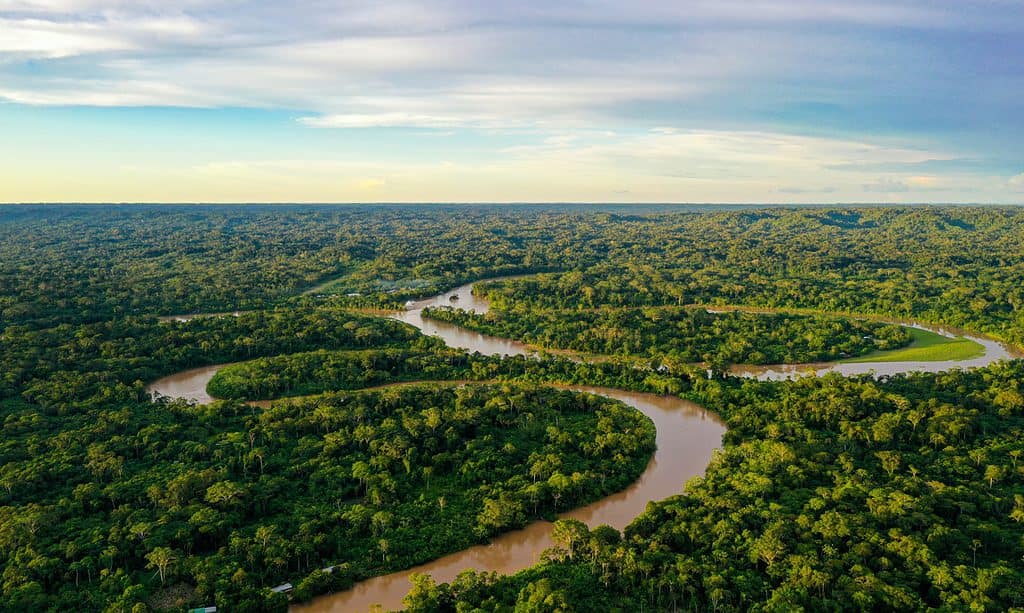
The Amazon rainforest is home to a tenth of the planet’s land animal and plant species.
©iStock.com/JarnoVerdonk
Temperatures in many parts of the Amazon lowlands already approach the upper thermal limits for many insects. Climate projections indicate that these temperatures may rise several degrees by the end of the century. Under those conditions, researchers estimate that up to half of insect species in some regions could face regular exposure to heat levels that impair activity or cause heat coma.
These findings challenge the idea that tropical insects are naturally adapted to warmer conditions simply because they live in hot environments. Instead, many species appear adapted to a narrow temperature range. Small changes in average temperature can therefore push them past the limits required for survival.
Why Heat Affects Insects So Strongly
Insects are ectothermic animals, meaning their body temperature follows the temperature of their surroundings. They do not produce internal heat in the way mammals or birds do. As a result, their muscles, nerves, and metabolism respond directly to environmental temperature.
Proteins inside insect cells function properly only within a limited temperature range. When temperatures rise beyond that range, the proteins begin to lose their shape and function. This process disrupts movement, digestion, and other vital biological systems.
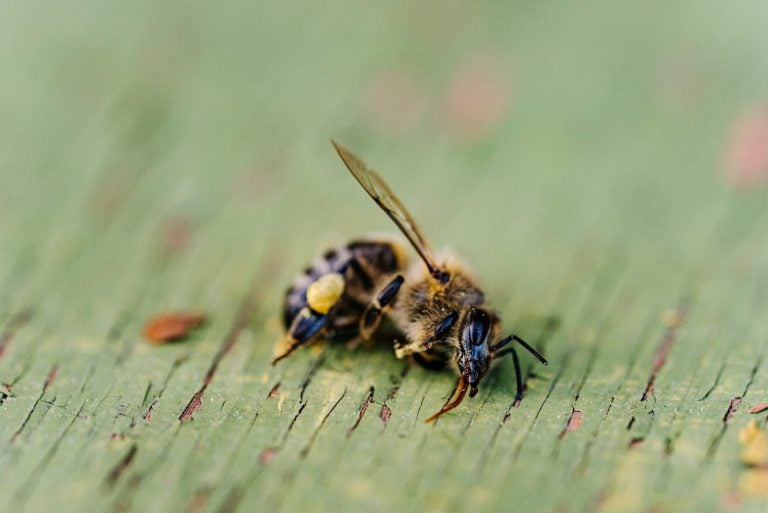
Initially, warmer conditions can speed up insect activity. However, once temperatures pass a certain threshold, performance drops quickly. High heat can shorten life span, reduce egg production, and disrupt development from larva to adult. For insects living close to their upper heat limits, a rise of only a few degrees can alter feeding, mating, and flight behavior. In the Amazon, where many species already operate near those limits, future warming could make routine activities difficult during hotter parts of the day.
Lowland Rainforest Conditions
Amazon lowland forests combine high temperatures with high humidity. That combination can place additional stress on insects. In dry climates, evaporation can help cool small animals. In humid forests, evaporation is less effective, which makes cooling difficult.
Many insects in the Amazon live near the forest floor or in the understory. These areas remain warm and moist throughout the year. Because seasonal temperature changes are small in the tropics, insects have evolved to function within stable thermal conditions.
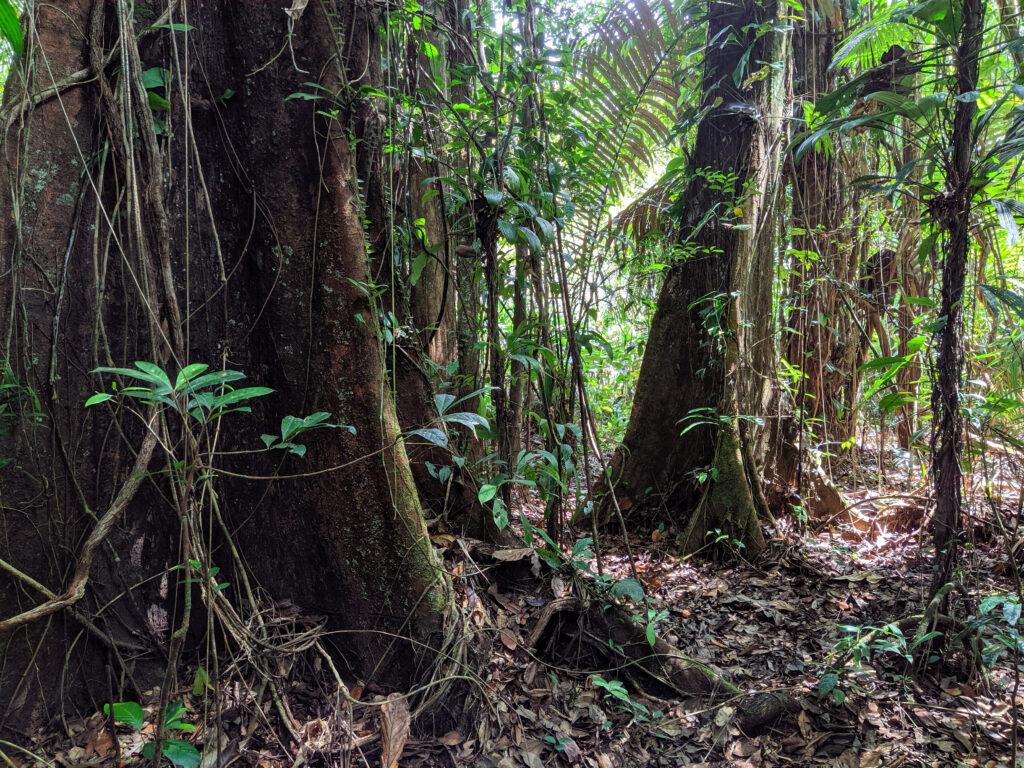
Most insects live in the understory of the rainforest.
©Petr Muckstein/Shutterstock.com
Climate models predict stronger and more frequent heat waves in the Amazon if greenhouse gas emissions continue to rise. During these extreme periods, insects may experience several days of temperatures beyond their thermal tolerance. Some individuals may survive brief exposure, yet repeated stress can reduce reproduction and survival over time. Such long-term pressure can slowly shrink insect populations. A decline in insect numbers may then influence the plants and animals that depend on them.
Leafcutter Ants and Their Underground Farms
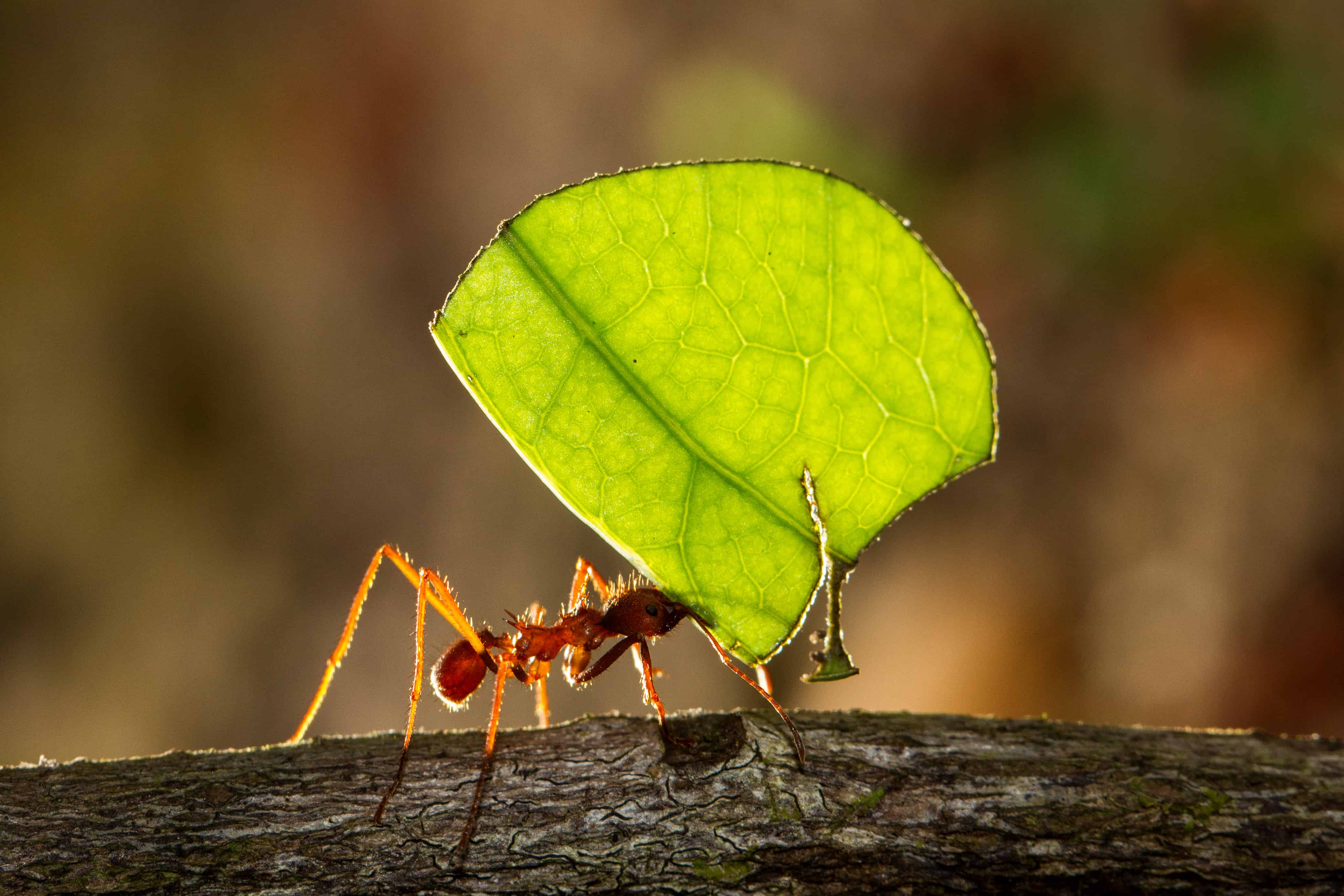
Leafcutter ants rank among the most influential insects in the Amazon rainforest. These ants harvest leaves from surrounding vegetation and carry them back to large underground nests. Inside the nest, the leaves are used to grow a fungus that serves as the colony’s primary food source.
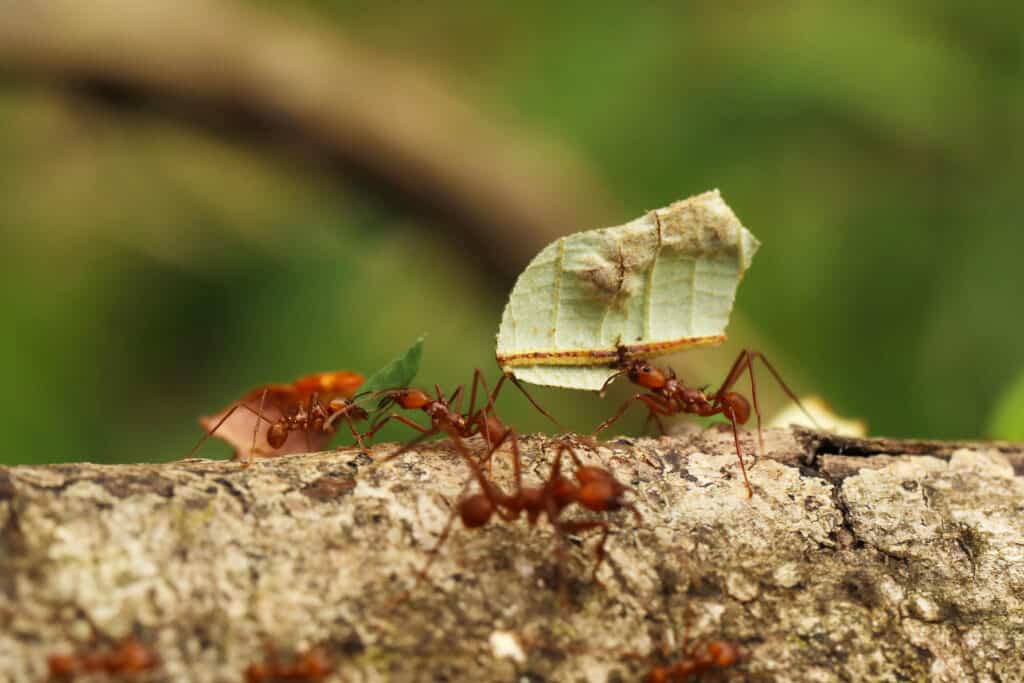
Leafcutter ants cultivate fungi from sections of leaves they clip and collect.
©iStock.com/scigelova
This farming system depends on stable conditions within the nest chambers. Workers carefully regulate temperature, moisture, and airflow so the fungus can grow properly. When outside temperatures rise, maintaining those conditions becomes harder.
Heat stress can reduce the activity of worker ants and slow fungus growth. Colonies weakened by heat may become more vulnerable to disease or parasites. Because leafcutter ants remove large amounts of vegetation and mix organic matter into the soil, their activity influences plant growth and nutrient cycling. If climate change disrupts leafcutter ant colonies across wide areas, the effect could alter plant competition and soil processes throughout parts of the rainforest.
Pollinators in a Warming Forest
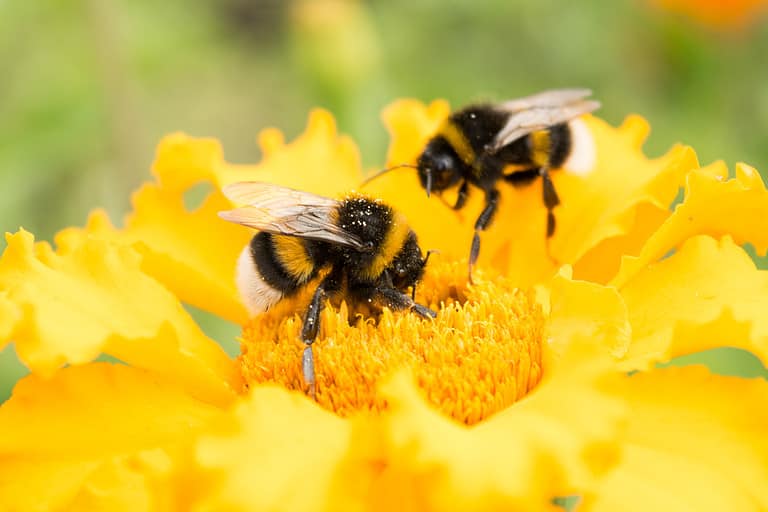
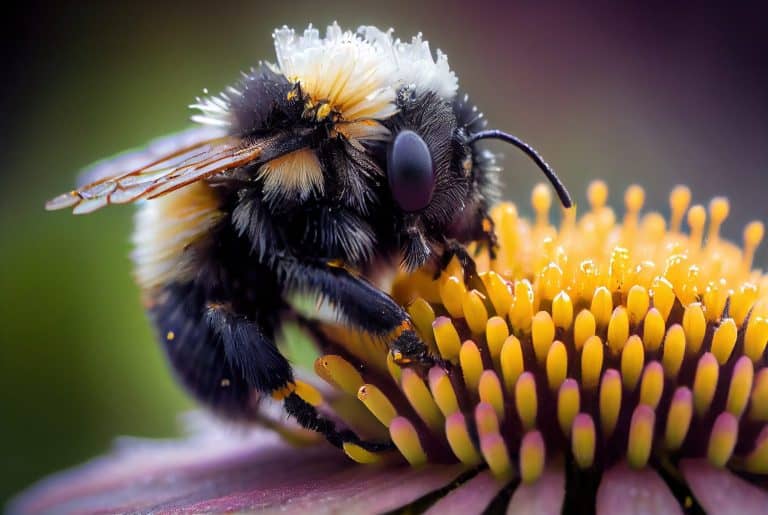
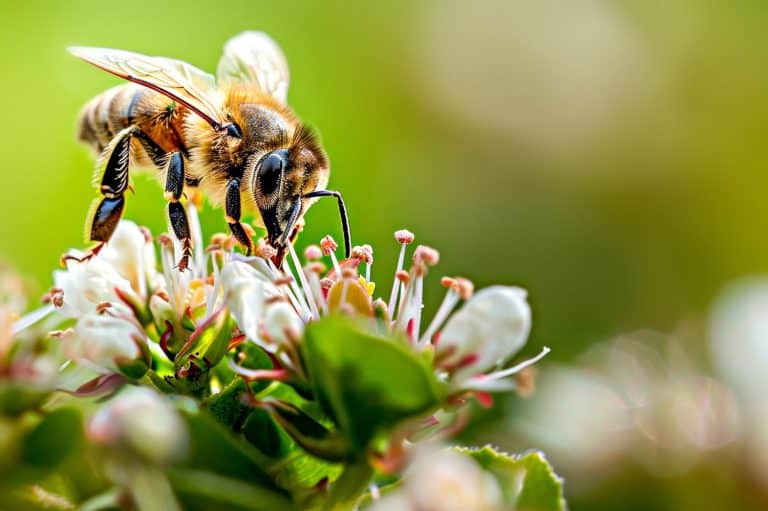
Many rainforest plants depend on insects for pollination. Butterflies, moths, and small native bees transfer pollen between flowers while feeding on nectar. This process allows plants to produce seeds and fruit.
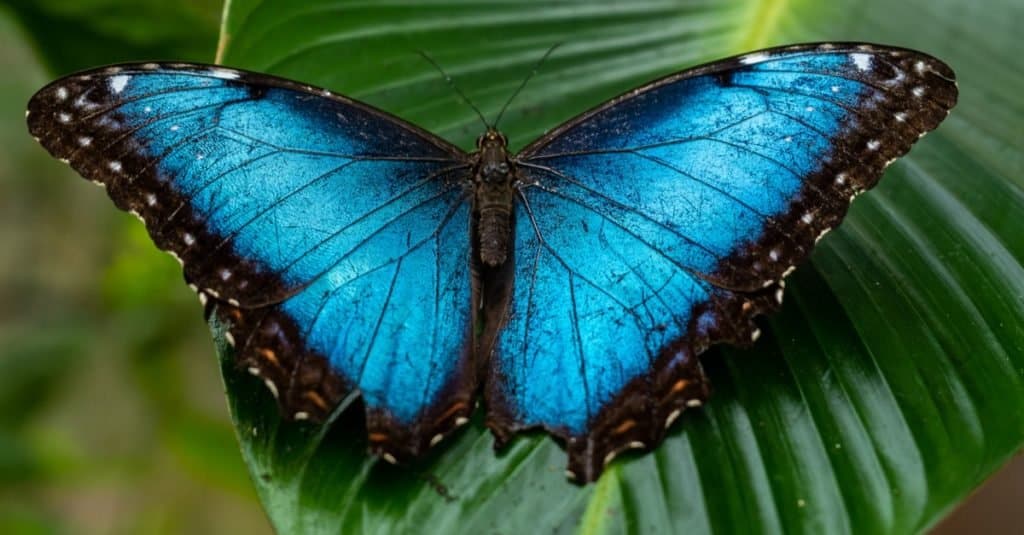
The blue morpho butterfly is one of the most beautiful insects living in the Amazon.
©Gianfranco Vivi/Shutterstock.com
Insects that act as pollinators often rely on precise timing between their life cycles and plant flowering periods. Rising temperatures can shift flowering schedules or change insect development rates. When these schedules drift apart, pollination becomes less reliable.
Heat can also reduce pollinator activity during the hottest hours of the day. Bees and butterflies may spend more time sheltering in shade rather than visiting flowers. Lower pollination rates may lead to fewer seeds and less successful plant reproduction.
Because fruit and seeds feed many rainforest animals, reduced pollination could influence birds, mammals, and reptiles that rely on plant foods. Changes in insect pollinator populations therefore carry consequences that extend well beyond the insects themselves.
Dung Beetles and Nutrient Recycling
Dung beetles perform an important task in tropical ecosystems. These insects locate animal droppings on the forest floor and quickly roll, bury, or consume them. Their behavior helps recycle nutrients into the soil and reduces the spread of parasites. When dung beetles bury droppings underground, they move nutrients deeper into the soil. This activity improves soil aeration and water retention. Plants benefit from the increased availability of nutrients and improved soil structure.
Climate change can influence dung beetle populations in several ways. Higher temperatures may cause dung to dry out faster, making it less useful for beetle larvae. Drought and forest disturbance can also reduce beetle diversity.
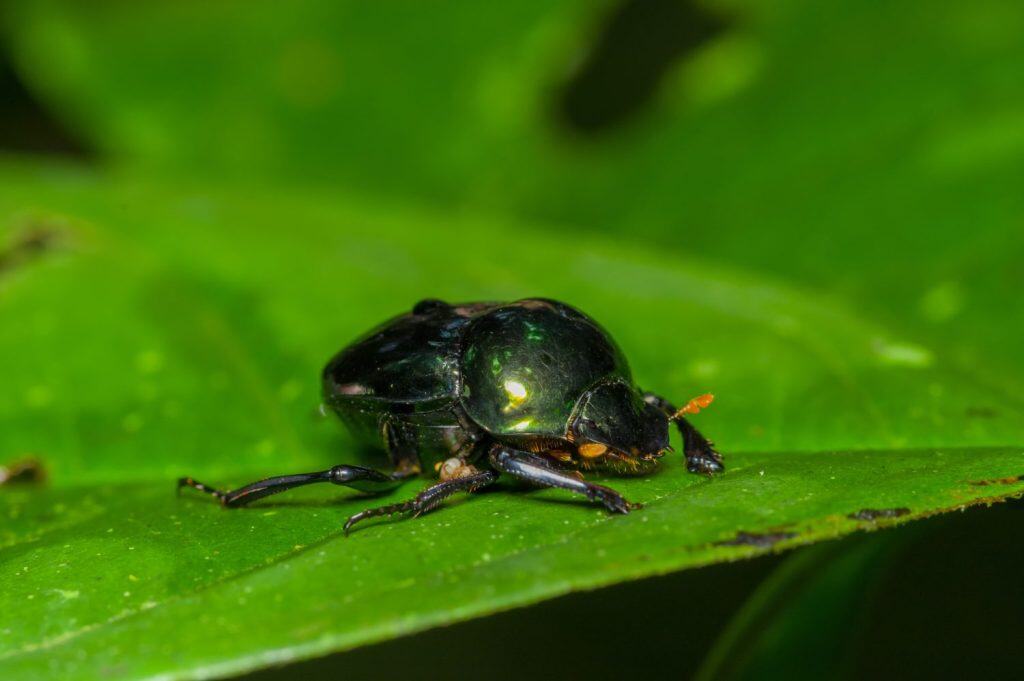
The Amazon has several species of scarab beetle with a metallic sheen.
©Fotos593/Shutterstock.com
If dung beetle numbers decline, waste remains longer on the forest floor. Nutrients may stay near the surface rather than being incorporated into the soil. This shift can influence plant growth and alter the balance of nutrients within the ecosystem.
Parasitoid Wasps: Invisible Regulators of Insect Populations
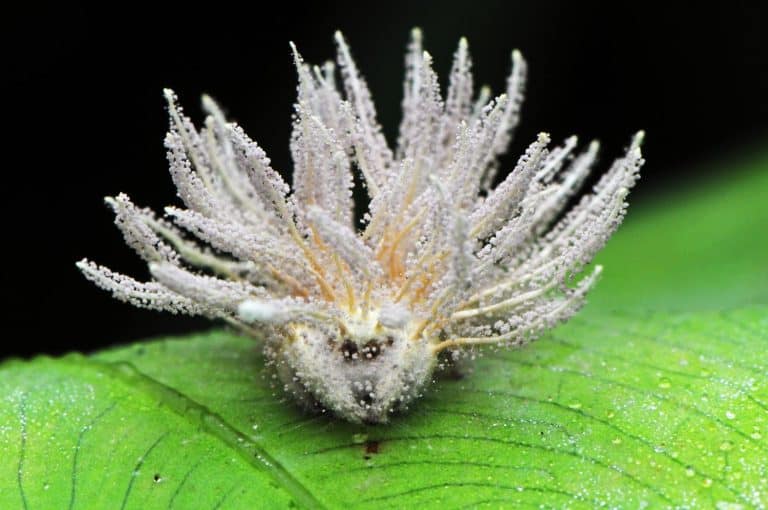
Tiny parasitoid wasps form one of the most diverse insect groups in the Amazon rainforest. Many species are only a few millimeters long, yet they play a major role in controlling other insect populations. Female parasitoid wasps lay their eggs on or inside other insects such as caterpillars, beetle larvae, or flies. When the eggs hatch, the developing larvae feed on the host, eventually killing it. This life cycle helps keep many insect populations from growing too large.
Rising temperatures could disrupt these delicate relationships. Parasitoid wasps often rely on precise timing between their life cycle and the development of their host species. If warming temperatures change when host insects hatch or grow, the wasps may miss those stages and fail to reproduce successfully. A decline in parasitoid wasps could allow certain herbivorous insects to increase in number, which may lead to greater damage to leaves and young plants across parts of the rainforest.
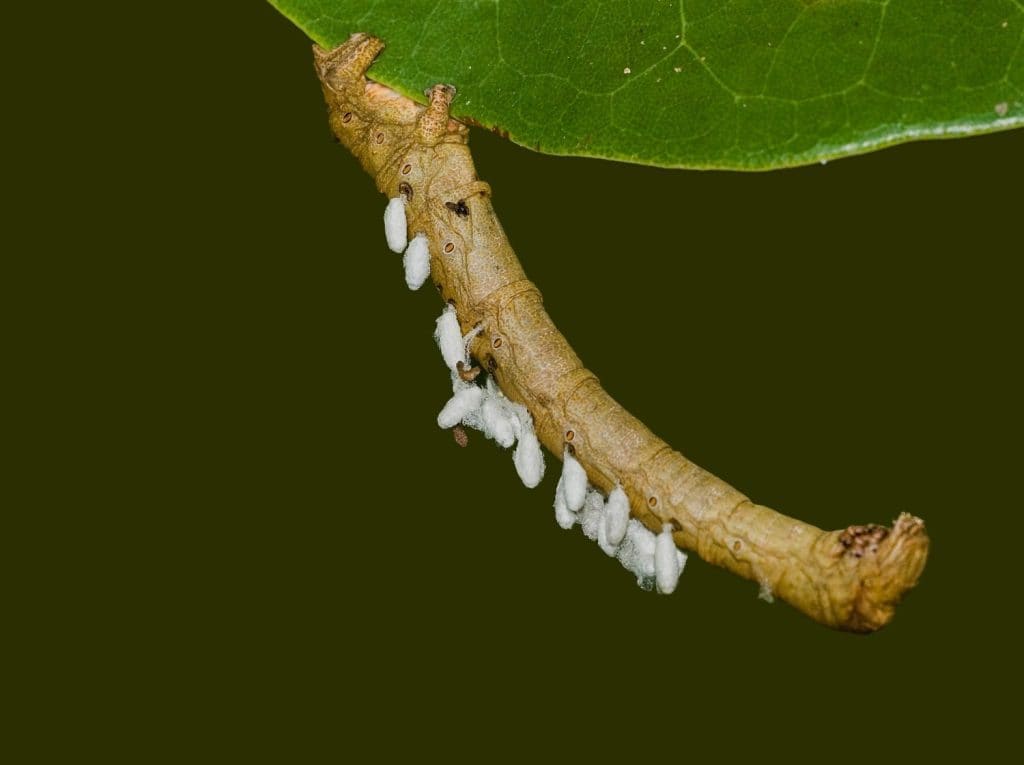
A caterpillar infected with the larvae of a parasitoid wasp.
©Donna Bollenbach/Shutterstock.com
Ripple Effects Across the Ecosystem
Because insects make up a large portion of animal diversity in the Amazon, changes in their populations can influence many other species. Pollinators affect plant reproduction. Decomposers recycle nutrients that support plant growth. Predatory insects help regulate herbivorous species.
If insect populations decline, these ecological functions may weaken. Plants may produce fewer seeds, which reduces food for fruit eating animals. Slower nutrient cycling may affect tree growth and soil fertility. Other animals may also respond to climate changes occurring in the forest. Long term studies show that some bird species in the Amazon have become smaller and altered their wing shape over recent decades. Scientists believe warmer and drier conditions may contribute to these shifts.
These changes illustrate how climate effects can cascade through complex ecological networks. A disturbance affecting insects may gradually influence organisms throughout the forest.
Possible Paths for Adaptation
Some insect species may adjust to rising temperatures through behavioral changes. Certain insects can shift activity to cooler hours of the day or seek shaded areas that remain slightly cooler than surrounding habitats. Other species may move toward higher elevations where temperatures remain lower. Mountain regions often provide cooler environments for tropical organisms. However, many lowland areas of the Amazon lie far from mountains, which limits this option.
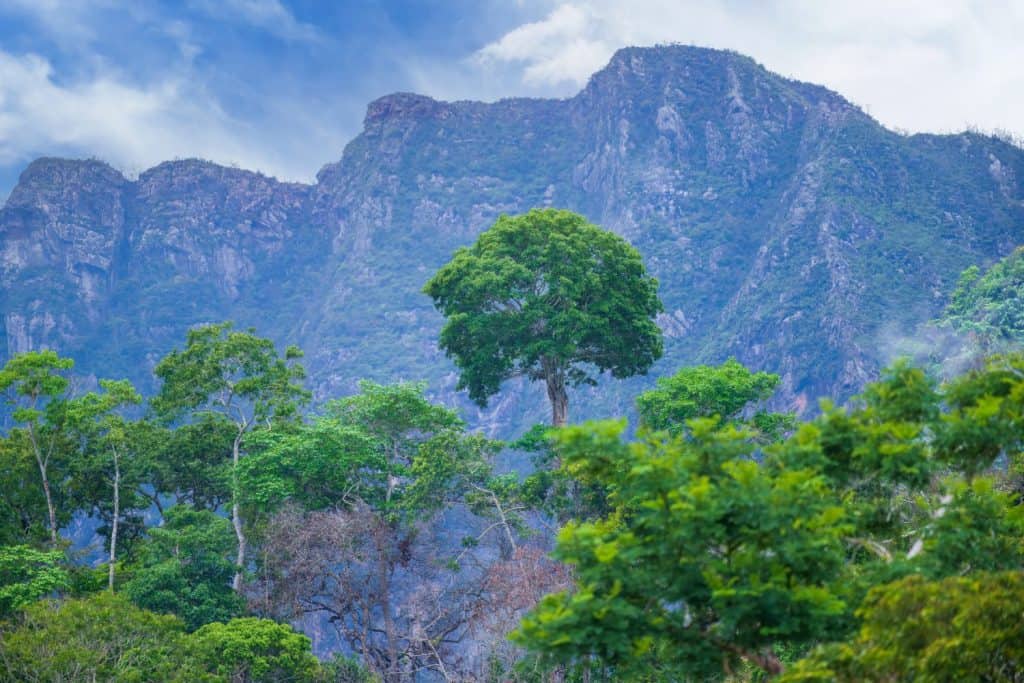
Some species may adapt to skyrocketing temperatures by migrating to higher elevations.
©Miroslav Srb/Shutterstock.com
Evolutionary adaptation may occur over long periods, yet many scientists question whether insects can adapt quickly enough to match current rates of climate change. Heat tolerance depends on complex biological traits that may take many generations to shift.
Conservation efforts can still improve conditions for insect populations. Protecting large areas of intact forest maintains shade and moisture that help regulate local temperatures. Reducing deforestation and pollution also lowers stress on insect communities.
Small Creatures with Large Ecological Roles
Insects may be small, yet their ecological roles are enormous. They pollinate plants, break down organic matter, and form the base of many food chains. Without them, rainforest ecosystems would function very differently. Rising temperatures place increasing pressure on these organisms. Many species already operate near their thermal limits. Continued warming could lead to widespread stress and population decline.
The future of the Amazon depends not only on large animals and towering trees but also on the millions of insect species working quietly within the forest. Protecting these organisms supports the health of the entire ecosystem. Understanding their vulnerability provides an important reminder. Climate change affects living systems in complex ways, and the smallest creatures often reveal the earliest signs of those changes.