
If you’re on a quest to see the best national parks in the United States, Everglades National Park is an essential destination for your bucket list. About 800,000 visitors a year go there, hoping to see some of the 350 bird species, 40 mammals, and countless reptiles, fish, and amphibians that live there. We’ve created an alphabetical guide to some of the most well-known and interesting creatures you’ll find there, and where and when visitors may encounter each. We will also tell you about the impact of one invasive species that has reshaped the ecosystem in only a few decades.
American Alligator
American alligator
©SomervilleArts/Shutterstock.com
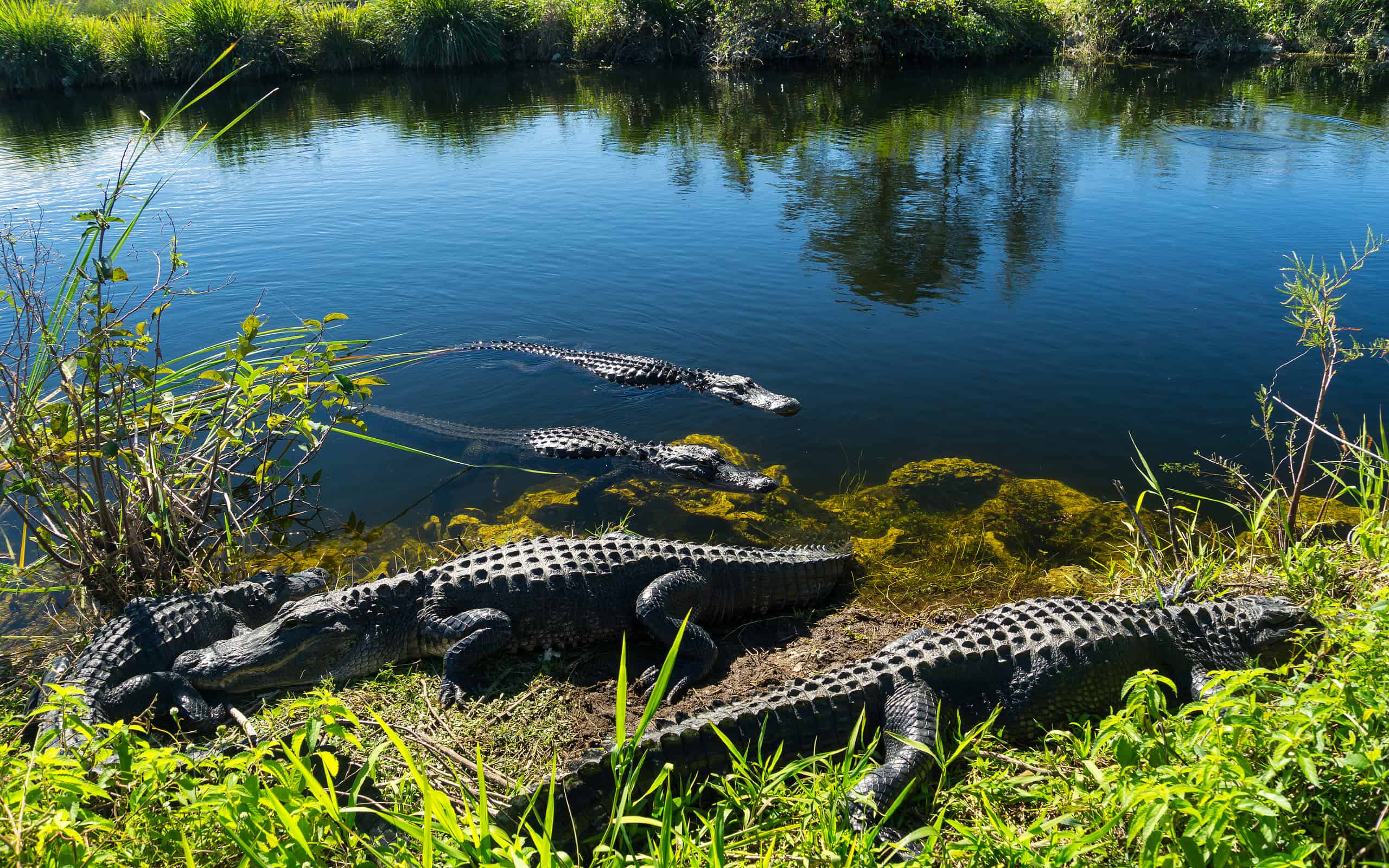
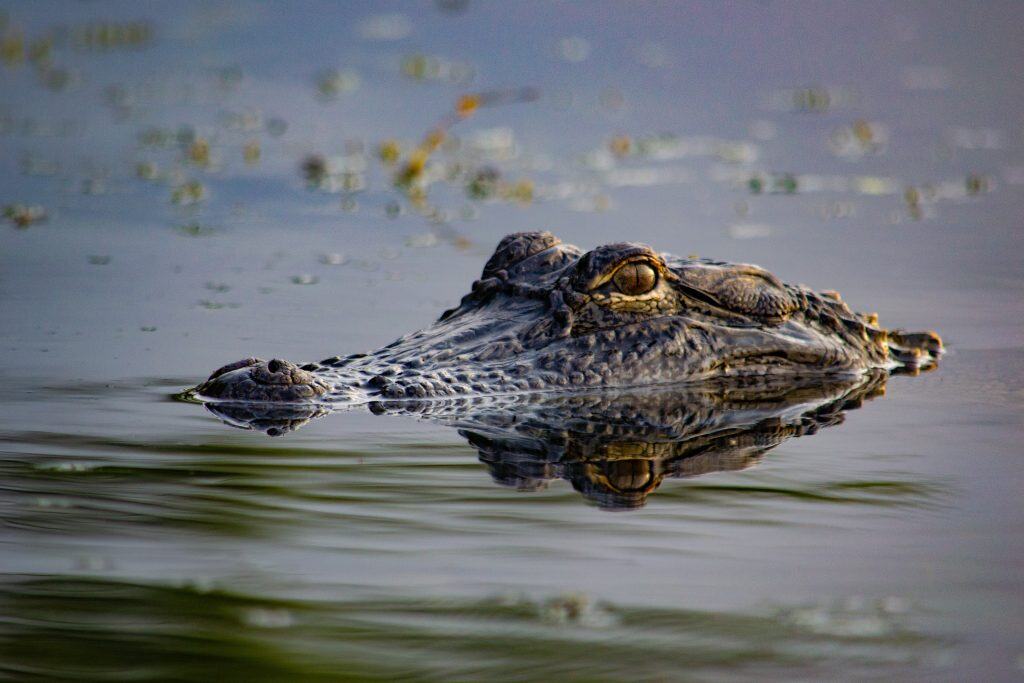
No creature represents the Everglades more than the American alligator. They bask on canal banks, float through murky water with only their eyes above water, and dig “alligator holes” that shelter fish and birds when wetlands shrink. From December through April, dropping water levels bring them together in great numbers. Visitors walking Shark Valley or the Anhinga Trail often see dozens on a single outing. At night, a flashlight beam reveals pairs of glowing red eyes above the surface: scary for good reason!
American Crocodile
American Crocodile
©Jesus Cobaleda/Shutterstock.com
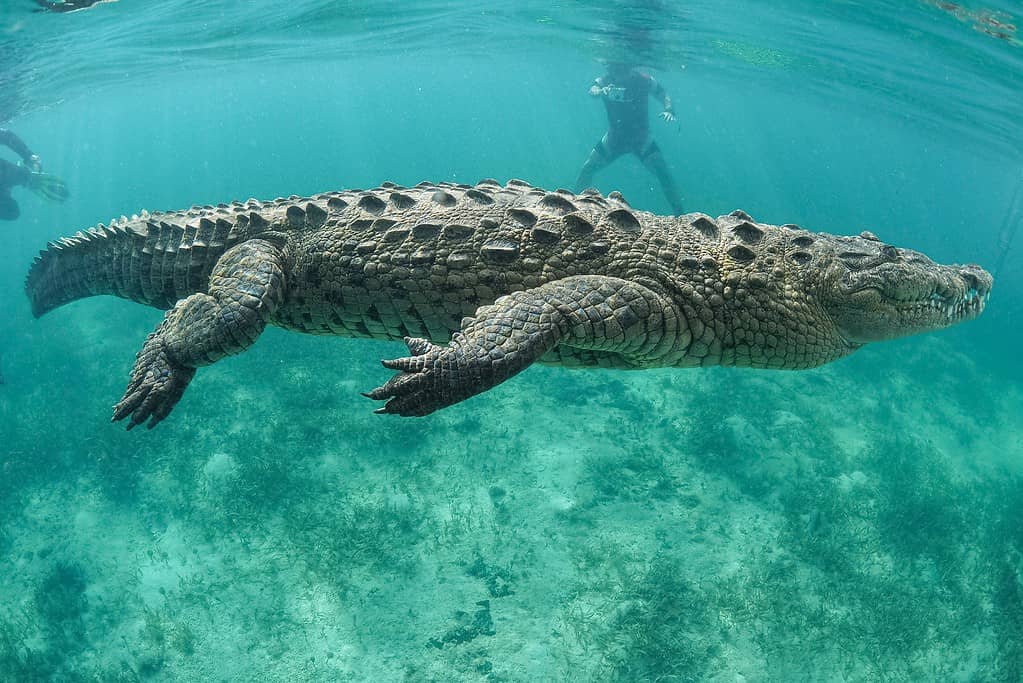
The American crocodile prefers saltwater estuaries and mangrove lagoons. They are spotted most often at Flamingo, where they warm themselves on mudflats or drift through canals. Winter is the easiest season to catch a glimpse, as they gather near sunny banks and warm outflows. They are lighter in color and have a narrower snout than the alligator.
Anhinga
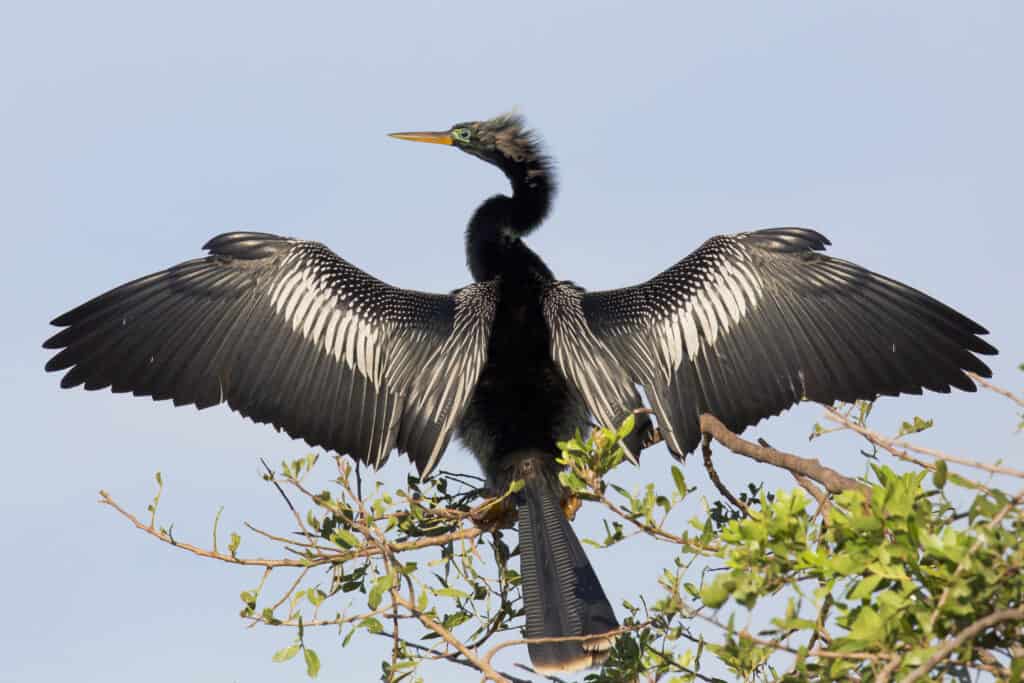
Anhinga
©Steven Blandin/Shutterstock.com
The anhinga, nicknamed the “snakebird,” swims with only its neck above water before spreading dark wings to dry. They spear fish with dagger-like bills and are frequently seen perched along the Anhinga Trail, which bears their name. During nesting season in winter and spring, they crowd into rookeries beside egrets and herons.
Bald Eagle
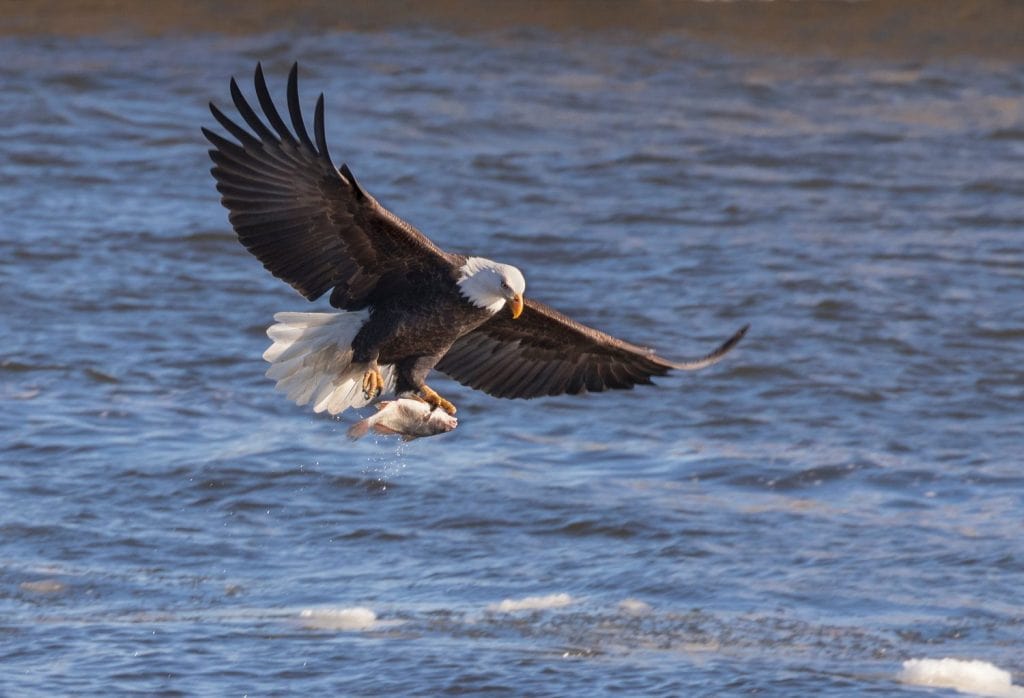
Bald Eagle
©Natalia Kuzmina/Shutterstock.com
These proud national emblems build enormous stick nests high in pines and patrol wetlands for fish. They stand out during cooler months, when adults soar above Gulf Coast bays or circle marshes in search of prey. They were once close to extinction but have returned to strong numbers in the Everglades.
Black Vulture
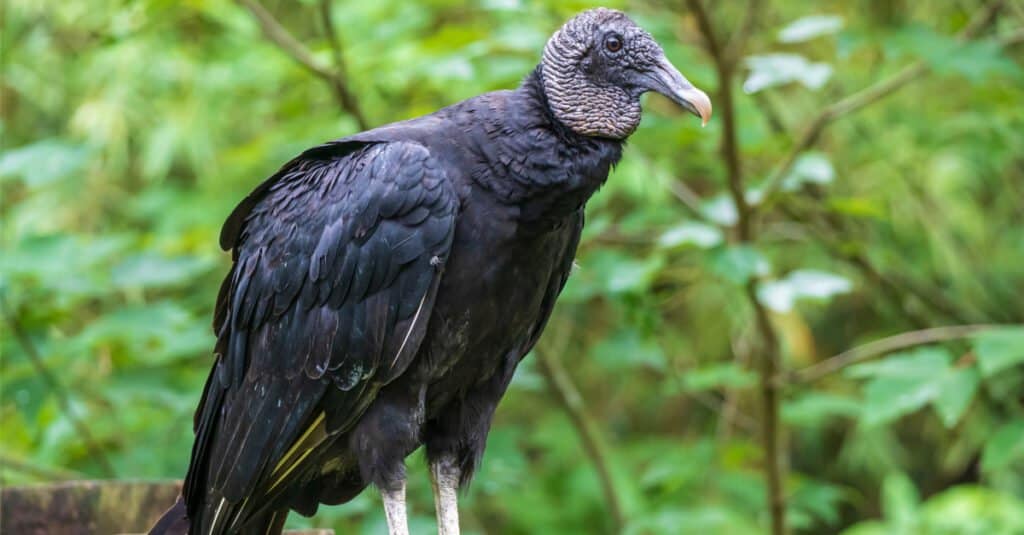
Black Vulture
©Holly Guerrio/Shutterstock.com
Often, black vultures gather in large flocks, circling on thermals and surveying the ground for animal carcasses. Unlike turkey vultures, they rely on sight more than smell to locate carrion. Visitors sometimes find them perched boldly on railings or posts, waiting for left-behind food as part of the park’s ever-present cleanup crew.
Bobcat
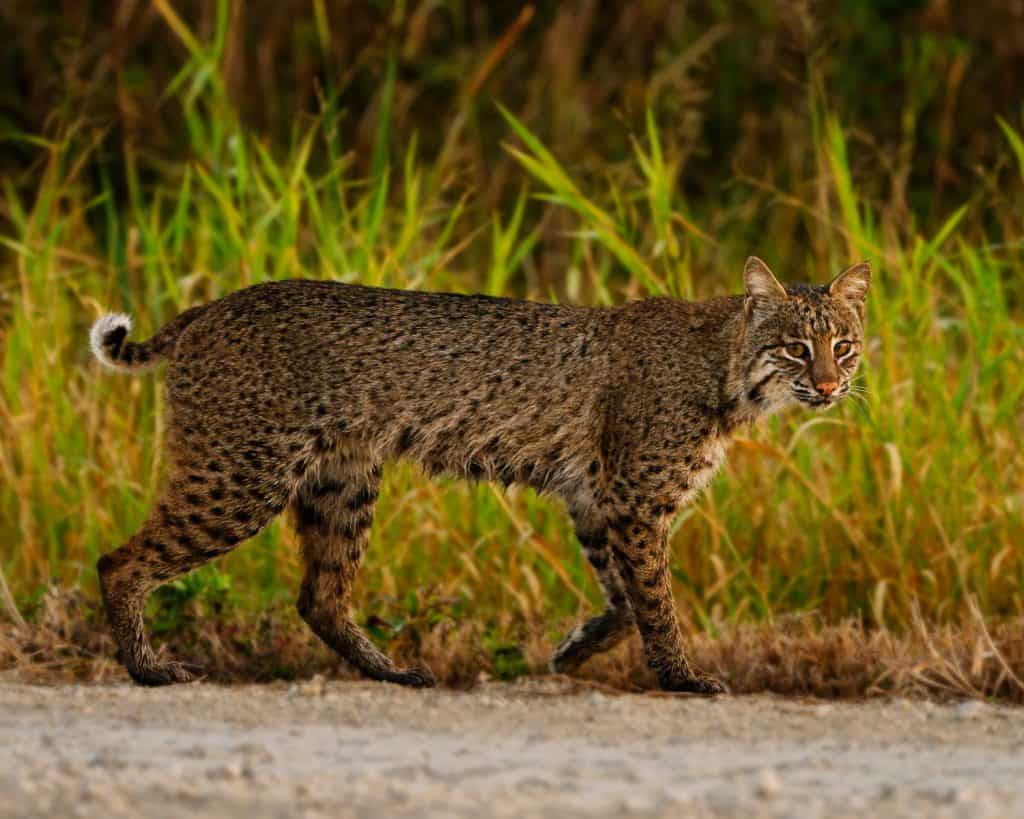
Bobcat
©WIlliam Falla/Shutterstock.com
The bobcat regularly roams sawgrass marshes, pine uplands, and hammocks, hunting rabbits and small birds. Shy and solitary, they are most often noticed by tracks left in soft mud or sand. On rare occasions, one may slip across a trail at sunrise, vanishing quickly into tall grass.
Bowfin
Bowfin
©Miroslav Halama/Shutterstock.com
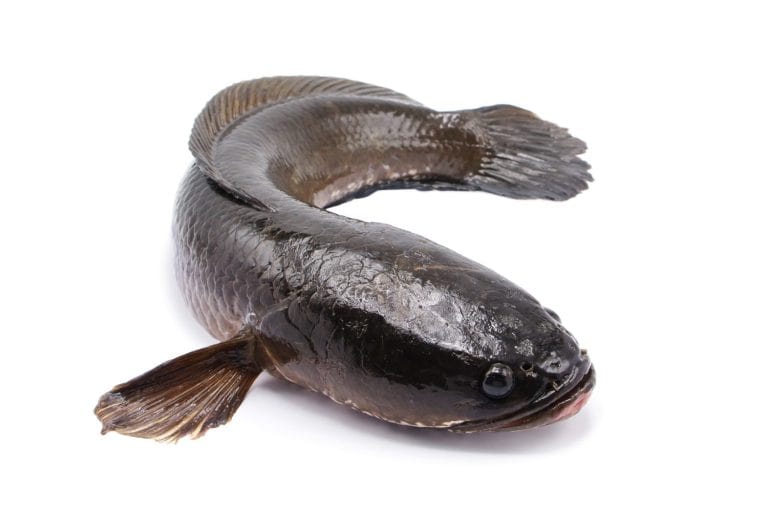
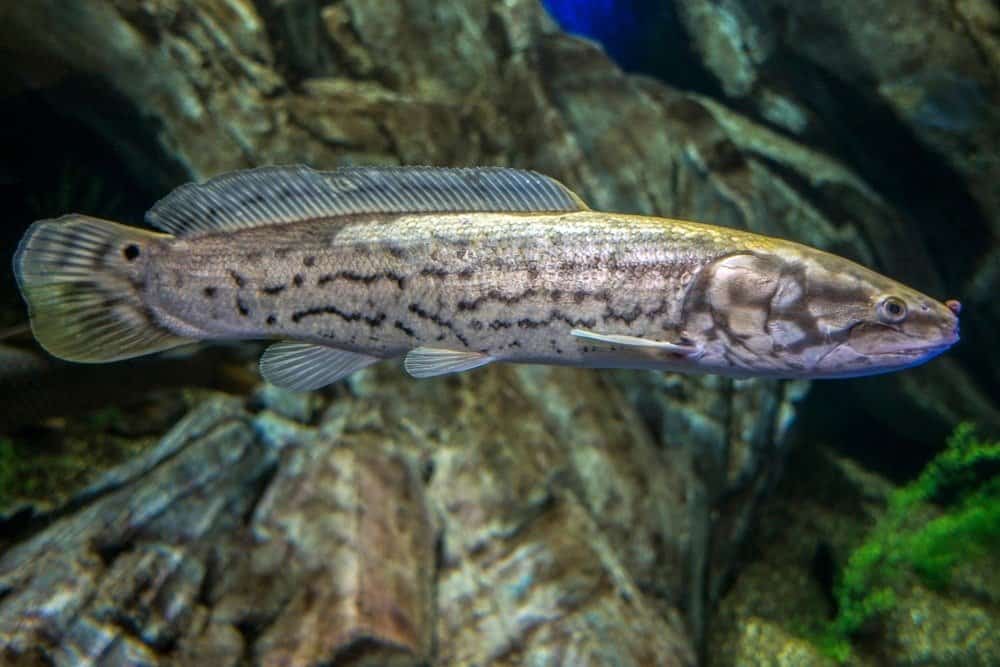
These are ancient fish with torpedo-shaped bodies and powerful jaws. They have the ability to gulp air at the surface, which enables them to thrive in brackish areas of oxygen-poor water that would kill other fish. Anglers sometimes catch them near Shark Valley.
Burmese Python
Burmese Python
©iStock.com/Lunatic_67
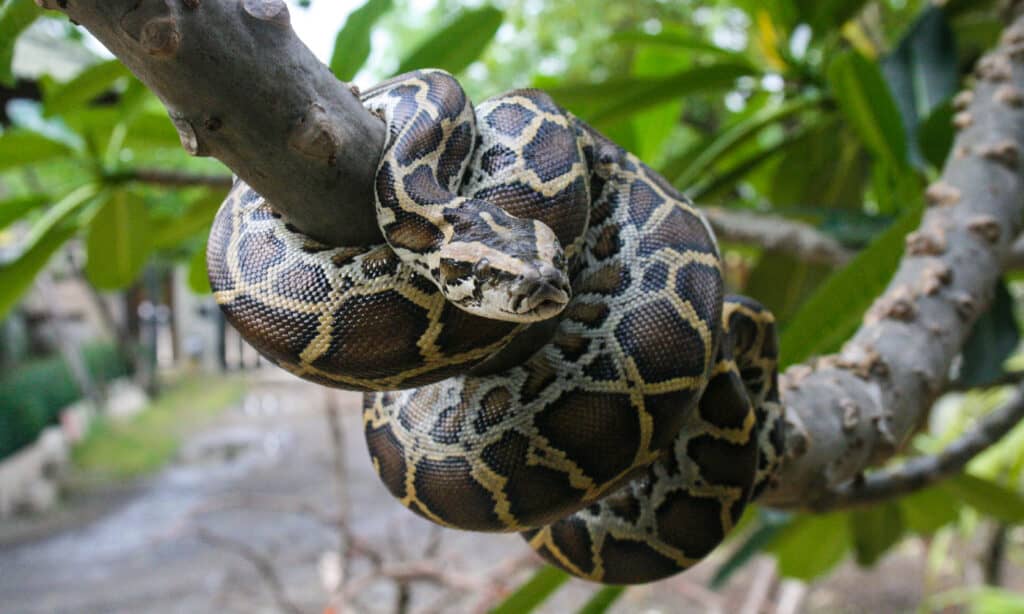
The Burmese python has become the park’s most notorious invader. Released through the pet trade, these snakes now number in the tens or even hundreds of thousands. They thrive in warm marshes and tree islands, hunting at night and preying on everything from rabbits to deer. Native small prey mammals like raccoons, opossums, and rabbits have declined by 90% or more in areas where pythons are established. Despite their large numbers, visitors rarely see one due to their camouflage. Efforts to remove them from the park are ongoing, but so far have been ineffective.
Cottonmouth
Cottonmouth
©KF2017/Shutterstock.com
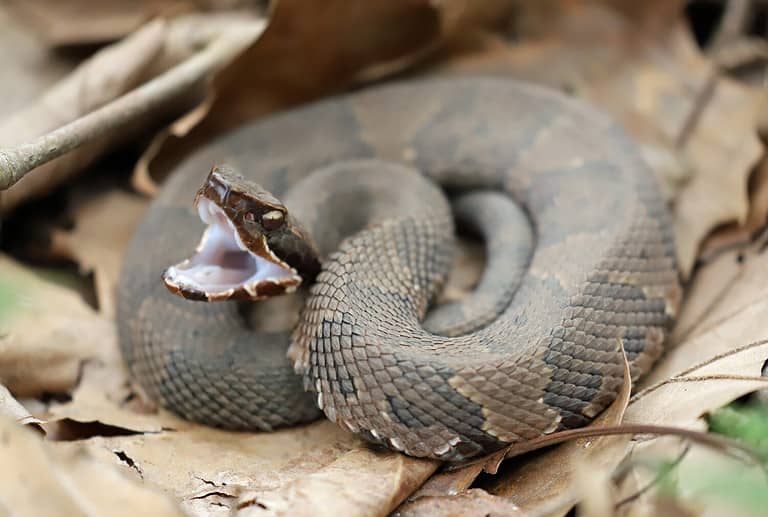
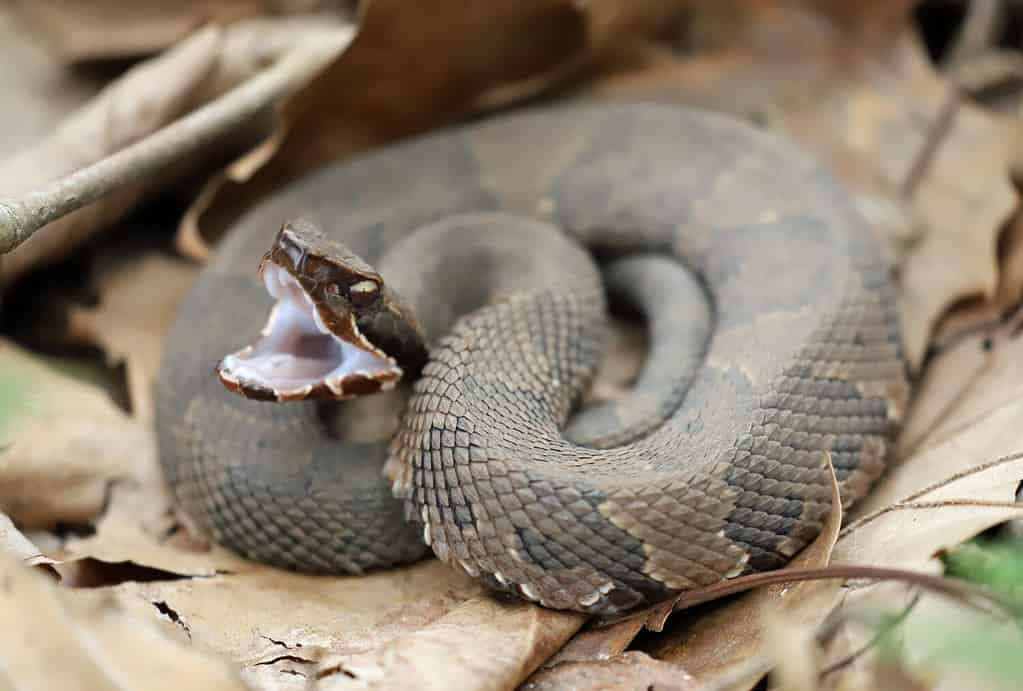
Cottonmouths, or water moccasins, are venomous water snakes that do well in the swamps and canals of the Everglades. They are excellent swimmers, equally comfortable on land or in the water. Their name comes from their habit of displaying the white interior of their mouths when threatened. Though formidable, when threatened, they usually look for the nearest exit.
Eastern Diamondback Rattlesnake
Eastern Diamondback Rattlesnake
©iStock.com/NajaShots
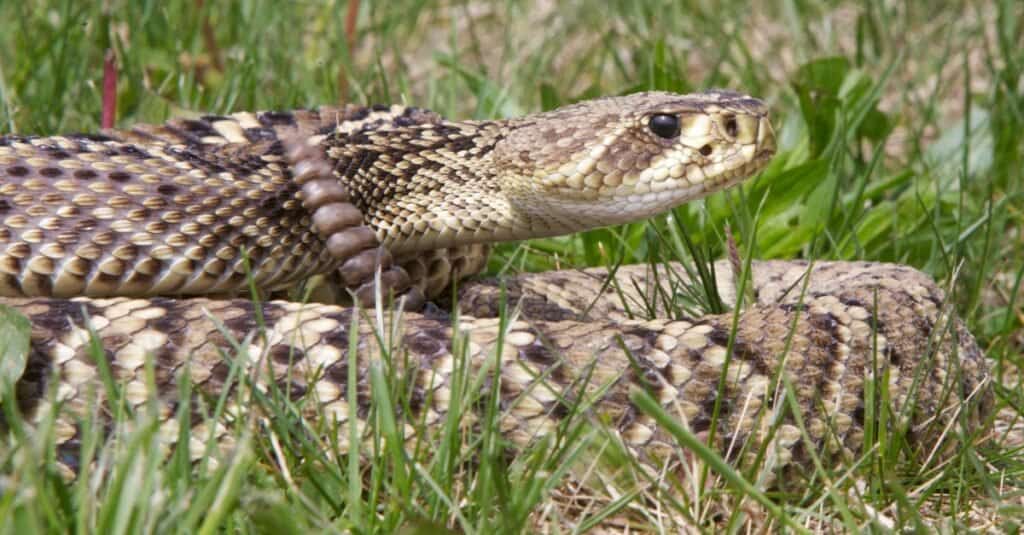
The eastern diamondback rattlesnake, the largest in North America, inhabits pine uplands and dry hammocks. Its diamond pattern and distinctive rattle serve as warnings. While dangerous if provoked, these snakes are generally shy, retreating quietly when encountered.
Florida Panther
Florida Panther
©iStock.com/fotoguy22
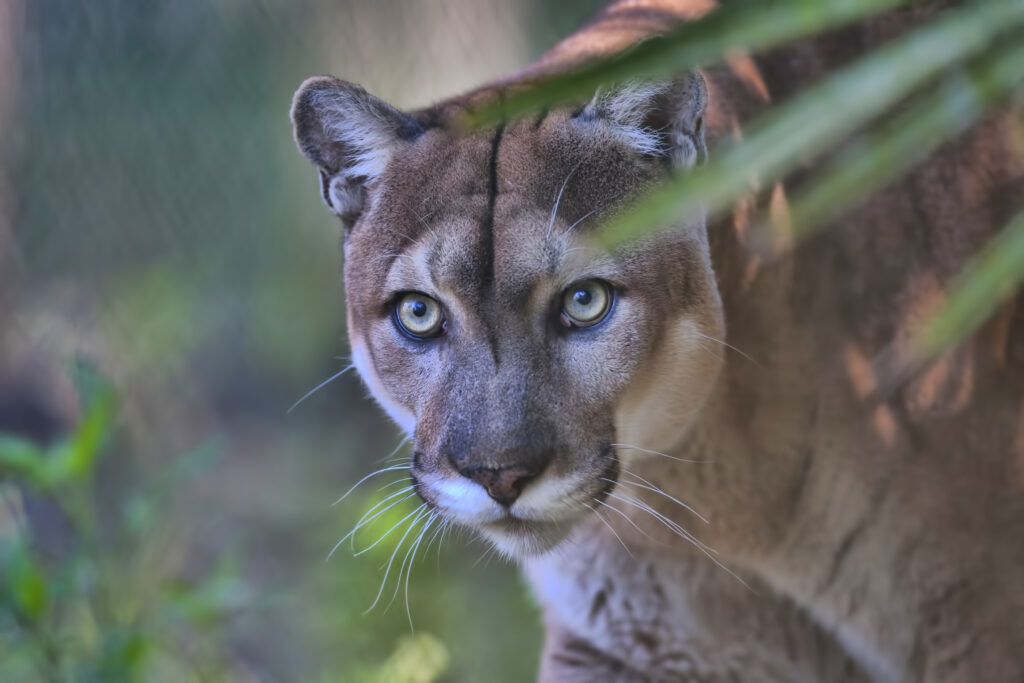
The Florida panther is the only established breeding population of cougar east of the Mississippi River, with its range primarily in South Florida, including the Everglades. They compete with alligators and pythons for many of the same prey species. The explosive growth of the python populations threatens the long-term sustainability of the Florida panther.
Florida Red-Bellied Turtle
Florida Red-bellied Turtle
©iStock.com/cturtletrax
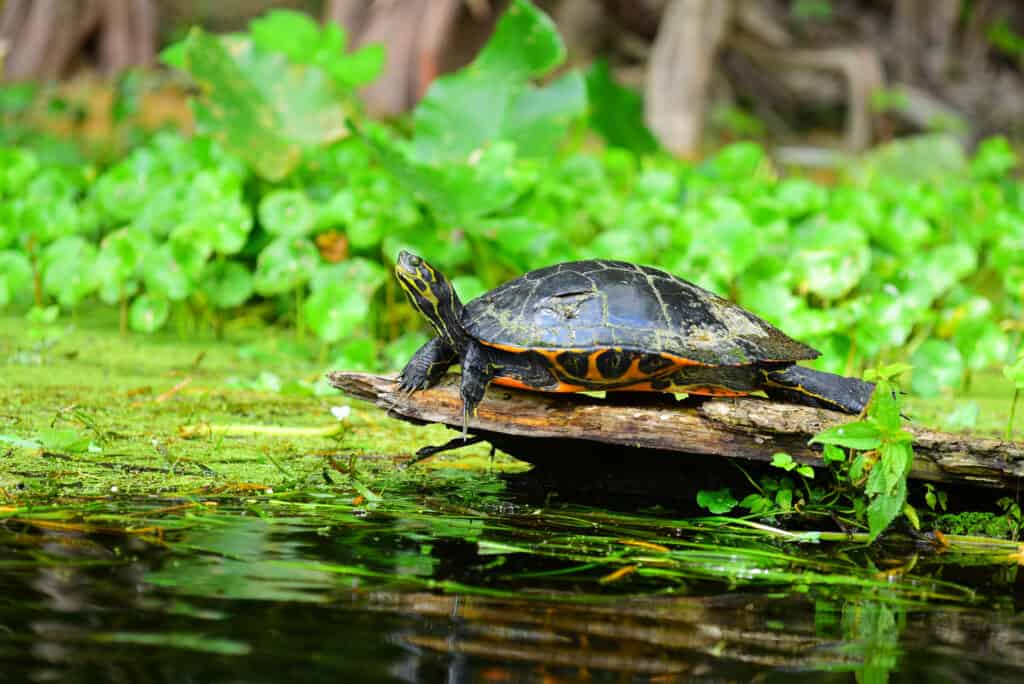
These turtles bask on logs beside alligators, their reddish undersides visible when they slip back into canals. They are active most of the year and often appear in groups on the same sunlit perch.
Glossy Ibis
Glossy Ibis
©MriyaWildlife/iStock via Getty Images
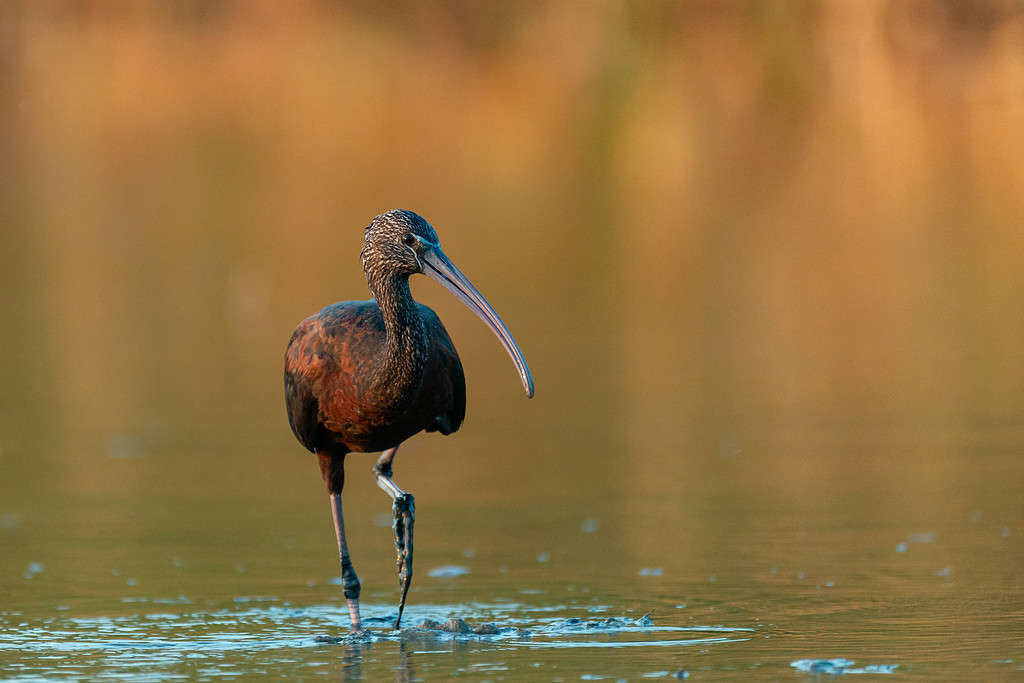
The glossy ibis, with curved bill and shimmering dark plumage, forages in shallow marshes for insects and crayfish. Seen often in mixed flocks with white ibises, their feathers flash bronze in bright sunlight.
Great Egret
Great Egret
©AlecTrusler2015/Shutterstock.com
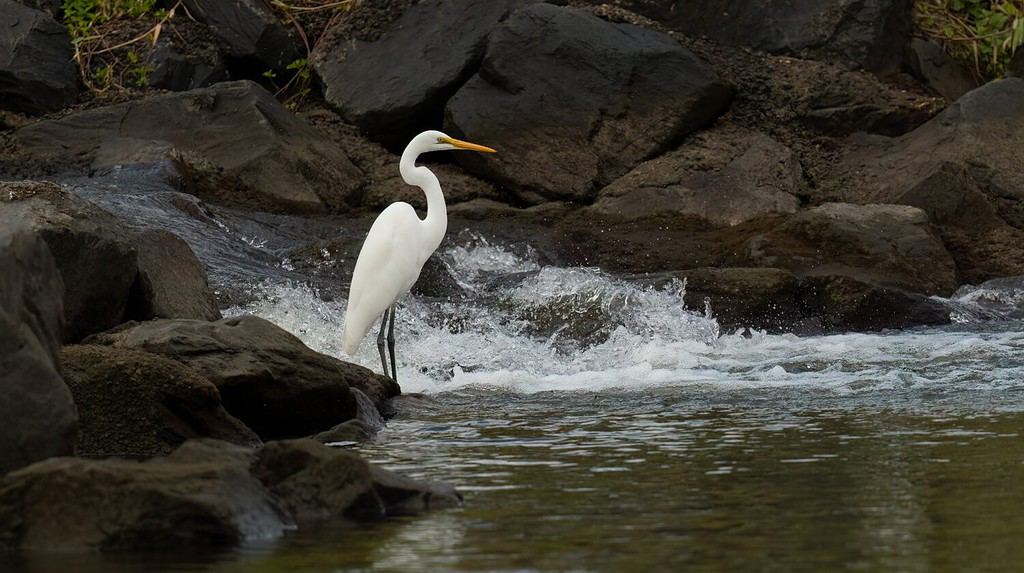
Tall and elegant, the great egret wades slowly through sawgrass and ponds, striking with a yellow bill at fish and frogs. In winter and spring, their colonies fill trees near waterways, creating noisy, spectacular rookeries.
Green Anole
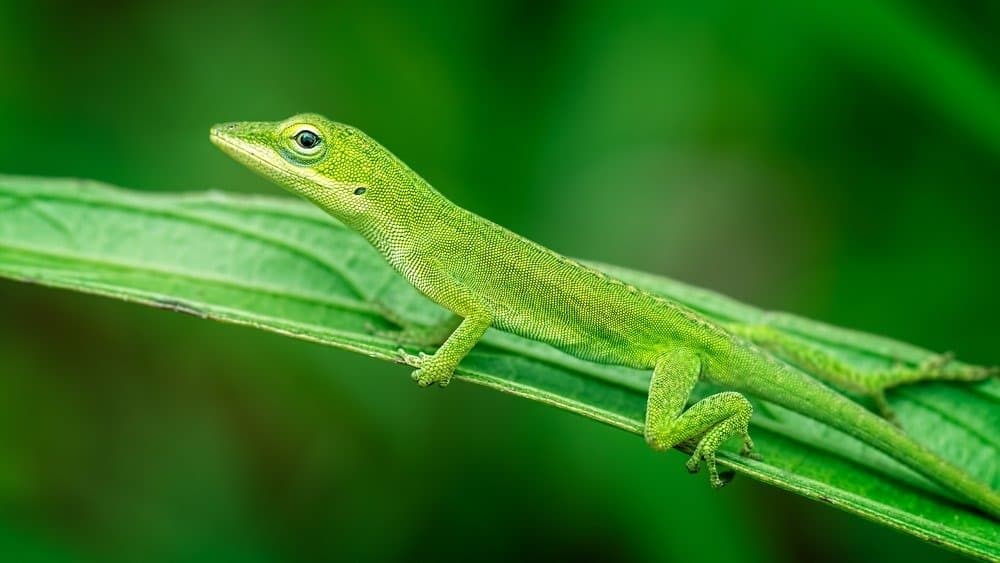
Green Anole
©Brad Boland/Shutterstock.com
The green anole clings to tree trunks, shrubs, and fences, shifting color from bright green to brown. Males flash pink throat fans in territorial displays. Abundant along boardwalks, they are quick-moving insect hunters that delight sharp-eyed children.
Green Heron
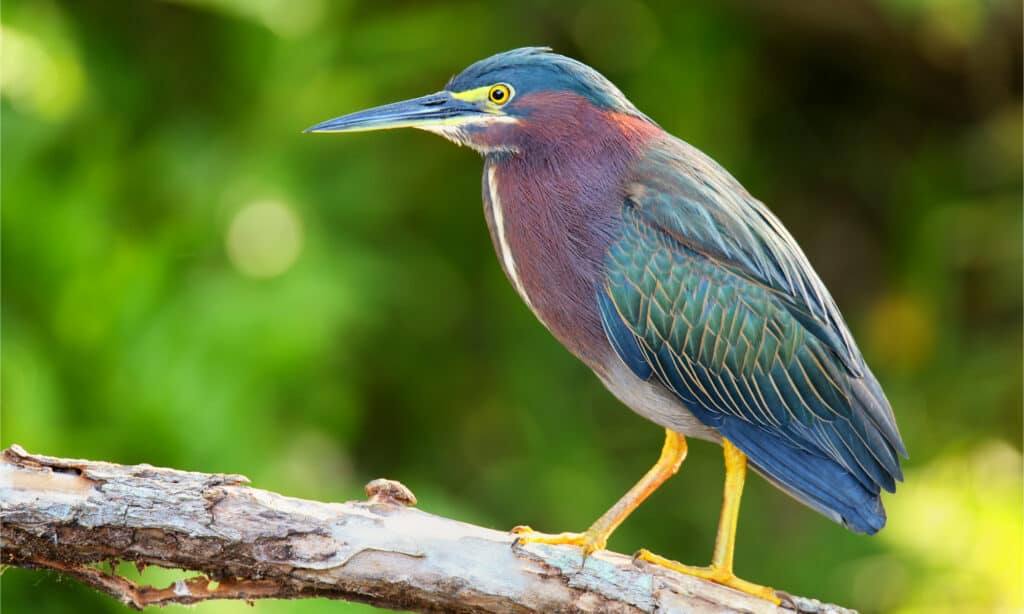
Green Heron
©Don Mammoser/Shutterstock.com
These birds are small, stocky hunters often crouched at the water’s edge. They are clever, occasionally dropping twigs or insects to lure fish. Their throaty calls echo through mangroves in spring and summer.
Largemouth Bass
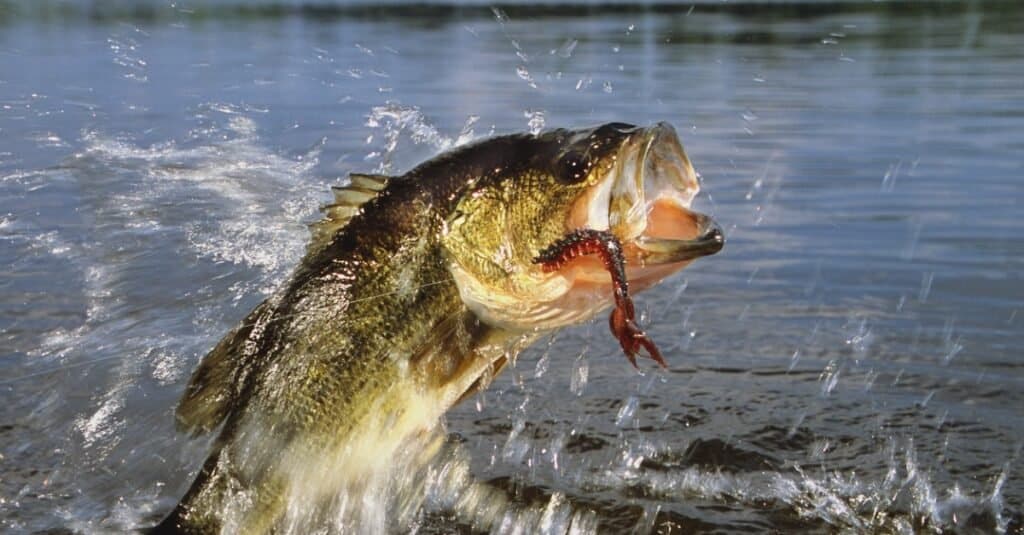
Largemouth Bass
©iStock.com/stammphoto
The largemouth bass is Florida’s best-known freshwater sport fish. In Everglades canals, they lurk under mats of vegetation and strike with explosive power at minnows and frogs. Cooler months bring the strongest action for anglers, when bass feed aggressively.
Limpkin
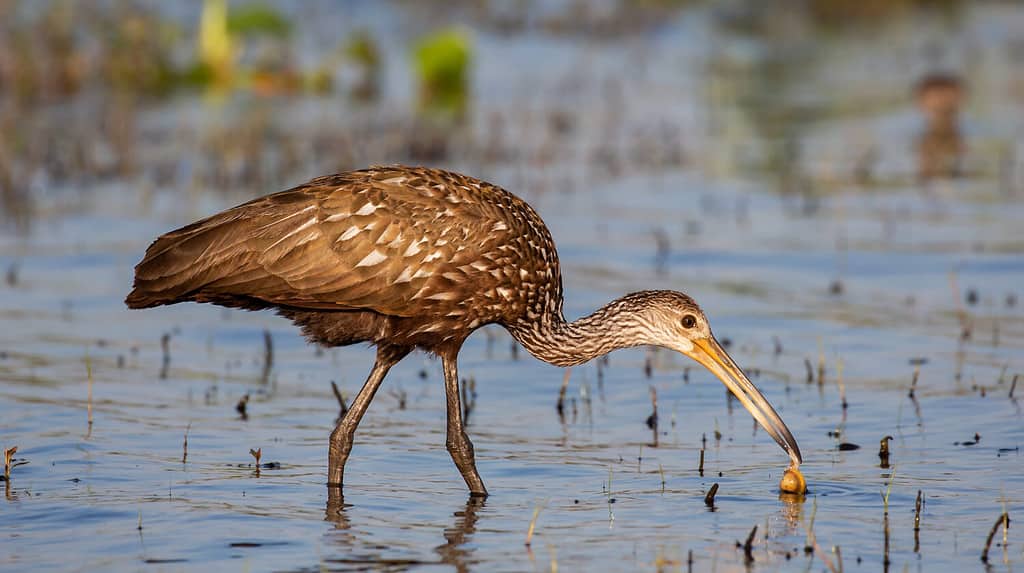
Limpkin
©Luca Nichetti/Shutterstock.com
The limpkin is one of Florida’s loudest birds. They patrol the marshes at dawn, pulling apple snails from their shells with long, curved bills. Their eerie cries, carrying across wetlands at night, are a sound unique to the Everglades.
Little Blue Heron
Little Blue Heron
©iStock.com/passion4nature
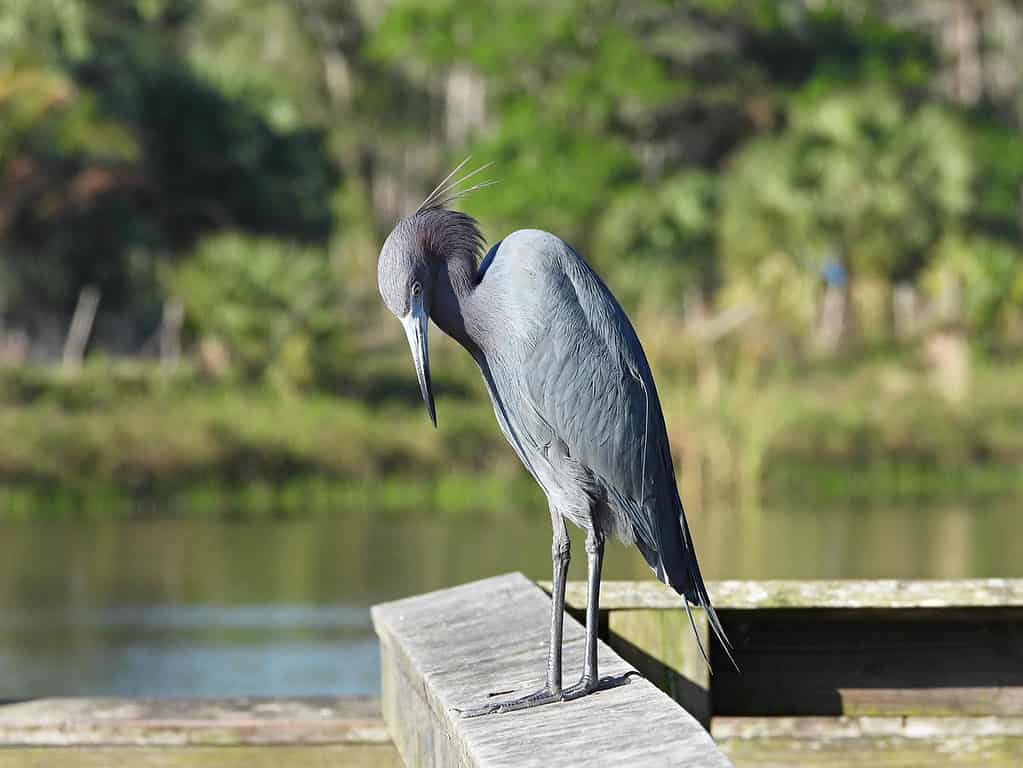
The little blue heron begins as a white-plumaged juvenile before turning slate-blue as an adult. They hunt frogs and fish in shallow marshes and often mingle with other wading birds in rookeries.
Marsh Rabbit
Marsh Rabbit
©Donna Bollenbach/Shutterstock.com
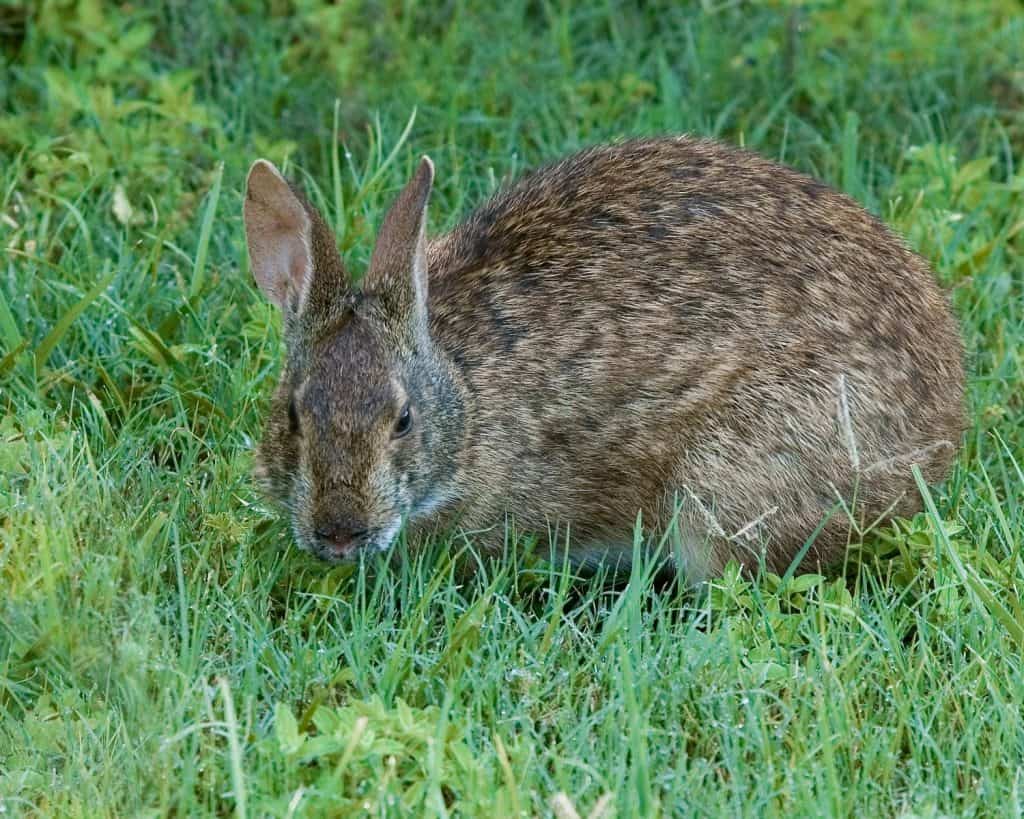
As one of the main prey species in the Everglades, marsh rabbits have developed strong swimming skills to escape from predators. They emerge most often in the evening, nibbling tender shoots along thickets and mangrove edges. Rounded tracks and clipped vegetation mark their presence even when they stay hidden.
North American River Otter
North American River Otter
©Microfile.org/Shutterstock.com
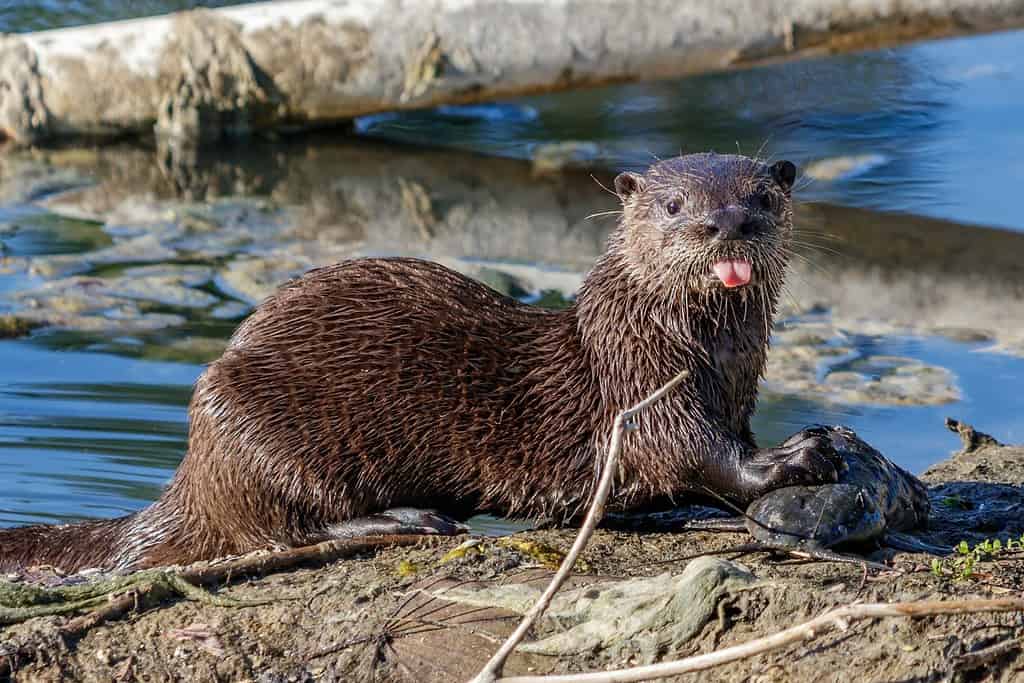
River otters bound playfully through sloughs and rivers, sliding down muddy banks or rolling together playfully in the grass. Traveling in small family groups, they are liveliest at dawn and dusk. A sudden splash followed by ripples is often the only clue to their antics.
Osprey
Osprey
©Jesus_Miguel/Shutterstock.com
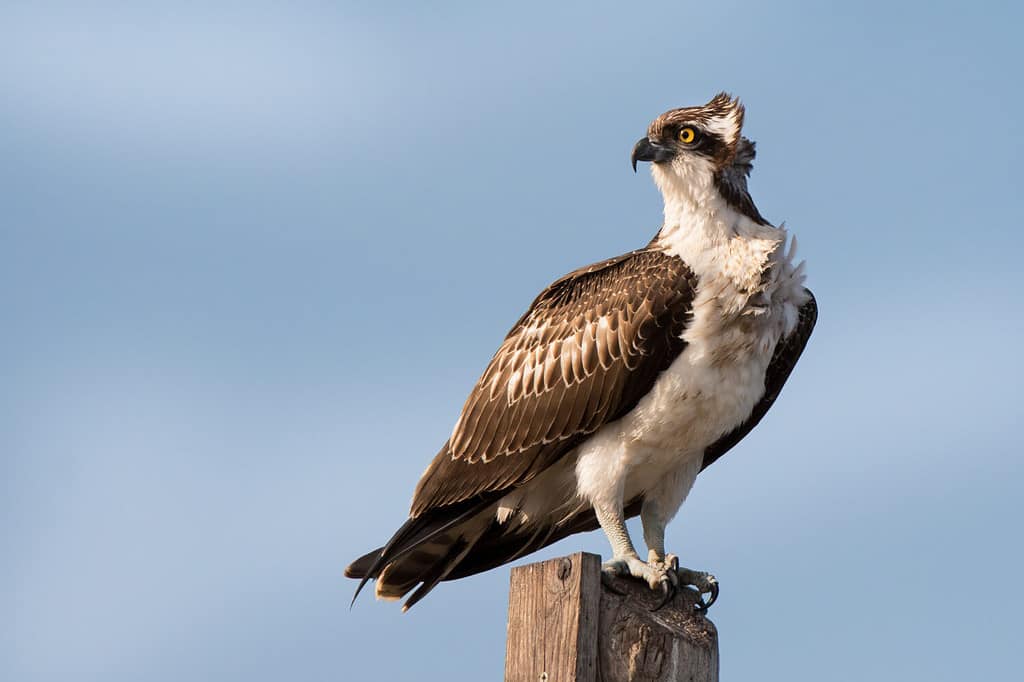
Hovering in the air, ospreys watch the water before plunging feet-first to seize fish. They are permanent residents of the Everglades, but nesting season in spring makes them especially noticeable. Their high-pitched whistles are part of the natural music of the marsh.
Pig Frog
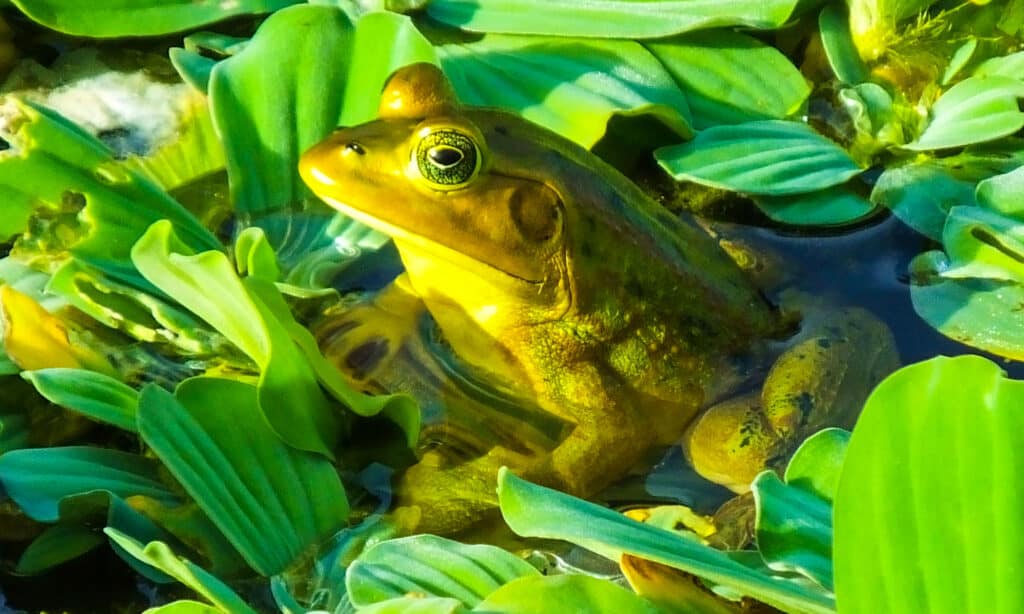
Pig Frog
©iStock.com/passion4nature
In warm and wet climates, Pig frogs live in ponds and canals, their deep grunts echoing on humid summer nights. They feed on insects, crayfish, and small fish. Often heard before they are seen, their calls carry far across still water.
Purple Gallinule
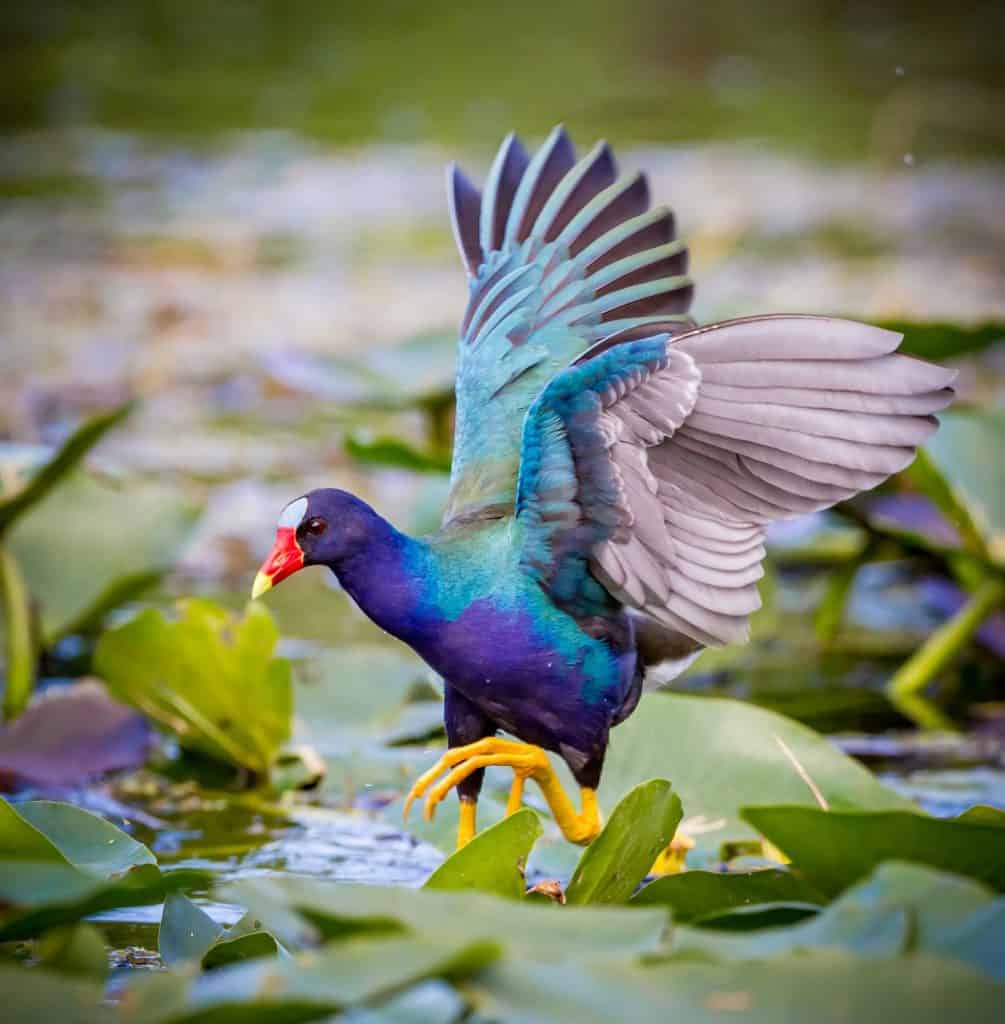
Purple Gallinule
©jo Crebbin/Shutterstock.com
These birds look like they stepped out of the pages of a coloring book that used all the crayons. Aside from their iridescent, multicolored plumage, they are noticeable for their oversized yellow feet. This is an adaptation that allows them to spread out their weight to walk across floating lily pads. Their colors are most eye-catching in spring.
Raccoon
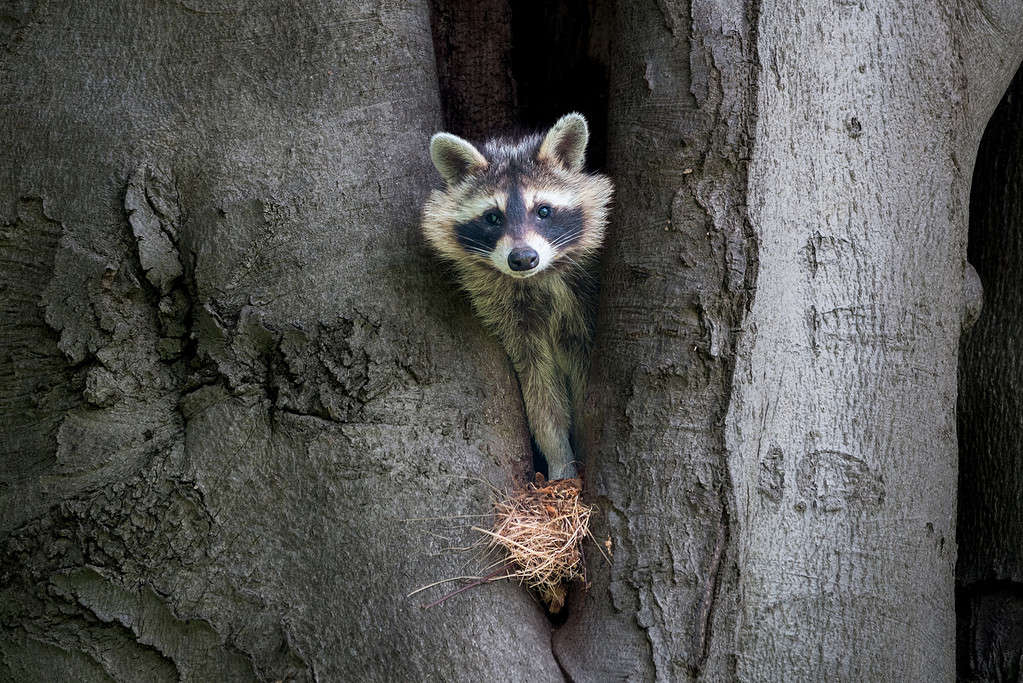
Raccoon
©Brams-Photography/iStock via Getty Images
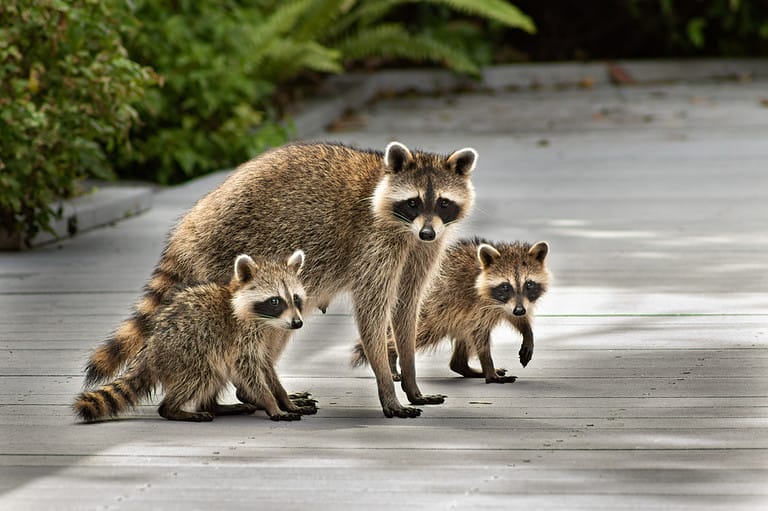
Many raccoons forage after dark, exploring hammocks, mangroves, and marshes. They wash food in shallow water and pry open shellfish with nimble hands. Muddy tracks near canals reveal their nightly wanderings.
Roseate Spoonbill
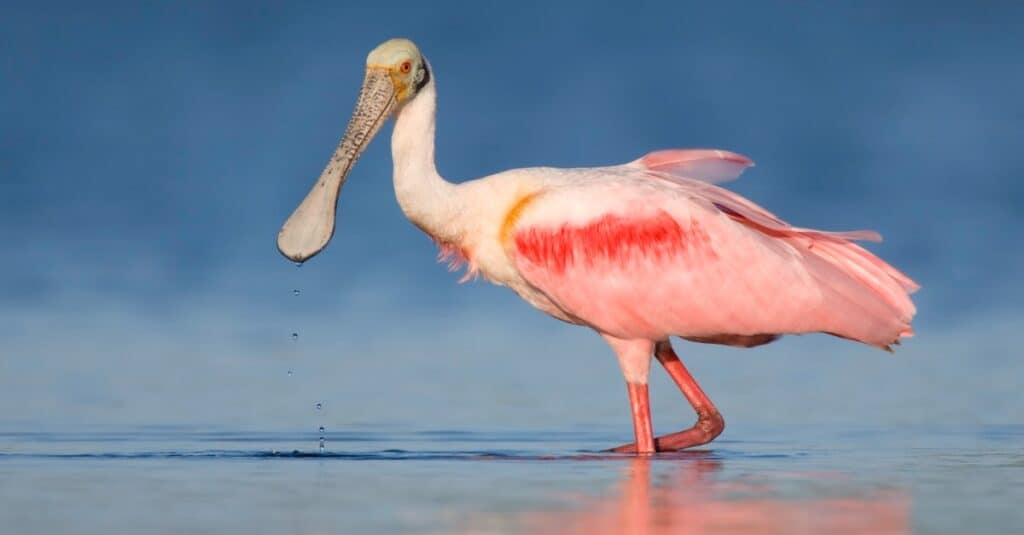
Roseate Spoonbill
©iStock.com/Canon_Bob
These unique-looking birds use their wide bills to sweep shallow lagoons, stirring small fish and crustaceans. Their brilliant pink feathers glow at sunrise and sunset. Once nearly wiped out by hunting for their feathers, they are now one of Florida’s best conservation successes.
Snail Kite
Snail Kite
©John P Ruggeri/Shutterstock.com
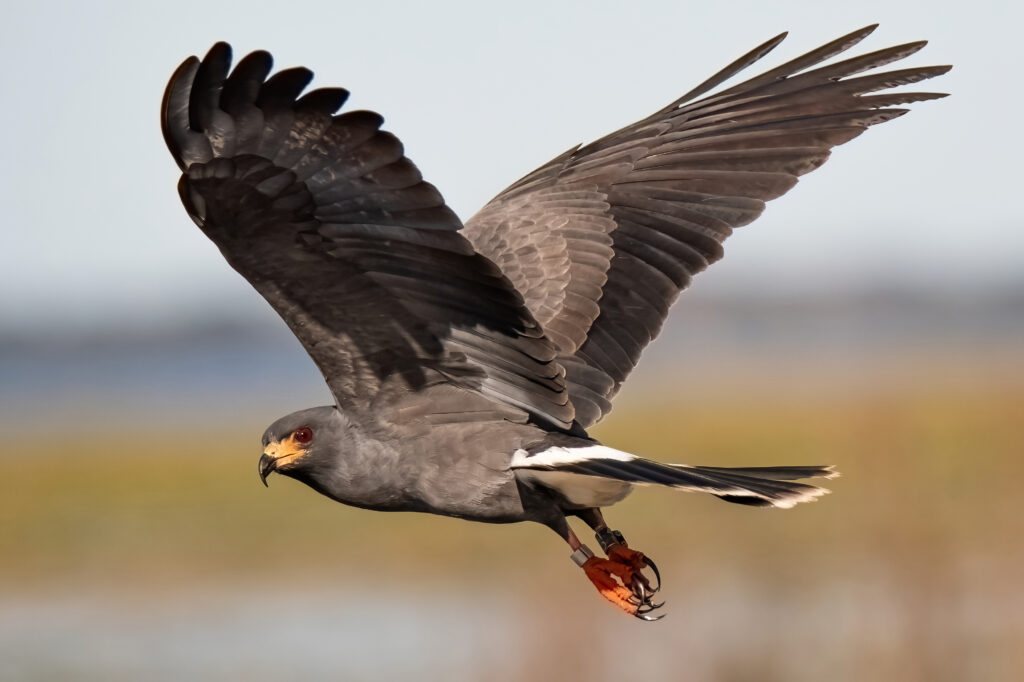
The snail kite is a wetland specialist, feeding almost entirely on apple snails. These raptors drift low over marshes, dropping suddenly to snatch snails with hooked bills. They are rare but most often noticed in the dry season, when water levels concentrate their prey.
Snowy Egret
Snowy Egret
©jo Crebbin/Shutterstock.com
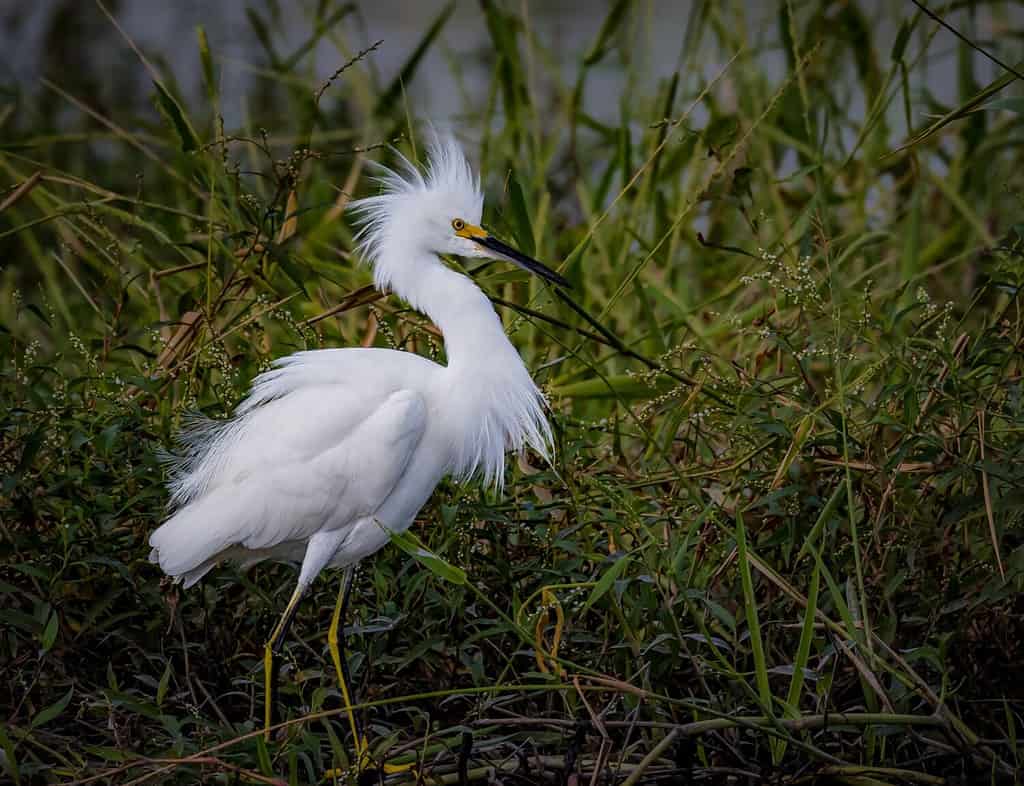
The snowy egrets are energetic hunters. They stir water with bright yellow feet to flush fish, then dart forward to strike. Their fluttering white plumage makes their winter rookeries a beautiful sight.
Tricolored Heron
Tricolored Heron
©iStock.com/MattCuda
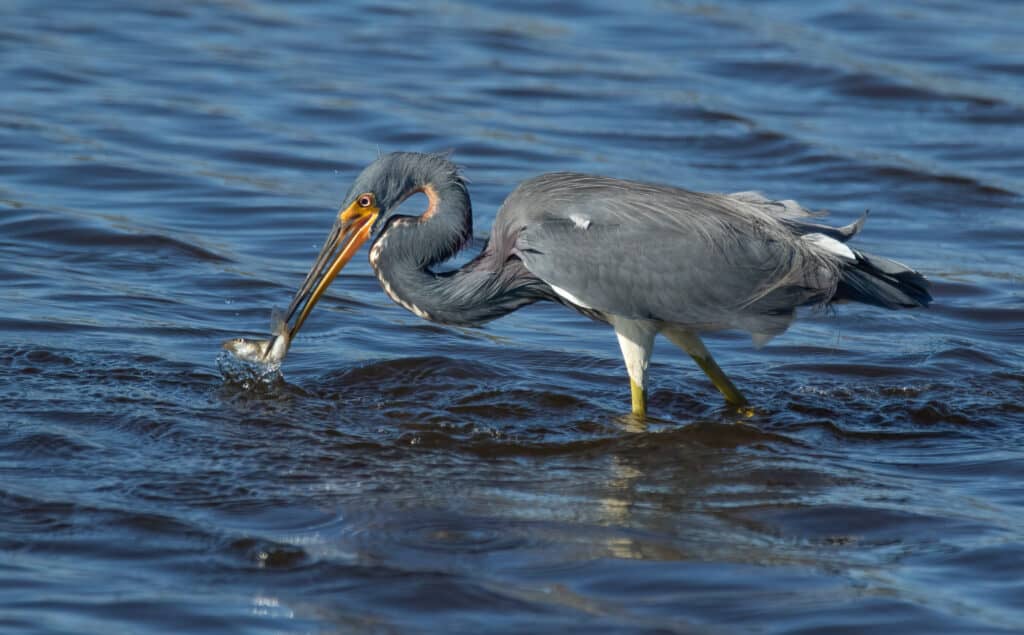
The tricolored heron wades quickly through shallows, blue-gray above and white-bellied below. Agile and restless, they dash after prey with long strides. They nest alongside other herons in spring rookeries, bringing variety to bird colonies.
Turkey Vulture
Turkey Vulture
©FotoRequest/Shutterstock.com
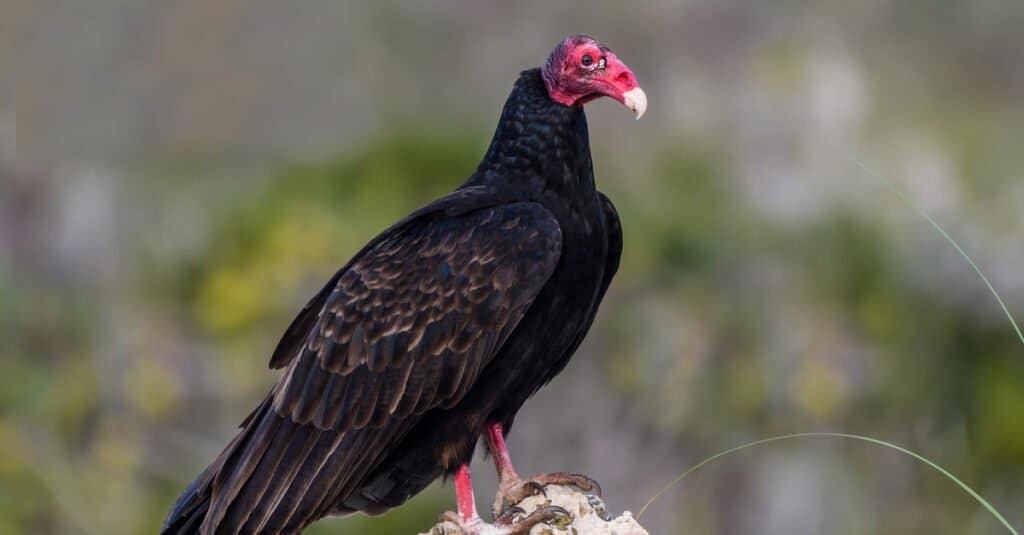
The turkey vulture glides with its wings held in a shallow “V” as it hunts. These birds have a keen sense of smell that helps them locate carrion hidden in the marsh. They are a constant presence in the skies, ready to swoop down and clean up the park.
West Indian Manatee
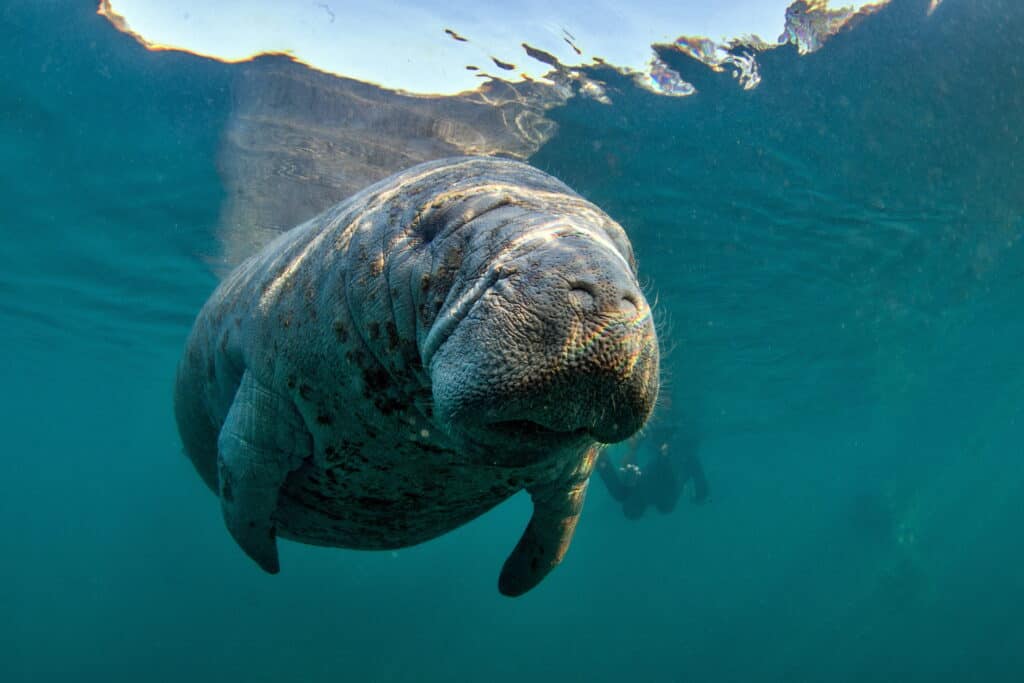
West Indian Manatee
©Tomas Kotouc/Shutterstock.com
Manatees drift slowly through estuaries, canals, and rivers, surfacing every few minutes to breathe. They are most often seen near Flamingo and other warm waters from late spring through fall. Gentle and slow like big aquatic cows, they sometimes nuzzle boats or roll lazily just below docks.
White Ibis
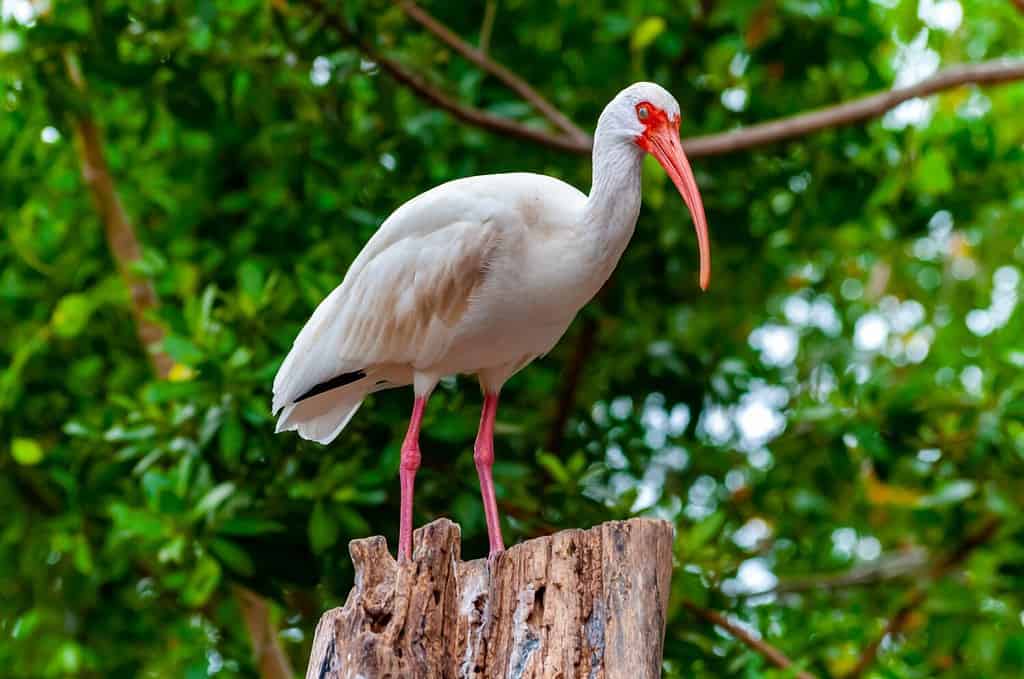
White Ibis
©Oleg Kovtun Hydrobio/Shutterstock.com
These elegant birds probe mudflats with long red bills, pulling out crayfish and insects. Flocks crisscross the sky in sweeping V-formations, a signature sight of the Everglades. They are common throughout the year, foraging alongside egrets and herons.
White-tailed Deer
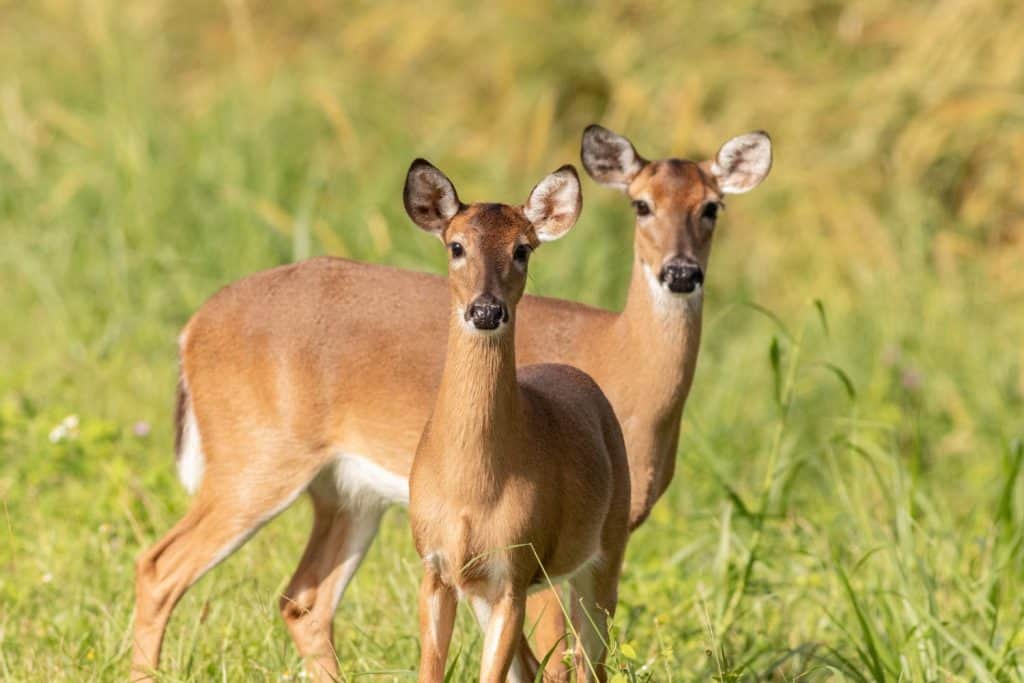
White-tailed Deer
©Omar F Martinez/Shutterstock.com
This is one of the largest mammal species in the park. They browse on grasses and shrubs in small herds, keeping an eye out for predators. Their tracks pressed into sandy trails reveal their paths even when they remain out of sight.
Wood Stork
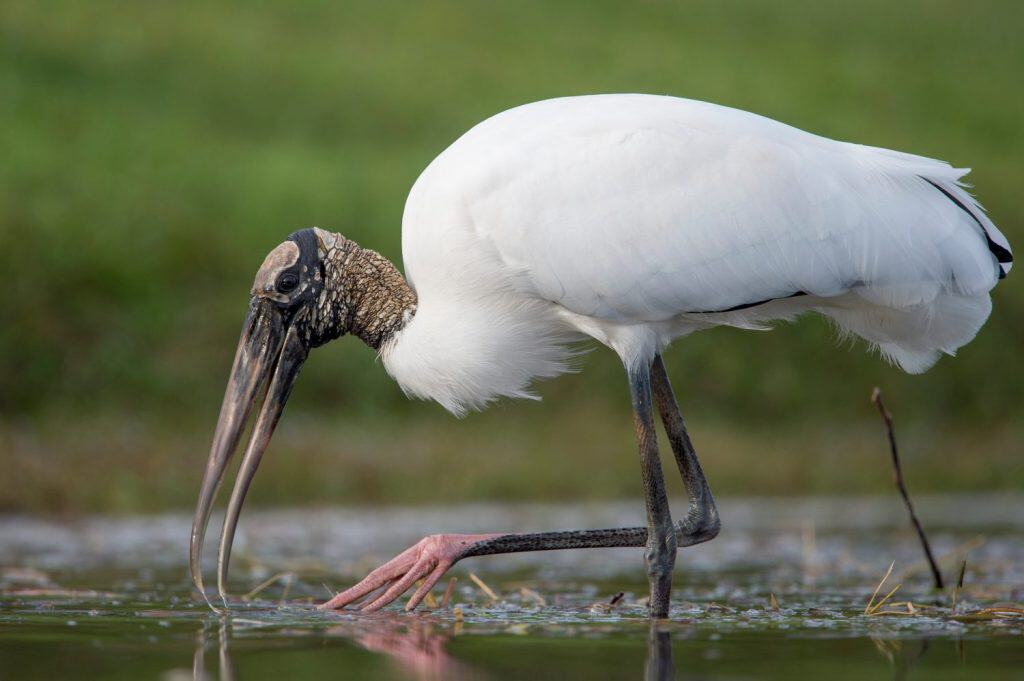
Wood Stork
©Ray Hennessy/Shutterstock.com
The wood stork wades through shallow pools in the dry season, snapping up fish with its quick-closing bill. Their colonies can contain hundreds of birds. Once endangered, they have returned, and their numbers are growing in the Everglades.
Best Times and Places to See Wildlife
The Everglades is at its richest during the dry season, December through April. Lower waters force fish and birds into concentrated pools, while alligators and crocodiles are easy to find along trails and canals. Mornings bring deer, otters, and panthers into the open. In the evening, herons and spoonbills are flying back to their rookeries. Some top spots for wildlife watching are Shark Valley, the Anhinga Trail, Nine Mile Pond, and Flamingo, with canoe routes through mangrove channels offering quieter encounters. Whatever the setting, patient visitors will be rewarded with the sights, smells, and sounds of a diverse wetland ecosystem unlike any other in the world.