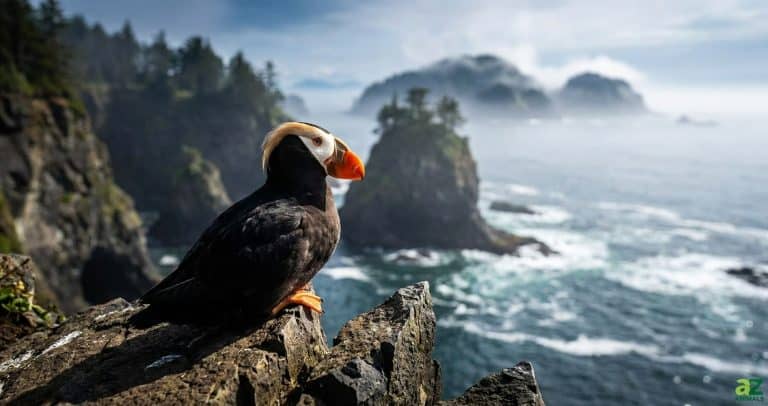

California’s vast trail network offers visitors and locals alike the chance to see plenty of wildlife. On any given day, in any given state park, you’ll see a plethora of creatures. California’s varied wilderness areas also lend hikers the chance to witness animals from many different species, including ones found only in our skies and seas.
But where should you head to see these animals, what types are you most likely to spot, and what should you do should you see one? Today, we bring you the animals hikers most often encounter in California, point you to parks and regions where sightings are common, and provide practical encounter tips for each distinct animal. Let’s lace up and hit the trails in the beautiful Golden State!
Black Bear
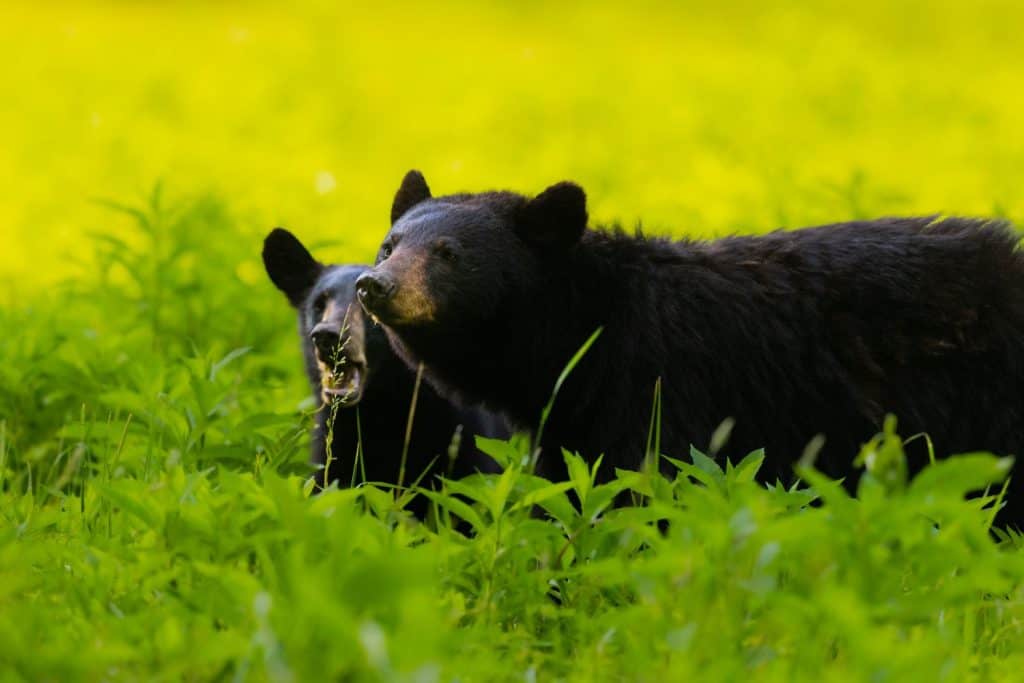
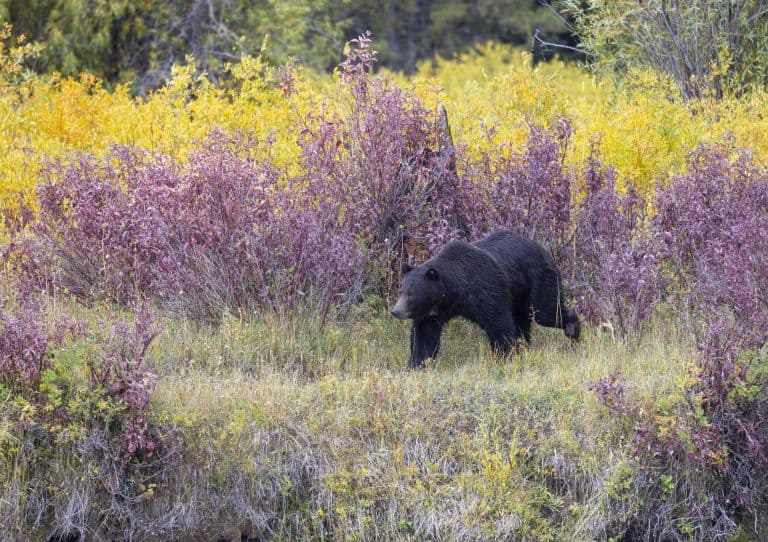
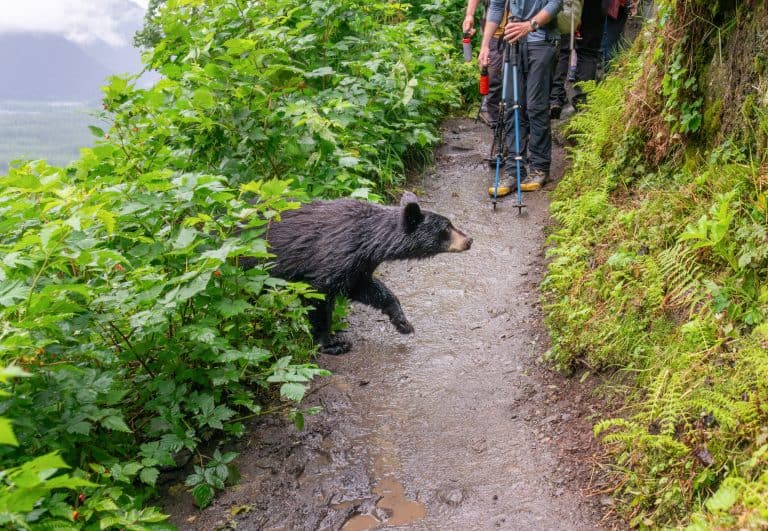
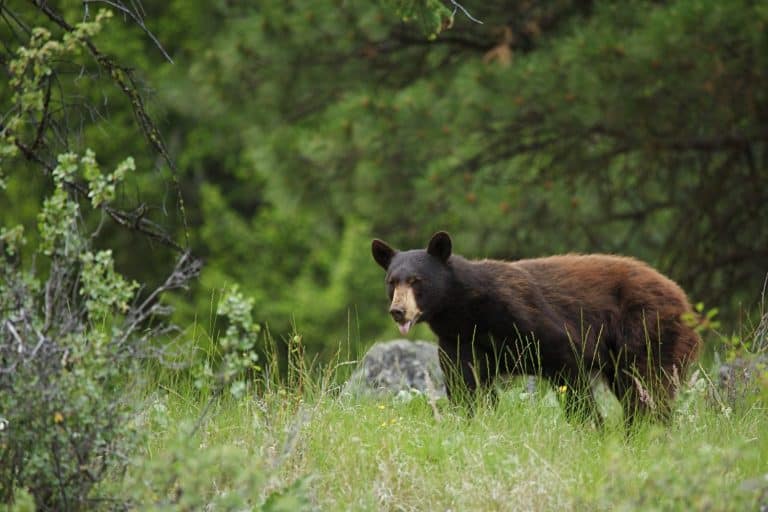
While you’re likely happier not encountering one, black bears are prevalent throughout the state of California.
©Wirestock Creators/Shutterstock.com
You’re most likely to see black bears in the Sierra Nevada and Southern California ranges, such as Yosemite, Sequoia & Kings Canyon, the Tahoe basin, and the San Gabriel and San Bernardino mountains. Current statewide black bear population estimates range from 49,000 to 71,000, with many managers informally citing about 60,000. If you meet one, hold your ground, look big, speak firmly, back away slowly, and secure all food; these tricky creatures have been known to enter homes in search of snacks.
Mule Deer
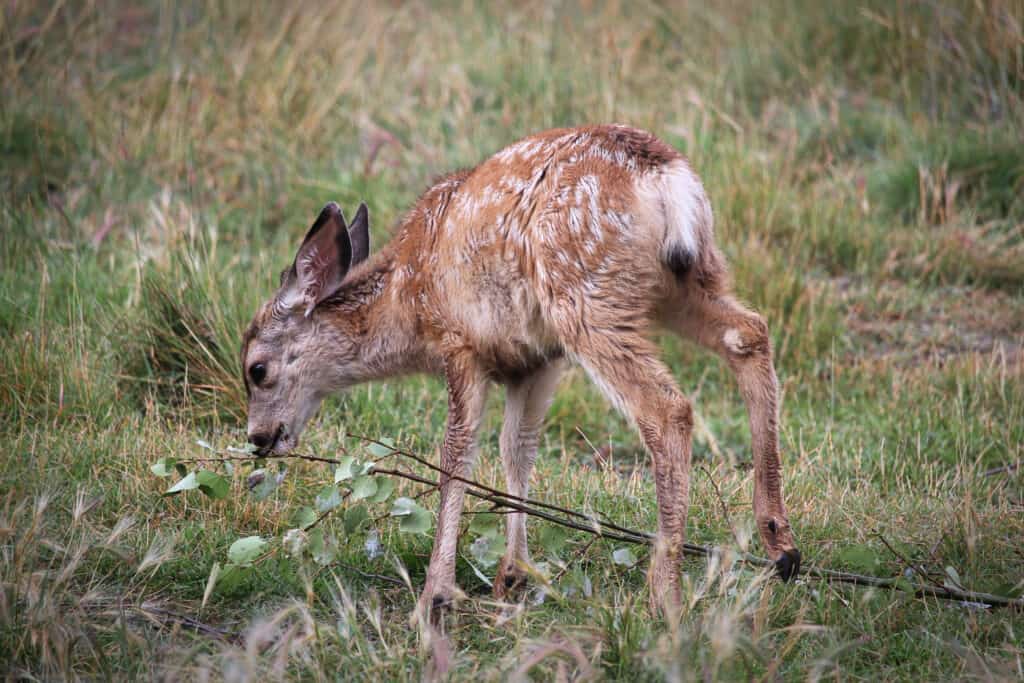
Whether you’re hiking or simply passing by a meadow, you’re likely to see a deer in California.
©iStock.com/:Akchamczuk
Deer are everywhere in California, from Point Reyes and Redwood National & State Parks to the Sierra foothills, the Modoc Plateau, and dozens of Bay Area and SoCal park systems. These herbivores graze near trails, in both city and remote locales alike.
California’s population generally falls near 450,000 to 500,000 deer before hunting seasons. Give them space, especially during fawning seasons, and keep dogs leashed, as both dog and deer are likely to get hurt should a pursuit begin.
Coyote
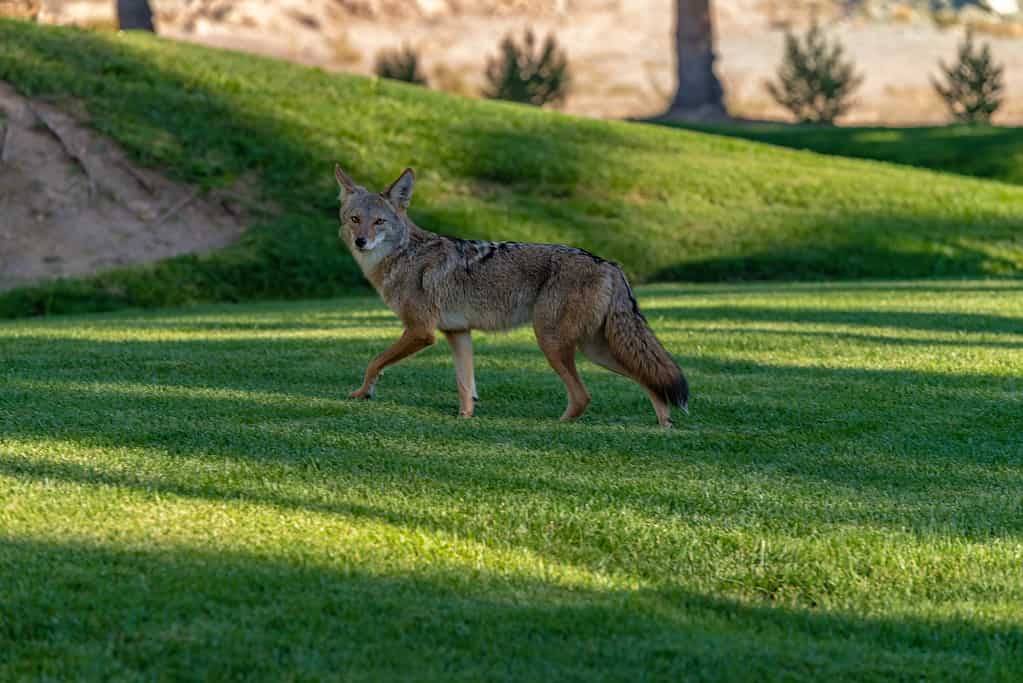
Coyotes take advantage of both rural and suburban areas in California.
©TerryKelly/iStock via Getty Images
Griffith Park and the Santa Monica Mountains to Point Reyes, the East Bay hills, and Anza-Borrego are some of the best places to see coyotes, as they tend to adapt to nearly every green belt or wild area they can find.
Broad California population estimates range widely, often quoted between 250,000 and 750,000 animals. Coyotes rarely want to start trouble, but if one lingers, noise is key. Shout, wave, or throw small objects toward its feet until it fully departs, but don’t run.
California Quail
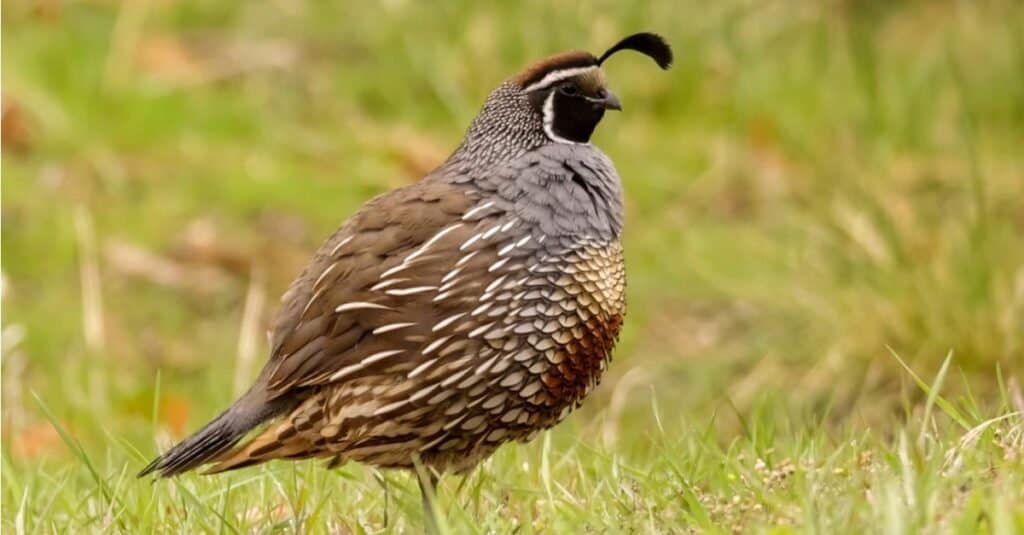
California quail are native to the western United States, and in California live in the western half of the state.
©iStock.com/Banu R
Trails with ample coastal scrub and woodlands are prime places for spotting California’s iconic state bird. Try Point Reyes National Seashore, Mount Diablo State Park, and Anza-Borrego Desert State Park for whole flocks of dashing quail, including young chicks.
Partners in Flight places the global breeding population of quails at 5.8 million birds. California holds a large share of that statistic thanks to its extensive and ideal habitat. Expect to see quail along trail edges and roads in early morning and late afternoon, and give them space during spring when chicks are just hatched and learning.
Mountain Lion
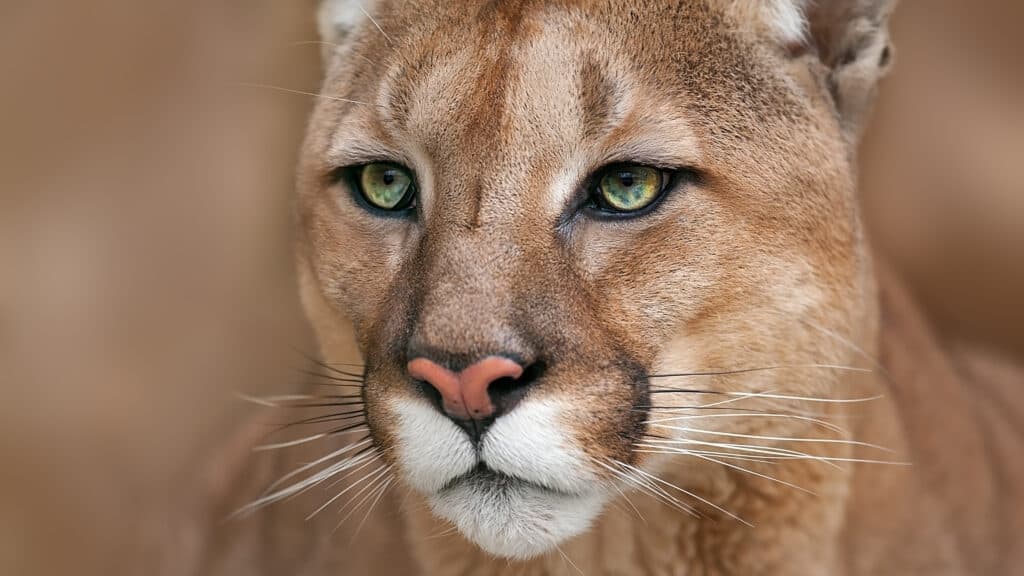
California has mountain lions, also known as cougars or pumas.
©iStock.com/Nemyrivskyi Viacheslav
Mountain lions follow deer through the Santa Monica Mountains, the Diablo Range and East Bay ridgelines, Los Padres and Angeles National Forests, the Sierra, and desert backcountry near Anza-Borrego. You’re not likely to see one on a hike, but know pumas may be watching you.
Research-based tallies suggest there are around 4,500 in the state, though methods for identifying cougar populations are still evolving. Should you have a face-to-face encounter, maintain eye contact, get big and loud, back away slowly, and fight back if attacked.
Northern Pacific or Western Rattlesnake
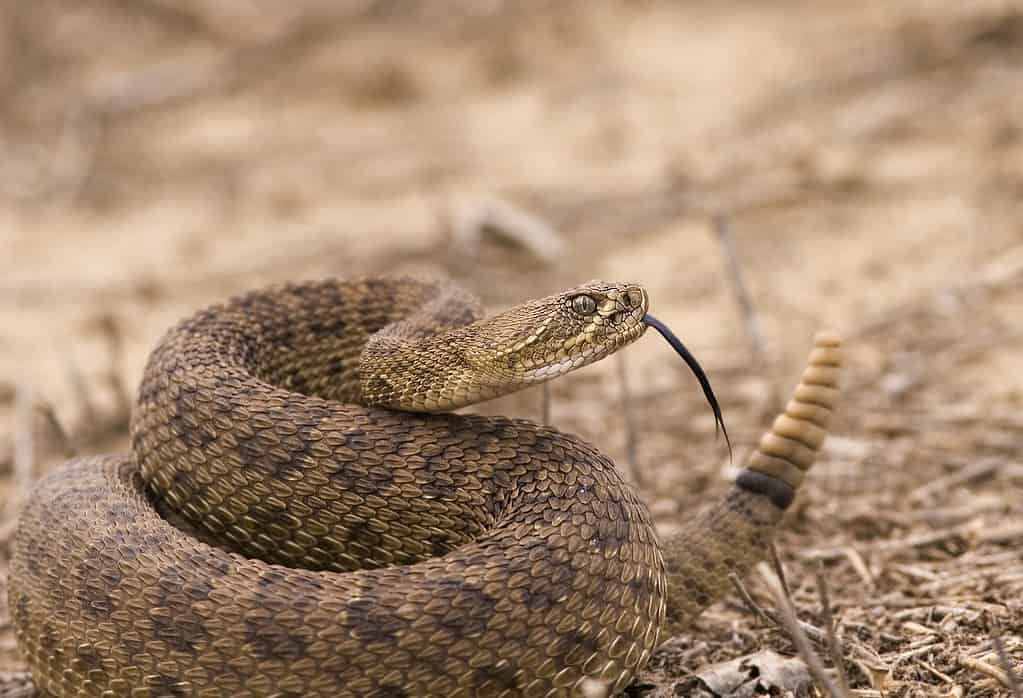
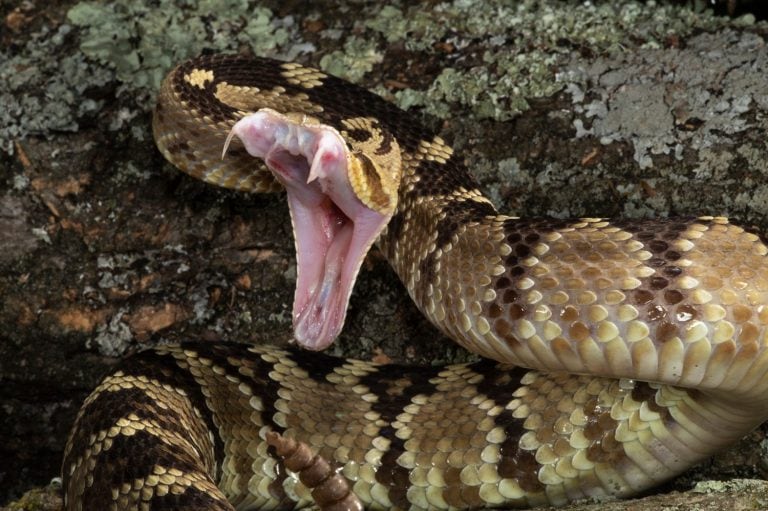
Seeing a rattlesnake on a California hike is more likely than you think.
©Steve Mcsweeny/iStock via Getty Images
Mount Diablo and East Bay Regional Parks, the Sierra foothills, Joshua Tree, and Anza-Borrego see regular rattlesnake sightings, especially in sun spots and rocky areas of parks. No reliable statewide headcount exists, but they’re common wherever the habitat suits them best, especially from spring through early fall. If bitten on a hike, call 911 immediately; don’t mess around with these California natives.
Roosevelt Elk
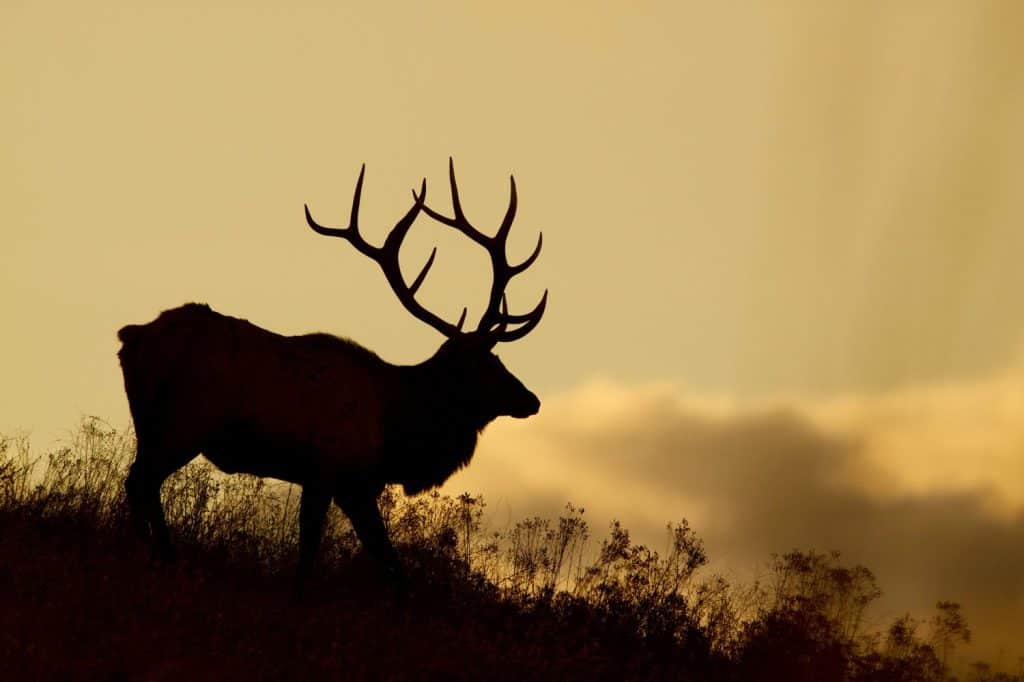
Elk may seem like gentle giants, but you should still give them space.
©Tom Reichner/Shutterstock.com
North Coast meadows in Redwood National and State Parks, Prairie Creek Redwoods State Park, and Humboldt Redwoods are reliable places to see these hooved giants. Across all elk subspecies, California totals hover near 14,000, with Roosevelt elk concentrated primarily along Highway 101. Stay back 25 to 50 yards should you see one, and never approach animals for photos. They can get very territorial, especially during mating season.
Anna’s Hummingbird
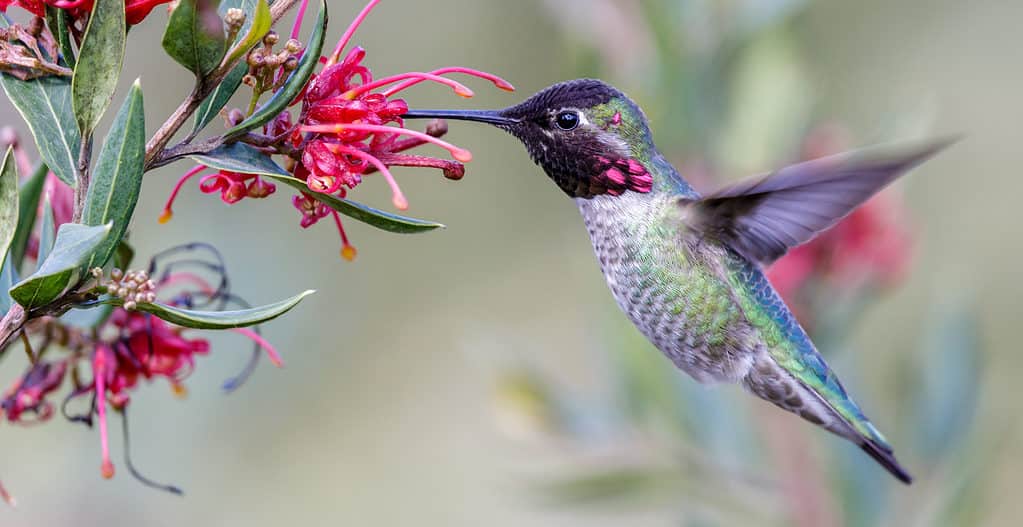
These small birds enjoy the Californian climate.
©yhelfman/Shutterstock.com
These small year-round residents are often seen at Point Lobos State Natural Reserve, Griffith Park, and Bay Area preserves. Population assessments indicate a large and growing North American total of Anna’s hummingbird, and they seem to love California thanks to its mild winters and year-round food. Watch for them in flight over clearings and step back from shrubs so parents can easily return to feed their chicks.
Bighorn Sheep
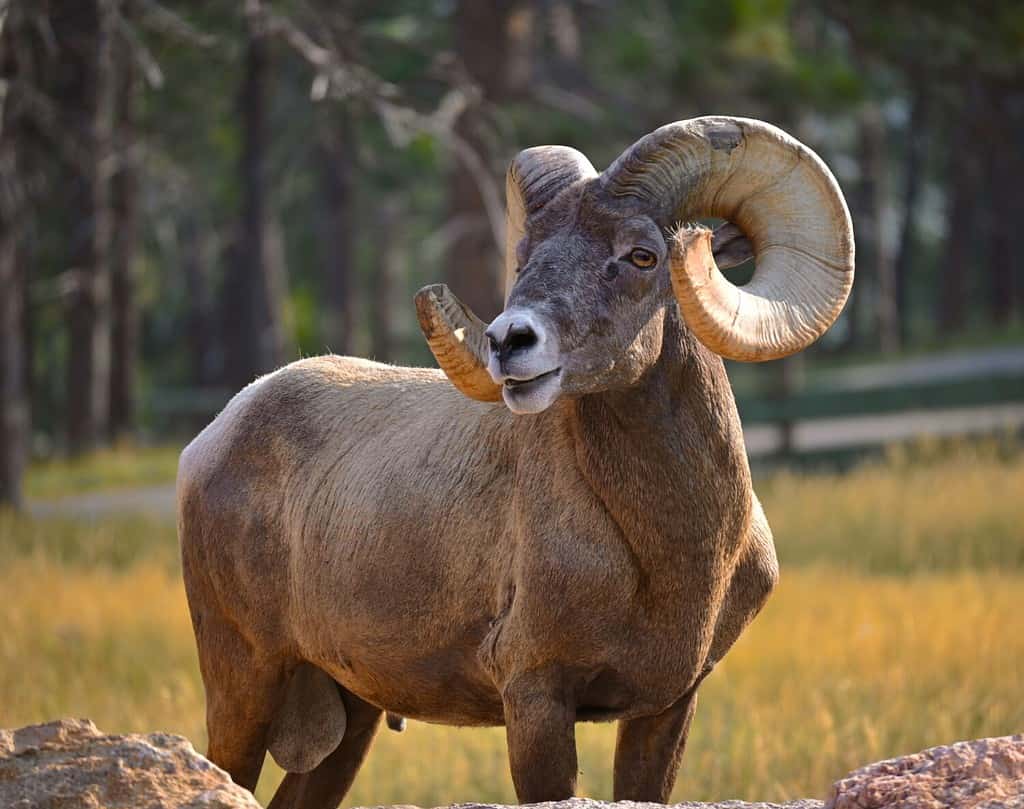
Bighorn sheep thrive in rocky California parks.
©Wirestock Creators/Shutterstock.com
Ridgelines in Anza-Borrego Desert State Park, the Santa Rosa & San Jacinto Mountains National Monument, and parts of the Mojave host bighorn sheep, a favorite sighting for many hikers. Recent bighorn population numbers hover around 5,400, including roughly 750 federally endangered Peninsular bighorn and 4,250 other desert bighorn. Observe these amazing herbivores from afar, avoid pushing animals away from their scarce water sources, and keep dogs out of bighorn zones, just for everyone’s safety.
Wild Pig
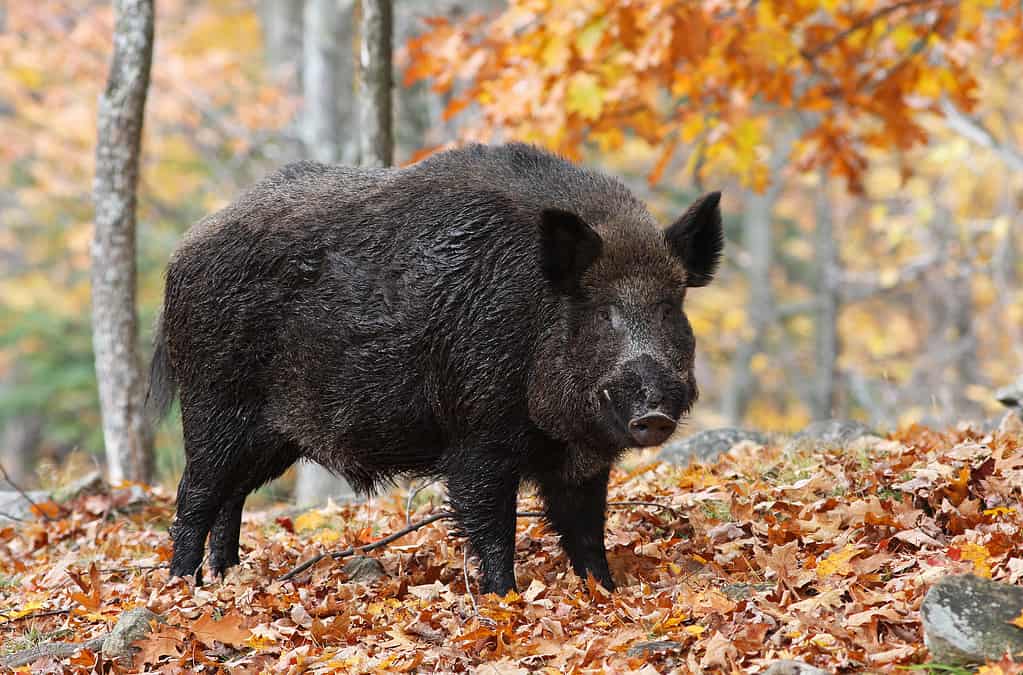
Feral hogs dig up parts of California’s prime hiking areas in search of food.
©Mircea Costina/Shutterstock.com
Torn-up soil in the Diablo Range, Henry W. Coe, Mount Diablo foothills, and down the Coast Range means wild pigs are likely nearby. They’re now established in 56 of 58 counties in the state, with many estimates landing somewhere in the 200,000 to 400,000+ range. If one approaches, put a solid object between you and the animal, back out calmly, and alert rangers to aggressive behavior. These feral hogs mean business more often than not!
Sea Otter
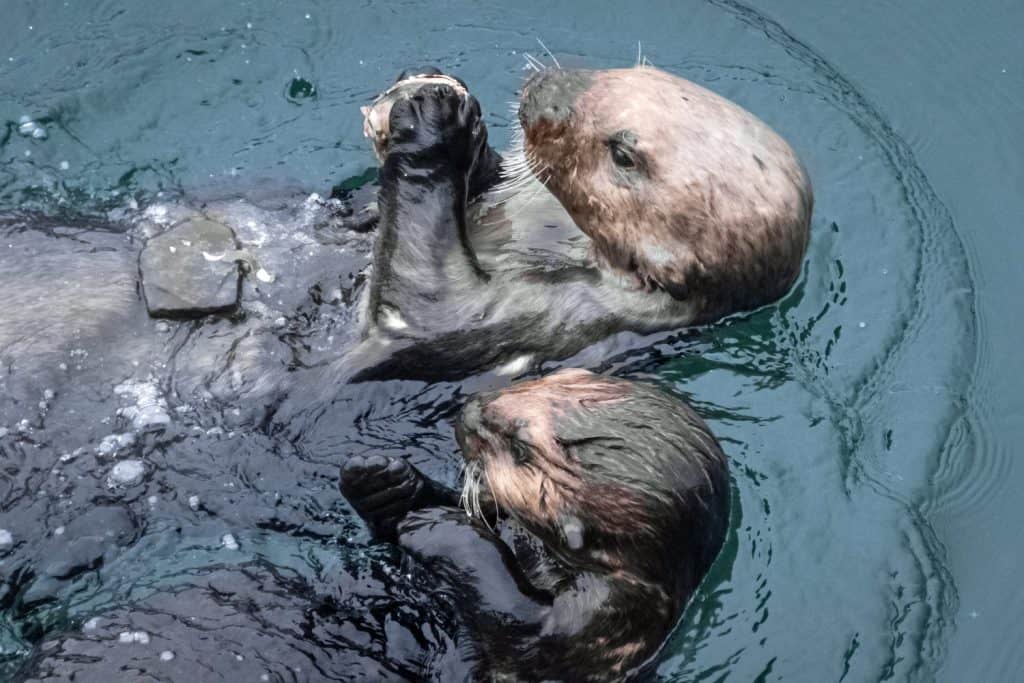
It’s easier than you might think to spot a sea otter on your California coastal hike.
©Alaskan Wildlife/Shutterstock.com
Coastal trails with kelp-bed overlooks are best for sighting sea otters. Head to Point Lobos, Garrapata, Montaña de Oro, Morro Bay, and Elkhorn Slough, as these areas have frequent sightings from shore.
California’s otter population has fluctuated around 3,000 in recent years, but they’re always an unforgettable sight. Stay on bluffs and beaches for viewing and use binoculars rather than approaching. You just might watch these cuties play in the surf for hours.
California Sea Lion
There are multiple places to spot California sea lions, even in major coastal cities. Check out the Point Reyes headlands, San Francisco’s bayfront, Año Nuevo, and Point Lobos on the Central Coast, La Jolla and the Cabrillo tidepool area around San Diego, and boat landings in Channel Islands National Park for prime sea lion time, as you’ll likely hear these noisy guys before you see them.
Reports suggest there are around 250,000 to 300,000 animals in the state, with the majority breeding on California’s Channel Islands. Give them a wide berth on beaches and docks, keep dogs leashed near haul-out areas, and enjoy their sounds while you hike.
Red-Tailed Hawk
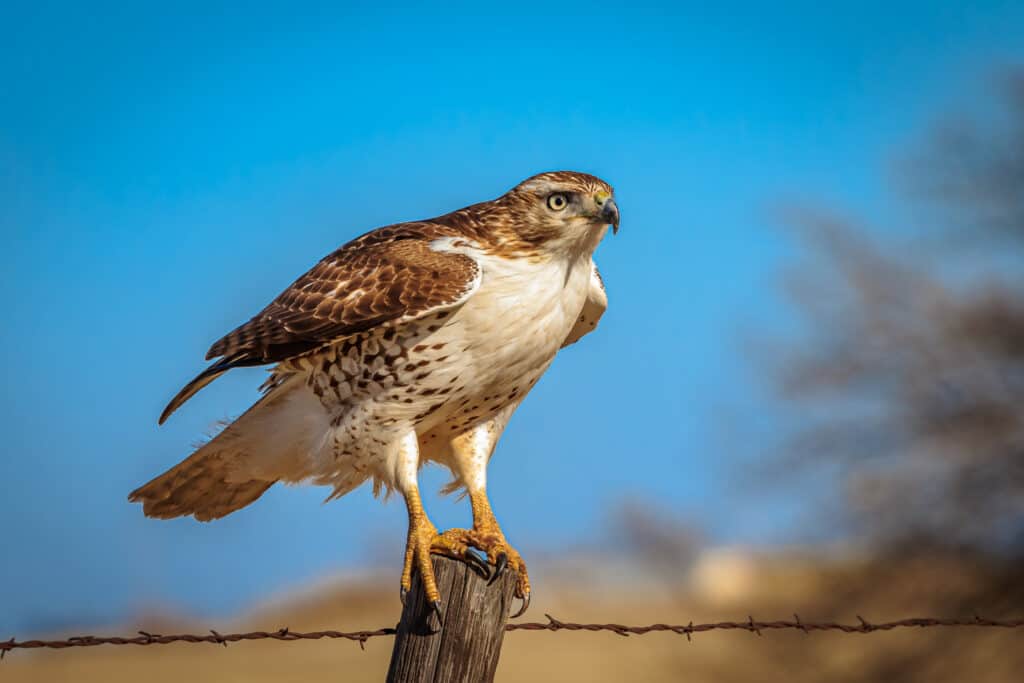
California has red-tailed hawks throughout the state.
©Richard G Smith/Shutterstock.com
Red-tailed hawks are often seen on hikes in the Santa Monica Mountains, Mount Tamalpais, and Yosemite Valley, high above trail corridors. Continental estimates run in the low millions, with conservation sources noting stable or increasing trends. The state of California supports robust hawk numbers across the state, as these birds of prey thrive in a large variety of environments. Avoid lingering directly beneath active nests during spring, as adult hawks can be very protective.