
Quick Take
- Ibex hooves are built like no other, and their secret lies in two halves that act independently in a way that defies how you'd expect an animal to grip rock. Discover the hoof secret →
- Living on dangerously steep terrain is not merely a survival gamble for ibex. It is actually a calculated ecological advantage that unlocks resources other animals can't reach. See the ecological advantage →
- The muscle group powering the ibex's Olympic-level leap isn't where most people would guess, which is exactly why the animal can stick landings on surfaces barely wider than a coin. See the muscles behind the leap →
The incredible athletic achievement featured in this Reddit thread would put an Olympic track and field star to shame. Not to mention the danger involved in making a huge leap over a treacherous crevice with no safe landing place! Let’s find out more about this remarkable creature.
Continue reading
Meet the Athletic Ibex
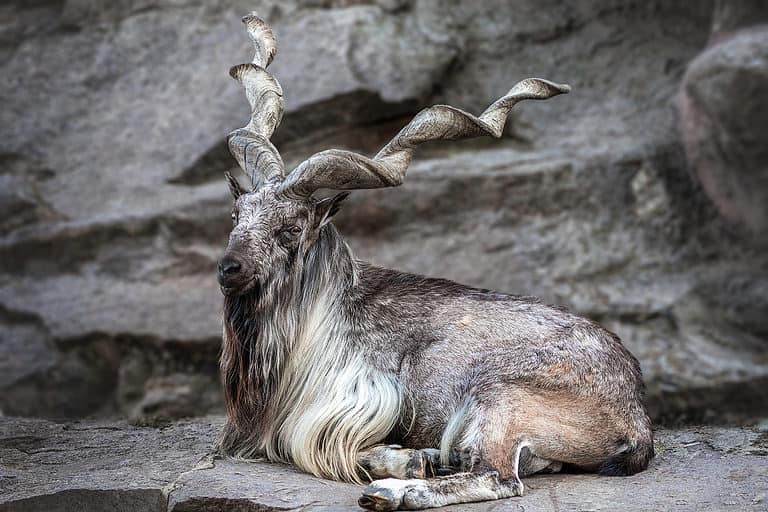
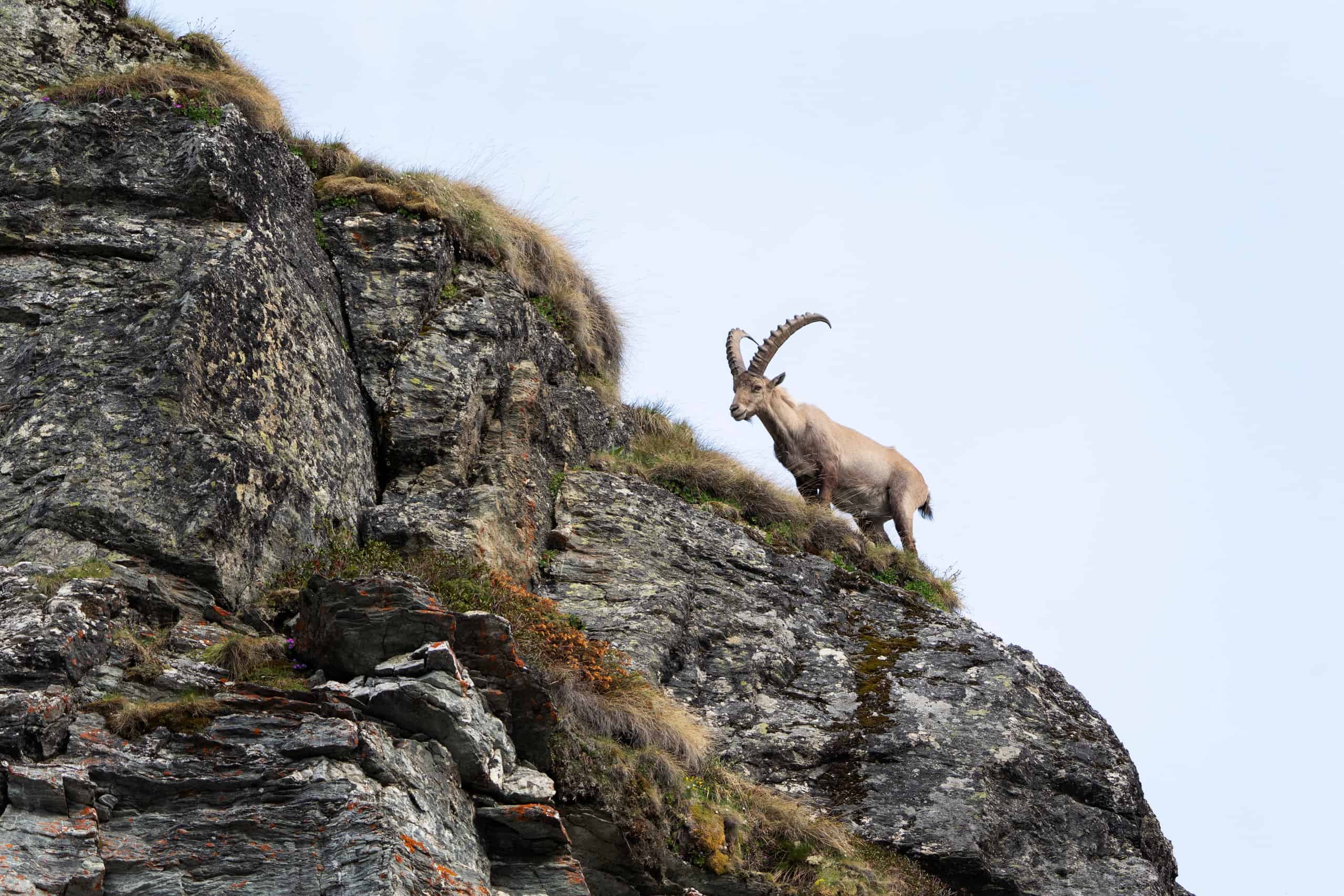
The extraordinary athlete in the clip featured in the post is an Alpine ibex (Capra ibex). These animals are found in the European Alps, primarily in France, Switzerland, Austria, Italy, Germany, and Slovenia. As you can see from the clip, Alpine ibex are mountain animals that live at elevations above 10,500 feet. Typically, males stay on rocky cliffs, while females are more likely to be found on rolling slopes and in brushy areas.
Females also live in social groups of 10 to 20 individuals led by a dominant female. Males, however, live in smaller herds of up to eight individuals. During the breeding season, males become solitary and aggressive toward other males.
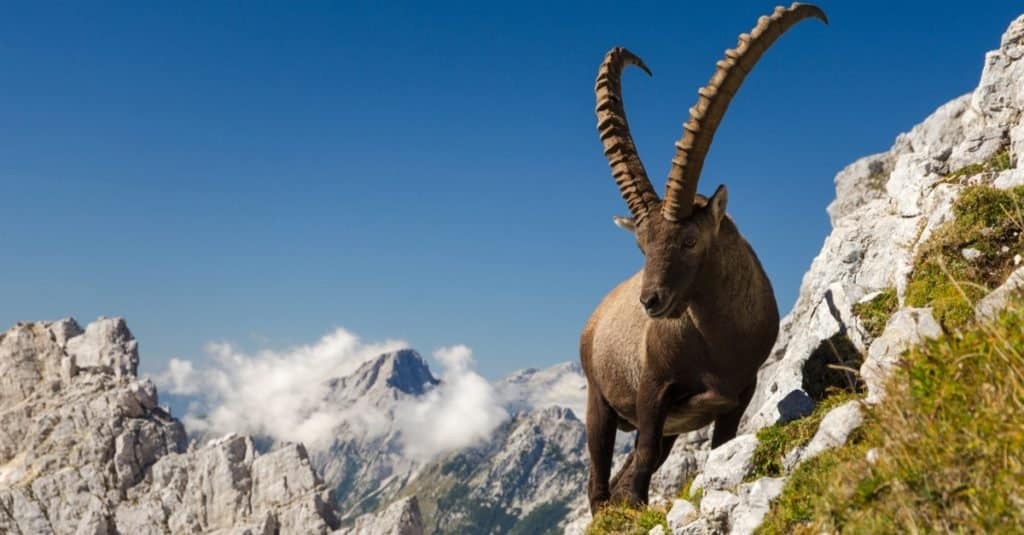
Alpine Ibex (Capra ibex) live in the Slovenian Alps and other European mountain ranges.
©Foto Matevz Lavric/Shutterstock.com
The Alpine ibex is both a browser and a grazer. They become more active in the afternoon and feed on grasses, forbs, leaves, shoots, and bark throughout the night. Their ability to access steep and treacherous habitats gives them an ecological advantage. In these areas, they can find salt (which they lick), access plants, and escape from predators. However, to do this, they need specialized anatomy and skills.
How Can Ibex Leap Around Mountains?
Like an athlete, the ibex has highly developed muscles, especially in the front part of its body. This allows it to lower its center of gravity and maintain excellent balance, even on very steep surfaces. An ibex can scale an almost vertical cliff, and to do this, it also needs specialized hooves.
Ibex have cloven hooves, meaning their hooves are split in half, which provides better grip. Each hoof has a hard outer wall for strength and a soft, rubbery interior for gripping.
The two halves of the hoof work independently and act like pincers, allowing the ibex to take full advantage of even the tiniest bump on the rock. Their two padded ‘dewclaws’ are positioned just above their ankles, along with calluses on the backs of their knees, which also help them scramble across rough surfaces.