
Quick Take
- Fasting for thousands of miles sounds like a death sentence for an animal this size, yet humpback whales have a surprising biological reason for refusing to eat during migration. See the fasting biology →
- Climate change didn't just warm the oceans. It quietly rewired when humpback whales leave Australia, and researchers say the consequences could be irreversible. See the climate shift →
- Sixty years ago, this migration almost didn't exist, and the narrow window that saved the species is more fragile than most people realize. Explore the near-extinction story →
- The southbound journey takes dramatically longer than the return trip, and the reason has nothing to do with ocean currents. Explore the journey timeline →
As Australians get ready to shake off the winter cold and welcome in summer, humpback whales are bidding the east coast of the country adieu. This is because eastern Australian humpback whales begin their long journey south in September, a migration tradition that has continued for generations and, hopefully, will continue for many more.
Continue reading
Eastern Australian Humpback Whales Travel Thousands of Miles for Migration
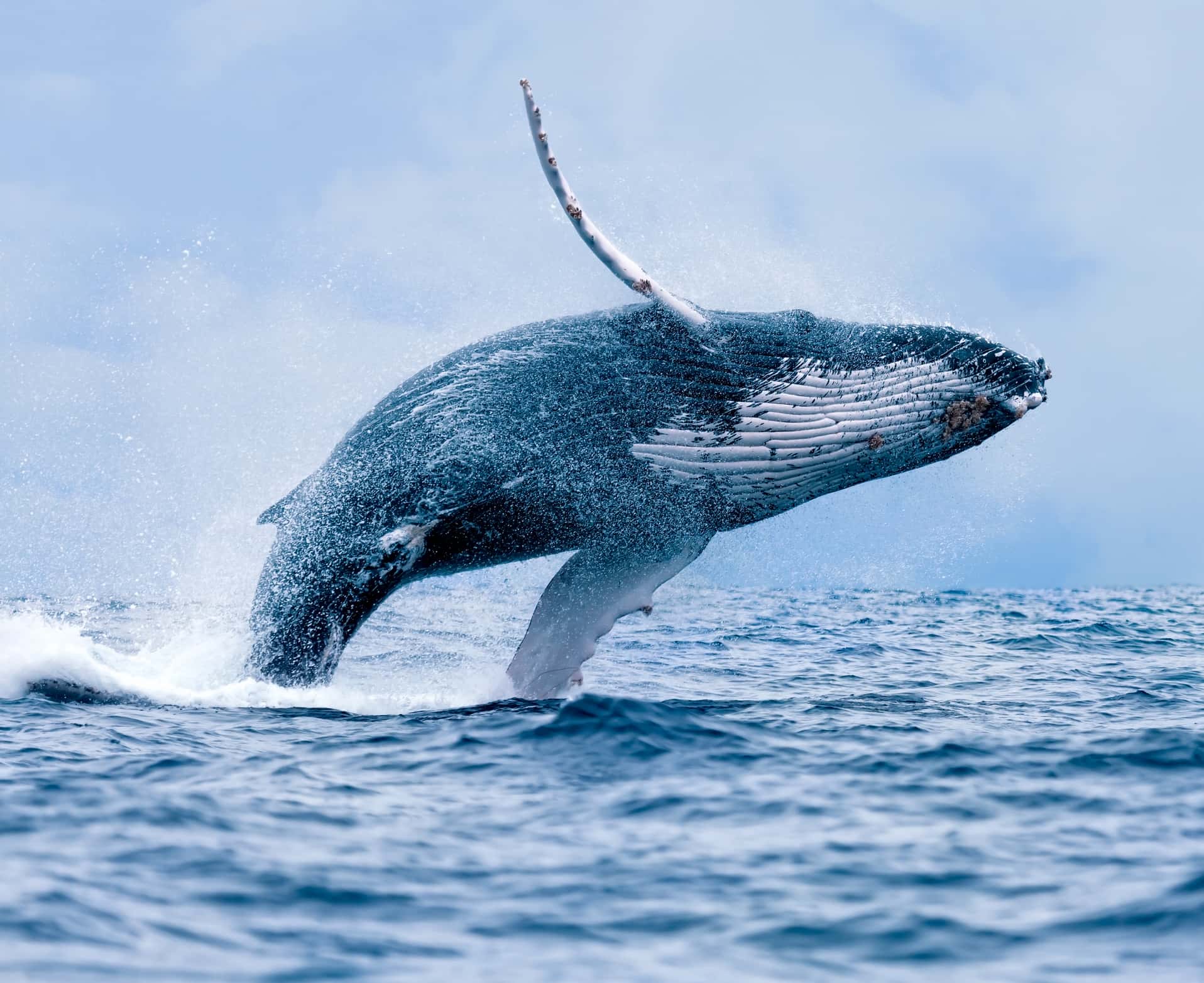
Along Australia’s east coast, humpback whales have been nurturing their young, helping them grow, gain weight, and become stronger. But with summer approaching, the whales will soon begin their migration from Down Under to the Southern Ocean in what can only be described as a spectacular migration event.
Beginning in September, eastern Australian humpback whales start their long journey to the Antarctic. The migration path the whales follow takes them 6,200 miles from start to finish. Whales of all ages participate, from calves born between February and May to the oldest individuals in the group, which can be up to 50 years old.
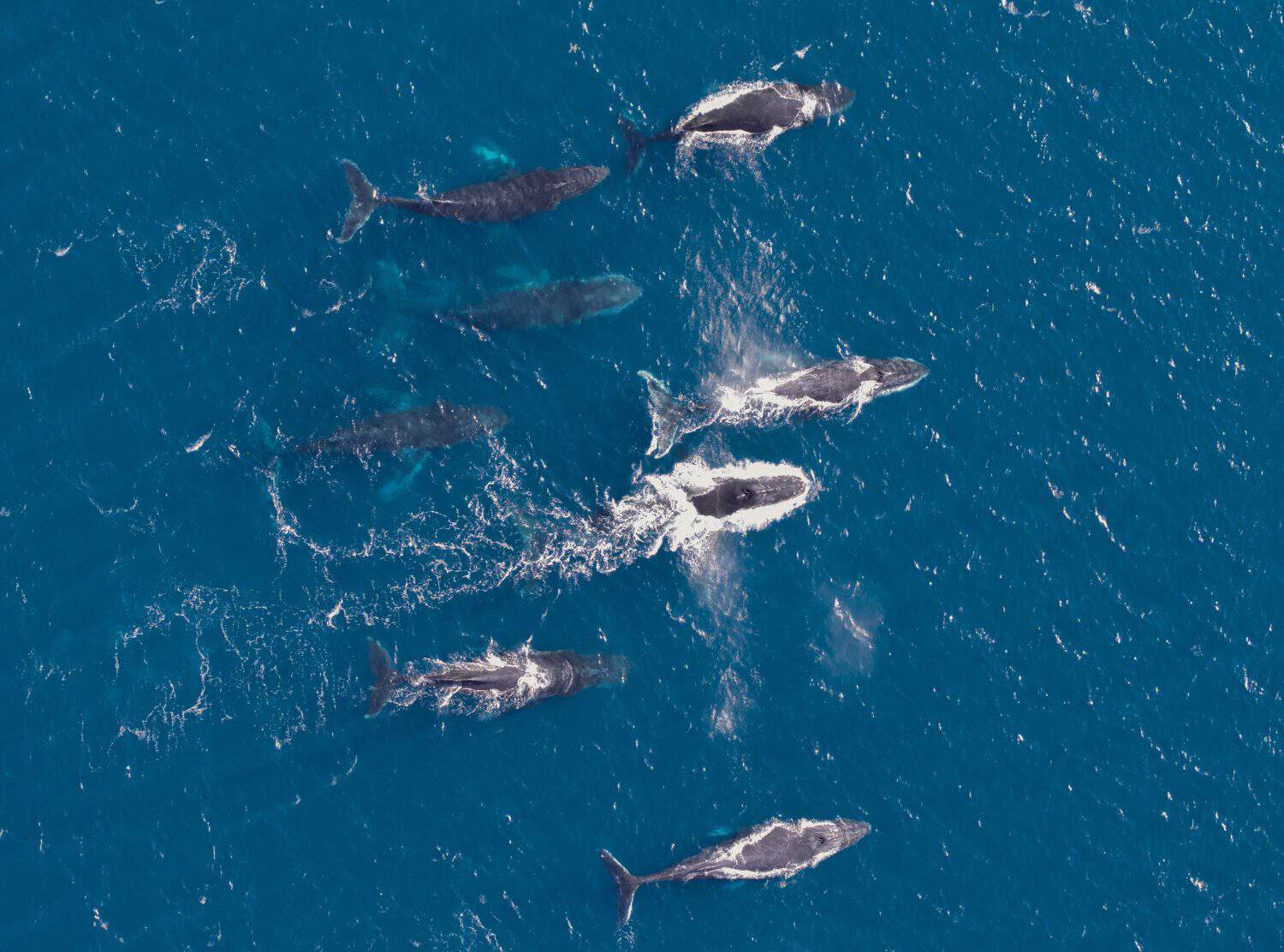
Fifty-thousand eastern Australian humpback whales will participate in the migration this year.
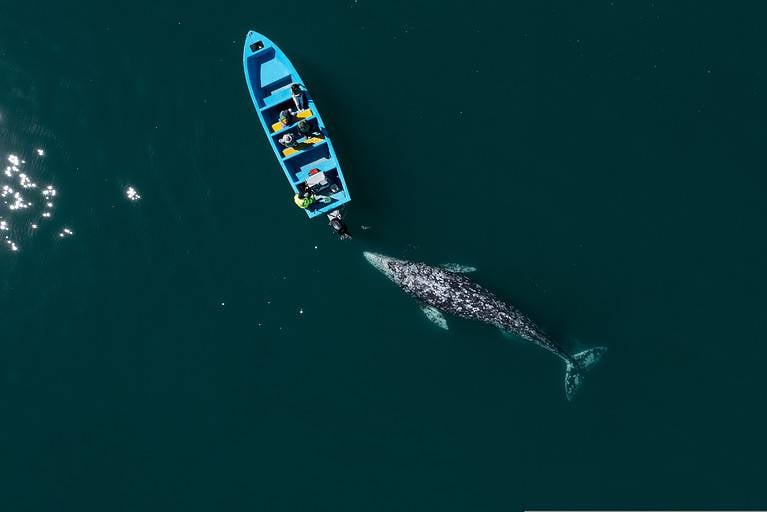
©Coastal View Photography/Shutterstock.com
It is anticipated that 50,000 whales will take to the Humpback Highway this year, marking a banner year for the eastern Australian humpback whale population.
The goal is to return to the Southern Ocean during upwelling, a process that brings nutrient-rich water, krill, and algae from the ocean depths to the surface, providing abundant food for the whales. Eastern Australian humpback whales regain weight during their time in the Antarctic before making the journey back to Australia.
How Long Does the Migration Take?
Eastern Australian humpback whales have an enormous journey ahead of them when they set off to travel between Australia and the Southern Ocean. Their migration from the Antarctic to Australia can take three to four months, while the reverse route takes significantly longer.
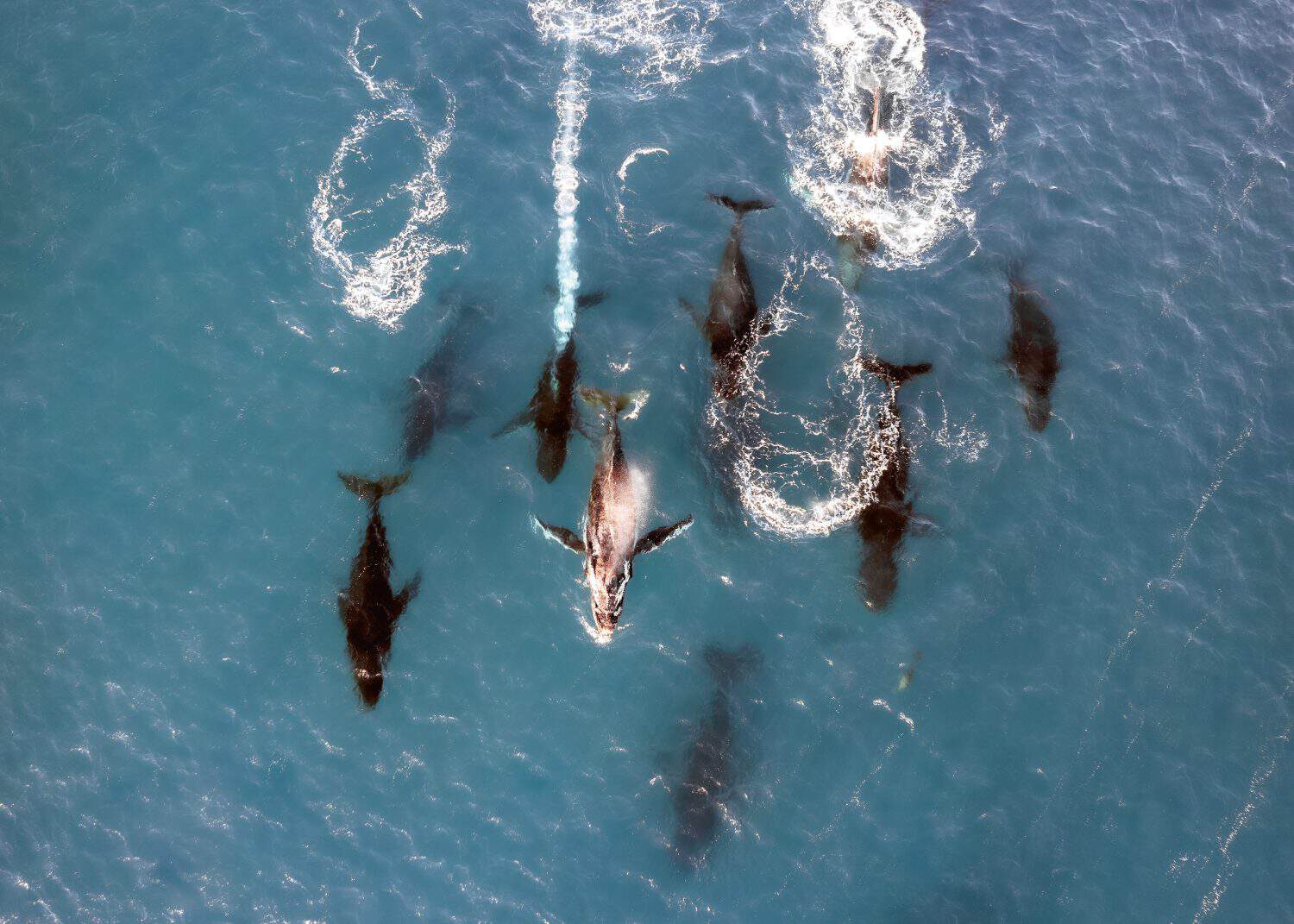
It can take four to six months to complete the migration.
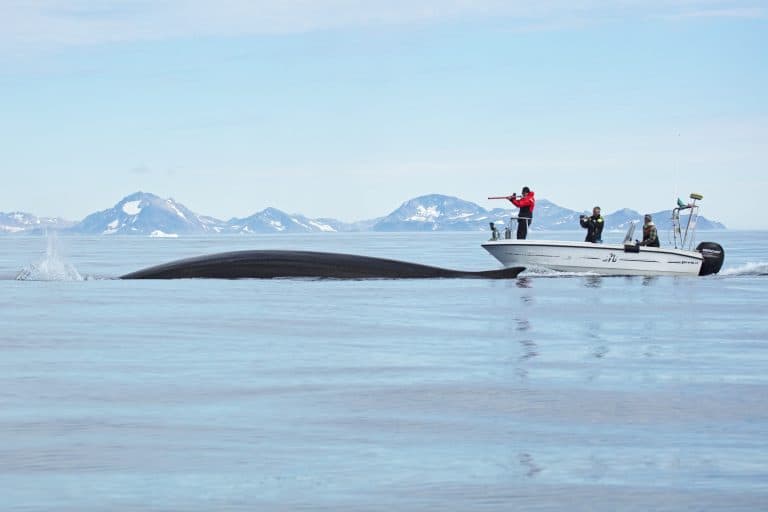
©James C Farr/Shutterstock.com
The eastern Australian humpback whales leave the east coast of Australia in September. It will take them between four and six months to reach their final destination. Although the migration distance remains 6,200 miles, the whales swim more slowly on the journey to the Southern Ocean, making this leg of the migration take longer than the return trip.
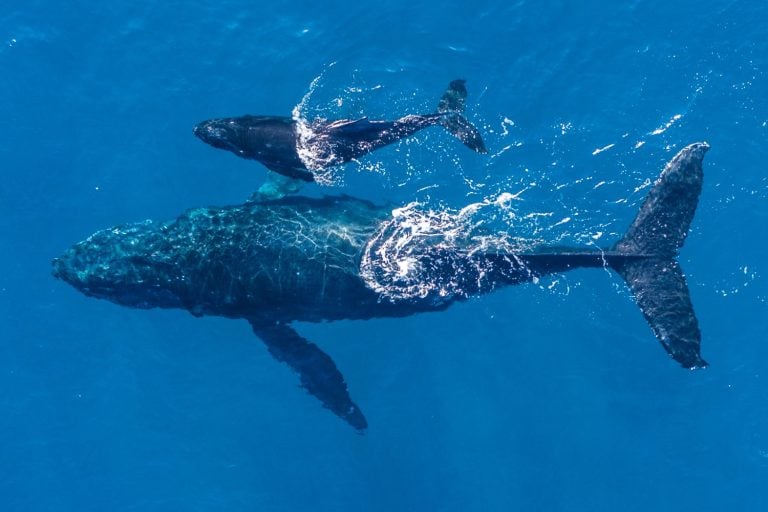
Eastern Australian humpback whales returning to the Southern Ocean will have their calves in tow. To ensure the calves reach the feeding grounds safely, the whales make frequent rest stops along the way. This not only conserves energy but also allows the calves to grow larger and build up their blubber layer before entering the cooler waters of the Antarctic for several months, increasing their chances of survival.
What Sparks the Start of Eastern Australian Humpback Whale Migration
The timing of the eastern Australian humpback whale migration used to be tied solely to seasonal changes. Now, with climate change, more factors influence when migration begins than ever before.
Eastern Australian humpback whales once began their journey to the Southern Ocean in October. This journey coincided with abundant prey in the cooler Antarctic waters, where humpback whales could feed at the end of their migration.
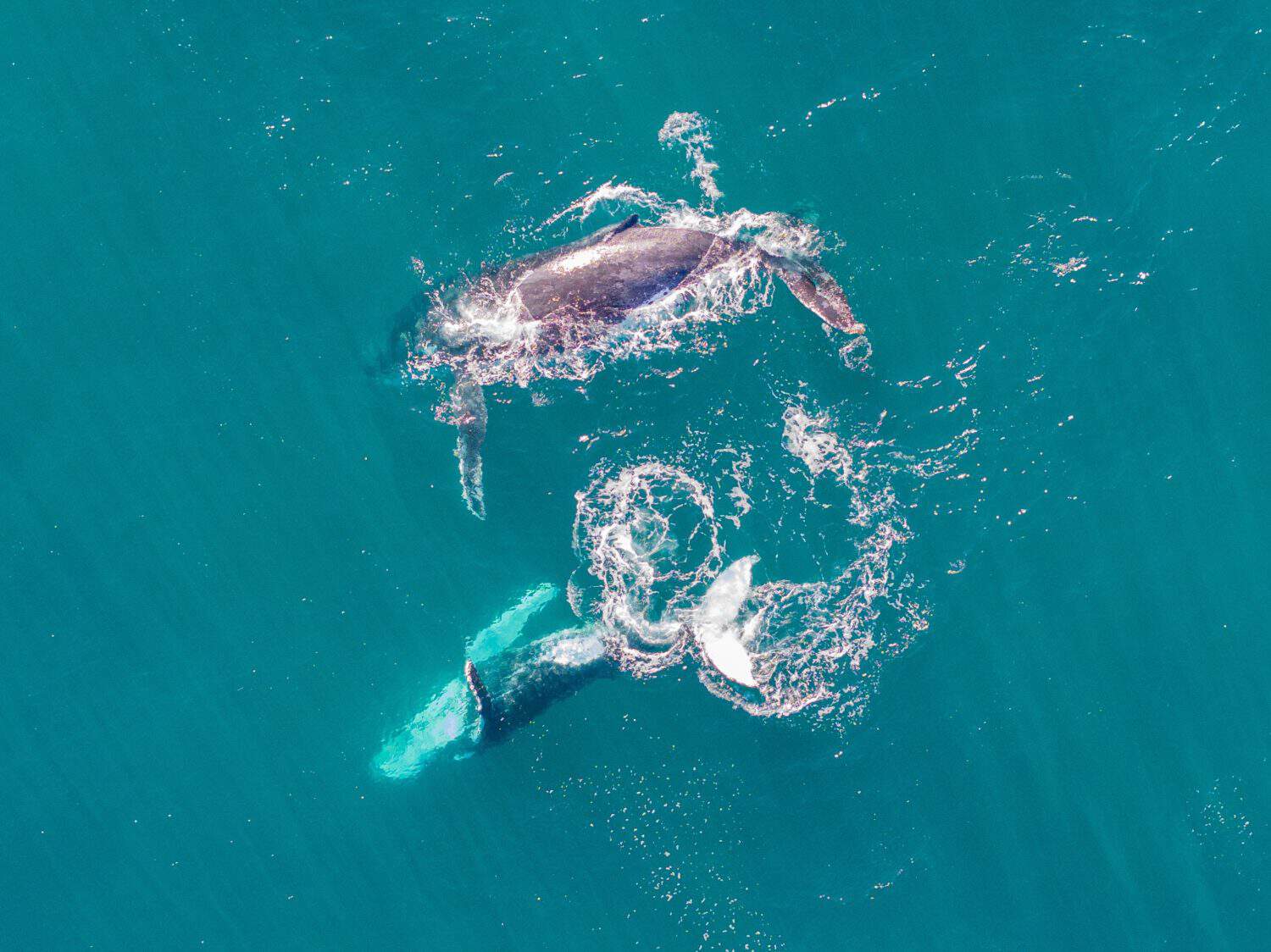
Environmental cues and climate change are the key factors that trigger the eastern humpback whale migration south.
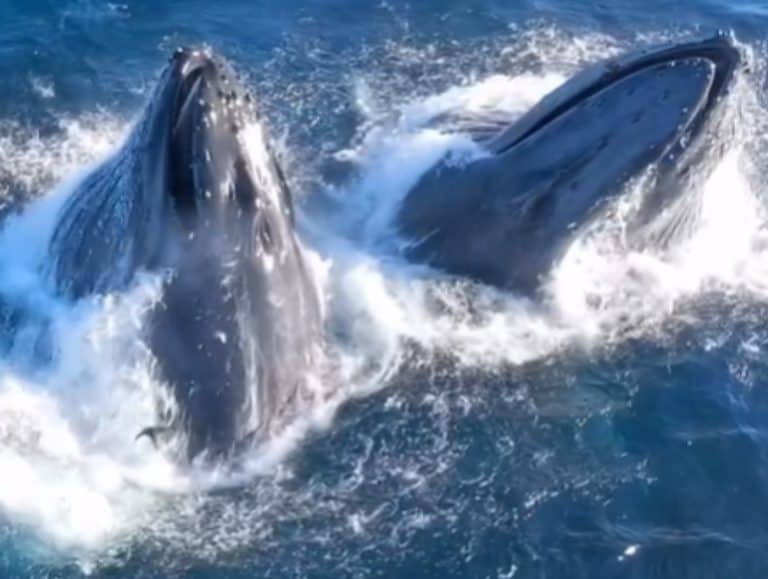
©Hyserb/Shutterstock.com
While shorter days in Australia and cooling waters in the north still play a part in the eastern humpback whale migration south, climate change has altered the timing. Now, instead of starting in October, humpback whales begin leaving Australia in mid-September.
Researchers believe this earlier migration pattern results from sea ice melting earlier in the Antarctic than ever before. To ensure they have enough to eat, eastern humpback whales leave Australia earlier, before the ice has fully melted. While this has not yet negatively affected the eastern humpback whale population, researchers worry that as climate change continues to melt polar ice at an alarming rate, it is only a matter of time before birth rates decline, and with them, the eastern humpback whale population as a whole.
Humpback Whales Will Not Eat During Migration
Given that humpback whales travel thousands of miles on their journey from Australia to the Antarctic, it would be logical to believe that these massive whales need to eat a fair amount of food as they travel. However, this is not the case. Humpback whales do not eat at all until they reach their final destination.
The warm Australian waters are an ideal place for humpback whales to give birth to their young. Young whales, which have not yet developed thick layers of blubber, have time to nurse and grow before making the journey to the much colder Southern Ocean.
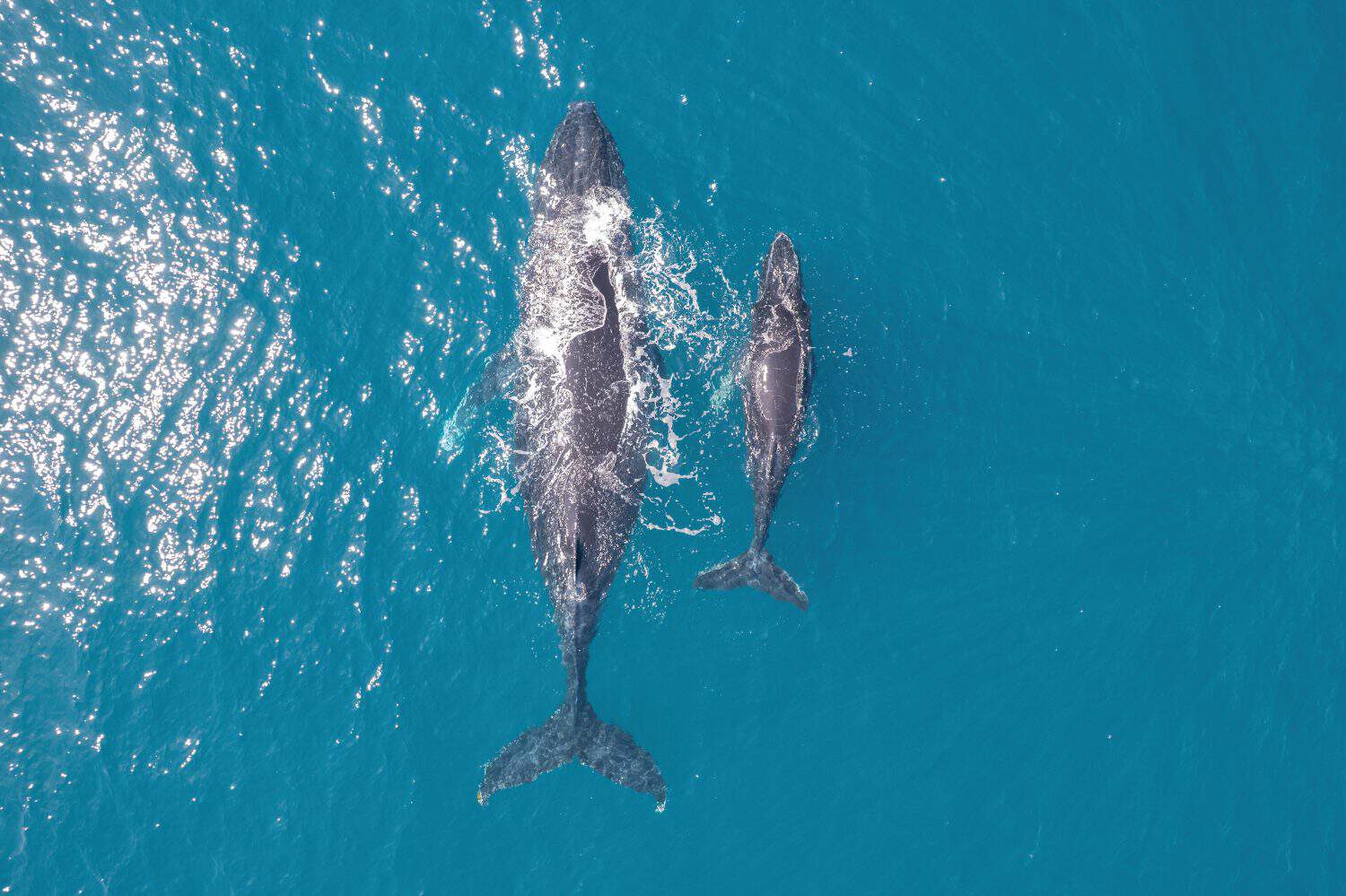
Eastern Australian humpback whales will not eat while migrating.
©Hyserb/Shutterstock.com
There is a trade-off to living in this habitat for several months: there is less food available than in the Antarctic. Therefore, adult whales do not have the same feeding opportunities as they would with upwelling in the colder waters. Consequently, to make the long journey, humpback whales need to conserve their fat reserves.
Fasting allows humpback whales to do just that. In addition, not feeding during migration prevents fights over scarce prey and minimizes exposure to predators.
By the end of their migration, humpback whales may have lost up to eight tons of blubber. Consequently, they need to feed as soon as they reach the Southern Ocean to restore their fat reserves, ensuring they have enough energy for the return migration to Australia.
Eastern Australian Humpback Whale Population Has Seen a Massive Population Recovery
This year marks one of the strongest Australian humpback whale migrations. With an estimated 50,000 individuals making the journey from Australia to the Southern Ocean, these whales are not currently under threat of extinction. However, just over 60 years ago, the circumstances were significantly different. Without strict bans, eastern Australian humpback whales likely would not exist today.
Humpback whales had large populations during the 19th century. This changed dramatically due to commercial whaling and improved hunting technology. By the 1960s, there were only an estimated 150 humpback whales left off the coast of Australia.
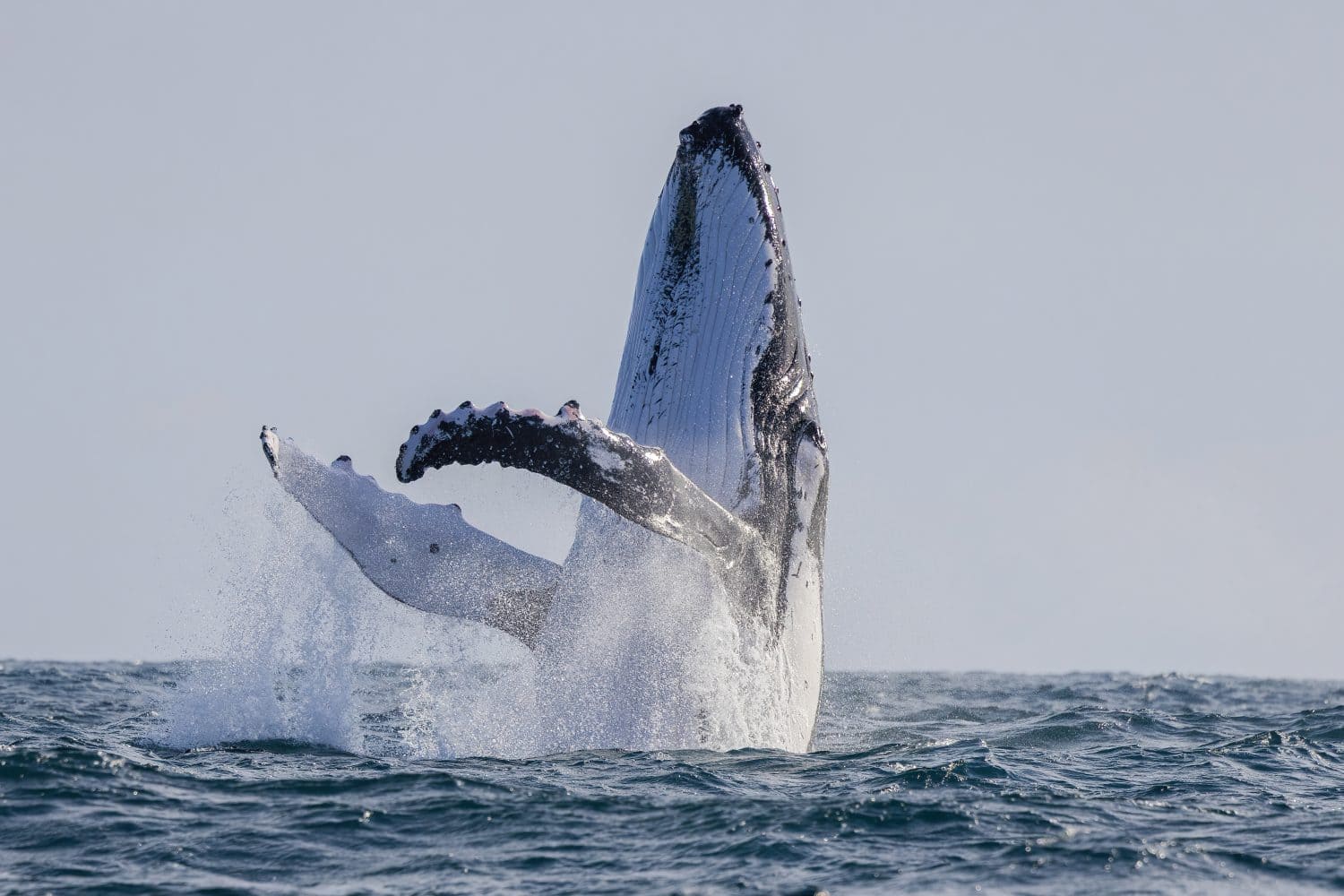
Eastern Australian humpback whales have made a massive population comeback since almost going extinct in the 1960s.
©Hyserb/Shutterstock.com
In 1963, the International Whaling Commission banned all whaling in the Southern Hemisphere. This ban did not mean the Australian humpback whales were out of danger, though. It took decades for the population to reach 1,000 strong. But then, a dramatic increase began in the late 1990s and continued into the early 2000s, leading to 50,000 Australian humpback whales today and an estimated 60,000 in the coming years. If this continues, the population will be larger than it was before commercial whaling began.
Thanks to efforts to save the Australian humpback whales, their annual migration can now be witnessed along what is known as the Humpback Highway. This is an event that would not be possible today if conservation efforts had not been made decades ago to save the Australian humpback whale from extinction.