
Quick Take
- Cats are widely considered more heat-tolerant than dogs, yet vets are seeing a very different pattern this summer, and the reason changes how you should watch your pet. See the surprising pattern →
- The early symptoms of heat crisis in a cat look almost identical to everyday restlessness, and that similarity is precisely what makes waiting so dangerous. Spot the warning signs →
- Dogs and cats don't face the same heat risks, and treating them as if they do could cost you the window to act. Understand the distinct risks →
- City sidewalks reach temperatures most pet owners never think to check, and the damage can begin well before any visible sign of distress appears. Learn about urban heat dangers →
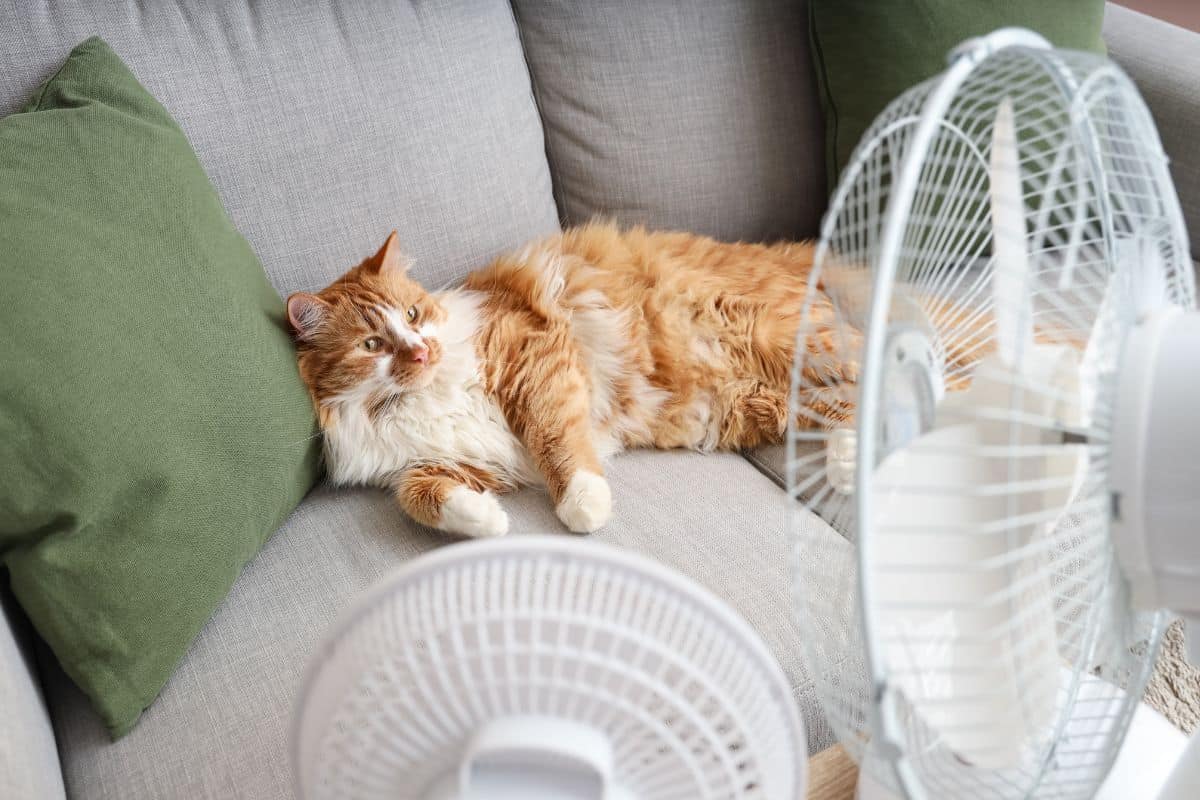
Inside an apartment near Paris, a young overweight cat named Cléo begins to show signs of distress. She pants, drinks little, and grows agitated. To an untrained eye, these symptoms might seem minor. But for veterinarian Rodolphe Lesauvage, summoned in the middle of a heatwave, every minute counts.
Lesauvage checks Cléo’s temperature, rules out other illnesses, and quickly sets up an IV to rehydrate her. Without swift action and a crash course in heatwave prevention for the owner, things could have turned tragic.
Why Heat Hurts More Than You Think
“If we hadn’t intervened and explained prevention for this type of cat, it’s very likely that, within 24 hours, her temperature would have continued to rise, her respiratory effort would have worsened, and complications could have occurred,” says Lesauvage, who works with Vetoadom. As body temperature spikes, organs begin to falter. Lesauvage warns, “You can see severe hemorrhagic diarrhea, abdominal hemorrhage, even cardiac arrest.”
This summer, as historic heat grips France and much of Europe, the crisis extends far beyond cats. Rabbits, horses, even birds many animals are suffering as heatwaves become more frequent in the era of climate change. Veterinary clinics are seeing it first-hand: a surge of emergency visits triggered by soaring temperatures.
Unexpected Victims and Hidden Risks
Cats, generally thought to be resilient, now make up a growing share of patients. Unlike dogs, whose heatstroke tends to occur in the early days and after exertion, cats face a slower, more insidious danger. “For cats, it’s about duration: several days of heat and a gradual dehydration,” Lesauvage observes. In Île-de-France, where the mercury reached 104°F and higher, these patterns are becoming alarmingly common.
Dogs tend to suffer most during walks and car rides. On city streets, concrete can reach 140°F, scorching paw pads in minutes. The risky combination of urban heat and limited shade puts pets in jeopardy before owners realize what’s happening.
Spotting a Crisis in Time
The symptoms can be subtle at first, then suddenly severe. A dog pants excessively, drools, gums pale, growing disoriented, it’s the classic heatstroke cascade. Immediate action is essential: move the dog to a cool area, wet its extremities, and wrap its body in a damp towel. If there’s no quick improvement, the next step is urgent veterinary care.
The story of Cléo serves as a reminder, heatwaves don’t just threaten people. They upend the rhythms of the animal world, revealing how quickly risk can go unnoticed. Protecting pets in a warming world may demand new habits, and a lot more vigilance, than we ever expected.