
Quick Take
- One of these spots bans traditional boats entirely, and the reason hiding beneath the surface explains why. See why boats are banned →
- Wading one of these rivers can turn deadly in minutes, and the threat has nothing to do with wildlife or current. Read the dam release warning →
- Tennessee's only natural lake owes its existence to a disaster so extreme it briefly reversed the flow of the Mississippi River. Discover Reelfoot's origins →
- The best summer fishing window at most of these spots is far shorter than most anglers plan for, and timing it wrong means going home empty-handed. Learn the summer fishing window →
Summer fishing in Tennessee offers numerous opportunities to cast a line on countless rivers, cold tailwaters, and vast reservoirs. Anglers beat the midday heat by fishing for largemouth bass, smallmouth, and catfish during early mornings and late evenings, while cold tailwater rivers also provide a cool escape and steady trout fishing. Continue reading to discover some of the best fishing holes in Tennessee.
Kentucky Lake
Kentucky Lake is one of the largest reservoirs east of the Mississippi River, spanning over 160,000 acres along the Tennessee-Kentucky border. In summer, anglers troll for bass and spawning catfish. Boaters enjoy vast open waters and full-service marinas, while shore anglers can use accessible dam areas and bridges.
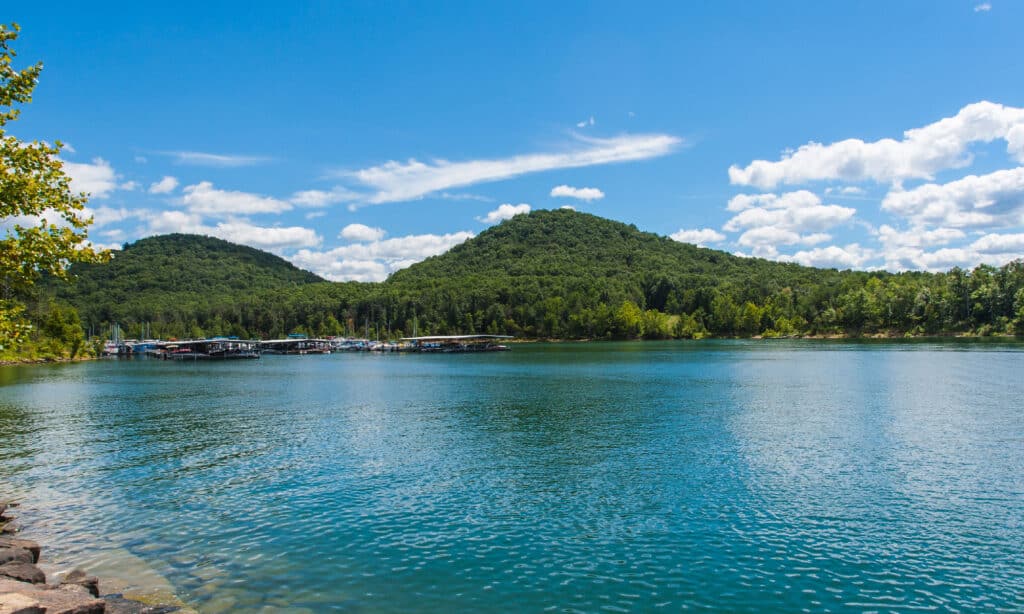
The Tennessee Valley Authority (TVA) completed construction of Kentucky Dam in 1944 on the Tennessee River. The dam itself is located in Grand Rivers, Kentucky.
©Irina Mos/Shutterstock.com
Because they maintain naturally sustainable, high-density populations, game fish like largemouth bass, crappie, bluegill, and catfish are generally self-sustaining and are only occasionally supplemented through stocking as needed. However, striped bass, which require free-flowing water to spawn (reproduce), and sterile hybrid striped bass are regularly stocked by both the Kentucky Department of Fish & Wildlife Resources (KDFWR) and the Tennessee Wildlife Resources Agency (TWRA).
Douglas Reservoir
Douglas Reservoir, located in the foothills of the Great Smoky Mountains, has a surface area of 30,600 acres and 555 miles of shoreline. Looking out across the lake, you’ll see homes, farmland, and rolling hills.
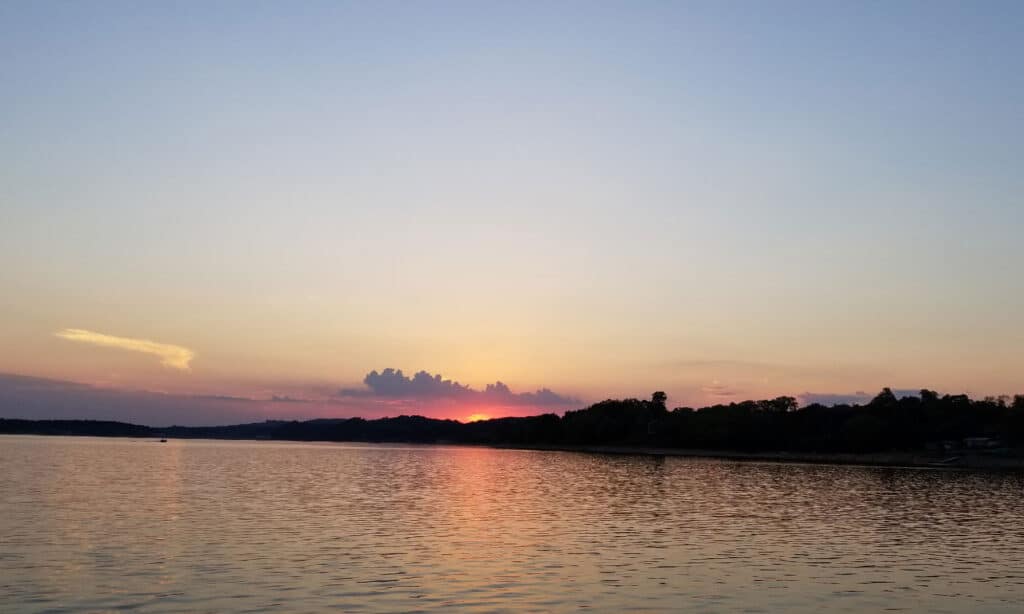
The Tennessee Valley Authority rushed construction of Douglas Dam to generate critical power for World War II industries, specifically aluminum production and uranium enrichment for the Manhattan Project at nearby Oak Ridge, Tennessee.
©Litta_Seal/Shutterstock.com
In the summer, the warmer water temperatures in the heat of the day drive fish like largemouth bass, smallmouth bass, and crappie into deeper areas of the lake. Boaters can access the main channel and deep coves from full-service docks and public ramps. Professional fishing guide services and charter boats also operate on Douglas Reservoir. During the hours around dawn and dusk, shore-bound anglers can fish from campgrounds and designated public areas near the dam.
Reelfoot Lake
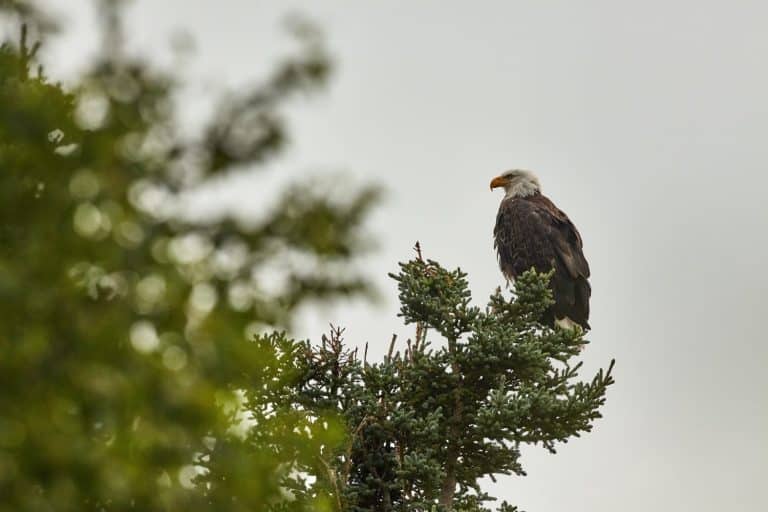
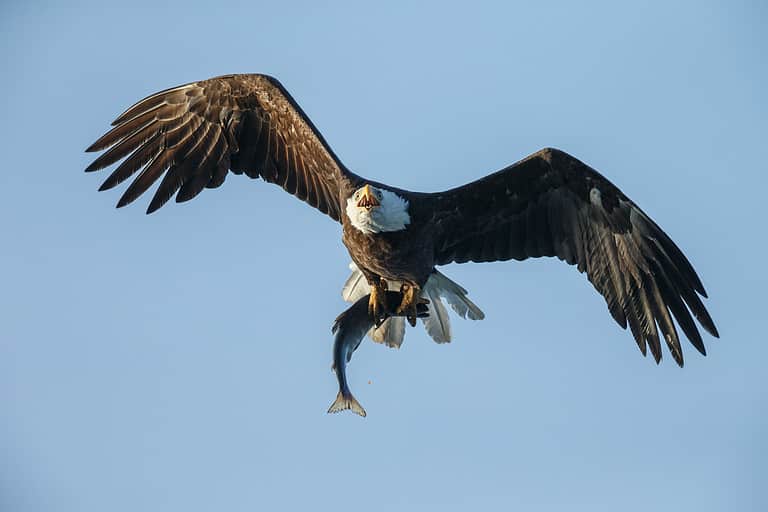
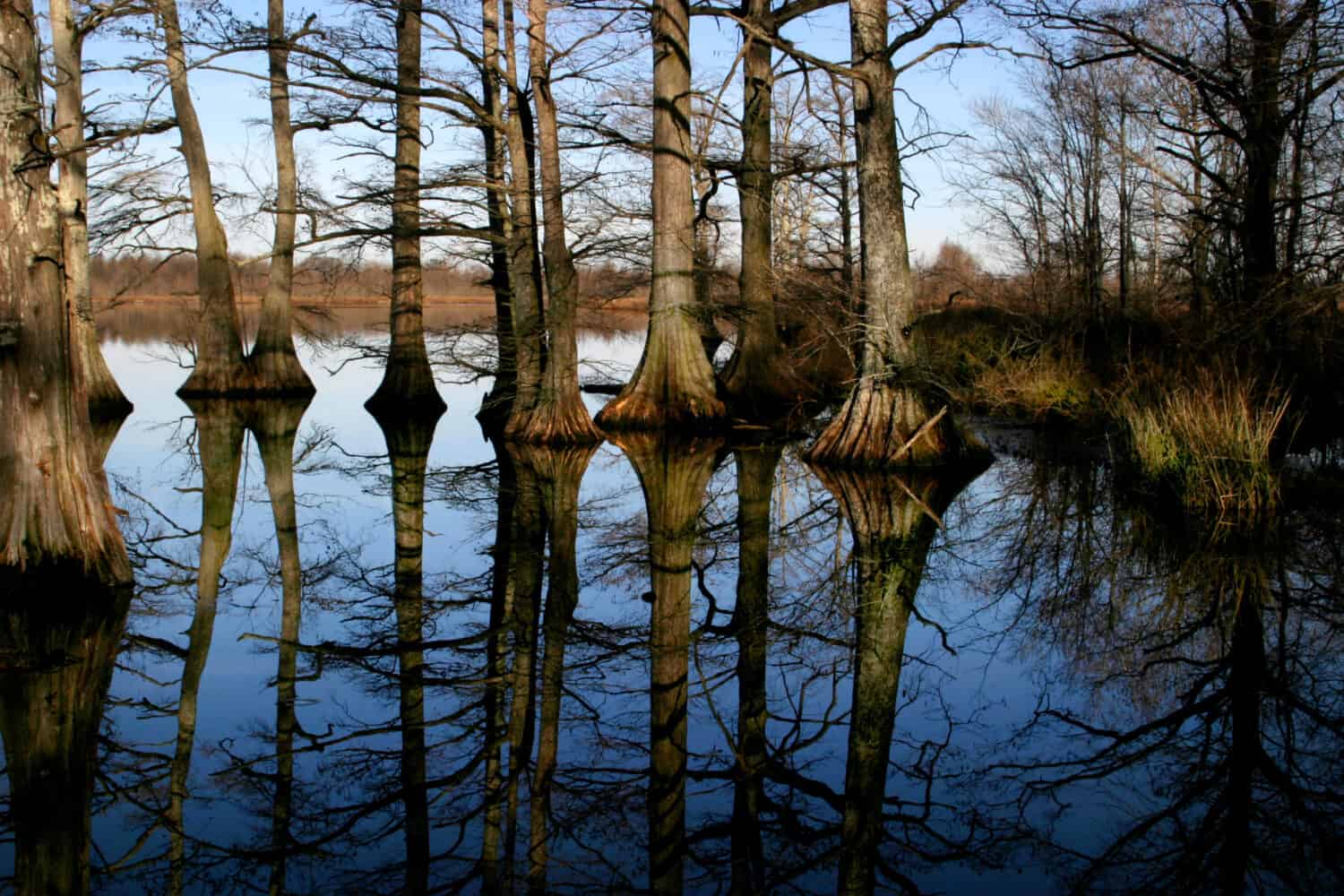
At Reelfoot Lake, in the northwest corner of the state, anglers can cast a line for bluegill, crappie, catfish, and largemouth bass. Because the shallow water is filled with submerged cypress stumps, traditional large or fiberglass boats are discouraged. Instead, visitors favor small johnboats, canoes, and kayaks navigated with caution. Shore options include accessible piers, banks, and boardwalks. Although Reelfoot Lake is internationally famous for its massive winter gatherings of bald eagles, the lake also hosts a year-round resident population of roughly 30 eagles alongside numerous permanent nesting pairs.
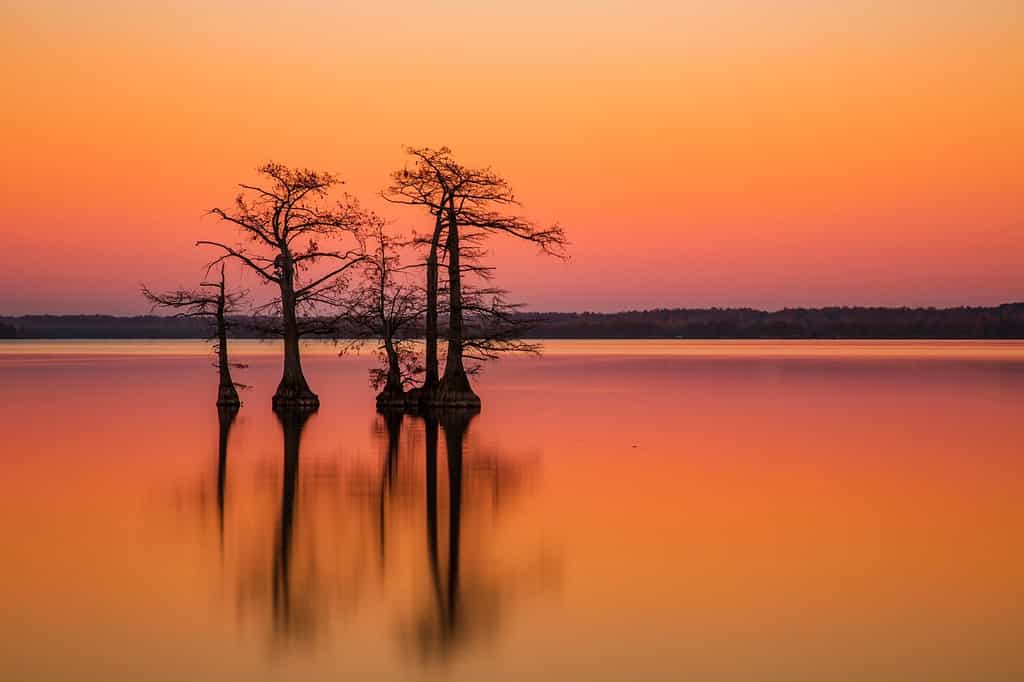
Reelfoot Lake is Tennessee’s only large natural lake, formed by the powerful New Madrid earthquakes of 1811 and 1812, which briefly made the Mississippi River flow backward.
©kwan tse/Shutterstock.com
During the winter of 1811–1812, a series of powerful earthquakes caused the bottomland forest basin to sink by several feet. The Mississippi River’s flow was temporarily disrupted, and water gradually filled the newly formed depression, drowning the cypress forest and creating Reelfoot Lake
Pickwick Lake
Pickwick Lake is a 43,000-acre reservoir on the Tennessee River spanning Tennessee, Alabama, and Mississippi. In the summer, anglers can cast a line for smallmouth, largemouth, white, and spotted bass, catfish, and bluegill from boats and the shore. The Tennessee River was impounded by the Pickwick Landing Dam to create the lake. The dam was constructed in the 1930s by the Tennessee Valley Authority (TVA), stretching nearly 1.5 miles across the river.
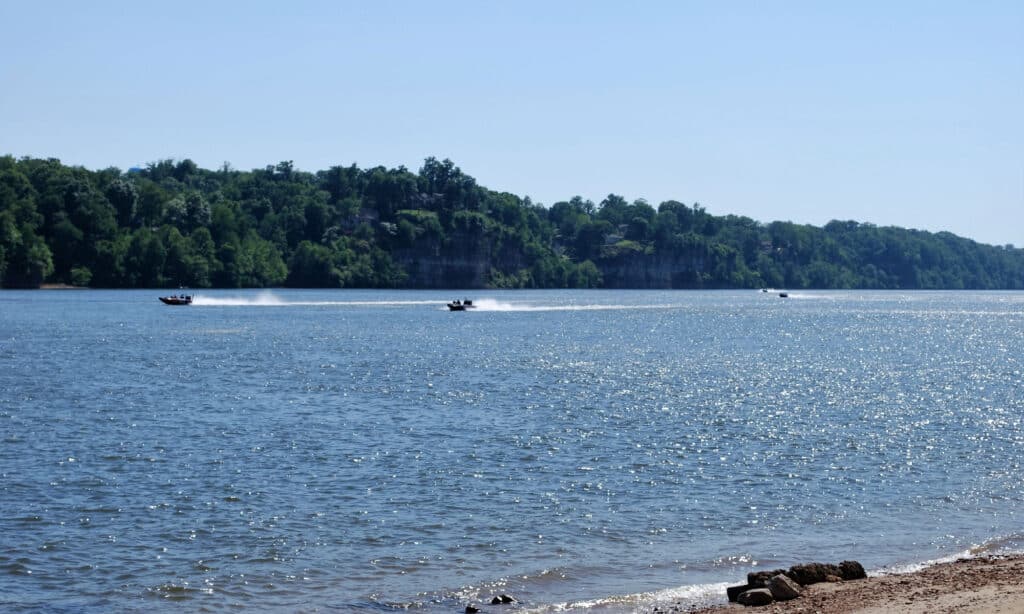
Besides fishing, Pickwick Lake is popular for powerboating, water skiing, sailing, and kayaking.
©unageo09/Shutterstock.com
Cherokee Reservoir
Cherokee Reservoir stretches 59 miles along the Holston River in East Tennessee. In summer, anglers fish for largemouth and smallmouth bass, striped bass, hybrid stripers, crappie, and catfish. Like other reservoirs in Tennessee, Cherokee Dam was built by the Tennessee Valley Authority (TVA). Construction began in 1940 and was completed just 16 months later to generate hydroelectric power and provide flood control during World War II.
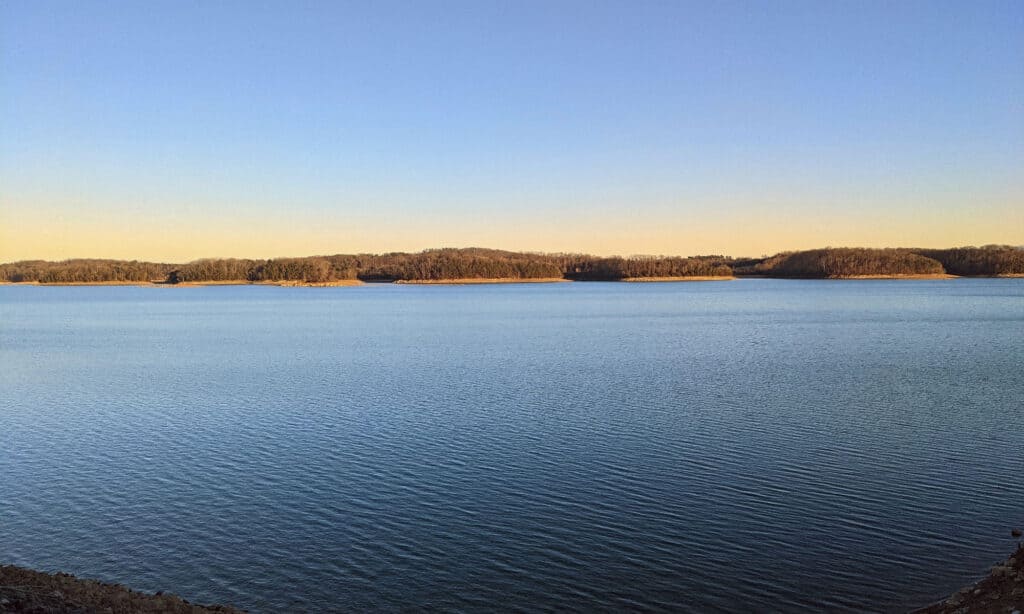
Cherokee Reservoir has 30,300 acres of surface area.
©Victoria Strom/Shutterstock.com
Boone Lake
Located in East Tennessee, Boone Lake is a 4,520-acre reservoir on the South Fork Holston River. The lake offers splendid summer fishing for largemouth bass, smallmouth bass, striped bass, hybrid striped bass, and catfish. Summer anglers have the most success during early mornings or late evenings. Boating is popular, and the lake supports seven public ramps and eight marinas. Shore access is limited by private development, though there is a public fishing pier at Devault Bridge near Winged Deer Park.
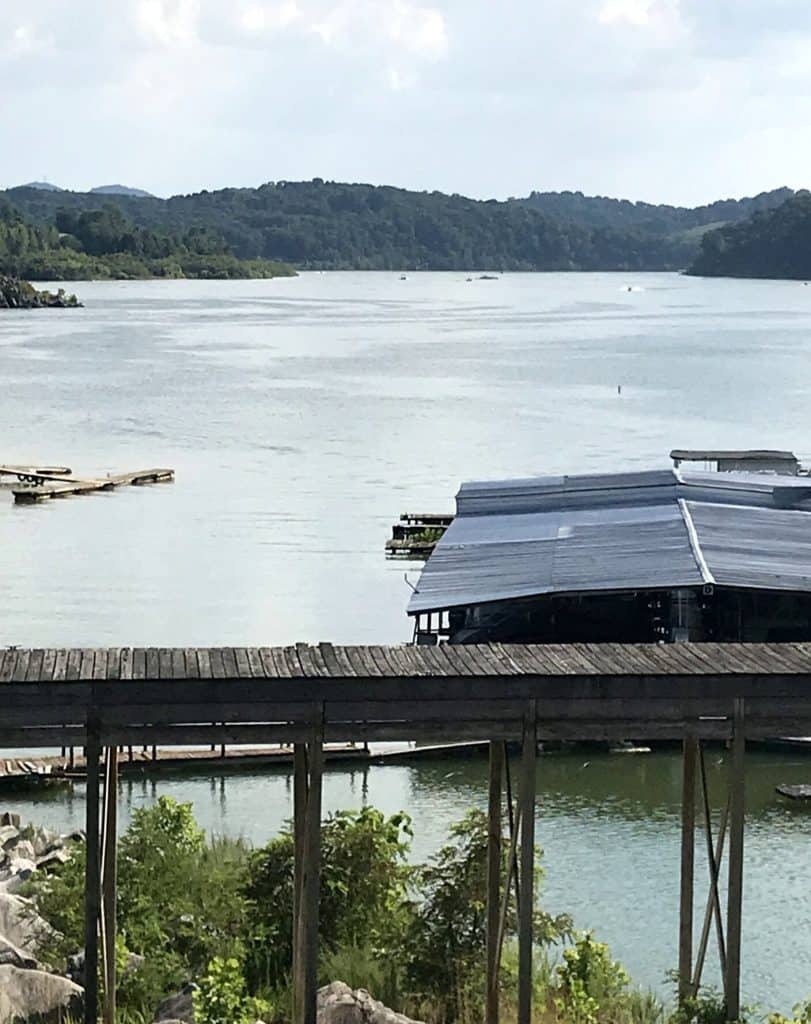
Boone Lake is named for frontiersman Daniel Boone, who frequently hunted, trapped, and explored the area in the late 1700s.
Center Hill Lake
Center Hill Lake is in Middle Tennessee, approximately 60 miles east of Nashville. During the hot summer months, fish shift to deeper patterns, prompting anglers to target smallmouth and largemouth bass, walleye, catfish, crappie, and trout around deep river channels, ledges, and the cooler tailwaters of the dam.
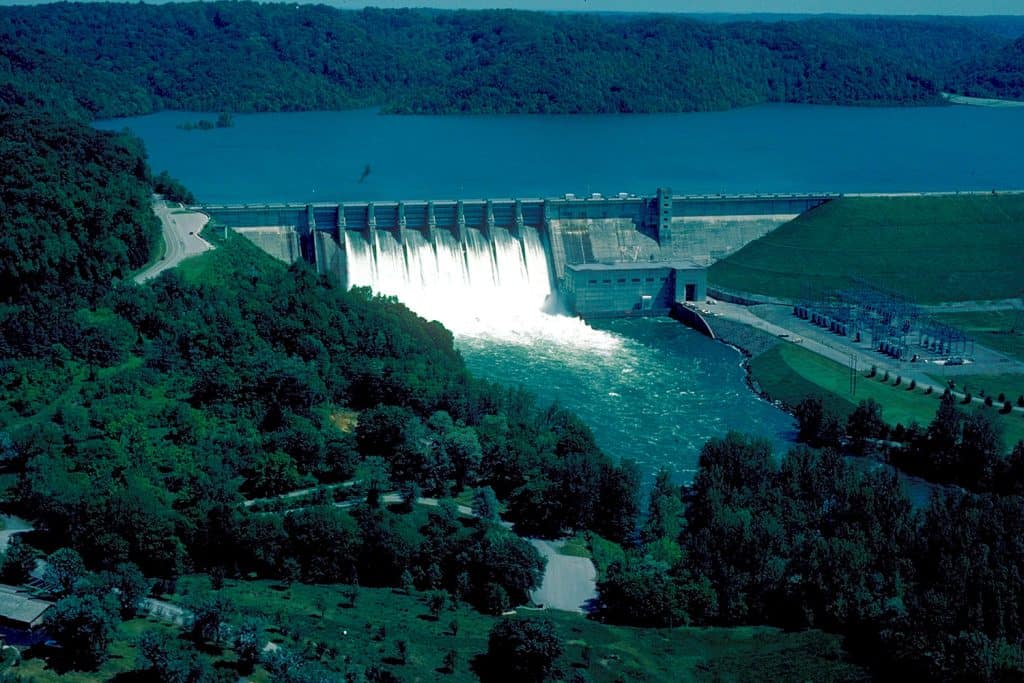
Begun in 2005, the Center Hill Dam safety rehabilitation project was officially completed in July 2020.
Boats are the best way to experience Center Hill Lake, as its deep coves and 415 miles of shoreline are primarily built for watercraft. However, there are excellent spots to fish from the shore, although Center Hill Lake’s steep, rocky terrain can make random bank access difficult.
Center Hill Dam was constructed between 1942 and 1948, impounding the Caney Fork River for flood risk management and hydroelectric power generation. Since its completion, the dam is estimated to have prevented over one billion dollars of flood damage.
Tellico River
Summer fishing on the Tellico River in southeastern Tennessee focuses heavily on the cool upper headwaters and stocked trout waters up to the North Carolina state line. Anglers target rainbow, brown, and native brook trout.
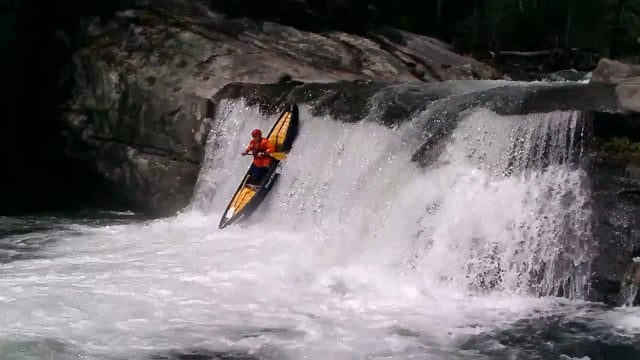
Although Tellico River is a shore-fishing destination, its whitewater is popular with kayakers and canoers
Shore fishing is the primary method of fishing the Tellico River, as the upper river is a fast-flowing, shallow mountain stream filled with rocks and boulders. Anglers wade directly into the water or fish from the bank. Downstream at Tellico Lake, the river widens into a massive, deep impoundment perfect for bass boats, pontoon boats, and other recreational watercraft.
Caney Fork River
Summer fishing on the Caney Fork River in Middle Tennessee offers cool, rewarding tailwater action. Located just east of Nashville, below Center Hill Dam, the cold, crystal-clear releases support abundant stocked rainbow, brown, and brook trout, as well as smallmouth bass.
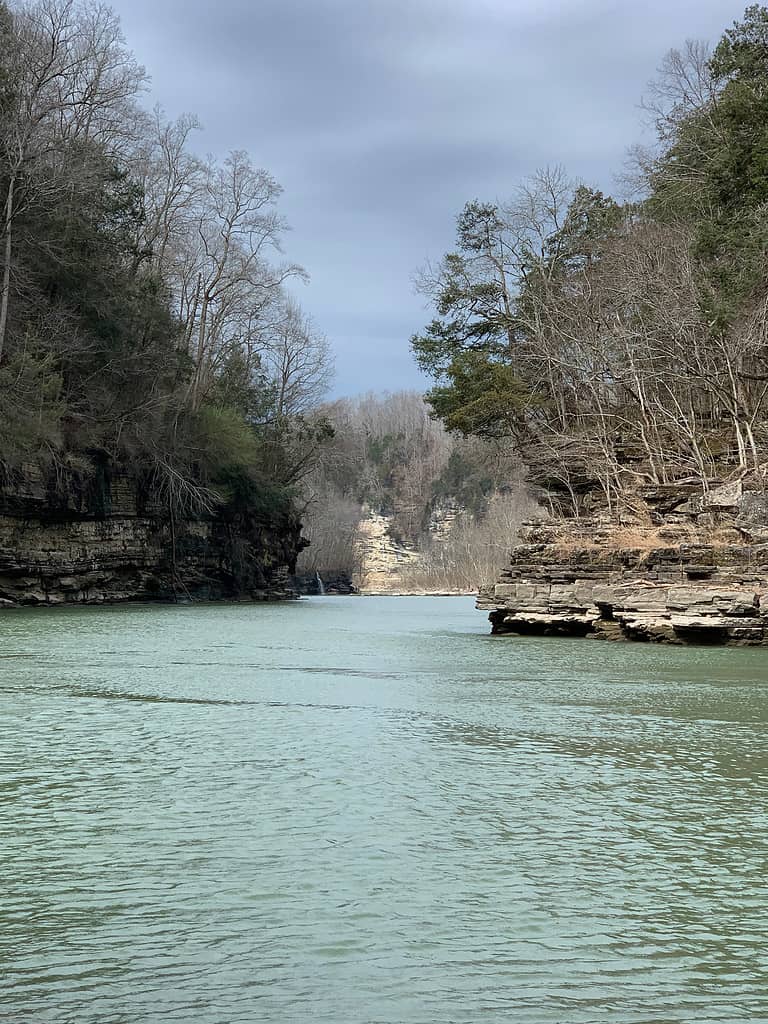
Knowing the generation schedule for Center Hill Dam is critical for angler safety and fishing success because the water can rise several feet in just minutes.
©The Roaming Dad/Shutterstock.com
Fishing by boat is the best choice on the Caney Fork River because it allows anglers to safely cover miles of water regardless of whether Center Hill Dam is releasing water. Bank fishing and wading offer excellent opportunities, but they are strictly limited to periods of zero water generation. When the generators are turned on, the water rises rapidly and dangerously, which means bank anglers must immediately exit the river, whereas drift boats and kayaks can simply float through the high-water flows.
Duck River
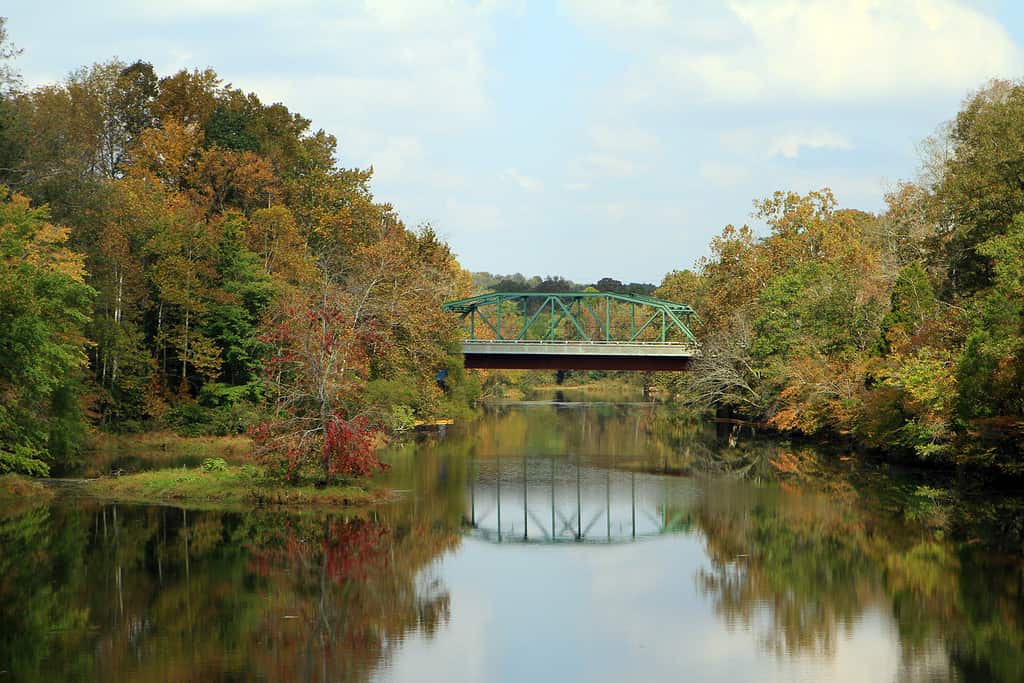
The Duck River flows 284 miles through Middle Tennessee before emptying into the Tennessee River near New Johnsonville. During the summer, the Duck River affords fabulous fishing for smallmouth bass, largemouth bass, spotted bass, rock bass, channel catfish, and stocked rainbow trout near the river’s tailwaters.
©KennStilger47/Shutterstock.com
Both boat and bank fishing offer excellent success on the Duck River. Bank fishing is perfect for wading and catching smallmouth bass or trout. To cover more area and cast a line for deep-water catfish and largemouth bass, a kayak or canoe is ideal.
Although motorboats are allowed on the Duck River, navigating the river requires careful attention to river conditions, especially during the summer when the water level is lower, making traditional propeller-driven outboard motorboats prone to striking the river bottom.