Quick Take
- The number one predator of alligator nests isn't a large reptile or apex predator. It's an animal most people would never suspect. Raccoons destroying nests →
- One creature known more for being adorable than deadly has been photographed killing an alligator multiple feet long. Otters killing alligators →
- Alligators face a predator they can never outgrow, and that threat comes from within their own species. Alligator cannibalism explained →
- One non-animal threat wiped out nearly 90% of a local alligator population in under a decade, and hunting had nothing to do with it. Pesticide population collapse →
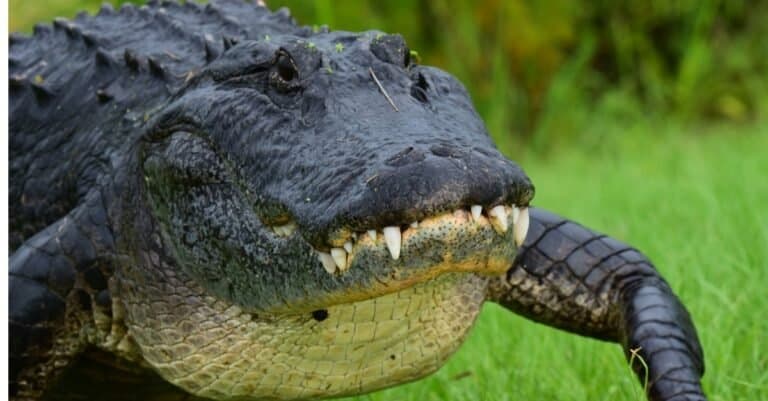
Alligators are fierce predators with rows of razor-sharp teeth and powerful jaws. Adults can grow up to 15 feet long, making them seem invincible. After all, today’s alligator has not changed much since prehistoric times.
But alligators do face natural predators throughout their lives. While the threats change as the alligator grows, there’s still always a risk present.
Here is a list of the biggest threats faced by alligators in the U.S., ranked from the nest stage to adulthood. Some of these may surprise you.
Continue reading
Raccoons

Raccoons are the number one nest predator for alligator eggs.
©Randy Pr/Shutterstock.com
When it comes to alligator eggs, raccoons are public enemy number one. In fact, raccoons are the biggest predators of alligator nests. They use their sharp claws and excellent sense of smell to find the nests, then dig up the freshly-laid eggs. Data from the Florida Fish and Wildlife Conservation Commission suggests that nearly one-third of alligator nests are lost to raccoons.
Other nest predators include wild hogs and black bears, but their numbers are much smaller than those of raccoon attacks.
Birds
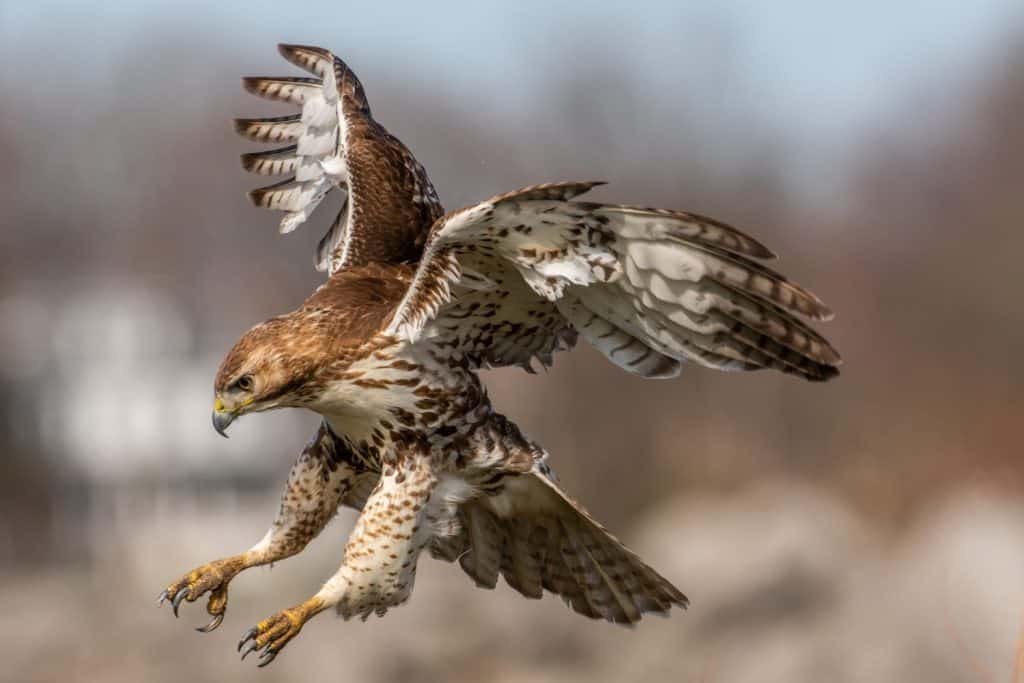
Birds of prey and wading birds, including hawks, owls, herons, egrets, and storks, can threaten alligator hatchlings.
©David Brace/Shutterstock.com
If an alligator hatchling survives and makes it out of the nest, it faces new threats. It is vulnerable to attacks from birds both in the air and in the water.
From the sky, birds of prey such as hawks and owls swoop down to grab the tiny hatchlings as soon as they leave the nest. If the hatchlings make it to the water, herons, egrets, and storks are ready to catch them.
Bobcats
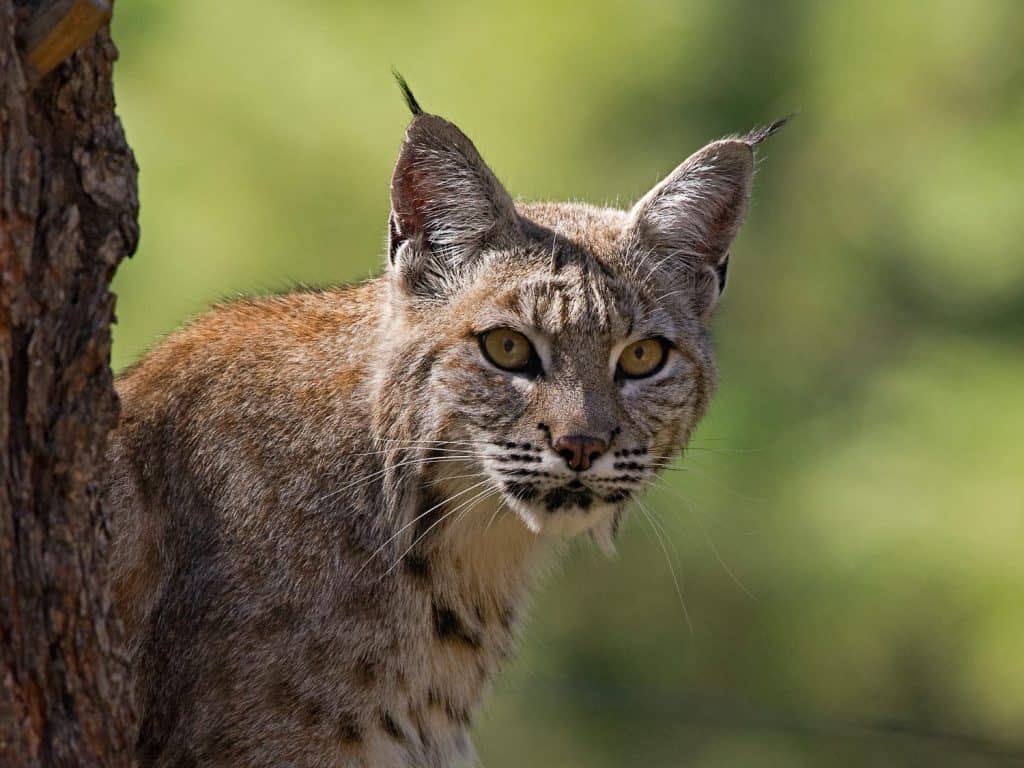
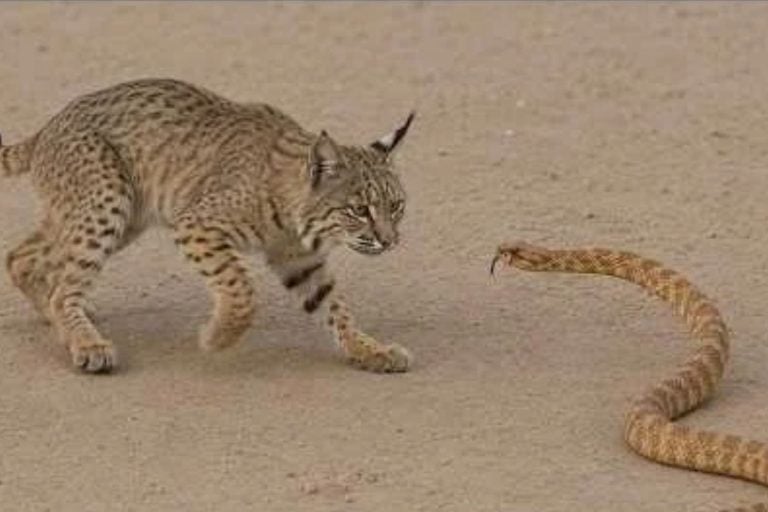
Bobcats have been documented attacking alligators.
©Laurie E Wilson/Shutterstock.com
These stealthy cats pose a threat to eggs, hatchlings, and juvenile alligators. Trail cameras have caught as many as six separate and successful bobcat attacks in South Carolina alone.
River Otters
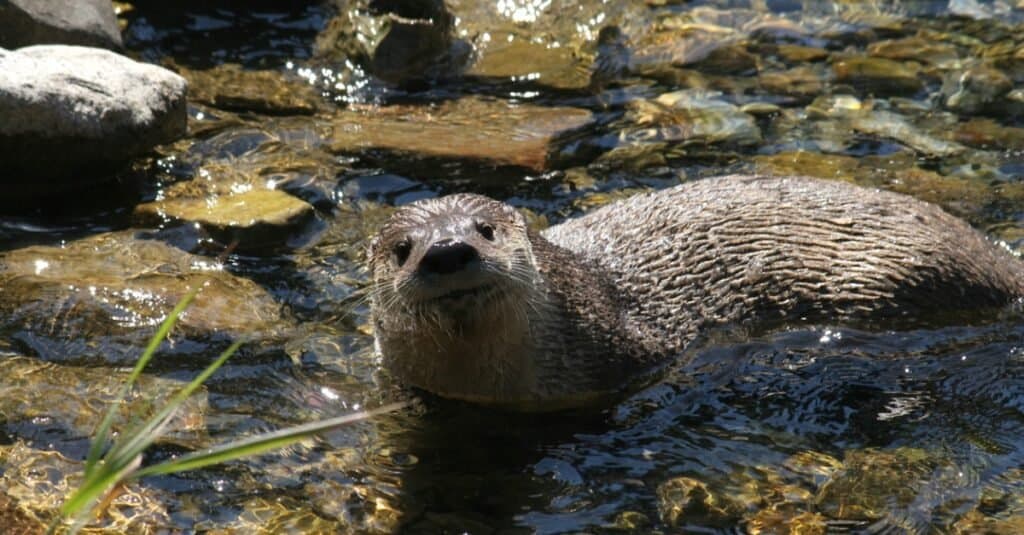
River otters may be cute, but they are also ferocious enough to take down a juvenile alligator.
©iStock.com/MarcQuebec
In Florida, a photographer captured a river otter killing a roughly five-foot-long alligator, believed to be around three to four years old.
Alligator Snapping Turtles
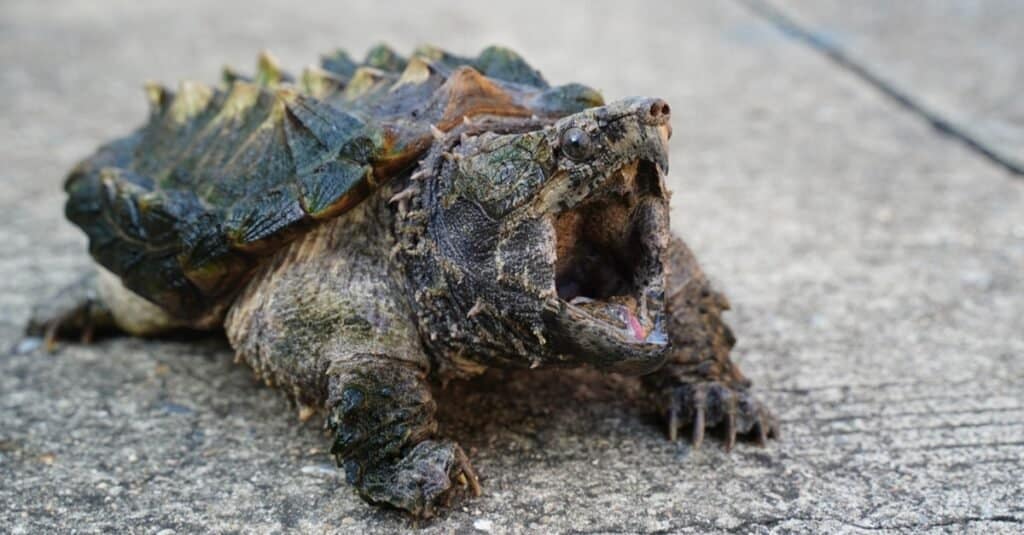
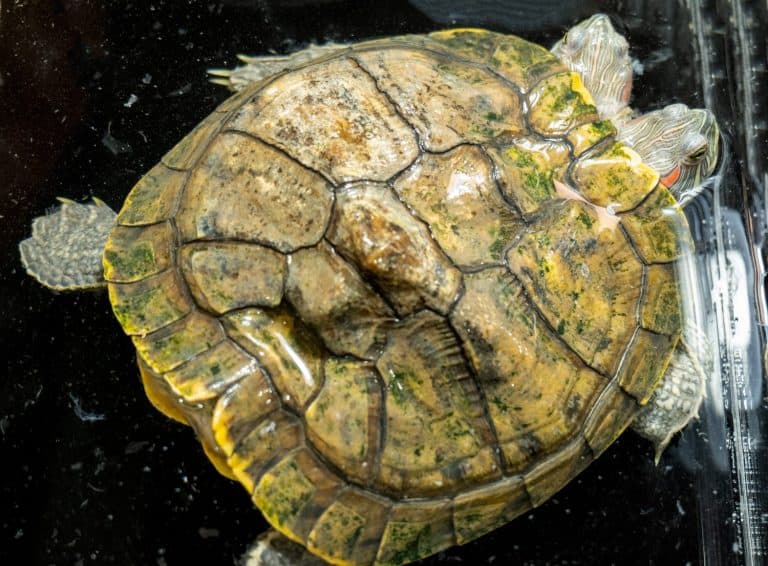
The alligator snapping turtle, though not large, is ferocious and often preys on small alligators.
©Sista Vongjintanaruks/Shutterstock.com
These giant freshwater turtles are primarily carnivorous, eating a varied diet that includes fish, small mammals, birds, other turtles, and some vegetation. However, if a small alligator gets too close, the turtle will readily add it to its diet. According to the University of Florida, these turtles ambush their prey using their worm-like tongue as a lure.
Cottonmouth Snakes

Cottonmouth snakes, also called water moccasins, are another predator for hatchling alligators.
©Paul S. Wolf/Shutterstock.com
These venomous, semi-aquatic snakes regularly eat baby alligators. According to the University of Florida’s Florida Museum, the snake holds the hatchling in its jaws after biting it, then waits for it to die before swallowing it whole.
Fish
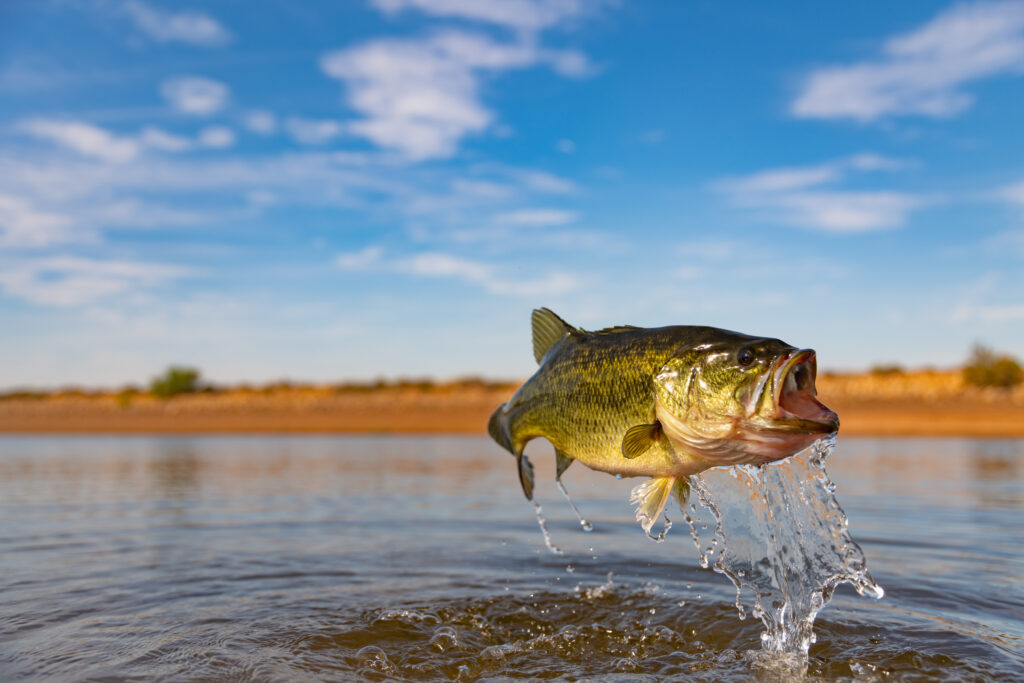
The largemouth bass is the official state freshwater fish of Florida.
©Ryno Botha/Shutterstock.com
As Florida’s official state freshwater fish, largemouth bass share many bodies of inland water with alligators. While the fish won’t make a move to attack a juvenile or adult ‘gator, it has no problem going after a tiny hatchling.
Largemouth bass do not specifically target alligator hatchlings, but as opportunistic feeders, they will eat anything small enough to catch, including hatchlings.
Other Alligators
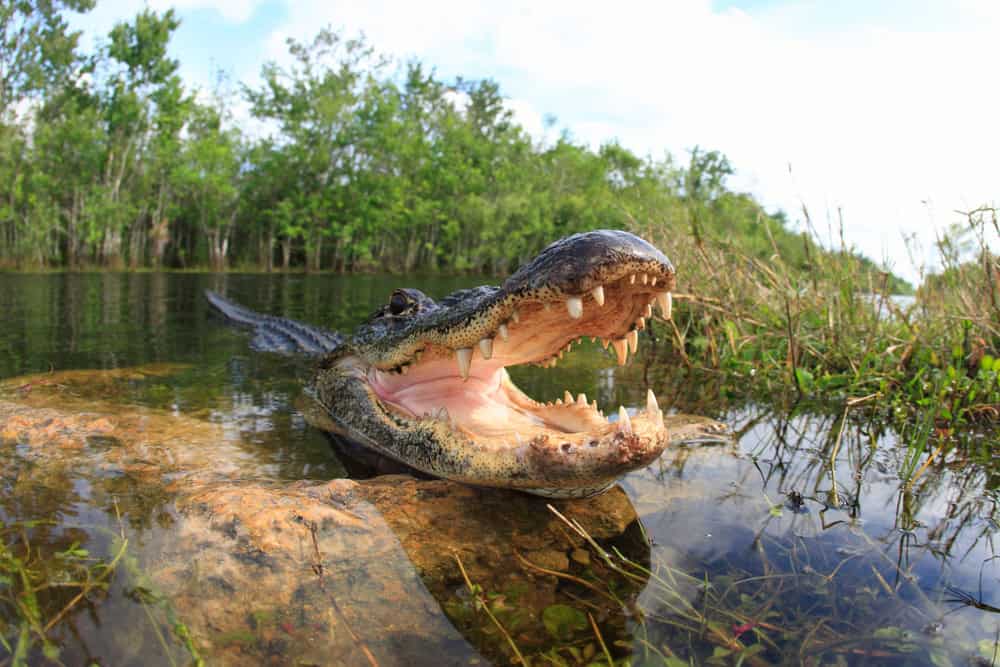
Larger alligators will attack smaller alligators.
©Thierry Eidenweil/Shutterstock.com
Cannibalism is common among alligators, particularly when there is a significant size difference between individuals. According to one study of a Florida lake, cannibalism is responsible for the loss of six to seven percent of juvenile alligators. Nearly all of the juvenile alligators lost were three years old or younger.
The researchers noted that the risk of cannibalism continues until alligators reach approximately 140 cm in length (around 4.6 feet), or between 6 and 8 years of age.
Burmese Pythons
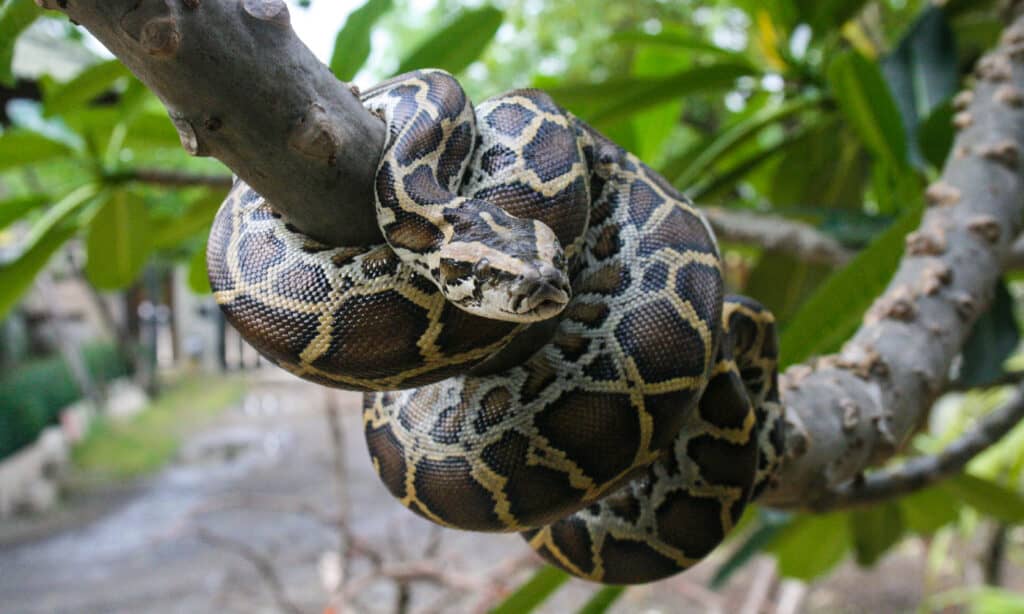
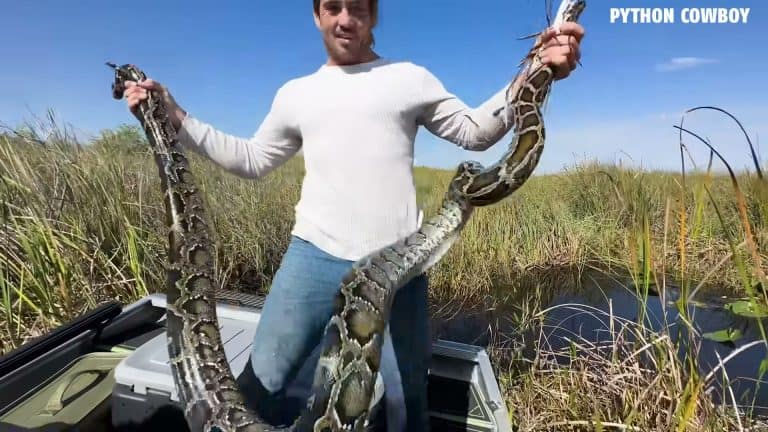
Burmese pythons are among the largest snakes on Earth.
©iStock.com/Lunatic_67
These snakes are an invasive species in Florida. The environment there is suitable for them to grow large enough to attack an adult alligator. However, the snake is not always successful.
University of Florida wildlife professor Frank Mazzotti told NBC News, “Sometimes alligators are going to win and sometimes the python will win.” One case that made the news was the 13-foot python that burst after trying to swallow a 6-foot alligator whole.
Humans
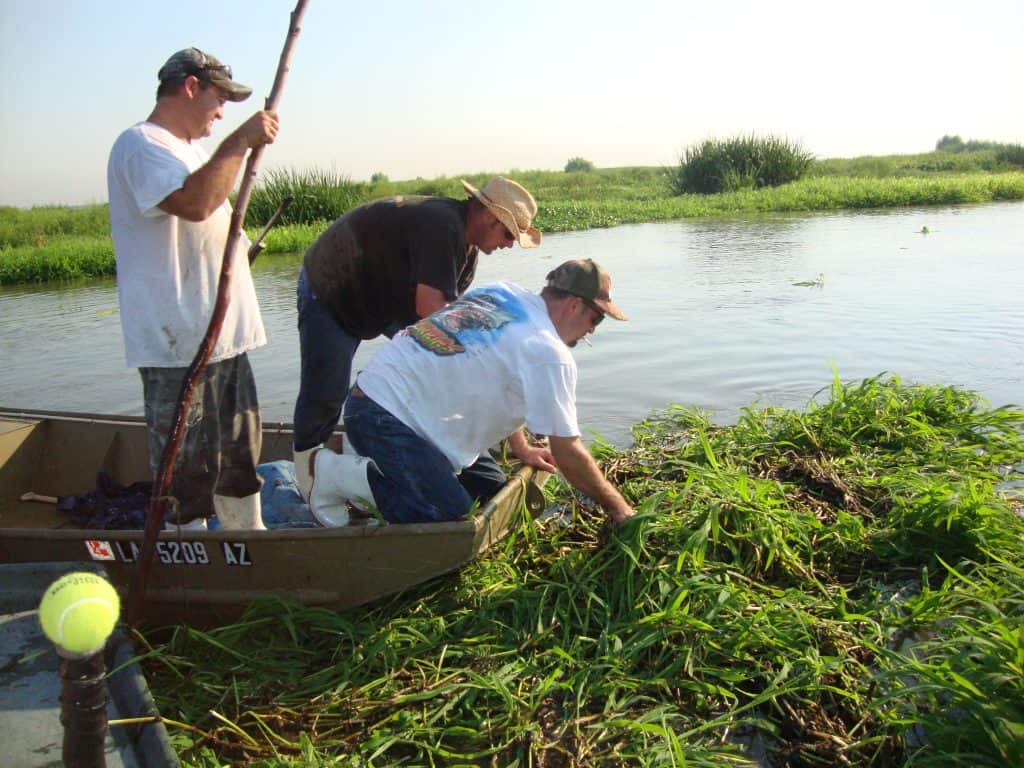
Unregulated alligator hunting drove the species to near extinction in the U.S by the 1950s.
©Mark Gstohl, CC BY 2.0 , via Wikimedia Commons – Original / License
By far, humans are the biggest threat to adult alligators. Alligator hunters were killing thousands of alligators each year before federal protection rules went into place in 1967. Today, regulated hunting is still permitted, but strict limits are in place to protect the species.
Vehicle strikes are another significant cause of adult alligator deaths, especially on roads that pass through wetland areas.
Habitat Loss
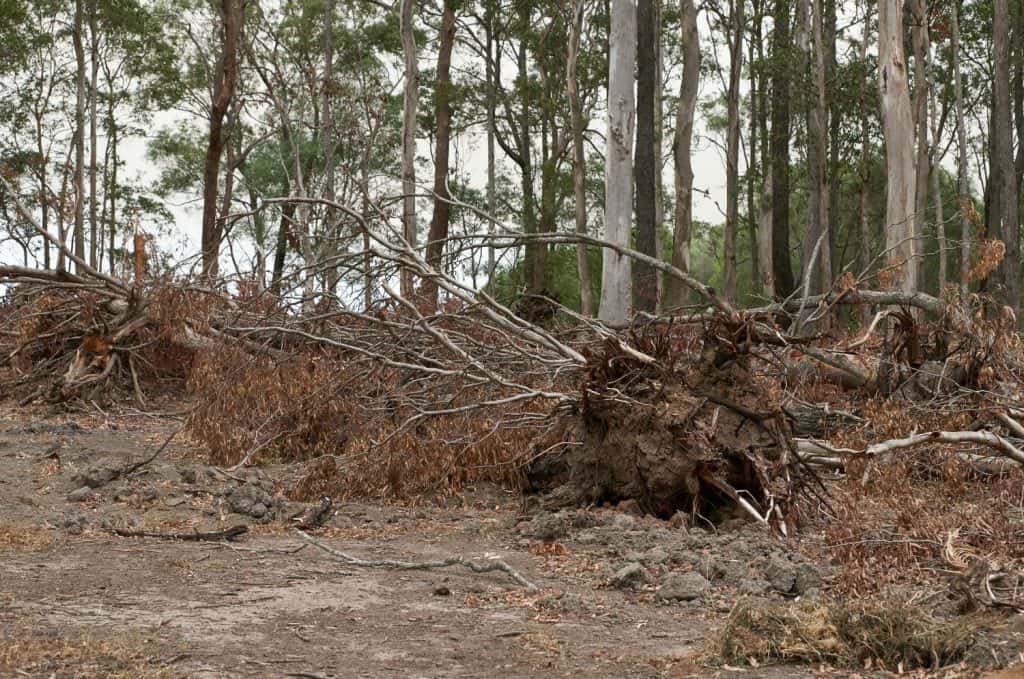
Wetland clearing and development are destroying natural alligator habitats.
©Jude Black/Shutterstock.com
Like many species, alligators are vulnerable to habitat loss. As wetlands are drained and developed, alligator populations suffer, according to the National Wildlife Federation. Even the remaining wetlands, streams, and lakes may not provide ideal habitats for alligators.
Agricultural runoff, including pesticides, into Florida’s Lake Apopka caused juvenile alligator populations to plummet by 90 percent between 1980 and 1987. The alligators that survived experienced reproductive abnormalities and low hormone levels, according to a 1993 study.