
Louisiana is known for its giant gators, but the Marsh Island giant found in 1890 by Edward McIlhenny near the mouth of Vermilion Bay is the absolute champ of large alligators. The animal’s reported length has remained the stuff of legend for more than a century, both within the state and the rest of the country. But just how large was this gator, and have any other Louisiana legends come close in size to this behemoth?
Today, we’ll explore the history of the largest American alligator in Louisiana as well as how the state understands, manages, and safely coexists with these powerful reptiles today. Here’s everything you need to know about the biggest gator ever found in Louisiana.
Louisiana’s Biggest Gator: The Marsh Island Alligator of 1890
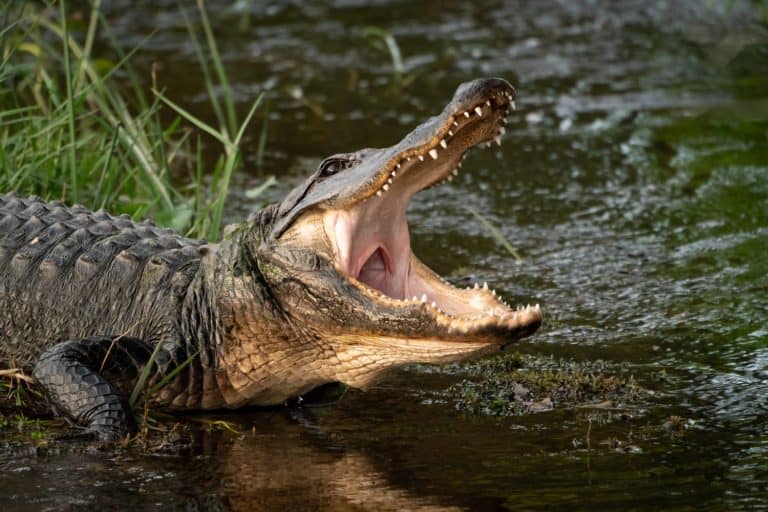
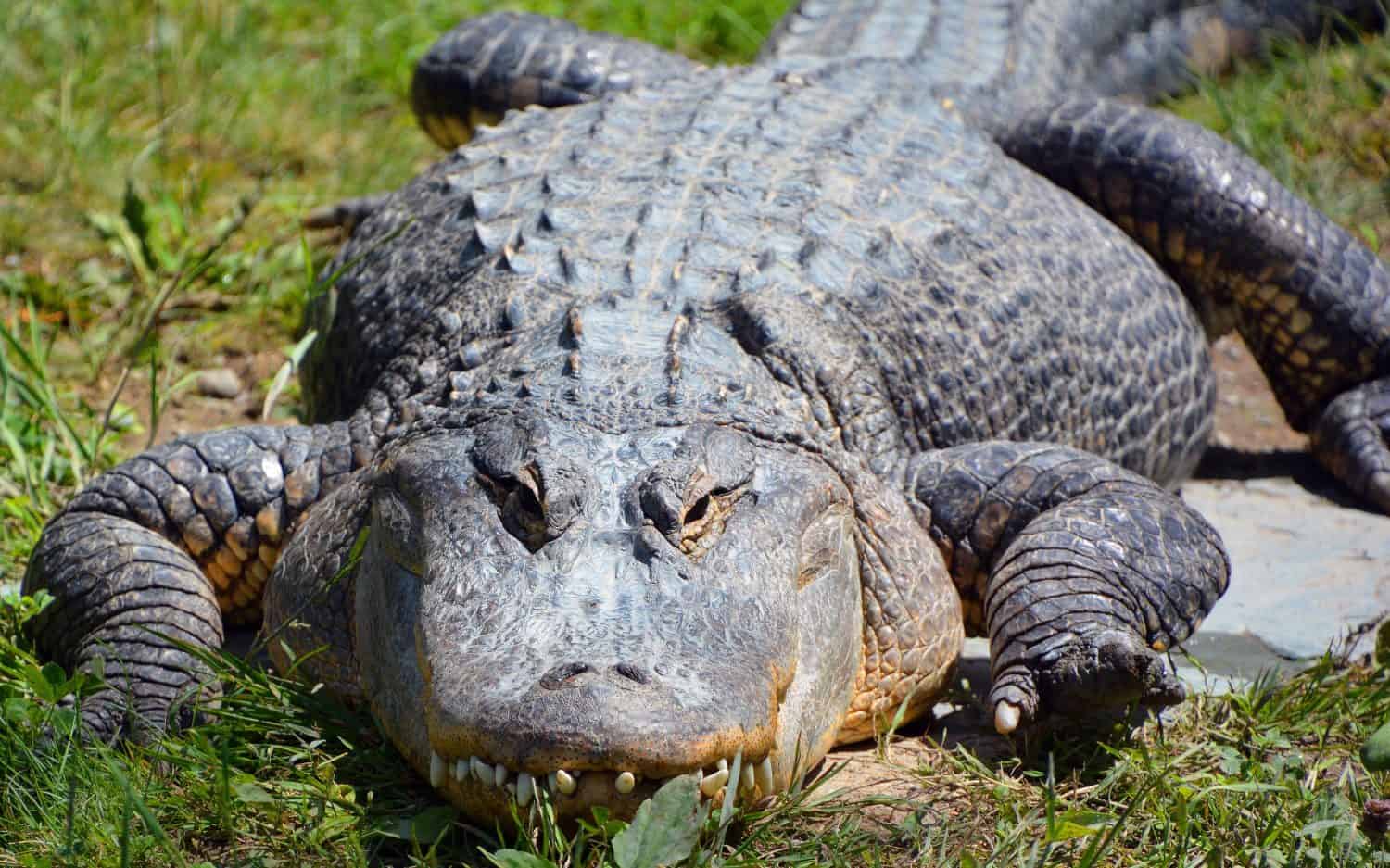
Louisiana’s biggest alligator was over 19 feet long.
©SomervilleArts/Shutterstock.com
The largest gator ever found in Louisiana was discovered on Marsh Island, with the catch credited to Edward “Ned” McIlhenny. How big was it? The figure most often repeated is 19 feet 2 inches, an almost unbelievable length that remains unchallenged to this day.
However, without a preserved specimen or substantial photographic evidence, the story remains more legend than fact. It’s still the benchmark against which every monster gator story in the state is measured, even though more reliable statistics are now available.
Measuring a Monster: Using a Shotgun Barrel as a Ruler
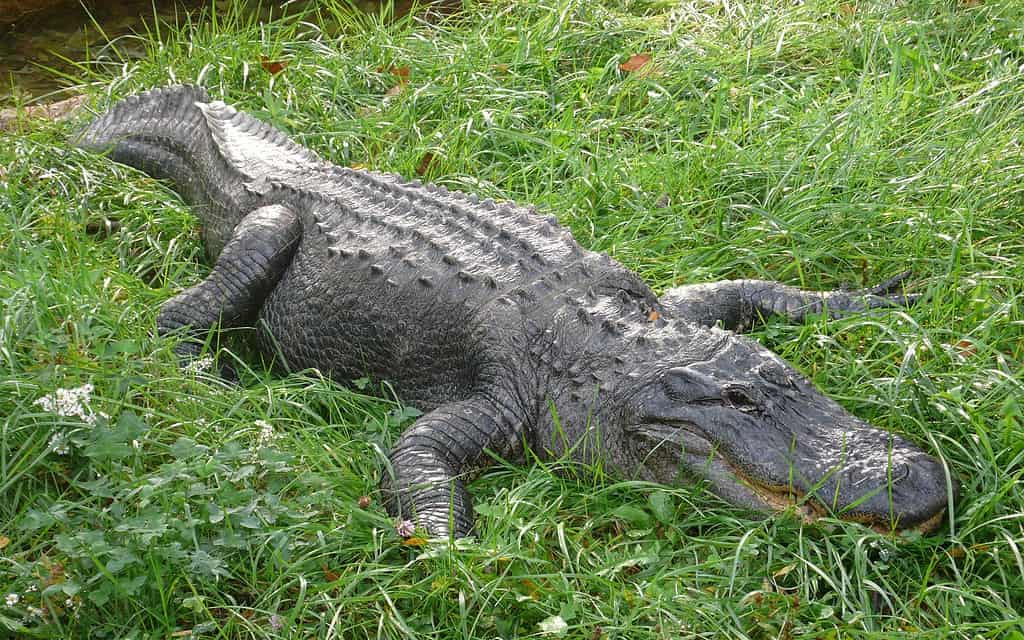
A shotgun barrel was used to measure the largest gator ever found in Louisiana.
McIlhenny’s account reportedly described an animal so big and buried in marsh water that it had to be measured in place rather than removed and measured on land. Lacking a proper measuring tape, he had to use the 30-inch barrel of a shotgun to get a somewhat accurate figure.
Lying it end-to-end, three full times along the body, McIlhenny recorded the gator at a whopping 19 feet 2 inches. This measuring method might’ve solidified this number in history and pop culture, but modern biologists approach the claim with a mix of fascination and caution nowadays. Here’s why.
How Heavy Was It? Why No Official Record Exists
Popular retellings of this catch place the Marsh Island gator’s weight close to a ton, but the animal was never put on a scale. In fact, Louisiana does not certify an official alligator record the way it does for some game species, and nineteenth-century measurements rarely meet today’s scientific standards.
Because this gator is not recognized with an audited state record, noting other large gators caught in this state is a must. Let’s check them out now.
Other Giant Louisiana Gators Worth Knowing
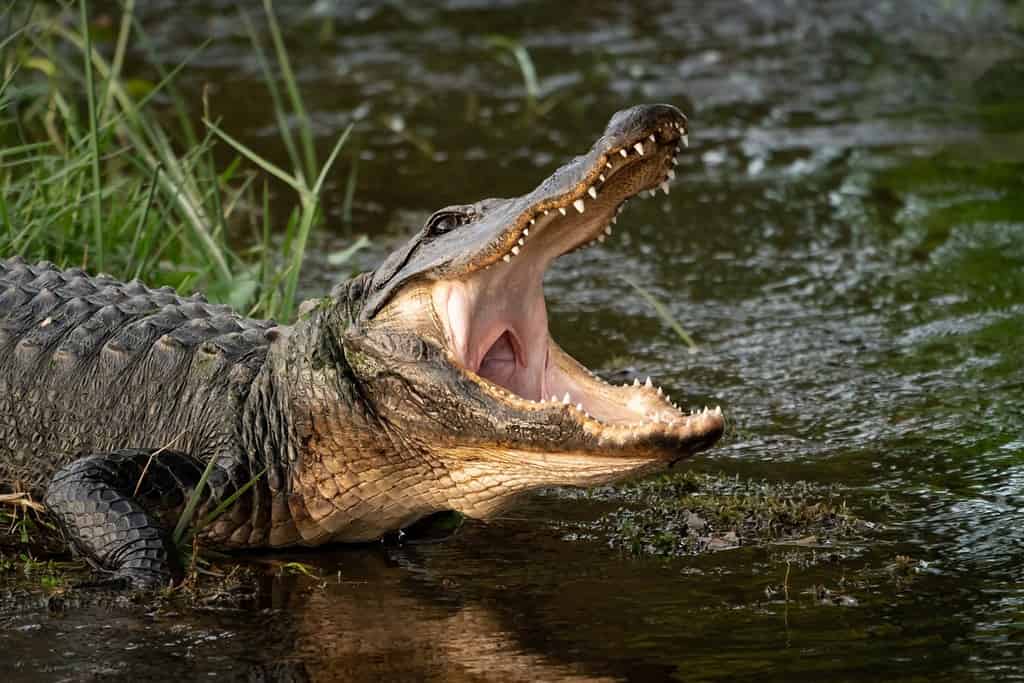
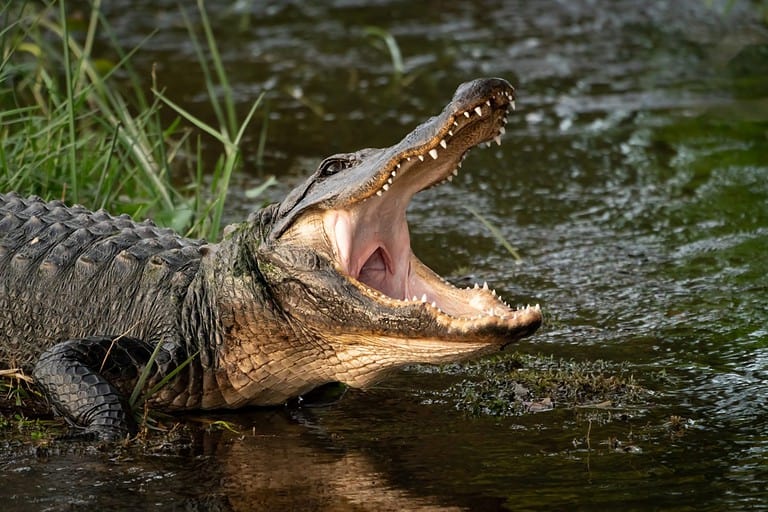
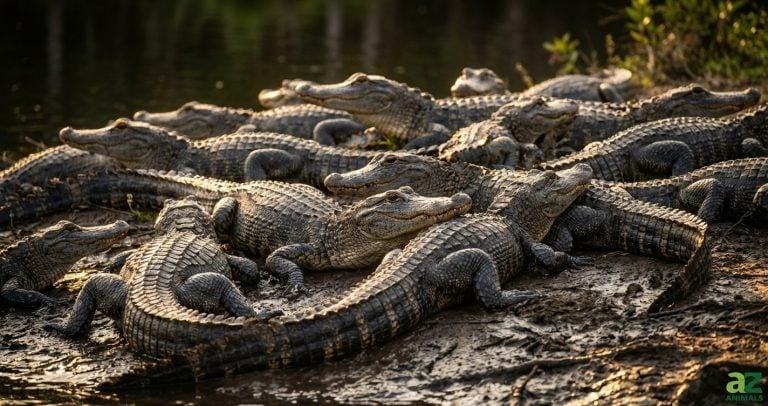
Many alligators found in Louisiana have reached over 13 feet in length.
©Deborah Ferrin/Shutterstock.com
There have been a number of large alligators found and captured in Louisiana. Here are some of the most noteworthy, other than the Marsh Island giant.
- 1916, Marsh Island: 18 feet 5 inches. A second Marsh Island monster recorded in period accounts, often cited as the next-largest historic specimen (though almost as unprovable).
- 1886, Avery Island: 17 feet 3 inches. Captured alive for scientific display, this outsized gator became a staple of early Louisiana alligator study and history.
- 2015, Toledo Bend of the Sabine River: 14 feet 1 inch. A widely reported modern catch that proves how the Sabine system produces true giants within the state.
- 2013, West Baton Rouge Parish: 13 feet 4 inches. A heavyweight that drew attention for its verified size and mass.
What LDWF Says About Alligators in Louisiana
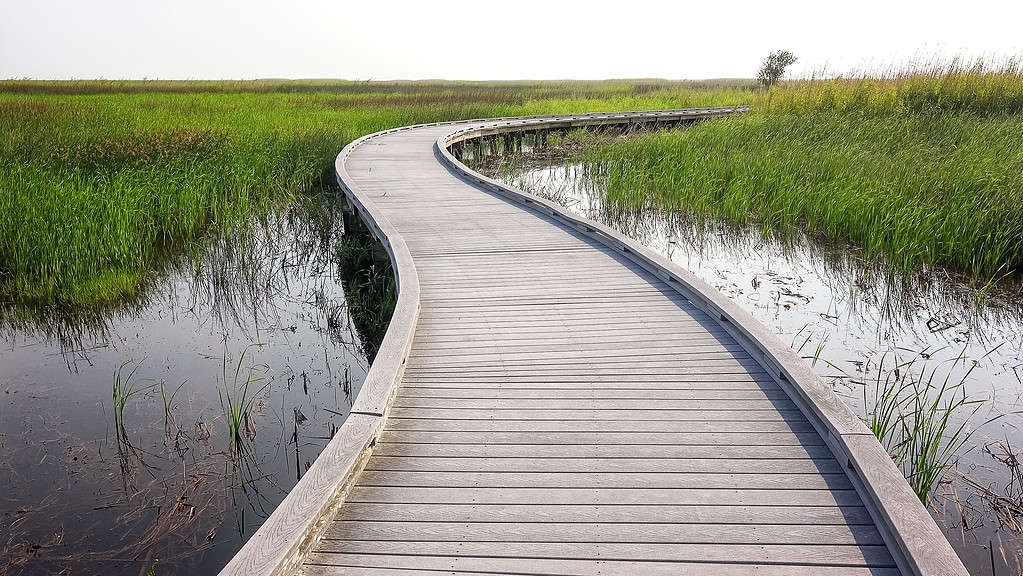
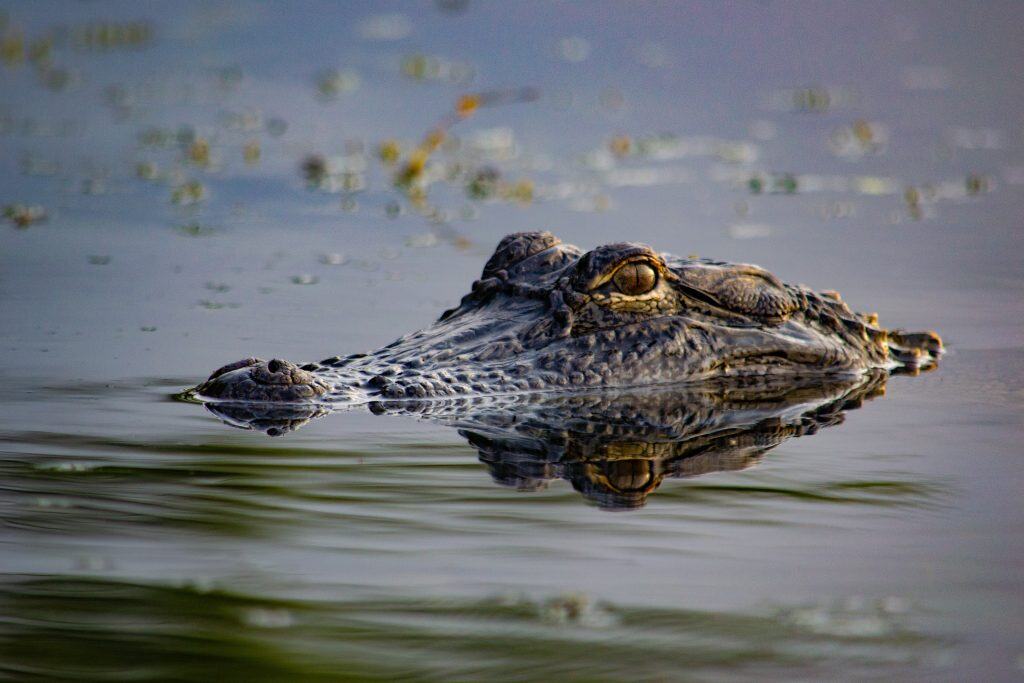
Louisiana supports its gator population through ethical harvesting and ample wetland habitats.
©CrackerClips/iStock via Getty Images
The Louisiana Department of Wildlife and Fisheries (LDWF) believes that the state’s alligator population is a conservation success story, especially when it comes to the size of these gators. The agency notes that Louisiana and Florida each support more than a million wild alligators, a remarkable rebound from the species’ low population numbers in the mid-20th century.
LDWF also credits its modern management practices, noting that well over a million wild alligators have been harvested under regulated programs since the early 1970s. While harvesting gators may not sound humane, data suggest otherwise; there is ample evidence that healthy wetlands and careful policy can support both thriving wildlife populations and sustainability.
Big Gator Encounters: What LDWF Says You Should Do
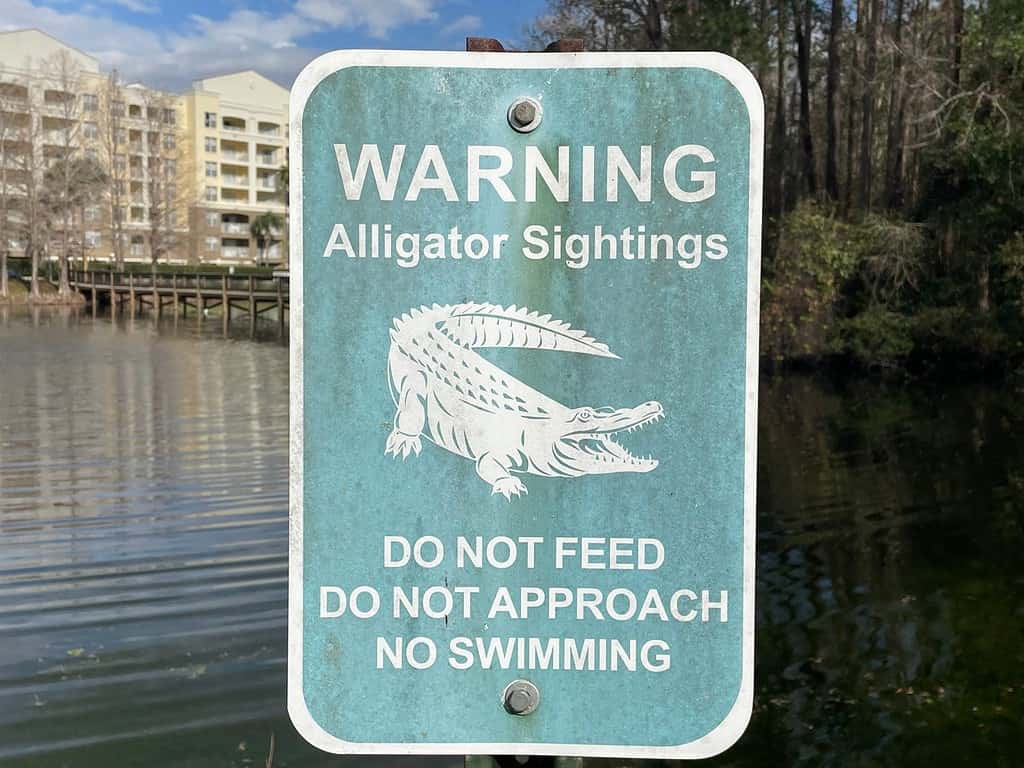
Warning signs are posted in some of Louisiana’s wetland areas to keep the public safe.
©Concepcion Gonzalez/Shutterstock.com
LDWF’s public guidance regarding alligator interactions is clear: always give alligators space and never feed them. The agency states that, in most cases, alligators less than 4 feet are not considered a nuisance or threat, but that doesn’t mean you should approach.
The state relies heavily on licensed nuisance-alligator hunters to remove gators that pose real risks to humans and animals. If you find yourself exploring any of Louisiana’s marshland or parks, keep dogs leashed near water, stay a fair distance away from gators, and report any gators causing trouble rather than attempting to handle the situation yourself.