
For a flowering plant to reproduce and thrive, it requires pollination. However, not all flowering plants are as attractive as others to pollinators. Because of this, plants can struggle. To overcome its complex shape that pollinators would otherwise overlook, the sneaky Vincetoxicum nakaianum plant has found a way not only to attract flies to pollinate it but also to bring them in large numbers. This allows the plant to thrive and grow like wildfire.
Vincetoxicum Nakaianum Tricks Flies Into Pollinating
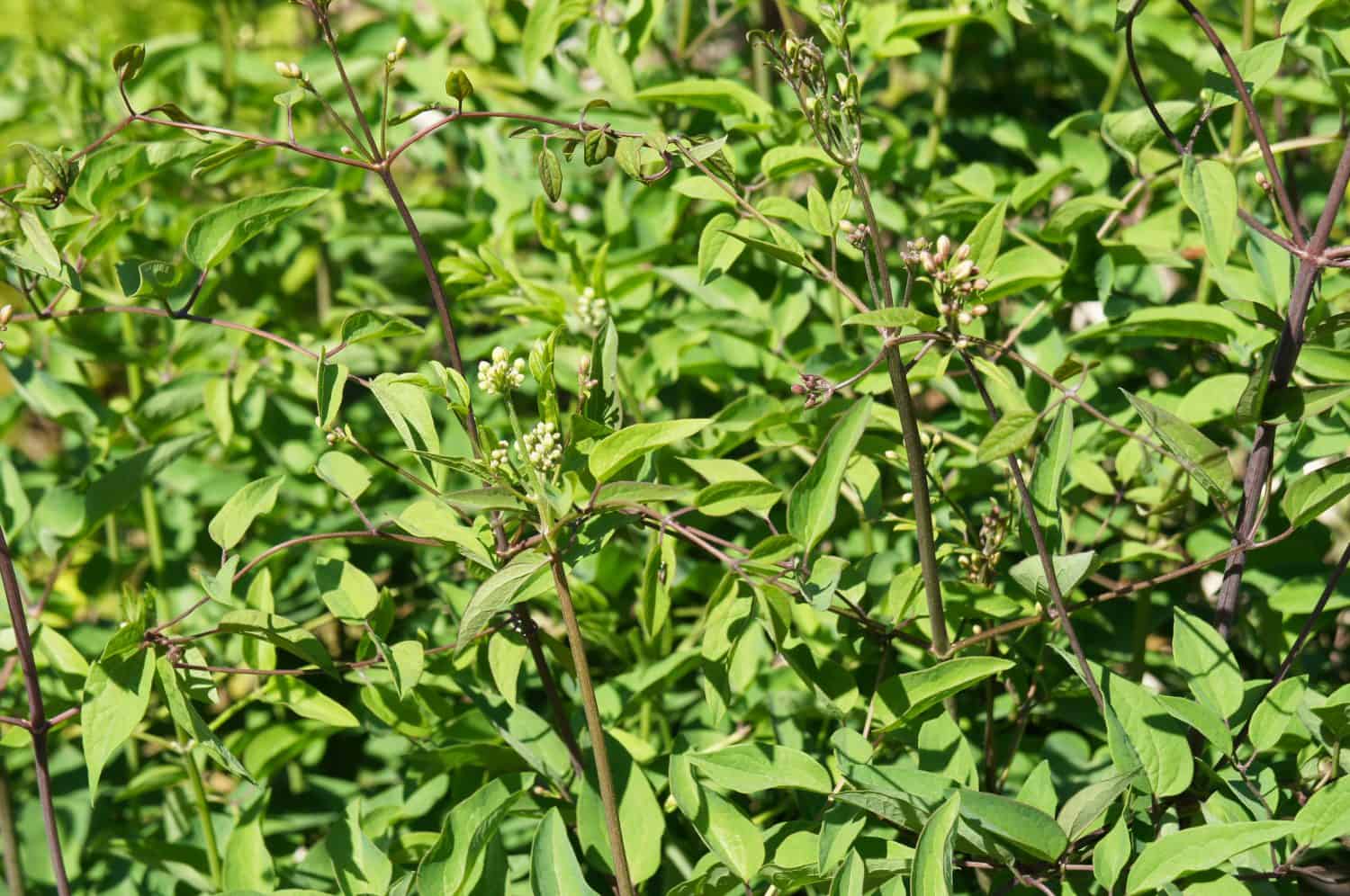
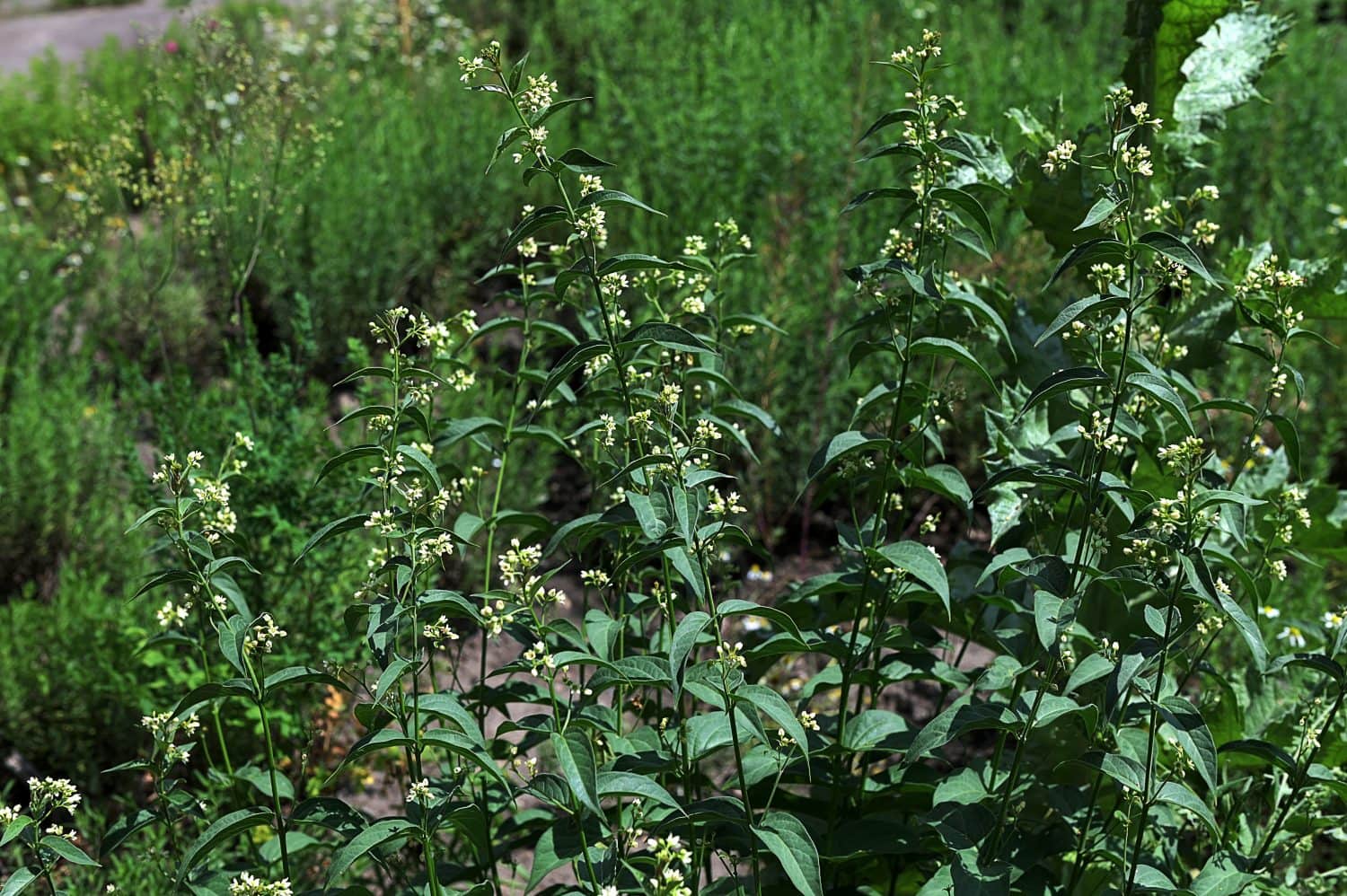
Similar to this, Vincetoxicum hirundinaria, Vincetoxicum nakaianum is a simple-looking plant, but instead of white flowers, it has green ones.
©mizy/Shutterstock.com
Vincetoxicum nakaianum is a simple-looking plant. Unlike other flowering plants that have bright colors or accessible stamens with abundant pollen, Vincetoxicum nakaianum tends to blend in with its green leaves and flowers. While this could prove to be a problem when it comes to attracting pollinating insects, Vincetoxicum nakaianum has adapted to ensure there will always be an abundance of pollinators. This is done by releasing a scent that grass flies cannot ignore, which is the smell of injured ants.
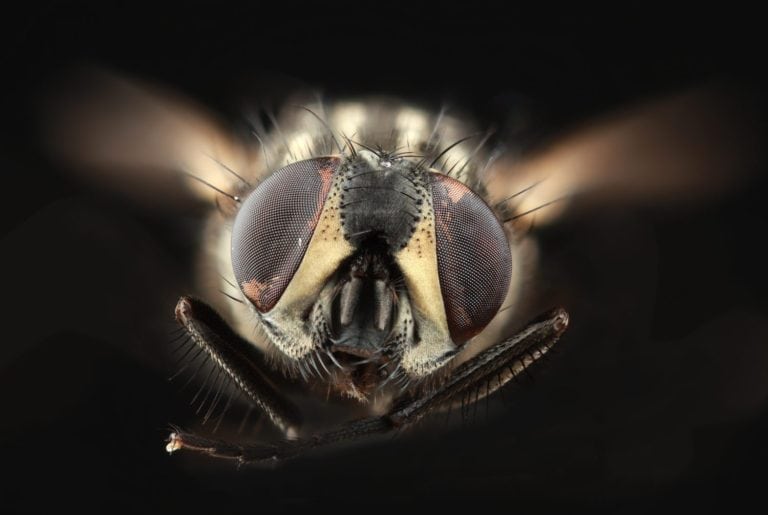
Grass flies are attracted to the scent that permeates after spiders attack ants. Vincetoxicum nakaianum has become the first flowering plant to reproduce this scent. This is done so that the grass flies will be attracted to the flowers and pollinate them.
The flowers are open for only two to three days before they die. This means the Vincetoxicum nakaianum plant needs to attract pollinators promptly to ensure the plant can reproduce. The pollination occurs as the small grass flies investigate the source of the dying ant scent. As the flies walk around in the flowers, they help to spread pollen. While the flies may leave Vincetoxicum nakaianum disappointed they did not receive a meal, the plant is successfully pollinated, allowing it to become robust. The more Vincetoxicum nakaianum plants in an area, the quicker they spread.
Why Vincetoxicum Nakaianum Needs Help With Pollination
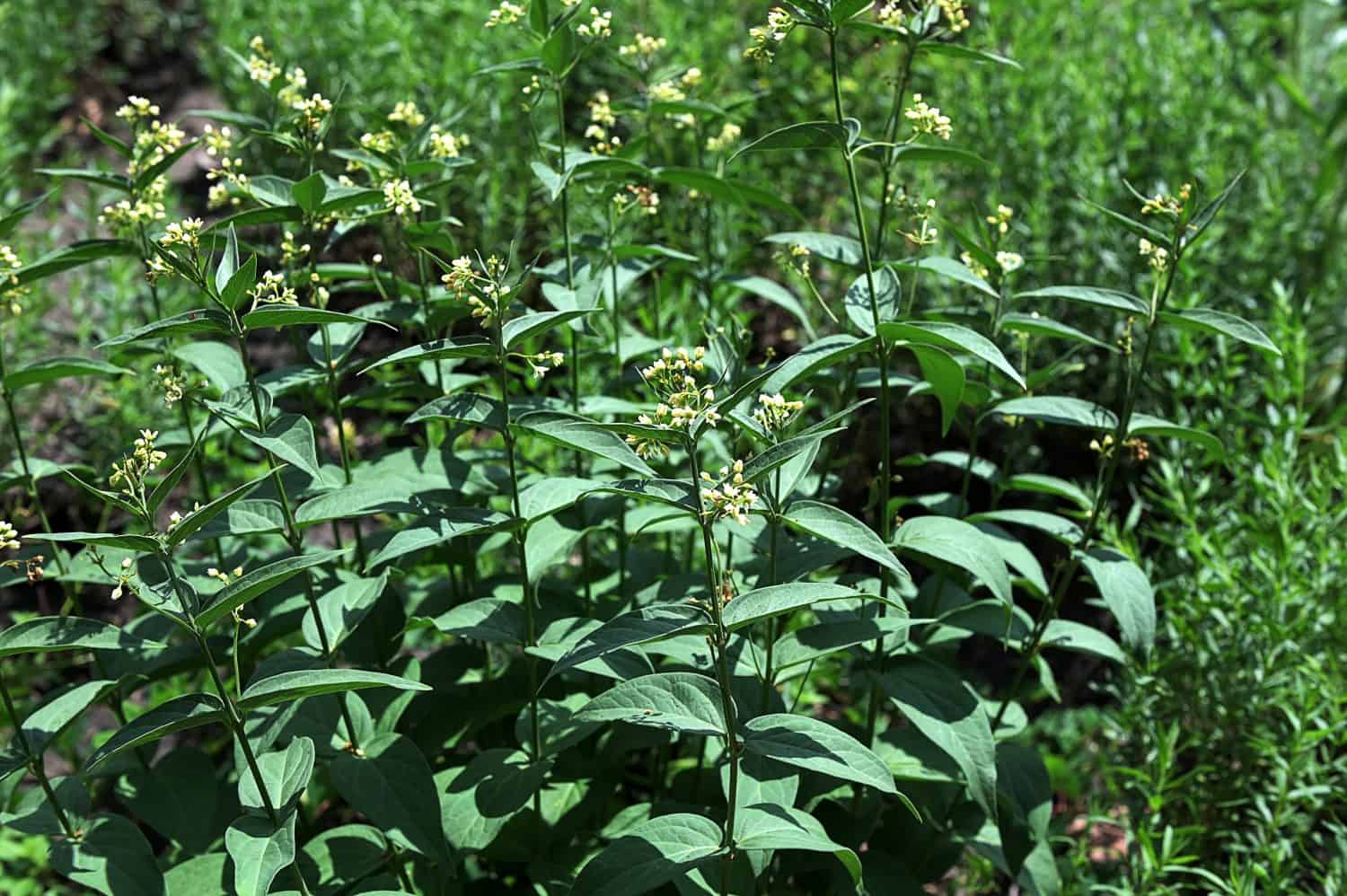
The bell-shaped flowers, similar to those of the Vincetoxicum hirundinaria, can make it difficult for Vincetoxicum nakaianum to be pollinated without some trickery.
©weha/Shutterstock.com
Vincetoxicum nakaianum may be considered a pollinating plant, but it is considerably harder to pollinate than other flowering plants. This is why the plant requires trickery to lure pollinators into its flowers to allow it to reproduce.
The flowers on the Vincetoxicum nakaianum plant are quite small. Additionally, for the flowers to be pollinated, they require interested pollinators to climb inside the bell-shaped flower. This is not necessarily the most appealing to pollinators, who would prefer open flowers that are easily accessible to pollinate instead.
Therefore, if Vincetoxicum nakaianum did not resort to using the scent of injured ants to lure in grass flies, the likelihood of the plant being able to survive and reproduce would be slim.
Vincetoxicum Nakaianum Is Poisonous
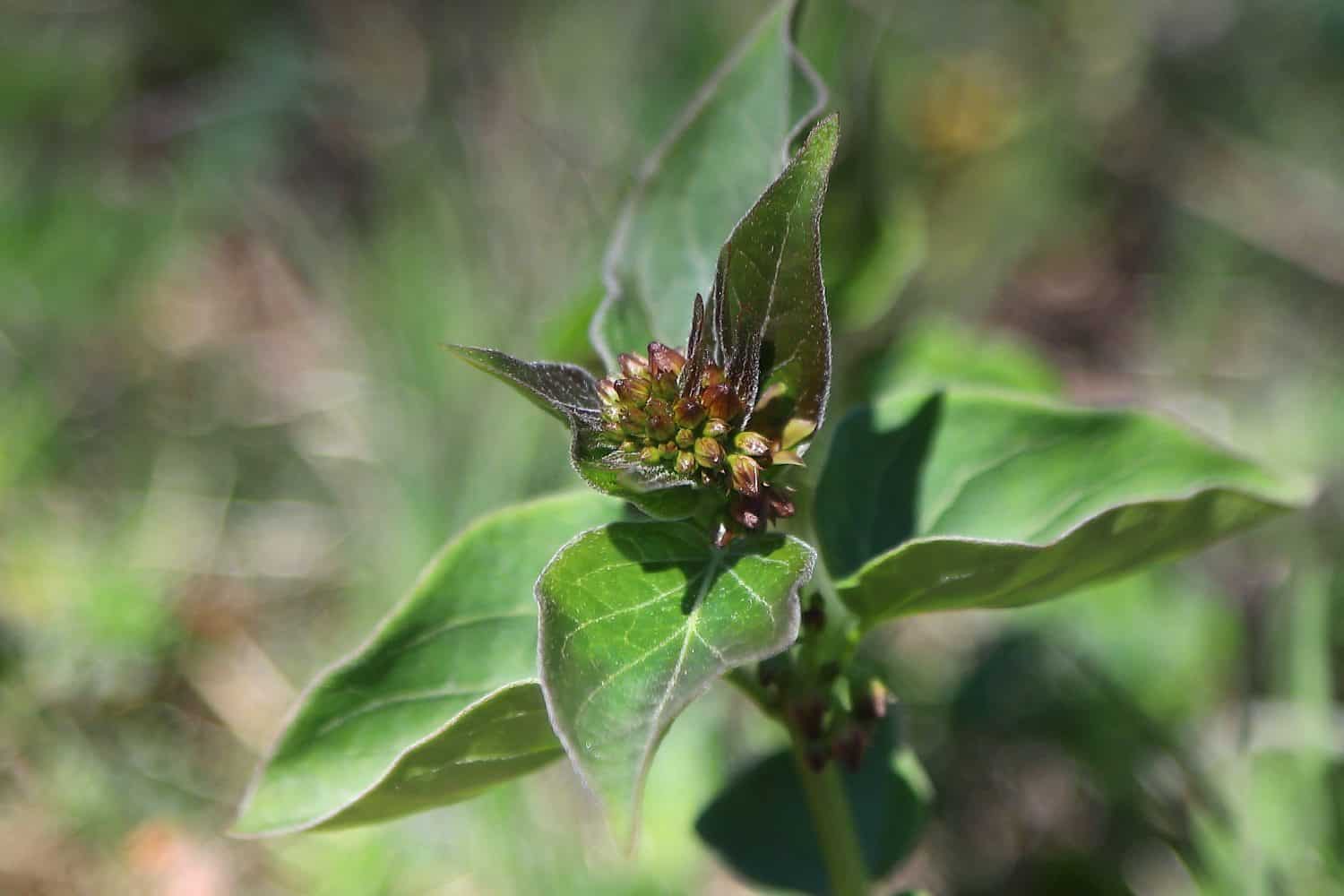
Plants in the Vincetoxicum family, like Vincetoxicum nakaianum, and this Vincetoxicum pannonicum, are poisonous.
©Gergo Nagy/Shutterstock.com
Vincetoxicum nakaianum is a beautiful, bright green plant with green flowers. There are no indications that it poses a risk of harm. However, given that it is a member of the dogbane species, Vincetoxicum nakaianum is poisonous.
If plants like Vincetoxicum nakaianum are consumed, they can be lethal for animals and life-threatening in some cases for people. The poison comes from cymarin, which is found in the stem, seeds, and leaves of any dogbane plant. The milky latex substance and strong fibers in Vincetoxicum nakaianum also contain poison. To put in perspective how dangerous eating Vincetoxicum nakaianum could be to humans, the side effects of Vincetoxicum nakaianum and other dogbane plants include:
- Nausea
- Vomiting
- Diarrhea
- Convulsions
- Body weakness
- Coma
- Death
While most people would not think to put an unknown plant in their mouths, the fact that Vincetoxicum nakaianum and other dogbane plants are poisonous is a good reminder that even beautiful plants can hide a dangerous side. What is interesting about Vincetoxicum nakaianum, though, is the fact that despite it being poisonous, flies are not affected by the poison.
Vincetoxicum Nakaianum Does Not Harm Flies
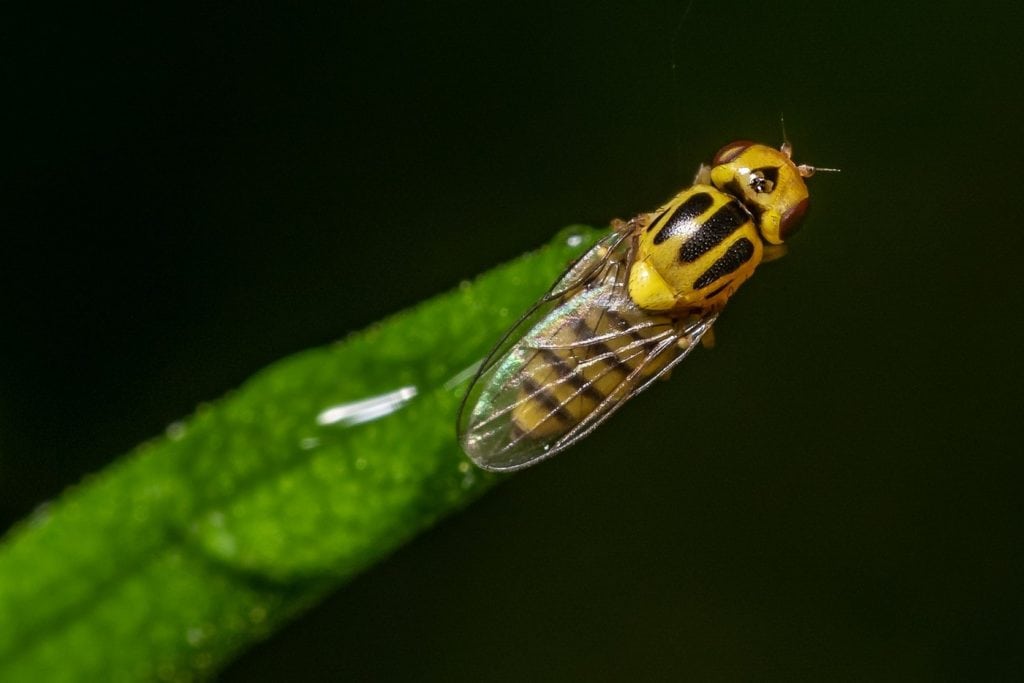
Grass flies, similar to this one, are not harmed when pollinating, despite Vincetoxicum nakaianum being poisonous.
© – Original
As the Vincetoxicum nakaianum works to attract flies to pollinate its flowers, its goal is not to hurt the flies that visit it. The poisonous plant does not affect the flies, which allows them to pollinate effectively. If Vincetoxicum nakaianum were to injure the very flies it lures into it, it would not be a pollinating flower. It would instead be a carnivorous flower. Like other dogbane species, the Vincetoxicum nakaianum keeps the flies out of its sap-like substance that carries poison by trapping them in one area of the flower with little barbs. This creates a physical barrier that the flies cannot cross.
The substance in Vincetoxicum nakaianum that carries the poison would indeed cause a fly to die if it came into contact with it. But unlike other dogbane species, where there are massive amounts of scientific information, very little outside of this, and the way Vincetoxicum nakaianum attracts flies is known.
The Mysterious Vincetoxicum Nakaianum
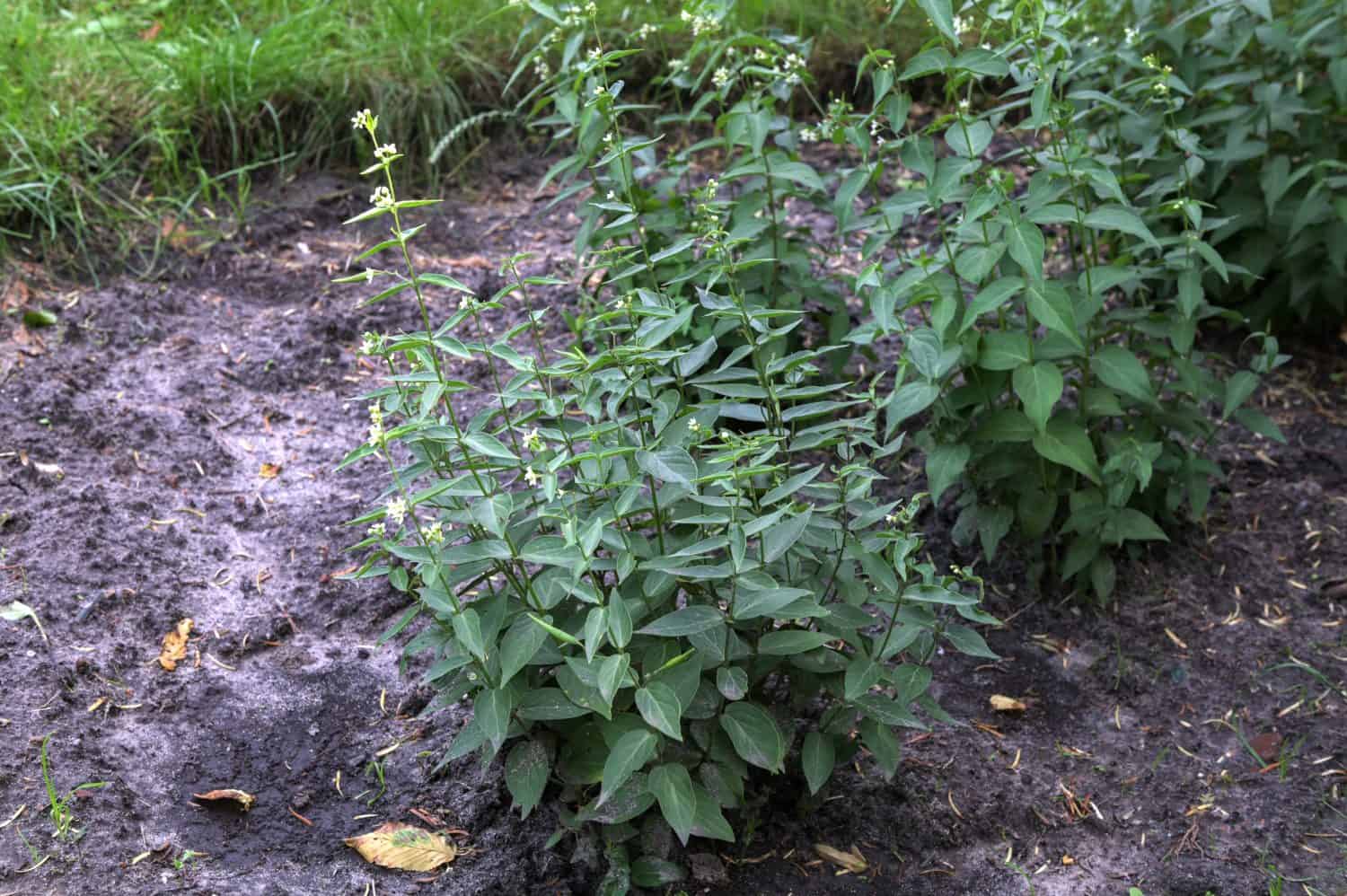
Little is known about Vincetoxicum nakaianum, similar-looking to this Vincetoxicum hirundinaria, because the species was only discovered in 2024.
©weha/Shutterstock.com
The reason so little is known about Vincetoxicum nakaianum is the fact that it is a species of dogbane that was only classified within the last year. Consequently, there is still much to learn and understand about this species of plant.
According to an October 2024 study published by the journal PhytoKeys, the Vincetoxicum nakaianum was incorrectly identified when researchers first discovered it in the 1930s. While it was correct that the flowering plant is part of the “third largest genus in Asclepiadoidea,” it was misidentified as Vincetoxicum magnificum.
Why is this important? The name that a plant species is given speaks to both its geographic location and the family of plants and/or flowers it belongs to. Additionally, Vincetoxicum magnificum is molecularly distinct from its given name. This was determined after hours of speaking with experts, comparing the different plants in the dogbane family found on the eastern part of the island of Honshu, in Japan, and poring over the IUCN categories so that an accurate scientific name could be given to what is now Vincetoxicum nakaianum.
Now that scientists have a better understanding of the family and species of Vincetoxicum nakaianum, further research can be conducted to learn more about the plant that lures in flies to help pollinate, all while bringing no harm to the buzzing bugs.