
Quick Take
- Once pushed to the edge of extinction, the black bear’s return was strong enough that Alabama officially adopted it as the state mammal in 2006.
- That recognition helped raise public awareness and direct funding toward habitat protection and wildlife management guided by research rather than guesswork.
- The bear’s recovery wasn’t driven by simple bans, but by forest regrowth and careful monitoring, including tools like trail cameras and GPS collars that now guide future wildlife corridors.
Stepping into an Alabama pine forest near Mobile at dusk, you might hear a distant owl and the soft movement of something large passing through the understory. That presence could be the American black bear, a native animal that once ranged from the Tennessee border to the Gulf Coast. After nearly disappearing during the twentieth century, the species has begun a gradual return. Its recovery story explains why Alabama ultimately chose the black bear as its official state mammal and why that decision still carries meaning today.
Why States Choose Official Animals
States adopt official animals as a way to express shared identity, history, and values. These symbols often reflect species that are native, culturally important, or closely tied to the state’s landscape and economy. In many cases, the process involves schools, civic groups, or student campaigns, which turn the selection into a lesson in history, biology, and civic engagement. By choosing an animal, a state creates a symbol that appears in classrooms, tourism materials, and public discussions, helping residents connect local wildlife to their home state and fostering a sense of connection with the local environment.
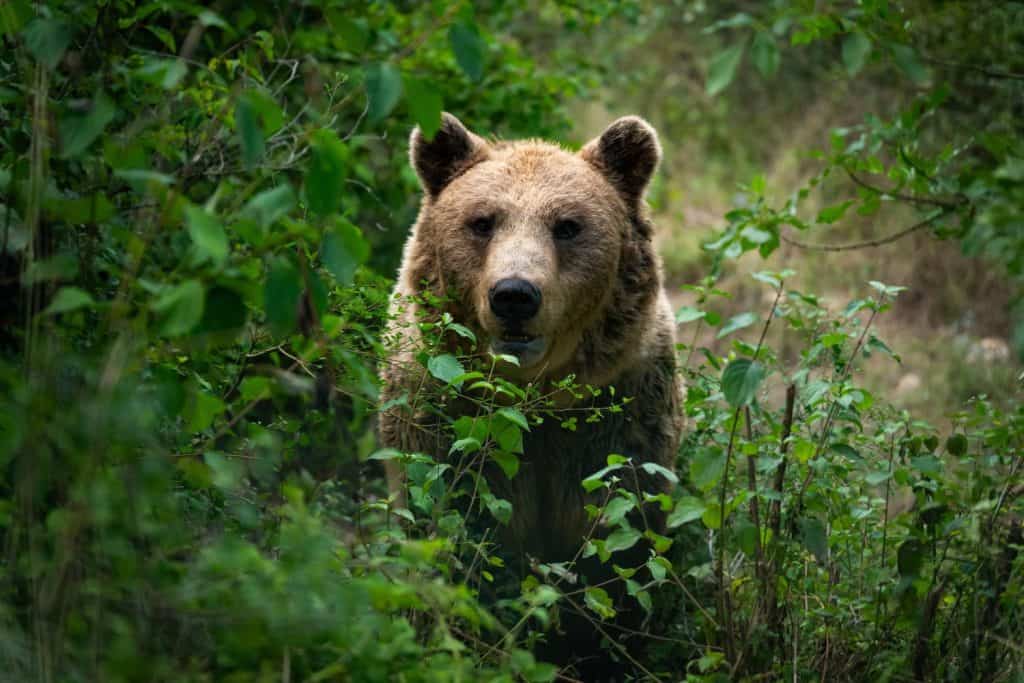
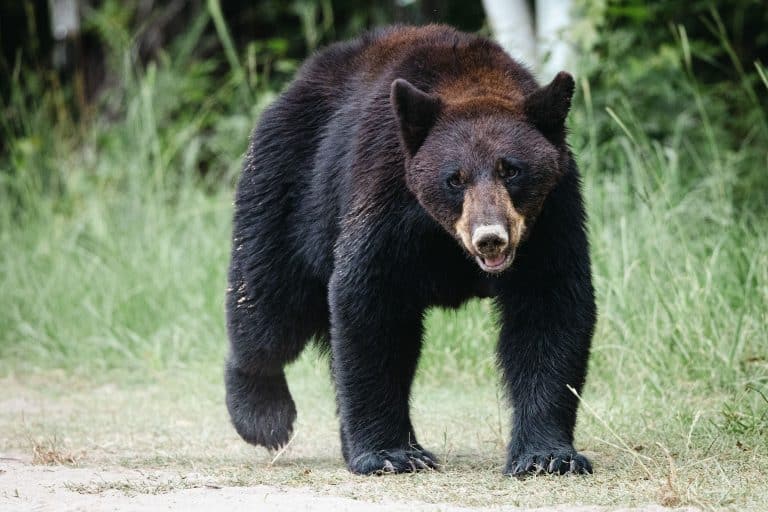
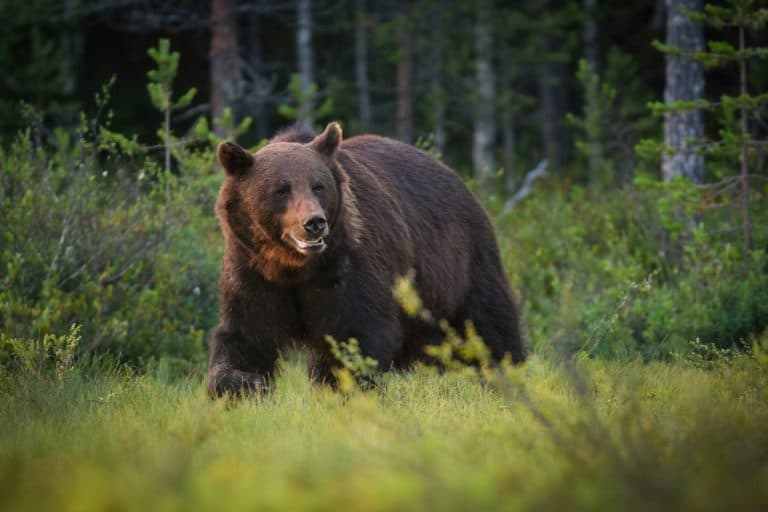
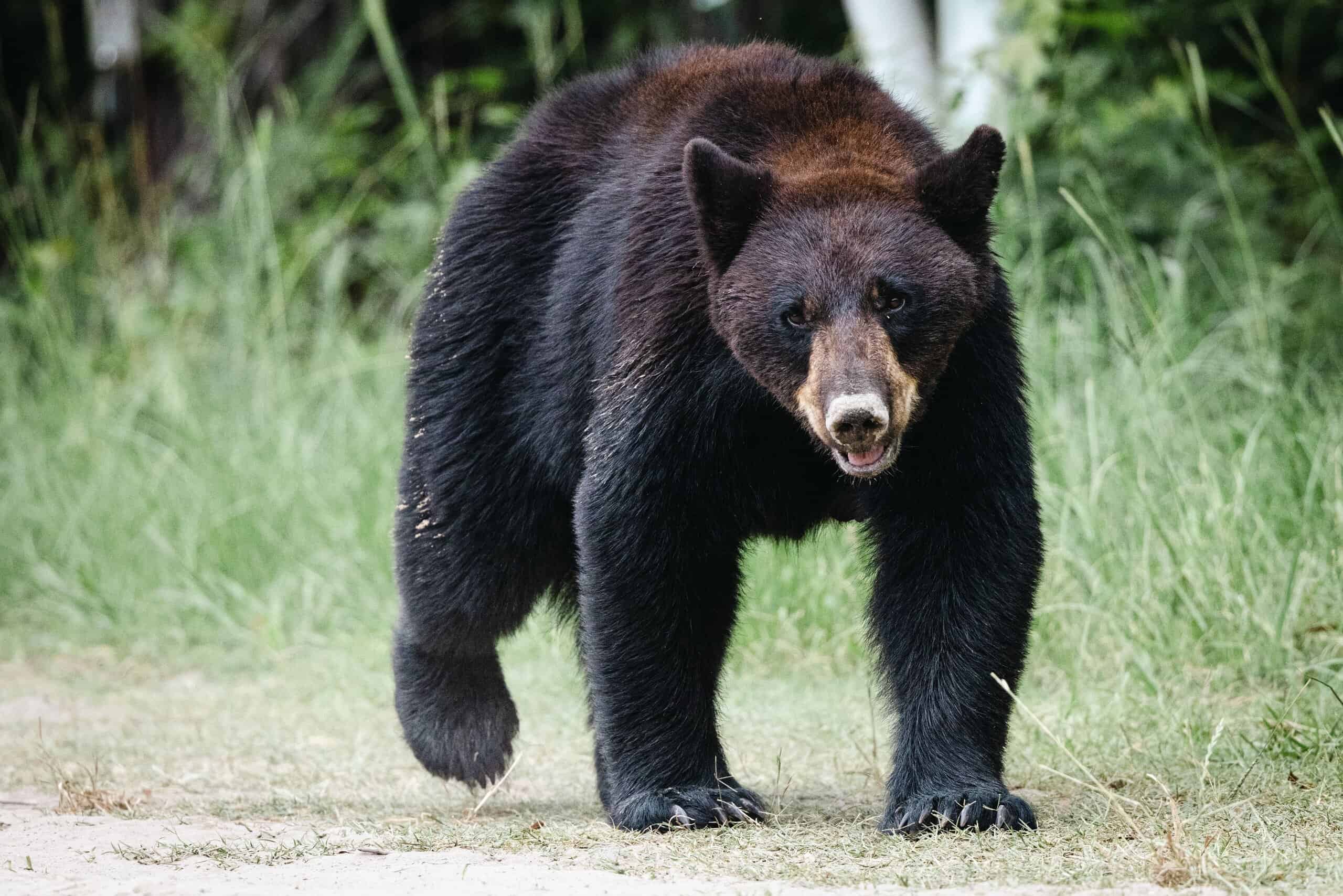
Alabama’s black bear symbolizes the state’s wildlife, inspiring conservation and a connection to local habitats.
©VOJTa Herout/Shutterstock.com
Designating a state animal can also have real effects beyond symbolism. Official recognition often raises public awareness and encourages conservation funding, research, and protective laws. For the animal, this attention can mean stronger habitat protection and broader support for science-based management. For the state, the symbol reinforces pride in local natural resources and promotes education about ecosystems and stewardship. In this way, state animals serve as ambassadors, linking environmental responsibility with cultural identity and reminding people that wildlife and human communities share the same landscape.
A Native Bear with Deep Roots
The American black bear is the only bear species native to Alabama, and it historically occupied forests, river bottoms, and wetlands across the state. Adult bears in the Southeast commonly weigh between 150 and 400 pounds, with males larger on average than females. In the wild, they can live into their twenties, although many do not reach that age. Despite their size, black bears avoid people and rely on thick cover, strong hearing, and an exceptional sense of smell to stay out of sight.
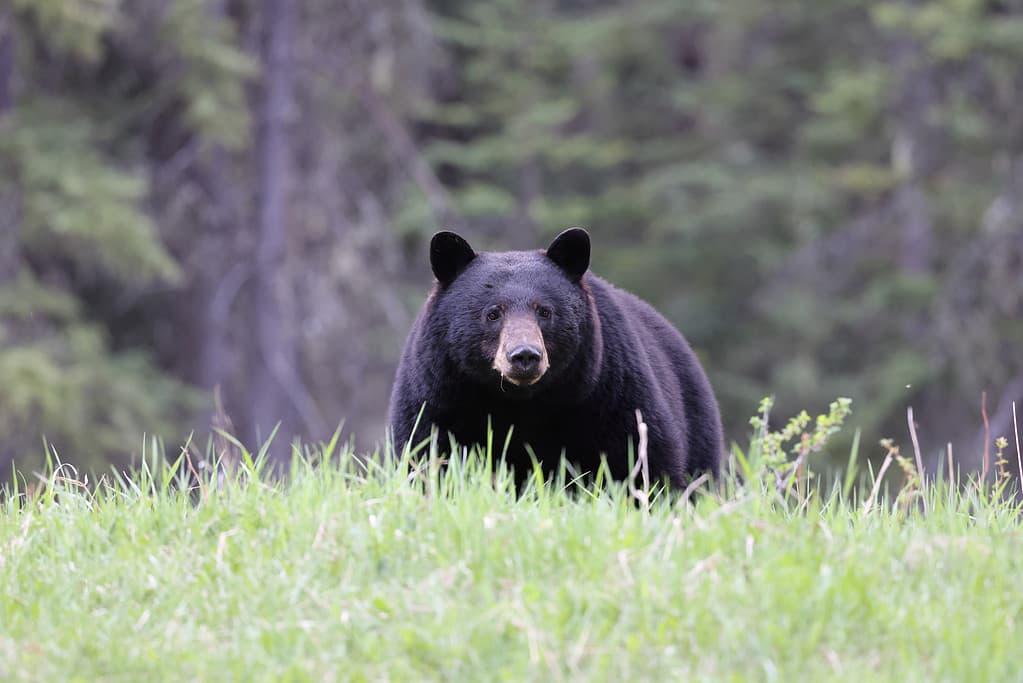
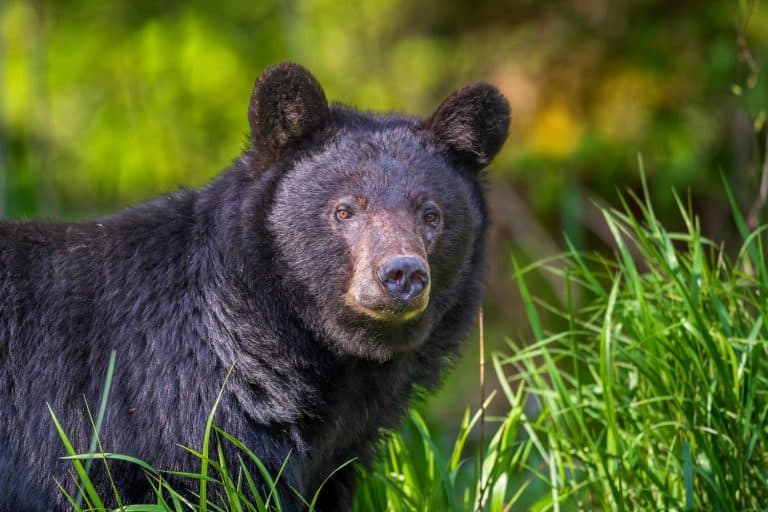
Alabama’s black bear, a master of stealth and adaptability, thrives in forests, wetlands, and river bottoms.
©Frank Fichtmüller/iStock via Getty Images
Black bears are omnivores with flexible diets. In Alabama, they eat fruits, berries, acorns, insects, small animals, and carrion, and they may investigate human trash when it is easy to access. This ability to switch foods by season helped them survive in varied habitats long before Alabama adopted official state symbols.
From Abundant to Almost Gone
Early accounts from settlers and hunters describe black bears as common throughout much of Alabama. That situation changed rapidly in the late nineteenth and early twentieth centuries. Unregulated hunting for meat and hides, combined with widespread clearing of forests for agriculture and timber, sharply reduced bear numbers. As habitat disappeared and hunting pressure increased, bears were pushed into smaller, isolated areas.
By the mid-twentieth century, black bears were close to being eliminated from Alabama. Many residents lived their entire lives without ever seeing one in the wild. This decline mirrored patterns seen across the southeastern United States, where large mammals vanished from much of their former range. The loss forced wildlife managers and the public to confront the limits of unchecked land use and hunting.
Protection and a Slow Comeback
As bear numbers dropped, Alabama began adopting stronger wildlife protections. Today, the black bear is classified as a State Protected species, making it illegal to kill, capture, or harm one except under narrow circumstances tied to safety or scientific research. The Alabama Natural Heritage Program describes the species as rare within the state, with breeding populations limited to a few regions.
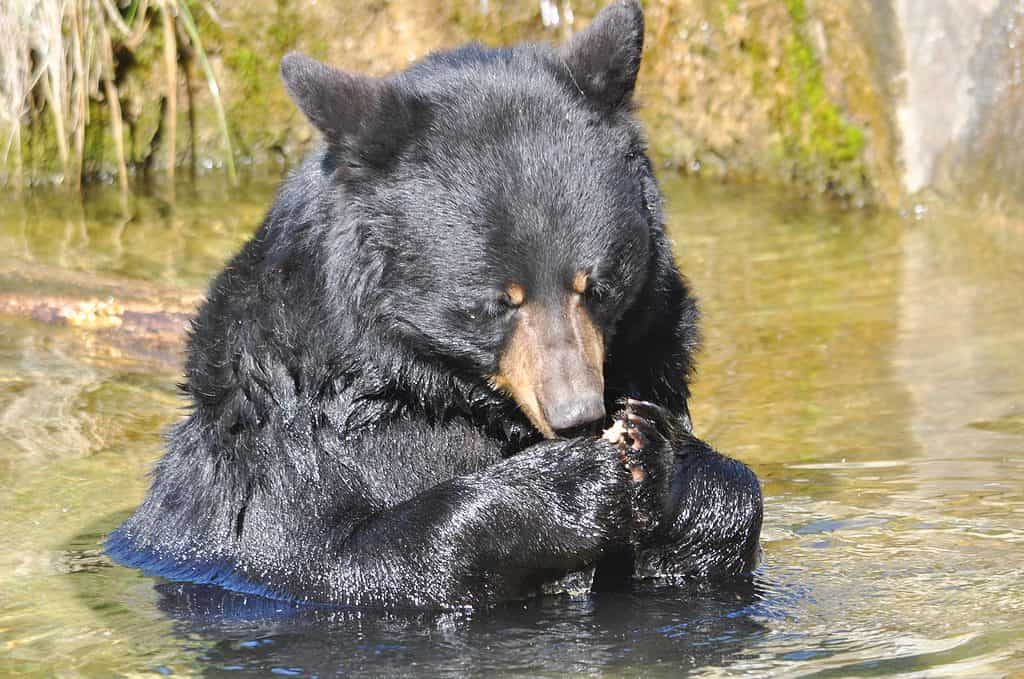
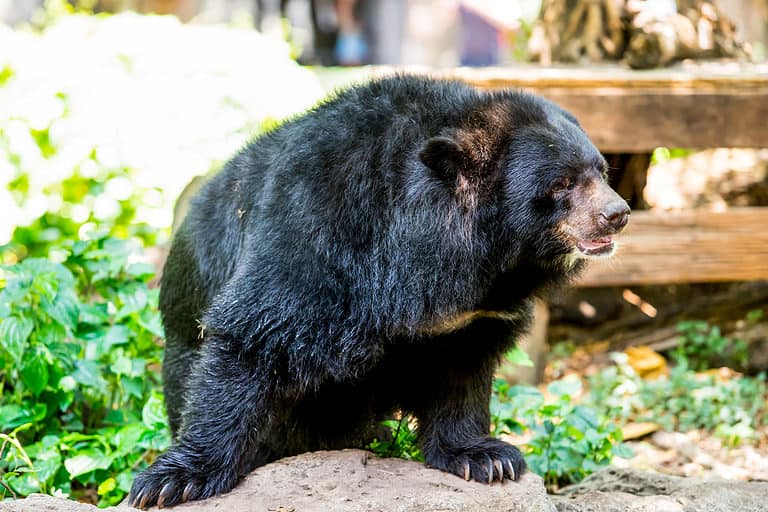
Black bears thrive around rivers and wetlands, showing how conservation efforts help populations recover
©Elizabeth Caron/Shutterstock.com
Recovery has been gradual. Regrowth of forests, improved hunting regulations, and targeted conservation efforts allowed small populations to stabilize and grow. Wildlife biologists monitor bears using GPS collars, trail cameras, and genetic sampling. These tools help estimate population size, track movement, and guide long-term management decisions aimed at keeping the species viable in Alabama.
Where Alabama’s Black Bears Live Today
Black bears in Alabama remain uncommon and are concentrated in a few areas. One established population lives in the Mobile Tensaw Delta and nearby counties in southwest Alabama, where river corridors, swamps, and bottomland hardwood forests provide cover and food. Another breeding population exists in northeast Alabama near Little River Canyon and surrounding mountain forests, with some bears also using parts of the Talladega National Forest.
Research suggests that bears in northeast Alabama likely descended from animals dispersing from north Georgia, while the southwest population is genetically distinct and shows lower diversity. Occasional sightings outside these regions indicate that young bears are dispersing, which may signal slow expansion into portions of their former range.
Daily Life and Seasonal Habits (Ursus americanus)
For much of the year, Alabama’s black bears live quietly in wooded areas dominated by pines, hardwoods, and dense shrubs. They are most active during early morning and late evening, moving through thick vegetation while foraging. Spring and summer diets focus on tender plants, insects, and fruits, while fall brings heavy feeding on acorns and other nuts.
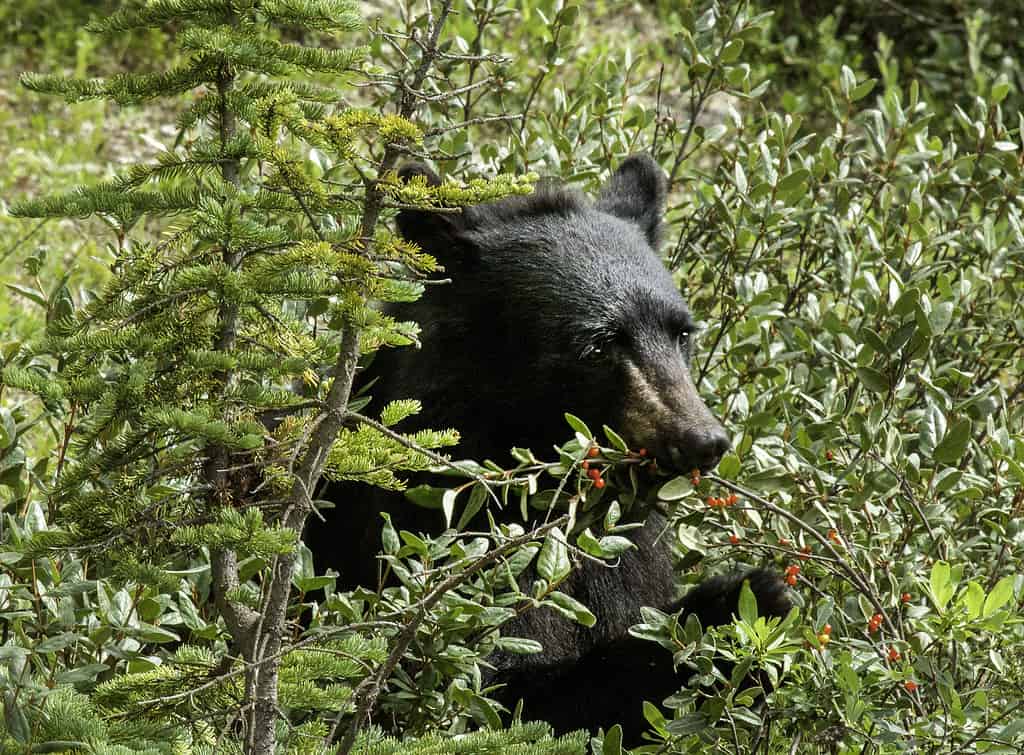
Black bears rely on forests and dense vegetation to find food like berries while staying hidden and raising their young.
©millermountainman/ via Getty Images
Although winters in Alabama are mild, black bears still den for several months. They enter a state of torpor that lowers activity and conserves energy. Dens may be located in hollow trees, brush piles, or rocky shelters. Female bears often give birth during this period, raising cubs that stay with them for more than a year while learning survival skills.
Why a Bear Became the State Mammal
Alabama’s designation of the black bear as the state mammal grew from grassroots efforts rather than top-down politics. During the 1990s and early 2000s, students and teachers in south Alabama organized campaigns to recognize the bear as a native species working its way back from decline. They emphasized its long history in the state and its ongoing need for protection.
After several attempts, lawmakers passed legislation naming the black bear as Alabama’s official state mammal. The bill was signed into law in 2006. Supporters highlighted the bear’s adaptability and its connection to Alabama’s forests. Selecting a recovering species signaled that conservation efforts and state pride could support and strengthen each other.
Science, Students, and Modern Research
Research has played a central role in understanding Alabama’s black bears. The Alabama Department of Conservation and Natural Resources has partnered with Auburn University and other institutions to study population size, movement patterns, and genetic health. Scientists use DNA analysis, GPS tracking, and mark-recapture methods to build accurate population models.
One study found rapid growth in the northeast Alabama population over a short period, while also identifying low genetic diversity in the southwest group. These findings guide management strategies and highlight the importance of habitat connections. Outreach programs tied to this research involve students and local communities, showing how conservation science applies close to home.
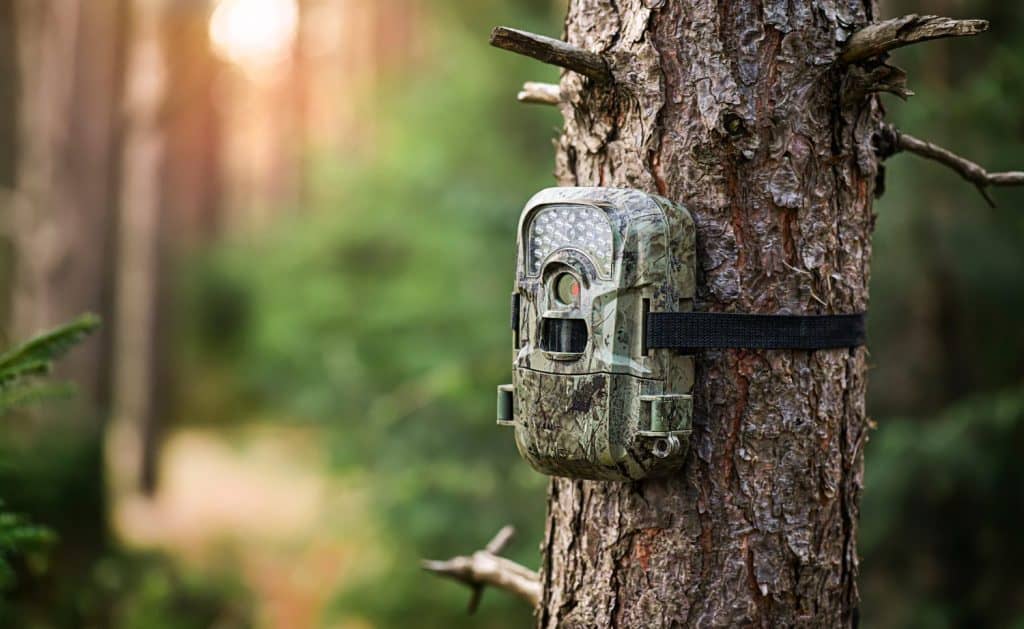
Trail cameras help scientists monitor Alabama’s black bears, tracking movements, population size, and behavior.
©Krasula/Shutterstock.com
Living with Bears in Modern Alabama
As bears return to parts of the state, residents are adjusting to living alongside them. Most conflicts arise when bears gain access to food sources such as unsecured trash, pet food, bird feeders, or outdoor grills. Once bears associate neighborhoods with food, they may return repeatedly.
Wildlife agencies encourage practical steps to reduce conflicts. Securing garbage, feeding pets indoors, cleaning grills, and removing attractants can prevent problems before they start. Hikers and campers are advised to store food properly, keep a distance from bears, and report sightings. These actions protect people while helping bears remain wary of human spaces.
Bears, Forests, and Alabama’s Identity
Black bears influence Alabama’s ecosystems in subtle but important ways. By feeding on fruits and nuts, they help disperse seeds and shape plant communities. Their presence reflects large, connected forest landscapes that also support deer, turkeys, songbirds, and many other species.
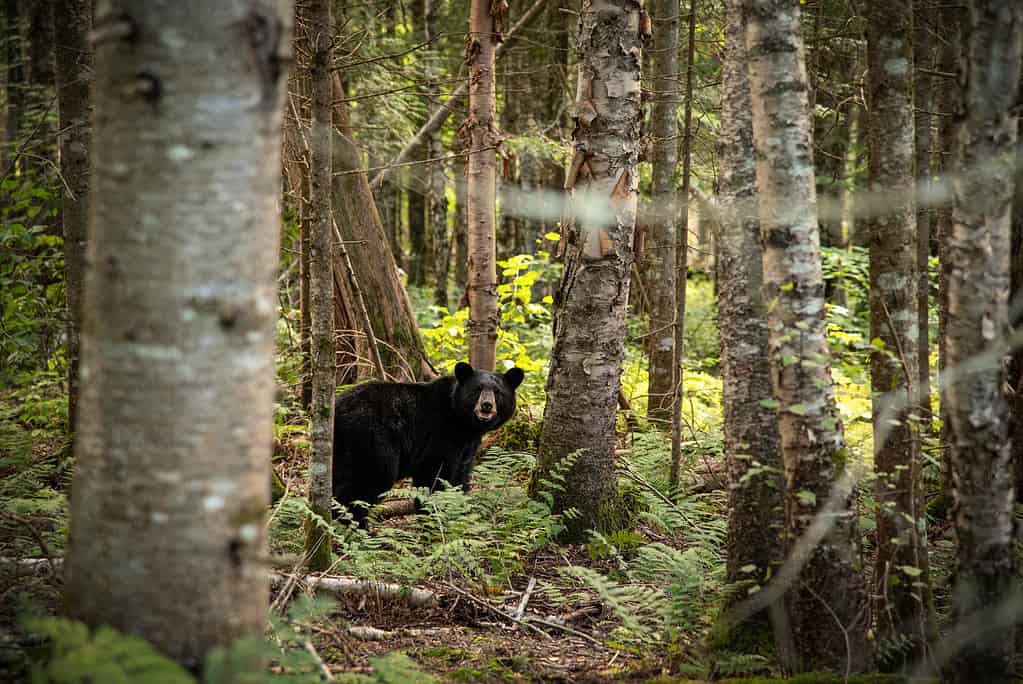
Moving quietly through forests, black bears play a key role in ecosystems that support many other species.
©mountinez/iStock / Getty Images Plus via Getty Images
Beyond ecology, bears prompt conversations about land use, development, and waste management. Maintaining wildlife corridors and healthy forests benefits entire regions. In this sense, the black bear reflects how Alabama balances growth with stewardship of natural resources.
A Symbol of Wild Resilience
Recognizing the black bear as Alabama’s state mammal honored more than an animal. It acknowledged decades of conservation work and the idea that recovery is possible when science, policy, and public choices align. From near disappearance to cautious return, the bear’s story mirrors broader efforts to protect native wildlife.
For the students who led the original campaigns, the researchers tracking populations, and the residents who may one day glimpse a bear crossing a forest road, the black bear represents endurance and responsibility. Its presence reminds Alabamians that the state’s natural heritage is still alive and worth protecting.