
Quick Take
- Risky fieldwork may soon be a thing of the past, as one tiny scoop of water or soil is quietly rewriting how scientists track entire ecosystems. See the eDNA science →
- Millions in funding and global headlines haven't solved wildlife poaching. Yet small, lean teams operating in dangerous conditions might have cracked what big NGOs couldn't. Meet the local heroes →
- California passed a law in 2016 that the rest of the US still hasn't followed, and what it protects might surprise you. Explore the legislation →
- AI promises to transform conservation, so why are researchers warning that it hasn't reached its potential yet? Discover AI's limitations →
The theme for this year’s World Animal Day (October 4, 2026) is ‘See the world through their eyes.’ It was chosen from hundreds of creative submissions reflecting the diversity of animals living on land, in the air, and in water. The day unites more than 70 countries to advocate for better animal welfare and conservation. So, on this very special day, slow down and shift your perspective. Looking at our welfare efforts from an animal’s point of view, would you be impressed?
Continue reading
Achievements in Animal Rights Legislation
There is still a long way to go when it comes to animal rights legislation. However, some significant and welcome advances have been made. For example, the Animal Welfare Act establishes minimum standards of care for animals in the US. From its first versions in the 1960s and 1970s, it now covers animals held by carriers, intermediate handlers, and animal brokers, and some birds.
In September 2016, California passed the Orca Protection Act, which went into effect in January 2017 and ended captive breeding programs and the import/export of orcas and their genetic material into/out of the state. This law was the first of its kind in the United States.
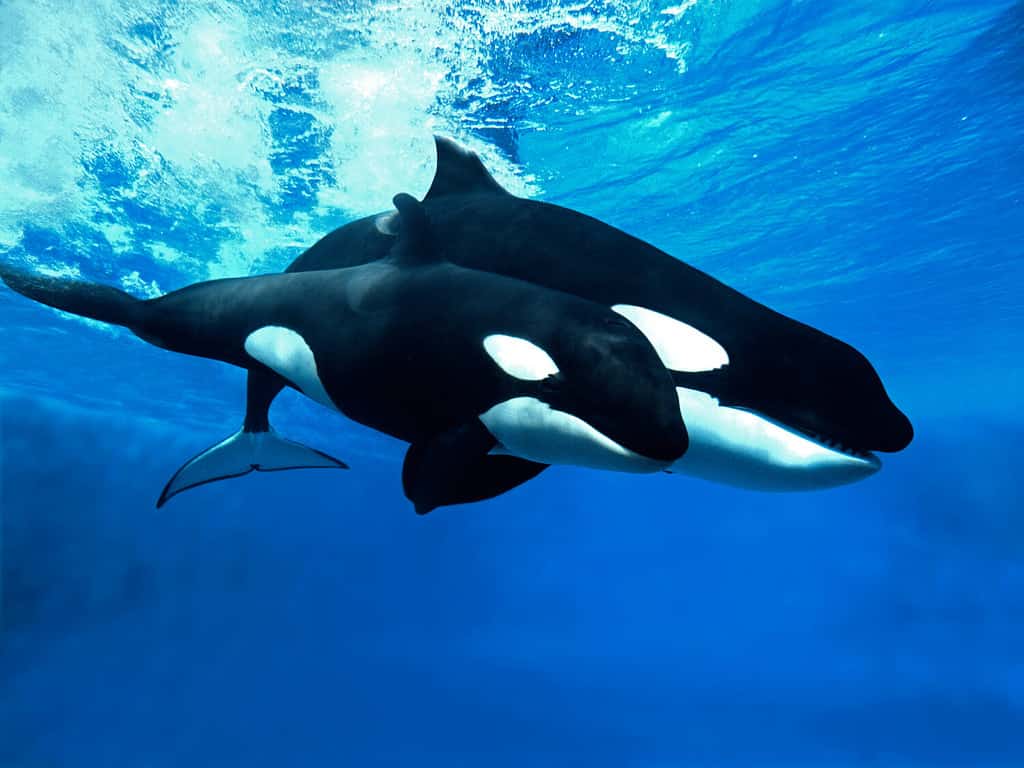
Orca captive breeding programs are outlawed in California.
©slowmotiongli/Shutterstock.com
A growing number of US states are passing legislation to prohibit intensive confinement crates for calves raised for veal and gestating sows, and battery cages for egg-laying hens. For example, Florida prohibits gestation crates that prevent a pig from turning around freely, and Michigan prohibits confinement of veal calves, gestating sows, and hens where they cannot stand up, lie down, fully extend limbs, or turn around freely for the majority (or all) of the day.
Currently, there is no worldwide treaty governing the protection of animal welfare. The proposed UN Convention on Animal Health and Protection was introduced in 2019 but has not yet been adopted.
Emerging Conservation Technologies
Technology presents both a threat to and hope for conservation. The natural world interacts with scientific advances in complex and constantly changing ways. For example, the recently published Global Horizon Scan highlights 15 emerging issues for biodiversity conservation in the decade ahead. The identification of ocean darkening caused by agricultural run-off and urbanization could affect marine food webs. Also, widespread moisture decline in soils may put pressure on terrestrial ecosystems.
At the same time, technology is no longer a niche component of conservation work. All you have to do is scan the biology and nature journals to see that it is now a vital component of conservation research. Camera traps and GIS/remote sensing have been foundational technologies for some time, but the use of acoustics and AI tools continues to grow. AI tools offer much potential, but barriers such as capacity and operational deployment must be overcome to realize it fully.
Environmental DNA and Acoustics
The use of environmental DNA (eDNA) has revolutionized conservation survey work. A wealth of biodiversity data can be collected quickly by simply collecting samples of soil or water. There is no need to get close to large or dangerous animals, and the studies can be carried out without disturbing the very creatures that you are trying to protect. Just one small sample can capture a snapshot of many species simultaneously, without the work having to be replicated for each animal.

eDNA is a new conservation technique.
©gopixa/Shutterstock.com
Scientists can use acoustic recording technology to “listen in” on marine species. This can be anything from archival bottom-mounted recorders to near-real-time monitoring from acoustic gliders and buoys. The tools are used to study behavior, movements, and distribution of marine animals. As with eDNA, recording devices can target many species at once. Acoustic recording technology has been successfully used to study difficult-to-access animals such as deep-diving species and those with small but wide-ranging populations.
What About Grassroots Animal Welfare Groups?
Global wildlife NGOs such as the World Wildlife Fund (WWF) and the International Fund for Animal Welfare (IFAW) have the resources to dominate headlines on animal welfare. Yet, despite the millions of dollars that they spend highlighting illegal wildlife trade and protecting species from extinction, the problems remain. So, what about the role of grassroots organizations?
Local, grassroots groups are closer to the issues on the ground, understand the local issues, and can use funds more efficiently. These ‘lean’ organizations with small teams of dedicated staff, often working in inhospitable or even dangerous conditions, can achieve so much. They have helped document illegal activity and support anti-poaching efforts
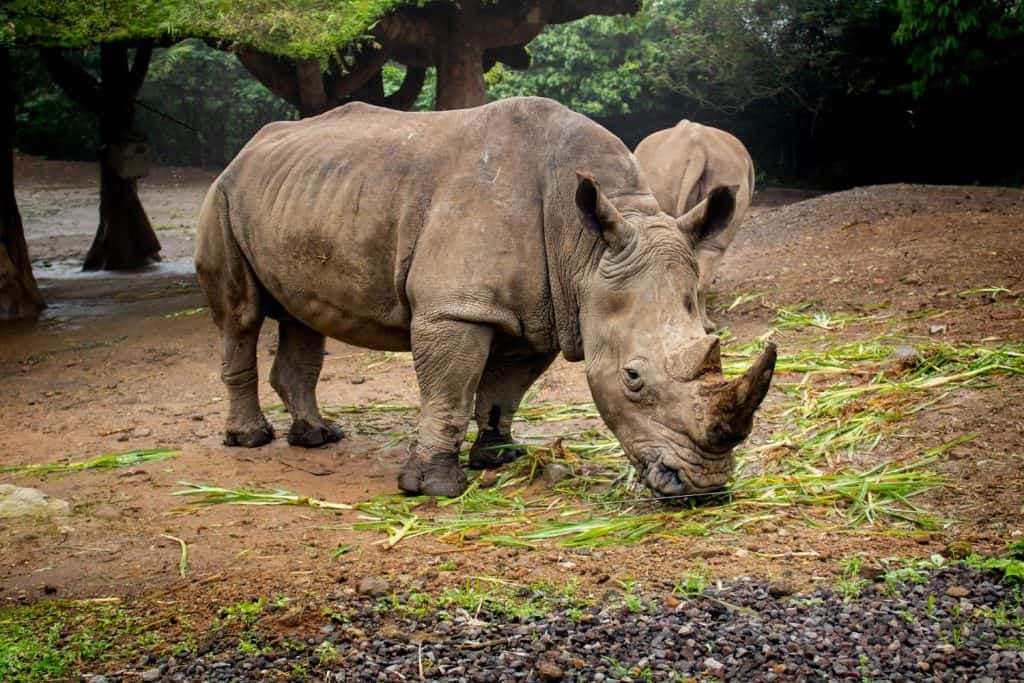
The Black Mamba Anti-Poaching Unit protects rhinos.
©Jose Krishnawan/Shutterstock.com
For example, the Black Mamba Anti-Poaching Unit is a majority-female anti-poaching team founded in the Balule Nature Reserve within the Greater Kruger National Park in 2013. They operate daily patrols to spot rhino poachers and teach children about wildlife and the environment and how it needs to be protected.
Anima International is a non-profit organization with the goal of saving as many animals as they can. They work with major food companies in the UK to secure policy change for farmed animals. Ultimately, their aim is to end factory farming and create a world free from animal suffering. On World Animal Day, that is a cause worth celebrating.