
Reptiles are among the most fascinating animals on Earth, possessing unique and remarkable traits. In honor of National Reptile Awareness Day on October 21, we spoke with experts about these intriguing creatures. Here are 10 reptile superpowers that will blow your mind.
1. Snakes Are Natural Pest Control
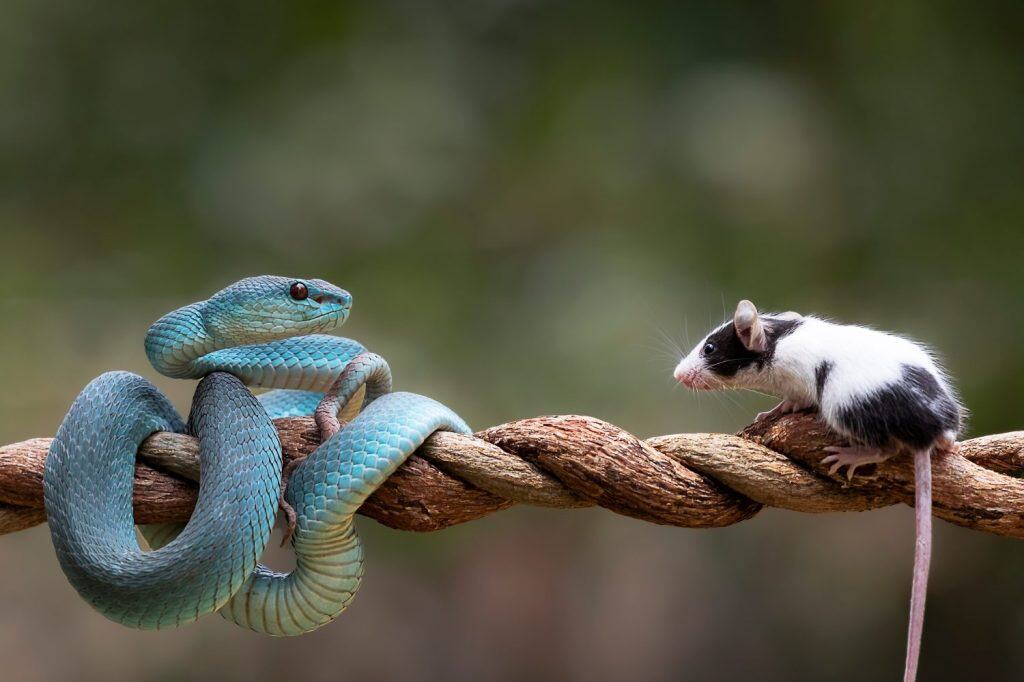
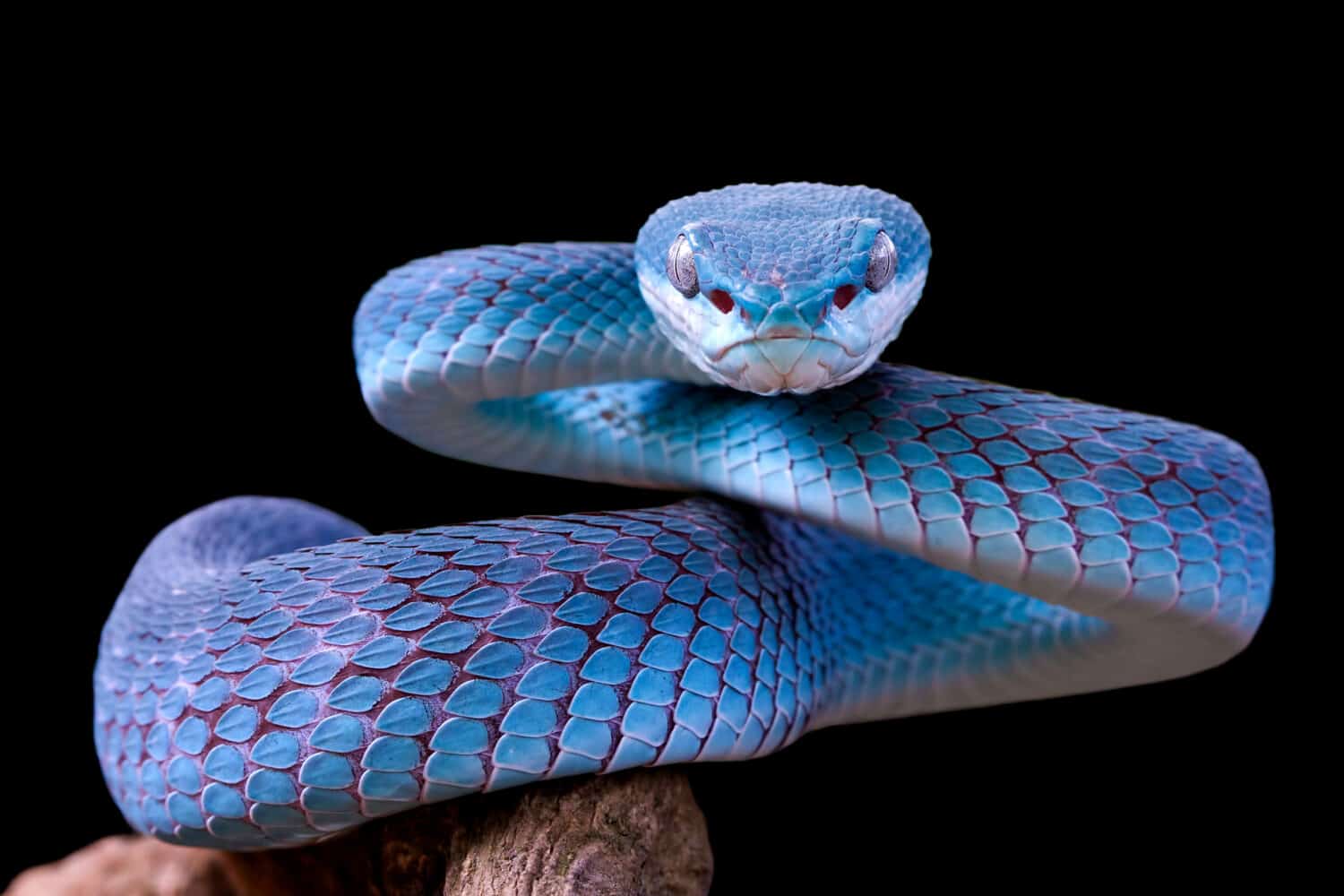
Snakes might be intimidating, but they act as a natural form of pest control.
©lisdiyanto suhardjo/Shutterstock.com
Did you know that snakes are actually beneficial to our ecosystem?
“They’re super-effective, all-natural pest control,” says Melissa Amarello, Executive Director at Advocates for Snake Preservation. “They eat vectors and carriers of many diseases, including The Plague and Lyme disease. Snakes won’t raid your garden or chew up your wires, but they will eat the critters that do. And due to their non-competitive nature and ability to fast for long periods, vipers (rattlesnakes, copperheads, cottonmouths) are more effective at controlling prey populations than bird or mammal predators.”
While you might be wary of any nearby snakes in your garden or around your home, know that they likely won’t cause you any harm. In fact, they might just be helping control and prevent potential pest issues. Just try not to sneak up on them or get too close.
2. Some Lizards Can Detach Their Tails
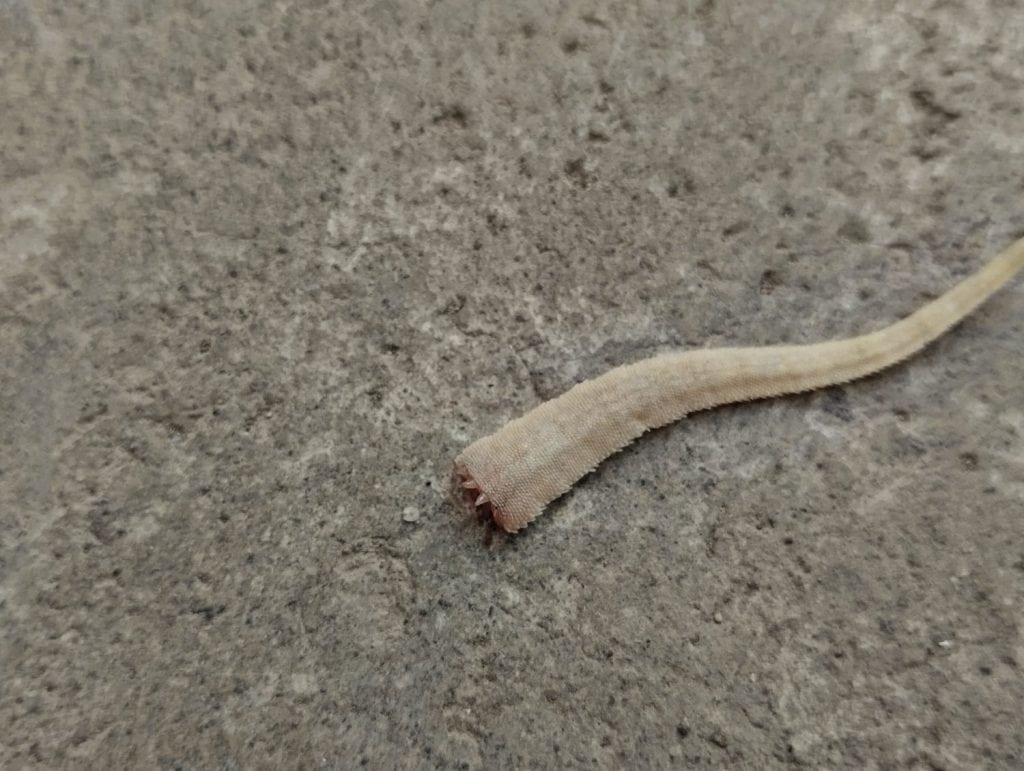
Lizards will abandon their detached tails to escape predators.
©SANDY.hrmn/Shutterstock.com
According to Dr. James Danoff-Burg from the Living Desert Zoo and Gardens, some lizard species can detach their tails from their bodies. This defense mechanism is known as caudal autotomy, which helps the reptile escape predators. Essentially, the lizard’s tail breaks off at its fracture plane, or the weakened part of the tail’s vertebrae that allows for easy detachment. But don’t worry, the lizard eventually regenerates a new tail. If this isn’t a reptile superpower, I don’t know what is.
3. Rattlesnakes Can ‘Rattle’ At Extremely High Speeds
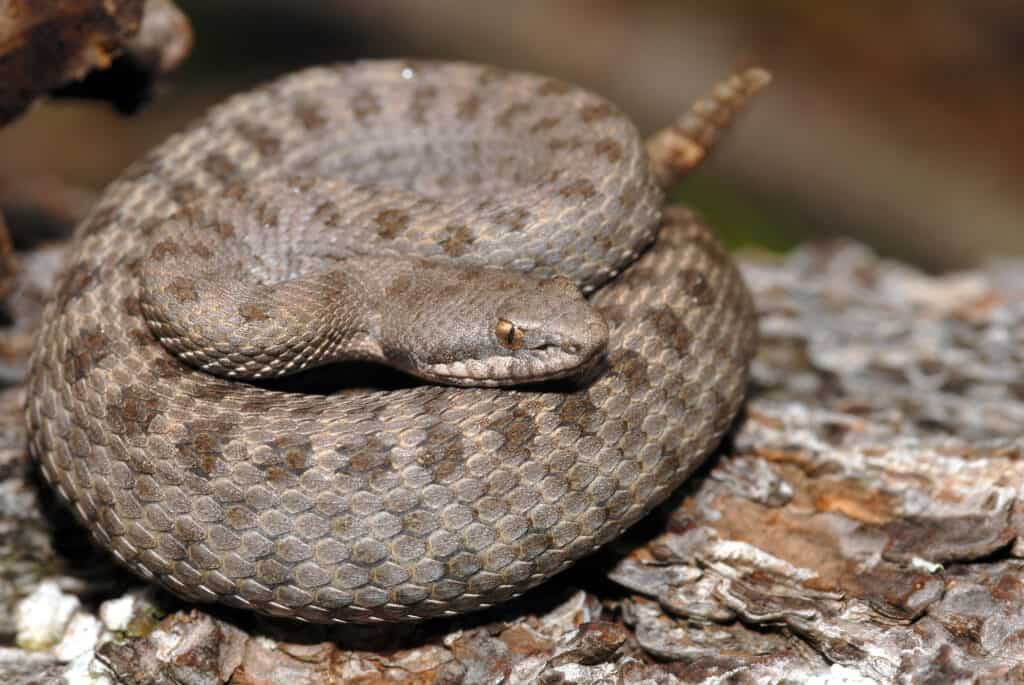
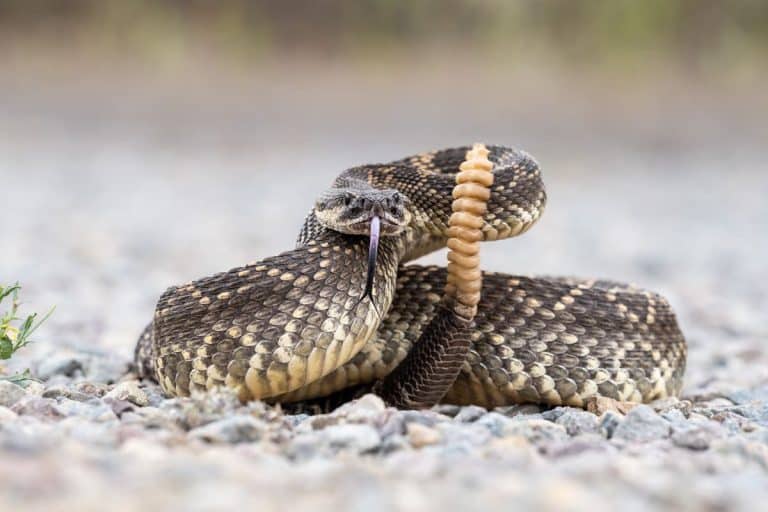
Rattlesnakes are born with venom.
©Rusty Dodson/Shutterstock.com
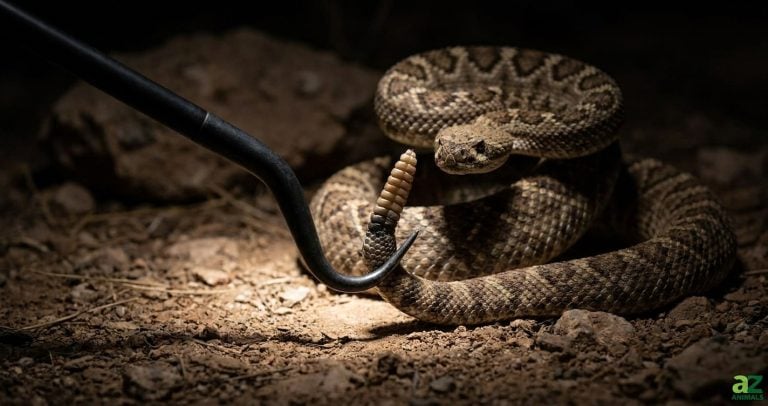
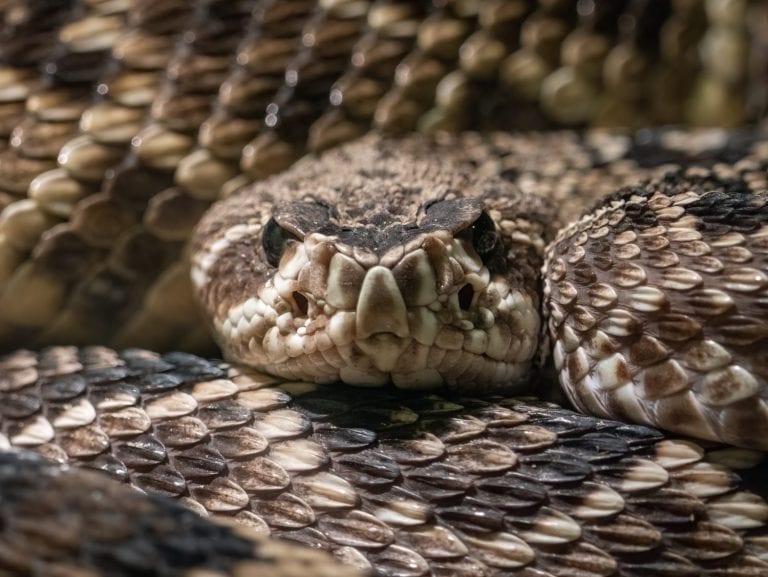
It’s no shock that rattlesnakes can vibrate their tails, as this is where their iconic name stems from. However, these reptiles rattle at impressively high rates.
“Rattlesnakes can move their rattle back and forth 60 times per second!” says Dr. Danoff-Burg. In fact, some experts even say the number can be as high as 90 times per second.
Like other snakes, as mentioned above, rattlesnakes also help with pest control.
“Rattlesnakes play an important role in their ecosystem by controlling small mammal populations,” Dr. Danoff-Burg continues. “They prey mostly on rodents and only eat once every two weeks.”
4. Snakes Don’t Blink
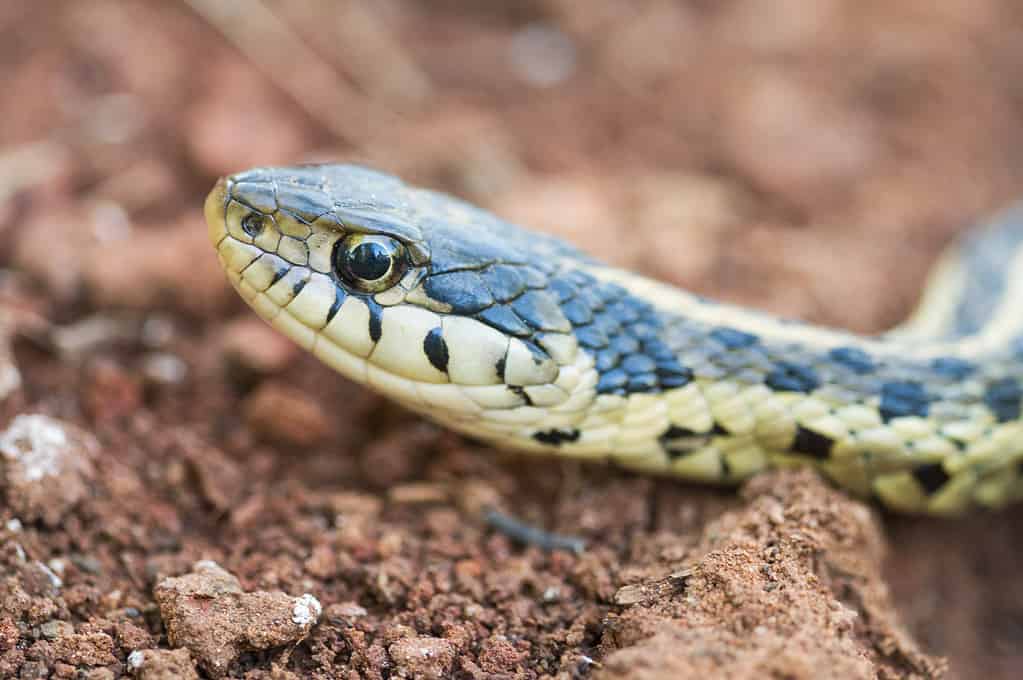
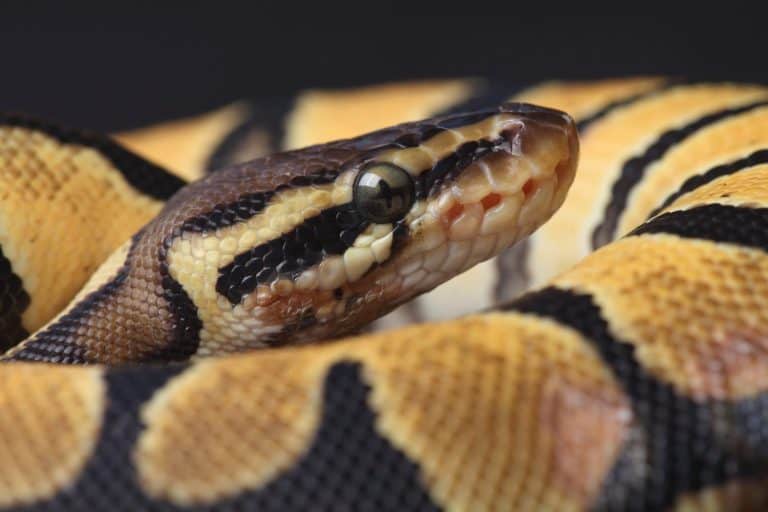
Snakes have immovable caps over their eyes so they don’t have to blink.
©James Brunner Photography/ via Getty Images
Imagine not having to blink your eyes your entire life. Now that is a reptile superpower—one that snakes in particular possess.
“You will never win a staring contest with a snake, because snakes do not blink,” says Dr. Danoff-Burg. “Instead, they have a transparent spectacle over each eye that does the same job as our eyelids.”
This immobile eye cap is called a brille and ensures the snake does not need to lubricate or clean its eyes.
Rattlesnakes play an important role in their ecosystem by controlling small mammal populations.
Dr. James Danoff-Burg from the Living Desert Zoo and Gardens
5. Some Turtles Can Hold Their Breath For Several Hours
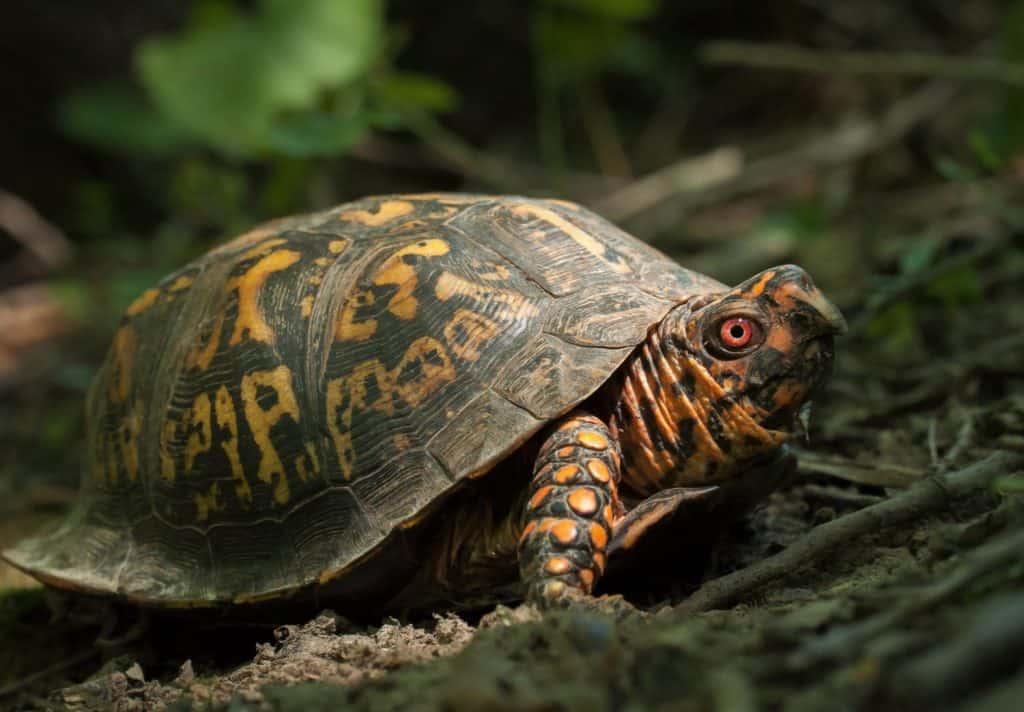
Turtles take the saying “save your breath” to a whole new level.
©Mike Wilhelm/Shutterstock.com
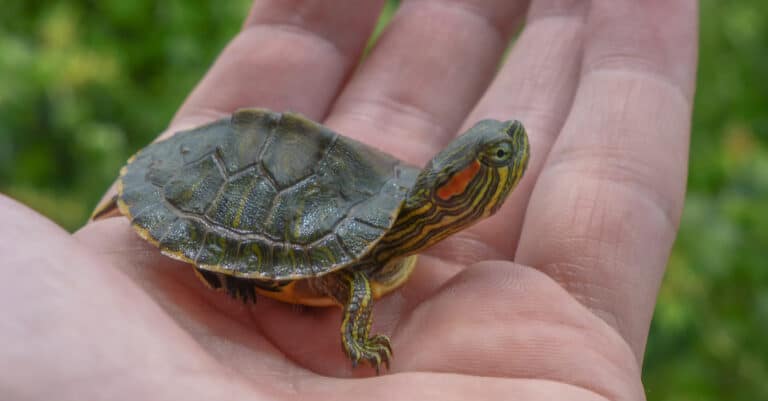
Just as impressive as not having to blink your entire life, some turtles can hold their breath for hours at a time, according to Dr. Danoff-Burg. Basically, these reptiles slow their heart rates and metabolism to conserve oxygen, especially when resting.
6. Some Snakes Can Change Color
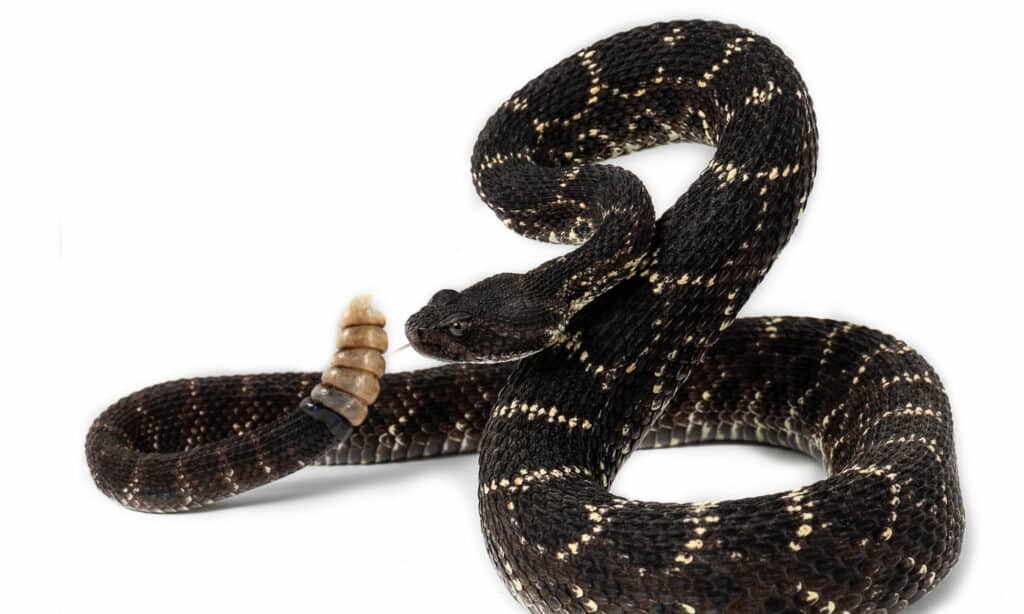
Arizona Black Rattlesnakes can change color within mere minutes.
©Scott Delony/Shutterstock.com
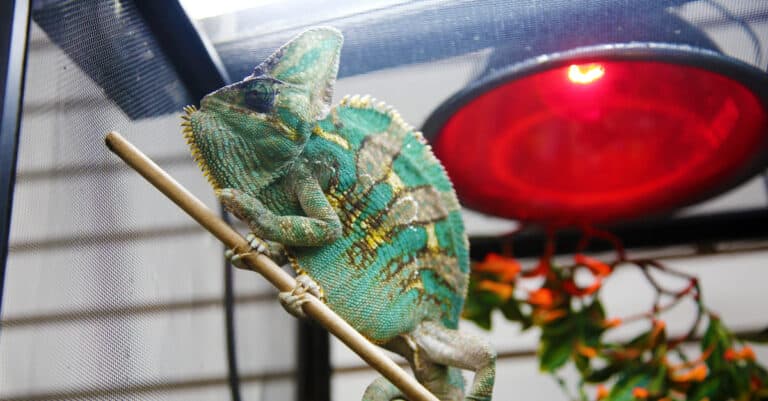
Like chameleons, which are known for this ability, some snake species can change color. Through a process called metachromatism, these reptiles can camouflage themselves to blend in with their surroundings, while others change color in response to body temperature.
“Like many snakes, Arizona Black Rattlesnakes undergo morphological color change as they age,” says Amarello. “But they can also rapidly change color, aka physiological color change. This is probably most well-known in chameleons, but Arizona Black Rattlesnakes can do this too!”
7. Desert Tortoises Can Survive Without Water For Over a Year
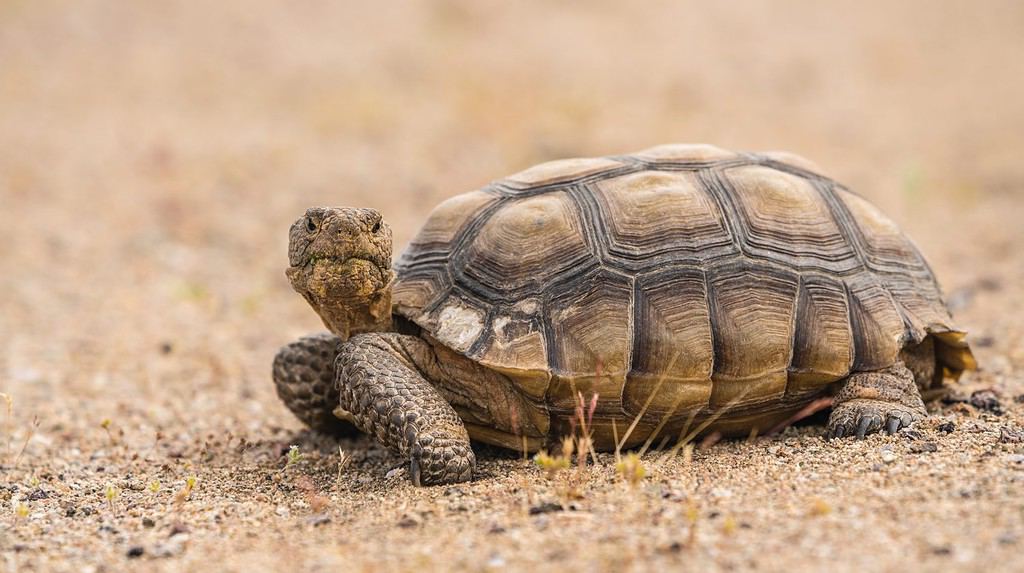
Desert tortoises can be found in the southwestern United States and northwestern Mexico.
©clayton harrison/Shutterstock.com
All living things need water to survive. However, this particular reptile can go without water for an entire year.
“Desert tortoises store water in their bladder and can survive a year without drinking,” Dr. Danoff-Burg explains. “If you see a desert tortoise in the wild, do not pick it up! When frightened, it can empty its bladder and lose its water supply.”
8. Western Hognose Snakes Play Dead
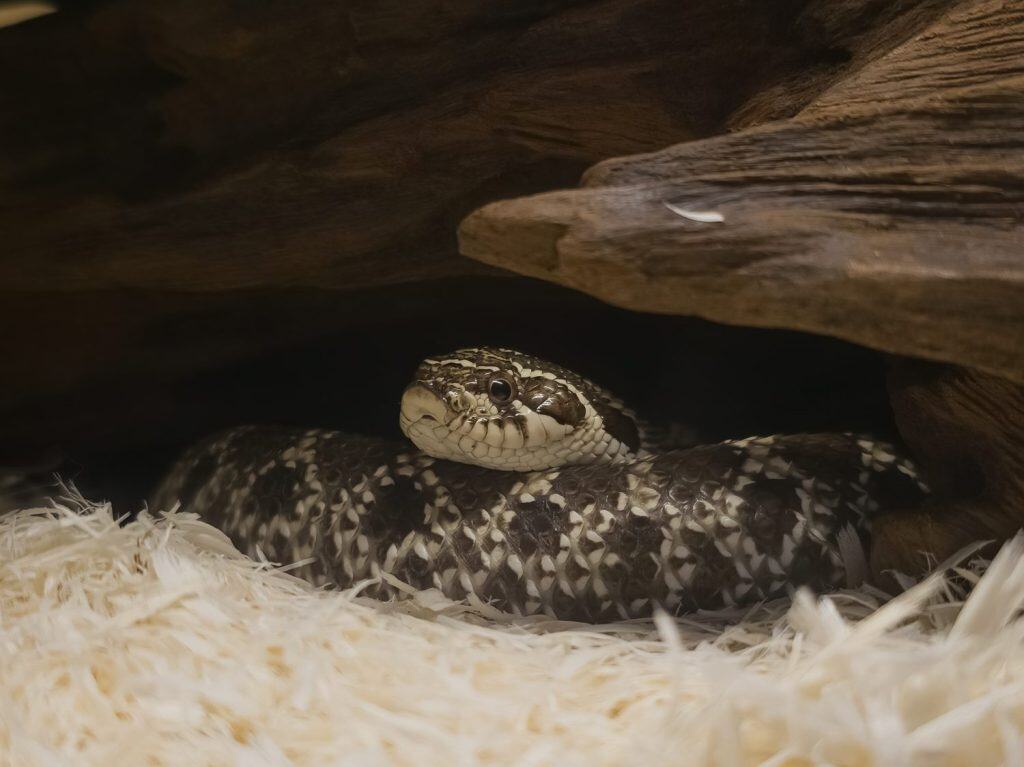
Some snakes, like the Western Hognose snake, will play dead to escape their predators.
©ANURAK PONGPATIMET/Shutterstock.com
Reptiles are incredibly resilient creatures that employ a variety of defense mechanisms to survive. A prime example is the Western Hognose snake’s ability to play dead.
“Western Hognose Snakes, when threatened, will throw up their last meal and roll over on their back, playing dead for up to five minutes,” says Dr. Danoff-Burg.
9. Gila Monsters ‘Taste’ the Air to Detect Prey
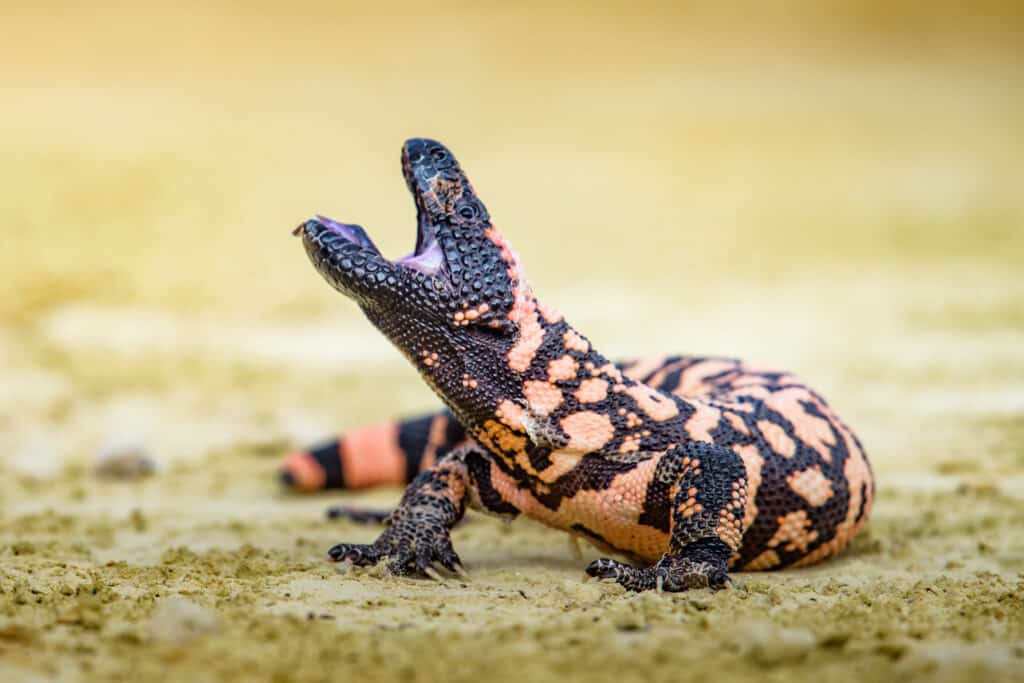
Gila monsters have poor eyesight, relying heavily on their sense of smell.
©Vaclav Sebek/Shutterstock.com
Gila monsters are among the most intriguing reptiles and are the only venomous lizard native to the United States, according to Dr. Danoff-Burg. Due to their poor eyesight, they employ unique hunting tactics.
“To find prey, they flick their tongues out and pick up scent particles in the air,” he explains. “Gila monsters don’t need to eat often because they store fat in their tails.”
10. Rattlesnakes Aid in Seed Dispersal
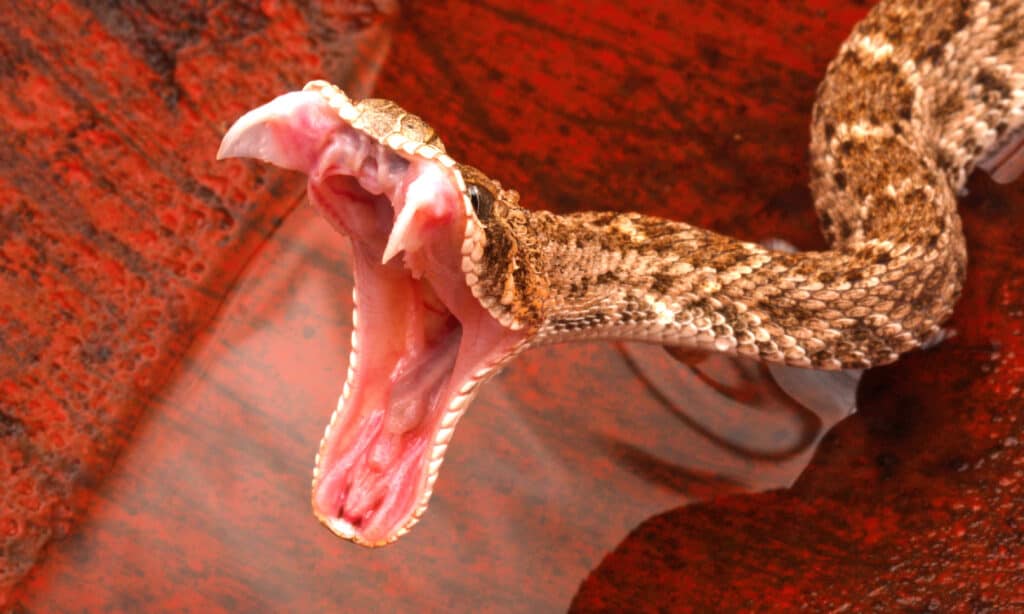
Rattlesnakes are dangerous to humans due to their venom.
©iStock.com/johnaudrey
As mentioned earlier, rattlesnakes play a vital role in our ecosystem, including aiding in seed dispersal.
“Snakes swallow their food whole, so seeds in the cheek pouches or stomachs of their prey are consumed too,” says Amarello. “Passing through the digestive tract of a rattlesnake can make seeds more viable and help expand plants’ range through dispersal.”