
Quick Take
- Buyers may pay up to $450 for the privilege of owning an orchid mantis.
- Breeder prices vary depending on shipping costs and the breeder’s ethics.
- Female orchid mantises live eight to 10 months, while males live for four to six months.
- Buyers can find it hard to rationalize purchasing an orchid mantis, given their short life span and difficulty surviving to adulthood.
A hefty price tag generally comes with the privilege of owning exotic pets. Many do not mind, however, as they enjoy the experience of caring for a creature that many may never come in contact with.
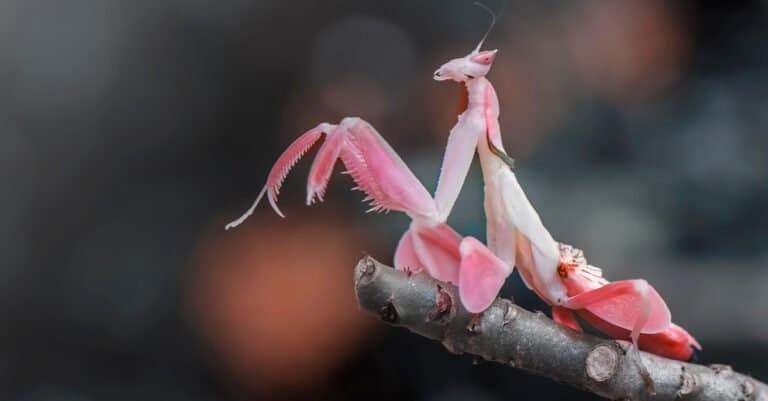
Exotic pets include birds, mammals, and reptiles. However, insects are exotic pets as well. One insect in particular is so special that it doesn’t look like an insect at all but instead resembles a beautiful flower. This creature is the orchid mantis, and it is among the most expensive pet insects available on the market today.
What Makes the Orchid Mantis a Favorite in the Exotic Pet Market
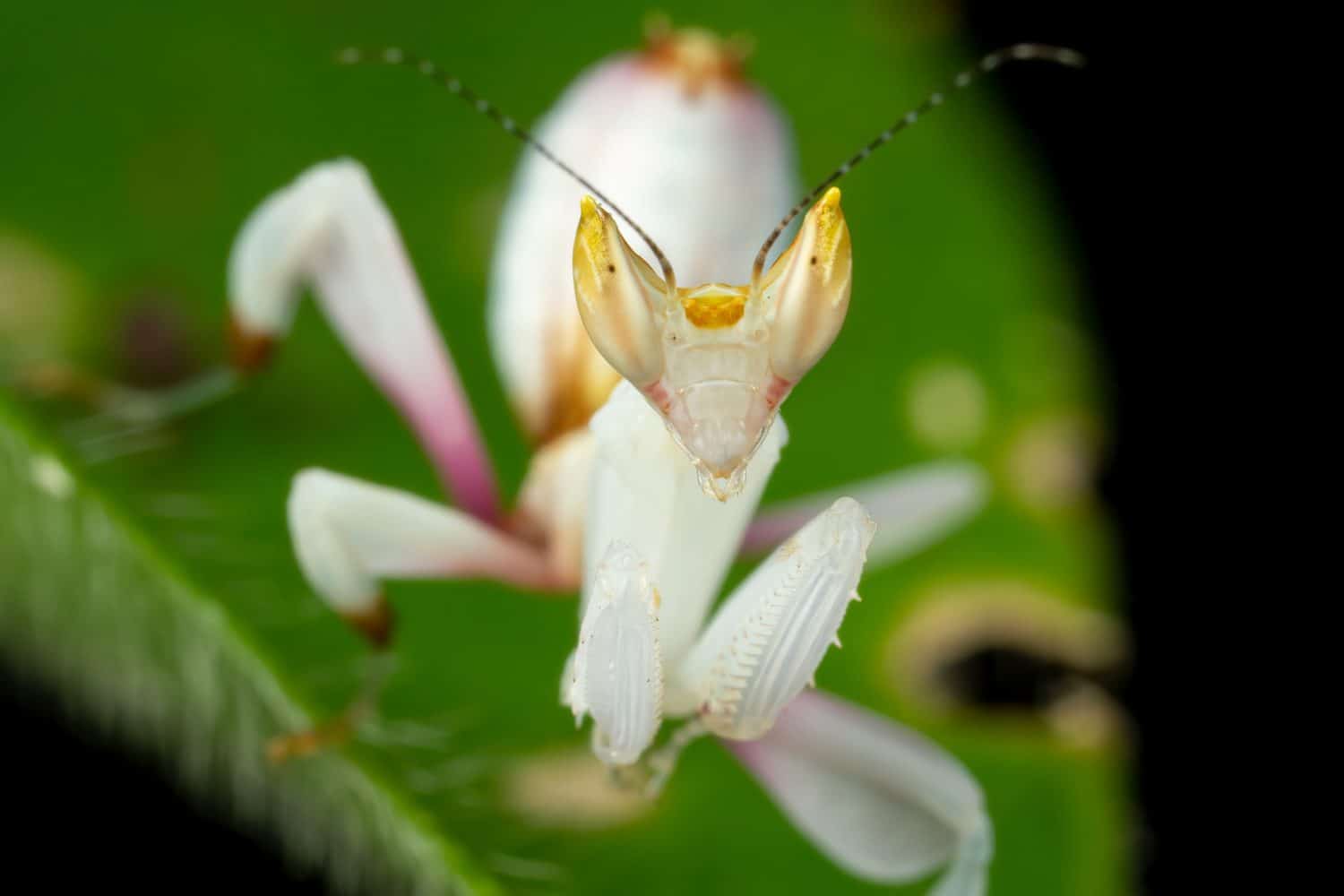
Take one look at the orchid mantis, and it is easy to see why it is a favorite in the exotic pet market. These mantises are unlike any other exotic creature, making them exciting to own, and people will pay a premium for these bragging rights.
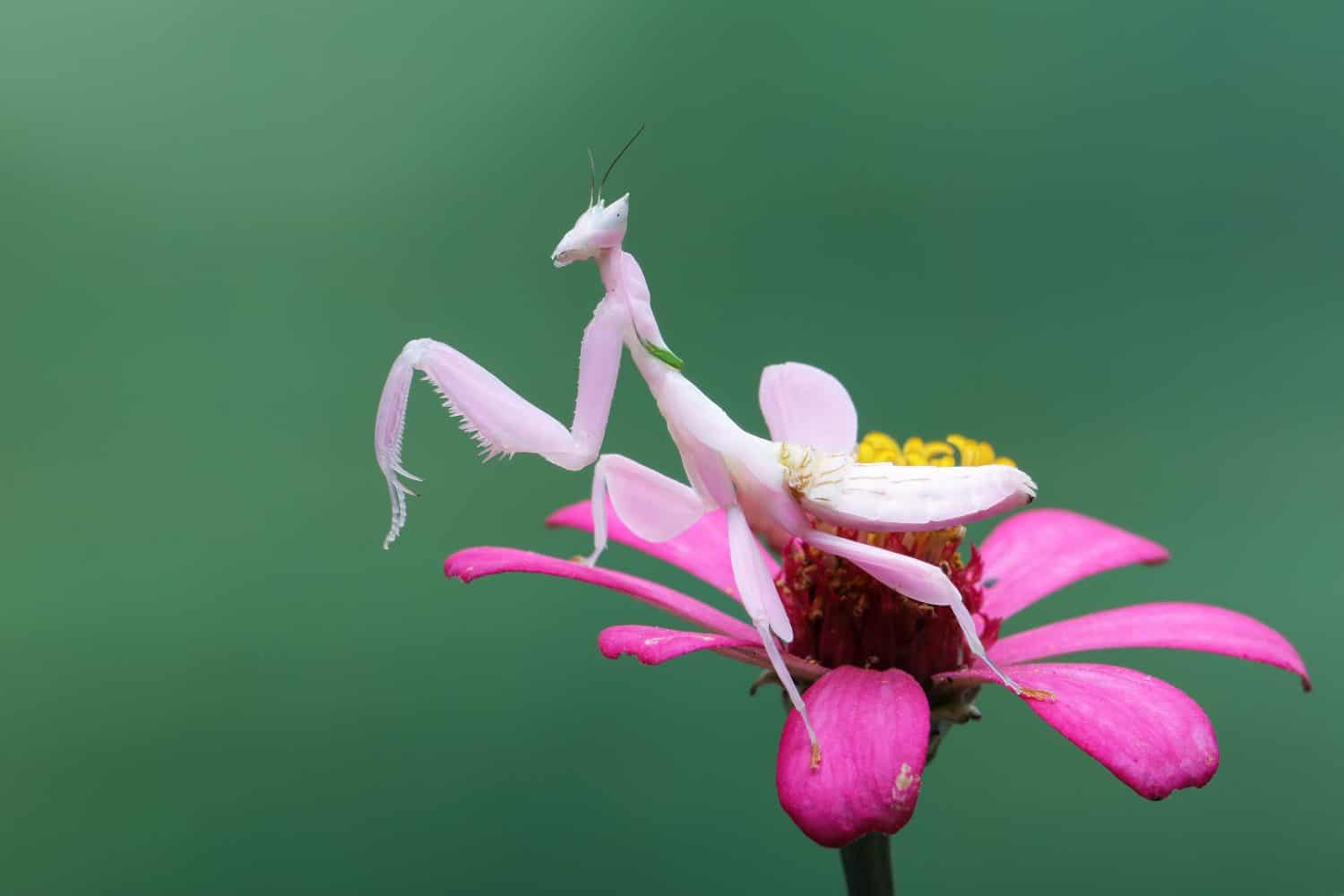
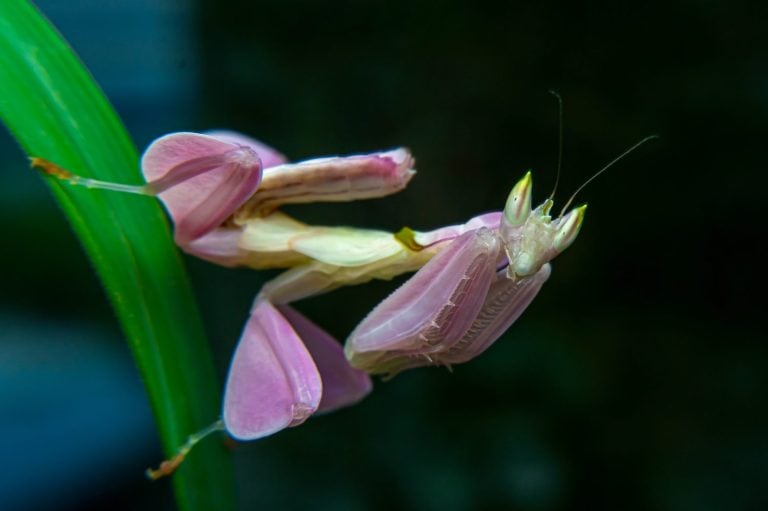
Resembling an orchid, the orchid mantis is an expensive exotic insect that many enthusiasts would love to purchase.
©Lauren Suryanata/Shutterstock.com
In the wild, orchid mantises are found only in Malaysia, Indonesia, and Thailand. Within the lush rainforests, the orchid mantises, resembling tropical flowers, remain still, camouflaged among blooms. When prey wonders too close, the insect strikes. Their stillness makes them difficult to spot, adding to intrigue among enthusiasts.
Because the orchid mantis is literally as stunning as an orchid, with its pink and white hues, many want to add the exotic creature to their menagerie of insects. Both adults and nymphs go for hundreds of dollars.
Why is the Orchid Mantis Considered Rare if it is Easy to Obtain?
The orchid mantis is not rare. In fact, it can be found online or even in some pet stores around the country. Therefore, obtaining one is not difficult. What is uncommon, however, is an exotic insect owner capable of caring for the mantis appropriately so it can survive molting and reach adulthood.
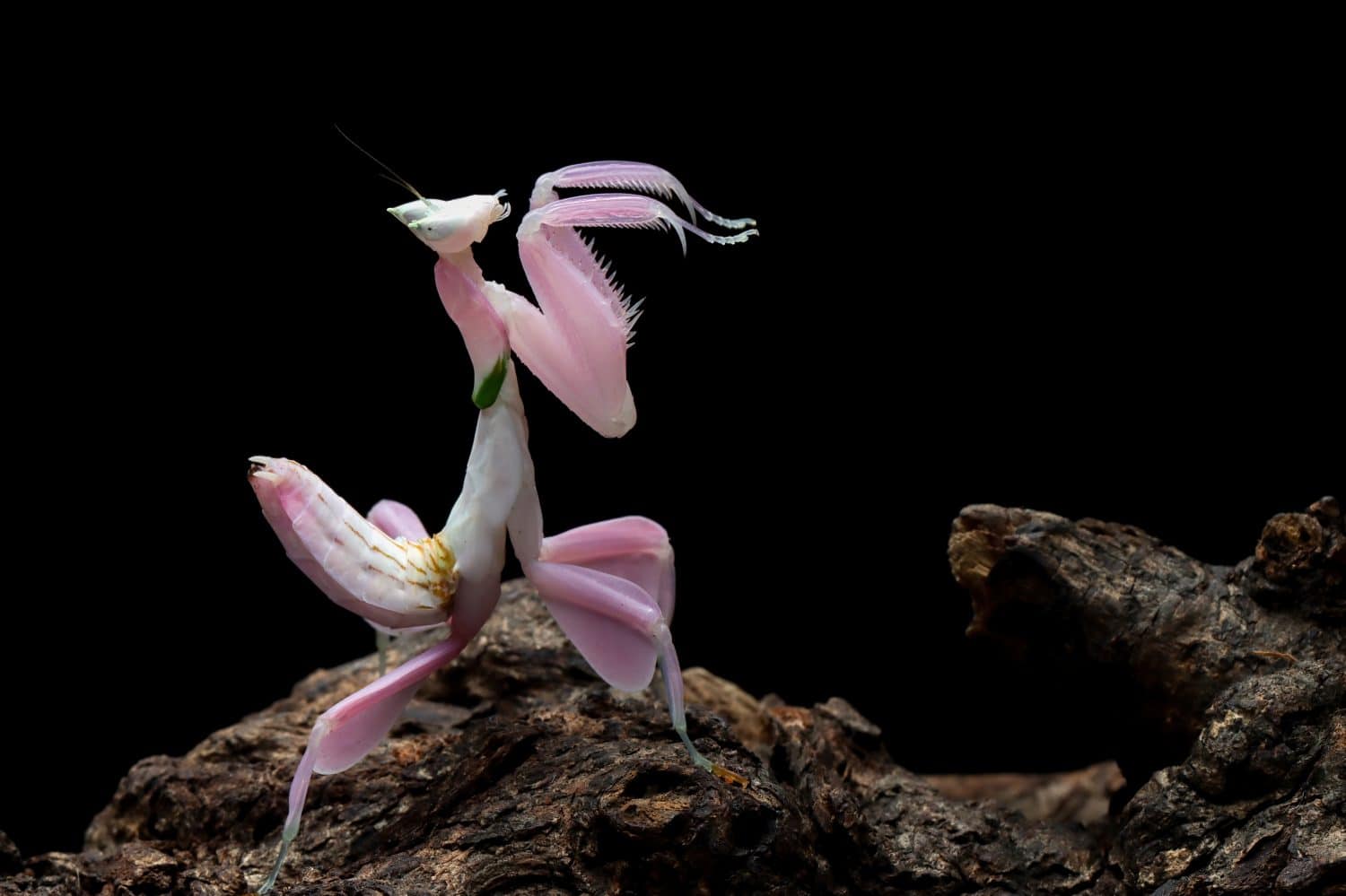
The fact that orchid mantises are easy to purchase does not make them rare. The rarity comes from the nymphs surviving to adulthood, which very few do.
©Kurit afshen/Shutterstock.com
Type in “orchid mantis,” and the results will show a variety of sellers with the insects in stock and ready to ship. Though not a rarity, these mantises are among some of the most delicate, and many struggle to keep them alive. Often times, these mantises do not survive the shipping process, or if they do, they die soon after transport.
Even the most well-intentioned owners may not be able to keep the enclosure within the parameters the orchid mantis needs or provide the picky eaters with a food source they like. When this happens, stress or mismolt can mean the end of the orchid mantis. Those in the market for an orchid mantis should remember that while acquiring one is easy, keeping it healthy and thriving past the nymph stage is a challenge.
Orchid Mantises Do Not Live Long, and Mortality Rates Are High
Orchid mantises are among some of the most unusually beautiful insects in the animal kingdom. Unfortunately, that beauty does not equate to a long life. Instead, even under the best of circumstances, orchid mantises have a short lifespan.
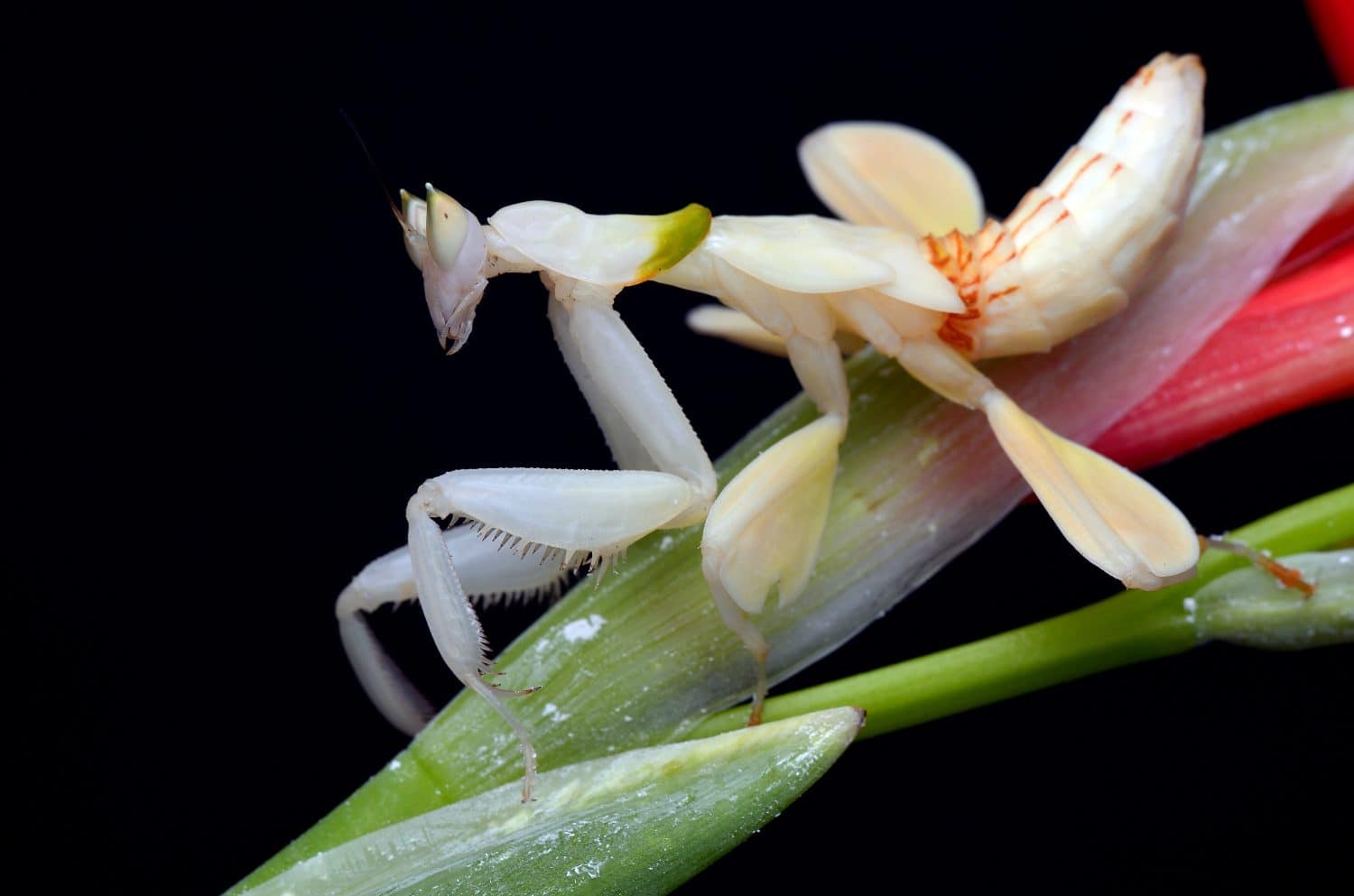
Orchid mantises that make it to old age live only eight to 10 months for females and four to six months for males.
©SIMON SHIM/Shutterstock.com
If an orchid mantis lives out their natural lifespan, females will live approximately eight to 10 months, while males will live between four and six months. This period of months feels quite short when the cost and dedication to care for them are factored in.
Maintaining an optimal environment for these insects is tricky. Nymphs, in particular, are very difficult to keep alive because they tend to be pickier about their food than adults and are prone to falling ill more easily. This is why breeders often sell orchid mantis nymphs in multiples, hoping that one or more will survive not only the shipping process but also the transition into a new environment.
Breeding Orchid Mantises is Not an Easy Task
Orchid mantises are bred in captivity. This process is challenging and not recommended for those who have never cared for an orchid mantis or are new to the exotic insect world.
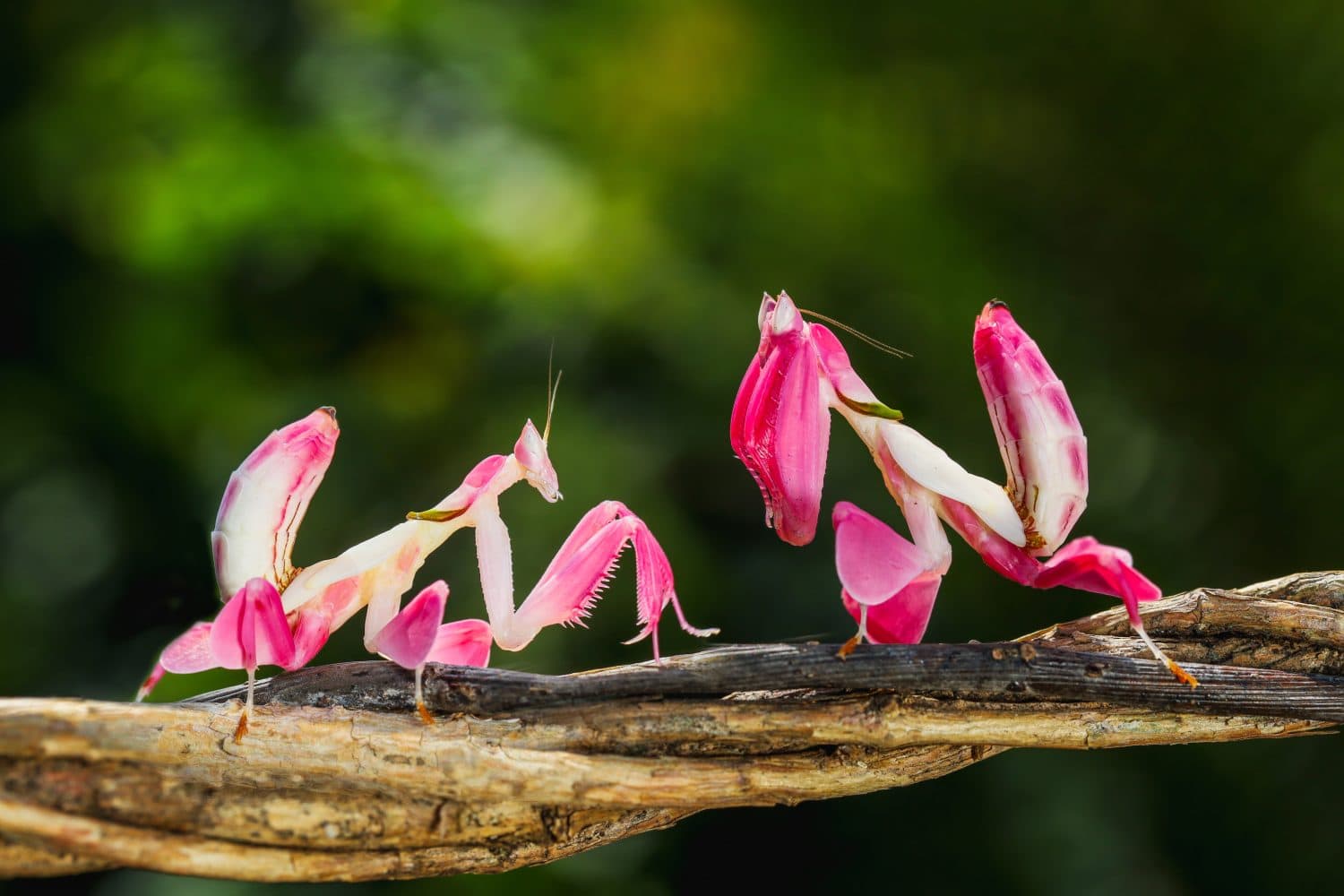
Getting orchid mantises to breed in captivity is difficult.
©monster_code/Shutterstock.com
The biggest challenges that come with breeding orchid mantises in captivity include:
- High rates of cannibalism both during and after mating
- Keeping the environment optimal for egg laying is difficult to do
- Male and female orchid mantises need to reach maturity before they can mate, and with many orchid mantises not making it out of the nymph stage, this can be difficult
Why Do Costs Vary and Why Are Orchid Mantises So Expensive?
When looking at online retailers selling orchid mantises, prices can vary dramatically. This can leave first-time buyers confused. Those well-versed in owning orchis mantises recommend buyers do their homework on any seller before purchasing. Those who do not, will likely get burned.
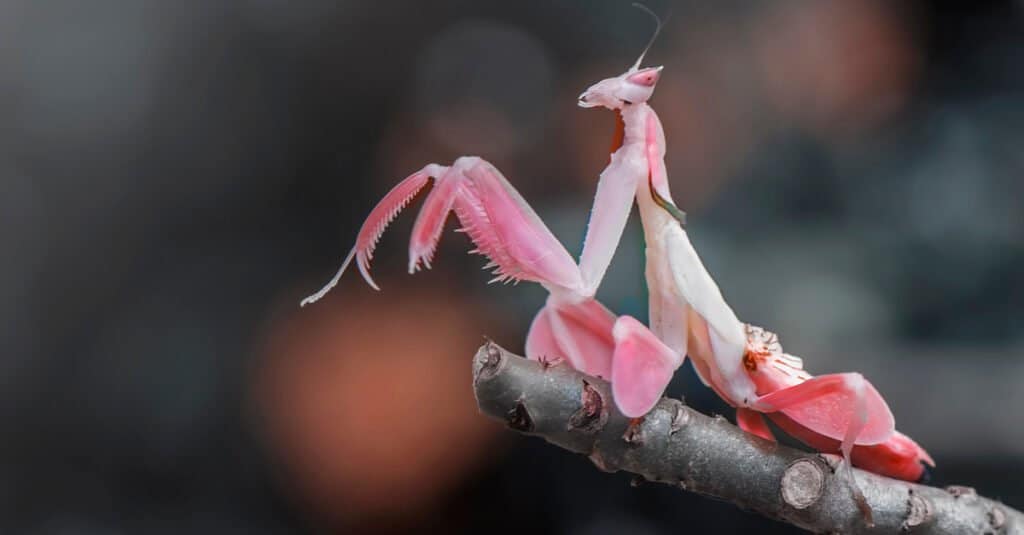
Orchid mantises are sold at a variety of high prices, and buyers need to beware.
©Galuh M/Shutterstock.com
Key factors to understand about pricing when purchasing an orchid mantis include:
- Read reviews and customer comments. If the seller responds promptly and resolves any issues, they are likely reputable.
- Sellers who do their best to ensure that orchid mantises arrive alive may charge more for shipping.
- Reputable sellers will guarantee that orchid mantises will arrive alive or offer customers a refund (this may drive up the price).
- The color and size of the orchid mantis could affect the price.
Current online prices range from $60 to $450 per mantis. There are even some sellers that offer the opportunity to purchase multiple at a time. Due diligence is key, especially when it comes to purchasing an exotic animal that will only live for a handful of months. Avoid purchasing a sick insect from a breeder who takes shortcuts with the care of their orchid mantises.
Care Challenges That Come with Owning an Orchid Mantis
If the high prices and short lifespan are not a deterrent to owning an orchid mantis, the challenges of caring for one might be. Understanding what it takes to care for one of these beautifully adorned insects is crucial before jumping in.
The biggest challenges for caring for orchid mantises come from maintaining their habitats. Orchid mantises have very specific needs, and if those needs are not met, their health declines quickly. The environments that will lead to happy, healthy, and stress-free orchid mantises include:
- Temperature: Daytime should be kept between 75°F and 85°F, and nighttime should be kept at 70°F
- Humidity: Needs to remain between 60% and 80% at all times
- Enclosure: Should be double the mantis’ length and triple the height. Ideally, a female mantis would have an enclosure no smaller than 8in x 8in x 12in.
- Ventilation: The enclosure should be ventilated to stop moisture buildup and subsequent mold growth. However, ventilation must be secure and escape-proof to prevent the orchid mantis from leaving unexpectedly.
- Light: The orchid mantis needs normal day and night cycles, with many finding that 12 hours of daylight and 12 hours of darkness works well for the insects.
- Enclosure activities: Include a variety of items to keep the orchid mantis from getting bored or stressed. From different levels to places to hide, all need to be included in the enclosure.
In addition to needing a perfect environment, a specific diet is required to maintain optimum health and promote growth. This includes tiny insects for small nymphs, with the insects growing in size as the nymphs grow. By the time the orchid mantis reaches adulthood, it will be eating everything from large crickets to roaches.
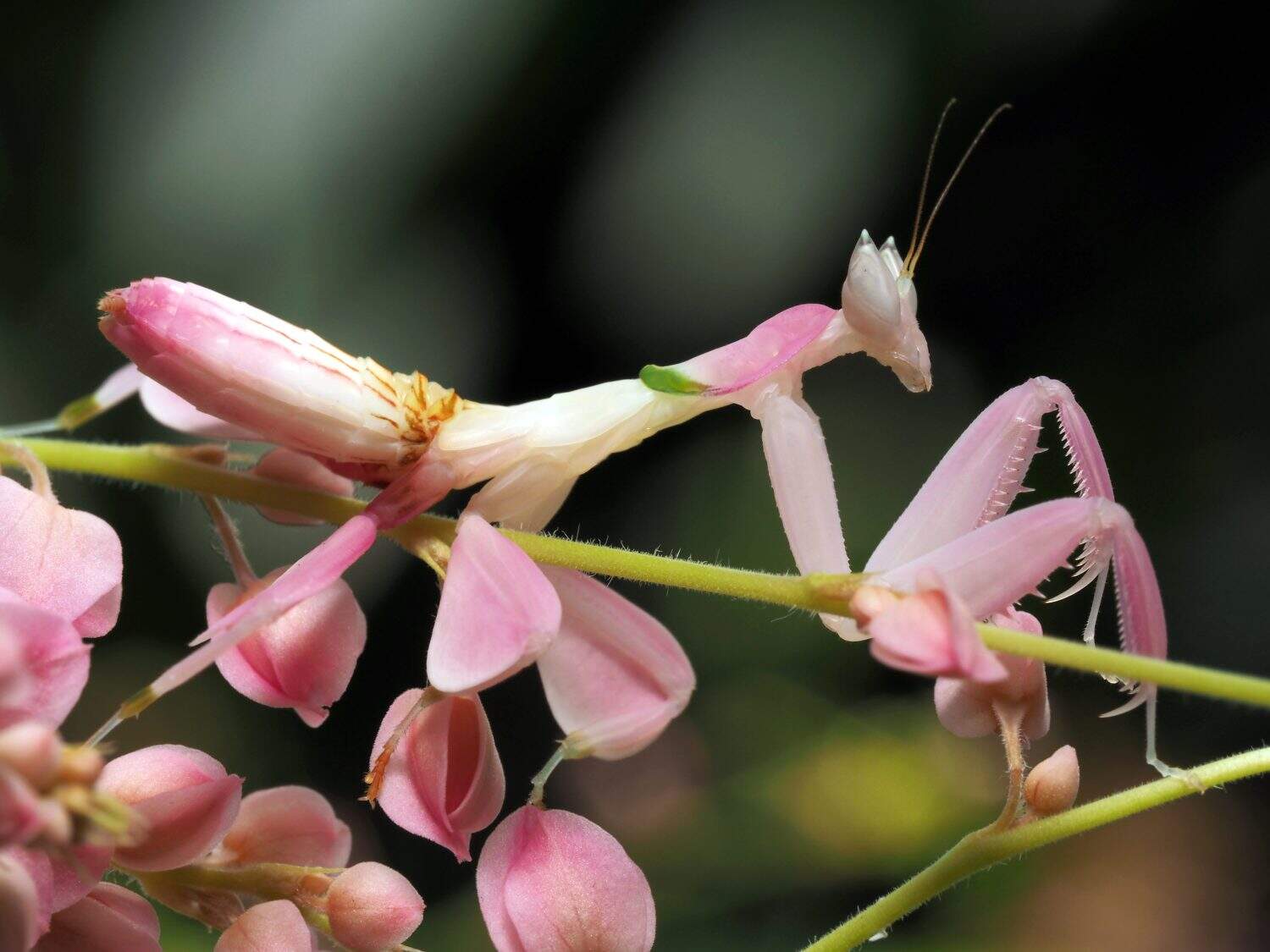
Orchid mantises are not recommended for novice mantis owners or those who cannot devote a lot of time to the mantises.
©YoONSpY/Shutterstock.com
Feeding should be done every two to three days. Each mantis has a different appetite, so monitor the enclosure for leftover prey. If there are any left over after feeding, remove the bugs so that they do not stress the mantis.
Orchid mantises are one of the most popular exotic animals on the market, given how gorgeous they are. However, they can also be very difficult to manage, which is why so many do not live as long as they would in the wild. With the right care and dedication, the orchid mantis can make a beautiful exotic pet, and the high price is worth it. For many though, the delicate insects may just be too difficult to adequately care for, making the price too high to rationalize.