
September 22 is International Tamarin Day. This is a species that deserves its own day. The story of tamarins is the ultimate underdog comeback drama. Once on the verge of extinction, today these tiny inquisitive primates have become icons of successful conservation. Their transformation from victims of the pet trade to symbols of global biodiversity shows how shifting attitudes, advancing science, and community action can come together to protect life on Earth.
Tiny Monkeys, Big Personalities
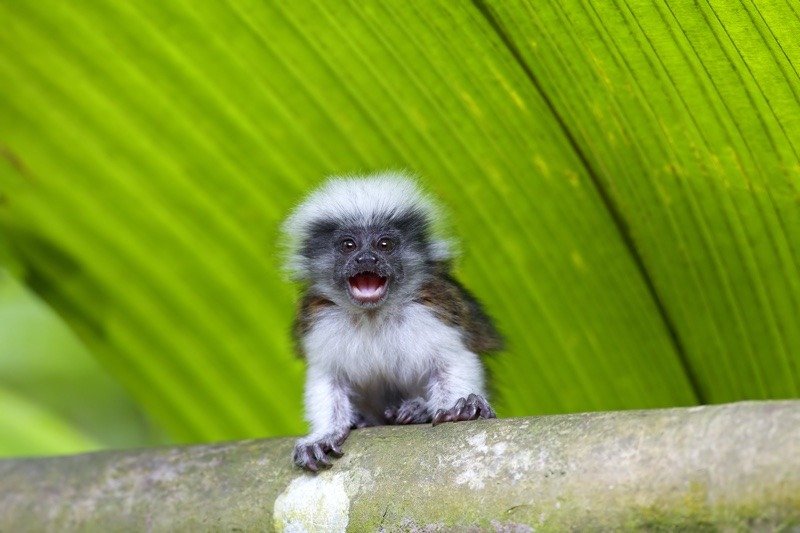
A baby cotton-top tamarin, showing off its personality.
©Kjersti Joergensen/Shutterstock.com
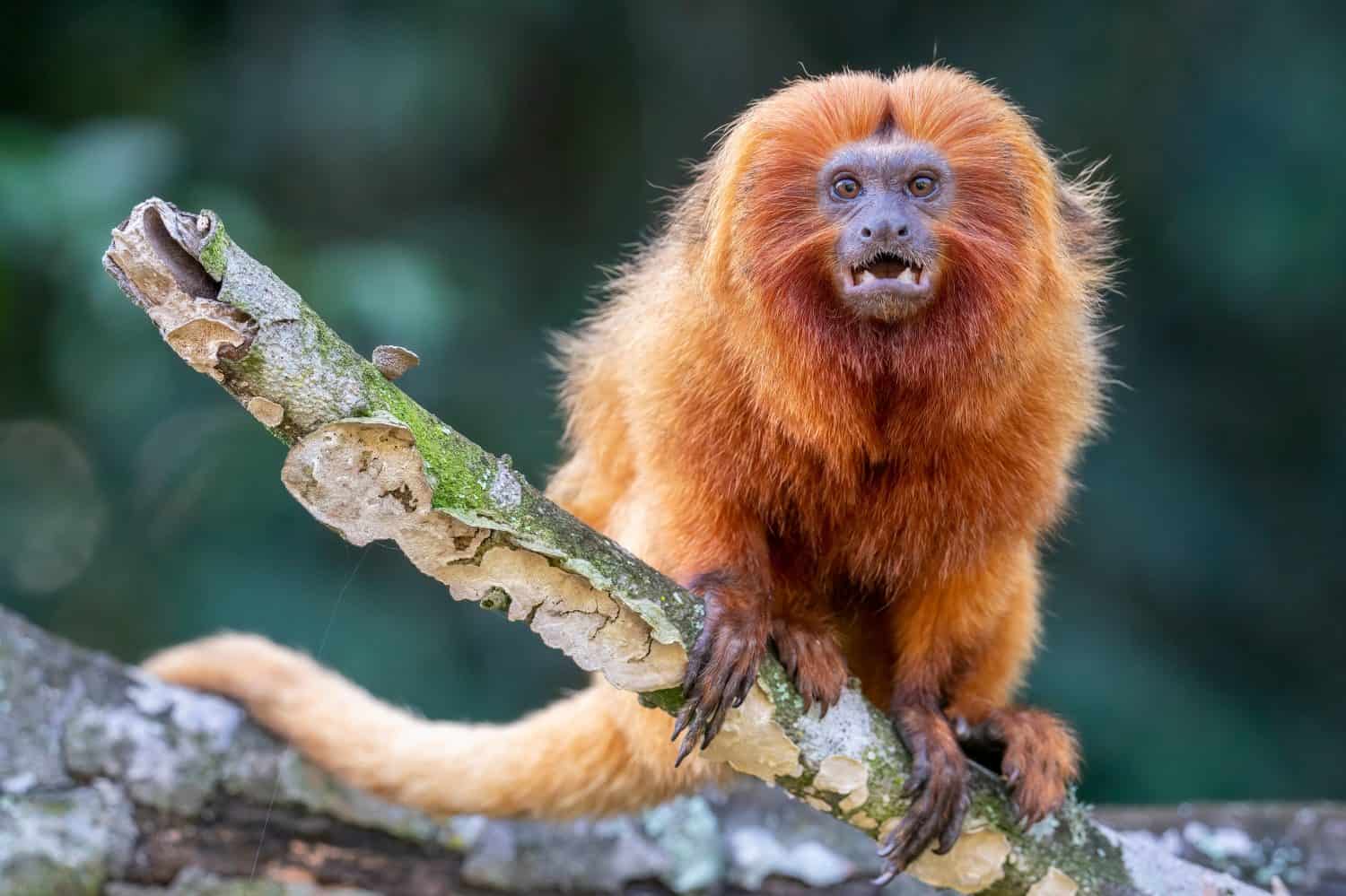
Tamarins are tiny monkeys that live in the tropical forests of Central and South America. Two of the most well-known species are the cotton-top tamarins of Colombia and the golden lion tamarin found in southeastern Brazil.
Tamarins are part of the same family as marmosets. Most are only about 8 to 12 inches long with a tail that can be even longer. They are known for being live wires of energy and having larger-than-life personalities. Their fur comes in a variety of colors and memorable patterns.
These little guys usually travel in groups, leaping through the trees and foraging for food together. They like to eat fruit, nectar, insects, and even the occasional small animal. Tamarins communicate with a variety of calls and sounds to warn each other about danger or simply keep the group connected. They also play an important role in the rainforest by spreading seeds that cling to their fur or that they discard or defecate from the fruit they eat.
Tamarins in the Pet Trade
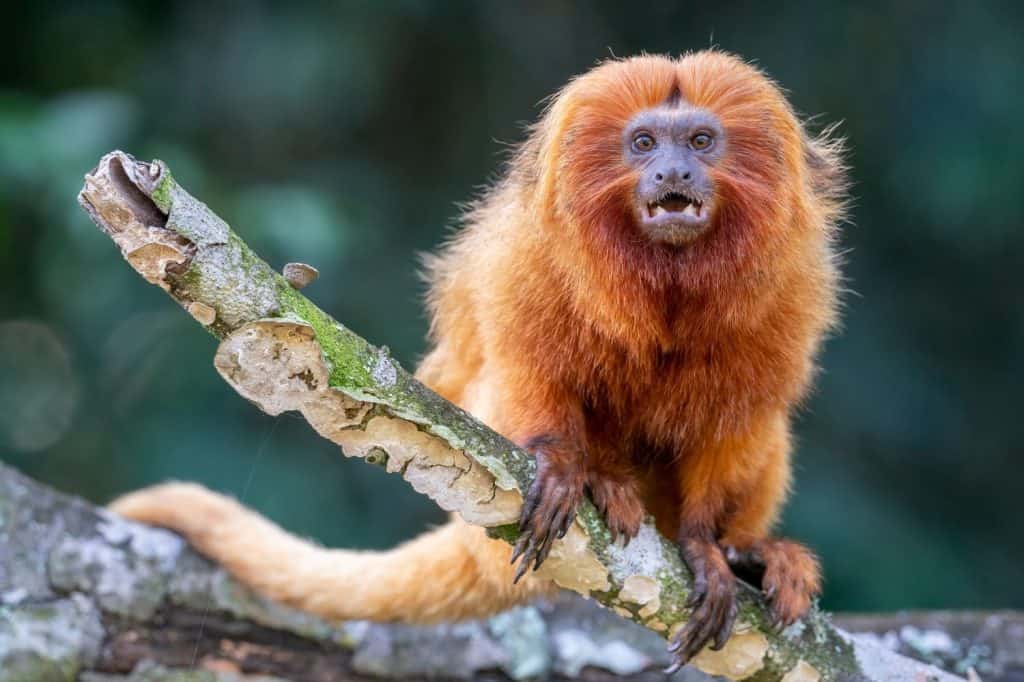
Tamarins have been desirable exotic pets in Europe since the 17th century.
©Rob Jansen/Shutterstock.com
With their expressive faces and soft, fuzzy coats, tamarins have fascinated people for centuries. The golden lion tamarin, with its flame-colored mane, appeared in European courts as early as the seventeenth century, where nobles kept them as fashionable pets to thrill their children and intrigue their guests. Fueled by their small size, “cuteness,” and cleverness, demand for them grew through the late 20th century to supply private collections, zoos, and research labs.
Tamarin prices in the pet trade have ranged from just a few dollars on the black market in South America to several thousand dollars in U.S. or European collections. Over time, stricter laws and reduced supply have pushed prices upward, especially for wild-caught animals. A tamarin sold for several thousand dollars represents more than ten times the typical monthly income in northern Brazil (about US $525) or Colombia (about US $500–1,200). To put that in perspective, the median monthly household income in the U.S. is about $6,200. Imagine if you could catch a raccoon and sell it for $62,000—that’s the level of financial incentive driving the capture of wild tamarins.
Vanishing Forests: Habitat Loss Deepens the Crisis

Deforestation in South America has hit many species hard, including the tamarin.
©F-Focus by Mati Kose/Shutterstock.com
As if the pet trade weren’t enough, rampant deforestation across Brazil and Colombia pushed tamarins drastically further toward extinction. Much of Brazil’s southeastern Atlantic Forest was cleared in the 20th century to make way for cattle ranching, sugarcane, and coffee plantations, as well as logging for valuable hardwoods. Expanding cities and roads cut deep into tamarins’ habitat, while small farmers cleared plots for subsistence crops. As human progress chipped away at the landscape, it left behind only fragments of the forest that had stood for millennia.
For tamarins, which live in complex social groups and depend on specific food sources, habitat loss and fragmentation were devastating. Families became trapped in isolated patches, unable to move or mingle with other groups. Golden lion tamarins once numbered in the tens of thousands in Brazil. With their habitat reduced to about 3% of what it was historically, their numbers collapsed. By the early 1970s, fewer than 200 barely clung to survival in the remaining scattered patchwork of lowland coastal forest.
Scientific Breeding

Scientifically-managed breeding programs have helped prevent inbreeding and preserve genetic diversity in tamarins.
©angellodeco/Shutterstock.com
Breeding tamarins in captivity was never simple, but science made their recovery possible. Tamarins usually give birth to twins once or twice a year, allowing their numbers to grow quickly under the right conditions. In zoos and conservation centers, managers had to do more than just let them reproduce; they also had to pay close attention to genetics. International studbooks recorded each individual’s ancestry, and modern tools like PMx (Population Management) were used to pair animals based on genetic diversity, health, and age. This approach prevented inbreeding and ensured that the young produced were strong candidates for reintroduction to the wild. These carefully managed “insurance populations” not only kept the species alive in captivity but also acted as a genetic reservoir to restore wild groups when epidemics, habitat loss, or trafficking took a toll.
Reintroduction of Tamarins to the Wild
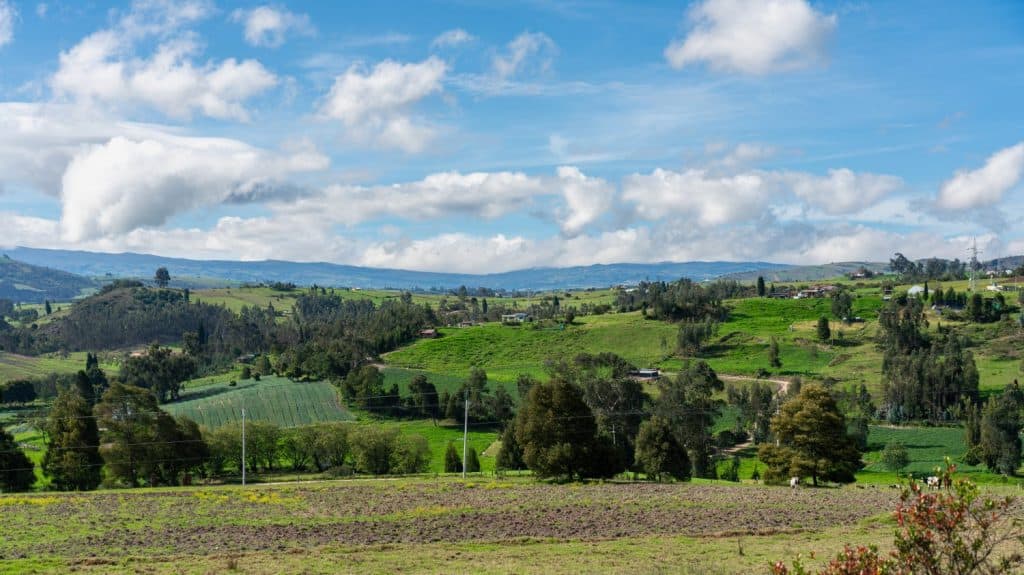
Reintroduction of tamarins to the wild faced many obstacles, including fragmented habitat divided by farmland and other development.
©EGT-1/Shutterstock.com
Biologists and local conservationists knew that without immediate, coordinated action, tamarins would vanish. The first steps included creating protected reserves such as Poço das Antas in Brazil and building pioneering captive-breeding programs to provide a source of healthy animals. By the 1980s, the Smithsonian National Zoological Park and the Rio de Janeiro Primate Center began releasing captive-born golden lion tamarins back into their native forests.
However, reintroduction was not as simple as opening a cage and saying, “You’re free now, little monkey!” Captive-born tamarins were accustomed to regular feedings and had little experience finding food or avoiding danger. To prepare them, biologists gave “survival training” that included encouraging the monkeys to forage for natural foods, recognize edible plants, and react appropriately to potential predators. Some releases were staged in semi-wild enclosures where tamarins could practice these skills while still under human supervision. Once released into the reserves, animals were closely monitored through radio collars and daily field observations.
Local Involvement
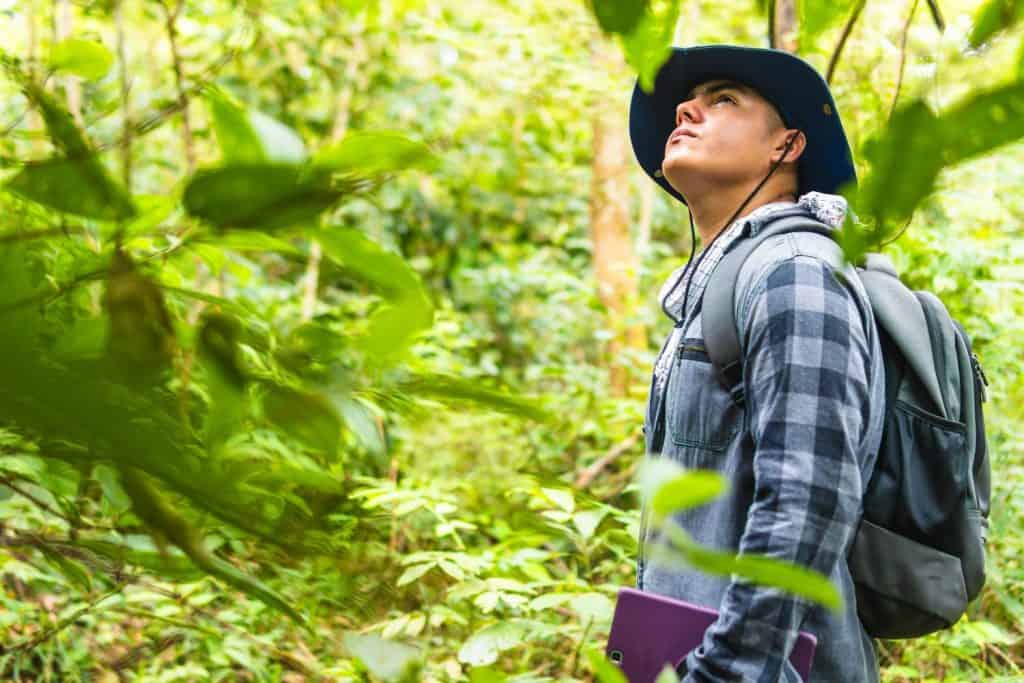
Conservation efforts depend on the cooperation of local community leaders.
©CarloStock25/Shutterstock.com
No conservation program could succeed without the people living alongside tamarins. In Brazil and Colombia, the challenge was stark: a single captured tamarin could equal months of wages, making the trade too tempting to stop through goodwill alone. Conservationists had to provide real alternatives.
In Colombia, Proyecto Tití organized women’s cooperatives that turned discarded plastic bags into colorful woven purses. Selling these bags provided a steady income, reducing the incentive to capture cotton-top tamarins for the pet trade. In Brazil, reserves developed ecotourism that created jobs for guides, drivers, and artisans, giving local communities a financial stake in keeping tamarins alive in the forest. These efforts reframed tamarins as a renewable source of livelihood rather than as a one-time sale.
Education strengthened this shift. Farmers learned how forest corridors improved soil, water, and pollination, while schools taught children to take pride in tamarins as part of their heritage. In some villages, conservationists even exchanged toy tamarins for slingshots, turning hunters into guardians. Over time, practical incentives combined with cultural pride to transform local attitudes, replacing possession with protection.
International Involvement

Ecotourism helps conservation efforts by creating a financial incentive for the local community to preserve its natural spaces.
©WUT.ANUNAI/Shutterstock.com
Support from outside Brazil and Colombia was equally vital. Zoos, universities, and conservation organizations around the world contributed funding, expertise, and breeding stock. International studbooks kept detailed genetic records, and collaboration across borders ensured that no population became too inbred or isolated. Global treaties such as the Convention on International Trade in Endangered Species (CITES) placed strict bans on tamarin exports, while UNESCO and the IUCN formally recognized their conservation status to keep political pressure strong.
Public campaigns turned tamarins into global ambassadors for biodiversity. The golden lion tamarin’s fiery mane appeared on stamps, currency, and even as the mascot of the 1992 Rio Earth Summit. Tourists traveled to reserves to see them in the wild, creating economic incentives for protection. By linking legal safeguards, international science, and public awareness, the global community built a framework to protect tamarins that has since become a model for saving other endangered species.
Struggles and Setbacks
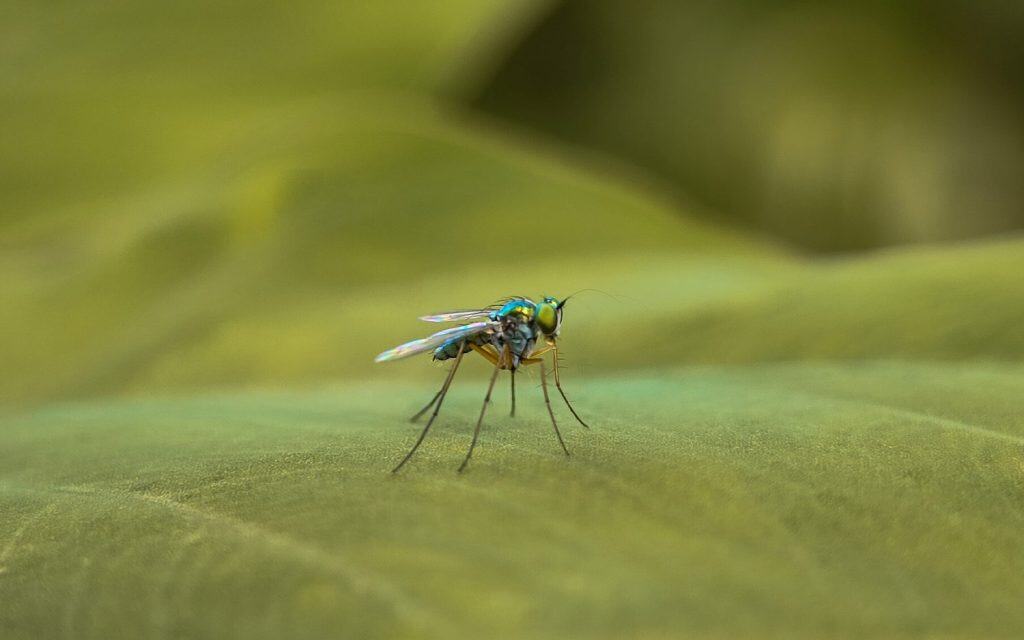
Insect-borne diseases can decimate the fragile population of tamarins.
©Tasif4545/Shutterstock.com
Even with their numbers much stronger than in the 1970s, tamarins remain vulnerable to serious setbacks. Disease is a constant threat—mosquito-borne yellow fever has wiped out whole groups in recent years, and changing climate patterns may increase the spread of insect-borne illnesses. Continued deforestation also looms large. While Brazil and Colombia have created reserves and legal protections, enforcement is uneven, and illegal clearing for cattle, soy, and logging still shrinks and fragments tamarin habitat. Many conservationists argue that governments need to be far more aggressive in protecting what remains of the Atlantic Forest and other ecosystems critical to tamarins’ survival.
New Challenges

Technology creates new threats to wildlife, but also gives conservationists new tools to monitor and protect it.
©Gorodenkoff/Shutterstock.com
At the same time, new challenges are emerging from technology. Poachers and smugglers use social media, encrypted apps, and online marketplaces to advertise and sell tamarins to overseas buyers, keeping the black market alive despite international bans. But technology also gives conservationists new tools. Camera traps, drones, and satellite monitoring help track wild populations and detect deforestation, while digital forensics can trace illegal wildlife trade back to its sources. The struggle now plays out on both the forest floor and in cyberspace, as those seeking to exploit tamarins and those working to protect them adapt to each other’s methods.
The story of tamarins shows how science, law, and community action can bring a species back from the edge of extinction. Their survival remains fragile, but the fight to protect them proves that determined cooperation can turn even the smallest primates into powerful symbols of hope for the planet’s biodiversity.