
Quick Take
- Rare giant stick insects now command market prices exceeding $1,000 for a single adult.
- These massive insects possess a fragile physiology that contradicts their imposing physical size.
- Some giant stick insects are native to the U.S., but purchasing and selling these critters can have ethical and legal barriers.
Have you ever seen a massive bug that looks like a twig or tree branch? Probably not, because these rare insects are masters of camouflage.
Giant stick insects are some of the most expensive insects to purchase—and for good reason. These slow-moving, twig-like bugs are both fragile and scarce, sometimes selling for hundreds or even thousands of dollars. Many bug hobbyists admire the insect’s gentle, fascinating nature.
However, is it really ethical to buy and sell these critters? Let’s explore the ins and outs of giant stick insect breeding and purchasing.
Why Are Giant Stick Insects So Expensive?
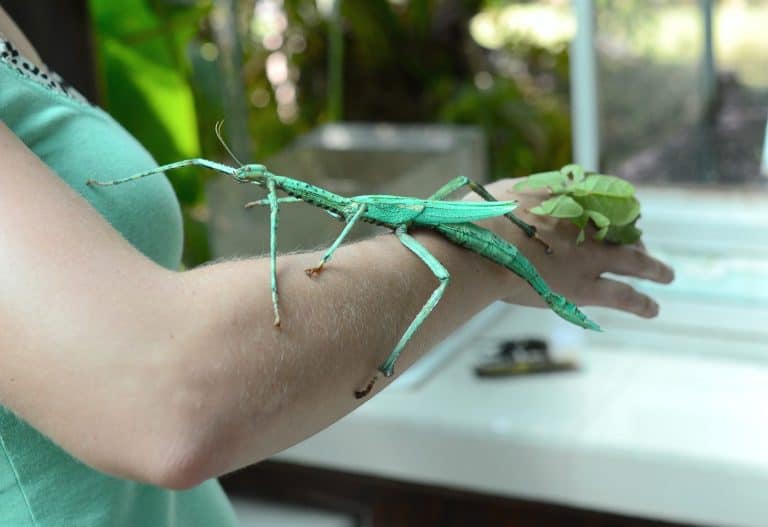
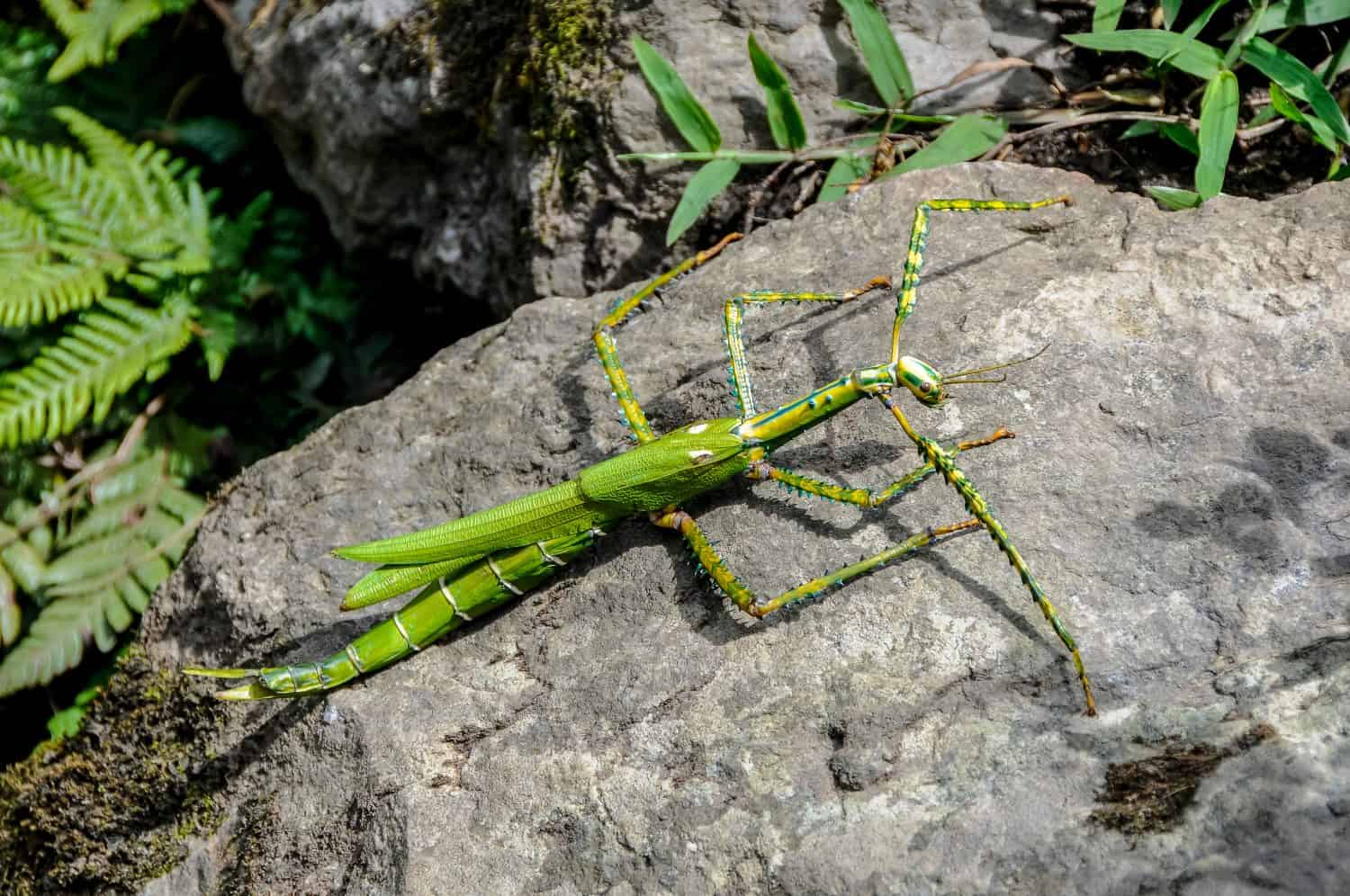
Giant stick insects are a coveted species, hence their high prices. Not only is their twig-like appearance fascinating, but their ancestors are prehistoric. Stick insects in general date back to the age of dinosaurs. These little guys mimicked plants as a form of survival, and they’ve evolved tremendously since then.
Many insect hobbyists and bug collectors adore the giant stick insect for its entertaining and easygoing nature.
“They are popular because they have interesting personalities—quite interactive and fascinating to watch,” says Michele Paiva, PhD, who has experience rescuing insects. “It is like watching a prehistoric being.”

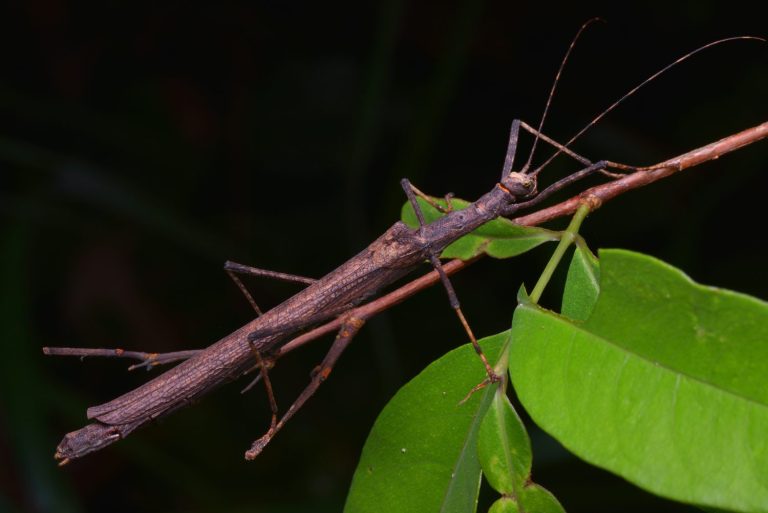
The Giant Walkingstick, Megaphasma denticrus, is the largest insect in North America.
Collectors are often drawn to rarity, in which case, giant stick insects are the ideal prize. However, just because someone purchases an insect to raise in captivity doesn’t mean they’re providing the proper care to the animal. Stick insects require specific habitats, temperatures, ventilation, and diet.
Additionally, according to Paiva, breeders might take advantage of the bug’s vulnerability as a selling point.
“I think breeders pay so much because they are actually extremely coveted, as they are not as hardy as people assume,” she says. “So, when a breeder has one, they know the one in captivity is a potential money maker.”
Scarce by Nature
Giant stick insects are scarce, which explains their luxury prices. These bugs are naturally fragile and in short supply.
The habitat-restricted insects have long gestation periods, ranging from four to nine months. This greatly contrasts with their short lifespans, which are only around four months to a year. In other words, their gestation period isn’t much shorter than their lifespan. However, females tend to live longer than males—and some don’t even require males to reproduce, as they can fertilize their own eggs.
Additionally, when compared to other insects, giant stick insects tend to lay fewer eggs. While some insects lay thousands in their lifetime, female giant stick insects typically lay hundreds.
When it comes to durability and resilience, giant stick insects also fall short. They’re not good insects to handle, as they’re sensitive creatures.
“They are very attuned to nature, and what most humans do to transport is highly unnatural,” says Paiva. “They can’t be jostled, be in a dry environment too long … They are more sensitive when reproducing as well and need to be still, unbothered.”
They are popular because they have interesting personalities—quite interactive and fascinating to watch.
Michele Paiva, PhD and insect rescuer
Legal Barriers and Ethical Lines
Purchasing, breeding, or owning a non-native giant stick insect is generally either illegal or highly regulated in the U.S. Some giant stick insects are native to the U.S., but hobbyists should acknowledge the legal barriers and ethical lines of interstate transport. If you do decide to purchase a stick insect, don’t do so from an unregulated seller or breeder.
“I see purchasing insects in the same way that I see puppy mills,” says Paiva.
This is why Paiva recommends rescuing, not purchasing, insects. Rather than supporting unethical practices, consider helping naturally occurring insects in need. However, if you can’t provide the proper care, don’t take on the challenge.
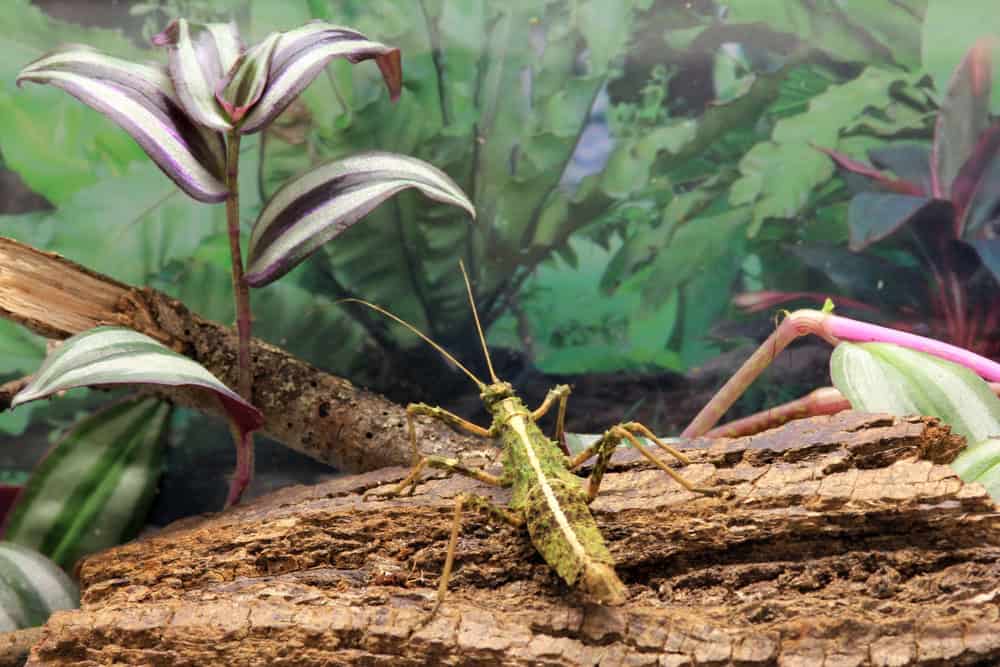
If you wish to keep an insect as a pet, an insect terrarium is a good choice for housing your pet.
©Dina Rogatnykh/Shutterstock.com
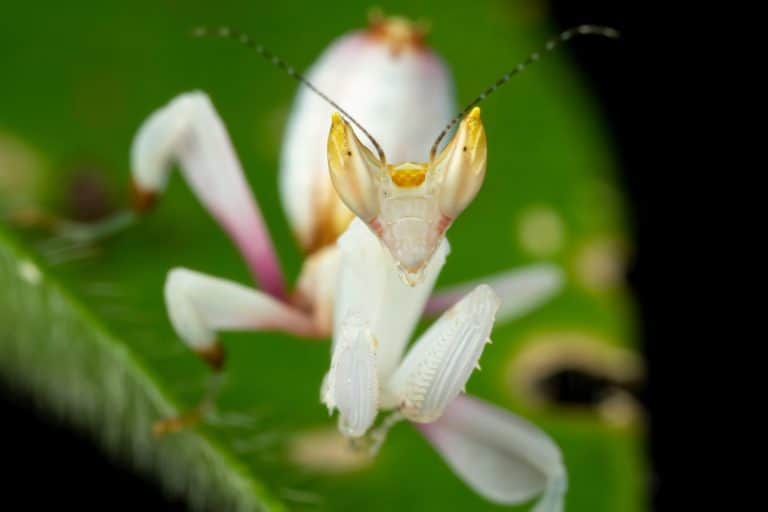
“I rescued a praying mantis a few years ago, and we kept it in a large plexiglass container, fed her crickets, and made sure she had water and constant mist,” she explains. “She ended up with three rounds of ‘litters’ that were each about 100-500. With each, we kept them separate and then released them in the spring.”
Though many people expressed interest in purchasing the praying mantis and her offspring, Paiva refused: “Bugs are a novelty at best for most people,” she says.