
Quick Take
- Animals with indeterminate growth can continue getting bigger for a lifetime, depending on environmental conditions.
- Greenland sharks can live up to 400 years old.
- Turtles, lobsters, alligators, and fish are other species that don’t have a specific cap on their growth.
- Dinosaurs were huge, but analysis of their bones indicates they did not live to great ages due to their challenging and unstable habitats.
Most animals reach an adult size, then spend the rest of their lives maintaining it. After maturity, their energy goes toward reproduction, repair, and survival rather than added length or mass. Yet a wide range of species follow a different pattern. In these animals, growth continues throughout life, although it slows with age. This approach is known as indeterminate growth, and it occurs in many fish, reptiles, and invertebrates.
In these species, age does not act as a strict ceiling on size. Instead, growth depends on food supply, temperature, disease, and overall condition. Individuals that live longer often grow larger, which explains why the biggest animals in a population are rare and usually very old. Studying this pattern helps biologists understand record-size animals, population decline under fishing pressure, and how climate shifts influence body size across generations.
What Is Indeterminate Growth?
Indeterminate growth does not mean that an animal grows at the same rate forever. Growth typically slows sharply after maturity and may become difficult to detect in old age. The defining feature is that growth does not fully shut off. This contrasts with determinate growth, such as we see in birds and most mammals, in which adult size stabilizes soon after sexual maturity.
In species with indeterminate growth, adult size remains flexible across the lifespan. A twenty-year-old individual is often larger than a ten-year-old from the same population under similar conditions. This flexibility shapes how energy is allocated. Adults must balance survival and reproduction while still investing small amounts in growth. Because increased size often improves survival or reproductive output, natural selection may favor slow growth spread over many years rather than rapid early gains.
Importantly, indeterminate growth is constrained. Growth rates decline with age, environmental limits, and energy availability. Some individuals reach a practical size plateau, while others continue adding mass or length very slowly for life. For this reason, biologists consider indeterminate growth a tendency rather than a strict rule.
Environmental Limits on Growth
Even in species with indeterminate growth, the environment places firm limits on how large individuals can become. Food availability is the most direct constraint, since continued growth requires surplus energy after basic maintenance and reproduction are met. Temperature also matters, especially for ectotherms, because cooler conditions slow metabolism and growth rates, while extreme heat increases stress and mortality.
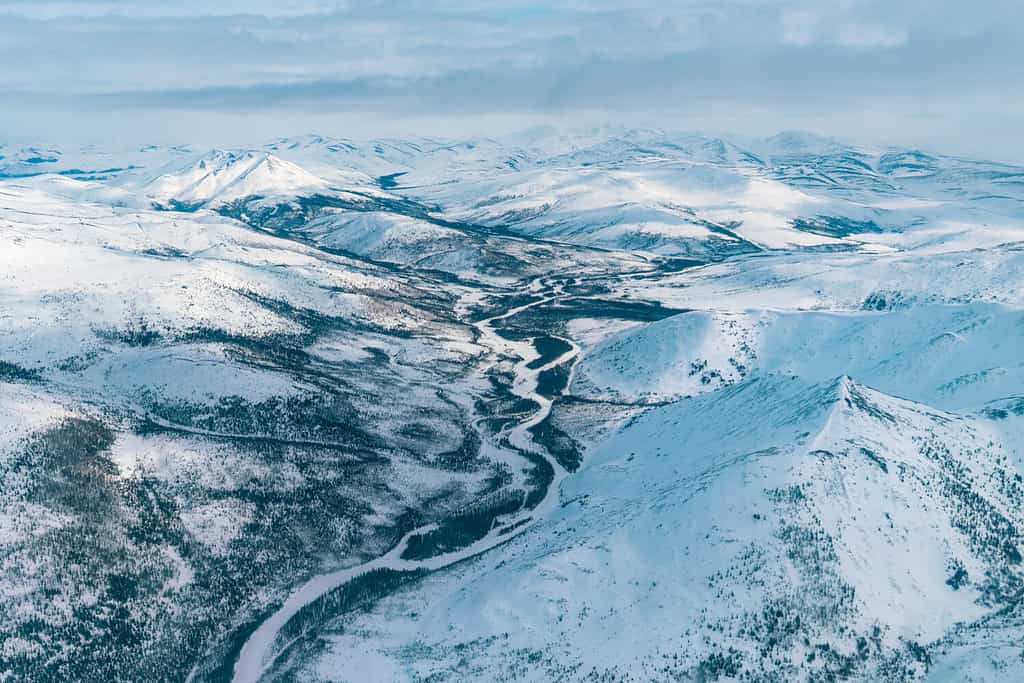
Cooler habitats can slow down metabolism and growth rates.
©Nickolas warner/Shutterstock.com
Habitat structure can impose physical limits, as confined spaces, shallow waters, or fragmented landscapes restrict movement and foraging efficiency. Predation and disease further cap growth by increasing mortality risk before long-term size gains can accumulate. Together, these factors mean that indeterminate growth operates within ecological boundaries, producing gradual slowing, size plateaus, and wide variation among individuals rather than unlimited expansion.
The Greenland Shark and Extreme Longevity
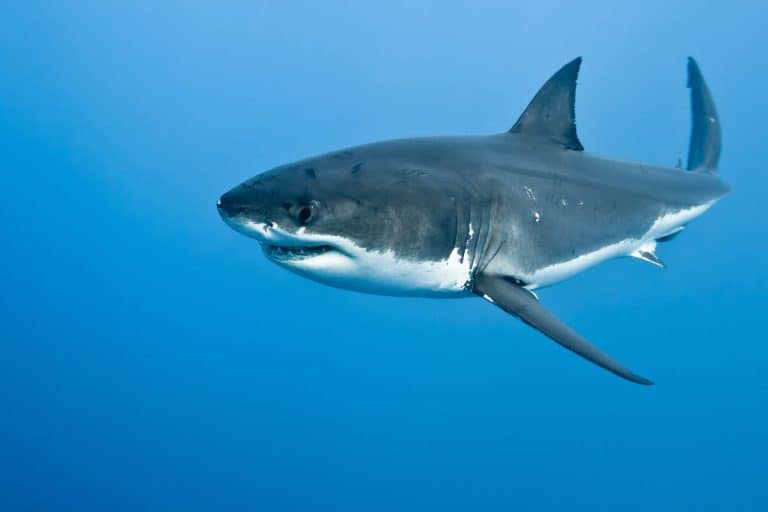
The Greenland shark is one of the most striking examples of lifelong growth paired with extreme age. Radiocarbon dating of eye tissue has shown that some individuals are several centuries old, with the oldest estimates near four hundred years. Growth rates appear very slow, often measured at less than a centimeter per year.
These sharks live in the cold, deep waters of the North Atlantic and Arctic. Low temperatures slow metabolism, which reduces energy demands and supports long lifespans. Sexual maturity likely occurs after about 150 years of growth. Because reproduction comes so late, older and larger individuals play an outsized role in population stability. This also makes the species vulnerable to accidental capture, since recovery from losses can take generations.
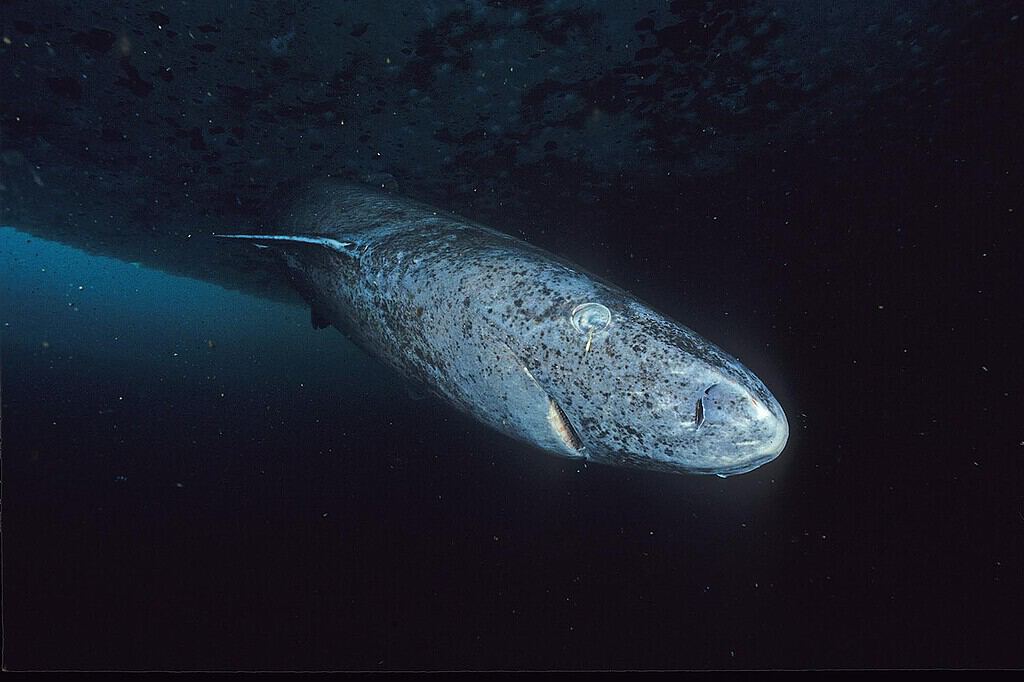
The Greenland shark can live for centuries.
Turtles and Lifelong Shell Growth
Long-term field studies show that many turtles continue growing after reaching maturity, though the pace slows dramatically with age. In freshwater species and some marine turtles, adults may still add shell length or body mass decades into life, often at rates so low they are only detectable over long intervals. Painted turtles, for example, can grow for 20 to 30 years, adding just one or two millimeters of shell per year as adults. In loggerhead sea turtles, growth after maturity may amount to only a few kilograms over an entire decade.
This slow, extended growth can still have real biological consequences. Larger females generally produce larger clutches or more eggs, which links size directly to lifetime reproductive output. Female snapping turtles may continue growing for 40 years, and the largest individuals can lay roughly twice as many eggs as smaller adults. Even modest size increases matter: a box turtle that gains a few millimeters over ten years may be able to carry an additional egg per clutch.
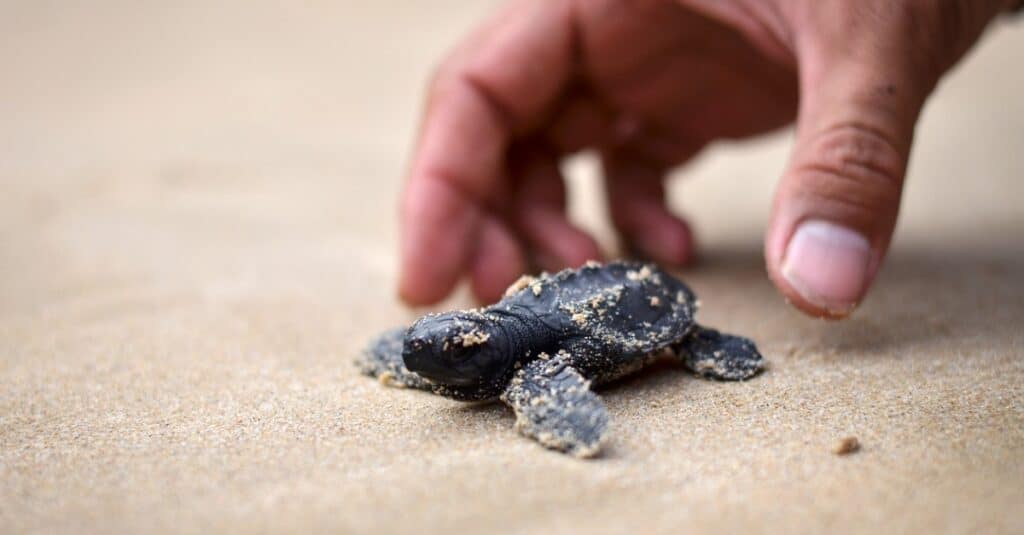
Turtles start out adorably tiny but grow for life.
©iStock.com/Riza Azhari
Some turtles eventually reach a size plateau, while others continue growing slightly until death. For this reason, biologists describe turtle growth as indeterminate, but constrained, shaped by species, environment, and individual history rather than a single fixed rule.
Lobsters and Growth Through Molting
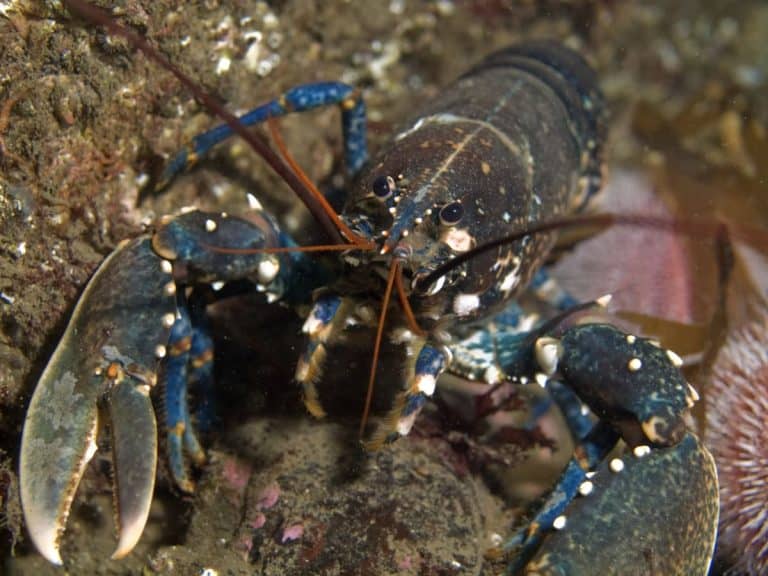
Lobsters have a reputation for endless growth, and this idea has a solid biological basis. Like other crustaceans, lobsters grow by molting. They shed their hard exoskeleton, then expand a new one before it hardens. As long as molting continues, body size can increase.
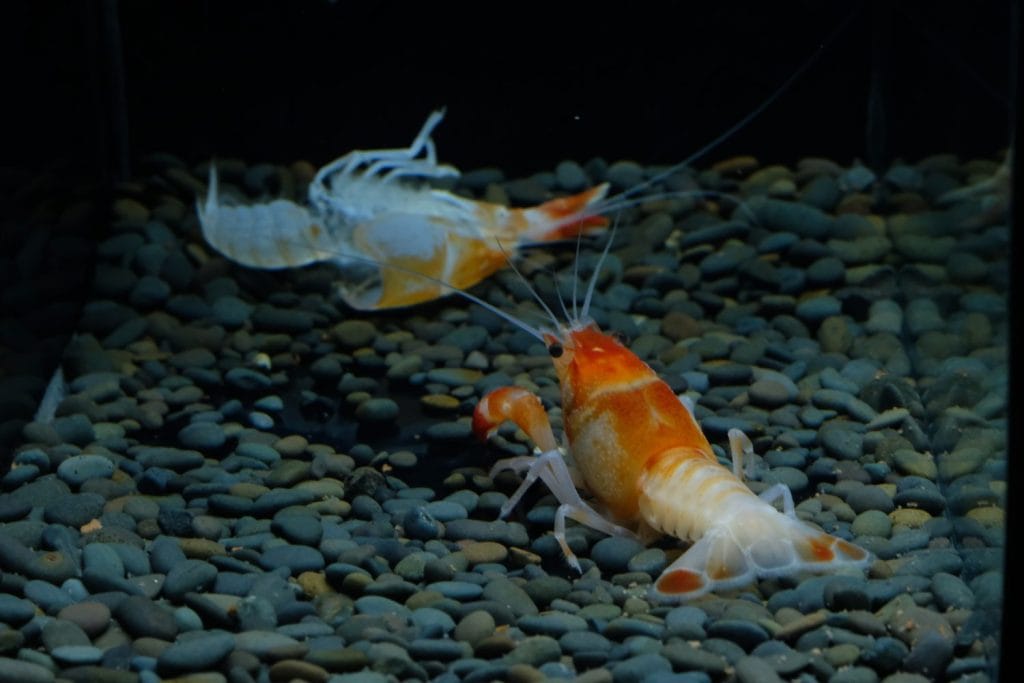
Similar to how snakes shed their skins, lobsters shed their exoskeletons.
©nicefishes/Shutterstock.com
Molting does not stop at maturity but becomes less frequent with age. Each molt adds less size than earlier ones, and the process becomes more dangerous. Older lobsters face higher risks of stress, injury, and predation during molting. While there is no specific genetic age at which growth ends, practical limits arise because the cost and danger of molting increase over time.
Alligators and Size Limits
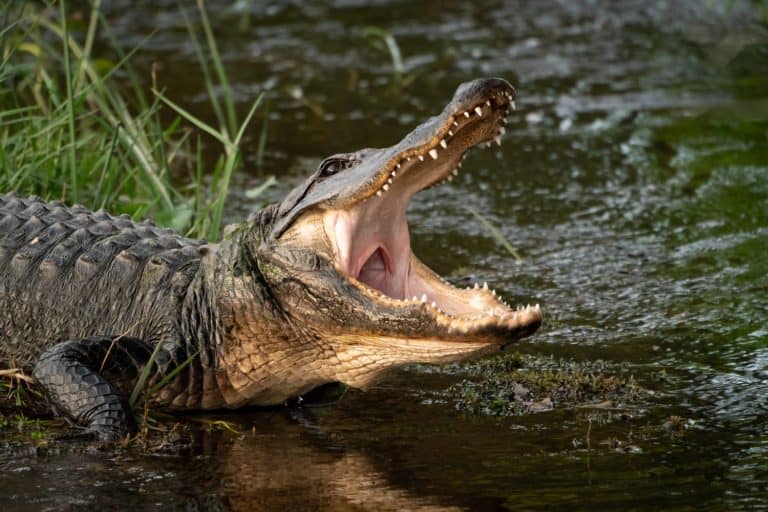
American alligators are often said to grow throughout life, but research paints a more detailed picture. Young alligators grow quickly, with rates strongly shaped by food availability and temperature. As they age, growth slows, and long-term studies suggest that adults eventually stop lengthening.
Large males may add only small amounts of length each year before reaching a stable maximum. The largest alligators are usually the oldest, not because growth never ends, but because reaching that maximum takes many decades. Survival to advanced age is rare, which explains why extremely large individuals are uncommon in the wild.
Why Fish Often Grow for Life
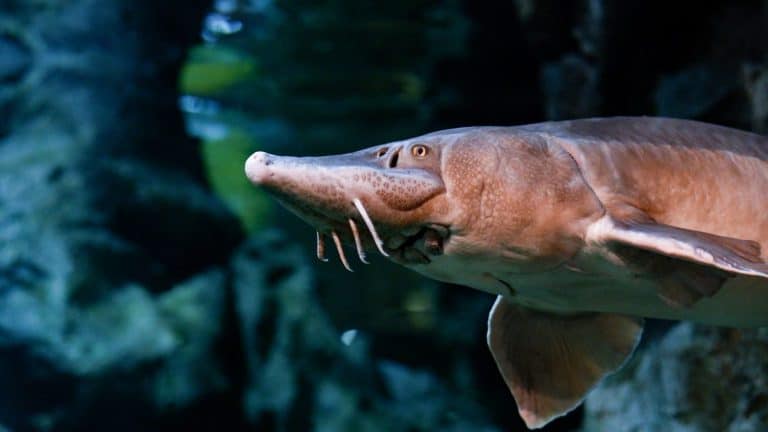
Many fish show clear indeterminate growth, especially large species and sharks. Length and mass often increase with age, although the rate depends on the environment. Warm water, abundant food, and low crowding tend to promote faster growth, while harsh conditions slow it.
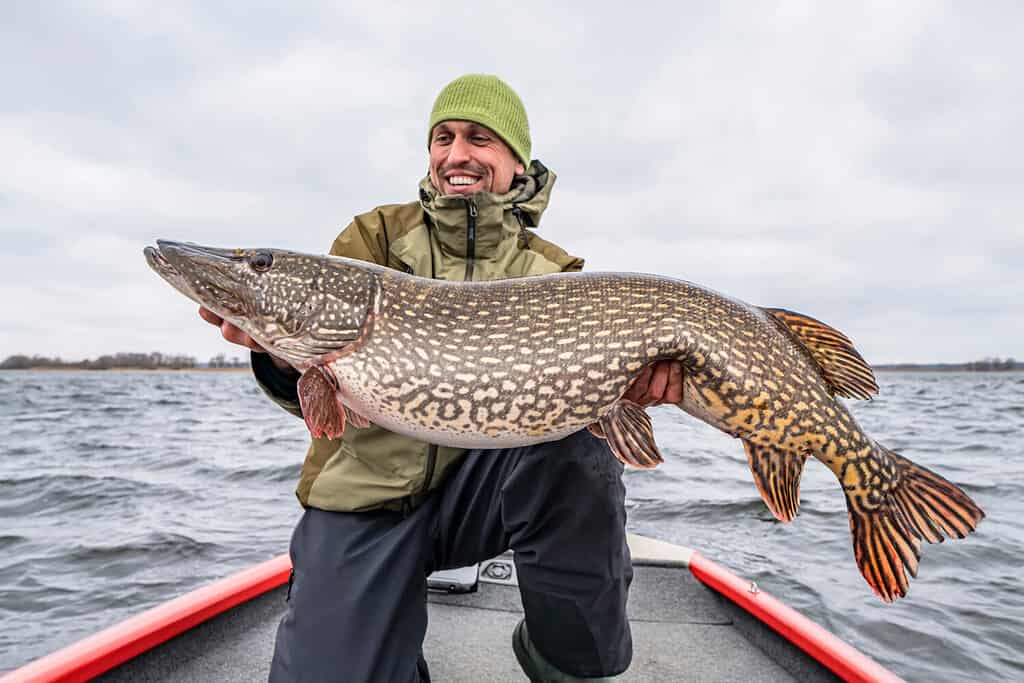
The size of this pike can help indicate its age.
©FedBul/Shutterstock.com
Scientists often estimate fish growth using structures like scales or otoliths, which form visible rings over time. Wider rings reflect good years, while narrow ones mark lean periods. Larger fish usually produce far more eggs or sperm than smaller ones. When adult survival is high, selection favors individuals that keep growing, since size boosts reproductive output and competitive ability.
Dinosaurs: Did Great Size Mean Great Age?
Dinosaurs were enormous, but their size does not mean they lived for centuries. Fossil bones preserve growth rings that show most dinosaurs grew rapidly when young, then slowed after maturity. Small dinosaurs likely lived only 5 to 10 years, similar to many small birds or reptiles today. Medium-sized species probably lived 20 to 40 years. The giants, including large sauropods and top predators like tyrannosaurs, appear to have lived the longest, with most estimates falling between 40 and 60 years. Even the biggest land dinosaurs reached near-adult size surprisingly fast, often within 20 to 30 years, which reduced the need for extremely long lifespans.
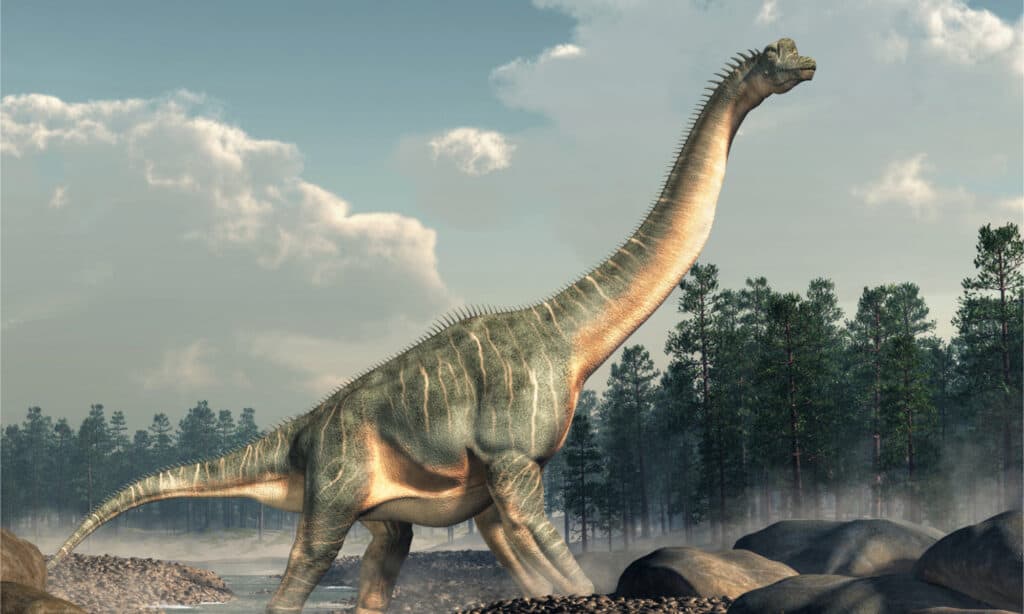
Dinosaurs were extremely large, but had modest lifespans due to their challenging lives.
©Daniel Eskridge/Shutterstock.com
Prehistoric marine animals followed a similar pattern, though the water changed the limits. Large marine reptiles such as ichthyosaurs, plesiosaurs, and mosasaurs were active predators and likely lived for several decades, broadly comparable to large whales today. Estimates for many fall in the 30 to 50-year range. Truly extreme lifespans were rare and appeared mostly in slow-growing lineages such as some sharks, clams, and corals, where growth was minimal, and metabolism was low. Whether on land or at sea, size alone did not create century-long lifespans. Long life depended on slow growth, low physical stress, and stable environments, conditions that most dinosaurs and marine reptiles did not have.
What Lifelong Growth Teaches Biology
Indeterminate growth challenges simple ideas about aging and maturity. It shows that adult life histories can remain flexible long after reproduction begins. Growth, survival, and reproduction stay linked across decades rather than following a single early-life script.
By studying animals that continue growing for life, scientists gain insight into how size, environment, and lifespan evolve together. These species reveal that aging is not a single path but a set of trade-offs shaped by ecology and history. Their study helps explain why some animals live fast and die young, while others grow slowly and persist for centuries.