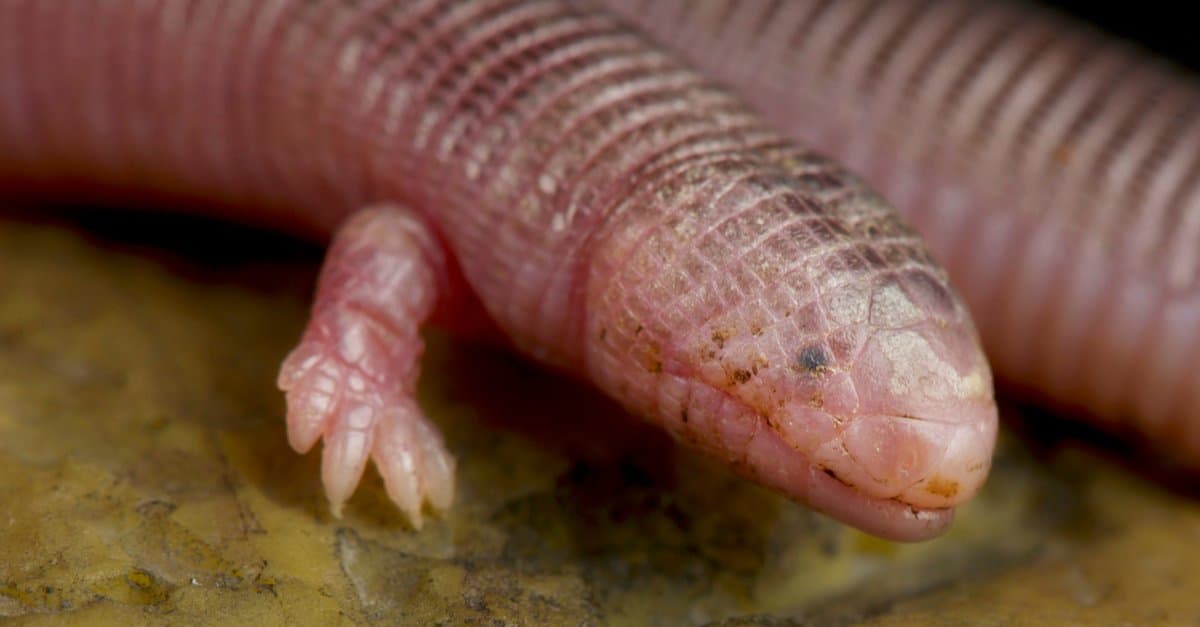

There are some strange-looking animals that make you question what they really are. One of these animals is the Mexican mole lizard. While they are lizards, they also strangely resemble worms with T. rex-like arms. This video by National Geographic shows one of these lizards crawling around with its small arms. Read below to learn more about these strange-looking lizards!
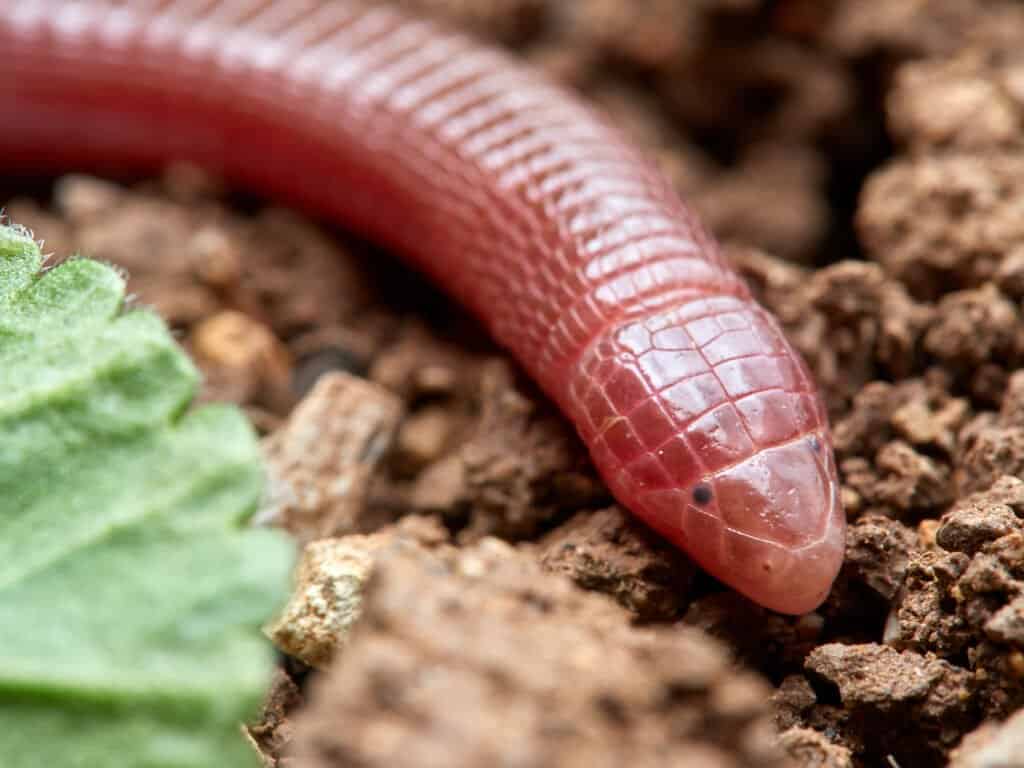
The Mexican Mole Lizard lizard inhabits loose soils as it is easier to burrow.
©Macronatura.es/Shutterstock.com
About the Mexican Mole Lizard
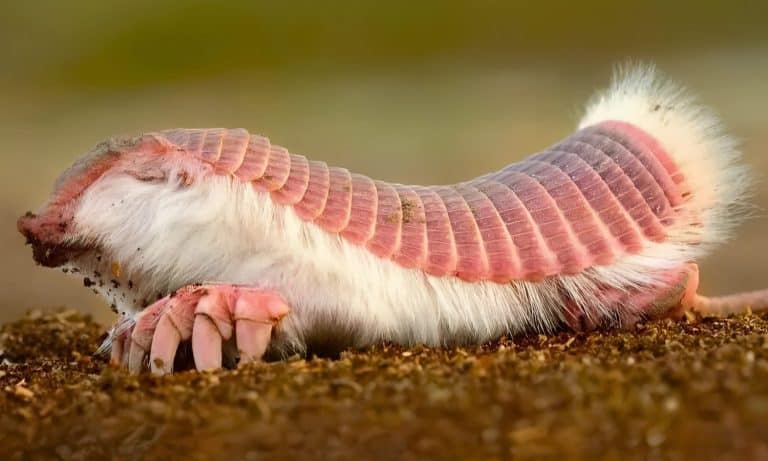
The Mexican mole lizard, known scientifically as Bipes biporus, is a lizard species endemic to Mexico. More specifically, the lizards are densely populated along the Baja California Peninsula. This strip of land is arid and sandy, making it perfect for the lizards. The loose soil makes it easier for the lizards to burrow, as they live most of their life underground. This unique lifestyle makes them fossorial reptiles, and by living underground, they can avoid predators and drying out from the sun. They grow to roughly seven to eight inches long and are extremely thin, about as thick as a pencil. Although they are sometimes called worms, they only resemble worms in certain ways. Their bright skin and lack of limbs, except for two small arms, make them appear similar to a giant earthworm.
Mexican mole lizards are a part of a group of legless lizards. This group is known as Amphisbaenia and comprises more than 200 recognized species as of 2025. So, other than their size, what makes them actually lizards? Unlike worms, these lizards have backbones, scales, lungs, and a reptilian skeleton. These differences are what classify them as lizards. Although they are completely different species, worms and Mexican mole lizards use similar muscles and methods of movement. Both contract their body before pushing forward, making it difficult for predators to discern between the two. This is a form of mimicry, something that the lizards take advantage of to avoid predators. By appearing to be an undesirable worm and staying underground, the Mexican mole lizard has evolved to escape attacks from predators.

The Mexican mole lizard resembles a worm out of adaptive mimicry.
©reptiles4all/Shutterstock.com
T. rex Arms, No Hind Legs
The Mexican mole lizard is unique among Amphisbaenians because it has arms. Nearly all amphisbaenians are limbless, except for the genus Bipes (including the Mexican mole lizard), which retains small forelimbs. The arms are extremely small and disproportionate to its body, but they help the lizard navigate through the sand. The paddle-like shape helps them dig and move through the sand. While it is unknown exactly why this species alone evolved to maintain its arms, it is believed that the Mexican mole lizard needed a little extra help in moving through the sand. So, while their hind legs have completely disappeared, their front arms have remained to support them.